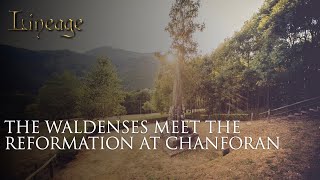
This narrated transcript describes how the Waldensian churches, long persecuted, learned of and engaged with the Protestant Reformation. It recounts delegations exchanged with reforming churches, the Synod of Chan Feran (12-10-1532) where they resolved to translate the Bible into French, and notes areas of doctrinal agreement and compromise between the Waldensians and 16th-century Reformers.
Chapters
For centuries, the Waldensians had been a beacon of light, shining amidst the prevailing darkness. Faithfully, they preserved God's word and worked tirelessly to share it throughout Europe. For this they paid a high price, facing wave after wave of bitter persecution. The intense persecution that they faced began to wear down the Waldensian churches and they began to give in to the temptation to compromise. Many began to render an outward compliance to the papacy while trying to remain true to their faith in God's word. But this course of action began to quietly erode the purity of their faith.
Around this time of crisis, the Waldensians got word of the Reformation that was beginning to take root throughout Europe. They heard of the work that was taking place in Germany, Switzerland and France. And in order to fully understand the nature of this new movement and determine what similarities they shared, the Waldensian churches decided to send a few delegations of ambassadors to the churches in Europe. As these ambassadors came back, they brought back some of the writings of the leading reformers as well as reports of what similar they shared and this greatly encouraged the Waldenian believers. Up until this point they have been a lone voice calling people back to the standard of God's Word. And reports of other like minded believers was a source of great comfort to them.
The leaders of the Waldenian churches then decided to convene a synod with representatives from the Protestant churches so they could meet with the leaders of the Waldensian churches to discuss their beliefs and further determine the relationship that the Waldensians would have with the Reformation as a whole.
On 12-10-1532, right here in the Angronja Valley, the Synod of Chan Feran was convened and sat for six consecutive days. One of the most significant decisions that was made was the resolution to translate and print the entire Bible into the French language. And the Waldensian churches raised the funds for this endeavor. The work was then undertaken by Calvin and his cousin Oliverton and was completed in 1535. The Bible was then printed in Neuchatel, Switzerland and then distributed amongst the French speaking Protestants in Europe.
Some of the commonalities shared between the two churches was a rejection of decidedly papal institutions such as the Mass confession, the celebration of feasts, the worship of saints, the celebration of Lent, the observance of the lenticular Fast and prayers for the dead. Other doctrines that they also rejected was purgatory, penance and celibacy. However, it was not all good. In their joy at finding fellowship, the Waldensian churches were quick to embrace some of the shortcomings of the Reformation as well. Whilst the reformation of the 16th century was a decided step in the right direction. It did not bring about a complete restoration of biblical truth in some areas of belief and doctrine. The Waldensians made compromises that represented a step backwards as they found fellowship with the Reformation.
Two things that stand out from the Synod of Chan Feran firstly, we see the importance of Christian fellowship, and we see the importance of the accountability and encouragement that comes with Christian fellowship. However, fellowship can be a two edged sword and sometimes we can be tempted to compromise as we do fellowship with other believers. Let us be careful as we're on this road to heaven that we do not let our Christian experience be derailed, but that we stay on track and keep our eyes focused on Jesus. It.