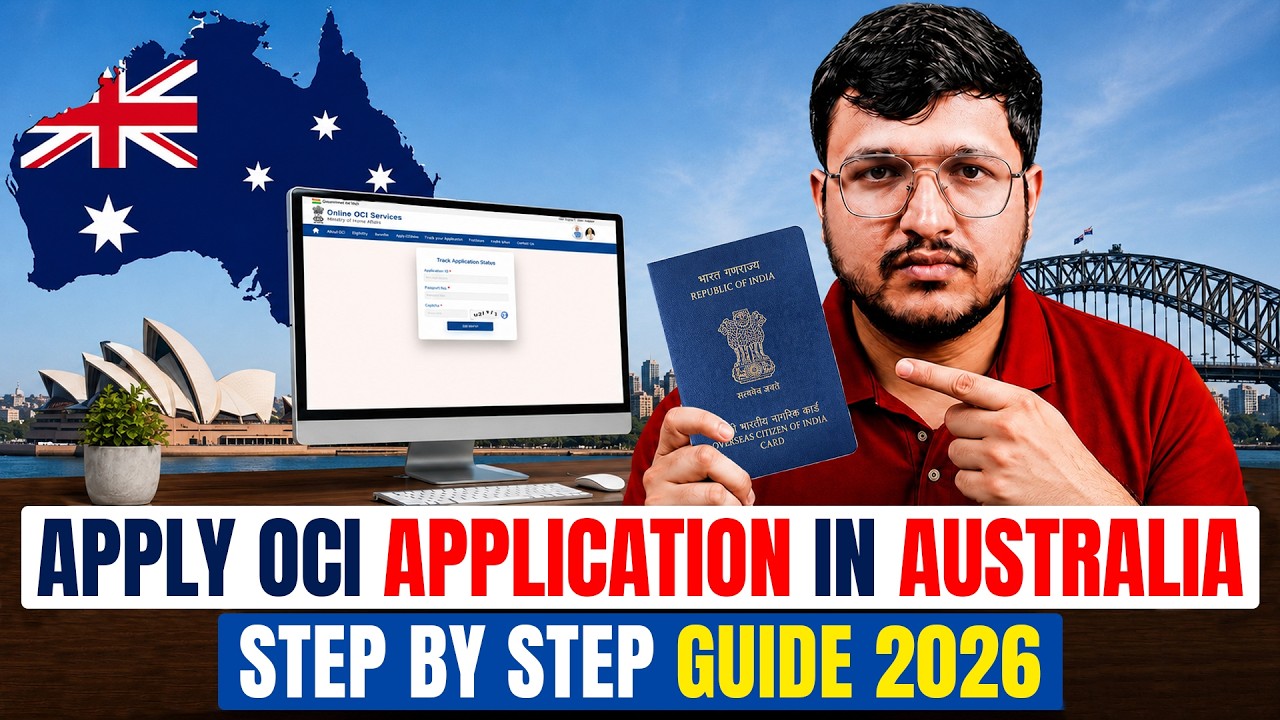
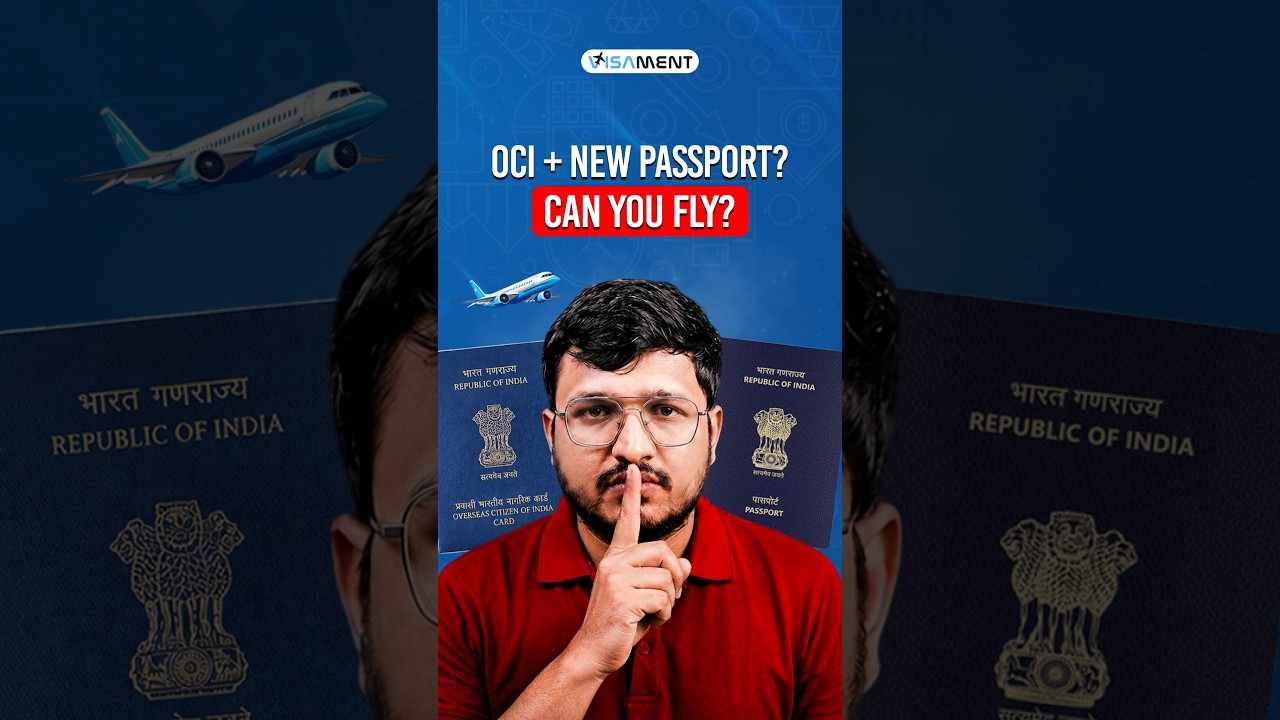
Pratibha Sharma explains that OCI card holders cannot play for India's national team because FIFA requires a player to hold the country's passport, and India doesn't permit dual citizenship. Starting in the 2026-27 season, Indian Super League clubs can field one OCI-eligible player alongside three foreign players. The AIFF is in talks with 33 OCI-eligible players.
Chapters
The Indian government just extended OCI eligibility up to sixth generation for people of Indian origin in Suriname. Now everyone's saying these players can finally wear the blue tiger jersey, but that's only half the story. An OCI card is not Indian citizenship, and FIFA rule is simple: you need the country's passport to represent its national team. Since India doesn't allow dual citizenship, an OCI holder would have to give up their foreign passport and become an Indian citizen before. They can play for India. This isn't a new rule. Since 2008, India's Sports Ministry has required all athletes representing the country internationally to hold a valid Indian passport. However, there is a big change at the club level. Starting from the 26-27 season, ISL and IRE clubs can field 3 foreign players plus 1 OCA player in their starting 11. The AIWF is also in talks with 33 OCA-eligible players, and Rayan Williams has already surrendered his Australian passport to acquire Indian citizenship. Do you think India should allow dual citizenship for OCI athletes? Share your opinion in the comments and follow for the latest OCI card, Indian visa, and immigration updates.