If I Started a Coaching Business in 2024, I'd Do This [$0-$100k GUIDE]
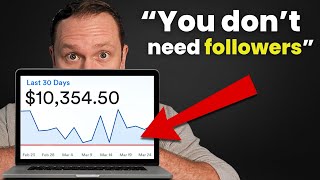
James Allen outlines a path from zero to six figures in coaching: start with one-on-one clients via direct outreach, publish one or two long-form pieces weekly to build an email list, then launch a $50-$200 online course once you hit 300 subscribers. Skip the tech stack and focus on solving a specific problem for people you want to serve.
Chapters
I went from being a blue-collar worker with absolutely zero idea on how business works, marketing, sales, anything like that, to now having a six-figure coaching business that takes me about 20 hours a week to run. And it probably took me about 4 or 5 years to get here. But the good news for you is that it doesn't have to take you that long. In this video, I'm going to show you the exact steps that I would take to get to six figures as fast as possible if I had to start over today. I'm not going to dig into any complex automations or tech stacks or anything like that. I'm just going to give you the overarching fundamental strategy strategies and steps to take to get money in the door as fast as possible into your coaching business. So the very first thing that we have to do is to get your business set up. Now I'm going to assume that you've already done this or you do know this, but if you don't, this just means you creating a business entity, which is a name for your business in the form of either an LLC or a sole proprietor. There's pros and cons to both. I'd say just go with an LLC and start growing your business. So you'll have to have an LLC or sole proprietor, a entity of your business and then a way to collect payments. Just check out Stripe or PayPal. These don't cost money, but they do take a small percentage of whatever money you make. So if you make $500 or $1,000, they're going to take about 3% of that sale depending on which merchant provider you use. Stripe and PayPal are the two most popular. So once your business is set up, now we have to pick a highly profitable niche. Business is just about solving people's problems, and if you can keep that in mind, you will be successful. So picking a really profitable niche There's a lot of information out there about what a good niche is. Basically, a good niche is a big problem that a lot of people have and they have frequently and they don't know how to solve themselves or they don't want to solve themselves and that you can solve that. So big problem lots of people have that you can solve fast. That's when you have a good niche. But another part of having a good niche is making sure that you actually enjoy it. So what I recommend you do is ask yourself these questions. Who do you want to work with? What is the biggest problem that they face? What's the biggest desire they have? And would they pay money to solve that problem? If you wanna work with, let's say, professional athletes, and you just keep that in mind, then you know I have to go and get in contact with professional athletes. So when you get in touch with these athletes, you can start to ask 'em and get curious and do some research about what their big problems are. And you wanna find the biggest overarching problem that everybody says that they have. That way you know that pretty much everybody experiences this problem. In business, the two biggest problems are getting leads and making sales. Those are usually the two most common. There's a lot of other problems that come under the umbrella of business, but everybody needs leads. That's why that is such a helpful and profitable niche for so many people, because it will also have a financial ROI. You know, if I help you get more leads, you'll make more money. So when you can think about the type of person that you want to help and you understand the biggest problem or problems that they have, then it's just about you getting good at solving that problem. This is a lot easier and you'll make money way faster if you've ideally already solved this problem for yourself and helped other people because you know how to do it. But it's not the end-all be-all. Even if you think about who you really want to help and you see what their problems are, but you're like, I don't know how to solve that yet, then you have to really just get to work and figure out how to solve it, and then you can start helping those people. So the key is to find a problem that a lot of people want help with that you know you can solve. I made a whole video breaking down how to find a highly profitable niche. I'll link it somewhere up in the corner here. Once you found your niche, then we want to move on to the next step, which is to focus on private coaching. Private coaching is hands down the fastest path to cash. It's not in building digital products. It's not building an online course or some scalable membership site or anything like that. When you're getting started, if you're literally at zero, probably nobody knows who you are. So you can start working with people privately and they will pay you money. And depending on how big the problem is that you're solving, you can get paid thousands and thousands of dollars just for helping people. And the cool thing with private coaching is you don't need to have a huge following. You don't need to create content online. You don't even need a presence online and you don't need a website either. You just need to know the big problem that you can solve for people and then know who has that problem so you can go get in conversation with those people. Because if you decided on a highly profitable niche, you should know who it is that you want to help with and what problems they have. Now it's about getting in contact with those people. It could be going to a live event, could be DMing people, but some way to get in contact with these people and build a relationship and get to know them and talk about this challenge they have and say, do you want some help with that? I can help you with that. Assuming you know how to solve the problem, you can use a tool like Calendly to create a shareable link that's based on your availability and just send it over to them and then they can pick a time that works for them based on your availability. So Calendly is awesome. It's a tool that I use. I pay for it. But if you're really getting started, you can get one free event type, totally free. I would just call this like 45 minutes with James Allen or whatever your name is. So when people are interested in working with you after chatting with them at this event, let's say, then you can just say, hey, pick a time that works for you here and I'll see you soon. And that's literally a free tool. And if you want to see how I like to do this, I'll link down in the description my one social media post that I use every single month that generates me between $10,000 to $20,000. I know it's crazy, but I literally recycle this one social media post and the results stay the same. So I break down the whole post in a video training. Again, I'm going to link it down in the description. You can always go to profityourknowledge.com/post. So if I were starting my business over again and I created a business entity, I decided on a highly profitable niche, and I started getting in contact and coaching these people, then I would move on to the next thing, which is to create 1 to 2 long-form pieces of content every week. It's just really cool analogy I heard from a coach of mine about hunting versus gardening. Hunting is fast and it's aggressive and it's very laborious, but you can get results much faster by getting out there and hunting. And then there's gardening, which takes a lot more time, but you can reap the rewards of your garden for a long time after that. So it's worth the wait. There's a delayed gratification when it comes to gardening. And if you think about hunting and gardening in terms of growing a coaching business or sharing your knowledge online, hunting is like you going into DMs, you going to these private events and focusing on getting your one-on-one clients, which is really important, especially in the early stages. But gardening is the things that you're doing to build up this garden over time, and that is creating long-form pieces of content. I'm not talking about social media. You can create social media content, but long-form content is by far the best investment that you can make in your business long term. And what I mean by long-form content are things like blog posts, podcasts, and YouTube videos. This is content that is evergreen. It lives on forever, and you don't have to have a video go up and then all of a sudden get lost in the algorithm as much. As long as you're making good videos or good podcasts or good blogs, these types of content are constantly searchable, they are shareable, they can create engagement, they're always working for you, and they're long-form pieces of content that build more of a relationship with your audience, which is in turn going to build trust and more credibility for you and your business. I can't tell you how many times people have booked a call with me or bought one of my programs, and I finally get to meet them and they say, yeah, I found you through YouTube. I watched a video and then I binge-watched like 10 of your videos, and I just feel like I know you. And it's crazy because I've never met them in my life until this moment. That is the power of creating long-form pieces of content. And content doesn't need to be complicated. People think, how am I going to come up with ideas? All that kind of stuff. Basically, content marketing is just answering people's questions, but you want to answer your target audience's questions. If you can answer their questions and solve their problems, they are going to find your content because they're interested in that stuff. And that's how you're going to start to get more leads. Let's say, for example, that you teach amateur golfers how to go pro. You could make a piece of content that says, how a pro golfer actually grips their club. If I'm an amateur golfer and I'm just trying to impress my friends, or I'm actually trying to get into the big leagues, I want to know how the pros are doing it so that I can get an edge on my competition. That's why I would click on that video if I was an amateur golfer. As another part of creating evergreen content, we also want to have this content working for us by building up our email list. Your email list is what I like to think of as your real audience. Having social media followers is great. Having subscribers on YouTube is great, all that kind of stuff. But in the end, your email lists are the people who are more likely to actually buy from you than just casual viewers on these other platforms. They are more committed. So the way that you build an email list is by offering a lead magnet. The way you create a great lead magnet is by quickly solving a persistent problem that your audience has. Just think about what is the biggest problem that everybody faces and reserve that for your lead magnet. You can still create content on similar stuff, but that really juicy persistent problem that everybody has is for your lead magnet. Then when they pick up your lead magnet, that will help you build your email list. But the nice thing is that you are gardening. Remember that. So as you're making content that's constantly working for you while you're private coaching, then you're also building your email list on autopilot, getting new subscribers every single day. Then you just want to make sure that you're emailing your list 1 to 3 times per week. Now, I know that can sound like a lot, but think about if you make one piece of content each week, you can just share that piece of content with your email list and say, hey, I got a new piece of content, and it's just adding value to your list. That's one email. And then a couple days later, you can send one more email that's just like an idea that you got, or if you read a really inspirational quote, you can share that quote and then talk about why you think that quote is really helpful and just share with your audience. This is you digging your well and you gardening, and this is really gonna help us when we get into the later steps in this video. So if I were starting my business over again and I was working with private clients and building my well by creating these pieces of content every single week, then I would start to consider building a digital product, otherwise known as a scalable offer. There's a lot of different types of digital products that you can build. There's ebooks, online courses, membership sites. The list goes on. My favorite by far are online courses. And when you're getting started, if you don't have a big audience, I would say start with an online course, not a membership site, because it would suck for you to open up a membership site for 50 bucks a month or 100 bucks a month and only have like 2 people inside of that. You want to build up a bit of an audience before you introduce a membership site. So start with an online course. Online courses are great because they cost little to create. They're easy to update. You can sell to anyone, anywhere, anytime, and there is no limit to the amount that you can sell. Creating an online course is really beneficial when you actually have a proven process. So that's why we start with one-on-one coaching. But you don't need to have to work with 100 people in order to have a process. You can work with 5 people or 3 people to kind of get a bit of a rhythm on how you're helping your audience go from point A to point Z the fastest way possible. When you have a bit of a process and you're confident in that, then we can create our online course. But you're not going to just record this massive online course. Instead, we're going to build what's called an MVP. Otherwise known as a minimum viable product. Now, the definition of an MVP is an early basic version of a product that meets the minimum necessary requirements for use but can be adapted and improved in the future, especially after customer feedback. The smart way to build digital products is to build something that is small, that gets the transformation that you are promising to your audience. It gets them there the fastest way possible. Only the meat and potatoes with need-to-know information, not the nice-to-know information. You build something small that that gets the job done, that when you get students in the door and you test it with your students, you can build it up based on what they say they need or what you see they really need. This is like one of the biggest problems that everybody kind of goes through at some point. I did for a very long time. We build things that we think our audience wants rather than what they actually need. So that's why we build MVPs. Now, I go into a ton of detail in this in my free masterclass. It'll teach you how to earn $2,000 per month from digital products without complicated tech. I'm going to link that down in the description as well, or you can always go to profityourknowledge.com/masterclass. And when you build out your digital product, you map it out. When I work with people privately, I give them my online courses, and even if we stop working together, they get to keep the courses. It's no biggie, no sweat off my back, and it adds a ton of value to our coaching relationship. When we're starting small with an MVP, we want to price it between $50 to $200 depending on what the offer is, what the outcome is that people are getting. I would say it's always better to start smaller at like, let's say, $50. And then over time, as you get more feedback from people, you can turn that $50 program into $450 or a $500 program based on what people actually needed, because you know, because you got the actual feedback. It's always better to start at a lower price point and raise the price later by adding more to it. You don't want to go backwards and go down. Then we move on to the next step, which is to launch your product. You should only launch your digital product when you have a bare minimum of 300 people on your email list. But if you've been doing job where you've been gardening, creating those 1 to 2 pieces of content every week and emailing your list 1 to 3 times per week, then you should have some pretty engaged people at 300 on your email list. And if you've built a good relationship with the people on your email list, they should be pretty stoked on this because you've been giving so much. And now you're going to say, hey, I got a cool product, maybe you guys are interested in that. What you're going to do for your launch week is email them every day for one time per day. I know it sounds like a lot, but you're doing a promotion and that's totally fine with your business. After this week of heavy promotion, you can go back to your 1 to 3 emails each week. What's important when you're launching a product is you want to always offer a scarcity element. Now, the 3 biggest scarcity elements you can offer are either that you're going to close the doors and there's not going to be any access to this program after this week. You can always offer a limited time bonus, whether it's a coaching call with you or access to another document or additional training, something like that, that they only get during launch week. And then the third scarcity element is that the price is just going to go up. So it can start at $50 when you're doing your launch, and then after that it can go to $100 when you offer it after launch week. But only people get it for $50 during launch week. And feel free to combine two or all three of these elements together during your launch. As you're sending these emails, you just want to point people over to a sales page that gives them all of the ins and outs of what's included to do with the program, have a money-back guarantee if you want. So after your launch week closes, then we want to get to work on turning this program evergreen, which is actually a lot more simple than you might think, because if you've done your work, you should have a sales page and you should have your email list. Now we just need a bridge to take them from the email list to the sales page. We do this by creating a 5-day email sequence that is triggered right when people opt in. So people find your content online, they hear about your lead magnet, They opt in and now they are getting these daily emails right when they opt in. Now the way this works is day 1 is going to be a value email, could be you sharing your story or some extra deep dive helpful tip. Day 2 is going to be another value email. Day 3, we're gonna add value, but this time we're gonna transition and introduce our offer. Day 4 is gonna be a strict offer. I like to just explain what's included inside of this program on day 4. And then day 5, we're going to offer again. So the front half is all about frontloading with value. The back half is making offers. The goal with these emails isn't to sell your course. The goal with these emails is to pique interest and add value and then point people to your sales page. The role of the sales page is to sell the program. Emails are just a bridge from people opting in to landing on your sales page. After you've built out your program, you've launched it, and you've turned it evergreen, now it's time to just keep creating content, monitoring how your new funnel is doing, and privately coaching your people. And when you do that, you're able to hit $100K in a year. Depending on how much you're charging for coaching, it could be a lot more than $100K. To make this all work smoothly and have your business running for you on autopilot, you're going to need to learn how to build a profitable and streamlined website. Watch this video next and I will show you exactly how to do that. If you thought this video was helpful, please like it and share it. And if you have any questions, let me know in a comment below. Other than that, take what you learned here, get out there, make something happen. I'll see you in the next one.










