
Email Etiquette Microlearning Video 3: The "Four W's" of Effective E-mail Composition

In this microlearning video, Randy Dean, an Email Sanity Expert, introduces the "Four W's" framework for composing clear, actionable emails. He explains that before writing an email, the sender should consider: (1) Why the recipient is receiving the email, (2) What information the recipient needs to know, (3) What the recipient needs to do, and (4) When the required action should be completed. Dean suggests that these four points can be presented as concise bullet points, making the email easy to understand and reducing the chance of miscommunication. He emphasizes simplicity, putting oneself in the recipient’s shoes, and promises deeper exploration in future videos. The video ends with a call to like, share, and subscribe.
Chapters
More from Randy

Have #ADHD? Do you crave #caffeine and love #protein? There might be a reason! #diet #energy #focus

Do you have the #ADHD #superpower of Hyperfocus? Can you use to your advantage? Or succumb to it?

How to Prep Peeling #Aluminum #Siding for #painting #diyprojects -- read description 4 step by step
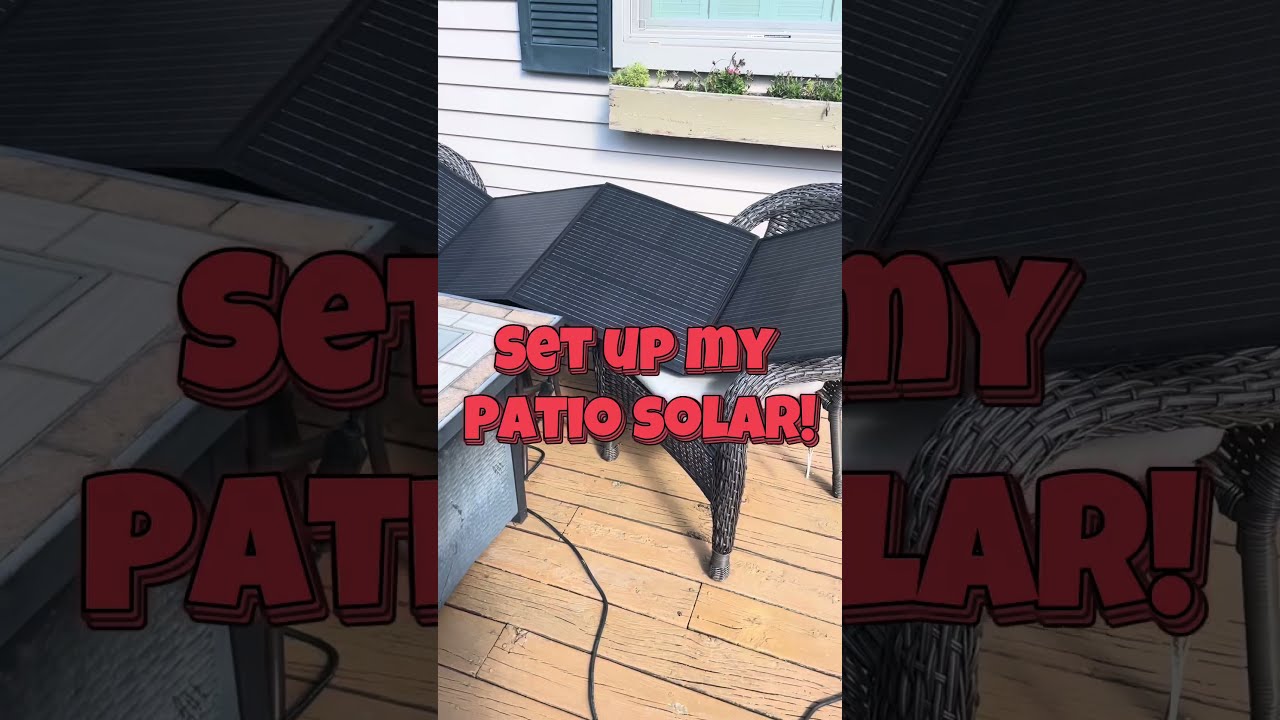
Set up my new #portable #patio #solar unit #balconysolar #apsystems #mhpowos #RVlife

This simple #ADHD #hack might end your #tasklist paralysis called #executivedysfuntion #productivity

Have #ADHD? Do you make a daily #tasklist ? This might help. #tasks #productivity #procrastination

Found too many cool Petoskey Stones and “Greens” on vacation. Had to do something!


Another free #pallet project: I built a heavy duty #ladder stand for #housepainting

Quick Windows Tip: Organizing Multiple Windows on One Monitor or Screen for Faster Multi-Tasking!

Classic Outlook (New Screen): Converting an Email to Task, Calendar, or Contact Using Drag & Drop