Blended Rate Tax Changes!
2 May 2024 · 1 min
0:45
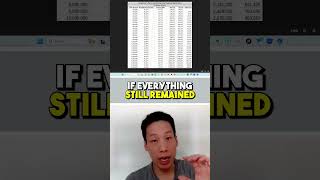
Richard Canfield explains how blended tax rates work when different portions of income are taxed at different inclusion percentages. The example shows a shift from a 50% inclusion rate to a new 67% inclusion rate above a threshold of 250, which changes the overall blended tax rate on the gain.
Chapters
More from Richard





youtube.com
How Do You Use a Policy Loan to Buy Dividend Stocks? #dividendstocks #infinitebanking #shorts
3w ago


youtube.com
Can Compounding Dividends Pay Your Bills? #wealthbuilding #investment #financeeducation
3w ago

See all content


