Create Systems That Skyrocket Your Business Success with Katelyn Bullock
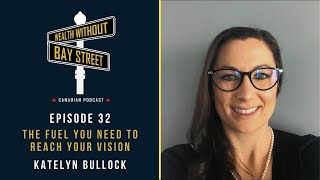
Katelyn Bullock, co-founder of Enta Solutions, explains how to document processes without killing culture. Missing context costs money: she shares stories of expensive mistakes when teams skip steps or misalign on how things work. Good systems let people adapt when floods or pandemics hit.
Chapters
And we're joined today by Caitlin Bullock from Enta Solutions, co founder and ideas gardener. Now we're going to dive into that really, really deeply because that is an amazing title and there are actually some quite unique titles on your team. The organization hails out of Calgary, Alberta, virtually operating pre Covid. And we know now that operating virtually is really not that abnormal to people anymore. It's part of the new normal. Richard, have you heard those words, the new normal?
I have. I've also heard a number of people who, their heads seem to spontaneously combust every time that that's mentioned. So it'll be interesting as people are driving, listening to the podcast. Like, I hope no accidents are created as like spontaneous combustion as people hear that. Yes.
Make sure you pull over closest, at least as close as you can to the nearest water source so that you can put your head out if you're well.
And ideally, I mean, most people are listening to it with a notepad anyway, you know, the comfort of their home.
Caitlin, welcome to the show. Please take a moment to introduce yourself to our listeners and share with your, with our, your listeners what exactly it is that Enta Solutions does.
You bet. Thanks so much, Jason and Richard for having me on. I am Caitlin Bullock. I'm the co founder and ideas gardener of Enta Solutions. And you know, I'll tell you a story. So we really started. I met my partner, funny enough, I audited him. So he always says, you know, he passed the test. But we worked on a project together way back when. And the project, it had all kind of struggles. So everybody, anybody who's been on Project World, like, it's just constant change from the client and change, changes in people and all these things going on. And so, man, it took us a time to get, get in the groove, right? We thought we had it and we were like pretty much celebrating, patting ourselves on the back. And then the PM walks out like white as a sheet and says, you know, that was a client. The contractor just cleared an entire football area worth of trees in the wrong area.
That's not funny. That's what a lawyer would call opportunity.
Yeah, exactly. So, you know, at the time, he was the project engineer and I was the quality lead. And so it was up to us to really figure out what happened. And everybody always has the best of intentions. And it was a big company that had lots of processes in place and the system's there, you know, and it came down to the person, you know, skipped a step on purpose to try to make a change quickly and with the best of intentions, like, get it out, get help down to the field site. And that one step was so important. And we realized, man, people aren't connected to the process. They didn't understand the why or the risk. Like, why do I do that step right? And the risk behind it. So there's got to be a better way. So we really wanted to look at how we connect the people to the processes. So that's kind of what we do at Enta. We take those people, you know, and the culture, and make sure that the processes are documented and they fit with the culture. And then you plug in the tools and you get into this operational sweet spot and you can just fly.
That is so interesting. And in addition to what you described, I remember when you and I had our first conversation and I was sharing with you that. So inside of an organization, regardless of what size the company is, the owner or the business owners are thinking about how do we. How do we document our systems, how do we document our processes? And it's something that is always there. It's always on your mind. But you're so actively engaged in the business, and everyone who. Who has a specific job function within the company is actively engaged in what they're doing. And the busier you get, you think the less time you have to go back and document those systems and processes. And then when you actually do it. Most companies, at least it's been my experience is that most companies go about it the wrong way. So, for example, if I had a process inside of the company and I was the one, I was the owner of that process, and you approached me, Caitlin, and you said, jason, I want you to document this process exactly the way that you do it.
Yeah.
And then I want you to take that and hand it over to Richard, who's never done it before. And I'm confident that he's going to have no problem executing to that process.
How well does that work?
Well, it just doesn't because he'll get to step two and go, he wants me to log into this tool, but he didn't provide me with the username, the password. He didn't tell me where to go. He just said, hey, go into this tool and go get this drag and drop it over here. Take this, move it here. And there's so many things that come up immediately that are roadblocks. And so I really enjoyed that conversation that we had about how you go about helping to make that process smoother so that it's actually being done in such a way where anybody Literally can pick up that task and go, or that process rather, and go through it and not run into those types of things that I just described. Can you expand on that maybe a little bit.
And before you do, I think it's interesting that Jason kind of isolated me in that example, because he knows full well I am going to be the one who's going to break that process. That's part of how I'm built. And so I think that speaks well to what you identified, Caitlin, is that you help understand what is the why of that process. Why did that process get created in the first place? So that even if someone who, like me, my natural tendency, out of curiosity, is to question, question what. Why am I doing that step? What's the purpose of that? Is that step even necessary? My. My brain is going to go in that space. So if we understand why it was created in the first place, why that process exists, that reduces some of that environment. And I would imagine on most, most companies from. Of all sizes, there's an individual kind of like me in that space who's going to have a similar environment. And there, that's probably the guy that caused the clearing of a football field of land. I was that guy in that company. So it's really good to see how your system, what you do, is going to help kind of identify those things to almost to limit the requirement for a person like me whose natural tendency is to break a process, to kind of help them fit in to the mold totally.
And you guys are so right. In fact, you kind of touch on something that's really important in that whole story of this process. Because, Jason, for you, maybe that's the way you think. You're very like, give me the step by step by step. And Richard, maybe you're the give me the idea what do I need to accomplish? I'll get there on my own kind of guy. But what is your company culture? Is your company culture very prescriptive? Is it like a value that we are very meticulous, or is it we're innovative and flexible? Is your culture in your processes, you know, is the way you like to operate in there? Have you defined like your bare minimums? Like, you have to do this because of this, but the rest of it get here how you like. What do you allow for your people to do? What's the musts, the absolute shalls? You know, you get a lot of. A lot of companies who write procedures that, I mean, consultants as their job, and they like to put the shalls in everywhere, right? Like wow. That, you know, and that it just becomes very bureaucratic and it doesn't allow you guys, you know, to be flexible to never, never does a project go exactly how you want it, or a job or a client go exactly how you planned out. Like, where's the flexibility? Where can you move? And so that's what, you know, allows us to be dynamic entrepreneurs. Right. Is that flexibility? But what are the absolute musts, the shalls, like, you know, that's what you really have to identify. And then getting those people to understand that it shall. Because there is a risk here, right? You are going to clear an area of trees in the wrong area. So this is why we do it. And so that's so important.
Well, it sounds like also the idea of having ability to open up the flexibility is really important. Depending on again, that company culture, you want to isolate what those shall requirements are, but then you want to say, but you can also, or but you may. And then that opens up that capacity. Because what it will do, I think for a lot of people who are in the employed structure of that business, it'll help reduce fear, the fear of failure or the fear of maybe not following the procedure to its exact level when they have a little bit more wiggle room within the guidelines so that they can, they can exercise a little bit of their creative power. Probability is that will actually enhance the culture overall of the business and it'll also get people more involved in their joy of being involved in that business. Is that what you found?
Oh, absolutely. In fact, we actually write processes. We always like to write the process specifically around, like, okay, how do you make this better? How do you use your innovation? How do you take all those ideas of all of your people and get the best ones and make sure they get infused into your company? Man, you have the ideas, Gardener, you have a whole garden of ideas, right? How do you make sure you water those and have the best plants come up right for you guys? And that's so important because if you can leverage all of that, man, how powerful of a company is that?
Well, you know, I think that in many respects we can speak to that from experience. And for us and what we do, one of the exercises that I may have shared with you in our previous conversation is that. So we took a look at all of the functions in the business and all the tasks associated with those functions, and we want our team to operate in their unique ability. And so we went through a really good exercise where we said, look, you know, just because a task currently resides with this Job function in the company. It doesn't mean that it. It's a permanently fixed address. Like, we can take this task and move it to someone who would. Where that would bring energy and it would fascinate them. It's something that they. That they just inherently really enjoy doing.
Yeah.
So we gave the autonomy to our team to say, let's get everything up on the wall here. Let's look at all the functions, all the tasks, and then you can share what fascinates you and energizes you and what drains you of energy. And someone in the room has got the responsibility to say, that would fascinate and energy energize me. I had no idea, Caitlin, that it. That it drained your energy tank. Let me take that from you. And that was such the team. You could just see the team feel so empowered, and they had the autonomy to make that call. And as one of the owners of the business, I wasn't present during that discussion because I didn't want to have any indirect influence at all. Yeah, let people. Let people get the work done. And when you work inside of an environment, you can walk into any company, Any company, it doesn't matter what the services, what the product is. Doesn't matter. If you understand what distinguishes a good app operator from a bad operator, you will know within 30 seconds whether or not you're. You're standing in the midst of a good operation or a bad one.
Yeah.
And you look no further than the people. And for us, you know, I think that for listeners of wealth without Bay street, we get a large number of established business owners who. They understand that their businesses can always be better. They understand that there's something, maybe not quite the way they want it inside their company, but they don't quite know how to go about getting it to where they believe it needs to be. And so could you describe to our listeners what is the ideal, you know, client that you're. That you most love to serve? So what are the optimum mindsets of a client that you most love to do business with?
Well, I mean, it's all about aligning values. And our values are trust, candor, innovation, and passion. But really what we want to do is make companies ethically perpetual, like, perpetually epic. Right? Like, they just. They have this idea that they can always be better. Do you know what I mean? The companies that go, well, I don't know why I would need you. I'm good enough. Like, good enough is the death of greatness. And so that that leadership team that goes, what's on the horizon. I see it, but I'm so busy. I want to be able to do it, but I need more momentum. Right. We're not there to be a permanent fixture on the wall. We're there to gain momentum for a company. Right. It's that list of things you've got and said one day, I really want to get this done so I can get there. Anybody who's saying those words, perfect, we're there to help you get that to do list done and then keep you getting that, that perpetual motion forward because, you know, you remember, you remember Blockbuster? Mm. Right. As a kid, like going in and like the smell of popcorn and running to the new release video to try to see if it was in behind and if there was any left. Like, that was such an epic experience as a kid. You waited, you waited to Friday night till you could do that. Right? Yeah. And, and they had it. They. There was a Blockbuster on every block. Right. And they, they had their business model and they actually had an opportunity to buy Netflix and they went, ah, you know, we don't need to buy them. We could probably build it ourselves kind of thing. And they just, they didn't see them as a disruptor. They didn't see him coming. They just had their business model that kept going. Business is good. Yeah, right. And along comes this disruptor. So, like, are you in your business ready for the disruptor or are you wanting to be the disruptor? Like, how do you get your head out of the day to day to make sure you're ready for that? Because it's coming.
Look at it from this vantage point. If you're, if you're Blockbuster, you view Netflix as the disruptor, whereas if you're Netflix, you're transformational. And so if Blockbuster had only looked at it from a different vantage point and said, hey, there's a transformation going on here. Maybe we should, we should think and act and behave. Like transformationally, the outcome would have been much different. Because what people don't realize, they just don't realize because nobody's pointed it out to them, is to think about how, how energy draining it is to worry about disruption.
Yeah.
If you're, if you're worried about it, hey, you know, we, Richard, we run into this in our industry all the time.
All the time.
Somebody coming out, they're going to disrupt the insurance business, digital applications. Oh, my God, whatever that is. We got rope, we got robots that are doing stock trading for people and it's apparently disrupting everything on the planet. Well, if you look at it from a different perspective and you say, wait a second, there's some transformation going on here. Well, that immediately, for someone like myself, and I can speak for Richard confidently as well, that brings us energy that fascinates us. It's like, wow, okay, transformation, that sounds really good. So in what you do for clients, can you give us like an example of how you've helped that transformation happen?
You bet. And so, like, part of what you know, there we have like partners that we work for that actually do like transformational workshops. Right. And that's so key for like infusing that, that energy. But, you know, what's important is being able to make time for that. Right, right. If you're so busy putting out fires, you know, trying to solve the same problem over and over again, and you don't have the processes in place to give yourself time to embrace the transformations, to embrace the what's on the horizon, then you're gonna be the blockbuster. You're gonna get sideswiped by an idea that you're like, hey, yeah, we could probably do that ourselves one day and you're not gonna see it coming. Right, Right. They didn't even see Netflix as a threat.
Right.
You can't have a conversation today without talking about Netflix, you know, and so you need to be able to lift your head up and look for those opportunities. But you can't do that if you're so busy in the day to day fighting fires. Right?
Absolutely.
So you got to get, you got to get the systems and processes in place, the people plugged in, so you guys can all have those conversations and anybody can say, hey, did you guys see this idea? You know, and talk about it and have the time to talk about it. So that's, that's kind of where it really happens. And you know, for a lot of our clients, we would come in and we solve like a little problem for them at first, and then it's like that flow, well, what about this problem? And, oh, well, what about this? And then, you know, that's where we bring our team of experts in as needed, the specialists in those areas to make sure they're getting the most value at the time that they need them, but that the whole comes together and it's greater than the sum of its parts. So it's not just these like little pieces. And so it's really that, that is exactly it. It's being able to rely that your business is operating the way you want it to. Funny enough, enter the word means you in Arabic. And So it is your business, it's the way you want it to run. It's your vision, right? How do you make sure that's happening so that you can look towards those transformations and as you say, like, it should energize you. Transformation is great.
And transformation, it's going to happen regardless. And sometimes it happens without your permission or without your design. Such as, oh, I don't know, a global pandemic shows up. And so suddenly businesses that have always operated in a. In a brick and mortar format with their office spaces and these huge leases and people fight for the corner office with the view that whole situation has shifted for many people and it's causing businesses to rethink. And some of them are going to do exceptionally well at that. Many have already demonstrated it, others not so well. And it's created such an impact where their business is at the brink of maybe shutting its doors. And so that transformation was forced upon individuals and on the business owner and on the business as a whole. And it's how quickly they were able to pivot or not that's really making the decision for them as to whether or not they're gonna be able to proceed. So even if their business unfortunately doesn't survive what's taking place, the thinking process about what they might do differently in the next business probably will. It'll shift, it'll change because it has to.
And it's so funny, Richard, especially here in Calgary, we saw something really, really interesting, right? In 2013, we had those huge floods, right? It displaced a lot of people out of their business. And everybody got in this huge kick and they, you know, creating business continuity plans and programs, right? And oh yeah, we've got this great business continuity plan program. It's never going to happen again. We won't be left out to dry again. And around came the pandemic, you know, like seven years later. And everybody's like, where's that plan? Blowing the dust off of it, right?
Somebody discontinued it.
You know, like, so it's great to build this stuff and everybody gets on the bandwagon of building it. But is it functional? Is it working, right? Are you guys working the plan? Is it intuitive enough that people can go, yeah, we're ready, right? So interestingly enough, like, we've helped work with companies on their business continuity and defining those critical processes. And that's all part of it, right? What's critical to your business and the fact of the matter is, is it processes shouldn't impede your business. They should drive results, right? And a Lot of people are like, oh, we need to check a box regulatory or whatever it is. Like put a process in place. Is it driving results? Is it doing something for you? Make sure it is, because they can, they can really bring value.
That was one of the key audiograms that need to come out of this podcast episode. That was super powerful. And so in terms of, well, let me ask you this. I mean, how's business?
Right. Right now is great. It's, you know, to be honest, when we, when Covid hit, we lost about 90% of our contracts. They either got put on hold or cancelled. Wow.
I bet you that helped you sleep well at night, right?
What do you do? What do you do? And as a small business owner, like, you're, you're up at night, what are we going to do? And me and my partner, we had this conversation, like, how do we, how do we handle this? Right. And so what we decided is we're going to, we're going to lean in. We actually spent money, we purchased new software, we took courses in digital marketing, and we said, let's see what we can do. And it's changed our business. It has changed our business. We started collaborating with people, we started adding value, just giving value for free. Whatever this, we've got the time. We'll build it now. And the connections we've made are, you know, just amplified now. Right. And it's just been. Right. This is how we connected, Jason. And it's so true though. And it really has been this, for us, even a transformational experience.
There you go.
And we would never have gotten to where we got to today if this pandemic did not hit. And so it's really interesting. But we embraced the transformation.
I love that. Great. Those are, you know, those are the type of people that we like to surround ourselves with. You know, there's no such thing as, as retreating in our circle. It's all about advancing.
Absolutely. And that's, and that was the cool thing because we actually changed a little bit of our target market. We said, you know, who really needs what we do is the small to medium sized businesses. Right?
They're the ones, they're the backbone of the economy.
Yeah. But they typically can't afford, you know, consultants to come in and write their procedures. They typically, what they do is they say, hey, Julie, I know you're really good and you're organized. Can you write this in your spare time?
Well, for all of our business owner listeners, regardless of the size of your business, ask yourself what the cost of not doing Anything is right. And if you view, you know, what Caitlin and her group do at Enta, you've been listening to this podcast, you find yourself thinking, this sounds really interesting. I want to explore it further. We're going to provide contact details in the show notes so that you can get in touch with Caitlin and see if you can establish whether there's a basis there to work together. But ask yourself that question, because speaking from one business owner to the other, from firsthand experience, there are things that you want to see happen in order to move your business forward. And we, we work in a people process, technology framework. And so if there's something in the process that you know, it needs to be optimized, it needs to be documented, it needs to be cross trained across your organization. You should be in a position if you're fully optimized. Any person in the organization can pick up any process and with a little bit of, you know, obviously autonomy of time can get it done. And they don't have to tap 58 people on the shoulder to figure out how to do it every step of the way. And so if you find yourself thinking this is something that I think would really benefit my business, then you should connect with Enta and see what they can do to help. And we always view things like this and encourage our business owner clients to do the same is to view it as an investment. And again, it's all about how you think.
And there's, there's a huge return on this investment too, if you think about it like if you're bringing on a new employee and it takes them six months to get ramped up because they've got to, like you said, talk to 58 people to figure out how to do their job and navigate the system. And it's not an easy onboarding for them. You're losing your profitability because they're not, they're not maximized for you. Right. So there's huge return on investments. You're eliminating fires or repeat fires from having to put them out. You know, that's profitability out the window. It really is.
Now, do you do any, have you, have you and your partner done any of this from a group kind of a coaching almost environment where you have maybe a couple of small, medium business owners together in a, in a collaborative environment and then they can almost kind of workshop some problems that they're going through live at the time? Is that something you guys do?
I absolutely love what you're talking about, Richard. What? And that's kind of like this whole Digital and new software that we bought, we actually created a membership. So what it does is, you know, that poor Julie, who got asked to do this task and has absolutely no training or understanding and she's got to figure it out in her spare time. What we've done is created a membership where Julie can come log in. She gets access to training tools like videos on the why, the risks, what it means to the business, and then she actually can book strategic meetings and she'll get access to like some, some support network that exact way. So it allows her to jump in and jump out and really delve in and then get strategic touch points with an expert instead of, you know, the experts coming in and they do the bulk of the work. It still helps Julie a lot right now. She goes, okay, I'm armed, I'm geared, I get this, right? Oh, and I, by the way, I downloaded this, you know, out of the box template. I'm going to tweak it for my company. But I know exactly what the purpose is here and what it's meant to do. So it really allows people to like, accelerate without, you know, having a big consulting firm come in and all the dollars flying out the window and they're not sure, you know, is it worth it. So this way you're investing in your people too, right?
I love that. Now, now that's, that's in a situation where you've got the business owner who, who is, or the corporate team has kind of said, hey, Julie, can you, can you tackle this? And so kind of Julie's off on her own trying to figure that out. What about the folks who they kind of have the unintentional roadblock of blinders because they're so busy and they're in fire prevention mode and they haven't had a chance to kind of like lift their head up above, you know, get, get a breather, you know, above the water, as it were, and they're not even sure what that first kind of domino is that they need to tackle. Do you have a workshop where you would, you know, let's say you get 10 business owners in a room and they can kind of figure that out together through some questioning and maybe some group work where they can isolate those things and they even know where to get started to start getting that procedure, that first domino that's going to make the big impact for them.
We typically do that like on an individual basis. Not that we couldn't bring a couple people in together, but everybody's pain point while they have similar pain points Everybody's biggest pain point is usually very different. Right, right. Where their focus is because, you know, where are they putting out the fires and then, you know, making sure we're not getting into confidential or competing, you know, business services and that kind of say industries and stuff like that. But, you know, we do, on our YouTube channel, try to give a lot of good tips and videos to help accelerate that. Just, you know, for free for people. Go check it out, pull it in, you know, share it with your team. Because, you know, you call them, like, you know, learning moments or whatever you call them in your, you know, kick off a meeting, grab them off of our YouTube channel. They're there for you guys to support everybody.
That's awesome. People love the YouTubes.
Right. Video. You can just watch cat videos for 20 minutes of your meeting. No, I'm kidding.
And YouTube channel. Enta Solutions, I presume.
Yep. Solutions, Inc.
Awesome.
Now, your partner. So you talked about your partner, who also has a very interesting title in the organization. What is that?
Adam Colisetti. He is our culture ninja.
Excellent. So, like, does he, like, does he run around the building in a ninja uniform? And you never see him.
You wouldn't see him.
Ah, okay. So there's no smoke bombs.
And I just had a flashback to an old commercial, like an NFL commercial with the Terry Tate office linebacker, where he would just, like, jump out and, like, tackle someone in the office out of the middle. Don't forget about your TPS reports, Richard.
Yeah, well, so funny enough, Adam is a black belt. But what he like the culture side of things. Adam's really perceptive to the people side of things. And that's where we really. We bring in these, like, we plug it all in. Let me tell you another story. So Adam and I, after this whole project, we're like, there's got to be a better way. We're starting a business. So we quit during the recession. Who does that and starts a business? You know? And we had, like, one major client, and here they're downtown Calgary, right in this beautiful tower. And we're, like, kind of freaking out because we're in this elevator going up to the top floor, and, like, the elevator doors open. It's like, game face, right? Game face. Game face on. We go in, and we're in the boardroom with other consultants for this client. And these other consultants have their own buildings. Right. Like, if that's not intimidating for, like, a fresh startup, I don't know what is. Anyway, we're working for this client for about two weeks, and he says, can you review one of the other consultants standards that they wrote for us? I said, okay. And I mean, like, technically, this standard was right. It met all of the requirements. It followed industry best practices. And so. But it didn't feel right for their company. And so I said, you know, what do you do? I didn't want to look like I was posturing. Like, this is our only client. Like, what do we say to this guy? So I took him aside and I said, you know, it technically is right, but it doesn't feel like you guys. It doesn't feel like your culture. He looked at me and just shook his head. He goes, how do you know that? You've been here for two weeks. These guys have been with us for two years. How is it that you can get that right and that. And that that piece is so important that it. It feels right? Somebody picks it up and goes, yeah, this makes sense. Yeah. You know, this feels like our company. And that culture piece is huge. And. And that's why Culture Ninja, right? It's bringing in that whole business with, you know, your culture, your processes, your tools, and finding that sweet spot, because otherwise they'll just sit on the shelf and collect dust. And why do it?
Such a good point, Richard. Any parting comments? Any additional questions for Caitlin?
I think it'd be really cool if, like, in post production of this, we could just get some little clip it snips of. Of him doing some ninja moves.
Yeah, like I actually slides on.
Yeah, he's on the. You can't see him.
He's on the.
Can't even see him.
The cultured ninja. I'll tell you, I've already got some ideas I can share with you about some really, really neat YouTube videos that you can do to bring a little bit of entertainment to that, because.
Oh, yes, yeah, we're all about that.
I'll tell you. It's again, just speaking through firsthand experience. Is that culture, I would say for a lot of companies, dependent upon how large you get as you move from. I'm just picking arbitrary numbers here. As you move from one person to 10, from 10 to 20, from 20 to 50, 50 to 100, 100 to 300 people, there's a shift. There's a shift that happens. And if you. If you're not empowering every single person, regardless of what role they have in the business, to be. To be a guardian of the culture that they helped create. So it's not just a. It's not for us here. It's not platitudes.
You're right.
For many companies, it's a. Hey, when we, when you get into business, isn't culture something you need? And someone goes, yeah, let's just write some stuff down right now.
Like, oh, yeah, they slap their values on the wall and say, yeah, it's.
Like, hey, we're good, but are you actually behaving that way?
And that's it. It comes down to behaviors. And it's so funny. Like, we have a program called the Culture Hack that we take companies through to help them either define or redefine their culture. Because you can say what you want your culture to be, but if your people aren't connected to it, they'll have a subculture and it's going to be what the people choose it to be.
That's right.
Based on what's in their hearts and what's in the way they operate. So if you don't define or redefine your culture to align with your people, it'll always be disconnected. And so that's where we run them through a culture hack program. Get them aligned.
And if you own the business and this, you know, you go through this culture hack process and you own the business, let it percolate for a while. Let it just really, truly ask yourself objectively, is this really how we're behaving?
Yeah.
And take. To take that in. And if it's happening, you've heard the expression, well, you know, it just feels right.
It just feels right. Go with it. That's intuition.
It feels right because that's the way people are actually behaving. And when you get feedback, reinforcing feedback, you know, for business owners listening, ask your team members to describe to you how you. How clients should describe your business. So when we're working with clients and we're serving them and helping them, how would you like them to describe our business? What, what would they say? And when they, when they visit our headquarters or they, they are at an event, what are they, what are they saying? What are they describing? How are they feeling? And it reinforces your culture. You know, I talked to a client yesterday who said, I gotta tell you, every time I call in and I talked to talk to Michelle or gosh, they, they just treat me like incredibly well. They make me feel comfortable. I said, oh, how else do they make you feel? They make me feel welcomed and warm. I said, oh, that's really interesting. Could you maybe expand on that? Because I'd love to give them feedback, but I want to be specific and I know that from a culture Standpoint, it's like, this is exactly the culture that we've built, and the client is the one that's proactively, feedbacking, saying, I want you to know the kind of culture you have there. Can you pat them on the back and say, job well done?
Third party validation is one of the best ways to understand what's coming up is completely. You get it from a third party source. That's when you really understand, wow. Like, that's what's actually happening. And that can happen on the negative side. And then you can actually make adjustments.
Yeah. But it's always. It's always best to deal in specifics.
Right, right.
If I just went up to Lana and Michelle and said, hey, I want you to know that our clients said that you're terrific. Well, he was. I said, would you mind being specific? Because I love to give them really good specific feedback. He said, yeah, like whenever they get on the phone, they're polite, they're responsive. They actually sound happy to talk to me. So the feedback that I provided was specifically that. So catch your. Purposely catch your people doing things. Right. That support the culture that you've built.
Be a guardian of it and reinforce it. Yeah, if they're aligning, reinforce it. That's positive reinforcement. Right. And that's the recognition. That's what keeps it going. That's the perpetual epic that your company can be. And so one of the things that's really interesting is when it comes to culture and processes, let's say that's the culture you want warm and welcoming, and maybe it's helpful. Right. And so they answer the phone and they're like, oh, I need you to help me solve that problem. And you're. And you know, she says, well, I'm sorry, but that's not our process. I've got to go through all these steps and I'm going to connect you. All of a sudden, your process now just totally negated what your culture is. Right. And so don't have them fight each other.
We always encourage our clients to avoid creating a sales prevention department. Yes.
Yes.
Hey, Richard, look on his face. Because those are really easy positions to hire for. Truthfully. Truthfully, it's a lot harder to find great people than it is to find people who aren't so great, because the great people aren't unemployed for very long.
And you know what? Everybody every. If, if they're not great, it's because they're not in the right position.
Totally. Yeah. It's just, it's the wrong. And it could be yeah, they're, they're, they're taking something on that that is energy draining. It's not motivating to them and so, so important. But Caitlin, it was so much fun connecting with you. We appreciate you being with us on the podcast. Richard, any parting comments?
I just would like to thank you for sharing a couple of really cool stories to give people perspective in their business journey on when to recognize when there's a process culture mismatch, mismatch that needs to be fixed and you don't want to wait until the football field size chunk of land is cleared that shouldn't be before it happens.
Absolutely. I really appreciate you guys having me on. Thank you so much.
Oh, thank you. And for all of our Wealth Without Bay street listeners, we always encourage you to smash the like button and if you're Andy Roundhouse, kick the like button, comment like the podcast, subscribe to it, leave us a review, let us know that you've left us a review and then leave another review and listen to all of our episodes. Rich, is there anything else that we ask listeners to do?
We always encourage them to check out the masterclass because a lot of times people are interested in learning more about how to incorporate the process of becoming another banker in their life and sometimes they seeking guidance on how that works. Well, hence the masterclass. You go to wealthwithoutbaystreet.com forward ninja/masterclass and then you can go ahead and put your details in there. And plus you're going to get Nelson Nash's book which is pretty sweet in the deal.
Thank you for for sharing that and we would encourage listeners and viewers please check out the Entus Solutions YouTube channel and visit their website. Connect with Caitlin and you'll be glad you did. So thank you for tuning in to another episode of Wealth Without Bay Street. We wish you and yours an amazing day. Be great.
Thanks for listening to the Wealth Without Bay street podcast where your wealth matters. Be sure to check out our social media channels for more great content.
Hit subscribe on your favorite podcast player.
And be sure to rate the show.
We definitely appreciate it.
And don't forget to share this episode with someone you care about. Join us on the next episode where we continue to uncover the financial tools, strategies and the mindsets that maximize your wealth.
More from Richard





How Do You Use a Policy Loan to Buy Dividend Stocks? #dividendstocks #infinitebanking #shorts


Can Compounding Dividends Pay Your Bills? #wealthbuilding #investment #financeeducation


Should a Corporate Policy Offset Your Personal Coverage? #shorts #insurancetips

What Is Human Life Value? #shorts #insurancetips #dividend #wholelifeinsurance