How a Life Insurance Policy Loan Helped After a Medical Emergency
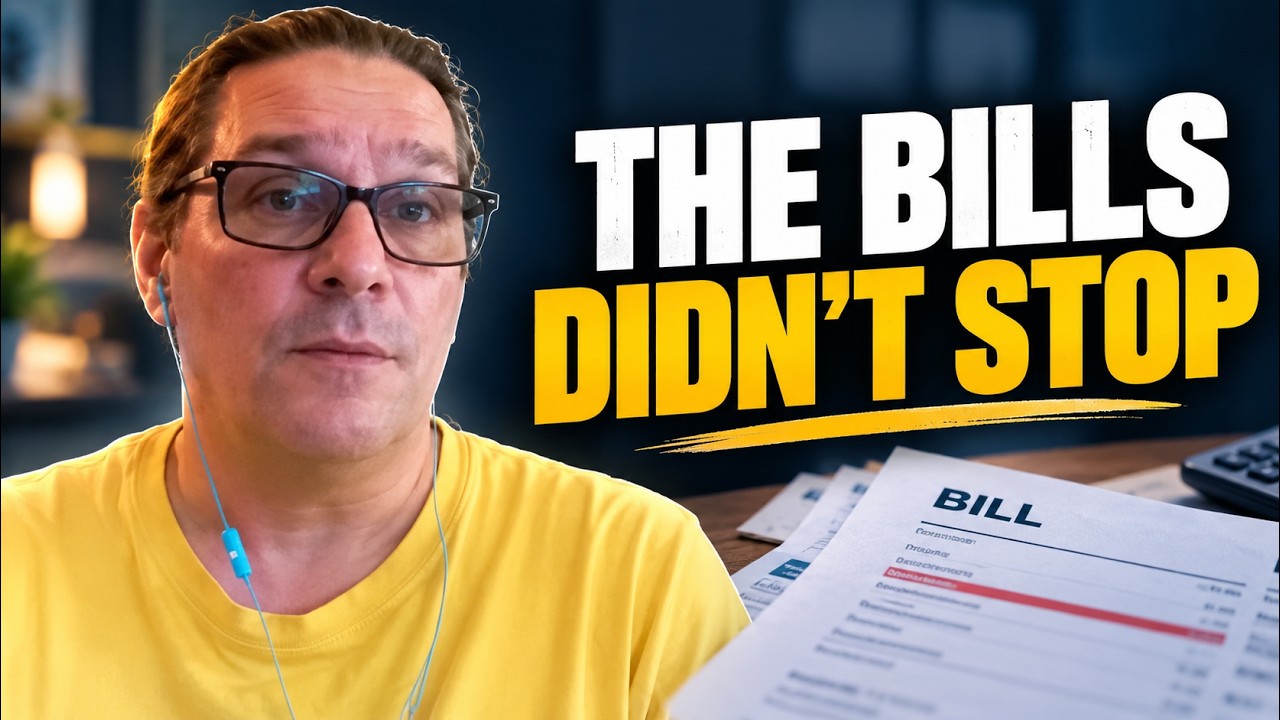
In this Wealth on Main Street interview, host Richard Canfield sits down with David Barry, a recent cardiac‑arrest survivor, and his advisor Paul Eichland to discuss how an Infinite Banking (IBC) whole‑life policy and a policy loan became a financial lifeline after David’s near‑death experience. David recounts the sudden heart attack, multiple defibrillator shocks, a lengthy hospital stay, and the financial strain of sick‑benefit delays and lost income. Paul explains that because David’s whole‑life policy had been in force for a few months, the cash value was sufficient to take a loan that covered his car‑insurance premium for a year, relieving a major cash‑flow pressure. The conversation expands to broader IBC concepts: the importance of binding the insurance contract (payment and signatures are required for legal enforceability), the role of term riders, policy design considerations, and the timing of approvals. Both Paul and Richard stress acting quickly on approvals, educating family members, and using the policy as a generational wealth tool. The episode also includes promotional segments for the authors’ books, a free 7‑step report, and a 91‑year case study, reinforcing the message that proactive financial planning can provide control and resilience in unexpected crises.
Chapters
We're going to talk about something really impactful I think everyone should learn from, and that is the near-death experience. And we have a gentleman on with us today who's been through that experience very recently, and he's here to tell his tale.
I definitely think that the sun's a little bit more bright every day from now on, that's for sure.
And he would ask people the question, hey, have you ever considered that you could live without a heart? And everyone would say, well, no, of course not. He says, well, I did. I did for 2 and a half hours in 1987. So this is the key teaching point, the key takeaway. So if you're listening in your car and you want to pull over and write this down, do that.
And with Paul's advice, he, he basically said, well, listen, like, you've had this policy going now for a few months. You probably got enough in there that you could take a loan. And it turned out that it was just enough of a loan that I could take out to cover my car insurance for the next year.
Who do you most want to be a hero to?
To be honest,
we've got something unbelievably shocking to share with you today on Wealth on Main Street. This episode should shock you, but not in the same way it shocked our guest today. We're going to talk about something really impactful I think everyone should learn from, and that is the near-death experience. And we have a gentleman on with us today who's been through that experience very recently, to the point where he had to get shocked multiple times from the defibrillator to bring himself back to life. So we are quite literally talking to someone who has gone toe to toe in the boxing ring with the Grim Reaper, and he's here to tell his tale. Now, we're going to have a very interesting conversation with David Barry. And of course, I'm joined with his advisor, Paul Eichland, amazing guy, he's been on our show before. Paul, love, love having you with us here again. And this is something where in our client series, we love to have these conversations because it's real talk. We have real conversations with real people who've gone through real things. And we have the ability as the listener, as the observer, to take in someone else's experience and think, oh my God, like, wow, how, how does that relate to me? What might I do differently? Or how might I take that and consider it in my own life? And so as you're listening, as you're watching this, whether you're driving in your car, or you've, you've got us plugged in on your phone on YouTube, I hope you're on YouTube. I think you're really going to be pleasantly impressed, shocked, and even interested to understand how a major event like this can really impact a person, but also how it might create value for you and where decisions that you make before can have a pretty big impact on the things that happen afterwards. So that's what we're going to do. David Berry, welcome to the program today.
How are you doing? Thanks for having me.
Paul, uh, you've been working with David for a little while. He's fairly new to the IBC world. But, you know, really incredible story. And I remember shooting back a few months ago, we have a team communication platform. So our advisors, we have one for the whole company, we have some for administration people, we have one for advisors. We're always sharing resources and helping one another out. It's very collaborative. And Paul, I remember when you shared a story about something really crazy happening to one of your clients. Why don't you take us back to that point in time where you got the notification about what happened to David, and then we'll bring him in and let him share his vantage point of the whole circumstance?
Yeah, for sure. So I've, you know, had the honor of meeting David at the beginning of this year, and, uh, and so I think we'll go a little bit more deeper into that later. But, uh, he, he loves learning, and, and, uh, so we got connected this beginning of this year. We started having these conversations about you know, IBC and infinite banking and setting up a system. And so I had, you know, just the pleasure and honor of walking through that journey with David. And then a few months after, you know, once I have a client get their system set up, you know, we always like to check back and say, hey, a few months in and say, hey, how's it going? And just how's things working? What's happening? What are you using it for? How can I just support and be of service? And so I reached out to David and I didn't hear anything for a bit, which is usually a little bit out of the norm with him and I. And then a few weeks later, I got a message back from him and he let me know he had just gotten out of the hospital. And when you hear that from anybody, it kind of like throws you for a loop, right? And so I I, you know, got on the phone with David a couple days later and kind of heard his story. And, uh, and, and it was just a crazy story, um, just what he's been through over the last 6 months. And I'm like, man, more people need to hear about your story, um, and even just, you know, just the wins, uh, through the, through that whole situation. I, like I said, you said, Rich, I reached out to everyone on the team and I was like, listen, This is the reason why we do what we do, is to support people and, and, and put things in place. And so, um, yeah, and so that's, you know, big part of why we're here is, is, is more people need to hear, uh, David's story.
Yeah, I love it. David, you, uh, you've been through quite an ordeal. You're, you're back to work. You're, you're, you're— you've gone through, uh, successful recovery, I guess. And hopefully, you know, there's— I'm sure there's much more still to come in that, but you're in a position where you're, you're getting back to a period of normalcy for her life. So, you know, I really do want to get into how you found IBC and the beforehand, but I think we should just kind of get the big white elephant, you know, into the room here. Right. Let's talk about what happened and, you know, share us through the story from your vantage point. And then, and also, I would love to hear from you, even if you just want to start, why did you feel compelled? Why did you think it was important for, you know, Paul asking you? I'm sure he asked you a couple of times if you would come on and share your story because he knew it was valuable and important. What compelled you to join us today to be able to recall this and share your experience both with Infinite Banking and with your life event?
Well, I gotta tell you, the event itself was, it makes you take a step back and think about life for sure. I had had a little bit of some pain happening in my chest, did the thing, went to the doctors, got set up for appointments. I even did an ultrasound. After the ultrasound, I went to the doctor. He said that was fine, that nothing was wrong there. And less than a week later, it was one of my days off from work. I'm sitting here at home. It's close to midnight and the pain came back, but it was much more intense. And fortunate for me, I guess some people say I should have called an ambulance, but I have a, there's a cab company that's just a block down the street from me. So I called the cab and it was here within like 3 minutes. It was at my door. So I jumped in the cab, told them to take me to the, to the hospital. I walked into the emergency room. I told the girl at the desk that I had chest pains. They did their normal thing. They took me off to a room and did an EKG. I left that room to another room, and before I sat on the cot, I went black and I was not conscious again for 3 more days. And I live in the city of Brantford. Uh, when I woke up 3 days later, I was in Hamilton. Um, apparently I didn't find out right away, but apparently they had hit me with that defibrillator about 8 times to bring me back. Um, and then after the defibrillator incident, they had to put a stent into my heart. And then I went into cardiac arrest from there and they had to perform CPR, which in turn, if you don't break ribs doing CPR, you're not doing it right. So they broke my sternum and 6 of my ribs. They do say it's called the widowmaker, what I survived. It just, it basically taught me to think about What's, what's the value in life and the things? Uh, I have a sister that was at my bedside like every day. Uh, even the days that I wasn't conscious, she was there. Um, a little bit of a running joke, her husband was holding my hand on the 3rd day and calling my name saying, we're here, Dave, we're here, Dave. And she was on the other side of the room and she yelled out Bobby. And that's when I came to. And he's, he goes, who's Bobby? And Bobby was a nickname that my sister called me when we were younger. And that's what took, took that name to call, yell out for me to come to. And, and that's kind of why it, it brought me, even though it was prior to the heart attack that I got into the IBC stuff and wanting to get a, a life insurance policy and all that. For me, it was my sister takes care of my mom the best that I, like, I try to help out in what, in which ways I can. I'm kind of a driver for my mom when she needs to go to different doctor's appointments on my, we schedule them for my days off and stuff, but the rest of the week and all the other stuff that has to happen, and my mom's up, she's about 84. My sister takes care of all that. So when I got the idea of being with this IBC and getting a life insurance policy, it, it was, it was a no-brainer for the death benefit to be for my sister because she, she's done everything that she's done for my mom. So it would be for me to help her if that was to happen. Fortunately, I didn't go that day. It wasn't my time. So I came back. And then, as Paul had said, a few, uh, weeks later after I got outta the hospital, I got in touch with him and told him what happened. And then we touched base on a couple of meetings and stuff, and I told him what had taken place with my sick benefit. I applied for sick benefit through the government. Um, but there's, you know, there's red tapes and you gotta cross I's and dot T's and everything. So, uh, It basically took about a month and a half before any of that money started to come in. And if I had a bit of a savings that I was able to use, which was good, but then once I got back to work, I was so behind on some of that stuff that there was a little bit of an issue when it came to different things that were coming up. And with Paul's advice, he basically said, well, listen, like you've had this policy going now for a few months. You probably got enough in there that you could take a loan. And maybe use that for something. And it turned out that it was just enough of a loan that I could take out to cover my car insurance for the next year. And it's— I was able to do that just a few weeks ago. As a matter of fact, tomorrow is going to be my first payment back on some of that loan. I've got it all budgeted out that it's going to start getting paid back, and I'm going to utilize that offer more because it just, it just makes sense that you could use that. And even with me taking the loan, I'm, I'm, I remember having the conversation with Paul and he explained to me how the loan is so much of an interest on the loan, but your policy is giving you so much per day and the amount on your policy you're making is more than the amount on the loan. premium or the loan percentage that you have to pay. So it's, it's kind of a no-brainer, to be honest with you. I knew about life insurance.
It's a control feature, Dave. It sounds like just the control, you know, after this event, you're in recovery, you've been out of work for a while, you're just making sure you can, you know, walk around with broken ribs and try to get back to work and to be in a position where you could do that. Like, what was that feeling like? Are you tired of watching your hard-earned money leave your family and go to the banks? Look, our number one bestselling book, Don't Spread the Wealth, shows you exactly how to build a family banking system that creates true generational wealth. Get the free digital copy plus over 4 hours of bonus videos and our guide to hosting family banking meetings. Go to dontspreadwealth.com. That's dontspreadwealth.com.
It was definitely a relief. To say the least, right? Like it, it, there was a little bit of a stress, stressful before I got my money from the sick benefit. And even my work pitched in and gave me a little, I got a little money from them through the union and stuff as well every time I got paid from sick benefit, mind you. But it was a loss in a way because sick benefit and what I was getting from work was only maybe 40% of what my actual income was. But I was able to still cover a little bit of savings I had made up prior to going into the hospital, kind of helped me cover up till that point. And then what I was getting continued to help me cover everything and keep my premiums going and everything else. And then that conversation that I had with Paul when he said, well, hey, you got this money that you can use and your car insurance will be done. Like you'd be able to not worry about that. And that's Total lift off your shoulders right there. Because I was concerned, even though I had actually gone back to work early. I wasn't supposed to go back to work until October. This end of this month was the schedule to go back to work. But I, I was able to recover a little faster and things were good. And my doctor gave me the go-ahead and I went back to work at the middle of August. But even at Going back that early. I had a small little incident where I went back to the hospital for a week. It wasn't heart-related. It was another issue. But again, that little hiccup, you know, I was able to kind of keep things going. But that helpfulness with Paul helping me with that policy loan took a huge weight off my shoulders. Yeah. Like, I'm not sure how I would've been able to At best, I would've had to probably go back onto a monthly payment plan with my car insurance, which, you know, I don't know about how anybody else likes to do their budget, but for me, if I can budget something that I can pay for 6 months or a year in advance, it just makes it easier for me. I have other, like, we all have our things that we gotta pay weekly, our groceries, our gas for our cars, or et cetera. But Something like those big bills, like your car insurance or even the premiums for my policy loan or my policy, my plan that I'm implementing, it's going to take me a few months to get there. But my plan is that I'll have that paid off on a yearly basis as well. Because it, like you said, it gives you that control. And then if something comes up, you have the availability to use a policy loan to kind of get you out of that, those dark times, let's say.
Yeah, amazing.
I mean, first of all, just, you know, so grateful that you're here to be able to be with us and to be in such a position. You know, you mentioned you had an issue, you went and got it checked out, seemed like everything was fine, you went back. It's kind of like a circumstance of things. And I, as you're talking it through, Dave, it actually made me think about Nelson Nash because he told me the story of when he had his major cardiac
heart event. I believe it was in 1987. And it was a similar thing. And he, when he shared the story, he talked about how, um, he says, you know, you hear all these stories from people about heart attacks, how they get tingling in their arm or they get this or they get that. And he says, that's not what it was for me at all. He said it. You ever seen a— you ever seen a couple of cats in a sack or something, or like snakes in a sack, in a snack moving around? He's like, that's what it felt like for me. And he said, you know, something was just off. And I felt something was off. He went to bed, he woke up in the night, and he told Mary, something's going on. And he wasn't even going to go in. She basically forced him to go in. And when they got to the hospital, there was a massive snowstorm in Birmingham, Alabama, which doesn't get a lot of snow.
Right?
Like, kind of like a Like a freak event. And when they got there, they did testing and things on him, and they're kind of like, ah, I think it's fine. Like, he, he had a cardiologist because he— there was a heart condition in his family. Like, his both— 2 of his older brothers had passed away much earlier than Nelson was, you know, at that point. He was already kind of the oldest living person in his, in his late 50s now at this stage when he had this heart condition. And they were going to go home. Nelson wanted to go home, but because of the snowstorm— they stayed in the hospital. And literally, when they got the cardiologist, whatever, got there and checked him out, he says, dude, you got, you got 4 blocked, and we're getting— we're gonna put you under and take you in right now. And that experience, when he came out, you know, in, in his presentations, in his, in his workshop, his 10-hour seminar, which his book is based on a 10-hour seminar, he would use the analogy of people in the world, you know, North America, With financially, with their income, their budget, money going in and money going out.
He says, you know, as a society, we're living on the equivalent of a heart-lung machine. Heart-lung machine is an amazing, amazing system.
He would ask people the question, hey, have you ever considered that you could live without a heart? And everyone would say, well, no, of course not. He says, well, I did. I did for 2 and a half hours in 1987. And the only reason I'm here to be able to deliver this, you know, message with you today is because of a wonderful machine of engineering called the heart-lung machine. He says it does every single thing that the heart does, but only marginally so. It's literally just enough to move blood through all the things that need to— that need in your body to keep you going and keep enough running through your brain, but not enough so that you can do anything cognitively. And so he says, that's what the society is doing. They're living on the equivalent of a heart-lung machine. They're just barely doing it. And they're not realizing the power of some of these other things available. So he says, you know, the process of implementing this in your life and taking control over these things is starting to get yourself off the machine, you know, getting into recovery to some degree. And so I really was thinking about his story and how he would share it with your own circumstance. And obviously, it's a different scenario. But the similarities and so many people like heart conditions are just a massive issue in North America wide. You never know when it's going to happen. And you being close to the cab company, like, there's circumstances of events that put you in a position where you're here to be on this show with us today.
Oh yeah, my timing was certainly impeccable when it came to every— how everything happened that night. Like, the slightest little thing, if I— if a couple other pains that I had prior to that day I didn't really put a lot of emphasis or a lot of thought to them. I ended up calling the doctor just so I could go and get a checkup and stuff. But that particular night when that happened, if I would've had the mindset to say, nah, I'll just go to bed and sleep it off, I might not have woke up. Mm-hmm. So, you know, the circumstances were extremely different and luckily I had the mindset to go and And do what I did to go to the hospital that day. And like I've been told many times, my timing was just absolutely spot on for me walking in there. And the healthcare unit that we have, and, or the healthcare that we have here in this country is bar none as far as I'm concerned. I've heard so many other horror stories of other places that are not as good as what we have. So. Um, they were on me, like, and like I said, there was a, uh, an employer or an employee that I know, sort of a coworker. I didn't know him that well, but he was in the emergency that day when I came in. I didn't notice him because everything kind of happened so fast for me. Um, but he saw everything that happened. And the day I came back to work, he was the one that came up and saw me and said, you know, do you realize how lucky you were? And he was the one that explained to me that the doctors hit me with that defibrillator 4 times, and then it was their call from there. They had to— machine had to charge again, and it was the doctor's call from there to say, let's go it again, or let's call 'em. And for whatever reason, that doctor decided to give me one more chance. He gave me that chance and I came back. So. You know, I, I definitely think that the sun's a little bit more bright every day from now on. That's for sure.
Yeah, Rich, I love that.
Impeccable timing would also be meeting, meeting you, Paul. I mean, he's got the timing of all these circumstances for his, you know, traumatic event. But then prior to that, there's the timing of getting a chance to connect with you and start this process. So, so I think that's an interesting direction we might want to go as well here.
Not sure if becoming your own banker fits your goals? Trying to figure out if this is even for you? Well, save some time. Look, our free 7 Simple Steps report is the fastest way to find out. It's designed to give you total clarity and focus your effort on what really matters. Plus, you'll get access to 4 of our bestselling books as a bonus. Go ahead, get it at 7steps.ca. That's 7steps.ca. Yeah,
absolutely. And that's, that was the, the point I was going to make is, is even going back to when Dave and I first got connected, right? If we, if we go back to the beginning and, and, uh, it, you know, I'd say the beginning, but it wasn't even that long ago, right? It was, uh, I think, I think Dave, we first connected, it was in about January. Uh, so— Yeah, it was. You know, 9, 9 months ago when we first got introduced. And, uh, and even thinking about the timing in regards to that is, um, and, and Dave, I'll, in a second here, I'll, I'll get you to just share a little bit about how, you know, how you kind of found Found Ascendant and found and found me specifically. But you know, we we got connected in January. You know, David loves to learn, so I'm like, "Hey, check out this, check out this," and and he was he was doing his deep dive and reading through Nelson's book and and and taking in a bunch of the content. And so you know, I think we we went into application in it was February and got approval in March and. You know, Dave, uh, uh, maybe jump in here. When, when was— when did your heart attack happen?
Uh, it was April 8th.
Yeah, April 8th. So it was, you know, we got connected in January, you know, we started application in February, he got approved in March, and then literally a month later is when this crazy thing happened. And, you know, it kind of just speaks to the timing of we never know what life is gonna, is gonna throw at us. And that's, that's why that's such an important conversation. And, and Rich, we, we see this all the time where, you know, it's unfortunate people don't want to think about it or don't want to talk about it, but it is such an important conversation. Um, so Dave, I'd love to hear just, you know, maybe just briefly, um, even how you found Ascendant and just kind of if you go back to then and, and just the kind of the, the events that, that led up to, to us getting connected.
Like you said, I love to learn and I saw a few videos from YouTube Shorts on the concept and it intrigued me so much that I did end up ordering the book, Be Your Own Banker from Nelson Nash and read through that like probably in less than 2 days I had that read and I still have it off on my shelf. Where I can go to it if I want to kind of check it out. And, but I'm not somebody to jump into something super quick either. I want to find out as much information as I can get. And I even went, you know, did the Google search and found other places and other things that had in that same category of whole life insurance. I have another book that I bought Um, by a lady, her author, the author's a lady. I can't remember her name off the top of my head, but when I got the book, I, I bought it from a bookstore. I got home and I started reading it. And right in the acknowledgement or introduction, she said right in there that she had an interview with Nelson Nash. So that's how she knew the concepts of all this, right? So I, I did as much of a deep dive as I could. Um, I believe it was the website itself that kind of gave me your information to get to reach out to get in touch with you, Paul. And I just, I had to drop the hammer and, and get, get the ball rolling. Because it just, there was so much of it that made so much sense to me. And I'm, and I found that information in a few different avenues. And it all came back to the same thing. So it just made sense that I had to do it.
Yeah. And it's, it's, I don't believe in coincidences. Exactly. You know, we look back through life and there's so many, like, even your and my story, Rich, right? Like, we just happened to be friends. You happened to discover Nelson's book. You know, you gave me the book and said, give me, give me $30, Paul. And I'm like, I trust you. Here we go. Right. And, and even those, like, those small moments through life, you look back and you're like, man, that was That was a pivotal moment. And, and, you know, we can say right place, right time, but— or coincidences. But it's, it's, it's all those little moments we can look back and say, hey, that, that moment changed our life, right?
I remember one of the houses that you bought, Paul, in like northeast Edmonton, and you had this big reno, you know, like, Richard, find me, find me a grandma house so I can renovate. And we were having— we went and got this house and we were, we were in the basement and you were talking through the renovations and what you were going to do. And we were discussing like, how would you set this up and do that? And I'm pretty sure we diverted and we just spent the bulk of the time walking around this base. We're supposed to be talking about construction ideas and setting things up and we're like, we're talking about infinite banking standing in the laundry room, you know. So yeah, it is really interesting how things come about. And what I think is like, I really hope that our listeners take this away and I know this was a real big impetus of you trying to make this conversation happen, Paul. You've been really trying to make sure we could get this on the books. And of course, our schedule with podcasts, it's kind of all over the map. So we've been, you know, this is, this has probably been scheduled for over a month or two already before we're able to have this conversation. And the fact that, David, you took the initiative and you, you did the research, you got the connection, you got the application, you got the approval, and then you also move forward. Like, there's some people who do that research, they have the conversations, they do the application, and for whatever reason, they decide not to move forward. That does happen, you know, and, and there could be any number of reasons for it. Sometimes applications take a longer time. You got lucky. Yours was compressed in that it, you know, kind of wrapped up in about 30 days, give or take. Every once in a while we get an approval in a couple of days. Doesn't happen all that often, but it does happen. Sometimes it could be 2 weeks. Sometimes it could be like 120 days. You know, because they asked for an attending physician's thing. An APS report. So for anyone, you know, we have a lot of insurance colleagues that listen to our to our podcast, and as soon as I say APS report, they're all just like smacking their head thinking about how they'd like rather watch paint dry because you got an insurance company that hires a third-party company to go and reach out to a doctor's office every two weeks and ask them for a piece of paper, and the doctor is busy trying to save patients and doing CPR. And every once in a while, the doctor's got to come and do paperwork. And then it's looking at like, they use fax machines still. So there's somewhere on a fax machine is a piece of paper that says, hey, can you send us a letter about David here? We want to know about him. And it takes forever, you know, and again, all respect to the doctors and the medical professionals, but it's one of their responsibilities because they're the only one that can do it. But meanwhile, what they should be doing is meeting patients, right? And they know that. They make money by meeting patients. Right. So, so it ends up getting into this like crazy time lag and often that can extend things another 30 days, another 60 days, another 90 days. And sometimes they get the report back and it's like, well, this isn't really what we asked for. Probably because they weren't very specific. So then they go and ask for some more information, you know, and it starts the whole flywheel over again. So the fact that you were able to get this done in a short period of time and also pull the trigger, move forward, drop the hammer, like you said, And bind the contract. So this is the key teaching point, the key takeaway. So if you're listening in your car and you want to pull over and write this down, do that. The key teaching point is a contract for life insurance isn't legally binding until they have what's called consent. So contracts are not legally binding without consideration. That means there's got to be money on the table. And the second thing is you got to sign everything. All the parties need to sign. So when you get your approval, you know, our team sends out an email with all the instructions. It's like a bunch of bullet points. Then you get, you get an email from the insurance company. You have to do a digital signature and you have to make sure that there's a payment. You're either sending it in through your online banking or you're— they're drawing from your bank account to do a monthly payment as an example. Well, until that money leaves your bank account, there's no contract. It's approved. It's ready to go, but it isn't legally bound and locked in until we have those 2 primary dynamics. Once that's done, you now have, as the policy owner, you now own that contract. And so those 2 steps we don't talk about a lot. We do it often in like one-on-one meetings, but we don't really discuss it here on the podcast because, you know, kind of people I think generally know and assume. But in your situation, what you're bringing to light because of your story and your heart event Is that those things really matter and the timing matters. We have people sometimes, you know, they drag their feet because they're busy. They're busy doing other things and it's like, oh, oh yeah, I gotta, oh, I gotta go and log into my bank and I gotta enter nine digits and create a payee to the life company and then I gotta send the money and
yeah
and like and they you know you meanwhile you gotta take the kids to soccer or you gotta walk the dog like there's things in the way. And so you might drag your feet a little bit. I just want everyone to know when it comes to this, if you've got an approval for insurance, do not drag your feet. Bind that contract, lock that thing in. Take Dave's story and recognize we don't have a lease on life and we don't know what tomorrow holds. You want to have your best foot walking forward, and that is doing things that you can control. You can control the speed and the time in which you bind a contract. Once it's approved. And that's something that I would really want people to take away from this conversation. How would you like to see a 91-year case study that we put together to explain how this infinite banking thing can work for a family over 2 generations?
Well, you know what? Real easy to do that. We have that right in our second book, Cash Follows the Leader. You can get a copy for free delivered right to your inbox. Head on over to cashfollows.com. That's cashfollows.com and pick up a copy right now.
Absolutely. Absolutely.
Paul, what comes up for you when you think about all that? Because I know, you know, you've, you've, we've had other, even this year, we've had other circumstances, not the same as yours, Dave, but similar, where you have people and you're meeting with them. And then You know, they're healthy the day you meet them, and then the next, you know, the next day or the next time you have a meeting book, like they're not. And at that point in time, like they might be either temporary or permanently uninsurable, in which case now we're trying to figure, okay, well, if you still want to do this, that's great. But now it's like, what? Who's the body? Okay, we need to insert a new body into the mix here. And, and it's, it's really unfortunate. And, you know, we talked about Nelson Nash and his situation. You know, from 1987 onwards, he was permanently uninsurable. But yet, because he had a bunch of insurance policies, he had permanent death benefit growing and accumulating each and every year on autopilot, still taking place. And he was still getting policies. He passed away at 88, just shortly after his 88th birthday. And Nelson would say he was 88 revolutions around the sun because he always liked to tell things in some kind of a mystery to make you think. And he had gotten a policy on a great-grandchild roughly, I think it was about 4 months before that. So he had taken out a policy. He was still buying policies even though he knew it wasn't for him. He knew he wasn't going to do it or use it, but he knew he could get it and he could lock it in. He could bind that contract while he was still alive and create that permanent future opportunity. For a great-grandchild.
Absolutely. I, I kind of have the same idea myself with, I have a friend, my roommate. I wanna, I wanna get her on one. I've had my nephew, I've been trying to convince my nephew. I've, I told him the book here, I have the book if he wants to borrow it. I've sent him, I don't know how many shorts on Jason Lowell, I believe it is, that does his little shorts on YouTube. And matter of fact, he has a coworker that he worked with from a former place of employment. And that gentleman, I believe, told him that he had 4 or 5 different policies as well. And he said, they're, they're a financial tool. They're something that they're there to help you. And not just in having life insurance for when you die. There's so much more to it that you're You have to, you have to take into consideration. And the benefit for my, for my nephew is he's only like 25. So to get him on board with one, it would only benefit him in the long run. I've, I've tried to tell him like, don't be like me where I don't really have a retirement set up. So if I was or had to stop working, I would be in a little, not dire straits, but I wouldn't be as good as what I could have been if I would've taken more effort into going into having a retirement or whatever back when I started in the workforce. And he has a great job and it's probably a job that he'll stay at for a, for a long time. And I don't try to hound him too much or get on him too much, but every once in a while we talk. I'm like, hey, you got any more thoughts on doing that? Because He actually has, one of the things that would help him out is he has a car that he has financed. And I said, I tried to tell him like, come and look at this book. This book will tell you exactly what you could do with that financed car and how you could make it so much better for yourself than paying a finance company for a car. Like it just, it makes sense no matter how you shuffle it around. It's a financial tool. And the benefit, the, the benefits on either end of the spectrum, whether it's the benefits you can use while you're alive, but also the benefit that happens for when you're gone and how you help your family and your loved ones. There's too many positive things to it that you shouldn't take into consideration.
Yeah. And that's—
I'll be sharing that.
That's a good, a good point too, because it You know, there's, there's so many priorities, right? Like, you know, Rich, I have young— we have young kids, right? There's 400,000 things we could be doing at any given time. Just seems like everyone's so busy, like you said, and it's, it's actually taking the time, taking a step back, creating the space to learn and to implement. And then, like you said, is take action, planning for now and, and planning for the future. And that's cool too. And one thing Dave didn't mention is When we met, we planned for the future. So guess what he has attached to his policy is term insurance that now, you know, after this, unfortunately, he's not insurable. But we have that set up where we can convert that down the road and have that plan in place already to build his system even more in the future. So, but it did take, like you said, that time to sit down, do the learning, have the conversation with, with, with me in this case, and, and take a look at, at the goals and the plan and, and actually, you know, drop the hammer and get it done and get it set up. So, but it does take time. It does take, take that commitment.
It certainly does.
I'm really glad that you mentioned that, Paul, because we, you know, just recently we had a Nelson Nash Institute Coaching Academy here, the first one ever in Canada. That's the first Nelson Nash Institute event in Canada. They hosted it here in Calgary. And that was a couple of weeks ago. I think it was about 2, 3 weeks ago from the time of this recording. And it was phenomenal. We had a large group, it was over 50 people there and professionals, a lot from Canada. I think about 60, maybe 65% of the room were Canadian advisors. And then certainly a number of people from all over the United States coming to Canada for the first time. And in that experience, one of the things that's part of that curriculum is something we call the Policy Design Considerations Guide. And so, you know, working with David Stearns and Lee Bargany here and other members of the Nelson Nash Institute Practitioner Council, we created this coaching academy and certain segments of it to help people who are new in the business and that sort of thing, and even experienced professionals learn and understand some of the thinking. And Nelson was all about thinking. So what is the thinking that should go into things like a policy design? Not here's the checklist of everything it needs to have, but did you consider this item? Did you consider this item? Did you consider this item? So some of those things are around aspects like the insurance company itself. Some of them are around family protection needs and requirements. Some of them are around administrative usability with the insurance company. So like there's a number of areas that are covered. It's a 2-page thing. And on that, you know, term insurance comes up a lot because it is a— it is one component of a tool. So you have a tool and there's different add-ons you can put on the tool sometimes. It's kind of like, you know, you can get a drill and you can exchange different bits to the drill, right? Right. So, and then you sometimes you have different batteries, and every once in a while you need to go charge a battery and replace it. So there's similarities to this with an insurance contract. And term insurance is often misunderstood because on its own it's very basic. It's like, cool, we got coverage for a period of time. We get to the end of the time frame, 10 years, 20 years, and then the price goes up. Everyone kind of knows that. They don't realize how much it goes up. Okay. But so from a pure standpoint, it's serving a temporary problem— term temporary. But when you combine it strategically with a setup for a whole life policy, not only can it add several jobs— I always talk about, you know, Paul, there's 3 jobs that we kind of hire that term insurance to do in a policy, and that may vary in the United States a little bit than it does in Canada in some of the rules that we have, but fundamentally, they're similar. But Paul, when you first joined the organization, and you started to learn and deep dive this more, because you've been doing this in your own life, you've been practicing in your life for so long. And then you finally jumped in to be in this role where you're now helping guys like Dave implement this. How important was it even for you to start learning about some of the rationale and the thinking process behind building and constructing a plan? Given, you know, someone comes in and they got all these different dynamics, and how do you funnel those dynamics down into, okay, well, where you are right now, this is kind of what makes sense to get going. I'm just— I'd love to hear your experience of going through that learning yourself and that training as an advisor.
Yeah, and that's, that's super critical, right? Is, is the, the unfortunate thing in our culture is you don't know unless you know, right? So there's so many pieces about properly protecting yourself, properly being set up, all those different things that Unless you're in the industry, you're never going to know or you're never going to hear about. And it's, you know, it is a huge learning journey because there's so many different pieces. And I was pretty fortunate I'd been around it for a while. So I'd learned a bunch of the different pieces. But, you know, then when you're actually helping someone else, it's almost like it kicks up a higher gear where you're like, I want this person to be set up Like perfectly. I know it's not that's not possible, but you know as perfect as possible for them and for their goals, right? And then you kind of look at it, look at it a little bit differently. You know it's unfortunate. I've I've seen a lot of people and what they have set up just wasn't what their goals were. It was just hey here I needed this life insurance, so I went and bought it, and I don't know what I have, and. It's in my closet under 48 other pieces of paper and folders. And hey, Paul, take a look at this. And then we review it and it's like, hey, what's the goal here? Oh, I don't know. Okay, let's change that, right? And it's, you know, that's why it's so important, like going back of what's the goal, what are we trying to accomplish? And then let's put something together from that. And that's, you know, that's why I love what I do is you know, get to sit down with, with David and others and say, hey, what's the goal? Let's, let's put something together for you. And in most of those cases, they, like I said, they're, if you're not in the industry, you're not going to know all these different pieces. But I can bring my expertise and the things I've learned along the way and say, hey, this is what is the best for you, and what's going to work for you and, and fit in with your goals. And then, and then they get to make that decision. To go ahead and, and yeah, so it's been, it's been a really fun and rewarding journey for sure.
Business owners and farmers, look, capital is the lifeblood of your operation and liquidity matters more now than ever. Discover how to grow your own capital and create the ultimate business line of credit. Get our best-selling book for free at growyourowncapital.com. That's growyourowncapital.com.
Love that. David, you know, you've shared so much with us today. You know, before we close, I have a couple of quick things. I'm just really curious because you're still new to the process. You're not past your first year. You have an upcoming dividend party in several months that you're going to review your first annual statement with Paul. It's going to be a lot of fun. What I'd love to know is because you're such an avid learner and you, you know, you obviously, you mentioned you've been doing some YouTube stuff and you read the book, you kind of gobbled some of those things up already. Yeah. As you think about progressing with this now in this stage of your life and, and where you can go and how you can continue learning, what has you excited about that with this process?
Like I said, I can help out with my, with my roommate. I can get her set up. Even if I did it for myself, like did it through just for me, possibly my nephew as well. And a little bit of a point to what Paul had mentioned about the term part of it. When we first set up my policy, he explained the term part of it. And I was, I put full faith and trust in what he was doing for me. It made sense how he explained it, but I didn't put that 2 and 2 together until after the event of my heart attack. And then got, then come to find out that Right now, maybe not quite so insurable, but with that term that he put in there, I can still use that to compensate and make more later on without having to go into a full policy again, or how he explained it, which I might not still get it totally, but I know what he did for me is going to help me in the long run. And if I can pass on that information to other people, family and friends, it just makes sense that they should try to look into it and then it, it'll help 'em in the long run as far as I'm concerned. There's a, there's, there's only so many things that we can be guaranteed of in our lifetime. And if you can have a, a control over some type of your finances, a lot more control than what traditional banks offer you and etc. There's, it just kind of makes sense that you should do it. Really.
Yeah, all of that. I appreciate that. And it really shows, you know, the, the heart that you're putting into this for others, because you can see, you know, kind of a bit of a bigger picture. And, you know, one, one other curiosity I have, and I'm wondering just, you know, from your perspective, you hadn't had a lot of exposure to insurance prior to this, it doesn't sound like, other than just like whatever you heard kind of around the water cooler or other people. And if you were— if you thought about having a conversation with a financial professional before versus now, How do you think about the, I guess, the impact of the experience of working, whether it's, you know, just with the Ascendant organization or our team? Obviously, we know Paul's pretty amazing, so we kind of think we've got Paul, we've tapped you on the back. We know that you're pretty awesome. But I'm just curious, like, how does this— how do you think about connecting with a financial professional now, like at Ascendant, versus prior to learning about this process? Did you have a different experience or a different feeling about it before you learned about this idea of what infinite banking could be?
To be honest, my father did have, he had taken out a life insurance policy on me back when I was younger and it was in the same process of a whole life insurance. And I believe he had one for himself, but he never ever used the possibility of loaning against it. That wasn't in his mind. That wasn't a concept to do. It was just, it was a life insurance policy for that day that when he died, there would be a beneficiary or benefit for my mom. And he had house insurance, I think was part of it as well, where it covered the house after he passed away. And the small life insurance policy he had on me, when he finally explained it to me and gave it to me, I was very young. I was only like about 17 or 18 years old. And didn't even have any concept of that back then. I was just like, oh, I got this money that I can access. And I just accessed it and ran with the money and it was gone. And that was the end of it kind of deal. As I got older and started to learn about the possibility of having like a retirement fund or anything like that, I do remember getting involved with a little bit of a futures thing or Not futures, trying to think of the name. It was an investment, mutual funds. But then, you know, after learning a little bit more about the mutual funds, it was like, there's just so many hidden fees. There's so much stuff that you could, you're putting so much into it for such a long period of time, and then you're not even guaranteed that anything's going to come out of it at the end. But when you look at IBC and the concept, you have it right there in black and white. Your policy is this, your policy is going to continue to grow up till whatever point it shows you by year, up to your year, and this is how much your death benefit's going to be. This is how much you have cash value that you could possibly loan against. And there's no guessing game. It doesn't— with everything else out there that you could possibly say, invest in for your future, whether it be a mutual fund or stock market or any of that stuff. Not to say that any of those things are wrong for people, but there's never a guarantee with any of those things. You— anything can happen, you know. It's just, it's un— you can't really tell what's going to happen with some of that stuff. It could be very good for a little while, and then it could go very bad later on. They do have some of our new things that we have in our banking system now with your tax-free savings account or your first-time homeowner's account. And yeah, I went into a first-time homeowner's account and I threw about $600, $700 into that. And then I come to find out, it was after I put the money in there that I found out it doesn't collect any interest. It just sits there until you're good. The only thing you can do with it is you can use it against your Income tax at the end of the year for how much you put in per year. But when it comes to interest, it's just money sitting there. It does absolutely nothing. Where a policy is collecting interest for you every day. It just kind of makes sense to me. If there— I kind of wish I could, if I could roll back time, I probably would've got into this a lot sooner. And been a little bit more off than I am. But now that I'm here, it's onward and upward from here. So.
Well, I'm, I'm really glad that you expanded on that because you brought up something else really, really important. And so, you know, you're, you're, you're becoming the gift that keeps on giving, Dave. But your previous experience, your dad getting a policy on you early on, first of all, that's amazing and, and great foresight for him. In fact, that he had it on himself so that there was some things to pay out when he, when he passed on. And that experience is actually more common than you think. A lot of people do end up getting policies on their kids when they're young. However, in general, what happens— and I know because I know from people, friends of mine who had those— they ended up doing the same situation. They gave them up and they collapsed them basically and took the money and used it for something. Well, that's because the parent hands it over And it's like handing over the keys to a chainsaw that they fired up and didn't tell you how to— what the safety measures of the chainsaw are. Right. And that happens repeatedly. And so nobody did anything bad, and nobody did anything nefarious. The problem is you set up something for an intention, and you put all the time and the effort in, but you didn't put any time and effort into the education or the discussion. Yeah. So the end result is you get something amazing, but you don't know why it's amazing. You might have an initial conversation, but if you're not ready and like, you know, I was 18 too, David, I gotta tell you that Richard Canfield at 18 wasn't very ready for too many things, you know, and I'll be happy to throw my hand up about a lot of dumb stuff that I did in the past that I most certainly would advise younger Richard not to do again right now.
Yeah. Oh, yeah.
And you got to go through those learning experiences. But well, if you're the parent, so this is the message for our parents listening in. If you're the parent and you set something like this up for your kids, please, please, please do not hand it over to your kids without spending first several years educating them on the stewardship of what it is. And that's why my personal belief is, you know, my daughter just turned 9, my son will be 11 soon. My kids kind of—they have a rough idea. They don't really know what insurance is. They're kind of learning about policy loans. They do know that this book matters, and they know that this guy was pretty important. They know fundamentals, and they understand that we have a family system. They don't understand what that means. They know we have it, but they're not going to get access to these things until I'm gone. They'll get access, but they have to apply. They have to make a deal, and we have to connect, and we're going to write a contract. For repayment. So I have the keys to the chainsaw, you know, I'm helping them learn the safety measures of how to use it before such and such a time when I'm gone. So I can feel confident when I'm no longer here, that it'll continue going on. So that's, that's the teaching lesson. And, you
know, you, you gave us that experience from your own circumstance. And that is not uncommon. What you just shared is your story is actually much more common than you think. Hey, If you're getting value from this and you haven't subscribed yet, hit the subscribe button right now. Look, we're marching towards 10,000 subscribers and every single one helps us bring more powerful content on taking control of your money.
And that, it's always left me that question. I wasn't sure if my dad actually knew that he could borrow against the policy loan or whether or not he could explain to me that here, here's your policy. It is worth this much. But you could also just borrow this much instead and not lose the policy. And then as in Nash's book, don't steal the peas, put the peas back, and it's just going to help you in the long run in the future. Judging by how things had played out, I don't believe my dad knew that that was a thing you could do. I think he just thought that your insurance policy was what it was for. the beneficiary at the end, and that there was a cash value that you could cash out. But I don't believe he had the knowledge to know that he could have just borrowed against it instead of cashing it out completely, which he never did cash it out. He just kept his policy running until the day that he passed. And then it basically helped out my mother and paid for the house, got the house paid off and all that, like what it was supposed to do. But it, it's all about knowledge. Uh, you know, as we've said once or twice on this thing, you don't know what you don't know. So unless you take the time to try to figure stuff out, you know, that's where, that's where you're not— the knowledge will come in. I, I don't believe in necessarily failure. I believe in failure's an opportunity to do it again more intelligently. So when you, when you make a mistake, we should all make mistakes because that's the only way you're going to learn. It's the only way to learn. So I've made a few and now I'm learning.
Well, that is a heck of a great attitude, David. I love that you shared that. You made me think of a gentleman. A lot of people don't know that I was a licensed realtor for about 10 years. One of the people who does know that very effectively is Paul Eichler, actually. And there was— I used to work with a lot of first-time homebuyers, and I don't know how it just sort of happened that way. And I love that process. It was a lot of work, but it was great education. And there was a gentleman I helped, referred to me by a friend who was buying his first place and he was gonna put a suite in it. So we bought one that was kind of ready to go and he was gonna do some work to make it more like legal. And we were at that point where we were at the top of his budget and in order to get this one, it kind of exceeded the budget and we got creative. I said, well, where else could we get some extra down payment from? Like, we need, you kind of need this much. I said, well, do you have any of this? Do you have any of this? Like, do you have any, Is there any life insurance? Do you have some, like maybe your parents might have a life insurance policy, maybe they have, could take a little bit they didn't know to help you just get over this cusp, the edge. And I think he needed a little less than $5,000. I think it was like $4,000 or $3,800. It was kind of some weird number to kind of get him over the hump, right? To get this deal done so that he could get the property, rent out a $1,000 a month basement suite and actually have lower bills, right? And sure enough, he reached out to his parents and they had a policy on him, much like you just said. And so I helped them realize and understand that they could access a policy loan. He got about $5,000. He actually ended up getting enough to cover the lawyer bills and the closing costs and everything. And that's how he ended up getting his first house, was from a policy that the parents set up 25 years earlier that they still owned. He kind of knew about but didn't know anything about. And it was just kind of this real interesting experience. And so I really appreciate you bringing that up. And, you know, this has been so much, such a great conversation, but so impactful, so powerful for our listeners. And one of the things we love to leave with, Dave, and the question we try to get clear on with our guests is if, you know, you don't have a cape on today, you didn't show up with a cape, of course, for our conversation. But, you know, For anyone who's sitting on the fence about insurance, you may have just become a hero in their life because they might now realize, oh, I, I actually need to make this a priority in my life. So our question for you is, who do you most want to be a hero to?
To be honest, my, my nephew. I, I wish he could just really take the confidence. And I, I tell, I try to tell him more than enough. Don't just listen to me. Like, yes, I got all this information that I can babble out on you, but Paul had even reached out one time and said if there was ever a time that I could get him on on a laptop or even have him here at the house with me, and we could get on and he could Paul would be able to answer all his questions and all this stuff. And like I've talked to him about his finances a little bit and how much money he has coming in and. What he has to pay, he still lives. He had to end up moving back in with his mom, my sister. But it's all like he he does have a fairly good income, and I even told him because his age is what it is, he's so young that I've told him what my policy is and how much I pay for it. But I said you don't have to go that high right away. Like you've got the advantage of time right now. Not that. We can all guarantee how much time we have in this world. Apparently, you know, sometimes that can happen without us knowing about it. But if you want to take the positive attitude on it, he has nothing but time. And if he could get himself to learn just a little bit more and, and figure out what it is that how this could help him in the long run, because I've tried to tell him that, you know, this is something you could do. And even if you never took a policy loan, Imagine what you could do in another 20 years when you're close to your 40s or you're 45. By then you could have so much added up by that time, even if only it was one policy that you ever, only ever had, that could help you out in so many ways to help you get your first house possibly. Like the possibilities are endless and it gives you that control that you don't have in other avenues. Like he, his car that, like I said, he has a car that his car's financed. So because his car's financed, he has to pay the most insurance because insurance companies won't insure it unless it's top insurance to cover the fact that if anything was to happen, they want to get their money out of it. And I said, there's a savings right there. If you were able to get rid of the finance of your car, you'd be able to save a little bit on the insurance. And then that's one payment you don't have to make anymore. Where, you know, when you're not making, you know, making the, the money that we make and whatever, sometimes those little help, those little things are, they're a big, tremendous help if we can eliminate that.
So. Amazing, David. This was awesome. So grateful to have you on the show. So grateful to still have you around and, you know, look forward to seeing how your story progresses. And I look forward to hearing from Paul how that first dividend party goes when you get that first annual statement. For those, of course, tuning in on YouTube, you'll see that we love it when you learn. We appreciate, just like David, the constant learning journey. And there's going to be a great recommendation of some more videos you should click through. So you should just go ahead and do that right now. For those of you tuning in in your car, well, another episode is going to come up too. So thank you so much for tuning in, Dave. Thanks for being with us, Paul. As always, appreciate it, sir. Appreciate it. And have an amazing rest of your day, guys.
More from Richard






How Do You Use a Policy Loan to Buy Dividend Stocks? #dividendstocks #infinitebanking #shorts


Can Compounding Dividends Pay Your Bills? #wealthbuilding #investment #financeeducation

