Starting A Whole Life Policy | What Do You Need to Know?
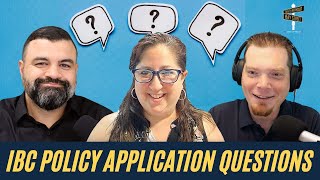
Richard Canfield talks with Jennifer Wolf and Vern McCarty about starting a whole life policy through Infinite Banking. Jennifer went from dance teacher to licensed associate after bootcamp. Approval takes anywhere from 12 hours to 5 months, typically 3 to 4 weeks, and policy loans usually come through in days to a couple weeks.
Chapters
I just got so tired of living that lifestyle and I was like, there's gotta be a better way. There's gotta be something out there. And so I had heard about a bootcamp for Infinite Banking and definitely was interested in doing so, but just didn't have the capabilities at that time to start a policy. But it had always been in the back of my mind of, like, this is what I want to do. Definitely need to get on that train and maybe just go slowly upwards and never come back down again. So that has been my goal because we kind of learn from our parents, right? Like see them kind of go through that whole cyclical journey.
Beginning your journey with the Infinite Banking process. Today we're talking to someone who's recently started this journey, but has been exposed to it for a little while and learning about it from a different vantage point, which is going to be a fun conversation to have. I'm joined with two of my amazing teammates today. Of course, I've got my co host, Ver McCarty, and our guest today is Jennifer Wolf, one of our teammates who helps people embrace this concept by helping them get their applications done and submitted. She's an absolute ninja at it, affectionately known as Niffer on the team. And we're excited to have this conversation happening today because I think you're going to bring a really unique experience to how this journey showed up for you. Getting started with the process of Infinite Banking and how, you know, you've been learning it over, over time and you've really kind of been, I guess, you know, you've been in the fire of getting people up and running with applications and learning, you know, the back end of how this whole kind of insurance realm works. And so I think, if anything, I would say a lot of that fire is probably created by me and some of it by Vern, because the people that we work with are blessed to have you help them get their applications up and running. And hopefully you won't say anything negative over and I today, but if it happens, we'll understand because we do create a little bit of chaos in your life, which I'm very. I'm very aware of. So thanks for being with us today and joining us on the podcast.
Awesome. I'm so happy to be here. It's very exciting for me to actually put my foot in the water, shall we say? So, yeah, thanks for having me today.
Now, are you putting your foot in the water because of all the fire that I just created, or is it probably.
Yeah, yeah. Cooling off well or not. It's going to be a hot day.
Well, I, I'd like to begin and I think a great way to start a conversation like this is to maybe just share with the listeners how you began discovering the concept of Infinite Banking. Because it's a bit of a different track than what most people go down who, who, who reach out to us who are listeners of the podcast.
Yeah, actually mine own started pretty well the same. I ended up attending a boot camp two or three years ago, honestly. And I've always been on the so called wheel, right? Get your head above water and then you get right back down. Get your head above water and get right back down. So it's, I just got so tired of living that lifestyle and I was like, there's got to be a better way. There's like, there's gotta be something out there. And so I had heard about a bootcamp for Infinite Banking and definitely was interested in doing so, but just didn't have the capabilities at that time to start a policy. But it had always been in the back of my mind of like, this is what I want to do. Definitely need to get on that train and maybe just go fully upward and never come back down again. So that has been my goal because we kind of learn from our parents, right? Like you them kind of go through that whole cyclical journey and then you just learn how to kind of get right on that same roller coaster and you really have to think out of the box to try and get yourself off. So I'd had that in my mind for a long time. I had been a dance teacher for 27 years. And as you, as you probably well know, the arts doesn't pay overly well. So you know, still struggling, doing okay after that amount of time, but still, you know, doing the struggling day to day and like I said, just looking for a better way. So when Covid hit and I lost my teaching job, I decided to go back to school. So I ended up going to school for health unit clerk and medical like assistant for office work. Because especially during COVID I knew that there was going to be a need for healthcare workers and I thought, okay, well that's going to be a solid job. It's going to have benefits which I'd never had before and you know, just really looking at what I wanted long term. I wanted to have like pension at the industry. You can sometimes get a pension with that. So, you know, we're getting up in the age so it's time to like really make sure that those things are taken care of, especially Since I am single, so I look after my brother who is mentally challenged, so I have to look out for his welfare. And my dad is getting up there in age, so I'm looking after his welfare and just making sure that the family is taken care of. So that said, I was just about finishing school, applying for jobs all over the place, especially since it was still within the first year of COVID and I stumbled upon a job posting for Center Financial and I had already had a meeting with Jason Long. So I knew all about this and I was like, that is a company that I want to be involved in. Whether or not I would have washed dishes, I would have done anything, just answered phones, I would have been the hole in the office juggling whatever people needed me to do, that's what I was going to do. Because I had felt so strongly that this was the right company, type of company that I wanted to work with. And that being said, the application said that I had to be a licensed associate in order to work. They said, well, I just did some schooling, so I don't mind learning something new at all. And I was fortunate to get my foot in the door. So I was able to interview well, I guess. So I was lucky enough to accept the job at fee, the job opportunity and. And then I started my journey with, with insurance, doing the ll and it's not an easy, not an easy course to get through. So that definitely had some challenges. And then while once I've actually accomplished that, then actually learning the job is have a lot of nooks and crannies. So you gotta. You're constantly learning day from day from day, even though you're doing very similar work every day. But I'm absolutely just loving it and I love that there is a very positive camaraderie with every single team. We all enjoy working with everybody. And that is a very rare, rare thing and a blessing actually. So super, super proud to be a part of.
Yeah, that's really good Niffer. Well, that's why we love you. Because we know that you, you know, you're willing to do whatever it takes, even if that's just doing a little bit of juggling, whatever. And that's sometimes how the day feels, isn't it? You're always kind of juggling something, right? And I just wanted to comment on that. Just cause you shared that you had a meeting with Jason and so you got a little bit of a sense of how the process worked. You learned a little bit more about the company and then you and I actually have A pretty unique story in terms of how we met.
You.
You surprised me one day after we. We first met, and then. And then you surprised me. Can you talk a little bit about quick met or do you remember. You don't remember?
No.
Well, you said you met with Jason.
My memory.
You also. You also met with me.
Yeah. You are actually one of my coaches and advisors. Right.
But we. We met and we had a conversation when you were telling me about the school. I didn't know that you were doing the llqp. And I didn't know that you were interviewing with Ascendant Financial either. And then one day, we jumped on a Zoom call, and I hadn't seen you for three or four months, and I was on a call with one of our other colleagues, and you were there, and I'm looking at you going, oh, this is our new teammate, Jennifer, and she's learning, and, da, da, da. And I was looking at you going, I know this girl. Like, how do I know this lady? Like, I know. How do I know her? Then all of a sudden, you're like, hi, Ver. And I was just like, oh, now I know how I know you. We've met before. I'm like, wow, you're. You're on our team now. This is amazing. So I just want to say hats off to you, because to your point. Well, LOQP program's not easy learning how this process works. Not easy going through life insurance applications. I haven't touched one in about three years. And I thank my lucky stars every single day because of good people like you who take care of it, who are much better at it than me. I tell my clients, I say, you do not want to hear me fumble through a life insurance application. Let me connect you with Jennifer. She will take good care of you. But. But you just did whatever it took. And you. Not only did you start implementing the process, but you actually became a team member on Ascendant Financial. And I just. I'm super, super pumped for you, and I'm glad that you're a part of the team.
Well, thanks, Fern. Yeah. Now that is true. Yeah. I finally got another meeting to try and get myself put forward with a policy, and then, yeah, about two weeks later, I found the job application. So. Yeah, it was how we first met. Yeah. For sure.
The dominoes that tumble in our life and take us to very interesting places. And. And now, I mean, you've been at this work. I mean, it's still. I mean, relatively new, but the volume of activity that you have to go through on a daily basis is pretty high. So you get pretty proficient at what you do. And that's why I say you're a ninja at this process at helping, you know, helping people through the application stage. And I think it's really important that you know, you as an active learner, one of the things I really appreciate about you and you're just happy to gobble up information. And so I think there's, you know, there's like these little challenges that we get presented on a daily basis, you know, even in the work we're doing. So the, the kind of back end aspect of, you know, up here on, you know, here on the podcast, it's all front stage and you know, the kind of, I guess the dog and pony show, if you want to call it. But we, you know, we have a lot of fun. We get to talk about the concept, talk about our experiences with Nelson and get on the high level stuff every now and again. We do get into some of the weeds because we get comments about people who want us to get into the weeds a little bit. But, but there's a whole other aspect of what happens on the back end for people who are now embracing the concept. They're ready to get started. They've, they've, they've learned, they've been watching videos and webinars and, and they've read the book and they're finally ready to take that next step. And then boom, you know, they get handed off to incredible teammates like yourself and others that, that work at the company to facilitate that, that application process when, when the advisors kind of, they're not finished. But there, there's a gap between, okay, you've been working with the advisor, now you're going to get, you know, some help with the client, you know, services team, you're going to get some client success activity to get that application up and running and then boom, you get an approval, you get a policy and then it's kind of back to the advisor to help them Owning and get the real activity really starts after that timeframe. But there's a lot that happens in that middle chunk and we don't talk about it a whole heck of a lot. So I think it'd be fun maybe to just share a little bit of that experience with our listeners. And you know, so, you know, at present I had very busy week, so there's, there's a bunch of applications coming in for you to work on next week, just so you know, and so some folks, maybe they'll even be watching this podcast and they're about to go through their, their beginning application. Maybe they've never done one before. What are some of the things that, you know, people need to be kind of ready for and prepared for when they step on that call and they hop onto a zoom, they see your smiling happy face and you're ready to. Because you know, and you're excited that you get to help them embrace the concept that you love. What are some things that they need to kind of be prepared for when they hop on that call?
Yeah. So normally right before the application you'll get an sent out to you a list of items that will probably be asked within that application. That is incredibly helpful to at least read through and have kind of notes in the back of your mind. It's not something that needs to actually be fully written out or anything like that, but it will be a good selection of what kind of questions are going to be answered within that application process. Just in general terms, there's going to be a lot of personal information and like address and workplace and finances and insurance policies you already include already own. And basically one of the most kind of important parts of the application is actually a lot of medical information. A lot of people, including myself, when I just did another recent application, I was like, oh, when did I have.
That.
And how long did that last and what was my treatment for it like? It really does get to the more information you can provide, the easier the process is going to be for the underwriter. So and therefore the approval of your policy can be done either in a faster or it can extend the life of having to get that policy approved and maybe a few more hurdles that we have to do in order to get all the information that the underwriter needs in order to make that what decision in regards to what is available to you in regards to insurability purposes. Right. Which is what we're all looking for. Enable to provide ourselves with the opportunity of doing ipp. So with the health questionnaire, I think that the number one thing that people need to think about is even if you've had a broken foot 20 years ago, you want to disclose those things. It doesn't bother you anymore. The treatment's done, you're back to normal and you're running on the treadmill. But the non disclosure actually hurts you more than if you have a broken foot at this time. That makes sense. So. And people tend to think, well I don't have that anymore, it's not a big deal. But if you've ever had a diagnosis of something that's more important to the insurance underwriter to have that disclosure than to either be fully recovered or have the issue resolved or you know, in treatment for something or that, you know, that's probably the most important thing. And people tend to sometimes think that it's not a big deal and it's not a big deal. So just a little bit.
That's really good.
Those are, those are some of the key points anyway.
Well, and I think about your, you know, again, the day to day activity and the speed of applications. We do a lot of applications takes, you know, we book about an hour to get them done, some take a little bit longer, but a lot of them probably get done in, in less time than that. Especially when we're doing kids kids plans. But then it's the approval time frames, you know, so a lot of times people will ask us, okay, well, you know, what can I expect? How long is it going to take to get things done? And so there's, you know, first there's learning about the concept, making the decision that you're going to get started. Then there's booking an app in the your calendar. Right. So how long does it take you to actually get the application done as far as booked in your calendar? And then it gets submitted to the life company. Now it's really in their hands. Now we see things kind of all over the map. But you know, in your experience, maybe just share a little bit as far as, you know, maybe what's the fastest policy you've seen approved and then what's the longest one that you've had to deal with and a little bit as to why.
Okay, Well, I think the fastest policy was 12 hours getting the approval. And that can be done. Yeah, exactly. We want all of them. That's usually done through an automated underwriter. Right. It's an AI program that kind of, if there's really nothing that causes a red flag to show up at all, then it just kind of goes through all of the financials and it has its own little process that it goes through and then it just, there you go, it's approved. So the most amount of information that you can provide for all aspects, including insurance history and financials, as close to the number as possible. It doesn't need to be the exact G4 number that you have on your taxes, but a pretty close amount at the longest. I think I've gone probably a good five months just in underwriting processes. And normally you gotta ask for extensions, you gotta reopen the case because it usually closes after 90 days. So there's other hurdles and stuff like that. Then you have to sign extra health certificates to make sure that, you know, when you applied five months ago, has anything happened to you within that timeframe. And they have to be able to prove that and basically write a statement that nothing has changed. And I've also had an instance where somebody had an approval, but they were in an accident. And so there it became a postponement, not a decline. But they actually couldn't get approval until they knew that the person was completely okay after an accident. Because we all know you have an accident, sometimes injuries or especially like a concussion or something like that can sometimes not show for several months after the time frame. So, you know, we've had kind of run of the gamut all the way. True.
Yeah. And sometimes I happen to know, at least I had that experience as well. Never. I think we're probably talking about maybe the same one. But yeah, it's really unfortunate, right, because when you're. You're talking to clients, they're excited to get started. And, you know, the insurance application process is kind of for lack of a terms, that's the work that you got to put in to get the process started, get a policy in place. Once you're approved, hey, we got a green light, we can move forward. But sometimes when you're dealing with clients and you probably run into this more than I do because. Or more than maybe Rich does because we're not going through the medical information as much, I often ask my clients to say, hey, is there any medical stuff that you're dealing with, any medications, anything that you think from your history that might cause a red flag or delays or prevent you from getting a policy approved? And they go, oh, yeah, no, I'm all good, man. You know, I'm totally healthy. And because in their mind, they went to see their doctor, you know, they had like a heart palpitation or something, Doctor says, ah, yeah, no worries. You're going to be fine. It's all good, nothing to worry about. And then maybe something like that causes a problem in their underwriting that causes either a delay or they might have to go back and see their doctor, or there's some kind of postponement, or they have a pending test that they were supposed to go do, which again, it's minor, it's no big deal, but they're not going to issue a policy when there's some kind of a question mark for lack of better terms. And we're trying to help clients understand that that's actually for your best. Good. Because if we're going to get a policy in place in a company, a business that we co own as policyholders, that business has a duty to make sure that they protect the risk of that business that is your interest and they generate a profit. If they just start going all willy nilly, handing out legally binding contracts that say that they have to pay millions of dollars potentially if God forbid, you pass away or get sick or whatever. Your doctor's not the one writing the check. Of course your doctor is going to say, yeah, no problem, you're fine, because you are. But that doesn't mean the life insurance company is going to approve you. So have you ever run into those kinds of situations where you have to have that kind of conversation and help kind of educate the client and help them understand that we're dealing with risk management here?
Yeah, the, the underwriters really only have one shot, right? They have to take all of the information for you specifically of what their risk is on your life basically. Because they're going to be paying out that policy at some point. Right. They want to make sure that they're, they have as much information as possible to make that decision for the, for the best interest of the company. Because they are there to pay out money. Right. Everybody is going to get a payout at them and they need to have that risk assessment done for the benefit of the company and therefore everybody who is a policy owner of that company, because we usually deal with a mutually owned company. So therefore all the policy owners are gaining from that experience from the underwriter. So if there are additional questions, it doesn't mean that you're not going to get approved. It just means that they have to do more work to ensure that what they are ensuring you for is, is acceptable with the type of policy that you're putting together.
You know, mentioning that one shot I, in my back of my head I'm hearing like an Eminem song start to play and I'm thinking about the underwriters like playing that and you've got one shot to kind of get this policy approved. But if, if you, you know, I thinking about, you know, you mentioned opportunity 12 hours and then you know, five months as a, as a timeline. And it really can vary but I think for the most part probably on average, you know, we're looking at about a three to four week process for most people, give or take. And you, you know, the ones that are the, you know, I guess the outliers where it takes a little bit longer there's usually some consistent things that cause that. And I know for my, my stake, it's been often like a larger case where a person's putting in, let's say, you know, $100,000 or more in premium, there might be some more underwriting. Now we're probably getting into a corporate situation, and maybe there's a partnership or multiple companies. And so there's a little bit of extra paperwork, you know, to submit. You got to get corporate, you know, articles of incorporation certificate, the incorporation, verify who the signing authorities are. Like, there's some extra, you know, stuff there that's required. All very important because, again, we're talking about legally binding contracts here. And then the other thing is there's something referred to as the dreaded aps. Can you talk a little bit about that? Because I know, Vern, you've experienced this and, you know, Niffer, you and I have had a few conversations about the APS now and again. And so just help people understand maybe what is an APS and how does that play a role in the underwriter's decision making? Obviously important, but in the time frame, how does it maybe expand the time frame a bit?
Oh, the aps. How long do we have? Oh, goodness. Okay, so the APS is the intended physician statement for what we commonly know as the doctor's reform. Right. So say there was disclosure of, say, diabetes in a family member, not necessarily yourself, but in, you know, say, a parent or a brother or sister. And but maybe you've had some blood sugar levels that haven't been, you know, constant for, you know, the last couple of months. And so you're waiting for a couple extra blood tests just to verify that your blood sugars are good and you're not at risk of having diacdia at that time. So, you know, an underwriter is going to take that information and go, oh, we need a little bit more than just, we've had a couple blood tests, but then everything's been okay. They're going to want a little bit more history. They're going to ask for an ATS at that point. So they actually reach out to a third party service, and the underwriter will reach out to them. And then that third party, it's going to reach out to the doctor specifically. So there's nothing that you particularly can do as a client who's applying other than basically notifying your doctor, hey, I'm applying for an insurance policy requesting the attending physician statement. Just so, you know, if you could get that done, just know that it's coming, and then I would appreciate if you get that done, that's basically all you could do in the entire process. But we all know how the healthcare system is working right now, and sometimes doctors have the time and sometimes they really don't. So sometimes it gets left on the desk and might be underneath, you know, 30 other pieces of paper that they have to get through that date. So sometimes that little phone call can actually be helpful to try and get that APS at work. So with that, the APS is basically just a little bit more broader spectrum so that the underwriter understands what that entire medical history of that, either that specific issue or they may want like a full history, depending on what the severity of the condition or issue is that come by. Come by yourself. So then the doctor sends it back to the underwriter and the underwriter makes the decision based on the information that they have been provided for on the apm. Sometimes they have to go back for additional information because not every doctor is, I'm not going to say not forthcoming, but maybe they're not aware as to, like, what the specific details the underwriter is actually looking for. So something might be missed. And there's still questions from the underwriter. So it could actually take two or three times going back to a doctor to get the information that they're like asking for in the first place. So that is where really some of our extended time frames can come into play.
Kind of like the game of telephone, only they use a fax machine.
That's the other thing.
And let me tell you, there are fax machines still out there.
Working fax machines and wedding signatures are two things that life insurance companies are big fans of for whatever reason. Now, I know Rich and I have probably had to have these conversations, but imagine trying to communicate that to the client who really has no idea or understanding, you know, how this underwriting process works. And it's not like I'm calling the doctor and being like, hey, can we get that medical record? Like, it doesn't work that way. There's like chains of command or there's different people that that's going through. Like you said, Rich, the telephone game. So Canadian doctors who are watching right now, please take your hands out from underneath your butt. I often joke with my clients sometimes and say, you know, could you give your doctor a call? Because sometimes doctors have a tendency to sit on their hands for some reason and not get these things done. But I do respect that. I get that they're. They're busy, but it's super important Right. To move the ball along and down the field because the client is, you know, trying to protect their family and get their risk assessment completed. Right. So that's a big piece of it. So, yeah, giving the doctor a call is a big deal. And I also just want to make another quick point just in case anyone heard something and there's a miscommunication. I know that you weren't saying this at all, Nifra. I just want to make people aware that I personally have many clients who are currently type 1 and type 2 diabetics who are actually insured. So not to freak anybody out. If you are a diabetic or pre diabetic, it's does not mean that you're not insurable. We need to go through the underwriting process to confirm all that. So don't let that discourage you at all.
Yeah, absolutely. I don't think that there's really. I mean, there probably are specific circumstances where you'll be declined if you have one condition, but usually most conditions are quite minor. And if you have one thing that, that doesn't really stop you from being able to be insured. If you have multiple issues or conditions that you're dealing with, it will make it harder and therefore the process will be longer for sure. But is it a guaranteed decline? Not usually. So just be aware that it can take some time and it's worth taking the time to.
Yeah, I love that. And it's worth it for a lot of reasons. And I think one of the reasons it's worth it, you really kind of shared it early on in our call when you talked about your journey. You attended a boot camp. You knew you wanted to implement this idea, Nelson's concept, in your life. The timing wasn't right. There was things going on, a lot of dance instruction apparently, and, and then, you know, and then there was this big, big ugly thing that kind of shut down the world for two years. Covid. Right. That thing showed up and, you know, it created an opportunity for a game changing shift in your career path. And, you know, it led to education, but in the background there was this thing that you knew you wanted to do. You know, the chance opportunity of looking, you know, on the job market to see a company that you already knew and were familiar with be like, this is. This is the path. This is what I do. And you. So you actively chase that down. And obviously we're very successful in doing so and will continue to be. So as part of our team, which we're excited for, you've got a wonderful Future here with us. And we just so blessed to have you. And I know, I know Vernon and I are. Because, man, the amount of stuff that you do to help us out and our clients is just astronomical. So it's fantastic. But, but, but going to, you know, the process now and starting with the company now, getting, Getting a policy, kind of getting started in the process, I would imagine you've taken at least policy loan at this point. How easy was that process, by the way?
It was like an email. Money showed up in my bank. It was great. Yeah, it's actually very easy. It's not instant like a debit card with me. It does take a few days to process. And, you know, you have to be really proactive when it comes to that, knowing that it could take anywhere from two to five business days to actually get processed and then another two to five business days to actually arrive in your bank account account. So now, most times it doesn't take anywhere near that kind of time frame, but it does happen when it's a very busy week. You know, there's maybe a lot of policies going through that week. You know, the insurance company only has so many people working there too. So we have to be well aware that if we're in a dire need of, like, money really quickly, you gotta try and prepare yourself for that time frame and chase it comes up to that time frame and just be happy that it comes. That's what I try to do, is make sure that I've got it timed not a day before my bill is due, but maybe, you know, two weeks before my bill is due, or that I want to make a payment or that I want to.
Yeah, we always don't. We always do our best. I always tell clients, plan two or three weeks ahead. I plan months ahead in some cases, right when I know expenses are coming. But I just. A quick story. I have to share this. I had a client of mine, God bless him, he messaged us, sent us an email yesterday, and he said, hey, Vern, do you mind following up, checking in on this policy loan for me? I haven't heard anything back yet. I said, oh, geez. Okay, no problem. So he attached the policy loan request to the email. And I looked at the date. This was on July 28th. And the date of the policy loan request was July 26th. And, well, I literally scratched my head for a second. I was going, am I missing something here? Did he actually send it in on July 26th? Like. And I'm looking at the. And I. So I reach out to My assistant, I go, hey, am I missing something here? Can we follow up with the client and see exactly, like, what is it that he wants us to follow up on? Like, what is going on here? So then he did respond. He goes, oh, yeah, well, you know, the last time I took a loan, it took like two days for the money to land in my bank account. I said, well, that's great. And that's exactly what I actually responded to him with and say, hey, you know, that's really awesome. I mean, you know, we obviously, you tell clients, hey, sometimes we forget. You ever forget Happens to me. He said, well, you know, the last time I got the loan in two days. And she says, no, that's really great. I'm glad to hear that you got it in two days. It's usually seven to 10 business days is what it takes. Like, I usually tell people if I request a loan today, probably going to land in my bank account by this time next week. But don't expect that, right? Expect that it's going to take longer. And if it shows up early, great. So I just thought I got a real kick out of it because I was like, wow, man, like two days, that's pretty quick turnaround.
It is, and it does happen quite often. But it really, you know, I can't really say to a client that should be the expectation, because that's not what they're telling us the expectation is. And so therefore, we wouldn't be doing our due diligence to tell all of our clients, well, you know, the last one I got was only two days.
So I'm sure you'll have 30 days in the contract. Right?
Right.
Rich? It actually says. It actually says 30 days in the contract, and it says it could. They have. They. They do reserve the right to delay for even longer than that. I've never experienced that. But it, you know, it's. So what is it? Under promise, over deliver?
Right.
So they actually are mandating seven to 10 business days, but it says 30 days right. In the contract.
So.
Well, and it can vary right, by company, too, a little bit. And so every company's got their own interest. They all, they all operate. They all doing the same thing.
Thing.
But how they do it or how they operate it and how they manage their people and their, their electronic, you know, things big, especially big, big companies, you know, maybe they have a little bit more. How can I put it? Extra stuff that needs to happen and people that need to be managed to get the same job done. And so it could take a little Bit longer. And then in addition, I wonder how.
That company became so big, doesn't it?
Yeah, I, I refer to it as big dumb company syndrome is what I call it. But with, you know, as an example, like you mentioned in the contract, Vern, you know, one of the things that's in, it's in the contract is that, you know, really what this is there for is for people who have really large policy, they're putting like maybe $5 million a year into the policy. You do that for a couple of years, you got a pretty substantial loan that you could take of, you know. Oh, I don't know. Yeah, you make a request with a loan that says, hey, I'd like to get 10 or $15 million out. You're probably not getting that in two days. You know, that one's going to take a little bit longer. And so they do reserve the right to take a longer period of time. And that's in there for those kind of instances because there's, you know, the most folks, they have policies that are, I mean, they're. We have, we do them in all kinds of sizes. Right. You know, I was looking at one that was about 500amonth for somebody just getting started at, you know, about 33 years of age, you know, married, no kids yet, and they want to get started to recapture some debt. You know, I was talking to a gentleman who's 55 the other day. He's going to be doing one that's about, about $900 a month. And he's got another one in his corporation, his business they're going to start, which will be larger. But on the personal side, he's got a different use case for that. So we do them in all kinds of sizes, and the more larger the loan request is, sometimes the longer it can take. So if you're doing something that's over, say, 50,000, you know, some life companies, they may even, they may even require to send that out as a check versus as a direct deposit. You know, I think as technology improves and everything, we're going to see more and more and larger and larger sizes of direct deposit happen over time. But for the average person, you know, most people aren't requesting loans for any specific purpose that are greater than 50,000 most times, or you might do a series of requests potentially for, for a certain purpose. So it all varies because everyone's got a different financial circumstance. But the key is it was simple. You've taken a loan, it landed pretty quickly, and you got to go put the money to work. Right away. And so the process of doing it was relatively simple. And what we're focused on in our education process at Ascendant and here at the wealth of Pastry podcast is to help people understand the principles of what you're doing. Because if we understand what we. What our intention is, what we want to do, then we'll know how to go about doing it. The little. Hey, if it takes an extra day for this or two days for that, a little bit longer for the application to get approved, little bit longer for the loan to come in, these things are really insignificant in the big scheme of your life and, and the generations of people that come after you that are going to be positively impacted by your decision of getting started.
Well, and I do have to kind of make a caveat there. Like, yes, I'm implementing the process of becoming my own banker, but even I don't need to meet with the coach to design the actual process of how I'm going to get that from point A to point B, you know, and then from point B to point C. Like, where. How do I use it for this particular purpose? And then once I've achieved that purpose, how do I use it for a different type of purpose? You know, like, there's. There's still coaching that I will need. Vern, we need to book a meeting and work with somebody, because it's not just a one time. Here you go. Here's how to do a policy loan. But it's the whole payback and redoing that whole system over and over again. But to use it for different purposes. It's really important to make sure that you're talking with your advisor and your coach to make sure that you're learning all aspects of the entire IT process, not just the fun part of getting palsy.
Yeah, it's that I had a meeting with one of my clients yesterday. Now that I've been working with for just over a year, and he is now seeing things that he didn't see a year ago. So you're working with your coach, and then you're getting more creative, and then you're thinking of new ways that you can expand the system and apply the system. So. So it's an ever changing, ever evolving thing. That's why it's called a process. And Nelson was learning and teaching us this until, you know, God bless him until the day he passed.
Right. Well, I absolutely love this conversation. I think there's a ton of value that we're providing to people here, especially giving them some context around different ways that people get exposed to this and they get started. The uniqueness of career paths as they shift and change in our life. And then additionally, you know, some things to be aware of when it comes time to actually implement and get started. And one thing that I think is really important, and I was thinking about this during our call, because of what you're doing, how you're helping people, all the folks that you know, Vernon, I send you and other, other team members, you're doing applications, you know, lots of applications per week, helping people get new policies. Whether it's on themselves, a spouse, a business partner, child, grandchild, et cetera. Each and every one of those meetings leads to a high probability, very high probability of a policy being issued that is going to instantaneously create tax free death benefit on a human being. And it's going to create a financial impact, a positive financial impact in every future day of that person's life. You're helping accomplish that objective. So to me, you're showing up as a hero every single day by helping people implement this process. So my question for you, Niffer, I'd love to just share with us, who do you most want to be a hero to?
Oh, goodness, are you gonna make me cry today? The Sonofra episode.
You get a car, you get a car. Everybody gets a car.
No, you know what? Maybe I'll kind of hit the answer to you in a little bit different way. When I'm doing an application with, say, your client or Burn client or anyone's client, my objective is to make that process feel like it's not an insurance application. In a way, I actually feel like that's my time to get to know the client as another team member in this IVC family. Right. So my greatest joy out of having applications is getting to actually know the people, talk to them, see how their day is going. You know, what are they doing for the weekend while we're also doing an application for insurance. These are people, you know, and they're great people. And we're just building our family bigger and bigger. And I just got such a big delight out of getting to know our clients. And, you know, some of them are like, I literally finish after 40 minutes and I'm like, that's the best friend I've made, you know, in the last six months, you know, so it's kind of touching in that aspect and I appreciate.
Thank you for sharing that. I was definitely a good one. I concur, yes. And I believe that everyone else will agree as well, so thank you for that. Thanks for being with us today, Vern. Thanks for jumping in as co host. I appreciate it. And for everyone listening and tuning in on the YouTubes especially, make sure you take a look. There's going to be a list of some new videos popping up on the screen. Poof. Just like that. So go ahead, continue your journey of learning. Lots of amazing good content that's out there, amazing podcast episodes and fill your bucket, fill your knowledge bucket with all kinds of good stuff about ibc. And we appreciate you for listening and tuning in. Stay tuned for the next episode.
More from Richard





How Do You Use a Policy Loan to Buy Dividend Stocks? #dividendstocks #infinitebanking #shorts


Can Compounding Dividends Pay Your Bills? #wealthbuilding #investment #financeeducation


Should a Corporate Policy Offset Your Personal Coverage? #shorts #insurancetips

What Is Human Life Value? #shorts #insurancetips #dividend #wholelifeinsurance