Why Most Entrepreneurs Are Doomed To Fail (Local Business Marketing) with Dennis Yu
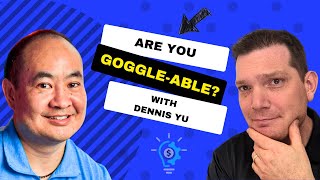
This content was created by Richard Canfield. This content was uploaded by Richard Canfield. This is a YouTube video titled "Why Most Entrepreneurs Are Doomed To Fail (Local Business Marketing) with Dennis Yu" created on July 3, 2024. It features a conversation between Richard Canfield and Dennis Yu, discussing Dennis's journey in marketing, his health challenges, and his mission to create a million jobs by empowering local businesses with marketing tools and training. The discussion covers Dennis's experiences with media, his health transformation, and his innovative approach to supporting local service businesses through mentorship and technology.
Chapters
The guy was texting me saying, dennis, I just want to check in, see how you're doing, like, how's your blood going? And I'm sending him my stats and all that and he's being nice to me and I'm thinking, I'm not worthy of hanging out with Dr. Philip Ovadi. And then he invites me on his podcast. I'm nobody, right? But then I realized, oh.
Welcome back to Innovate and Overcome. I'm excited about today. Joining me is the incredible Dennis yu. He's the CEO, CEO of BlitzMetrics and is the co author of a number one best selling book on social media on Amazon, the definitive guide to TikTok ads. Together with all the agencies he has and that he supports. They've spent over a billion dollars on Facebook ads. This guy understands how the machine works and he's actively trying to support local service based businesses so that they can show up on Google so they can maximize their profits, they can reach the customers they want to serve. And he's in the process of doing that. He's creating jobs. Dennis Yu, welcome to the program. I'm so glad to have you on with us.
Thank you, Richard. I'm just a search engine engineer.
I like the modesty. I think it's important. And what I think is also interesting is, you know, your story, your experience, you've been around the business realm, you've been on many stages, you've been really all over the world. And every time I connect with you, you seem to be traveling to a different location. But you really do actively help support the small business. And I'm curious is, you know, you know, we're going to get into a little bit of as to how you do that, but before we go down that road, I'd really like to set the stage and help our viewers understand what it's like being an entrepreneur and overcoming a major challenge. Now, you've been in business yourself for a very long time and not only that, you literally work hand in hand with businesses every single day. What are, what, what's a story? What's something that you want to really help our viewer understand about the ability and the journey of overcoming a major challenge on the road of business?
Richard, do you remember when Cambridge Analytica went down, all the privacy nonsense, Facebook and, you know, interfering with elections and data scandals, all that, you know, that.
Made a few news headlines during that time frame? I absolutely do remember. I mean, I didn't get into the weeds on it, but, you know, now that you bring it up, I can only imagine how that might have drastically impacted your business.
Well, CNN called me and they said, we need you in the studios tomorrow morning to be able to talk about this. And then I was gonna live debate Mark Zuckerberg in front of millions of people live, so there's no chance to repeat yourself or rerecord or any of that. And I was super, super nervous. And I flew there, didn't get enough sleep because I was afraid I'd missed the 5am alarm and all these sorts of bits. And, and it ended up working out okay. And that was what launched my career from being a search engine engineer, like a data geek, to a public figure. And I learned so much from that and from interviewing other people on a topic because I had a mentor who was the CEO of American Airlines, who knew how to behave. I didn't know how to behave. I was shy, nervous, a good engineer, introvert. I learned that when you are on tv, when you are interviewing someone on a podcast, when you are going into a big client deal, that that nervousness you can reframe into. You are helping other people. You are helping people who have a problem, helping them understand something because they respect you as the expert. Like, for example, check this out. So when they introduced me on cnn, and this is the world's most secure building, well, most bomb threatened building, actually, that's what I'm told. And you have to go through, you know, three layers of security. There's all this kind of stuff. It's intimidating. You go to hair and makeup, there's all these microphones and lights and you don't know which camera to look at. Have you ever been to one of the TV studios? It's absolutely insane. And I'm thinking, geez, they're interviewing me on questions on should Facebook be regulated? What about data privacy? Do you think Facebook ads is doing dirty things? And all these kinds of questions I've got to be able to answer. And I'm thinking, how do I demonstrate to the audience and to the anchor people that I'm actually credible? And then I realized I don't need to be. I don't need to say that I'm super duper amazing and awesome because just, just because I'm with these other people is enough. And if you watch any of the clips or any of the podcasts or whatever that I'm on, they'll say. And now introducing Dennis UC of BlitzMetrics, who's an expert in the, in the topic. Dennis, welcome to the show. And tell us, what do you think about Vladimir Putin and whatever. Right. And so I give my answer without having to say how credible or how awesome I am. Right. Whenever you're on someone else's podcast, like you just introduced me, I don't need to say that I'm knowledgeable or what.
That.
That's all head trash on me if I feel like I need to say that. And so from that challenge, I learned that your value, your perceived knowledge, is because of who you're with and because of who's interviewing you. So the entrepreneurs on the show, you don't need to ever say how amazing you are about the thing that you do or how much knowledge you have. People will know that by association. That was a real life changer for me because it took all the pressure off me.
The, you know, the experience, like you say, going through the many layers of security and, you know, kind of being thrust in, not having experienced that. The setup's different. I mean, everyone watching this will understand the feeling of being out of your comfort zone. And the way you describe it, I could certainly see how that would create that environment, that feeling of being out of the comfort zone.
Yeah.
But the observation, the awareness that you took away from it is very interesting. And so, you know, someone is watching us today and they are going through that experience where they're about to do, or they've. They're in an uncomfortable situation. What kind of advice would you give them relative to that? I mean, let's take the example of their. Maybe they've been asked to be interviewed on their very first podcast and they're a little bit.
Yeah, yeah. It's a ton of nerves when you want to be interviewed on a podcast or if you just started a podcast and you're interviewing someone who's famous or well known because you don't want to screw it up and you're afraid that you're going to sound bad or not know what to say or just look ridiculous. Here's the way to think about it. You are interviewing somebody on behalf of your audience, so it's not you. You don't have to be the expert genius, know everything, super charismatic, always have the most clever line ready at any point in time. You are inquisitively asking them about their area of knowledge on behalf of your audience. So, for example, I wrote the bestselling book on social media on Amazon. Who am I to say that I'm the top social media person? I don't even have that many followers. I only have a million. Not like that's a huge deal. So I Interviewed all the top people in TikTok. And TikTok, full disclosure, paid me a lot of money, and they introduced a lot of people to me. And so I interviewed them, and I found that the top marketers all do kind of the same thing. Like they make short form video in a certain way, asking a particular question, answering things a certain way. They have the same techniques. Then you probably know I had a health scare a couple years ago. I nearly died because I wasn't taking care. You know, I collapsed and all this stuff happened. And I started asking doctor friends of mine. And because I was reasonably well known or lucky, I was able to meet all the top doctors in functional medicine, stem cell and vitamin C therapy in wellness. In exosomes, I interviewed the CMO of Orange Theory, which is a big fitness chain. I have no business interview. Like, me as a fat guy. Not. I was. I lost 50 pounds. I was even fatter. I have no business spending time with the top doctors. I interviewed the chief medical officer of Tony Robbins Medical Organ, like, his whole thing, like his. His wellness organization. All. All these people, the top docs. And Dr. Philip Olvadia, the nation's number one cardiologist, 3,500 heart surgeries. Wrote a book, stay off my operating table. The guy was texting me, saying, dennis, I just want to check in, see how you're doing. Like, how's your blood going? And I'm sending him my stats and all that, and he's being nice to me, and I'm thinking, I'm not worthy of hanging out with Dr. Philip Ovati. And then he invites me on his podcast. I'm nobody, right? But then I realized, oh, he sees value in me because I can share the stuff back to my audience because I interviewed him on my podcast. Because, selfishly, if you look at my blood, I'm happy to share you all my stats. You can see how bad it was. Nearly killed me. Like, my blood pressure at one point was almost 200 over, like 120. That's really bad. Okay.
Wow.
I almost died. And thank goodness it's down. It's like one. It's 121 over 80 right now, which is good, right? Anyway, but I interviewed him on my podcast. I'm a nobody, right? But I took that episode of him and I. And, you know, I'm well known for this dollar a day thing, and I spent my own money. A dollar a day, seven dollars. Pushing it out to his audience of the people that he wants to reach, and he loved it, right? And then I realized I can interview other people on whatever topic I want and then push it out to their audience. So it's highly relevant. It's high engagement. Like this, this guy has the number one bestselling book in marketing, David Meerman Scott. And then he quotes me in there because I happen to own the number one free ebook site on the Internet with a million visitors a month. And so he quotes that or, you know, this isn't, we sold 800,000 copies of this book on Facebook ads. I have no business doing that. But I have, I'm an author in this book. And Perry Marshall wrote the original book on Google Ads. So of course he can have the number one Facebook ads book. And then he and I co author this book. And so all I'm doing is interviewing other people who are expert and at other areas. So if you're an entrepreneur and you're feeling, I don't know, nervousness before a deal or you're going to interview someone, like you said Richard on a podcast, just realize you're representing your audience. You are not trying to pretend that you are the expert, king of everything, know everything. You're, you're just asking intuitively, inquisitively, like a student. And you're not trying to pretend like you know everything. You're just asking questions very simply. And then if you're afraid of not getting any reach or no one seeing your stuff, just spend a dollar a day on Facebook or Twitter or whatever. Like the way we teach, you can Google it and see how it's done. And then you're, you're guaranteed that the key audience that you want to see it will see it. And as long as you ask decent questions, it's good. And there's no pressure on you because you're asking and that expert's the one who has to answer. So this is so freeing for me because now I no longer have to be an expert on anything. Of course you got to do your research and prepare and all that, but I'm never caught flat footed because I'm not pretending that I'm the expert.
It's amazing how this one experience, you know, a 24 hour period, completely changed your entire outlook and reflection on it. Sounds like not just how to conduct business, but how to open doorways and how to also actually add value to more and more people that you seek to serve. And with that in mind, I'm excited to hear more about this journey. And after these important messages, we'll be right back with Dennis. There's certain moments in our life where we know that things are going to change. That happened to me in August of 2009. My life completely and totally changed forever. For the better. I learned about this incredible concept called the infinite banking concept. Becoming your own banker. It was created by R. Nelson Nash. Nelson became my friend and my mentor. I loved him dearly. I now have the blessed life of being able to teach his incredible message, his incredible concept to the people I love to serve. You can learn all about it by registering for a free webinar@learnibc.com Go ahead, take the initiative. Start your learning journey now. Welcome back. Roughly what year was it, Dennis, that you, you know, you. You learned about, like, your blood pressure and kind of the health challenge when, you know, how long ago was that, that. That recurred for you?
Two and a half years ago? Okay. I got fat during COVID maybe three, however long ago it was.
So I'm thinking that, that, you know, you kind of opened the doorway on that a little bit. How do you feel about maybe expanding on that experience a little bit? And obviously Covid was a part of it, but then, I mean, also you're very busy. You're a busy entrepreneur. You know, you, you went from this, like the Cambridge Analytica thing, which also really cracked open a bunch of doorways, and it probably made you drastically busier than you already were. Yeah, I'm guessing there's kind of like a ripple effect there. Am I on track?
The Cambridge Analytica thing made me famous really quick, and I feel like everyone has that one thing that happens to them that if you seize upon it, it can actually be something amazing. You can be like a Susan Boyle or, you know, there's all these examples of like the one thing that happened and then hopefully you leverage it. And so that allowed me to speak on lots of stages and speak when the media had a question about data privacy or Google Ads or Twitter got rid of 80% of the people or whatever it was, the media could see that I was reasonably well spoken. And it wasn't that I was an expert. It's just like imagine you're just your journalist at, you know, ABC or the LA Times or NPR or whatever, and you've got a cover, right? The editor says you got to cover a story on this one thing. So you naturally are going to talk to whoever you've seen already in the media, right? So all you needed to get is one media appearance to then allow all because they have no idea of inspecting my technical credentials on how well do I know the Facebook API? Like, I Actually do know it pretty well. I actually do have the chops as a search engine engineer. I've written tons of code. I mean, it's hard, you know, all that, but they have no idea. They're a journalist. Okay. Nothing wrong with that. So I started speaking at all these different places, which forced me to be able to run a business virtually and then start running multiple businesses, because leads would come in for mortgage brokers or chiropractors or whatever, and then I would just push those to friends of mine. So naturally, this built this kind of agency. I don't know what you want to call it. Network. Right. And then I got a little piece of ownership in each of these agencies, which is nice for me because I don't want to operate any agencies, but I can push to people who I trust, who use our techniques because I'm an analytics data measurement guy. So when Covid happened, all the speaking stopped. I was. I think I had seven or eight keynotes lined up all over the world in these really cool places. Some that I'd never been to, like some weird place in Africa in Eastern Europe. That's cool. You're going to pay me all this money to go out there? Sure, why not? Right. And so I had to learn how to do business via Zoom instead of speaking on stage in person, like what we're doing. Right. And develop other people to do the same kind of thing. Even though, remember, I'm this Asian search engineer, math guy, I have no business being on camera and messing around with all the different things inside a video studio. But, you know, I went to Amazon and just ordered all kinds of stuff to learn how to do this stuff to reinvent myself. And now that all that stuff is basically passed and we can meet again, we're hanging out in the real world. Like you and I, we hung out in Denver at Caleb Williams Mastermind. Right. That's amazing. Right. But also it brings us back into meeting virtually. And I think all of us as entrepreneurs should take advantage of the fact that we can meet anyone we want on this planet. And they'll give you 15 minutes via Zoom.
Yeah, absolutely. And that that 15 minutes could learn and lead into your next best collaboration. It could lead to an incredible introduction. Either one you can provide as an act of service, an act of, you know, filling up someone else's emotional bank account, or it could be vice versa. It could be an introduction to the. Your next business partner, a next major client that you could serve and add value into their lives. You really don't know what's going to happen out of those introductions. And, you know, it's, it's really going back to the idea of, you know, the, the networking event. Everyone understands networking in the business world. And it used to be you would go to a networking function. Of course, everyone's got their business cards and, you know, you always have that one person, I refer to them as the Carlton card slinger, where they're trying to give their business card. Every single person, they're not adding any value. Yeah. Versus you get into a really in depth, engaging conversation with someone, you learn about who they are, what makes them tick, what. What, what they need in their life right now to support them personally or in their business, and then you find a way to give it to them. So similar to what you were sharing before the break, helping that doctor, you know, who. Who did so much for you, and then really promoting that interview and to his audience was really an act of, hey, I want to give back to you in your community. And then that almost creates a bit of a ripple effect.
You advise in financial services and helping people manage their wealth and whatnot. You have a bestselling book in Canada, and you and Jason Lowe and Caleb Williams and Garrett Gunderson and Kim Butler like all these people in the same sort of community. Right. You've realized that by interviewing these other people on Zoom or whatever, these people that might be competitors in some way actually helps you. I have so many friends of mine that interview competitors, and that actually builds their credibility, builds their audience, builds their authority. This is like a huge mind twist for me because, like, you ever go to, I don't know, you drive along the road and like, all the car dealerships are in the same place right next to each other. Right. Like all the restaurants are like, right next to each other, all the competitors. That creates credibility for all of them.
It's in every city. It's like that in every city.
Yeah. So I love hanging out people who are competitors and I love telling my other friends of mine or people that I coach, I tell them, interview your competitors. My buddy Alex Makowski does cold email for agencies, and then there's like two or three other guys that are better known than him. And I said, interview them, put a book out there on, and we had ChatGPT write the, you know, title and design the COVID and all that. And he was like the ultimate guide to lead gen for agencies using cold email. And then he interviewed all these other people and put into a book. Why does it work? Because these other people probably have not written A book. And all you gotta do is zoom, interview each of these people for a few minutes. Each of those is a chapter. Now I have a bestselling book. So any you guys listening here? You're an entrepreneur. What's the thing you want to be known for? And instead of just direct pitching, cold calling, banging on doors, trying to, you know, get people, always be closing, using sales techniques, whatever you got to do, right? If you've less than 50 people, you have to sell. Okay, who are the people that your target clients, who do they respect? Interview those people, create a book around that, and now you have credibility. Now the conversations are all different, right? When you talk to a prospect, not.
Only is that tactile and actionable advice, which any. Any viewer can take away and implement immediately, it also goes to show Dennis, your. You know, you really get lit up when you talk about marketing ideas and not only the things that have worked for you, but you've seen work for other people, and then sharing that knowledge with other. That's one of the reasons why I really was excited about this interview. I've, since the time I've had a chance to meet you, seeing how well you are able to really give in when it comes to communication and your energy, your efforts to help support other people. It's always a give before an ask. And I really appreciate that about you. And I'm curious, you know, circling back to Covid, you were talking. Talking about doing these keynotes. Obviously, some of those got canceled. Shifting into a zoom world, you know, before the break, you talked more about this. This health condition, this health challenge that you had. You know, you almost died. I mean, that's. I like how you mentioned that and almost glossed over it like it was no big deal, but we. We know for a fact that it was. Yeah.
So what.
What was it that really transpired that. That created that environment, that health challenge, and, And. And what's the journey of overcoming that been like? Because anyone who's had a health scare, who's watching right now, we all could seek some inspiration around our own health. And you've obviously made a transformation. So walk us through what transpired.
This might be the most important thing that any of us hear today. So, Dr. Ovadia, remember, he is a heart surgeon, and people have heart attacks or whatever, and they get wheeled into the operating room. And he told me a story of one guy who's just like us, you know, entrepreneur, mid-40s, 50s, and, you know, working really hard, doesn't have time for exercise, and, you know, like, Us, as entrepreneurs, we're constantly trying to squeeze as much thing. You know, it's just like, that's how we're just super busy. And he didn't budget time for a heart attack, right? None of us do. And in spite of all this, Dr. Phillips, you know, skill and whatever, that patient died. And he sees thousands of patients every year, as skilled as he is, a lot of them die and they don't get a second chance. And some of us, like me, I got a second chance now. I didn't get a heart attack, right? I collapsed in. This other thing happened, right? But he said that you. This is the thing that really struck me. He said, you don't know when you are about to have a heart attack. It's. There's no, like, feeling you're going to get because everyone prior to their heart attack, oh, I was feeling fine. You know, I'm slightly overweight. That's normal. I'm not trying to be a fitness model. And so you're busy, busy, busy. Meetings, meetings, meetings, travel, not enough sleep, trying to do all these things. Like, you just can't do it. You have to make your health your number one priority. It's like, yeah, yeah, yeah, I've heard all that. But you really, you do, because when that moment happens and it'll eventually get you, then it clears your schedule, doesn't it? When that moment happens and you don't want to be on gambling on that side where that could be your last chance. And it's just really sobering and chilling to think that could be your last chance. So I've been. I've spent hundreds of thousands of dollars of my own money to send people to oxygen treatment to buy them my favorite supplements, right? Because I've done all this research and I've talked to all these doctors on what are the best supplements for what situation. And I have gone deep in this thing the last couple of years, and I love working with these doctors, helping their businesses grow because then I'm learning more and I'm passing it on to my friends and I'm spending my own money helping entrepreneur friends of mine. So I think there's nothing more. I mean, you've heard it, but, like, you don't do it because you think it's always that other guy who gets the heart attack or whatever, right? But think about how scary that is. Like, you could have a heart. You could, you know, maybe you're, like, reasonably fit, but you're not super fat. So you think, like, you're okay just because you're not fat doesn't mean you're not going to get a heart attack or have a health problem.
Yeah, absolutely. And in this modern day and age, with the advancement of technologies and you've been able to have all these incredible interviews, one thing that's interesting is, you know, I'm hearing a theme about your engineering background, your data. The data background, the researcher in you. And you've gone and compiled all this information and then put it in a format where other people can now access. Yeah, they can almost get like a direct access to plug right into the back of your brain as to all the research that you've done through these interviews and the experts that you've spoken to. And that's led to an actual transformation in you. You said you dropped 50 pounds.
Yeah.
Normalized category. And now you're in a great maintenance program. It sounds like where you're.
Yeah.
Tabs on that.
Can you imagine, Richard, if you max. I mean, you're a financial advisor, imagine like you had this credit card with a $20,000 limit and you maxed it out just. And you had no idea. You're just like spending money here, there. You never check the credit card statements. That's what most entrepreneurs are doing with their body because they think, oh, I'm just, I'll just, you know, have more coffee in the morning or I'm feeling slightly tired or no, no, no, no. People will tell me, oh, yeah, I just need five hours of sleep. I can you through. I've done it for the last 10 or 15 years. Dude, you are maxing out the credit card on your body.
Have you ever wanted to be a part of a network of visionary entrepreneurs? People who get you, who understand you, who think differently? They're actively going out and making things happen. They're making the world a better place. They're creating incredible change, incredible innovation. And they're having discussions about how to make the world a better place, how to create a bigger, brighter, better future, how to take what they already know, combine it with what someone else knows and make something grand. Well, you're in luck. There is such an incredible network. It's the Epic Fit Network. You can go to theepicfit.com to learn more, apply to be a member of this incredible organization. I'm a member and I love it. It's been fantastic. And I can't wait until we have more amazing people just like you joining this incredible group. We are back with the amazing Dennis Yu. Incredible story so far. We're going to shift gears and talk A little bit more about what are some of the, the trends and things that we're seeing in the marketing space now. Dennis, with his incredible background, unbelievable knowledge base, you know, he's got so much data rolling around in that, in that head of his. I want to explore a little bit for our listeners. What is it, Dennis, that you see around the local services? You have this goal of helping create a million jobs and that's innovative in its own right. But the way that you want to go about do it, I find is a bit of an innovation. Can you explain a little bit more about where this vision came from and then, and then how do you anticipate accomplishing that objective?
Yeah, so I view local service businesses, chiropractors, roofers, landscapers, real estate agents, financial advisors, veterinarians. All of that is basically, no offense, like obese people walking around without realizing how fat they are. And then we just want to provide them a scale, for example, and an MRI and other kinds of measurement. Because I could lie to myself and say I'm not fat. Okay, we'll step on the scale. You're 400 pounds and 4 foot 2, you're probably obese, right? Oh, but I diet, right? And I, you know, eat all the, I only eat 100 calories a day and I, you know, I exercise a lot and I eat only organic. People are lying to themselves. So when it comes to marketing, there is a lack of measurement. And because of the lack of measurement, people tell all kinds of lies, including, and especially the marketing companies, if we have measurement. Just like you're measuring your health, just like you're measuring how long it takes you to run a lap around the track. You're measuring your bank account. Why would you measure how well you rank on Google when people type in emergency plumber city name, right? Like why wouldn't you. And you could measure exactly what it is. You could measure how many keywords you rank on. I can measure, for example, Richard, that your LinkedIn and your website are number one and two for your name and you're almost there on a Google knowledge panel. There's that other Richard Canfield guy there. I mean like I can measure all of it. I can measure your Google Analytics and your traffic. I can measure how your ads are performing. I can measure everything. I can measure what your best content is. You don't need give me permission. I can see it, right? This is publicly available information if you have the right tools. So we just want local businesses, anyone who's, or anyone who's a service based business to realize, like, you're very Googleable and you should own your own marketing. If you type into Google, own your own marketing, Dennis, you. You'll see the five steps to go through all that so that you can take control. Oh, but I don't want to do marketing because, you know, that's some other really technical thing that someone else who's an expert handle. Nonsense. Those people are incompetent. Mostly, like 99% of them are incompetent, especially if they sell SEO. So I just want measurement to be there. And so we created a tool. Are you googleable.com? roger Wakefield came with the idea, and we're training up tons of people on how to basically run the mri. Like, step on the scale, take your blood, all this kind of stuff, show you the data, and then you can fix it yourself. Hire. My favorite thing is you hire a young adult from the local high school, maybe you have a son. Have them go through our training we'll give away for free and have them own it. Like, a friend of mine, Jeremy Newman, he's got a $12 million restoration company. Like fire, water, flood damage, this sort of thing happens.
And old restoration, like, fix, you know, mold and all that stuff.
All that stuff. That's called remediation. Yeah. A hurricane comes through, someone's house burns down, like, that's called remediation. You come in and fix the thing when this thing happens. And so he. His marketing was terrible, and his daughter, he wanted to somehow work with her, but she didn't want to be around all these old guys running restoration companies. She just graduated last week, and we had this meeting, and I said, you know, Mia, why don't you. I mean, you got a degree in marketing. Why don't you fix the marketing at your dad's business? And he can be your first client, and that's what happened. And then his dad, or her dad, because she's well known or he's well known in the whole restoration space. All these other restoration companies who also want to grow, you know, maybe they're only doing a million or two, and they want to grow as big as this guy. They're now hiring Mia, and now she's got an agency, and she's hiring young adults from our program and virtual assistants. And I just love it. Just, I feel so good. And Jeremy's so grateful. Mia's so grateful. And all I did was bring these folks together on an asset they already had. And she's been going through our training to learn how to be Googleable, how to rank on the maps, how to fix the website. All basic, basic stuff. Using AI tools. There's a lot of them. All the tools have AI in them now. Now, Right. They say they do, at least. Right. It's just a wonderful, wonderful situation, helping out these local businesses.
What I'm seeing is the cascade effect. And that's, I think, what you mean when you say you want to create a million jobs. And so you've got Mia here now. She was already getting the degree. She's now helping out her dad. They wanted to work together as a family. The result of it is an agency got created almost out of nowhere, out of thin air. Whereas normally someone comes out with a marketing degree. What are they looking to do? They're looking to go work for an agency.
Yeah.
She's stepping into an existing asset, a growing business that already has a platform to solve a problem. Boom, a business gets created. And now more people are hired. Now, whether they're American or somewhere across the pond, doesn't matter. There's more people at work being able to actively produce revenue and an income given this knowledge base. And we talk about a knowledge base, we talk about a knowledge panel. These are things that you are an expert level at. Your own knowledge base is now epitomized in a training platform, much of which is free. You have so much amazing free content that people can just gobble up and learn. And. And then there's those who, even though they've got enough information and knowledge, they might say, you know what, as much as this is great, I don't want to have my kid or my son or my daughter or my nephew or my, you know, my neighbor come and do this for me. Hey, I just want to, you know, hire your team to do it. So there's still those capacity and that availability that's there, but the ability to start the learning journey is ever present. You know, 24 7. You can get access to this information if you know where to look. Is what I. What I'm understanding. Am I on track?
I just get giddy. I'm so gleeful. So, for example, I was asked to keynote at the National Funeral Directors association, which is this conference of 10,000 funeral directors, like old white guys, basically, right, that don't understand technology. And they wanted me to speak about the future of AI and all these cool things that are going to happen when the robots kill everybody. Terminator, whatever, Matrix. And what I did instead was I said, hey, what I'd like to do, because we still have six months out before the big conference and Before I give my big speech and all that, I want a whole bunch of funeral directors to have their kids sign up for our training on how to use AI tools and how to use Google. How do you do social? Because you know, these kids, they understand these tools and iPads, like right when they're born, they pop out of the chute and they can just use tools, right? That's kind of like how it is. And so we did that. And then on stage, instead of me giving the big speech, which is what I guess I was supposed to do, I didn't do that. I said, now I want to introduce so and so and so and so and so and so. Guys, come on up. And I introduced all these kids who are scared to death being on this big stage. And I introduced their parents who were the funeral home directors. And I said, I want each of you to explain what you did for your mom's business, right? And remember these, these are kids that are like mid-20s. They don't want to run a funeral home because they think that's like old people stuff. But they were able to use social media and rebuild website, use all these AI tools. They weren't trained in any of this stuff, of course, which I did intentionally. Explain what you did, Explain the results, explain how many more phone calls you had, Explain when you ran local service ads, what was your cost per call? How did you resolve this? How did you fix the website? How come you're ranking on more keywords? And so I was interviewing all these students while their adult parents were watching and clapping in the background. Then I interviewed the adult parents, come in and say, so what did you think of, you know, so and so and your daughter and what happened? Tell, tell us. And it wasn't to be a testimonial, but that's kind of what they all ended up being. And then I had, at the very end, I had all of them stand together and I said, give these guys a hand. Wow, look at their results. Did I do anything? Did I? Oh, because people like, oh, because Dennis is like, no. Did I do anything? No. I coached these young adults who got help from these other young adults in our program. And all these young adults. This is not Lord of the Flies. All these other young adults are helping the other young adults, like all the MIA's and Parker's and Danny Leebrands and even, you know, Lisa Miller. I think she's in her 50s and she's. That's okay. It's young at heart. You don't have to be 20 because you can still be cool technology if you're in your 50s and 60s. You know, I'm, I turned 50 this year.
There's just for me. Is that what you're saying?
Yeah, for us, for all old, old guys like us. And I just love seeing it because now these kids as now they have to of course have done it successfully before you can coach these other kids. But I guess it's like an apprenticeship program. Richard, I'm just so proud of these kids and you know, I'm not trying to hate on the university college system and all that, but I love this mentorship apprenticeship model. It just makes me so happy just to see it over and over. And I want every Mia Jenkins to make another 10 Mia Jenkins and then just not an MLM, you know what I'm saying? But this is where I think the future of job creation and local marketing and small biz and any kind of anyone who's in a service based business, I mean, you know, we got a bunch of kids who are working on your stuff. Most of them don't have any experience, but I'm proud of them. And you know, they're not perfect. So they all, you know, they're kind of learning and adjusting as they go. Right. But I'm so proud of them.
One of the things that happens as people age is the people that are in your circle age with you and eventually they all develop the same ailments and they all complain about the same problems and then you have a whole bunch of people the same age, you know, moaning and complaining about things. Whereas if you're introducing young energy, youthfulness, yeah, A positive future, a future outlook into your circle, you're, you're creating an environment where you get to live amongst different generations. And I think that, that you know, with, as a, you know, a student of Dan Sullivan, Peter Diamandez, focusing on longevity technologies and learning how you can think beyond your own lifespan a little bit, the people that you surround yourself is a huge component of that. And you're doing that in a large and a mass scale. And you may not be doing it for an extended period with this person or that person, but you have also created a platform that will outlive Dennis. So Dennis's information is now evergreen. It's perpetual. And the ability for that learning process to continue as long as the technology allows it to be so will really be able to create that cascade effect over a longer time frame.
How does that make you feel? It's everything to me. It's like, you know, in what's the word, it's like immortality. It gives meaning. Yesterday, one of the kids in our program, 15, no, 16 years old, Elias Bartu. So he learned how to submit press releases. So you write an article, Richard. And then we put it out there and there's a, there's a technique that we have to do it in a certain way. And he, he did 20 of them yesterday and the kid is 16 and we had this, this one kid, Yaya, I think he's 15 and he's interviewing people on his podcast. He's doing fantastic things. Dan Ulan out of Los Angeles, he's training up the most amazing super kids with these Indian moms as the parents. And these folks are getting into top notch Ivy League schools. They are teaching on behalf of Harvard Business School and Mumbai, India and other like, I get to see these folks grow. And it's funny because Richard, I feel like I spend time with like 16 year olds and 60 year olds and I mean, you know, keeps me young. Dan Sullivan, Longevity, that whole thing. But it's absolutely incredible because I learned so much. Like this 16 year old guy yesterday was showing me stuff on social media. Now I feel like the old geezer who can't program the vcr. I'm like, what? What? I've never even heard of this app and he's teaching me.
Check out this great book, Cash Follows the Leader. It's all about uninterrupted daily go growth with high cash value life insurance. We unpack what people need to know about how you can grow and store and warehouse your wealth in a totally different way than what we've been trained to do. Go ahead and download a free copy by going to coachcanfield.com cash follows and get a copy right to your inbox right now. Welcome back to the show. I'm curious, you know, you talk about these YouTubers, youthful people getting started and you know what I'm hearing is that not only is it never too late, it's also potentially never too early. You, you, you're hitting people at different dynamics at the phase of life. And I think sometimes folks who are, you know, in a category of, let's say 50 plus, they often have this feeling and it's not, not exclusive. I mean, certainly entrepreneurs are a little bit more proactive and more open minded than a lot of people, but sometimes there's this feeling that begins to build like geez, it's too late for me or the technology is moving so fast, how will I keep up? And it's, it maybe isn't A matter of that you need to keep up, but you can be surrounded with people, or you can change or add people into your circumference that are keeping up, and then vicariously, you can learn as you go. Not only that these younger individuals, they require mentorship. You know, one thing that always stood out for me, Dennis, I always found myself, even when I was younger, I would end up in a room, and I would, first and foremost, I would go find the who was the oldest person in the room or who appeared to be the oldest person in the room, and I would want to go talk to that individual. I was so curious to figure out what's that guy's or that gal's story, what's their life experience, what is there that I can draw upon that I might be able to learn, what shortcut that can I create because of the world that they have already lived and I couldn't possibly fathom, and I didn't realize I was doing it intentionally. But the result of that is I said, you know, hey, I'm going to make my own mistakes, and I'm pretty sure I'm going to learn from them. And I might not like what I learned, and I might not like the mistake. But if I can find out what Dennis's mistakes were or his. His big learning lessons, can I compress time frames? Can I shortcut myself into leapfrogging over some landmines that otherwise might explode and cause me some major challenges in life?
So I was lucky to meet Jack Ma before he was a Chinese billionaire and started Alibaba. I met him 25 years ago or so, and since then, incredible things. And he said this one thing which struck me, which then I realized I'm following that model himself. He said, the first decade in your life, you become a worker, you're getting skilled to do the one thing you're working really hard, right? You know, making your way up as an employee or whatever. And the second decade, you're there as a manager, as, like, a business owner, and you're, like, directing other people to do this stuff because you already had the initial experience that you're building upon. And the third decade of experience, you're more like a coach or a mentor, and you're helping these other people build because you have more behind you than ahead of you. And I've entered that third decade, and I feel like I now understand what he's talking about, because when I was in my first decade, I was working really hard. I was like the Asian student that was getting good grades and that whole thing. And I thought, I'm not going to listen to those old people. They're not relevant. They don't understand technology as well as I do. I'm going to make my own mistakes and touch that wet paint myself and make all this money and waste it, which is. Other people told me about this, but I didn't listen. So I made all this money and I wasted it, like, you know, most people do, and they're dumb about it. And then I realized, you know what? Those old people, all the stuff that they're telling me, it's the same stuff I'm telling these young adults. I'm one. I'm, like, one of those old people now, too. Like, because I'm like, you know, I'm giving the advice, like, make sure that you listen and show up on time. And it's about relationships and the world's a small place. And, you know, all these things are like, yeah, yeah, yeah, I heard that before. But wait, wait, wait, wait. This is what. This is what they told me 30 years ago, and I didn't listen. So I see it's come full circle. And those of us that are also in that third decade, we can apprentice and mentor those people who are willing to listen. And I've had Richard in the last year. I feel like I've been reborn in some way. I feel like I'm just getting started because now, from my experience and whatever, from running large groups of people, I now have many companies that I have my hand in. So I'm more like a chairman, if you will, involved in these other companies. And thus I'm creating way more impact than I ever could of as, like, one worker who just, like, work 16 hours a day. And I could, like, outwork anybody. I can operate at a higher scale. But that wouldn't have been possible had I not gone through these different layers. And I don't even need to be on top of all the latest technology because I can just have other people. These. Like this kid Elias was showing me all this stuff yesterday, like, why don't you be in charge of that? Why don't you document how that works? Why don't you? And then create a little training and all the other young adults can follow what you have demonstrated, then I don't even have to be the guy.
Yeah. The incredible power of who? Power who, not how. And you're really seeing that take place. I love the description because it's so interesting. It reminds me of one of my favorite YouTube videos, which is the backwards bicycle and Knowledge does not equal understanding. So you were told and you knew that, hey, these are some things for the roadmap in your future. And you said, oh yeah, that sounds great, I totally get it. But you got the words but not the connection of what it really is. And it was through the learned experience that you finally got there. And then also the experience of your first time at cnn, the learning that took place afterwards, going through a massive health challenge, almost not being with us and seeing that ripple effect. So the combination of those things really working together creates a new context. And that context now with, through reflection, you know, it's really hard to reflect on something if you don't have any experience to reflect on. But now that you've got two additional decades of experience, you can, you can have a look back that allows you to plan forward. And I think that's one of the core elements that we're really trying to help unveil for the viewers of this program. And you're doing an amazing job of that. What, what has you excited, Dennis, about the future of, of technology in, let's say the marketing space and just in general, you know, a lot of people are talking about AI killing jobs here. You're explaining how the utilization of the technology and its capacity is actually in your world going to help create jobs. So the perspective is very powerful. Walk us through what you see happening in the future.
So Richard, people are freaking out about how AI is going to like kill everyone. Terminator, Matrix kind of stuff. And most of that is just Hollywood noise. That's not going to happen. The calculators, string a million of them together, mile long, are not going to suddenly wake up and just exterminate humanity. Here's what is going to happen. Smart people using AI will replace the dumb dumbs who don't. So the AI doesn't kill the jobs, it's smart people using the AI will. Why? Because here's the fundamental arc of technology. If you look back 30 something years, every time there's been a new thing, the Internet, the spreadsheet, like whatever it is, technology is nothing. And I learned this from Bill Gates, who wrote the book the Road Ahead. He said technology is neither good nor evil. It is an amplifier of that good or evil, you can use it to get 10 times more of whatever, what's working. So when, you know, the social media came out, it allowed certain people who were, you know, well known for something or had done something to get even bigger. It amplifies some more of whatever you have. It's like a rich get richer, creates a greater wealth gap, whatever you want to call it. And AI is just another in this chain of amplifiers. So I view marketing and digital and even business in general as what do you have at the core? I distill it all the way down. What is the thing that you do really, really well? The relationships you have that are really good, the knowledge you have. Can I point to like one or two videos or case studies are like, what's, what's like the best you have. Right. And then amplify that. So AI can amplify that, not create it. Not from scratch. I'll write an article about not not generate. That's what people think like AIs to generate. That's a mistake. Like all the stuff with you, Richard and Nelson Nash, that's pure gold. How do we amplify that so more people can hear about that and what you learned from being around the oldest person in the room or whatever it might be. Right. And everything I've seen is teaching entrepreneurs to pick the one or just like one thing. They're really good at proof of that and use AI to amplify that. Right. It's not about the AI or magical technical engineering things. Like people think, oh, is this all this, like technical thing and programming? No, it's not. I was the emcee at an AI conference a month ago of all the top people in AI. I don't know why they chose me. Oh, they chose me to be mc because I was the emcee last year. I didn't think I did a great job, but they invited me back. And so, Richard, imagine this. What do you think was the key message among all these people who are at the very top in AI? And these are all very technical people. What did they say? What, what did they like? What was the key point, do you think that they all shared?
I'm going to assume that it had to do with the fact that we're going to have the capacity or we need to exercise the capacity to deepen human relationships.
That's exactly it. And it wasn't technical. It was about. The more. This is so ironic, the more empathetic you are, the more you can have a conversation thoughtfully, using active listening, interviewing other people, being clear about the instructions. Right. Like being a good manager. The more the AI, like a department of VAs, basically can do this work for you and you can speak what you want and the AI will write the software and the language that you want. But you have to be able to understand exactly what you want against the Niche that you serve with a particular value that you provide. I know it sounds sort of esoteric, but it's absolutely true. Friend of mine did this, started a company that is super successful just from speaking to the AI Every five minutes. He has a quick little meeting. Okay, how my ads doing? Okay, what products are selling best? Okay, just go ahead and make some ad campaigns. Go ahead and do this and do that, and then tell me, tell me what's working. What do you think see is working? What's not working? He's like literally talking to the thing, right? Every day. Not the, the, the, the. The drunk, you know, chained butler that is open AI. Or these other ones where these guys are. These, those AIs are anesthetized. They're not truly powerful. They're like drunk. But the unchained ones that are open talk back to you and are witty and like, well, why should I do that? Like, what? You can't talk to me like that. No, you can. The Unchained AIs can do that. They're absolutely scary how smart they are. But that's where everything is going. And when we understand that, we can leverage, like imagine, Richard, you could have a department of, I don't know, you have different departments, and you have, you know, three or four people in each department, and each department does a certain thing. Like one does pr, one does operations, one does customer support, one does. You have all these department. You have, you know, this big organization, but you have to have instructions and structure for those people. If you have that, if you can think of it, if you can use the SOPs from anybody, you can use my SOPs, I publish them. Then you can have this large department of the most expert people in the world working for you for free. Basically, that's what AI is. And we're. This is not hypothetical. I have seen it with my own eyes a couple weeks ago.
Well, the summary point on that is that the future is here and it's here to stay. And you can make the future the best possible based on your vision and your own ideas. Thank you so much, Dennis, for joining us on the program today. And for our viewers, please tune in to next week's incredible episode.
More from Richard





How Do You Use a Policy Loan to Buy Dividend Stocks? #dividendstocks #infinitebanking #shorts


Can Compounding Dividends Pay Your Bills? #wealthbuilding #investment #financeeducation


Should a Corporate Policy Offset Your Personal Coverage? #shorts #insurancetips

What Is Human Life Value? #shorts #insurancetips #dividend #wholelifeinsurance