Discussing Herbs with Canine Herbalist Rita Hogan
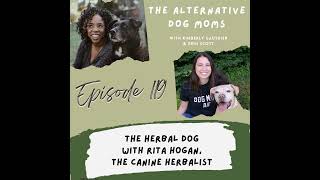
This is a YouTube video titled "Discussing Herbs with Canine Herbalist Rita Hogan" created in July 2025. The content is a podcast-style conversation featuring Kimberly Gaultier and Erin Scott, known as the Alternative Dog Moms, interviewing Rita Hogan, the Canine Herbalist. They discuss holistic dog health, focusing on herbal medicine, feeding practices, and the impact of diet on canine wellness. The discussion includes detailed insights into herbal remedies, the effects of feeding cold food to dogs, and concerns about added sugars in dog treats, providing a comprehensive look at natural approaches to dog care.
Welcome to the Alternative Dog Moms Podcast. I'm Kimberly Gaultier, creator of Keep the Tail Wagging. I've been blogging about raw feeding, pet wellness, and life as a crazy dog mom for more than 10 years. I've seen massive improvements in my dog's health since I began raising my dogs naturally, and I'm passionate about sharing my experience to help other pet parents.
I'm Erin Scott from the Believe in Dog podcast. For more than 10 years, I've been researching and learning everything I can about healing cancer, allergies, autoimmune, and mystery illnesses in both my dogs and myself. And I can't wait to share with you everything I've learned in case it could help you, too. As the Alternative Dog Moms, Kimberly and I are bringing you all the latest dog health news that we're following and the brilliant people we're meeting along the way. Now, let's get started. Hello, Kimberly.
Hello, Erin.
So we have an amazing guest today, and I feel like our guest needs no introduction, but I have written an introduction, and I can't believe that we have gone over a hundred episodes without having her on yet. So everyone knows our guest because of the products that she formulates, because she has this amazingly comprehensive online store. They might have consulted with her. They might be taking online courses with her, and I bet they know her upcoming book, the Herbal Dog. She is known online as the Canine Herbalist. Today's guest is Rita Hogan. Rita, welcome.
Hi. I'm so excited to be here. Yeah, I have never been on the show. I'm excited about it, so love you guys.
We have so much to dive into, and I know you're out promoting your book, the Herbal Dog. And I know you're also going to be coming up on the Believe in Dog podcast, where we really dive into your backstory. But I wanted you to talk for our audience today. What is your vision for how people will use your book? Because I feel like this is going to be one that I'm going to go to over and over. It's going to be this amazing reference over the years. What is your vision for that?
Well, reference is one of the visions. You can use it for a reference. There's lots of reference material in the back of the book, like Materia Medica, which is resumes for herbs specifically for dogs. Not humans, not cats, but dogs. I do mention kitties. If an herb is safe for a cat, I do have a little safe for kitty and how to dose for cats. And then there, you know, I think it's Multilayered. So it's, it'll definitely be a really good book for guardians and caregivers and owners of dogs, teaching them about their dog being an ecosystem and how like holistic anatomy where everything is connected and how that connection dominoes different types of ailments and conditions. So the first part of the book is definitely a learning experience. And then we go to the applications part of the book and that's, you know, your common ailments for dogs in general. But, you know, a lot of books out there have common canine conditions and I, you know, I cover some of those. But my common canine conditions are a little different in that I cover antibiotic recovery and yeast protocol and help people understand leaky gut and all the different facets that go into it. Right. And different types like histamine intolerance. You don't see that in a lot of common canine conditions. Even though a lot of kind of end results. Canine conditions are a product of different types of histamine intolerance. Lipomas, leaky gut, acid reflux. You know, I was doing a post today that's coming out tomorrow on different solutions for acid reflux, but also the causes for acid reflux. And a lot of people, I'm sure I'll get some comments on some of the causes of acid reflux because people don't see it as a connection with other conditions like low stomach acid. And I also have, under herbal applications, I also have grief, you know, as a common canine condition, because I do think it's an issue, especially with pet owners suffering from so much grief and guilt over their previous dogs. Right. So I think that kind of bleeds over into our relationships with our new dogs. So I'm excited about it. And I do go over a lot of herbal medicine in the book. It's definitely not a specific how to make herbal medicine. Certain, like infusions, you know, like a tea or giving dried herbs will definitely be in there. How to use tinctures and glycerins and demystifying, giving alcohol to your dog and just a ton of plant information. But I also include different types of remedies. Like for instance, you know, if you go to the acid reflux. Right. If you went and looked up acid reflux in my book, you're going to see a list of herbs, but you're going to also see a list of mushrooms and homeopathics and essential oils. I'm not necessarily covering essential oils in the book specifically or homeopathic specifically, but while we're at it, you know, Here are the ones that I use in my practice for convenience for a person that's using this as a reference. So a lot of things will be right there. I couldn't cover everything of course, but I've covered a lot.
Yeah.
You know, one of the things that you taught me is about essential oils because especially a couple years ago, but they're still very, very popular and you are always kind of like these are very strong forms of plant medicine and shouldn't necessarily be like your go2 thing that you use for everything all day, every day. And that was information that I don't think I've ever heard anybody else talk about.
Yeah, no, I mean essential oils have been used in other countries for a really long time. And then they came to America in, they were here in the 70s with Robert Tisserin but like. And he's been working with oils since then. But they were brought to popularity in the United States by what I would call the American marketing machine, which you know, multilevel marketing companies making bizarre claims and just kind of take just dominating with ads and everything. And they got so popular. And I find it interesting that people are afraid to give their dog a dried herb or even a tincture, but they're not afraid to just slather their dog in the strongest form of herbal medicine. But I do cover essential oils in here and I do mention that I, you know I work with essential oils through zoo pharmacognosi and pretty much only that except for using them in a salve or like a shelf stable product, you know, so like a topical that is specific. I don't use a lot of essential oils. I don't diffuse. I don't ever have the need with all of the other tools in the toolbox. Right. So But I do cover them in my, in my book and give which essential oils could be self selected for what ailments.
Yeah, I, I love essential oils and years ago I tried to incorporate them for the health side of my dogs but my dogs don't really like it and so I stopped doing it. I'm primarily to me, I like to diffuse them to, for the scent in the house and I just choose essential oils based on what I know my dogs will like and what I'll like rather than. Very rarely do I apply essential oils to my dogs because of the same statement that you guys both said just a bit ago of the strength and I don't know what I'm doing. I have no idea. I, I mean I don't know what I'm doing. So I just figure, you know what? I'm going to stick to what I do know. And these smell pretty okay.
Well, you'll learn more about that in my book, for sure.
I'm excited for that.
Yeah, absolutely.
Kimberly, I know you have questions.
Yes, I do.
Oh, my gosh.
Kimberly said she has questions. I love Q and A more than anything.
So I have loved following you recently because you are posting things that seem pretty innocuous. But, man, the passion that comes in the comments on these topics is blowing me away where, I mean, I'm literally, like, with my popcorn, just reading comment after comment after comment after comment. And I'm loving it. I haven't seen this type of engagement and excitement within our community in a very, very long time. It feels like we're all pretty much on the same page, you know, maybe a few pages before and after, but we're pretty much, you know, at least in the same chapter. But with you and this book coming out, it's like, wow. So the first question I have is, is about not feeding our dogs cold food. And I will start with saying I was told to stop doing this when my dog, Scout, was diagnosed with cancer, and I started taking him to a holistic vet along with his oncologist. And the first thing she told me to do was to feed him food that wasn't cold straight out the fridge. And I was perfectly fine with that. And I had already been doing that with my senior dad, Rodrigo, because he wouldn't eat food that was cold out of the fridge. So it wasn't a big deal to me. And I still do it today. And it's interesting because I will mention this occasionally and post that, especially when I'm doing a video showing me putting together a meal and people see me pouring a hot liquid over my dog's foods that I don't feed food cold out of the fridge. And I. I just sort of gloss over.
Oh.
You know, according to traditional Chinese medicine, this can slow down the. The, you know, the energy in the body. It can cause stagnation by feeding constantly, feeding cold or frozen food. And so this is just what I'm doing. Never have I ever had anyone question me as extensively as they questioned you when you made that post where I saw people asking for studies saying that it doesn't make sense. I mean, because I shared it and I'm just sitting here like, y' all need to take your questions to her. I was just like, it makes sense to me. And I. Perfectly fine. So can you tell us more about why we shouldn't be feeding our dogs food cold straight out the fridge.
Yeah, absolutely. And I, I was just so, like, curious about all the comments. I, I even went to like, Dr. Judy's page and went, looked at the comments. I was like, these are, these are fascinating. And I answered a few. But, you know, you get to answer, you're answering the same thing over and over again. And my biggest thing is show me a study where cold food is advantageous to dogs. So if you can show me that study, I'll show you the other one. But there is quite a few studies on the effects of smoothies, cold smoothies, on digestion in the morning by functional medicine doctors, Right? Any functional medicine doctor will tell you to stop doing it because it sets up your digestion just for failure all day long because you're shocking it first thing in the morning when it's waking up, right? But with dogs, you need to understand. And for me, I mean, and I don't mean to say this to be like a pompous whatever, but I've been looking at the, the body holistically for a really long time as an ecosystem. And if you really understand how the body works and how the systems are interrelated, because our gastrointestinal tract and our dog's gastrointestinal tract are the most, one of the most important things in the body in that they, they relay and relate to the liver, the kidneys, the life, the lymphatic system, the heart, you know, the nervous system. And feeding cold food takes up a ton of energy, you know, and the meme was, the meme was really focused on frozen. But, you know, and I guess I, you know, now I'm learning to like, really be clear in my. Because what seems like logic to me can, you know, is, may not be to someone else, especially the Virgos and Geminis of the world, who, their brains just cannot shut off and they just go way out. You know, they're going for the catch way out in the field. When we were talking about infield issue, so, like, it was really about frozen food. But like, even just like when your frozen food thaws, right? And it's still super cold. If you have a dog with chronic illness now one in two dogs will die of cancer. Right now with the baseline that we have right now, which is really sad, right? Our baseline theory, which, you know, used to be that dogs were geriatric when they were 15, 16, now a geriatric dog is half that at 8 or 9, right? Or even sometimes 7. And they'll refer to dogs as geriatric, which I do not believe in. But the body makes enzymes. The pancreas calls for aid. You know, when. And the stomach calls for aid for the pancreas. When we put food in the gut and when it is ice cold, it has to spend an enormous amount of time to warm that belly and gastrointestinal up. And if you, especially if you have a dog that's more cool, you are going to push that dog toward disease very quickly. Now, I saw some comment, oh, I've been feeding cold food for whatever. My Neighbor's been eating McDonald's and smoking six packs a day, and he's in his 90s. Okay, good for you. But I always hear this statement, Kimberly, of that my dog is super healthy until he was diagnosed with lymphoma. So is there a day when it switches from health to lymphoma? Like, where is that day? Because he was really healthy until. The issue is, when you look at the body holistically, you will see it talking way before you're going to get a diagnosis. So the book, a lot of the book is about creating an environment and not making yourself crazy doing it, because I'm not into that, but taking small steps every day to create a healthy dog. It's a way of life. It's not just this, this, like, hardcore line. There's so much gray area. And with frozen food, I was just like, okay, this should be logical. But it's not to a lot of people. They, you know, they're. And their dogs may like it. Sure. My dog, I bet if I put, you know, Captain Crunch down, my dog would eat so much of that. Right? They would love it. I. I'm sure would love it, but it doesn't mean it's good for them. And, and you really need to be careful of the gastrointestinal tract and, and shocking it and causing so much energy from all. And it. The energy isn't finite in the body either. It's not like all of that energy is there in the gastrointestinal check, just waiting for that frozen or really cold food. It steals it from other areas of the body that need that energy. Right. And that was the biggest thing I was trying to get people to understand.
Yeah, that makes sense. I mean, that's why I'm so obsessive about making bone broth. I mean, that's my, you know, I make bone broth and heat up a little bit every morning. And I don't make it hot. It's not boiling. I just make it so that it takes the chill off the food, and only because I don't feel comfortable leaving food on the counter for two hours until it, you know, warms up, because I'm making big batches, so it's going to take all day for it to get to room temperature. But it's what works for me and it gets that collagen into my dog system in an easy way.
Well, and exactly what you just said, take the chill off the food. That's what the meat was about. And a lot of people made some references to bacteria not understanding a dog's PH in their stomach. You know, that's your first line of pathogen defense for a dog. You know, ours is in our mouth, but theirs is in their stomach and their gastrointestinal tract is shorter, which makes it least conducive for cold food. And that animals in cold climates will eat frozen food. Okay. Yes, they will. Out of survival. Okay. But will they pick it over a warm carcass or warm prey? No, they won't. They also. Are you. Here's my thing. Are you up there in the mountains with them watching everything they eat? Because there's a bunch of little creatures that live up in the mountains under the snowpack that are warm and that they eat all the time. Right. So. But they still will do it. They'll do it for survival. But a lot of the, the pack animals and wolves and foxes, the interesting thing is that they won't choose it if they are given the circumstances. And I find it interesting that, you know, wolves in the wild will die. The ones that aren't strong enough will die. And again, I have to ask Isla about this because she would know but. Or Dr. Fishburne, but she would know this. But, you know, it's the survival of the fittest. Right? And if you have a bunch of wolves that, you know, the pack leaders are eating warm prey and down the line you get the cold carcass. Those types of dogs may pass away in that winter season due to the fact that they're. All they're eating is cold food. Right. Because we all know nature can be very nasty. You know, so a lot of the comments, I was just like that. You know, I get where there's what they're saying, but they're not looking at, from a dog is ecosystem perspective, for sure.
And I always. It's one of the things that I've always had to remind myself over the years is it's. I take inspiration from the diet and life of a wolf, but I am not Raising a wolf. I'm raising a domestic dog. And so while it's, it's great to look to their ancestor to see, to see what they were doing, not doing, I'm still like, you know, Apollo, he'll kill a rabbit and eat it, live in front of me and horrify me every day if he gets a chance. But when it comes to whole prey, he won't eat. I actually have a video that I posted this summer where I gave each of the dogs a small quail. The girls both ate their quail. He just stood there looking around. Every now and then he'd sniff it and lick it. But I had to go out with a, a cleaver and cutting board and chop up the quail into bite sized pieces for him. And then he ate it. He's a, you know, a little princess when it comes to things like that. So it's like, take inspiration. But that's not the rule.
No, we're not raising a bunch. My pugs are not wolves. We've domesticated our animals and they're so, a lot of them are so far removed from nature. And a lot of times it is nurture over nature. So there's a lot of variables. And I found it quite fun, personally.
Yeah, it had never occurred to me to feed food frozen at all. But I have, like Kimberly said, like learned over the years, like, yeah, I'll add hot water or I'll heat up broth or something. Just like I said, to take the chill off. It doesn't have to be like warm, but you know, just to take that chill off. And that's definitely something like I've changed, you know, as I've learned more of the years, like I've, you know, incorporated into our routine now I've heard people.
Do it to slow their dog down because like with the frozen food, if their dog is a gulper, so they'll feed them frozen food to keep them. But I just, I just follow my dog's leads. And once one of my dogs was like, yeah, I'm not doing this. And I was actually mentioned it to Dr. Morgan and she was just like, yeah, senior dogs really aren't into eating cold food and sometimes they'll prefer it gently cooked. And she even went so far as to say, you should take the chill off. So that was the first time I heard it. And then when the, the holistic veterinarian said the same thing, that was good enough for me. Two people. I'm good. I didn't have a study.
No, no. I would like to see the other studies, though. Yeah. But you know, another thing, it was the whole bacteria buildup, like, you know, warming something to room temperature. I mean, this is basically how I do my dog food. I take it out of the freezer, I put it in the fridge. I always, I always kind of time how long it takes to thaw my raw. If I get a new raw, I'll time it, you know, and then, then I'm done. So, like, I'll take it out. I'm making my stuff, you know, I'm getting all the bowls ready and I'll sit it out on the counter, getting everything ready. Right. And I make some. An infusion, usually a mushroom infusion, bone broth, or an herbal infusion, and depending on who's getting what. And then I put my warm water on everything, I slap in my herbs, I stir it around, I let it sit, and it's the chills gone. And things are not. It's not like it's a picnic out in 95 degree weather with 100% humidity in my kitchen, you know, and still a dog could eat it.
Yeah.
You know what I mean? They eat rotten food all the time. They eat. They can eat roadkill, they eat frogs. A lot of people, I think, are looking at their dogs as human and they're anything but. Even though I treat my dogs like they're my kids.
Okay, so one more question.
Yeah.
The sugar, that was. I think that was yesterday's discussion. And again, pulled out the popcorn and enjoyed every second.
Oh, it's still going. It's still going on right now as we speak. Yeah.
I finally had to bow out because it was just so much. But it gave me an opportunity to promote the podcast because I was just like, I will ask her when we have her.
Oh, yeah, I saw that you were going to promote the podcast. Yeah, yeah. I even. I put in caps. That was my attempt to be very clear. Added sugar. I did not. I, like, I just kept telling people, okay, this isn't about veggies. It's not about fruit. Right. It's not about veggies, it's not about fruit, it's not about fiber, it's not about anything but isolated isolates, isolated sugar except. And added sugar, except for when you heat honey. A lot of people don't realize that when you heat honey, you. You ruin. May taste great, you're in your tea, but you ruin it. Right? And so, yeah, I bolded it, but it still didn't stick. And so we still had. But what about veggies? But what about foods that turn in. And then. Then someone was giving us nutritional. Yes. And I was like, I just, you know, I'm like, no, I'm not. I'm only talking about added sugar. But when I was at Super Zoo and I was going from table to table and I would turn things around, I was so appalled at the added, you know. Glucose.
Molasses.
Yes, molasses. Just so many. The fructose that's added. No, fructose is not the same as a raspberry, okay? Raspberries have fructose. Yes, but they have fiber, and it slows it down. And then we, you know, if we put fat with fruit, it slows that sugar down even more. I had this great herbalist mentor once, and we were out in a field looking at some spring herbs that were coming up, flowers and stuff. And she. She had a peach, and I was like, one? Where'd you get the peach? Right. Because it's not time for peaches. But she had one and she had a peach, and she took some butter and she slathered it all over the peach. And then she took a bite. And I'm like, why? What are you doing? And she's like, oh, I get high blood sugar, so the only way I can eat a peach is I have to have some fat with it. And it slows that sugar down. And I remembered that. And it is such a good hack for blood sugar, you know, feed it with a little fat. But even if you just feed it with the fiber that it has an apple, a blueberry, a raspberry. I'm not talking about that. There's nothing wrong with that. Should you give all fruit? I don't think so, but if you're going to do it. I always give fruit away from protein. And people went crazy. They went nuts. I was like, oh, okay. And then they went to vegetables.
Yeah.
Like, yeah. I mean, if you have a dog that has yeast, like, I have a. I have a recovery diet in here. And the diet, I'm sure someone's going to say something about that, which is fine with me. But over the last 20 years, I've seen this diet work absolute miracles. It's not. It's really not for any over 12 weeks. Right. But it's 12 weeks for a dog's internal ecosystem to get itself together and to take the variables out so that when you start adding things back in, you can really know what's upsetting. So it's just meat, bone and organ and then things to feed the microbiome. No, I'm not going to add in to this diet a sweet potato for a dog that has yeast. Yes. Those sugars can negatively affect a dog and that has a yeast overgrowth. But the yeast overgrowth, its origin is not from eating sweet potatoes. Right. It's from something else. Most likely antibiotics, because antibiotics are given out like candy and people forget. Like, I had a client two weeks ago that said to me, but he had antibiotics last year. And I'm like, yeah. And we, we've never, you've never done anything to repair that damage. And it's still going. And it's a gift that keeps on giving. It just keeps on giving. If you do nothing, it takes a gut two years to a human gut to repair itself. For seven day antibiotics, it takes two years if you do nothing. And you may not get, of course, the original gut back. So we have, we have all these things we're doing to our dogs and then we're kind of forget. Forgetting that we're doing it and then we're living it like it's not real and we're just kind of moving on. Like, I don't understand why my dog has developed all this inflammation in its gut after you just did three rounds of Flagyl. But I did them six months ago. Yeah, we got to repair that. So I'm not worried about the foods that are higher in the glycemic index. Index in that if you're going for variety, you really, really don't like, you don't. For Chihuahua. You mean like a half a teaspoon of sweet potato for, you know, or anything that has a little more higher sugar. And some dogs can't have them. Or like some histamine. Dogs can't have high histamine foods for a while until you get the gut settled down. But those are specific cases. But in general, I think variety is imperative to a healthy gut and it's imperative to a healthy dog. And it's carbohydrate is not needed. It's true. You know, but that was a fun meme.
Yeah, it was. I mean, and I will admit I allowed myself to fall through the rabbit hole of added sugars. Well, you do add to the bowl, so it is added.
I listed them. I listed them. Like, I was like, I literally listed them on a white background. I'm like, I listed them. These are the ones I'm talking about. Like, those were the ones I saw at Super Zoo. And I said, at Super Zoo, like, those are the ones that are sneaking into dog treats. They're sneaking into to so like foods and jerkies and all of these things, right? And I'm just like, okay, yeah, we can do this. But at least, you know, it gets people thinking.
Well, I think. And I, I just, I had a blast with the conversation. And it brought to mind one of my favorite stores. It's a magical place. Is Marshalls Home Goods and TJ Maxx. I will if I. My. A friend of mine and I probably on a quarterly basis, spend a day shopping. We start in Everett and we work our way up to Marysville, hitting all the different stores. And yes, it's ridiculous, but we love, we do it to make baskets for, to do giveaways for the rescue. But it is, it is my happy time. I was in Marshall's one day and it was so crazy that this woman asked me, but I was looking for because, you know, dinosaur dog toys are my jam. And a woman turns to me and goes, are these treats healthy? And I turn them over and look at the ingredients and I was just like, this isn't something I would feel comfortable feeding my dogs. And I explained why. And they were chicken jerky treats. And it's like, I make chicken jerky all the time. I don't need all these things in it. And it was, yes, sugar, all these different things. It's like, why do you need that? And so we started going through the treats and pointing and by the time we finished, which was like probably a 10 minute conversation, she was now going and turning over the bag and going, yeah, this ingredient doesn't make any sense. And she was just like, now her, she has a granddaughter and she wanted to buy healthy treats for her granddaughter. And what's astounding is Marshall's does have healthy treats, but they also have mostly, you know, unhealthy treats. Just like any, like the pet stores, the grocery stores. I mean, it's, it's astounding. I tried to do a video at my local grocery store with all the treats showing how many ingredients that were just so unnecessary. When you look at the package and the name, which it really should be a single or at most three ingredient treat. But there are 15 ingredients. But there were so many treats that it was just like, I don't have time for this. I just, I just, I walked away. It wasn't worth it. But I do know what you mean about Super Zoo. We, we had a really good time.
So I wanted to ask Rita, when you were at Super Zoo, did you talk to any of the companies and say, like, oh, why do you add this No, I didn't, I understand that.
I was just, you know, it's like you got to have a time and a place. If they were, if they were brands that, that I like, love and trust, I would be like, why are you doing that? Because there's some, there's some ingredients in certain. I may make a meme about one of them and boys that will that do a doozy. But I, I, I got two things I could talk about too. But like there's a time and a place and it just didn't see, I mean there's so many people and I know that it would just be, you know, oh God. But you know, I did, I did tell a couple of companies, they're like, hey, you know, do you want some samples? I said no. And I said it has sugar in it or it has buckwheat syrup in it or it's got brown rice syrup in it. It's got any type of syrup in it. Like I, you know, and ever. Have I ever given my dog a pup cup from Starbucks? Sure, I have on their birthday once. Like what? I'm not talking about being this like never. Right. But everything for me is about consistency, you know, and you can't hold a dog's or our health in stasis. It constantly fluctuates on a daily basis, it just fluctuates. And you know, one day isn't going to do hardly anything, but the next day your dog, like if your dog has arthritis, the next day your dog may be a little limpy and by the third day he'll be fine as he processes that out of his body, but it is going to add a little more inflammation. But I'm, I'm not a, I'm not a crazy person in that, you know, I'm not asking for this like hard line, but I'm asking people to think, you know, our dogs don't need sugar. Yeah. You know, added sugar. Right. You can have your conversations about all the other stuff, the veggie and the fruit and all that stuff. I'm not against any of that. I just, they don't need added sugar. They don't need sucrose and fructose and glucose and you know, all that stuff and the honey coated treats that are coming out. You know, there's that cute little company called honey something. Honey something. You know, it's cute, I get it. But I don't want my dogs eating honey coated treats. They, dogs have a hard enough time keeping their teeth clean in general. Right. Especially those dogs that aren't eating raw meaty bones. And there's a ton of them that are not eating anything like that. You know, you look at all those oral treats out there for dental health and they're awful. And I just don't think that. I think people need to reconsider sugar.
No, I agree. And I think that, you know, if people, and I don't know if it's, you know, people are just crazy healthy that don't understand it. But since I've reached my middle age and things start hurting when I stand up, it's astounding how my diet will impact how I feel. So if I am doing, like Costco has these raspberry muffins that are so good. I mean, like, they are so good. And because it's Costco, it comes. I don't know if it's a ten pack or something, but it's a ridiculous amount of muffins.
Like a tiny pack.
I can take one muffin, cut it in half, have one one day, one the other day, no problem. I cannot bring that whole thing home and be tempted to eat one on a daily basis because after probably a couple days, I start feeling achy and it's just all that extra processed food and sugars and things. I know that once I started making my own food, stop eating out so much, started really putting some thought into the ingredients that my food was made into, reading the back of the packages and containers for myself as much as I do for my dogs, I started.
Feeling a lot better.
And so that's kind of how I look at all of these treats and the things that, you know, we see it pursue because it is. The place is huge, is absolutely overwhelming. I don't have a poker face. So I try not to go to booths to look at anything because if I see something I don't like, before I know it, there's going to be an expression on my face.
I don't have one myself.
So, yeah, so it's just not. And Aaron and I made the mistake of. But we were talking to a raw food company, but we made the mistake of asking a raw food company about the probiotics that were in their food. And that conversation went nowhere fast. And we couldn't get away from them fast enough because they didn't know. I mean, a lot of times, you know, these people are hiring someone to formulate these products for them because the pet industry is a popular industry and they don't really know. They're not familiar or used to. People within our community who are Trying to make a concerted effort of feeding our dogs healthier items on a regular basis.
That from Super Zoo. And yes, I'm amazed at that. Not last year, but the year before that, Heather had to take me away from somebody because I was so appalled that they were selling this, this product that they had no, they had no idea where it originated from or anything. And I was like, oh my God, like, why? This is crazy. I'm like, where is it sourced from? I don't know. And I had to let it go. But I find that in my opinion, the bulk of the treat industry is not for the dogs. It's for the psychological gratification of the humans feeding the dogs what they look like. Dogs don't care about coloring, dogs don't care about a lot of the things that go into treats. Right. They want to satisfy that human need. So that I'm sure you've noticed this. But the processed food human market is very much going into the dog world because of course it's a recession proof industry. And you can just see the influence just really going crazy over the last couple years in what you're seeing as, as products being offered at some of these big shows, you know, and it's not for the dogs, in my opinion.
No. I saw some Oreo cookies. Well, they're Oreo style cookies with the cream in the middle, but for dogs. And I'm just sort of like, I don't need to even need to read the ingredients to know this is wrong. This is not appropriate.
No, it's not appropriate.
And you know, and that's why I think like, it's so important, right, for us to read these things. But also it's why I think it's important and why I think like the community that we all are familiar with is important. Like, we can ask you, like, why do you put that in your product? In fact, you. We probably don't even need to ask because you'll tell us like, oh, I chose these ingredients for these reasons. You know, we can go and ask Billy, you know, oh, why did you formulate with this? Or how do you source this? And they'll answer. And we get these opportunities, right? Whether it's this podcast or these different speaking events or a book tour to like actually have these conversations. Like, we're not, you know, even at Super Zoo, you're not usually meeting like the head of these companies and getting to ask them questions about stuff. And so I think that it's important to pay attention to these things and special that we're in positions to be able to do this with the companies that we trust and know.
Absolutely. So to jump back to herbs.
Yeah.
If I wanted to start just a little herbal collection. What. Are there any herbs that sort of like are the baseline. Like definitely have this in your garden and where.
Yeah. And should we be growing them or where should we source them?
You can definitely grow a lot of herbs in. Well, it depends on where you are. You know, if you're in the desert, well, you're going to need a greenhouse. But if you are able to grow certain herbs, I mean there's so many herbs that don't even need you to grow them. Like especially in the pnw, you've got beavers and nettles. Nettles and plantain. You have like California poppy and calendula. There are like free herbs everywhere. And if you can make flower essences, there are so many beautiful essences that you can make throughout the pnw. So that's a really great place. But like what's my. In my garden like I grow New England aster. Love it. For opening up the lung passages in the fall. Echinacea, Both types. There's Echinacea purpea and Echinacea angustifolia. Both are pretty interchangeable. Pretty interchangeable and fresh. Echinacea like the. A lot of people use the root, but I love the leaf and flower. Just absolutely love it. I make sure that I, I dry that plant so that I have it in the wintertime. There's beautiful hawthorn trees. If you know, if you can find a hawthorn tree like the leaf and flower in the spring, you don't have to grow that. I grow a lot of calendula. I have comfrey, dill. I love dill. Skullcap is in my garden. Fireweed, which is a weed that grows all over the pnw. Such a wonderful, wonderful medicine. Borage. I grow borage mallow which is like marshmallow and then mullein and marshmallow. Marshmallow gets super high. But like if you had to pick a few, I would grow some skull cap. I would grow some milk thistle for the seed. I would grow some echinacea and some calendula and some violets. Those are just lovely, easy, non toxic medicine. Mullein. Love it. Love mullein. The root, the leaf, the flower. Yeah. And sourcing. There's a few places. So mountain rose herbs is just an easy place to source and they do all of their due diligence and the ethics of what they carry, which I really love in Canada. There's Harmonic Arts, there is Oregon's Wild Harvest, there's Oshala Farms. I'm gonna, on the herbal dogs website, I'm going to have sourcing for America, the uk, Australia and Canada so that everyone can see like all these different sources that they can have. But what's really awesome is that most states have an agricultural like booklet that they put out once a year. And those things are like gold because they have like the herb growers and there's great herb growers on Etsy as well. There's these little, you know, that are growing like just small amounts in their garden, you know, and they have like information on them. I, I just put out a meme on nettle seed today. And when I run out of nettle seed, I go to Etsy because I can ask people questions. I can ask them, you know, did you pick it yourself? You know, and they'll answer and then I'll order just a little bit to see how it is and then I, I'll order some more. But there are some really great medicine makers on Etsy and you can. There's people on Etsy growing herbs all over the world. So I like that too.
Yeah, I like to go to. We have a local farmer's market. It's closed now, but in this spring and summer and just getting to know the people and so I've met people. I know someone who grows microgreens and now I'm looking for someone who grows herbs. I met a few people last year. I have a person that I. That's my honey dealer.
So you got the honey dealer. I love my micro green dealer.
Got my micro green dealer, yeah. Because I mean, I want to say that I will. I'm trying to get into the habit of growing things, but it's a lot. And I grow a garden of vegetables. And so next year I'm taking, I'm dialing it back a little because I did a little too much this year. And so I'm hoping to make room for herbs.
Well and the best advice I can give anyone is just start with like learn how to grow one or learn how to grow one that's good for cultivation. Right. And then learn how to identify another in the wild. Right. One that's plentiful. The biggest one like plantain. Plantain is so awesome. It helps protect the gut against glyphosate damage. Like that is very relevant for today. It's anti. Inflammatory, it's an antiseptic. It is just absolutely, it's wonderful. And I use it. Or BlackBerry leaf. That is just. That is my hometown crew. I love BlackBerry leaf and a lot.
Of actual leaves of a BlackBerry plant.
Yeah. And they're everywhere. Yes.
We can't get rid of them.
All you do is you get. You just pick some herbs in the spring, Pick the leaves in the spring, dry them out and you can make tea. Anytime your dog has diarrhea. BlackBerry leaf is like the diarrhea anti diarrheal queen. It is absolutely lovely and it's actually good for the musculoskeletal system. I absolutely love BlackBerry. And it's, you know, it's just sitting there. Yeah, yeah.
I usually go in the spring and pick nettles. I'll spend a day and I'll just pick nettles. And I like the spring dandelions. I don't pick them all, but I'll go to an area of my property and just pick the dandelions and the dandelion leaves and the flowers. Sometimes I'll pull up the root, but mostly the leaves and the flowers and then go and get nettles.
It's fun, you know, and the dandelion flowers. So the dandelion flowers are so anti inflammatory. They work with the Cox1 and Cox2 pathways. A lot of they're totally under. They're underwritten in the herbal world. They are such a great anti inflammatory. You know, pick them, they'll come right back, dry them and you can feed them. You know, when your dog is having some bad days, you can feed them, just crumble them up, put them in the food after they're dry. Or you can give them fresh.
Yeah, I'm so disconnected from the earth.
Oh, and I also wanted to say, Rita has said PNW several times and I understand Pacific Northwest. For those of you guys who do.
Not, that's the upper left. The Pacific Northwest. Yeah. Sorry, I forget the lingo.
Washington, Oregon, Idaho. That's us.
Well, I mean, I really think the book is going to help in general. It's my first book. I actually have five coming out.
Wow.
Yeah. My next book is on canine cancer, which is definitely needed. My goal is to get this information out before I leave the planet. So I really want to. I'm not doing it in a stressful way. So the next one won't be out probably for another year and a half, two years. But it's going to be on canine oncology, building cancer protocols for dogs. But this one is definitely my introductory book. And you know, and the biggest thing for me is that People understand that. It's. There's so much gray area in natural medicine because there are so many ways to heal, right? And it's just a guide. It's not 100% correct. It's the way that I've practiced over the last two years. And you have to do what's right for you. You know, you have to deal with the dog in front of you. And this book is going to help a lot. And I. But, you know, it will obviously probably need updated in the future, you know, and they took a lot out of it. When I got my book back, they took quotes out, they took parts out, and I, you know, I was like, oh, oh. But I'm gonna take what they took out. I'm gonna put it on the herbal dog and the herbal dog. And it's also, you know, it's also. And I know that you can, like. You talk about this a lot, Kimberly. The book is for everyone. It's not just for raw feeding. It's for cooked food. Kibble, I talk about. There's the second. The second chapter is Food is medicine, right? And I talk about making better bowl. If you're going to feed Kibble, I talk about gently cooked food. It's very small chapter, but it. Because it's, you know, But I talk about diet a little bit and how I work with diet. I don't think that we need to be shaming people because, you know, it's. It takes all type. And I truly believe that a dog can live till they're much older on kibble, if they do certain things to improve the bull and improve the dog. Like, I don't know who. I was talking to some on a podcast recently. And, you know, I have a lot of these dogs that live. I've worked a lot with dogs that live on farms, right? And they're eating just horrible food, horrible food. Like food that keeps me up at night, okay, but. But there's things that they're getting that other dogs that live in homes are not getting, right? They're getting fresh air all day long and sometimes all night long, right? They're. They're moving, they're running, they're moving their bodies. They're getting so much exercise, they're getting attention, right? They're working. They're bringing in so much oxygen into their body. And someone asked me, like, how can these dogs live so long on this crap diet, right? Well, because it's a balance. And their food and they're getting scraps from the table, and some of them are getting they're foraging. They're foraging on their own. They're eating, they're eating things outside, right? Small birds, rabbits, things like that. They're supplementing their diet, right? But they're also, they're super high in the fresh air, exercise, they're moving their brains, they're interacting with nature. They're around trees, they're around plants, and all those trees and plants give off chemicals to make our, our bodies better. So they have a lot of what a house dog does. The house dog may have a really good diet, but they're lacking in fresh air, they're lacking in interaction, they're lacking in exercise. You know, they're getting let out three times a day to go, go on, go potty and then coming back in right there. A lot of dogs are living at least 90 to 95% in the house. So, you know, I just think that, that no matter what, we need to meet people where they're where they're at and not. And try to help them improve where they're at. And a lot of people get overwhelmed. And Kimberly, you're. I, I featured your books on my Herbal dog website. They're up there right now in that, you know, they get overwhelmed, they don't know what the next step to take that it's all overwhelming for them. And your books are basically, you know, that the one. Is it A to Z or.
Yeah, Raw Feeding from A to Z.
Yeah, a lot almost. I think all of them deal with the overwhelm that, that people that are coming to this, this lifestyle, which you started an entire blog, you know, and you're really successful blog on is here I am, I'm feeding my dogs. And if you look back to when you started to where you are now, you've made a lot of changes. Okay, well, I don't do that anymore. I do this. But you got to start somewhere. And it definitely, definitely meets people where they're at.
Absolutely. And it's interesting because it's like I have such a variety of people who follow me and one person, I just, I don't know how to say their username, but I just want to give this person a shout out. So tactitatif. I don't know if that's correct or not, but one of the things that this follower laments about is the fact that we're also as far as the people who are creating content about feeding our dogs, the responses are the answers that we're giving to people are expensive. And you know, like all of the, the supplements and the meal toppers and all of the things whether. And it's one of those where you can improve your. Your kibble diet by adding, you know, I think in her comment recently, she said $15 worth of meal toppers. You're taking a diet, a bowl that's less than the dollar, and you're tacking on $15 worth of meal toppers. And it's like the average person can't afford that. And I think the one thing that I appreciate about things like greens and herbal remedies is that these are things that are just very effortless and, you know, in it for a lot of people and inexpensive because as I said, you know.
Yeah.
I mean, my, my nettles, I could. I. There's so many nettles growing. Actually, this past year, it wasn't very good, but the year before, the nettles were abounded. And it got to a point where I had to just stop because it was just so much that I wasn't going to be able to handle it. And I just came home, tied them up and hung them upside down and dried them out, and that's what I had for the year. And it was just a day of harvesting nettles, and I was able to get that for the year. It was just really easy and simple. It's off the Centennial Trail. No one is coming along and spraying that with chemicals. It's all wild. And there's also a lot of places where we can go hiking and walking. I have friends who have expansive properties where, you know, if I tell one of them, hey, I want to come and pick, and they're like, yes, please, because people don't want them. And so you can go to someone's property and clear them out of so many different things. It's just a matter of doing it. And so that's what, you know, I kind of like about the, you know, herbal remedies is that it doesn't have to be expensive. You don't have to go out and buy a bunch of bottles or tinctures if that's just not in your budget to do so.
And you just learn one at a time. Yeah. So it's not overwhelming. And time goes by quickly. And I tell people, just learn one herb a month and, you know, one year you'll know 12 herbs really well. And if you learn one that, you know, sometimes you learn one and. And another one comes with it, you know, or you, you, you do the one a month, and then in two years you get, you know, 24 herbs and a Lot of herbalists usually use less than 24 herbs in their practice. So.
Which is nice because, you know, when it comes to traditional Chinese medicine and the thousands and thousands of remedies, that, that's just not something that the average person is going to be able to take on. You have to work with a professional. I mean, and it's. I like the, I mean, Erin and I are kind of nerdy about these things, so give us homework and we're like, yay. So are you going to have a course or do you have a course in herbal remedies?
I do. I have a level one canine holistic canine herbalism course. It's. It's@canine herbalism.com and I have a lot of courses on there. I just started a school, so I'll have a second level and a third level and a fourth level. And then I'm going to be having a lot of different types of like, I'm going to be having a tick borne disease course come out, which will help a lot of people. And I'll have a cancer course come out. I'm having courses on specific cancers. So yeah, lots of things there that's coming up on canine herbalism.
So exciting.
So, Kimberly, I know one thing we wanted to talk about is the energetics. And like, that's always a popular topic of like trying to figure out like, do you have the warm dog or the cool dog or like, what are signs that we should look for and things like that and what do you feed them? I mean, we probably don't have time to get into all of it, but.
Well, the thing that's the sad part of it, I guess it's not a sad part of it, but for, for once in my life, I have no idea where any of my dogs land on the spectrum. Whereas in the past I had obvious hot dogs or obvious cold dogs, all of my dogs seem to just be, you know, hey. Which is nice because I don't have to specialize their diet too much. Everyone eats the same thing.
And do people stress out too much about choosing like a protein that's like warming or cooling or, or how. How important is that for me?
For me it's, it's quite important for consistency, not for the random meal I talk about. There's an entire section on energetics in my, in the, in the book. And I mean, it's not as thorough as my courses, but it really gives people an understanding. And the biggest thing, just like, you know, writing a meme consistent, like what you consistently feed so you Know, for me, dogs are either born warm or cool. There are some dogs that are much more tolerant. A lot of them are younger. They're much more tolerant of different proteins. You know, and there are different places on the spectrum. Like I have cool dogs. They're all cool, but they're different levels. You know, the one that's 15 and has anal cancer, she's much cooler than my 8 year old who can eat almost anything. And then there's my little wheezy bulldog. She is more cool than Gertie, who's the one who can eat anything and where I used to have warm dogs. So trying to figure out your dog and where they're on the spectrum. My biggest thing is to just kind of really pay attention to how they handle heat. You know, some dogs, I had a client this week, well, he goes under the. He starts under the covers at night, but then he comes out. But he loves to roll in the snow and he loves to be in the snow. Most likely he's a warm dog. It's nice and warm. He's not hot. He's not, you know, he's warm. He gets a little too hot. He comes out, you know, the, how they deal with temperature, how they deal with, with cool. And he like, you know, my dog loves to sit in front of the fire and just bake. Not happening with a warm dog. They might sit in the front of the fire for five minutes. And yes, warm dogs can get cold. You know, I'm a warm person. I can get cold. I put on a sweatshirt when it's cold out, you know, it doesn't stay on that long. But, you know, I don't dress in layers. Like, can't even imagine having two levels of clothing on, but one is fine. So I think it's important for consistency. But where it really becomes important is when dogs are ill, you know, chronic disease. If you have a cool dog and you give them frozen food every day, I guarantee you that you will push that dog towards disease, you know, because their body will start to change, it will start to use up so much energy. And it already takes energy for a cool dog. That's where things start to go wrong is cool dogs, they're ruled by their vital force. Where warm dogs have too much, like hot dogs are just like burning themselves out. Where cool dogs are trying to maintain some type of vitality and movement in their life force. And what happens is they get so lethargic and then bacteria and pathogens take over. So we don't need any. They don't need any help. And what happens with. A lot of times with dogs that are too cold, they'll start producing heat and they'll get really hot to the touch and they'll be like, well, we need to give this dog cool proteins. No, you don't. You need to start giving them actually. And it seems counterintuitive, but you need to start warming them up as much as you can. And then their skin starts to get cooler and they, their core is warm so the body doesn't have to do all this crazy stuff to keep their life force going. So I explain that as best I can in the book. I have some lists and things like that that people can use. Are they an absolute? No, nothing is, in my opinion. You'll look at TCM lists about what proteins are cool and what proteins are warm and what levels. And I was just talking to Dr. Chang in Los Angeles. She interviewed me the other day. And she speaks Mandarin, she is Chinese. And we were talking about. So much of TCM is lost in translation. So like she is learning the tone down Western version of TCVM because it doesn't trans. So many concepts don't translate because we are our language. At when something is translated, you're translated on how those people who translated that understand the culture and the language and there's just so much lost. That's why I never became a TCM herbalist, because if I were to teach myself Mandarin, I think I'd have a better chance. And she agreed with me, which made me feel really awesome because I talk about that and I'm just like, you know, it's the language, I just don't practice it. But we were talking about how when the energetics of animals were created in tcm, we didn't have glyphosate, we weren't feeding candy and sugar to our animals, they weren't factory farmed. And so much of the things that we do to our animals, especially feed.
Animals.
Are affecting their energetics. So the energetics, I mean, in the back on the reference, I have so many things in here with the energetics, but they are the. They are. I have, oh my God, I think like five pages of, of energetic lists in here for people. And they're a guide, right? They're a guide and they're how I understand it in my practice. The experience of those foods in my practice as I've understood and worked with people. But could it change? Sure. And where are they on. On the spectrum? Everything is on an energetic spectrum. Like ginger is so much warmer than Turmeric, cayenne's warmer than both. So, like, where it is on the spectrum. And then, of course, how it's grown, like an essential oil, you know, it's grown on the left side of the hill, is going to be completely different than the essential oil grown on the right side of the hill because of the sun and the. And the temperature and the weather. So these things can change. And there's some that are in the middle, like turkey. Turkey goes for me both ways. Or nettles. They can be a little warming and a little cooling. So you have to use it as a guide and see how your dog. And then once they enter your dog's body, and then you could go down the rabbit hole, Kimberly, and you could actually think about the energetics of the feed animals. A lot of people go, oh, wow, my dog can't tolerate turkey anymore because it just was too warm for her. Even though, I mean, all the other times it worked out fine. Well, maybe you had a batch of turkey that in their individual energetics were much warmer than their other turkeys. Right.
I had that experience with beef with Rodrigo, because he was the dog that got me into energetics as he was so sensitive to things. And there were different farms that, you know, he can have the beef from this farm, but he can't have the beef from these farms. And we had a. We had our kooky holistic vet in our town. He's since passed away, but I loved him, Dr. Year Out. And he. He was saying, like, there's so many things that you can, as far as, like you said, dive down that hill or that rabbit hole of. You can have the. The animals are on the deal with.
Temperature, how they deal with. With cool and heat. Like, you know, my dog loves to sit in front of the fire and just bake. Not happening with a warm dog. They might sit in the front of the fire for five minutes. And yes, warm dogs can get cold. You know, I'm a warm person. I can get cold. I put on a sweatshirt when it's cold out, you know, it doesn't stay on that long. But, you know, I don't dress in layers. Like, can't even imagine having two levels of clothing on, but one is fine. So I think it's important for consistency. But where it really becomes important is when dogs are ill, you know, chronic disease, if you have a cool dog and you give them frozen food every day, I guarantee you that you will push that dog towards disease, you know, because their body will start to change. It will Start to use up so much energy. And it already takes energy for a cool dog. That's where things start to go wrong is cool dogs. They're ruled by their vital force. Where warm dogs have too much like hot dogs are just like burning themselves out. Where cool dogs are trying to maintain some type of, of vitality and movement in their, in their life force. And what happens is they get so lethargic and then bacteria and pathogens take over, so we don't need. And they don't need any help. And what happens with. A lot of times with dogs that are too cold, they'll start producing heat and they'll get really hot to the touch and they'll be like, well, we need to give this dog cool proteins. No, you don't. You need to start giving them actually. And it seems counterintuitive, but you need to start warming them up as much as you can. And then their skin starts to get cooler, too cold, they'll start producing heat and they'll get really hot to the touch and they'll be like, well, we need to give this dog cool proteins. No, you don't. You need to start giving them actually. And it seems counterintuitive, but you need to start warming them up as much as you can. And then their skin starts to get cooler and their core is warm, so the body doesn't have to do all this crazy stuff to keep their life force going. So I explain that as best I can in the book. I have some lists and things like that that people can use. Are they an absolute? No, nothing is in my opinion. You'll look at TCM lists about what proteins are cooler and their core is warm so the body doesn't have to do all this crazy stuff to keep their life force going. So I explain that as best I can in the book. I have some lists and things like that that people can use. Are they an absolute. No, nothing is in my opinion. You'll look at TCM lists about what proteins are cool and what proteins are warm and what levels. And I was just talking to Angelus, she interviewed me the other day and you know, she speaks Mandarin, she is Chinese and we were talking about so much of TCM is lost in trans and what proteins are warm and what levels. And I was just talking to. So like she is learning the toned down Western version of TCBM because it doesn't trans. So many concepts don't translate because we are our language. And when something is translated, you're translated on how those people who translated that understand the Culture and the language, and there's just so much lost. That's why I never became a TCM herbalist, because if I were to teach myself Mandarin, I think I'd have a better chance. And she agreed with me, which made me feel really awesome because I talk about that and I'm just like, you know, it's the language. I just don't practice it. But we were talking about how when the energetics of animals were created in tcm, we didn't have glyphosate, we weren't feeding candy and sugar to our animals, they weren't factory farmed. And so much of the things that we do to our animals, especially feed animals, are affecting their energetics. So the energetics, I mean, in the back on the reference, I have so many things in here with the energetics, but they are the. They are. I have, oh, my God, I think like five pages of, of energetic lists in here for people. And they're a guide, right? They're a guide and they're how I understand it in my practice. The experience of those foods in my practice, as I've understood and worked with people. But could it change? Sure. And where are they? On. On the spectrum? Everything is on an energetic spectrum. So, like, ginger is so much warmer than turmeric, cayenne's warmer than both. So, like, where it is on the spectrum, and then of course, how it's grown, like an essential oil, you know, it's grown on the left side of the hill, is going to be completely different than the essential oil grown on the right side of the hill because of the sun and the. And the temperature and the weather. So these things can change. And there's some that are in the middle, like turkey. Turkey goes for me both ways. Or nettles. They can be a little warming and a little cooling. So you have to use it as a guide and see how your dog. And then once they enter your dog's body and then you could go down the rabbit hole. Kimberly, you could actually think about the energetics of the feed animals. A lot of people go, oh, wow, my dog can't tolerate turkey anymore because it just was too warm for her. Even though it, I mean, all the other times it worked out fine. Well, maybe you had a batch of turkey that in their individual energetics were much warmer than their. There are other turkeys, right.
I had that experience with beef with Rodrigo because he was my. He was the dog that got me into energetics as he was so sensitive to things. And there were different farms that you know, he can have the beef from this farm, but he can't have the beef from these farms. And we had a, we had our kooky holistic vet in our town. He's since passed away, but I loved him, Dr. Year Out. And he, he was saying like, there's so many things that you can, as far as, like you said, dive down that hill or that rabbit hole of you can have the. The animals are on this farm, they're grass fed, you know, everything is perfectly done. However, they're next door to another farm where they're spraying chemicals and everything. And one day the wind blew the chemicals over to the neighboring farm and now all of these grass fed animals are eating weed killers and things like that. And now you basically are eating that batch of food. And some people and animals are so highly sensitive that they can pick up on that. And it's just one of those where even with Rodrito, I knew when a brand changed their recipe, even if it was just slightly, where they weren't sourcing an ingredient from their normal spot, but maybe they weren't able to. So they went to a secondary spot because of that batch. Rodrigo couldn't eat that food because he was so sensitive. And boy, that was it. Taught me a lot.
Yeah. So, I mean, I try not to go down that rabbit hole. But you know, when you look at energetics of things online or even in my book, you have to just use it as a guide. You know, some people want, I mean, want that, I mean, just that black and white, really hard lines, you know, but there's so much gray. There is so much gray. And some of the beauty of herbal medicine and just holistic medicine in general, I think is found in the gray. But to answer your question, I find energetics very important. But especially, and it's just consistency, what are you consistently feeding? I mean, I'm a warm person, but do I eat salmon? I eat wild caught salmon every now and then, maybe once a month. Do I eat it all the time? No, it's too warming for me. I'll start having hot flashes and oh, geez. But I do eat it every now and then. You know, I'm not consistently eating it. And so I do think that for chronic dogs with chronic disease, which, you know, is what I see in my practice, people don't come come see me. For healthy dogs. I do, I do have a few seasonal, seasonal clients, like where I do seasonal protocols for them every year. But I mean, I really like probably less than 5. I mean, I'm seeing Dogs on their worst days, I'm seeing dogs that are sick. And so that's what my book is about, is working in a preventative mindset versus that reactivity. You know, waiting. My dog is totally healthy. I get a lot of monkeys, which, you know, is what I see in my practice. People don't come come see me for healthy dogs. I do. I do have a few seasonal. Seasonal clients, like, where I do seasonal protocols for them every year. But, I mean, I really, like. Probably less than 5. I mean, I'm seeing dogs on their worst days. I'm seeing dogs that are sick. And so my dog is totally healthy, but. But can't eat. My dog is so healthy, but can't eat. You know, can only eat two proteins, right? Can only do this, can only do that. And no, your dog is not healthy, okay? It's not healthy if he can only eat two protein. That's what my book is about, is working in a preventative mindset versus that reactivity. You know, waiting. My dog is totally healthy. I get a lot of. My dog is totally healthy, but. But can't eat. My dog is so healthy, but can't eat, you know, can only eat two proteins since he's not healthy. Or, you know, I've tried my. This is the biggest thing. And I might do a meme on this one. I've tried everything. I think that everyone just needs to remove that sentence out of their life. I've tried everything. No, you haven't. But I have. No, you haven't. Or I've tried everything, and they have only been eating kibble. I've tried everything, right? Can only do this, can only do that. And no, your dog is not healthy, okay? It's not healthy if he can only eat two proteins. He's not healthy. Or, you know, I've tried my. This is the biggest thing, and I might do a meme on this one. I've tried everything. I think that everyone think. I get that you feel like you've tried everything. That's a. That's a feeling, okay? It's not real. It's a feeling like, yeah, you tried everything. And I just think that that sentence is so detrimental to yourself and to your animal. I have never met anyone that's tried everything. I don't just need to remove that sentence out of their life. I've tried everything. No, you haven't. But I have no. Think it's possible you just get frustrated. You know, people get frustrated and then they're like, well, I've tried everything. So I'm just going to do this. Okay, that's, that's fine. But you know, if you're really interested in some expansion in your, like, healing for yourself, for your dog, for your cat, you have it or. I've tried everything and they have only been eating kibble. I've tried everything. I get that you feel like you've tried everything. That's a, that's a feeling. Okay. It's not real. It's a feeling like, yeah, you tried everything. And I just think that that sentence is so detrimental to yourself, mule, whomever. I think we just need to give up that sentence. But that's just my opinion, so.
Well, I'm excited to get your book. Mine's already on pre order.
Is it on pre order?
I think it is, yeah.
And to your animal. I have never met anyone that's tried everything.
I don't order mine back in like May. I think I looked it up.
Well, I don't think it's possible. You just get frustrated. You know, people get frustrated and then they're like, well, I've tried everything, so I'm just going to do this. Okay, that's, that's fine. I'm excited that you guys are excited, so I wish that, you know. But you know, if you're really interested in some expansion in your. Well, it's only, what, it's a little over a month. Yeah.
Yeah.
Pretty excited. It's nerve wracking. But you're like, but it really turned out great. It really did turn out nice.
Beautiful.
I was totally happy. Like healing for yourself, for your dog, for your cat, for your mule, whomever. I think we just need to give up that sense. But that's just my opinion, so.
Well, I'm excited to get your book.
With it because I'm picky and when my publisher sent it to me, I was like, oh, God, oh God, oh God. I didn't see anything. I. There was not even a comment.
It's already on pre order.
Is it on pre order?
I think it is.
Yeah.
The. When I. The only thing that I could say about it is that I think that the, the index could be better. That's about it. That's all I got that I don't have anything else.
Ordered mine back in like May. I think I looked it up.
Well, I'm excited that you guys are excited. So I wish that, you know. Well, it's only, what, it's a little over a month.
Yeah.
Yeah.
I think, I think they left a lot out of the index because of the way the book is is laid out and it was at its kind of maximum density for the size book that pretty excited it's nerve wracking but you're like ah but I really turned it was not to be like too bulky but that's the only thing I can see is is that it the index could be better. I love indexes. That's why. Yeah so my next turned out great. It really did turn out nice. Beautiful. I was totally happy with it because I'm picky and when my publisher sent it to me I was like oh God, oh God oh God. I didn't see anything. I there was not even a comment Book will have a better index. I will make sure of it but yeah I'm excited I have my post.
Its ready to start marking my post.
It's Are you a post it's highlight person I'm a highlighter. I'm addicted to highlighters actually but the when I the only thing that I could say about it is that I'm not a post it person so what do you do with the post its.
I mark pages so I think that.
The the index could be better. That's about it. That's all I got I don't have anything else. I think I think they left a lot out of the index because of the way the book is.
I don't have it handy but Dr. Judy Morgan's book I have her newest book and so I haven't started on that one yet but the the first Yin and Yang book yeah I is.
Laid out and it was at its kind of maximum density for the size.
Book that I highlight in different colors for different things. Oh yeah I'm meticulous about just trying to because I if it's a book that I know I'm going to be referencing again and again but it was.
Not to be like too bulky but it's the only thing I can see is is that it the index could be better. I love indexes. That's why yeah so my next book will have a better index. I will make sure of it but.
Yeah I'm excited I I have to post it to get to the page real quick and then highlight on the page what I want and I try to keep my highlights so and even though like right now I couldn't tell you why I chose pink on this page versus yellow on this page but at the time that I was doing it made I have my post it's ready to start marking my post.
Are you a post it perfect sense. Absolutely. You may not remember now. But. But it did.
I love person.
I'm a highlighter. I'm addicted to highlighters actually. But I'm not a post it person. So what do you do with the.
Post its I mark pages.
So I love highlighters. I love it. But. Yeah. Well, I can't wait to have the book completely highlighted and posted.
I have, I don't have it handy but Dr. Judy Morgan's book, I have her newest book.
Well, we'll have links in the show notes for anybody that hasn't pre ordered it yet and so I haven't started.
On that one yet, but the, the first yin and yang book. Yeah, I.
And for every place else that they can find me. Rita, thank you so much for your time.
I highlight in different colors for different things. Oh yeah. I'm meticulous about just trying to. Because I. If it's a book that I know I'm going to be referencing again and again.
You're welcome. Thanks guys.
I, I have to post it to get to the page real quick and then highlight on the page what I want and I try to keep my highlights so. And even though like right now I couldn't tell you why I chose pink on this page versus yellow on this page. But at the time that I was doing it made perfect sense.
Absolutely. You may not remember now, but. But it did. I love highlighters. I love it. But yeah, well, I can't wait to have the book completely highlighted and posted.
Well, we'll have links in the show notes for anybody that hasn't preordered it yet and for every place else that they can find you. Rita, thank you so much for your time.
You're welcome. Thanks guys.
More from Rita





Food Energetics for Dogs & Cats - Sept. AJA with Canine Herbalist Rita Hogan & Julie Anne Lee DCH





NATURAL DETOX FOR DOGS: Which herbs to use and how to use them with Canine Herbalist Rita Hogan
