Live from True Carnivores: Holistic Pet Healing with Canine Herbalist Rita Hogan
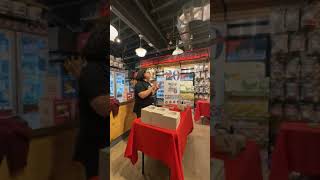
This is a YouTube video titled "Live from True Carnivores: Holistic Pet Healing with Canine Herbalist Rita Hogan". The content likely features Rita Hogan discussing holistic approaches to pet healing, specifically for canines, possibly in a live or interactive format. The exact transcript content is not provided, but the title and metadata suggest an informative session or presentation by Rita Hogan on this topic.
Hello everyone. I'm Abby. I work at Red Dog. I think I introduced myself to most of you and talked about some exciting stuff that we're looking forward to. But that's not why we're here. We're here to celebrate Rita and her wonderful achievement of the herbal dog. So we're very excited to have a lot of like minded people here today. I'm calling us all the super nerds. So I'm excited to see all these fellow super nerds in the audience today. Right, super nerds. Dog nerds, yes. Don't forget the cats. Yes. I have two lovely kitties at home. Perfect. Okay, I'm going to let Rita take it away. I know we'll answer questions at the, at the end of her, her reading. So take it away, Rita. Hello. So they have a microphone for me. Lady with cute little puppy. Can you hear me? Yes. Okay, so if you can't hear, let me know. I'm kind of loud, so. But if you can't hear me, I'll put a microphone on. Okay, so I'd rather not because my body doesn't really. I mean it'll fall off and do all that stuff. But I will do it for you. Okay, so I have a question for you. And if you're a person that doesn't raise their hand, do it anyways because this will help me figure out what I do want to talk about today. Because I was going to talk about something and I may not. Okay? So raise your hand if you have a dog or cat. Okay? Raise your hand if you've ever given your dog or cat antibiotics. Do that again, everybody, and don't lie. Anybody. Antibiotics. Okay? Okay, so we're going to do a little hybrid then because I want you to know a couple of things. Ina and I talked about that. And then I really want you to know about some other things. We're going to do a little hybrid talk today. So to get this out of the way, my name is Rita Hogan. I am a clinical canine herbalist. And I've been doing this for over 20 years. And I have a full time clinical practice. I see dogs in clinic all the time. Not this year because I'm on a nine month book tour. This is event 19. You are the 20th vet at my events. It's really important for me to have vets at my events because that's where I make a huge difference in. My goal is to help learn vets learn plant language because plants have language. So my book is in Canada, so I'm super excited about that. It really warms my heart. Chapters has picked it up, and Indigo. Oh, Indigo, Yes. Chapters was changed to the name Indigo. Okay. So Chapter Indigo or Indigo has picked it up, which is a really awesome. Doing very well. It went to number one in dol care and also in herbalism. So for me as a herbalist. For me as an herbalist, it's a. It's a. It's just very humbling. It's like, oh, my God. So. But this. This book will change your life. It really will. It's everything. It's an introductory book, but it's everything that people come to see me for. Like, literally, they pay me hundreds of dollars for me to tell them how to fix their dog. But almost everything that I've seen an animal for, the answer's in the book. You can. I mean, and that's the biggest thing about plant medicine is we want to. We want to guard that for ourselves, because it's the medicine that it's free. It's. It's out in the world. And a lot of the plan plants that I deal with in my book are here in the pnw. They're in the Pacific Northwest. I could walk and hit probably 20 of them in 10 minutes. So, you know, they're here. You just have to learn how to, I guess, pick them out, which my book does not help you with. But you can look them up, you can Google them, and you Google them with their Latin name. And I explain that. But. So I'm going to explain a couple of things right off the bat so that we can. So that I can explain some more things. I want. I'm going to do a little reading, but I want to. I want to explain Energetics really quick. So the. I'm just going to use this. Energetics is chapter three, and it is the most important thing that you can know about your dog. And they agree. It's one of the most important things that you can learn about your dog. Because Energetics is warm, cool, dry, damp, tense relaxed. Don't worry about the dry damp or tense relaxed right now. But if you can get warm and cool, it will change how you relate to your dog in a store like this. This is an Energetics delight because there are so many single protein products here, and it makes it super easy to treat your dog as an individual. So we're going to do a crash course real quick on this. So think. So in the book, chapter three starts out with explaining flavor, but there is a. I have a little spectrum here. It's just a little Spectrum. And this is a neutral position. This little guy we're going to turn around. This is a neutral position. So I'm going to explain this little spectrum. So over here, over here we have very hot. Okay. And over here we have deep cold. Okay? Very hot over there. Deep cold's over here. So most dogs that are healthy, zero problems are right here. They're either warm or they're cool. And that's healthy, right? There's nothing wrong with it. You're born that way. All of us are born that way too. Every single one of you is either warm or cool. And you're somewhere on that spectrum, right? So food is on that spectrum too. Herbs are on that spectrum too. And plant language works on a system of opposites. So if you have a warm dog, you need to be, for the most part, consistency, Energetics is all about consistency. It's not about your one offs. Like this little treat right there, you know, you can give it to your dog, no problem. It's not going to affect their energetics. May for a few minutes, whatever, you know, it's fine. But energetics is about those consistent things that you feed your dog day in and day out. And if you have a warm dog, you want to make sure that the foundation of what you're feeding is cooling, okay? So if you have a warm dog and you feed a kangaroo food, that is going to put you on a slippery slope and it's going to shove you going towards this area, which is very hot. We don't want that because hot, slightly hot, hot and very hot. That's disease. It's autoimmune disease, it's cancer, it's arthritis, it's all of those things, right? So we want to make sure that we're not inadvertently pushing our dog to a place where they don't need to be. I'm a warm person. I'll probably take this sweater off in no time, right? I am a warm person. I can't eat tons of spicy food. I, you know, I can't partake in the turmeric latte all the time or the ginger shot that would put me in the hospital. You know, where a person that is more on the cool side could possibly do a ginger shot with no problem. Oh, yeah, it was really warming for a little while. Right. And so it's really important to know, like, what energetics. Certain foods are, you know, like lamb. Lamb is warming. Pork is cooling, you know, kangaroo is hot, go is warming. And a lot of our proteins are warming. Rabbit is neutral to cooling. Duck is cooling, venison is warming, beef is cooling and pork is cold. And it depends on how it's raised. And this store has good sourcing. So salmon is hot. And how that plays out is, say, for instance, we had goat tripe and we were doing this one right here. You know, you had a warm dog and you decided to come into true carnivores and decided, well, I'm going to just eat this food and I'm going to give these treats and I am going to go over here and I'm going to give green lip muscle to support their mobility, because green lip muscle is awesome. And then everyone likes goat milk. They talk about it all the time. And we're going to do goat milk, okay? All of this is warming, all of it. And you paid a lot of money for it, right? It's got to be good. It's expensive, but it's inappropriate, appropriate for your warm dog, okay? So if your dog is nice and healthy on the spectrum, no problems or whatever, they're going to be energetically more flexible. So you can work this in every now and then for variety, but it's not going to be a main protein. It's not going to be something you're giving your dog all the time. You're going to switch this goat's milk to cow's milk. Now, dairy in general is warming. I mean, think what dairy does. It grows a little baby into a big baby, right? But one of the things it does is it keeps that baby warm. It's very important to keep children warm and their bodies warm while they're growing. So dairy in general is warming, but goat's milk is much more warming on that spectrum than cow's milk. So if you wanted to give a little dairy, you'd give raw cow's milk, not raw goat's milk, to a warm dog. Now, if you fed this once a week for some variety in a dog that had no problems, it's fine. Just don't do it consistently, right? And we know as humans, we tend to do a lot of things consistently because it works like, oh, my dog's doing great on this. I'm just going to feed it to him for the next five years because it works, right? So if you do that, it needs to be energetically appropriate. So if you. So if you have a cool dog, right? Oh, we can just reuse this. If we have a cool dog giving goat's milk, this. This says right in front, right in front, kangaroo, lamb and herring. So herring's cooling, but lamb and kangaroo are going to totally outweigh the herring because they're hot. Okay, so this is a nice warming food to give to our dogs. And we're going to support their mobility with green lip muscle. And then we might add some reishi mushroom or some ashwagandha. Those are both warming and that's actually a pretty good thing. So then we could add. We could add some pork liver and pork heart. And where's that rabbit? Give me some beef. Try. The store is amazing. Sorry. So we could add these guys intermittently, right? But not consistently. When a dog is healthy, it's good to rotate, rotate, rotate like I rotate seasonally. Using the seasons as a guide to. That's another book. But using the seasons as a guide to tell you what to do is awesome. But we can feed these intermittently. But if we feed them every day, like, think about treats. You feed the same treat every day. That's like if one. If it's just one treat. That's true. 365. Exactly. 365 treats a year. And if you do two to four treats a day, that's a lot of treats. If you put it in a bucket, right, it affects your dog. So in a healthy dog, these can be fed intermittently. But what happens is, if you don't have a healthy dog, right, there are going to be more and more systems susceptible to be sensitive to those energetically inappropriate ingredients. Right? So if you can just get the hot and the cool, or the warm and the cool, you can come into a store like this and know exactly what's going to work for your dog and what's not going to work for your dog? In the warm and cool, then we have the dry and the damp. Okay, how many people have had a dog with a lipoma that's a fatty tumor that you can reach your hand around? Two. Oh, we're coming out of the closet here. One, two, three, four. Okay, so fatty lipomas. Oh. How many people have had a dog with a wart, skin growth, hot spot, yeast infection? Okay, so all of those conditions are what it's called. Damp. Okay, they're damp, right? And you. If you know the energetics, and my book tells you what the energetics are, all those conditions, right? If you know the energetics, you can really start making strides and getting rid of all that, because those are all just situations, symptoms of poor organ health. That's all those are. And my book is really about teaching you that, you know, you're like, well, my dog has yeast or my dog has A musculoskeletal condition. My dog has arthritis. My dog has autoimmune disease. My dog has Cushing's. My dog has Addison's. My dog has seizures. Right. All of these things that we see as a thing to make go away, right? They are symptoms. I love that cat, but they're symptoms. They're not actually. They're nothing but symptoms of poor organ health. And so my book, in the chapter Everything's Connected, it deals with teaching you holistically the view of the nervous system. And we have lots. I have lots of lists that tell you, what are the symptoms? How do I figure out if my dog's nervous system helps? It needs help. And I'll tell you right now, they do, hands down, the lymphatic system. How do I tell that it's in there? And I guarantee you your dog needs lymphatic help. And I'm going to go over the lymphatic system. So does my dog need liver help? I guarantee it. They do. All of these problems that we deal with, our dogs, are just organ issues. That's it. That's everything. It's the bottom line. So as they get sicker and sicker, they get more sensitive to these ingredients. And so, for instance, pork liver. Oh, here it comes. It's coming off. Okay, so pork liver. Okay. Pork liver is going to make yeast worse. Worse. Worse. Pork liver, this is going to make yeast worse. This is going to make the lipoma bigger. This is dampening. Okay? So if you have a dried dog, which the cook will teach you, chapter three, this will help. This will help with dryness. Now, having an occasional little piece of pork liver a couple times a week, no, it's not going to make things worse. But using this as a training treat, day in and day out, going to have a problem. So I shared this yesterday. I have a basset hound. Her name is Lola, and she's 15, and she has a lot of lipomas. She's Heather's lovely dog. And, you know, we went on the first leg of our trip in California for the book signings and stuff. And we came home and Lola's lipomas were bigger. And I thought, dude, my brother, what did you do to Lola? Like, I didn't do anything. And I'm like, well, what did you feed her while we were gone? Because she. She's in those dead years where she likes something. Like, I guess we just heard that she's on her raw chicken stint again, which is great, but maybe by Thursday she won't be on it anymore. So we try to give her what she'll eat, but my brother doesn't know anything about energetics. And what does he do? He goes out and feeds her pork for six weeks, and all of her lipomas got worse. All of them, you know, and at this point, when she's 15 and having mobility issues because of where her lipomas are, it's not a good option for them to get bigger. So I scolded him and nicely, but I was like, you cannot give her HORC anymore. So. So if you can learn from the book will teach you, like, what is damp, what. What is dry. Like goat. Goat is dry. So the. So, like, goat is drying. And it will teach you how to know, like, what you should do with the condition that your dog has. And I teach you how to get rid of yeast. If you have a dog with yeast. You won't have a dog with yeast. Okay. There's lots of things that you can do for yeast. I have a whole yeast protocol in the book. It works every single time. The issue with yeast is people don't give their dogs a long enough time to get over it. What happens is, oh, the yeast is gone, and then they start feeding carbs. And literally, you need a good two to six months of none of that stuff to let the gut reset. It's a long story, but I do talk about it in the book. So energetics is super important to understand because it gives you a guide map in how to treat your dog as an individual. So if your dog, like, say, for instance, your dog is cold. Like, if your dog is cold, they're gonna have some major issues. And if your dog is over here and they're cold, and I have lists in there. This how to tell if your dog is cold. Your dog is this, this, and this. They're most likely slightly cold to cold or deep cold. But, like, I have. I had a dog that had what's called false heat. It's not my dog. It was a client's dog, and it was a little Frenchie, and on her belly, she was missing hair. Okay. And if you touched her, she was burning hot. Like, really hot. Right. Her skin was all red, and her mom was very, very frustrated. Like, I don't know what to do. I'm feeding her. I'm doing everything right. I'm feeding her cooling proteins. I'm feeding her cooling herbs, Chinese herbs, and I'm doing this, that, and the other, and nothing. She's getting worse. Well, the reason why is because she was so Cold that when you're super deep cold, your body can build its own heat. And what it does is it sends it out to periphery, the skin, and it can. Your skin can get super hot, right? So logically, you think, oh, I have to feed cooling proteins and cooling herbs. But the goal of any regimen is that if it's not working in 12 weeks, either the dosage is wrong or it's the wrong herbs, okay? Because if it's the right herbs, they'll start working. And so I saw the dog and I'm like, listen, I think this dog is cold. I'm like, look at how hot it is. I'm like, yeah, I know, but you're doing all the right things. If she was warmed, it should be working. Her hair should be coming back. She should not be this hot, right? And so we gave her calendula, which is one of my favorite warming the core herbs. We gave her ginger infusions, we changed her diet. Goat, lamb medicine, right? She warmed her up two weeks. It took two weeks. Hair started growing back. Heat on the skin disappeared. She started doing awesome. But she was in deep cold. And when dogs are in deep cold, the next stop on the train is death. And we don't want that, right? I mean, the dogs, these guys right here, their vital force, which is what's animating right now. You can call it the spirit, soul, whatever you want to do, and chi, sometimes chi. But their vital force starts to go out. It starts to dwindle and get tiny and tiny and tiny and tiny. She was very lethargic. Didn't want to do anything, didn't want to walk very much. Nothing. She was giving up. She was so hot. I mean, so cold, right? And it's like hypothermia, you know, one of the best ways to go out, you just fall asleep and never wake up again. We don't want that for our dogs. And these guys over here, these guys burn themselves out. They get so hot that they burn everything up and they. Their little vital force just, you know, it explodes and they're done. And so the goal is to cool these guys down and heat these guys up, okay? So. And just know that, like, this is a spectrum. And so when, like the game is when we work with ourselves and this applies to you, we're constantly doing this. We're just kind of getting it back. Like, you know, you go on a weekend, binger, right? You go party with the girls or the boys, and your liver takes a hit for two days. You feel like absolute crap, right? You're going to the juice store and you're down in the greens and you're trying to get your vitality back, right? You're trying to get your liver healthier again. Because your liver takes a hit when you do that. And it's the same thing. You're just constantly doing this. But inadvertently, we can use the wrong proteins and the wrong treats and the wrong herbs and things start to go that way. But if our dogs are sick, right, if they have chronic disease already and you start feeding them energetically inappropriate supplements and food, inadvertently, you're going to make them much worse. And that's why, you know, the natural world works on its own system. And if you look at the natural world, it'll tell you exactly what you should do. And the natural world works on a system of opposites. So that's chapter three in a nutshell. Chapter three deals with dampness and dryness, and it also deals with tension and relaxation. And what I can tell you is most dogs are tense. So a lot of tension. We're a bunch of tense human beings right now, and a lot of dogs are tense. There are some relaxation. You may find your dog in there, but for the most part, a lot of them, there are two tents. And it's really important to understand tension. Like right now, in the season that we're in, we're in spring, right? You get a ton of CCL cares because dogs are so tense. This is when your dog will have a cts, most likely, if they're going to have one this year, they're going to have it now, they're going to have it in the next couple months. So tension is really important to understand. And I explain it. I'm a very good teacher and I explain it very simply in chapter three. Ina, is that good on the energetics, right? In a wanding. But having a store like this is like an energetic dream because there's so many single proteins in here. Because sometimes when you. When you're dealing with disease and when you're trying to help your dog, sometimes it's hard to find products that don't have other things in them, like turmeric, right? I bet I can find a bone broth in here. If there's a bone broth in here, most likely it has turmeric in it, you know, and every time I see it, I just go. Unless it's like goat milk bone broth or lamb bone broth, turmeric and ginger are fine in there because those are very warming. But when I see like a nice Beef bone broth with turmeric in it. I cringe like, you know, this dog. This dog can use it. Sure. Not all the time, but it can use that. But if it's this dog or this dog, they might be sensitive to the turmeric because turmeric is very warming. So. And a lot of people that are doing formulation don't know anything about energetics. And I will tell you, a lot of the commercial, commercial products that are blended are warming. There's very few cooling formulas. My favorite is beef and salmon. You know, I'm like, oh, you know, because I love the product, I love the company, but I can't recommend it to a lot of the dogs I work with, because I really want it to be just beef or just salmon. Right. Or I want it to be like a beef and cod recipe. Cooling. Right. We love beef and cod recipes, so. But you have to adhere to certain formulary. Formulary guidelines like that are guiding the. How we have to formulate our food and has to meet certain requirements. And some of those requirements, like, some of those proteins don't meet that requirement. At least that's what I understand it to be. So. But a store like this is just awesome because of the fact that you can just, you know, get these single proteins if your dog is sick. And once you get them better, they'll have much more energetic flexibility. They'll be able to have some of those combinations and do just fine with them as long as you don't feed it consistently. So what that looks like is if you have a dog over here that's eaten, like, cod and beef and rabbit, like, as their main proteins, then you can work in some turkey and some chicken and maybe some goat every now and then for variety. And that's how that looks on both sides. Does anyone have any questions about that before I talk about something else? Anybody? Yeah, my dog doesn't have any disease or chronic disease, but it just. She's always very hyper. I see some product in the market. Like, it's a calming supplement. Yeah. Is there a diet that's like, calming diet. Does that cover? I would figure out if she's warm or cool. And that the way that you do that, I. I talk about that in chapter three, is you really just look at how she does with heat. Like, you know, dogs who are warm, they don't like heat very much. They'll be out in the sun and they're like, oh, my God, I love the sun. Okay, I'm done. Right. You know, 10 minutes. Okay, I'm Finished. I want to sit by the sun. I might put Paul there, but I'm gonna. And I'm gonna retract it when it gets hot, right? Depending on where they are on the spectrum. Like, these guys are very intolerant on the sun. These guys love up to the nice warmth of the sun, but just not long, right? I love the sun. Love the sun. But then I have conversations up here going, yeah, I'm hot. I'm getting hot, right? So I'm gonna go get in the shade a little bit. And they. They don't like. These guys love to be covered up, especially if they're over here. Love getting covered up, right? Like, I have a cool dog. Her name's Vicki Hubbins, and she's cool, but she's not as cool as her brother. Her brother's over here. She's about over here. She'll go under the covers for maybe an hour, and then she comes out and she'll lay up here, and then she'll go back under. You know, she's in and out, in and out. But, like, cool dogs like to lay on cool floors. They're not going to be laying on the carpet so much. Or you'll buy them that $300 orthopedic bed, right? Foam is hot. So they might land that bed for a little bit, but they're like, nah, I'm not laying on that too much because it's making me too hot. But a pool dog or a pool dog will, like, bake themselves in front of the fire until you practically have to remove them. And so you just kind of look to see how they deal with temperature, you know, warm. Warm and cool, like, the cool areas. And, like, if you find a dog that's laying on your tile floor in the bathroom all the time, they're most likely warm. So dogs who are warm tend to do better with birds. Like, things that you might know. Chamomile. It's cooling. Skull Captain Passion flower. Because they're super hyper. They're super hyper. Like, hey, what's going on? What are you doing? What's going. I want to move or what? Let's go. Hey, you just got home. But I don't care. Let's do it. Let's do it, right? They're excited. They want to go. You know, I'm a warm person. I've got lots of energy, right? I'm the Energizer Bunny. People are like, how do you keep this up for this book tour? Like, I'm an Aries. I can move. I can keep this up. I'm happy, you know, like ah. But cool dogs don't do that well with those types of herbs. Chronically, acutely. It might help your cool dog if they're going to the vet to give them a high level of like passion flower or chamomile together and it might calm them down for a short period of time. But if you give it to them every day, it's most likely not going to work out. But these guys like things that are called like adaptogens. Like a lot of people know ashwagandha, they've heard ashwagandha. Like ashwagandha is a great herb. It's an anti cancer herb. It's awesome. But it's warming. It's not super warming on the spectrum. It's probably like right here. But like it's great for those cool dogs because cool dogs, because of that little vital force that dwindles out, they worry, they're worriers, they worry, they, they take on our stress much more. They have a hard time dealing with stress. They can be like super noise sensitive. They need the adaptogens. They need things to help them deal with stress better. Where these guys are creating their own stress, right? They're like, ah. So if you know the energetics of the herbs, which are all in my book, like if you know the energetics of the herbs and you know your dogs just they're warm and cool, you can pick out dogs, herbs that sedate the nervous system or herbs that support stress. And you're like, well, I have a cool dog, has hardly any problems, but gets a little stress. You know, my first go to would be ashwagandha and reishi mushroom. Those two work so well together and they work really well to help dogs feel better. So I would feed an energetically appropriate diet, but I'd also look at the herbs that would be good for your individual dog. Okay, someone else had a question. Anything? So when you're looking at diets that are blends, do you look at like a percentage? Like how do you like for example, those are chicken, right? So beef is cooling, chicken is warming. Yeah. So if there's a 50:50 ratio of that, what does that mean? So if I was looking at that diet, I'd look at my dog, right? So like if this was just chicken and beef, right. I don't know how much chicken there is, you know, compared to beef. But like this one, the kangaroo, lamb and Harry, okay, the herring is cooling, but the lamb and kangaroo are kangaroo's hot. And so is lamb. So this is a very warming formula. So be great for a dog overture. The herring's not going to be a problem, you know, and it's. Is it herring meat or is it herring oil meat? Okay. So it's not going to be a problem because this is, this, this is leaning very warm. Okay. So you can look at like, there's a couple of things up there. There's different levels of different types. There's warming and cooling in it. There might be three and three. That's going to be pretty balanced. It just depends on how sick your dog is and how sensitive they are. You'll know if it's not working because in, in the plant herbal protocol section of my book, it tells you what to look for. Like, Rita, how do I know if an herb isn't working? It's in there. How do I know when to stop an herb? How do I know when to start an herb? How do I know how many herbs I can give my dog? How much of an herb do I give it to him? Like, how much powder do I use? How much tincture do I use? Can I use a tincture? Do I use something with glycerin? I don't know what to do. All those questions are answered because that's what books are lacking, you know, it's really great to know. Yeah, Ashwagandha and reishi mushroom is great. Right? And then you go home going, well, it's great and all, but I don't know what to do, so I'm just not gonna do it. You know, I don't know what form do I give it? I have no idea how many times a day and how do I know if it's working and how do I know if it's not working? So all of those are answered because the book's no good unless you actually know how to source the herbs, which I have that on the website, and how to use the herbs and how not to harm your dog. So I don't really have hardly any couple herbs in here that are a little tweaky. But most 99% of all the herbs in there are completely non toxic. You have to give your dog more herbs than you could carry to hurt them with the herbs that I choose. And like I said, my favorite herbs are herbs that are found right here in pnw. So any other questions about energetics? No. Are you sure? Okay. Yeah. You have a question. So wouldn't it also matter that if you have a puppy versus a senior, that the heat, dampness and all that. I mean, seeing yourself. Wouldn't it be more clueless? So that's a great question, and it's kind of what I'm going to talk about in a minute here. No, I love it. It's a great question. And keep it in mind. So I wanted. I want to talk about what we do to our dogs that we forget. Okay. It's my thing for the last couple months, like. And what we do to them right off the bat, changes their energetics. Now, you don't normally get a dog that's warm, that goes cold. They can get cold, but it's not permanent at all. Either warm or cool. And you go this way, right. Surgery, you're gonna go towards hot or cold, depending what kind of dog you are. But are you stretching? Oh, I thought you were giving me the side. But the. Like, a splenectomy, taking an organ out can definitely change the energetics to cool or cold because you're. You're removing organs. You know, blood transfusions can also change energetics temporarily, because once you get a blood transfusion, you actually don't even have your own DNA for a while. So blood transfusions are tricky, but usually their energetics go back. But the thing that we. One of the first things that we do to our dogs is we spay and neuter. Right? Spay and neuter alters your dogs considerably. And so if you have a healthy dog right here, let's just take a puppy, okay? A puppy that's bred. Okay. Unfortunately, I don't know how it is in Canada, so I can't speak to that. But in America, breeders will vaccinate a puppy while they're still under the immunity of their mom. Okay. That brings that puppy from born healthy. Right. Then you stay neutered. You get a puppy that's not in this healthy zone, or they can't be in a healthy zone. Usually things don't come. Come out of the woodwork until your dog is three or four. But now, because we do so many things to them before they're even one years of age, right now, we have puppies coming down with cancer. One in two dogs will die of cancer, which, you know, if I say it too often, I'll just start bawling. So, like, one in two dogs will die of cancer. I'm a cancer survivor, so it's kind of close to my heart. And it. It's the things that we forget that we do to our dogs that are causing the cancer. So there is the environmental component. Sure. Absolutely. We're Living in a pretty poorly environmental situation right now. But the first thing we do is we vaccinate. We over vaccinate our dogs again. I don't know how it is in Canada. You guys vaccinate every year, every three years. Okay, so we over vaccinate our dogs and then you stay new to them at young, at under, sometimes under the under six months and sometimes under a year. It takes your hormones to. Takes years for them to develop. It takes years for like big dogs. We want to close their growth plates and their bones, right? They get a lot of osteosarcoma. And it's because, because we stay neuter them so early. In fact, it brings up their. Like a male dog who gets neutered under the age of one. They did a, they did a study and I think it's like it ups their chances of osteosarcoma. I think between 40 and 60%. Don't quote me on the percentage, but it was, it made my eyes go like this, like, oh my God, you know, wait to spay and neuter your dogs. If you have to stop spay, neuter them. Wait, wait two, three, four years. And if you have to spay and neuter them early or you get a rescue dog that's been spayed and neutered, you have to support their hormones and their endocrine system and their nervous system because we just ripped a whole bunch ripped out like 25% of their endocrine system. That's a big deal. But it's so commonplace that we have forgotten that we've done it. I just can't understand why my dog got cancer when they were six. You know, we forget. Well, we stained them and then you gave them the flea and tickets. Then you gave them heartworm meds and you gave them the flea and ticks like every 40 days. Gave them the heartworm meds. You know, then they got two rounds of antibiotics and they got vaccines it every year. And then we're over here going, I just don't understand why my dog got sick, right? Because all of these things that I just went through are commonplace. We've been conditioned that this is, this is okay, you know, and we love dogs so much. Every time I see a dog, I'm like, squirrel, squirrel, squirrel. Oh my God, look. I almost, I almost someone's thoughts in this morning. I almost ran with it. It was running so cute. I was like, oh my God, I gotta touch it. You know, we love our animals, we love our cats, we love our dogs. But in the last I would say 30 years we have developed these systems that are convenient for us, but we're doing huge damage to our animals. And then we're wondering why one or two dogs are dying of cancer. So if we're going to do these things to our animals, we have to learn how to support them. We have to learn how to support, spay and neuter. Unfortunately, I did not include that in my book, and I regret it. I do. I regret it. But I'll put out a course and put all the stuff that you can do to do that. But what you do is you support the entry system with glandulars. There's a plethora of glandulars in the store, correct, David? Yes. So, yes, lots of glandulars in the store. But, you know, you would give your male dog the testes of the animals here, and you'd give your female dog the. Do you sell those types of parts for female dogs? What about. What about the ovarian spay? I had to spay. Ovarian sparing spay. Much, much better. Right. And a vasectomy for males. If you're gonna do that, do that, request it, find a vet. You know, the thing is, who cares if you have to drive four hours? You're only doing it one time, right? And then you don't have to do so much support. When you can get glandulars that help with female. There's female glandulars and there's male glandular. What would be a great female ovary? Yeah, over the whole parts. So, yeah. And then we. We support their adrenal glands. And I definitely recommend supporting their nervous system because you're, you know, that nervous system woke up on Thursday. Everything's great, right? It's functioning. Everything's connected in your dog's body. I talk about that in Nausea. In my book, like, everything's connected. And on Thursday morning, we're all doing great, but Thursday night, your nervous. Your dog's nervous system is going, wait a minute, I can't get there. Like something is missing, right? And we take our dogs home from the vet, and we're worried about their incision, right? All folks. Is it. God, don't get it infected. Is the incision okay? Is the incision okay? But what we should be worried about is their nervous system and their adrenal glands and their liver and their thyroid. Hypothyroid is an epidemic in North America. Epidemic. So many dogs have hypothyroid, and so many cats have hyperthyroid. Right? And so hypothyroid is A damp condition. So if you have hypothyroid, your dog has hypothyroid, you're damp, so you don't even have to look at that part after three. But like, they. It's a damp condition, but it's also an endocrine problem. The thyroid is part of the endocrine system. And usually if you have a thyroid problem, there's a. The adrenals are going to need a little love and support. So a lot of times you'll see adrenal in some of these blends for hormones. And so when they get spayed and neutered, you support those hormones hardcore for about six months, and then you can drop down to one week a month. One week a month. You give them their glandular or you give them their herbs. There's lots of herbs that support good, healthy hormones. And I do go over some of those in my book, but there's lots of herbs that can do it. But it's for one week, every month, for the rest of their lives. So, you know, ladies, if you've had a hysterectomy or you ever get one, you need to support your hormones for the rest of the of your life. It's very, very important because it's so much a part. It affects your liver, it affects how your. Your organs function. So that's. Number one, ain't stay neutered. Number two, flea tick meds, right? I have a course on fleas on my website. It's like 50 bucks and it's awesome. I don't cover fleas in my book. I don't cover tits because it's an entire book as far as I'm concerned. But fleas and ticks, right? We don't have a lot of ticks here, so I really don't have to talk about that. But fleas, we do have fleas. And I get that every now and then fleas get so much that you have to use something, right? But get this, those flea medications are twisted. And if I gave you that poison in a little shot glass and I said drink it, how many people here would drink it? So what makes your dog any different? And I don't. We forget about this because they're so commonplace. I wouldn't drink it. There's no way I would drink it. I don't care. I'd go sit in the river. I just. I wouldn't do it. Like, literally, if I took the poison out of the treat and put it in a shot glass and said, here you go, you have it. Humans and dogs eat a lot of the same things. Go ahead and drink it every month. What do you think would happen to you? Right? You might get cancer. And so if you're going to give poison to your dog, right, you have to support the nervous system and you have to support the liver. And I do have that. Okay. If your dog. And everyone's had a flea infestation. Well, maybe not everyone, but I have. My dog lost like 80% of his fur from a flea allergy. And there's a way to. Flea allergy is just liver health. Okay, I didn't know that at the time, but the thing is, is that it's poison and you have to get that through your head. So if you're going to give your dog poison, what do you have to do? You have to help their liver deal with that poison in their body. You know, our organs are amazing in that we give ourselves poison every day. I drank some yesterday at a bar, okay. It was in the form of something I've never heard about. It's a Bellini. And I don't even drink, but I decided to have this frozen bellini and it was amazing. I like stuck my straw in and just ate little bits of it, but it's still poison. Okay? Hardcore alcohol. It was hardcore. I got a. I had a buzz, and I don't ever get a buzz. And I had a boss. Is true what a boss means that you're poisoning yourself and a little bit overwhelmed, right? So you have to support your liver when you're doing that. I have some friends that drink too much. That's their business. But I tell them you need to take milk thistle every single day to support your liver. And they have signs of liver weakness on their face, right? Humans show sign of on their face. So the thing is, is that if we're going to give these poisons to our dog, and if they have to, you've got to support the nervous system, because all of them are nervous system toxins. And everyone's so concerned about the avian flu. Okay, the avian flu. The avian flu. The avian flu. The avian flu. Flea and tick meds kill more dogs than avian flu ever will. No one's talking about it. No one says anything. Oh, well, the vet is giving it to a musty butt. Right? So liver, kidney, nervous system, and lymphatic support has to be given if you're going to give those meds. And if you have to do it, there's some that are better than others, right? I go over that in my flea and tick course. For my safe course, sick horse is fine, but liver, your kidney, nervous system, and lymphatic support has to be given if you're going to give those meds. And if you have to do it, there's some that are better than others. Right? I go over that in my flea and tick course or my flea course. Tick horse is fine, but flea course. But some are better than others. But you have to know what to use to help your dog not have seizures for the rest of its life. One dose, I gave my dog Seamus comfortas and watched him have a seizure and be unable to walk for three months. I had to detox him for three months until he walked normal again. And it was awful. I mean, I bawled and, you know, I was. I regretted it so much. But we were. We had a fleet infestation. And at that time, I didn't know what I know now. And I could only use the information that I had at that time. Right? So clean tickets are one thing. The second thing that we just forget that we do to our dogs, and we act like it's normal and we just forget about it. Right. Heartworm nets. We're in the pnw. You don't need heartworm nets. You don't need them. Are the vectors here for heartworm is okay. And if your dogs were to get heartworm, there's a company called Amber Technologies. They have a product called hwf. Give your dog that product. It will get rid of the heartworm. But I can. I'd be willing to put a million dollars per person in this room. That your dog will never get heartworm. Pw. So if it happened, I don't think it's gonna. So we don't have to talk about that. But it's another thing that we do to our dogs that we forget. Oh, we give them trifexis. Horrible drug Ivermectin. It's not that bad, right? Ivermectin's the least of my problems in the pharmaceutical world. But trifexis is a different story. You're killing all the worms every single. Right. And your dogs does not. Your dog. Do not warm your dog unless your dog has worms. Do not worm them because it's killing other things in the gut. And your gut is 80% of the immune system that your dog has and that you have. Okay? So there's that, and then there's the big Kahoda. And it's. For me, it's worse than the flea and chemox. It's antibiotics. Okay, Antibiotics. In my opinion, you should not give your dog antibiotics unless they're dying. Okay. This lovely veterinarian says to you your dog has to have these antibiotics or they're going to die. Recently had a lovely client with a mobility impaired little dog who had an infection in their lungs. Okay, that's an antibiotic moment. I'm not going to give them ERVs. Okay. He can barely breathe in the first place. So we had to use antibiotics, but we couldn't go the next day and act like we never gave him antibiotics and just hope that he's going to do okay because he's not and he's older, which is even worse. But if you have to do the antibiotics, you have to do the antibiotics. But don't do the antibiotics because your vet found bacteria on your paw. Yeah. Oh, I have a question on antibiotic because I haven't gotten rescued on. Yeah. And so he, in the past six months, he's gotten three severe UTIs. So antibiotics are not going to get rid of that uti. So what we did was that it was antibiotics. And then we get urine culture. So for three times I've been having toi, which caused like blood and urine. So we did three rounds of nt, and then we found bladder stone. And so after bladder stone. Bladder stone. And then after, like he's in. He just finished his surgery and it's been a week more. He obviously got around on antibiotics. Yeah. So that's four. So four in seven. Seven weeks. Seven months. Seven months. Yeah. Yeah. So maybe. Yeah. I'll need some help. Absolutely. So, okay, so one thing. Here's the thing. Your dog has a little bit of blood in their urine. So what? I'm serious. Like it has trace amounts of blood, has an infection. Right. But it's. It's not shut. Shutting down their ability to pee. Oh, it did. Okay. That's a different story. Yeah, it did. So there's no peeing at all. It clogs. Okay, that's different. Okay. Okay. So that first round of antibiotics. Yeah. You're going to need. Yeah. Okay. But the problem is, is that first round of antibiotics. Right. Is going to unplug it, which is so important. Very, very important. Right. Those. Remember what I said? If the dog is going to die, they do the antibiotics. Yeah. But after that's over, the next one and the next one. Right. The antibiotics aren't going to do anything because what happens is they do unclog the urethra, but then they make everything worse. So if your dog has Bladder stones. They're either over here or they're over here. Yeah. Okay. They're nowhere in between. So what I would do is I start getting an energetically appropriate diet and I would follow the antibiotic recovery protocol in this book. It will help your dog recover from that antibiotic damage because we give our dogs. And there's also an incontinence and urinary tract infection section. Yeah. Okay, but remember, the urinary tract infections are a symptom. Yes. Okay. And it's because your dog that is either too hot or too cold. Right. Most likely your dog's probably over here, but I don't know your dog. Yeah. So the important part is to get a regimen. Right. You'll want to start on the urinary tract information right away so that that infection does not come back and clog. Right. So, but like with blood in the urine, if they're not clogged, they're blocked out. We have a cat that got blocked. It was awful. But like, if they're not blocked up, a little blood can be taken care of with herbs, even if you're, you know, I suggest you go to the vet and have them look at it, but then do something about it yourself before you do the antibiotics. Okay. The worst case scenario is you have to the antibiotics. Right. But try first, and then you can, you can retest to see if there's blood present. Most of the time, the blood goes away. But the issue is, is a lot of people will treat a urinary tract infection and then they'll act like that's the problem. Right, that's the problem. I have an example of that in my book. Like, that's the problem and it's not the problem, it's a symptom. Okay, so your dog's entire renal system needs help. Most likely their gut and their liver, too, and their lymphatic system, because the stones are a product of a poor lymphatic system. Who knows what the lymphatic system does? Anybody besides you? It detoxes the blood. Yes, in a way. Anyone know what the superpower is? Yes. It's the same thing in every event. So we're. Okay. So the lymphatic system is a fat soluble superhighway in your body. And if it stopped working, you'd be dead in five minutes. Okay, so it cleans the blood, but it cleans the interstitial fluid. That's all the fluid between your trillions of cells. Okay. Our bodies get really dirty with just fine functioning. They get dirty. That's called metabolic waste, right? And our liver and our lymphatics take care of that in a lovely little thing called portal vein, right? So the portal vein is a super highway of water soluble wastes and water soluble vitamins and minerals, right? It feeds, it feeds the cells. The lymphatic system is a super high weight of fat soluble vitamins and fat soluble toxins. And unfortunately, a lot of our toxins that we're dealing with right now in the world are fat soluble. So almost every person in this room and every dog that I've ever met has low lymphatic function because we don't. We live a sedentary lifestyle. We don't work like work for a living anymore. We sit our computers. I'm totally guilty of this. You know, I'm working on lymphatic health right now. Getting one of those little vibration plates. Those things really help. They actually really do. I saw a woman with a dog. They were both vibrating. And I was like, yes, but the thing, like one in two dogs will die of cancer. And what the lymphatic system does is it transports vitamin D. Okay? And we're in the pnw, probably all of us in this room, except for me, because I know my levels and I've worked really hard at it, are low in vitamin D. It's the best thing you can do for yourself. Test your vitamin D levels once a year. And if you're gonna supplement vitamin D for your dog, test them first, okay? Because that can get out of whack really quickly, especially if you're doing certain types of vitamin D that are super absorbable in the wrong way. So you want to test your dog first, but you want to know and if your levels, if the, if the lab says your levels are fine and they're like 35%, it's a lie. And it's a lie for your dog. They need to be between 70 and 100%, because vitamin D is one of the best ways to keep you from getting cancer. When I had cancer, my vitamin D levels were 18%. 18. I was like, how? You know, I moved from Tennessee, I sweat there. The sun was so hot. I'm like, how could I have such low vitamin D levels? My lymphatic system was slow. And that's why it takes. If you don't work on the lymphatic system, it takes forever to build up your vitamin D levels. But the lymphatic system also cleans your dog's toxins. It stops cancer. They have Little nodes here, look, that I have a great picture of the lymphatic system in here. But it has little nodes in it. And all the toxins go through those little nodes. They're like little checkpoints where, like, trucks get off the interstate and they have to be weighed, right? Think of those. Like, all the toxins have to get off the interstate and get destroyed. And it's when our lymphatic system gets clogged and gets lazy because it doesn't have a hump, we have to work it. So if you're walking, move your arms, right? And your dog needs age appropriate exercise, for sure. But when our lymphatic system isn't working and it's stagnant and it's clogged, it can't do its job to stop cancer. And it works directly with its CEO, which that is the liver, okay? So the liver, digestive system, lymphatic system, kidneys are all like this. And lungs, they're like this. They all work together. And when one is waning, the other one has to take the load. And the lymphatic system takes a big load. So if you have a dog that has a hard time digesting anything fatty, your dog's lymphatic system is over here, okay? That is a huge sign. And it's a preemptive cancer. Like, it's a big sign saying your dog is probably going to get cancer if you don't get your lymphatic system moving. So in my chapter on the lymphatic system, I talk about how do we get it moving? Age appropriate exercise, acupuncture, massage. When you're watching Hulu or Netflix or whatever you watch on tv, massage your dog. And then maybe you can have your husband massage you. You can do like a little massage tray and then switch, right? Or you can get those vibration plates. You can go to the gym. You can use that dreaded stair climber. You know, however it is, you can walk in our beautiful forests. Best thing you can do for yourself is walk in our beautiful forests. They're super healthy forests. They give off chemicals that make our bodies work better. So. And we have most beautiful forests in the PMW in the United States. They are absolutely gorgeous. Just so gorgeous. So we have to get our lymphatic system moving in order to deal with antibiotics, right? We have to, in order to, to build up the microbiome again and get the liver online and get healthier nervous system and do all those things. You have to get your lymphatic system Working. So in my book, the antibiotics recovery protocol, do the antibiotics recovery protocol. If your dog has ever had antibiotics, and I don't care if it was four years ago. You know, antibiotics are a gift that keeps on giving. And there's one antibiotic, and I don't know if this is true. I'm going to ask you. So the standard of care for diarrhea is what temperature does. Okay, thank you. Yeah, so it's the same. So there's this lovely drug called Flagellin. It's also called metronidazole. Right. And it's the standard of care that means that any dog that comes into your office with diarrhea, that is the drug you're going to recommend. And you really. A lot of people, vets don't even care. I love my vet friends, but a lot of vet friends that aren't holistic, that's what they're going to give you. And the unfortunate part, and I talk about this in my book, the unfortunate part about that particular drug, right now, as we speak, someone is getting it, like that particular drug. It's a gift that keeps on giving for years. It turns on genetic inflammation. Like it changes the DNA in the gut to be inflammatory. Yes. It helps that day. And, you know, I'll see these dogs and they'll have IBD or ibs, they'll have leaky gut, they can't eat hardly any protein. And all I do is say, so when did they have flag? What? How did you know that? I'm like, because their symptoms are flagel. I say flagel because the other one's hard. But, like, their symptoms equal that drug. And it can be three years, it can be four years if you do nothing. And that is crazy. Towel. When one of the herbs that we are the bane of our existence here in the PNW is one of the best diarrheal medicines ever. David, you should start making tinctures and sell it. So BlackBerry leaf. BlackBerry leaf. You can't move your arm without hitting a BlackBerry. Heather has a horrible relationship to blackberries. They try to kill her all the time. They don't touch me because I love them. But, Heather, they need to change your relationship. BlackBerry leaf. The BlackBerry leaves that are on the blackberries right now, you just pick them, dry them out on something that has holes and put them in a glass container. And when your dog has diarrhea, make a tea with them. Use a little squirter. I've got it in here. But a little squirter. Squirt it in Their mouth. No diarrhea, okay? Works for 99% of diarrhea. I made up that statistic. But it does. It does BlackBerry leaf, right? It keeps our vasoconstruction town from getting volcano poops because she has anal cancer and she gets the kind of poop that she's right here and it's on the wall. Yes. Okay. If someone forgets to give her her BlackBerry leaf, I get very angry. It is disgusting. And she doesn't like it either. Okay? Those. Like, we have to clean her up. She. She's. She's passed down. She's dignified, right? She's like, this is disgusting. And you allow this to happen. But she doesn't like her BlackBerry leaf either. But we have to give it to her. But simple BlackBerry leaf keeps her stool warm because it's astringent. It sucks the water out of things. Okay? It dries up damp. And it's here. And you don't have to be an herbalist to know how to make a BlackBerry new teeth. You'll be like, oh, God, I'm okay. This doesn't hurt my dog. It's not going to hurt your dog. It's a plant. Nettles. They're another one that are everywhere. Nettles right now. The nettles are tiny. They are so nutritious and so good for the kidneys. And if your dog has arthritis, they have kidney weakness. Most of them. Nine out of ten, in my opinion. And when you nourish the kidneys, the arthritis gets better. Their fear gets better. If you have a dog who's reactive on leash, most likely kidney weakness, not something that shows up on blood work. I have lists in there. How do you know your dog has kidney weakness? Do they groan when they lay down kidneys? Are they fearful of everything in their mother? Do they hate car rides? Do they hate vet visits? Do they growl at strangers? You know, do they pee submissive peeing? They have kidney weakness. When a dog comes to me and I help a dog that's afraid and has fear, I don't give them things to calm down the fear. I just support their kidneys. Okay? And so. And then I might give them something, maybe a little cbd. But you do CBD here for cbd. What, you're not allowed to do it. That's our. Like antibiotics is so important for you to understand. If you give one round of antibiotics, you have to do something and it's gonna. Guess what this is. Just don't kill the messenger. It literally will take your dog six Months to a year to get over it, if not more. But there's things that you can do. So in the antibiotic on page 157 is our antibiotics recovery regimen. Right? And the goals for recovery. Number one is support the nervous system in order for your dog to heal. And for you to heal, you have to support your nervous system. 3:30. 3:30. I know we start. What do we start? Around 2. Start at 2:15. 2 what? 2:15. I think this one. Valentine's Day questions. So number one, we have to support the nervous system. And this is. Listen, Listen up, okay? It's the biggest, best thing we've done. Everyone says, rita, I said this yesterday. So it's going to sound like a repeat, but it is a repeat. But this is really important. Rita, what is the best herb for my dog? What is the best herb? What's going to give the best longevity? Tell me, tell me, tell me it's not an herb. Get your stress in order. Care for yourself. Put yourself first over your dog. You're over your dog. Most people put their dog first and treat themselves like crap, okay? Put your oxygen mask on before. Before you help your dog. The issue is if you're stressed, your dog is stressed. The scrolling stuff puts you in fight or flight, okay? And what you need to know about fight or flight is that most of us, sometime during the day, multiple times a day, go into fight or flight, okay? And we don't know how to handle our stress right now. We are stressed out. We're stressed out humans, okay? I mean, it's just gross. It's really gross how stressed out we are. However, the best thing that you can do for the longevity of your pet is get your together. Because the issue is, is that you smell like cortisol and adrenaline. And you know how dogs sniff each other's butts, okay. They'd sniff yours, too, if you let them. But I'm telling you. And the reason why is because they want to know where you've been. They're always sniffing you. Like, if you notice, they'll be like this by you, okay? My pup does it. All set? Where you been? Okay. The issue is, is they're trying to see if you're safe. And I've got a great example from my own life on how this plays out. So dogs want to be safe. They want to be fed, okay? They want to have full bellies, and they want to be safe. We are not safe according to the smell. If you think you interact with your dogs like we interact with each other, we Don't. Your dog interacts with you by smelling you all the time. And if you're in fight or flight, which many of us are, you smell like a ceta choline, and you smell like cortisol. And your dog says you're unsafe. Mama, what's going on? What are you doing? I'm going to follow you to the bathroom. I'm going to follow you to the bedroom. I'm going to follow you around. What's going on? You smell and see. Can I do something? Can I do something? And what they end up doing is taking on our stress. We're giving out a frequency of being unsafe, and we share our heart space with them. Our heart space goes out, I think six feet. Six or eight feet, I can't remember. But there's this lovely institute called the HeartMath Institute. You can follow them online. But they do all this research on our heart frequencies. And see that puppy right there? Okay, so your puppy is sharing every emotion that you've got right now. Okay? You know, but you're acting very calm, right? I don't know how you feel on the inside, but you're not. You know, it looks like you're quite calm and your puppy is quite calm, right? So that's very important to know, because if you start paying attention to where your dogs are, most of the time they're not that far from you. And when you have a bad day at work, they're having a bad day at work, you know, and here's some advice. When you walk your dog, get off your phone, they know you're not being present. They absolutely know you're not being present. Today we were on a. We were on a hike, and there was this cute little Yorkie. Yorkie, okay? Little Yorkie with his little desk on, right? Mom's. Mom's like, way over here. Mom's here. She's on her phone. Little Yorkie back here off leash, trying to keep up. I mean, she. She was trying so hard, you know, run that fast, you know, Mom, Mom. And Mom's sitting here going like this, you know, And I just want to go, lady, get off your phone. You know, your little dog is way back there. She was far enough away that a coyote could come out of anywhere, grab that dog, and be done. You know? In fact, if they were in Newport Beach, California, she might not have a dog, because all of time there. And so pay attention. Your dog knows by the smell when you are on. When you're doing this, you're in fight or flight. You're In a low form of fight or flight, Right. If you took your heart rate and tested your musculature, your muscles are going to be tenser because they're going to get ready to run and your heart rate is going to be up. But what happens when we are in fight or flight? Your immune system is not available. Your immune system is not available. Not like it is when you are resting, when you are present, when you're meditating, when you're walking, when you're putting your feet on the ground, when you're doing square breathing, whatever you want to. Relaxation thing when you're not being stimulated. Okay. Another thing when you're in fight or flight is your digestive system is offline. Don't eat when you're stressed. Worst thing ever. Okay. Don't feed your dog when it's bouncing off the walls. It's not good. That's usually when you get the. Yeah. What about caffeine? Say after you have coffee and you feel like your heart rate is a little high. Yeah. Would that be part of flight or. Flight? Yes, yes, yes, absolutely. So if you have too much caffeine and if you don't do well with caffeine. I don't do well with caffeine. You know, I wanted to green tea latte before I got here, and I know I'd be doing this, you know, I'm not going to do that to myself. Right. I don't do well with stimulus, but some people do. Some people can handle them quite well. Usually. These are the stimulant right here. If you're cool, stimulant over here. Don't do that. Well, it's stimulants at all. So, you know, be present to your dog, breathe and try to take care of yourself because your liver doesn't work as well, your digestive system doesn't work as well. Your lymphatic system is not paying attention to your body. Right? And these are all things that we need. We need these things. And how you speak about your dog and how. How you speak around your dog is really important. Have you ever said, oh, God, my dog's a mess, my dog's a mess? I have this woman in my audience and she's telling me about her dog. And she must have said, her dog was a mess, like eight times and her dog was a mess, right? And I said, you know, you keep telling me that your dog's a mess. You know, you're giving off the frequency that your dog's a mess. Or my dog is so anxious Usually that person is anxious as well. Right. So we have to be careful with our nervous system. And it is the number one thing. And it's the number one thing on the antibiotic recovery protocol. The second one is the lymphatic system, which I've already discussed. Right. And I discuss it in nauseam in the bottom, so you'll love it. Number three, this is very important. Does everyone know what an FMT transplant is? Well, it's when you take a dog's. Certain dog's really good poop, really good microbiome, and you put in another dog, and it helps reset their microbiome. But there's a couple things that you have to do. You don't have to do fmt, but do you know what a probiotic is? Right. Okay. Probiotics aren't cheap. Now, probiotics don't come into my regimen for a while because what you have to do is you have to increase what's called glycocalyx and IgA and stress that we just talked about. And antibiotics decrease glycocalyx and IgA and glycopely IgA. Just pretend this was the gut lining. Okay? And we wanted probiotics to stick to it. That's the goal of a probiotic. We wanted to stick to the gut lining. Right. If your dog does not have good levels of glycopalyx, like IgA secretions. Right. The probiotics can't stay, and neither can they guess in the an fmth. Okay? And I get people like, well, I did probiotics, I did prebiotics, I did postbiotics, I did FMT pills, I did all of these things, and nothing worked. That's because you have to condition the gut in order to get it to work. And there's some lovely things that work to condition the gut. So step three of the antibiotics recovery protocol is to increase glycocalyx and IgA. And there's a couple of things, a couple of ways to do that. So one of the ways is a little honorary probiotic. It's not really probiotic. It's a yeast. It's called asphalardi. Escolardi increases IgA and glycocalase colostrum and sauce. I'm going here somewhere, I think increases lycopelates and IgA colostrum is forming. Okay. So it doesn't necessarily work for dogs that are really in need of an antibiotic recovery that are warm and hot. Usually they're hot. Okay. So. But escolardi is neutral, so you don't have. You can give it to almost every dog. Some dogs are more sensitive. You have to start super slow like. Like that, and then you shove it in your dog's food there. I tell you all about how to deal with a sensitive dog. You have to go slow. And then there is plantain. We can go on a trip right now, right outside this door, and I'll bet you any money we can find plantain. It's everywhere. You can get it as a tincture, you can use it as tea, you can use it as powder. I have all the dosages in here, but plantain is cooling. So if you can't use colostrum, you can use espolardi and plantain. And plantain helps deal with glyphosate as well. So it's a lovely little thing about that. So you're going to build glycopa, Then you're going to add to step four, you're going to add humic and fulvic acid. Humic and fulvic acid is awesome because one, it helps repair the damage of glyphosate, which is everywhere. Okay. And it also gives you really good trace mineral content from a healthy source. The kidneys cannot work without really good minerals. And it helps repair the gut. And we want to. And it helps increase glycocalyx and IgA as well. So we're going to do humic and fulvic acid. And then step five is we're going to give prebiotics. And these are things that start feeding probiotics. But we don't want to give probiotics without giving prebiotics first. Then there's things called postbiotics. Those aren't in my book, but that's a different story. But you don't actually need them to repair. They got. So the thing is, we want to feed the gut first, and then we're going to add probiotics. And I tell you exactly what to do and everything to do it. And, you know, it's really important to heal the gut because the gut is everything. And if your liver, your dog's liver isn't healthy, they're not going to have a healthy gut. That's why everything's connected. And people say, oh, you know, my dog can't have very many proteins. He's got allergies. Allergies is liver. You know, allergies are liver problems. If you nourish the liver, the allergies will go away, the gut will get better. But we gotta have enough bacteria in the gut. Commensal bacteria, which is good bacteria. We have to have enough good bacteria in the body. And so healing antibiotics. You know, when dogs get antibiotics, healing, that is so important. And if you give vaccines, that's the other thing we forget that we do to our dog, you know, And I have. I can't. We don't have time for that. And you'll fall asleep. But there's a vaccine recovery protocol in here. It helps you with your dog before vaccines and after vaccines. Because if you're going to give your dog a vaccine, another thing, if I put everything that is in a vaccine now in this day and age on this table, you would run the other way. I mean, you would just be like, what? I ain't giving that to my dog. I ain't giving that to myself. So all that stuff goes in the body, but we need to help the liver and the kidneys get rid of it, including heavy metals and all of the good stuff that's in our vaccines now. Foreign proteins, lots of foreign proteins that don't need to be in there. And your liver can deal with it all, but it needs help. So I have a vaccine pre and post recovery protocol, too. Questions? Yeah, how about for medications that are not like antibiotics or vaccines? But a dog just went through a surgery like three months ago. She was having some bumps and bumps, and one of them is growing pretty fast. And then we just, you know, took them out, went for testing. Thank goodness none of them is cancerous. Like, they're. It doesn't seem to be fatty tumor as well, just like skin lesions, liver. So. And then, so it's been like three months. Like, she's healthy otherwise, but definitely more of a cool dog. And just the last three months, I find that whenever she eats, she eats raw. And. But then after the surgery, ever, like every time, my feet hurt. Raw meaty bones, she doesn't seem to digest well. And she like reverse sneezing. Okay, so her, her enzyme levels are low. So surgery. I have a pre and post surgery protocol in here. Whenever you're cutting into your dog, whether it's removing lumps and bumps or whatever, it involves anesthesia and it involves cutting into your dog, right? So you're cutting tissue, you're leaving. You're leaving an emptiness, right? The body has to fix it. The body always trying to fix it, right? You get scar tissue, right? That's your body's way of fixing it. Doesn't always work out great. So. But surgery really puts a lot of pressure and on the immune system, on the liver, because of the anesthesia. Right. And on the enzymes in the gut. So. So you would want to go in here and do the post surgery recovery protocol and ask if there was antibiotics involved in the surgery. Okay. Oral antibiotics are worse than injectable or IV antibiotics. They're still gonna do bad things, right? Good things and bad things. But ask if there was antibiotics involved. And I would do the post surgery and the antibiotic recovery protocol, but the lumps and bumps are from liver weakness and lymphatics. So the thing is to understand is a healthy liver, your dog can't get cancer. Okay? Lumps and bumps are a red flag that the lymphatics and the liver are not working like they should. You know, and stress and fight or flight and all that stuff. Stuff brings down insides. So here's another thing. You know, surgery is pretty commonplace, right? But not to your dog, right? So, like, we bring our dogs home, and again, we focus on the incision. Like, that is like an earthquake in your dog's body. Surgery is hard. I don't know if you guys have ever had surgery, but you feel like you been hit by a truck, right? You wake up and you're like, oh, my God. I mean, you're happy, right, that you've woken up and you're whatever. Maybe the surgery was successful. I've had surgery a couple times. But you have to. You have to repair the body. You have to help the body repair itself, not just focus on the incision. And it literally again after surgery. Three to six months of paying attention and helping your dog recover, helping their nervous system recover. That's a huge hit, you know? But the nervous system dictates how much digestive enzymes are in the gut along with the liver. And the lymphatics, not so much. But it's a part of the cleansing process. And the lymphatics is part of that. Getting that anesthesia out of the body along with the liver and the kidneys. Yeah, it's all about organ health. And that's what my book is about. But it also. And I'm almost done here in the back, I have about 60 herbs. And when you, like, there's like a key to the. These are called monographs, okay. And they're like little resumes of herb. And when you go the first, the second thing will be energetics. It'll be. Tell you, is it warm? Is it dry? What is it of the herbs that I talk about in the book? And in the back of the book, there's a list of almost every herb I could think of, like, herbs that aren't in the book, but you might come across the herb in a formula, be like, is that warm or is that dry? I don't know what that is. It'll be in the book. But on the little monograph, Burdock Root Energetics, it says lightly cool and damp drying long term. Okay. It adds moisture short term. But if you have your dog on it for like, four to six months, it's gonna. It's gonna dry because it helps remove fluid. And it has these things called cofactors and co factors are all the things that burdock root is good for. So there are conditions and symptoms, and when you look at the CO factors, you're gonna assess, did my dog ever have that in the past or right now? And you just give yourself a little check. So if you're comparing two herbs like burdock root and artichoke, they're both cooling. I don't know which one to use. Rita. You'd go through the cofactors, past and present. You'd be like, okay, my dog had that, my dog had that, my dog had that, my dog had that, my dog had that. You know, and burdock root has 10 checks and artichoke has three. Well, then you're going to use burdock, and that's the easiest way. And I talk about. I tell you that in the book to figure out because. So, like the antibiotics recovery protocol, I'm going to give you, like, 10 herbs to choose from that are warming. You're going to go and look up a few of those herbs, see which ones have the most checks, and you're going to use them. One or two for that. For that step. For the lymphatics, I use calendula and cleat, and you're going to use one or two for that. For that step. For the lymphatics, I use calendula and cleavers. Other ones I use the most. Calendula for cool dogs and cleavers for warm dogs. They're very easy, and they're easy to source, and they're easy to grow, and they're. Well, cleavers are the bane of a lot of people's existence because they're like a sticky vine, but they're excellent at cleaning out the lymphatic system. And then the liver. The liver, herbs, same thing. You're going to see which. First, those are the ones I use most. Calendula for cool dogs. You know, we got to find the warming liver herb and then which warming between, you know, the ones I give you. And that's the way you just look at the CO factors. The more cofactors, the more it's going to rock your dog's world. And there are some flavors for the worm dogs. They're very easy and they're easy to herbs. Like there's a lot of information in the herbs. Like I talk about source and they're easy to grow and they're. Well, cleavers are the bane of a lot of people's existence because they're like here's burdock root in the antibiotics recovery. If I mention it in the beginning, it's going to be back here with more information and gastrointestinal system, kidneys, liver, lymphatics. I tell you how burdock root works for all those symptoms. There's a lot of information back there. If you're a nerd like me and want to know more. But if you don't want to use, if you don't want to get crazy, a sticky vine. But they're excellent at cleaning out the lymphatic system. Just pay attention to the CO factor. And if you have kitties, it says safe for cats or not. And then in the dosing section back here it tells you how to dose a cat. It's a extra small dog or a small dog. Most cats aren't over 25 pounds. So we hope and then deliver the liver herbs, same thing. You're going to see which. But yeah, so it's actually the herb part is very, very easy to use. And there's so much in here. It'll totally change your how you interact with your dog. And also it gets to the, it gets to the why everything's a symptom. And it's like I want my dog to be well. I actually want to cure this problem. And patience is your big, you know we gotta find the warming liver herb and then which warming between, you know, the ones I give you and that's the way you get stem me. These are not pharmaceuticals. They don't work like that. They work between three and 12 weeks. If you're new, just look at the cofactors. The more cofactors not getting better at 12 weeks, you know, things have to be getting better, right? You need to see improvement. If not the more it's going to rock your dog's world. And there's some got the wrong herb or the wrong dosage and I help coach you on that in here as well. So any other questions? Any questions? Yeah, I was just curious about any long Term damage from anesthetic. I had a dog going for a neuter almost a year and a half ago on the way home. And herbs like there's a lot of information in the herbs. Like I talk about when he was like swallowing really heavy. So I called the vet back. Here's burdock root in the antibiotics recovery. I think they said it's just really dry where the tube was. Don't worry about it. He didn't want to eat for about 10 days, 14 days. Started losing a bit of weight. I said, oh, when he's hungry he'll eat. It's been about a year and a half and he is very fussy about eating after that. If I mention it in the beginning, it's going to be back here with more information. He will need to eat grass before he eats his food. And if he can't get at grass, he will eat blankets, curtains. And it almost like he has like an acid reflux and gastrointestinal system. Kidneys, liver, lymphatics. So I have to put him in a crate. It sounds like he's trying to cool. I tell you how burdock root works for all those symptoms. So Giovanna, if his stomach off, so he's probably got stomach heat. And also, you know, if you do nothing for your dog after surgery, if you're not actively doing something, it's organ problems, it's liver lymphatics, I guarantee it. And remember, if the liver isn't working well, information back there, if you're a nerd like me and want to know more, but when lymphatics are stagnant, the digestive system is going to be. If you don't want to use, if you don't want to get crazy, working well. Right. It's just not going to work very well. So I were there antibiotics involved. Oh yeah. Okay. So I would do the antibiotics recovery protocol. Okay. Right. Notice you didn't tell me about the antibiotics right away because they're normalized. Right. Just pay attention to the CO factor. And if you have kitties it says, you know, just. Of course you're saying about if you don't. That's the thing. Like you would do the antibiotics recovery protocol which is going to be for cats or not. And then in the dosing section back here it tells you how to dose a cat. It's an extra small dog or a small dog. Most cats aren't over £25 so we help deliver the kidneys. The best. One of the best pages in my book is page 137. And that's creating a healing protocol for chronic conditions. And it's almost the same as. It's not the same. But any condition can be helped with this. And it's 1, nervous system, 2 lymphatics, 3 liver, 4 digestive system, 5. Deal with the actual problem because. Yeah, so it's actually the herb part. By the time you get down to five, you're going to be on this protocol for two months and organ health is going to be improved. So yeah, if you did nothing, then you're gonna, you might have that same dog for years. Do you know what I'm saying? If they were different after surgery, then it happened because of the surgery. And like I said, it's a hit. So you could do the antibiotic, antibiotics, recovery part. It's very, very easy to use. And there's so much in here. It'll totally change your. How you interact with your dog. And also it gets to the, it gets to the wall. And then if you needed more help, you could do the post surgery recovery even though it's been a while. Yeah. You know, because it's nutrition. These, these organs need nutrition. And deal with your dog energetically. Yeah. Yeah. One more question because I know you have this. But that's the herbal cause. And I know you have different podcasts with Dr. Karen Becker specifically about UTs and bladders. Is that with that everything's a symptom and it's like I want my dog happy in this book. Or it's completely separate. Could what be to be. Well, I actually want to cure this problem. And patience is your big. The. About bladder stones and crystals and. Yeah, it's in the book. It's in the book. So this book would have every. As you remember, crystals biggest enemy. These are not pharmaceuticals. They don't work like that. They work between 3 and 12 weeks. If your stones are. They're. They happen over here. Okay. So your dog needs rehabilitation as far as that. And then those things will go away. Yeah. And there's a bladder stone formula in here. Oh, that's perfect. That you can make yourself. And like I said this, they wouldn't let me put it in the book, but this book has a website. It's just a resource website. And it tells you where to source things in Canada. Okay. I think something, I think you mentioned something about pinky eaters. Yeah. So that's in the book for sure. Yeah. About herbs too. How could you provide adult herbs of the powders they don't like to eat? And then you Syringe them into the mouth. Yes. And I have that on there on how to do it because there's a certain way to give anything via syringe. And so yeah, picky eater is a symptom, you know, not getting better at 12 weeks. If you know things have to be getting better. Right. Need to see improvement. If not, you've got the wrong herb or the wrong dosage and I help coach you, it's a symptom. So when you clear that up, that goes away on that in here as well. So any other however, sometimes you have to deal with it like you have to deal with the symptom. So there's an appetite section in here cuz we all deal with that, you know. Yeah. I have a question about the CBD oil. Yeah. So after try that on my dogs and it doesn't really calm my dogs, but give them a confident boost almost, they become a little bit more playful. I wonder. Questions, any questions? Yeah, I was just curious about any long term damage from anesthetic. I had a dog with different brand of the CBD will have a different effect. So cbd, cannabis. It comes from cannabis sativa. Right. And cannabis sativa is a plant going for a neuter almost a year and a half ago. On the way home he was like swallowing really heavy. I called a bet back. It's just a plant that we haven't been allowed to play with for a very long time. Okay. And now they decide, okay, what's the best way to give animals and people this plant? An infused oil. Okay. It's extracted sometimes use CO2 extraction, sometimes there's normal. Depends. Okay. You always want your cannabis to be organic. Never use inorganic hemp. You know, like I went to a fancy drink store today and I saw that they were using hemp and not organic hemp. I'm not drinking that because hemp, they said it's just really dry where the tube was. Don't worry about it. He didn't. To want is what you call a super accumulator. It sucks toxins out of the, out of the soil. Like Chernobyl. They eat for about 10 days, 14 days. When that happened over there, they, they, they scattered. They used hemp. They're using hemp to clean radiation out of the soil. Start losing a bit of weight. I said, oh, he's hungry, he'll eat. It's been about a year and a half and he is very fussy with eating after that. Okay, so any type of super accumulator you want to make sure it's Organic. Okay. Organically grown, that's number one. But every different company is going to have a different spectrum in their cbd. Okay. And. And cannabis can be affected by the wind, by how much sun it gets, how much rain it gets, what side of the hill it was grown on. Right. It's a plan. And a lot of people don't see it as a plant, it's just cbd. But yes, he will need to eat grass before he eats his food. And if he can't get a grass he will eat blankets, curtains and it almost like he has like an acid reflux. So if you don't have a good experience with one company, make sure it's organs. So I have to put them in a couple cream. It smells like he's trying to cool panic. Cuz some of them are. But if you don't have an experience of with one company, go to a different company and try does it change the property of cold pot or that they will be all the same. CBD is slightly warming. So if it is like most dogs do, it's the super hot dogs that don't. Some of them don't do well with it. But I've had pretty good luck with, with like even slightly more slightly hot dogs. Okay. But I'll give it with something cooling like I'll put it in coconut oil. Coconut oil is nice, like it's more neutral to cooling. So I'll get a CBD that's made with MCT oil instead of like olive oil. Cuz olive oil is a little on the warm. Yeah. How can you tell what temperature? By paying attention to how they do it. Heat, like just go home. I mean I have it in chapter three, but like a list of things but his stomach off. So he's probably got stomach heat. And also you know, if you do nothing for your dog after surgery, you know, if you're not actively doing something, it's organ problems like it's. It's liver and lymphatics I guarantee. And your dog doesn't have to have all those things but it is really how they deal with heat. The damp and the dry are much easier but like how they do. And most a lot of dogs are damp, but how they deal with deep. Are they laying on a cool tile floor? Are they sitting in front of the wood stove for a long period of time? Your dog is not warm, you know, are they under the covers? You know, do they love to cuddle and do they love clothes, you know. Yeah, put on my little jacket. You know, most likely they're not warm. Just start paying attention. You'll see it. You'll see it. And it's starting to get sunny. It's starting to get sunny. Right. And just see how your dog likes it outside. You know, are they sitting in the sun? Are they in the house with that single ray of sunshine coming in? You know, a warm dog can do that too. But if we had. If we compared them, that cool dog going to sit in that ray of sunshine for hours, where this guy might sit in it for a half an hour. Yeah. So if I bent yet. Yeah. And. And. And remember, if the liver isn't working well and the lymphatics are stagnant, your. The digestive system is going to be not working well. Right. It's just not going to work very well. So can't have a neutral dogs. Does that mean I can just. So you might have a healthy dog. Were there antibiotics involved? Oh, yeah. Okay. So that is either going to lean a little warm or a little cold. Cool. They're like, right here. They have no physical problems and they're doing just great. They're either warm or cold. They might be very energetically flexible. So they might be like, right here. But as you pay attention more and know what to pay attention, like how to pay attention. Read the book. They're going to. They're going to go lean in this way or they're going to lean this way. It's like turkey. Turkey leans a little more. Little more. A little more. Yeah, yeah. So aside from, you know, telling the difference of whether your dog is a cool or a warm dog, how do we tell whether they're dry or dumb? There's lists in the book. But, like, if they have any, like, skin heads or sebaceous cysts or if their eyes are leaking all the time. They got a runny nose. They've got yeast, verifiable yeast. Like your vet says they have yeast. Right. They're damp. Lipomas damp, so. And more dogs are damp than dry. But, like, we have a dry dog. Heather has been reading my book. It's my partner. Heather has been reading my book, which is so cute. Hey, I think, Kirby. I would do the antibiotics recovery protocol. Right. Notice you didn't tell me about the antibiotics right away. Because they're normalized. Right. So, you know, just. Of course you're thinking about it. You know, that's the thing. Like, you would do the antibiotics recovery protocol, which is going to strive. Yeah, she is. Yeah, yeah. You know, she has no herbal experience. She knows how to Garble and Wildcraft. Right. She knows how to do that, but she doesn't have any like, formal herbal experience at all. And so it's fun to watch her read the book and see, you know, we have a lot of dogs and we have two cats. And, you know, she's starting to see our dogs according to their energies. You know, like, Wheezy's damp, you know, Wheezy gets yeast on her skin. She. She gets crappy ears. And she realizes that both, both Birdie and Weezy have kidney weakness. So, you know, we gotta step to it. It's a carpenter's dog. You know, I don't have time. Sorry. But. Yeah, no, really. Yeah, There's a whole bunch of lists to help you figure that out. Any other questions? Anything? One, Once or twice. Well, thank you so much for coming. I appreciate it. Help deliver the kidney lymphatics. The best. One of the best pages in my book is page 137 and that's creating a healing protocol for chronic conditions. And it's only almost the same as it's not the same, but any condition can be helped with this and it's. Bye, everyone. One, nervous system. Two, lymphatics three, liver, four, digestive system. Five. Deal with the actual problem because by the time you get down to five, you're going to be on this protocol for two months and organ health is going to improved. So. Yeah, if you did nothing, then you're gonna, you might have that same dog for years. Do you know what I'm saying? Yeah. If they, if they were different after surgery, then it happened because of the surgery. And like I said, it's a hit. So you could do the antibiotic, antibiotics, recovery protocol, and then if you needed more help, you could do the post surgery injury recovery, even though it's been a while. Yeah. You know, because it's nutrition. These, these organs need nutrition and deal with your dog energetically. Yeah. Yeah. One more question because I know you have this book that's the Herbal House and I know you have different podcasts with Dr. Karen specifically about UTIs and bladders. Is that. Would that be in this book or it completely separate from what be the. About bladder stones and crystals? Yeah, it's in the book. So this book would have everything. Yeah. Just remember crystals and stones are they're. They out and over here. Okay. So your dog needs rehabilitation as far as that. I mean, those things will go away. Yeah. And there's a bladder stone formula in here. Oh, that's perfect. That you can make yourself and like I said this they wouldn't let me put it in the book but this book has a website it's just a resource website and it tells you where to source things in Canada. Okay yeah I think something, I think you mentioned something about pinky eaters. Yeah so that's in the book for sure. Yeah about herbs too how you, how could you provide developed the herbs of the powder you syringe them into the mouth. Yes and I have that on there on how to do it because there's a certain way to give anything via syringe and so yeah picky eater is a symptom you know it's a symptom so when you clear that up that goes away however sometimes you have to deal with it like you have to deal with the symptom so there's an appetite tight section in here cuz we all deal with that. Yeah I have a question about the CBD oil. Yeah so I've tried that on my dog.
More from Rita





Food Energetics for Dogs & Cats - Sept. AJA with Canine Herbalist Rita Hogan & Julie Anne Lee DCH





NATURAL DETOX FOR DOGS: Which herbs to use and how to use them with Canine Herbalist Rita Hogan
