Rita Hogan | The Canine Herbalist | The Herbal Dog
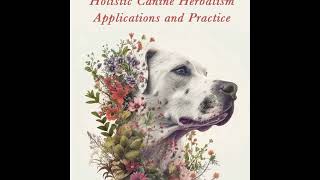
Rita Hogan, a clinical canine herbalist from Olympia, Washington, discusses using herbs to treat common dog health issues. She talks about her upcoming book The Herbal Dog and shares practical remedies dog owners can use at home to support their pets' wellness naturally.
Foreign.
Hey there. Welcome back to the Life With All Dogs podcast. I'm your host, Dawn Mimna, and today I am here today with Rita Hogan, who is a clinical canine herbalist located in Olympia, Washington. I'm super excited to have Rita here today. Rita, welcome to our podcast.
I'm super excited to be here. It's awesome. I love the name of your podcast.
Oh, thank you. Thank you so much. Thank you. They're all here. Everybody's all gathered around. You just can't see them. But I got a bunch of old dogs right off camera here. Rita, can you tell us a little bit about yourself and how you became a clinical holistic herbalist, A canine herbalist?
I boarded dogs kennel free. So I had this kennel free boarding facility in the mountains of Tennessee about an hour outside of Nashville. And I lived with like, I had 10 dogs of my own. So I lived with like 30 dogs every day. A lot of people thought I was insane and sometimes I did too. But I learned so much about dogs then. And I also had a. I had a holistic pug rescue at the time. We rescued hundreds of pugs. And they, they weren't at my boarding. They were in foster care. And I used herbs with all, like the majority of those pugs, non toxic herbs, along with the guidance of a, of a vet named Kevin Brummett in Mount Julia, Tennessee. And we had a good time. But when, when I was boarding these dogs, I noticed just how sick they were. You know, people would hand me a bag of kibble and a bag of pills and I thought, what is happening? Because when I grew up, I grew up on a farm in upper Michigan, and we just didn't treat our dogs like that, like our dogs. Well, mainly my dog Susie, she lived almost probably. Well, my family fights about it, but either 27 or 24, but we know for a fact it was 24. And you know, she came in and out as she pleased. She slept outside sometimes, but we always left the door open for a jar because we lived out in the middle of nowhere. And she usually would end up in the morning behind my dad's chair. And you like, she ate table scraps, she ate raw meat, she had raw milk, she foraged. I remember her eating berries and different plants. And she'd be chomping on stuff. She'd eat, you know, she'd eat bunnies and mice and things like that too. And so, you know, going from that to just the pills, like so many drugs, so many drugs. And the dogs were eating just the I mean, I would say the bottom of the barrel kibble, like the cheapest stuff that their parents could find. And then their parents would be so perplexed why they were unhealthy and why they were hyper and why they looked like they had little tennis balls under their skin. And so I made some requirements of my boarding facility. Like, I said, you know, here's a list of like 15 to 20 kibbles and other diets. There weren't a lot on the market then. I did have a couple raw feeders that boarded with me, but that's about it. And home cooked, they would, you know, I'd keep it in my freezer and then thaw it when it was ready for them to eat. But all the other dogs were super jealous of their food. And I just made a list of more higher end, like, I call it the kibble hierarchy. Like, higher on the kibble hierarchy, foods that I required. Because the dogs were just so anxious and restless and hyper and argumentative from the sugars that were in the diet. And so people just saw this huge difference. And then those people became my first herbal clients. Like, I was studying herbalism for starting in about 2001. I had just gotten out of a stint of studying an eastern philosophy called ayurveda, which is a medical system in India and those parts of the world. And it just didn't resonate with me. So my dad taught me about plants on our farm, and I went back to those plants, the plants that if you live in the United States, Canada, Ireland, England, these types of plants are right outside your door. So that's kind of how I got my start. And I just decided that. Someone asked me one day, you know, well, what are you like? Well, I'm. I'm a canine herbalist. Like, I decided to dedicate my life to dogs. They've always been my passion. I love all animals, but dogs have always been, you know, they're so close to you, they can go anywhere with you. And although I really have to tell you that I do have my sight set on one of those miniature cows.
The Highland.
I want one long hair at the.
Highland, the Scottish island.
I could picture one being in my house, like, oh, yeah, this is my cow. But anyways, yeah, I really decided that I wanted to be Just dedicate my life to dogs. And so I just said, you know, I'm a canine herbalist. And I kind of stepped into it and started doing everything that our herbalist does and learning, learning, learning, learning, learning. I've had a lot of Mentors, a lot of people that have inspired my work. And the biggest thing for herbalism is that you can read all the books that you want. Right. You can get all the courses that you can take. But the real work happens when you're working one on one with people and their dogs. That's where you learn the most. And when you're sitting out in a field or in the forest with plants and learning about them and tasting them and bringing them into your body and understanding how they work, you know, understanding their properties and not just like going, oh, yeah, peppermint's great. But really getting to know peppermint, like tasting it and understanding it and working with it and working with dogs like that. I've been doing that for over 20 years. And I think that that has given me the most experience in, you know, just working on cases with dogs, seeing how they react. I, you know, only non toxic herbs, so.
So. And I'm listening to you and I'm hearing what you're saying about actually learning about the herb itself, where you actually use it and see what it does. And I love that because I'm a huge proponent of herbs, herbs for the dogs here at Woody's Place in your German shepherd sanctuary. I'm a naturalist. I'm listening to you. And I said it before. We could definitely be friends because this is my philosophy as well. And take mushroom, or take marshmallow root, for instance, and slippery elm. Now, they're both good for if your dog has diarrhea. Problem is one may work for one dog and not work well for the other. And some people might not even know about those two modalities. And they might reach for a pharmaceutical drug instead, like metronidazole, which wreaks havoc on the whole body, keeps on giving. Yeah, but especially the gut, right? I mean, yeah, it's terrible. Absolutely everything. Sure. And listen, I have to say here at the sanctuary, we've been in situations where giardia has been an issue. Slippery elm, marshmallow root just didn't cut it. And we had to use metronidazole. But then I beef it up with other things, probiotics and whatnot, to try to, you know, minimize the impact. But I definitely believe in, in starting with natural properties first and knowing what they do. You have to know firsthand what they do before you can give them to the dog, because the dog can't tell you what they're feeling, that it's upsetting their stomach or whatever. So, yeah.
Oh, absolutely.
Love what you're saying. Absolutely thank you. Now. Yeah. And I love the fact that you grew up on a farm as well. I have farm life in my, my history as well. And I saw you were talking about, you know, the dog Pop getting a bunny or, you know, a mouse or something. Like, I didn't even cringe because honestly, it happens here where I live with the sanction, with the dogs of the sanctuary, because we have that all over the place. And dogs, dogs be dogs. They're going to do what they're going to do.
Yeah, absolutely. Absolutely. You know, nature's wrong, so, you know, nature's not for sissies as far as, like some of the stuff that happens in nature. You're just like, oh, God. You know, and a lot of, you know, farm. Farming life is, is hard as well, so.
It is, it is, but it's well worth it.
Oh, God, absolutely. You know, dogs have prey drive. Not all dogs, you know, my, my bastard has like zero prey drive. She can be around anything, chicken, anything, any. Anything. I don't even think she'd try to kill a mouse or a rat or a bunny. She just doesn't care. But most dogs have prey drive and some sure heightened sense of prey drive. So. But yeah, that, you know, it's. We're reminiscent of the, of the, of the old times and dogs getting into things and doing crazy stuff.
Well, I mean, it wasn't really crazy stuff. You know, I was listening to you speak as well about the rescue in Tennessee, Mount Juliet, Tennessee, which I think is where Old Dog's Friend Sanctuary is, to be honest with you. I don't know if you're familiar with that group, but they're there and they're wonderful. But, and I get that here as well. When dogs come here and they have the tennis balls tucked under their skin just like you're saying, you know, the fatty lipomas. And, and they're coming in with their bag of like old Roy or whatever the heck it is, pedigree. And here's their car, profan and blah, blah, blah. And again, I am not. How do I put this? I'm not poo pooing Western medication. I believe there's a time and a place if necessary. I also believe in, in what you're saying. You treat the whole dog, you give them what their body actually requires and not a bag of processed, sugary, carby junk. And then you don't, you know, you don't have as many problems down the road where medications like carprofen and Rimadyl may, may be necessary because the dog Wasn't, you know, fed properly, exercised properly their whole lives. So.
Yeah, absolutely. Yeah. I don't poo poo. I, I don't really, you know, I'm, I'm not a. I don't kibble. Shame. I, I don't do any of that stuff. I, I really have to meet people where they are and I want to meet people are. And I really think it's important for people to take baby steps, you know, but when people like, you know, going from something like old Roy or pedigree to. Which were. Pedigree was a huge one for me at the boarding kennel. Going from something like that to even something like wellness, a food like wellness, or go just a night and day difference in like three months, you know, just night and day. And people would just be like, just like, oh my God. And I'm like, yeah, you know, for a few bucks more like you can get a better quality diet going in and then anytime you can add fresh food, it helps. So.
Oh yeah, 10 to even 10, even 10% of fresh food a day added to high quality kibble. And listen, you know, we have a lot of dogs and I try to cook as often as possible. I'm a certified canine nutritionist, so I try to cook as often as possible. But life happens, you know, it's like having little kids and you, you cook and then one night you have McDonald's just because you're just wiped and you can't do. You can't even think of cooking. So we do high quality kibble. Yeah, we'll do high quality kibble as well with fresh food on top and herbs. I. Here at the sanctuary, we have a huge garden. I'm looking at it right now out the window. It's just totally grown over and dead right now. But I also have an indoor. I also have an indoor garden. It's a grow tent I bought on Amazon. And all winter long I have rosemary, thyme, marjoram, oregano, basil, lemon verbena. I have all kinds of stuff growing in there all year long that I just cut off and I put in their food and mine because I. I truly believe in the, in herbal properties for overall health.
Great. That makes me happy.
Yeah. So you have a book coming out. Can you tell us a little bit about.
That's my book. It is. My book is called the Herbal Dog and it is a kind of like a synopsis of my work over the last 20 years. So, you know, and when you, when you're writing a book and you're working with a Traditional publisher. Right. You have to figure out what you want to put in your book. You know, you. In the beginning, you want to put everything in there, but then, you know, you have editors, and they're like, no, that doesn't really go. So I had to, you know, I really strategically figured out what would be of service to a lot of people. What have I worked on the most with people? What is the most frustrating for people? You know, I have a teaching platform, so I have some things that aren't in the book on the teaching platform, but so I really included things like, you know, yeast food intolerances, which, you know, I cover leaky gut and recovering from antibiotics, which is a huge thing. Preparing for surgery and recovering after surgery. Yeast. I said yeast. Acid reflux, arthritis pain. Oh, God, there's histamine intolerance. That's a big one that people don't realize that's going on. Right. People don't understand histamine intolerance, like candida overgrowth. They don't understand that it's going on. So, you know, it's really important to kind of understand these big, major issues. I have the little issues in there, too, like constipation, diarrhea, vomiting, you know, and all types of vomiting. You know, like the yellow vomiting in the morning. What does that mean? What can you do for it? And. But I do cover a lot of the major issues that are the root cause of all of these other little issues. You know, I do have a giardia program in here, how to heal gardia.
I'm gonna look at that.
Yeah. And I will tell you one thing that you should have on hand is BlackBerry leaf tincture. You know, when nothing else will work for diarrhea. That's my first go to for diarrhea. And I hardly ever use slippery elm or marshmallow or anything. I use BlackBerry leaf tincture because it keeps diarrhea from happening. You have nice, you know. You know, maybe not nicely formed stools, but formed stools. So you can use that in conjunction with help bringing down the inflammation in the gut. I also deal with, like, things like arthritis, seasonal allergies. I help you learn how to prepare a protocol, like put your herbal protocol together. But I answer those questions that people that are lacking a lot of the times in any type of natural remedy book for dogs, which is dosages, you know, where to start, how far can you go up in dosage? What form of herb should you use? Should you use a powder, a tea? Should you use a tincture or a Glycerate and when to stop. How do you know an herb is working? So a lot of the. I have a whole entire chapter on expectations, because I think expectations is what makes people so frustrated with herbs, because they are comparing plants to pharmaceutical medicine. Because, you know, over the last, like, hardcore six years, but 100 years, we have been pharmaceutically conditioned to expect things to work within 30 minutes. And, you know, you could get lucky, usually with homeopathy or flower essence. You can get lucky with, like, a dog calming down or vomiting. But, like, with herbs, you really have to give it some time, sometimes up to 12 weeks. You know, the goal for any herbal protocol or herb in general is to move in the right direction. You know, you pick an herb that's well indicated according to your dog's symptoms. But what we want is to see improvement. And if you don't see improvement within 12 weeks, you need to stop that herb or change the dosage. It could be a dosage issue. Usually you deal with dosage kind of on the way to 12 weeks. You know, see how your dog does. So I answer a lot of those questions that people are wondering. And then in the back of the book, I have a materia medica, which means that it's kind of like a resume for herbs. And so I cover, I think, over 30 herbs, mushrooms, plant stem cells, which I explain a little bit in the book. I have another book coming out on those, but I. I do include some of my favorites for people because they. They fill in gaps where I haven't really found strong, A strong, like, mature herbal presence. I also cover things like vitamins and minerals and supplements and like, you know, let's just say sodium butyrate. How much do you give? Or charcoal or chlorella. You know, things that aren't really an herb, but they are found in the dog world a lot. And how much do you, you know, what is the dosage for that? And then the beginning of the book is all about teaching your dog, teaching you about your dog as an ecosystem. Like looking at the main systems in the body and how they are interconnected, not separate, right? And you understand that you can understand and get to the bottom of what is actually going on with your dog instead of chasing symptoms. So I put a lot. Let's see how many pages. It's. 440 pages. So. But it's, It's. It's a learning book. It's also a reference book, right? So you can use it as a reference. Like, oh, God, you know, honey, Dexter has diarrhea oh, that's right. We've got that book. And then you can go in there to the diarrhea section, learn all about the different types of diarrhea, and your answer should be in there. So it's a. I'm. I'm very proud of it. I'm very proud of the book.
You should be. 400 pages. That's a lot of information. I have to ask you because, of course, we do German shepherds here, and. Yeah. You know, any little thing can throw off their gut. Health. And we end up with diarrhea. Oh, you mentioned the BlackBerry leaf tincture.
Yeah.
I have to ask you, because we have that literally growing all around the sanctuary. I. I take wild blackberries, like the end of July through August. Now you're telling me I can use those leaf. They're totally organic. I can use those leaves.
Yeah. So in the spring, pick a whole bunch of them, let them dry. Let them dry. And I would keep some, you know, in some glass bottles and, you know, in a dark spot so they don't fade. And. But you can also take some of those fresh leaves, chop them up, put them in alcohol, and you can do half alcohol, half glycerin, it doesn't matter. And let it sit for, like. I let mine sit for, like five or six weeks. I shake them a couple times a week, and then, you know, strain it out, put it in bottles. Just make sure, you know, you can do all glycerin, but I find that it's not as effective. The cool thing about the diarrhea is that it's acute. Right. So you're. In my opinion, a lot of diarrhea is caused by chronic disease. But with BlackBerry leaf, you are working, you know, as an acute remedy and to help your dog not have diarrhea for more than 24 hours. Right. Diarrhea sometimes needs to happen to get things out. However, your dog will be pooping, but it won't be complete and utter liquid, which nobody likes to clean up. Right. Nobody likes to clean that up. I have a dog with that issue. My old dog, my old Bassett. She's 15. She has anal cancer. If I don't give her the BlackBerry leaf, it is projectile volcano poop. Which doesn't make anyone happy. Her, nobody. So she gets black leaf every day. She gets a half a dropper and a half a dropper. Just for people who are freak out about alcohol, I have a dropper. Can I just explain alcohol?
Sure, yeah, please.
I give you absolute specifics about alcohol in here. I won't go into that. But when you're dealing with alcohol, so with BlackBerry leaf, you're going to have like a 50 proof, or, I'm sorry, like 100 proof alcohol, which is 50% alcohol and 50% water. Okay. So fresh plants have about 80 to 95% water. Okay. So when you put alcohol and water in a tank, a mass of herbs, you're getting the water in the alcohol plus the water in the plants, and it's mixing. And sometimes tincture makes your add a little more water. It just depends on the plant. But drop for drop, you need about seven drops, seven to eight drops depending on the mixture of tincture to equal one single drop of alcohol. And for half a dropper, you're dealing with 15 drops. So at the most you're having two drops of alcohol, which is not going to hurt a teacup Chihuahua. Right? It's just not. And acutely. Right. I'm not going to give 15 drops of tincture to a teacup Chihuahua. Every single day. I'm going to have, I'm going to find the minimum dose for the maximum benefit. I would probably switch to a glycerin if I had to do that. Or might, I might do half and half. Like I might get a BlackBerry leaf glycerin and a BlackBerry leaf tincture and mix them 5050 to bring down that alcohol content. But you can also evaporate the alcohol off. You can put your tincture in a, like a shot glass, put it in some hot water. I don't do boiling water, but hot water, let it evaporate for about 20 minutes, most of the alcohol will be gone. And if you're super worried about alcohol and the liver, all you do is you put your dog some thistle when you're giving your dog tinctures. And it helps protect the liver against any damages of alcohol. You know, I have actually, I have a couple of friends that drink a lot. Right. They're very recreational drinkers. And I've sat them down and I've told them, you know, the body talks and you can tell when someone's liver is not working great. And I just tell them, listen, I'm not saying anything against the alcohol. You do what you want to do, but you need to take 500 milligrams grams of milk thistle in the morning that you're going to drink and three times that day, you know, because I love.
That's a damage.
Yes. And I want them to live a long time and I love them and I want their livers to work better. And you know, large amounts of alcohol are hard on the liver, especially like when you're drinking martinis or something like that. I recently went over Christmas, someone bought me a huckleberry, Huckleberry lemon drop, like pre mix, not a premix, like a cocktail in a bottle. So it was, you know, stuff. And I don't drink very much at all. Maybe once or twice a year. And I had a little bit on some with some shaved ice and I'm like, oh, this is strong. I mean, I want a much more huckleberry than alcohol. And I had two sips of it and I literally, I swear to you, I felt like I was getting a buzz. And so I put it down and I walked over to the fridge and I looked at the bottle and it was 35% alcohol. And I was like, oh. Like that's. Oh, okay. And I'm swigging it down, you know, and I was like, I mean I had like two drinks, but that for me that's swigging. But I was like, oh. And I, I just decided not to drink it because it was just really hot. I would. So if I ever. It's still in my fridge. But if I ever choose to drink it, I'll probably mix one part of that to like three parts of something like a year or something like that because yeah, it was a lot. You know, the issue with alcohol like alcohol based tinctures is that the alcohol has a very dominant taste. Right. So you can put a drop of tincture on your tongue. You're like, who. It doesn't mean that it's all alcohol. So it's a, you know, being a medicine maker. There's a lot of math involved. But the. I explain alcohol in my book exactly. You know, how people came up with, you know, that dogs shouldn't have tinctures. It's based on some crazy math with animal experimentation and yeah, so one drop of alcohol to seven, eight drops of tincture. So it's very safe in small amounts. I don't like, if you said, well, I'm. I give my dog 40 a dropper of tincture three times a day and they weigh 20 pounds still, they would be okay, but I would be like, no, don't do that, don't do that. Yeah, we don't want to do that.
So it would, it, it's more, it's. It can have adverse effects if there is going to be any on a smaller dog rather than a larger dog. Is that what you're saying? Or just regardless, over time.
No weight, definitely weight is Very dependent in that, in that in with a glycerin bait tincture that don't work as well for many plants. Right. The plant is what you're trying to extract out of it. And that's a long conversation. But for some glycerins and I go that I have a list in my book, it's quite long. Glycerin tinctures or extracts do okay. Usually for me it's like usually triple the dose of an alcoholic tincture. But glycerin has its own side effects. But if like for Chihuahua, let's just use a chihuahua as an example versus a German shepherd. So for Chihuahua, my. A large dose for a Chihuahua to me would be eight drops. Eight drops of tincture, that's a pretty large dose. For a dog that's under seven pounds. I would, I would use it acutely for a week and be fine. But would I give them that every single day, Three times a day, depending on the herb? Probably not. I would probably drop it down to like four drops every single day. Three times a day would be fine. Now a German shepherd could do eight drops every day for the rest of its life and probably be fine if the herb was nice and non toxic because you know, they have bigger livers and bigger everything but the like. I would say the average dose for a German shepherd given a tincture every single day for me it would be less than 15 drops, less than a half a dropper. You know, unless they had cancer. You know, if they had cancer then we might need a hammer and might need to push a little bit more. But less than 15 drops. Which some people would disagree. You know, some other people would say oh no, they could take like 30, 40 drop. For me it's, I'm very, I'm a very safe herbalist. I would rather pick a more well indicated herb or add some different types to go along with that tincture that don't involve alcohol. But again I would, you could also just evaporate the alcohol and make it into a glycerin. So there's so many things you can do with herbalism and when you, when you start getting your, you know, your paws wet and start working with certain things, you know, that information just comes with practice. But with my book.
You cut all that out.
Yes. You know, and it is based on my practice. So you know, it's just one view of western herbalism. But I've been doing this a long time and I really want this information to be out there and I think.
It needs to be let Me ask you something. Now I mentioned the leaves, the BlackBerry bushes and canes and having them all over the property here. What about people who don't? Where do they get products like, like this? I mean they're interested, they get your book, they learn more about it. What about the actual tinctures themselves? Where do people get that?
So my book, in my book it'll say, you know, see the herbal dog.com for more information. So on theherbaldog.com, i'll have extensive sourcing. I'll be building sourcing continually as I get more referrals from people. Right now if you're in the United States, Mountain Rose Herbs is a great place. I tend not to get anything off of Amazon. You know, it sits in their warehouse for a long time and it's not, you know, it's not well curated. Etsy, Etsy has a ton of, of small herbalists on Etsy making medicine. I would check their reviews and, and all about them and you can send them questions and ask them questions. You know, how long you've been doing this? You know, are, is anything sprayed? You know, you can ask them questions. You know, some of them might not be organic, but they might be organically grown. Like my, my tinctures that I sell on my shop are not certified organic, but they're organically grown. I don't use anything like nothing, absolutely nothing. I use some homeopathy on my plants but I use absolutely nothing like the plants that don't make it, don't make it and the plants that do do. I just try to be a better gardener each year but I don't use anything I tend to plant at. I tend to plant enough so that pests have some, some plants to eat and so do I.
Right.
So, so yeah, I have a list of things in the United States, some farms and then you know your local farmers market has you know usually have this book to the. A lot of states have a book to the farms in their area and I would definitely pick one of those up during the summer. But oh, Oregon's Wild Harvest is awesome. I love that that company for Herbs Herbalist and Alchemist is a great supplement company and then in Canada Harmonic Arts is a wonderful one Herb Herbs. So I have these on my website and also like I have Australia and England. I'm working on all of those for sourcing. I can't every country but I'm doing the like the most that that will probably hear about my book and stuff. So I've got you covered on that because. And like buying herbal supplies. And if you don't, you don't have to make anything yourself. Right. You can buy things already made and give them to your dog. I also have a list of some really great companies making some really great foods and supplements. So I don't get any kickbacks for anything. They're not affiliate links. They're just. No affiliates are allowed on my Herbal Dog page.
So it's just what you believe in.
Yeah, yeah, I don't have any affiliate and I do have like under my book tour because I'm being, I'm doing a nine month book tour. I do have some sponsors, you know, but they are not part of the, the Herbal Dog resources at all.
Okay, so herbaldog.com is your website and the herbal dog.
Yeah, the herbaldog.com.
The herbaldog.com and I'll make sure I have that information in the show notes at the end of this podcast for people to just click directly on the link to take them right to your website, theherbaldog.com now you said it was a teaching platform. So not only is it going to tell us about you, not only is it going to tell us about your book, you also said it teaches. So I saw you have a podcast as well. So obviously there's good information on that. And you have courses, I believe, and webinars that people can take, correct?
Yes, the courses are actually on a different platform. They're on canine herbalism dot com.
Oh, okay. Okay.
Yeah, yeah. So my public, you know, when you're, when you have a traditionally published book, you kind of have to adhere to the guidelines of your publisher. So my, my book site is only for my book and my tour.
Okay.
My, I have Canine herbalist with a t.com and canine herbalism dot com. So the canine Herbalism website is for teaching and it has my podcast, Dogs are Individuals on there. It also has this fun subscription group that it's called the Pet Canine Herbalist Advisory. And you can go there for $15 a month, ask me any question anytime about anything. And like I do a lot of consulting, but I'm booked out for months. And so a lot of people just want to ask me questions and that's the easiest way to get a hold of me because I spend, I spend a couple hours every day, except for weekends answering questions on that platform. I coach people with dogs with problems. I do a lot of that. And one thing I wanted to tell you is that my teaching platform has a rescue program. And for any of you out there, that do have a 501C3 rescue program or in another country like a certified rescue program. I give a free seat in all my courses.
Oh, nice.
Yeah.
So you have to be a 501C3. I'm going to put this in the show notes as well.
Yeah, you have to be a 501. And you can like the, the head of the rescue can designate one person to take the courses to be like the advocate for the rescue and you can change that person once every two years.
Okay. Okay.
And the reason why we did that is because when I ran Music City Pog Rescue, I would have loved to know the information that is found in my courses, like how to deal with teeth, how to deal with fleas, how to deal with like how do we give herbs? Because, you know, it's all about budget and helping as many dogs as you can. And a lot of times something very inexpensive can help your dog. And when you're buying pharmaceuticals and running to the vet for diarrhea or you know, vomiting and things like that that don't warrant a vet visit. Right. Some of them do. I would have loved to have the information that, that I provide in my courses. And so we have a large rescue community that takes the courses and it's absolutely free. So the only thing that you can't take is I have a thing called Materia medica monthly. It's 12amonth. It's like a resume. We deal with one herb each month and then the, the parent advisory. But inside the courses you can ask questions in each lesson. So you can ask questions. And then I have a live every month for the platform and so you can come in there on the live and ask any question you want for free. So rescues, I love it.
That's very generous. Very, very generous. And most rescues are working on a shoestring budget unfortunately and could really use that, that the benefit of your wisdom. So thank you for that. That is, that is very generous and I certainly am going to sign someone from our group up for that. You touched base on fleas a little bit. Now I just had somebody here at the sanctuary a little couple weeks ago and they have a flea infestation in their house. And they said, you know, in addition to all the dogs we have, we also have a small cat rescue here too. We have about 10 cats. And they said, how, how do you, how is it you don't end up with fleas? And I said, well, I don't, I don't use heavy hitter, pesticide, whatever medication, medication for fleas I made sure they're brushed regularly. I put real garlic in their food. I'm talking real garlic in their food. And if I think there's going to be an issue, and even if I don't think there's going to be an issue, I sprinkle diatomaceous earth, food grade diatomaceous earth around. I wash their bedding regularly. Food grade diatomaceous earth. It's easy to get, it won't hurt them. It's actually good for the environment and it kills fleas. So I sprinkle that all over the place, I let it sit and then I vacuum it up. And so far in the history of Woody's place now it's been an entity since 2009, officially a 501c3 since 2011. We've only had two flea infestations in all that time. So I mean, are we just lucky or does that work? I think it actually works. And that's, you know, without buying any sort of topical treatment for fleas.
You know, a lot of people don't realize, yeah, I mean, a lot of people don't realize that it's normal for a dog to have one, you know, a couple of fleas. You know, like we flea comb our, our cats and our dogs, like why we, you know, settle down after 8 o' clock at night. We settle down and they all come and my partner flea cones them. The cats absolutely love it and.
He.
Finds a couple fleas, you know, we use a little soapy water or whatever and that's it. Like, I've never had a flea infestation. You know, dogs with flea allergies are hard, but like my flea course covers all of that. And if you have to use the meds, right, what meds to use and what to give before you ever give that medication. Because that's the issue. Like, because the medication is a poison, you have to prepare your dog's organs and nervous system because it's a, most of them have nerve toxin in them and you have to prepare their nervous system and their, their liver and kidneys to really take rost of that medicine. And, and I recommend giving it the entire time, the, the whole 30 days if you have to give it for 30 days and what, you know, to avoid and like a lot of topicals, the topical ones, you're being affected by them as well, they get all over your home and they get all over you and you don't realize it. And if you test your blood levels, you'll find that toxin in your blood.
Sure. Yes. And true. And I'm not saying we have not ever used topicals because we have a huge issue with ticks here. But gloves, definitely wear gloves, wash hands afterwards and whatnot. In addition to what I was just saying about the diatomaceous earth, now I have to admit, I buy it just because I don't have time to make it. There's a wonderful product that is essential. Essential oils to help prevent a flea infestation that I use on a regular basis as well. And they come in different essential oils. Lemongrass is one. Cedarwood is another. Peppermint is another. And I have to be honest with you, I'll just spray them just because they smell so good. So. And you can even spray them directly on the dogs and it. And it doesn't hurt them and they end up smelling nice as well. So not going to mention the name of that product. I do make stuff here myself, but listen, sometimes there's just not enough hours in the day.
Yeah, no, absolutely. And it sounds like you, you know, you've got a good system there for sure.
I'm trying, you know, I'm always learning and I'm definitely going to be looking into your book as well. So is the book out on shelves now or is it coming out?
No, it's. It's coming out on February 4th, but you can pre order it.
Okay.
You can pre order it anywhere you buy books, so. Anywhere. So when you go to the Herbal Dog, it'll have the front page, has a list of places where it's for sale. Like the obvious places like Amazon, Barnes and Noble, Target. Oh, but there's one place that has a really good sale and it, I checked it yesterday. It's still on. And that's ThriftBooks.com. thrift. ThriftBooks.com. it's almost six hours off with free shipping.
Oh, for pre order?
For pre order. Yeah.
Okay. Okay. And I'm sorry, what was that?
Oh, nothing, nothing, nothing.
I. I really don't know anything about publishing a book. But from what I understand, pre. Pre orders are pretty important, correct?
They are. Yeah, they are.
Okay, so let's get some pre orders then.
Yeah, they are. You know, they. They never used to be, but now they are so that now they're a big thing. Like, you know, you have to, you have to sell your book before it even comes out. So it is the way it is. Right. I have to work within the system I've got, so. Right. Pre orders are a big thing.
Okay. All right. Well, Rita, this is, this has been fantastic, believe me. I told you before we started recording, I always write down notes for my own benefits. And I have just a whole bunch of notes here that I'm going to dig deeper into, thanks to you. I'd love this. And I hope this information resonates with our audience, and I'm sure it will because they're always looking for other alternatives, safer alternatives for their senior dogs when it comes to their. Their wellness. Everybody wants their dog to live longer. They love their dogs. And I truly believe that. We are starting to recognize the fact that dogs are actually family members and need to be treated as such. And we want what's best for our family. So thank you so much for taking the time for all of this information. And again, can you just clarify where we can. Where we can find out more about you online?
You go to canine with a t dot com. That is my store and my. I have teaching platform@canine herbalism.com, my book website@theherbaldog.com and then on socials, I'm on Instagram under Canine Herbalist and Facebook under Canine Herbalist.
Okay. And again, I'm going to make sure all of this is in the show notes with clickable links. This, you know, people love just links that you could click right on and be taken right to it. And I'm going to make sure that's in the show notes for people to just click directly right on there and find out more about you and all of your wonderful wisdom about canine Herbalism. Thank you so much for being here today.
Thank you so much. Take care.
You take care too. Patience in all that time. So, I mean, are we just lucky or does that work? I think it, it actually works. And, and that's, you know, without buying any sort of topical treatment for fleas.
You know, a lot of people don't realize. Yeah, I mean, a lot of people don't realize that it's normal for a dog to have one, you know, a couple of fleas. You know, like we flea comb our. Our cats and our dogs. Like, why we, you know, settle down after 8 o' clock at night. We settle down and they all come and my partner flea cones them. The cats absolutely love it. And he finds a couple fleas. You know, we use a little soapy water or whatever. And, and that's it. Like, I've never had a flea infestation. You know, dogs with flea allergies are hard. But. But like my flea course covers all of that. How. And. And if you have to use the meds. Right. What meds to use and what to give before you ever give that medication. Because that's the issue. Like, because the medication is a poison, you have to prepare your dog's organs and nervous system because it's a. Most of them have nerve, nerve, toxin in them. And.
Right.
You have to prepare their nervous system and their. Their liver and kidneys to really take rost of that medicine. And I recommend giving it the entire time, the whole 30 days if you have to give it for 30 days. And what to avoid. And like a lot of topicals, the topical ones, you're being affected by them as well, they get all over your home and they get all over you and you don't realize it. And if you test your blood levels, you'll find that toxin in your blood.
Sure. Yes and true. And I'm not saying we have not ever used topicals because we have a huge issue with ticks here, but gloves, definitely wear gloves, wash hands afterwards and whatnot. In addition to what I was just saying about the diatomaceous earth, now I have to admit I buy it just because I don't have time to make it. There's a wonderful product that is essential, essential oils.
More from Rita





Food Energetics for Dogs & Cats - Sept. AJA with Canine Herbalist Rita Hogan & Julie Anne Lee DCH





NATURAL DETOX FOR DOGS: Which herbs to use and how to use them with Canine Herbalist Rita Hogan
