Rhett Kerby presents a short field demonstration comparing two adjacent areas: one drilled with a winter wheat cover crop and one left untreated. He observes substantially fewer weeds (rosettes) in the cover-cropped area despite identical treatments otherwise, suggests allelopathic or other suppressive effects as possible explanations, and invites viewers to share research or experiences supporting the claim.
Chapters
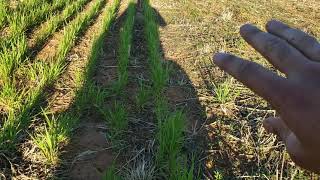
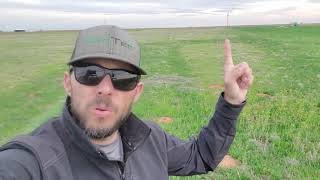
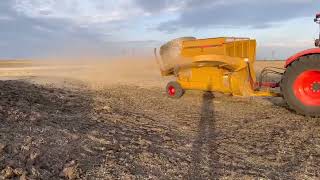
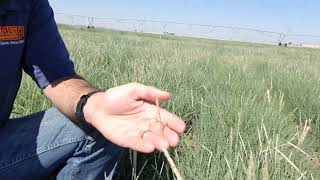
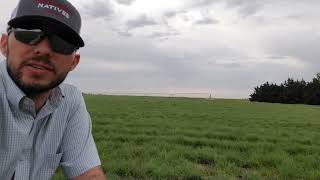
I wanted to show the difference in what a cover crop can do for weed suppression, especially a winter cover crop. See this area here and all these weeds going all the way back. And then here in this area you find very few weeds all the, all throughout. And some may say that it's due to the residue can captured more weed seeds. I mean, I think somebody could make that claim, but I'm a firm believer that a winter cover crop suppresses weed production, whether that's allelopathic effects. I would love for somebody to send or link to research that supports this here, but I mean, for years my professional career, this is a common occurrence where you have a good cover crop with very few weeds and a, and a. In an area with no cover crop and very few weeds. These were exact, these areas were both treated exactly the same. The only difference was I drilled a wheat cover crop and I just happened to stop here and did not do anything in that area. So the treatment area was exactly the same. And if, and just to kind of support the idea that there's, that the COVID crop actually suppresses weed production itself and, and that it can't be blamed on the, the, the weedy residue from last year. Let me walk over here and show you this little area where this is just. If you, if I back up, you can see this is just a blank. This is just a little blank that did not get planted for some reason. You can see all the rosettes and rosettes are just the immature weed plants themselves. And you can come across into the area that was seeded and there is no weeds. And you can look in all directions and there's. There's no weeds. It's just this little blank. And so I would love to hear other, other people's or hear your experiences and thoughts as to why a cover crop prevents weeds. You know, there again, I, I have a suspicion that it's related to allelopathic effects. I know there's research that shows that rye has allelopathic effects on nematodes in the soil. So I don't know why the COVID crop, and this is wheat, cannot have allelopathic effects in other ways. Let me know your thoughts.