In this introductory segment of the "Any Spare Change?" crowdfunding video, host Robert Ashton challenges viewers to reflect on how they respond to people experiencing homelessness in city centres. He explains that the video and accompanying book aim to deepen public understanding of the causes, lived experiences, and possible compassionate responses to homelessness. Over three months, Ashton interviewed a range of individuals – those who have slept rough, volunteers, and service providers – and compiled their stories into the book "Any Spare Change?" Proceeds support the local charity St. Martin's in Norwich. The segment then features two interviewees from the book: Rita, who became homeless after losing custody of her children and being evicted by the council, and Robbie, who spent years sleeping in various locations around Norwich. Rita describes sleeping behind an art school with a Salvation Army sleeping bag, the cold loneliness, and urges passers‑by to buy a coffee or roll rather than just give change. She shares her recent positive turn, with her son heading to Cambridge. Robbie recounts sleeping in Chapel Field Gardens and multi‑storey car parks, and hopes his story will help people understand how families can fall into homelessness. Throughout, the tone is conversational and empathetic, with a clear call to action: read the book, support St. Martin's, and treat homeless individuals with kindness.
Chapters
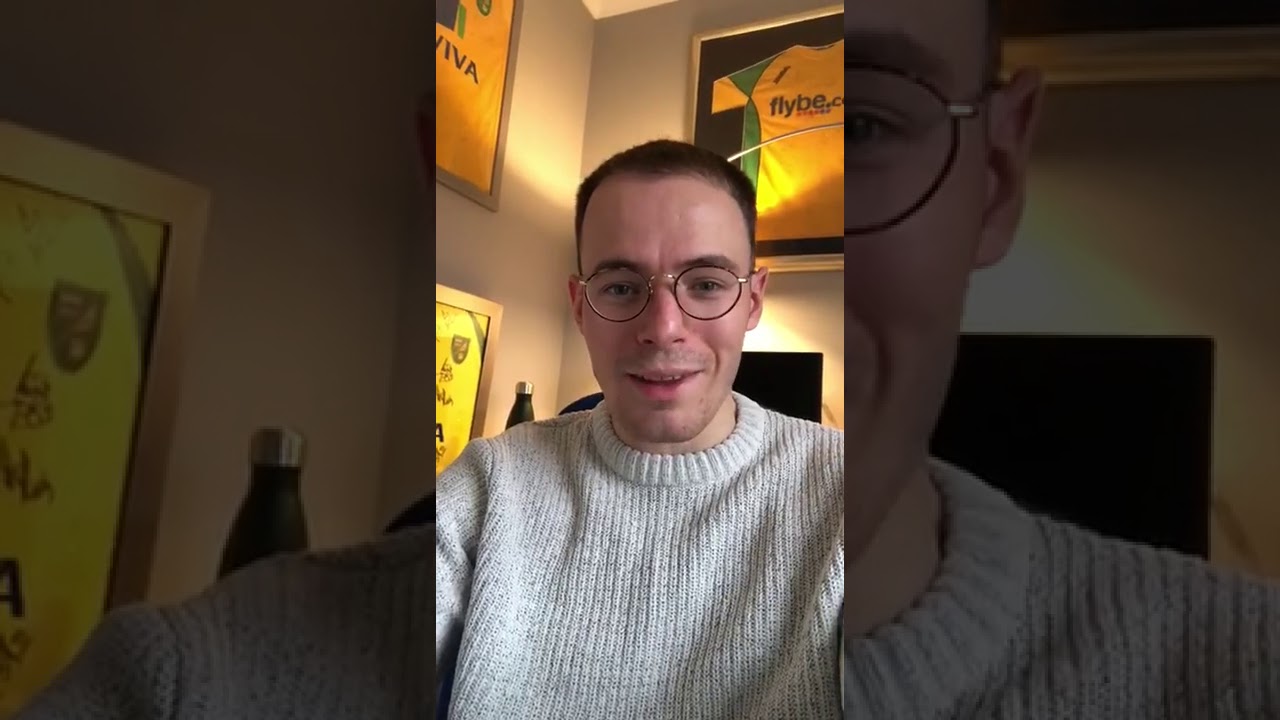
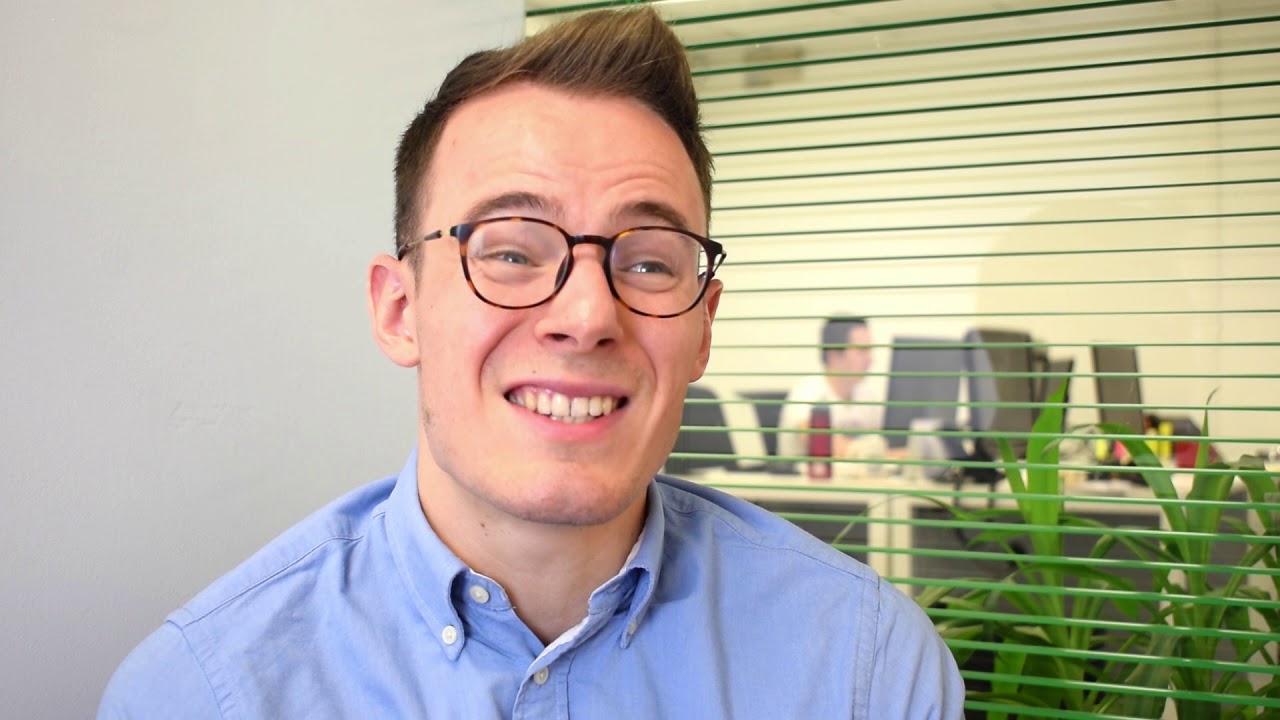
So think about the last time you walked through your local city centre. Did you see a guy sitting hunched up in a shop doorway? Had he got a sleeping bag, perhaps a dog? Did his mate try and sell you a copy of The Big Issue? Did he have his hand out asking you to give him some loose change? That's what you often hear. How did you respond to that? Did you put your hand in your pocket and give him something? Did you go and buy him a coffee and a sandwich? Or did you turn the other way and walk on? How we deal with homelessness is really interesting. It's something we're all concerned about, but very few of us really understand what causes it, how people come to be on the street, and what we can do to help. So I got interested in the subject, and for the last 3 months I've been out there interviewing people who have slept rough, people who saw the big issue, people who've been to prison, people who have had mental health problems and been out of their flat and living in a doorway. I've interviewed people that run soup kitchens, people that are inspired by their faith to work with the homeless. All of their stories are captured in this book called Any Spare Change? Because that's what you tend to hear from somebody in a shop doorway. You won't have time to go and talk to all these people as I did, but you will have time to read the book. You will find the stories interesting and compelling. It will give you an insight into sleeping in homelessness, what causes it, what happens, and the experiences of the people that live and work in that world. So I encourage you to buy a copy of the book because that will help you understand better how to react when you meet somebody in that shop doorway. The profits from the book will go to the local charity St. Martin's who work with homeless people in Norwich, and at the end of the book there are a number of things that we can all do differently Just to be a bit more kind and generous and gentle when we meet somebody who's homeless, because together, if we all do a little bit differently, we can make the world a kinder and happier place. Let me introduce you to a couple of people who are in the book. Robbie has been homeless for many years and now lives in a sheltered flat in Norwich, and Rita has a lovely story, a lovely personality, and a lovely flat, and she will tell you a little bit about her life and her story and how she came to be homeless and how she came to be helped back into mainstream society. Just tell us a little bit about when you became homeless and slept rough.
Well, I was living in a household and when the children were taken away from me, I got evicted by the council and they— no one would house me and obviously so I had to sleep on the streets. It was cold outside, it was February And that's how I became homeless and got in with St. Martin's. They took me on at the hostel.
So where did you sleep when you were sleeping rough?
I slept behind the art school, um, at the top of Elm Hill. I got a sleeping bag from the Salvation Army, and, um, the Salvation Army used to go to the Haymarket. I don't know if they still do. They do?
They do.
Yes, I, uh, I used to go there for my supper and I used to get a sleeping bag there and I'd take that, my coffee, my sandwich back to behind the art school and then I'd go to sleep. It was cold. Cold and lonely. Cold and lonely. I'd like to say don't walk past. I know there's been times in my life where I've walked past the homeless when I was working in London in a good job And I walked past them under the arches and outside Threadneedle Street and the Bank of England. They were all around there, and I walked past them thinking, oh God, I'll never end up like that. But I did.
Mm.
And I'd like to say to people, don't walk past. Just stop and buy a coffee. You don't have to give them money, but buy, buy them a roll and a coffee, and then you know where your money's gone.
Mm.
And that's a big help. I suppose my whole life has changed. My sons keep in contact with me now and they write to me. And as I told you before, Damien's off to Cambridge next month.
Yeah.
Yeah, to study maths, chemistry, and biology. Oh, that's a bit— there's some stories about, isn't there? Some very, very— it's a case of there but by the grace of God go I.
And that's the message for the reader, isn't it?
Yes, that's the message for the reader there. But by the grace of God go I.
Just talk about when you were sleeping rough, because you slept in Chapel Field Gardens, didn't you?
Oh, I slept in Chapel Field Gardens, Vauxhall Street, you know, multi-storey car parks, you know, Norwich. Anywhere we can, we can get your head done.
What do you hope people will get from reading the book about you?
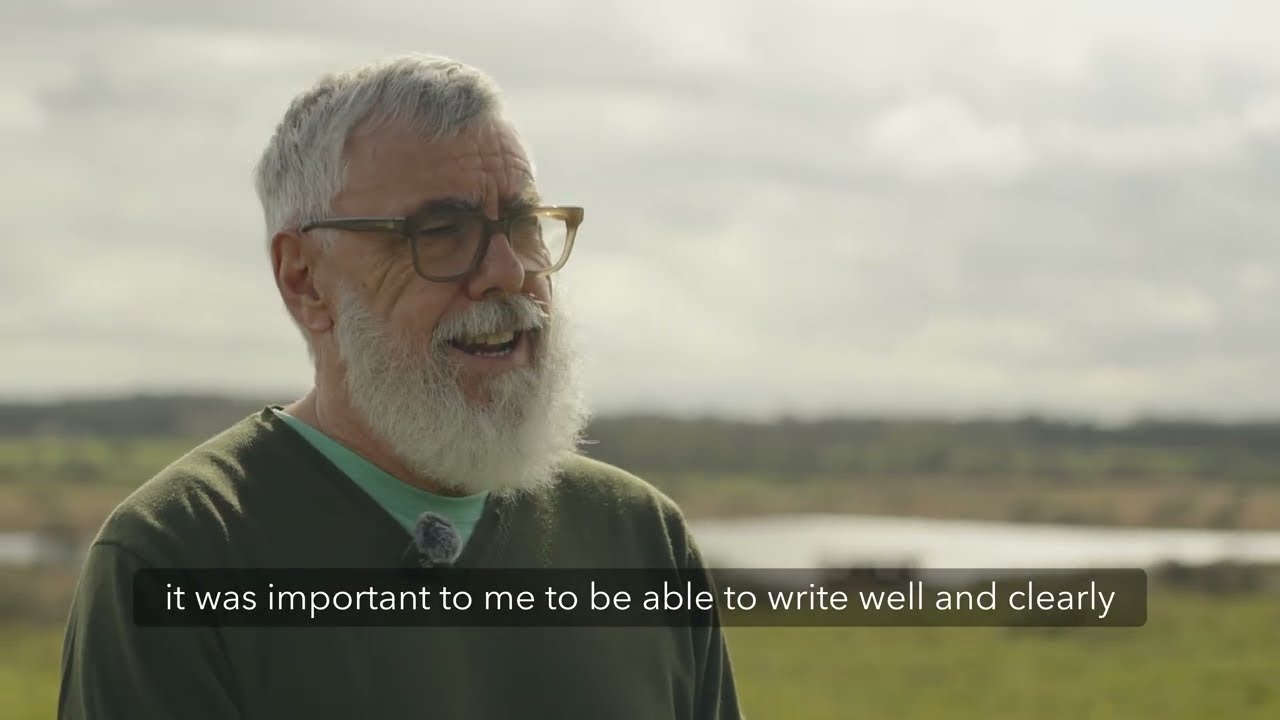
I think it might help people to understand who are in families that don't go astray like I did. You can't just wander out of a family, you know, like I did. And thought, oh, the world is mine. You know, the world's my oyster.
Because people don't understand, do they?
People shouldn't do that. No.
So stopping other people from doing it?
Because I think it's all to do with the families, that the kids go astray. I believe it. I've been here quite a while now. You can't get a better place.