Mastering Behavioural Change: How Nudge Theory Transforms AI Adoption
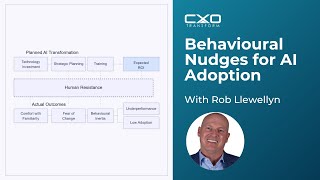
Nudge theory can overcome human resistance to AI adoption in organizations. A UK financial services firm used behavioral psychology to increase AI uptake, and the approach works because it sidesteps the reasons people reject new tools.
Why do even the best AI initiatives fail? Despite great tech, clear strategy, and solid training, you've invested in cutting edge technology, meticulously planned the implementation, and provided comprehensive training. Yet adoption rates remain frustratingly low. Now, it's not a technology problem, it's a human one. And it's costing you results. Listen, it's no secret that people naturally resist change. When faced with new AI systems or workflows, they cling to familiar routines even when those routines are less efficient. And this resistance creates a massive gap between the potential of your AI investments and and their actual impact. Now, without addressing the behavioral component, your AI transformation is likely to under deliver on its promised value. But there's a really powerful approach that can bridge this gap. One that doesn't require forcing change or creating more resistance. Nudge theory offers a refreshingly different approach to to behavioral change. Rather than mandating adoption or overwhelming people with information, nudges gently guide individuals towards desired behaviors while preserving their freedom of choice. Now think about it like this. Instead of putting up a keep off the grass sign, which people often ignore, architects might place a winding path that naturally guides pedestrians where they should go. And the same principle applies to AI adoption. A nudge could be as simple as making your AI dashboard the default homepage for employees, ensuring that they're exposed to the tool regularly without requiring additional effort. These subtle interventions reduce the mental and emotional barriers to change, making new behaviors feel more intuitive rather than imposed. So let's talk about why nudges work so effectively. Well, they're aligned with how our brains naturally make decisions. Now, we humans aren't always the rational actors we think we are. We're influenced by cognitive biases that shape our choices. Take the status quo bias, for instance. We tend to stick with what we know even when better options exist. Nudges counter this by reducing the effort required to try something new. If logging into your AI system requires these extra clicks every day, people simply won't do it. Not because they're resistant, but because our brains are wired to conserve energy. Now, another powerful influence is social proof. When we see colleagues embracing a new tool, we're more likely to follow suit. So sharing adoption rates or success stories leverages this psychological principle, making people feel that they're part of a positive collective movement rather than going it alone. Now, not all nudges are created equal. The most effective ones share key characteristics that ensure they drive meaningful behavioral change without feeling manipulative first. They're simple, and they reduce friction. Pre filling fields in an AI powered form, for example, saves time and mental effort, and that encourages completion. Second, they're timely delivered precisely when individuals are most likely to act, such as sending a reminder at the start of the workday. Third, they focus on positive reinforcement rather than punishment. Recognizing early adopters creates a ripple effect that motivates others. And finally, they're transparent. Users should understand the purpose behind the nudge building trust rather than suspicion. So let's address the elephant in the room. AI anxiety is a real thing, and a lot of employees fear these tools will replace them, make their skills obsolete, or expose their technological inadequacies. So thoughtful nudges can transform this anxiety into enthusiasm. For instance, if employees are hesitant to use an AI tool, offering a guided walkthrough with preset configurations reduces complexity and builds confidence. Showing how the AI system generates recommendations also helps users understand its logic and reduces skepticism by making adoption feel less risky, encouraging users to explore one feature at a time. For example, nudges can create a very safe space for experimentation. Small wins lead to increased confidence. Gradually shifting perceptions from this is threatening to this makes my job easier. Now, individual behavioral change is just the beginning. When designed strategically, nudges create ripple effects that transform entire organizations. Start by identifying the specific behaviors that you want to encourage logging into an AI system daily, completing training modules, or using AI generated insights in decision making. Then consider the barriers. Is it lack of time, lack of knowledge, or lack of confidence? By addressing these barriers with well timed nudges, you align individual actions with broader organizational goals. For example, recognizing teams that successfully adopt AI tools fosters a culture of shared success and healthy competition, accelerating adoption across different departments. So how do you know if your nudges are really working? Well? Measurement is crucial to refine your approach and demonstrate value to stakeholders. So track clear metrics like login frequency, feature utilization and task completion rates and compare behavior before and after implementation to assess the effectiveness of your efforts. Tools like A B testing can help fine tune your approach. Perhaps a weekly email drives higher engagement than daily pop up reminders. And don't just measure short term spikes. Assess the sustainability of behavioral changes over time. Now, if engagement drops after initial enthusiasm, it may indicate the need for reinforcement or adjustment. Remember, the goal isn't just adoption, it's sustained, meaningful use that delivers business value. Now, while nudges are powerful, they must be implemented ethically to maintain trust and transparency. An ethical nudge respects individual autonomy, ensuring employees feel guided rather than manipulated. Always provide clear explanations of why a nudge exists and how it benefits the user and avoid overwhelming employees with excessive reminders or or obscuring important information. You should be regularly reviewing your nudges to ensure they remain fair and inclusive, considering diverse perspectives to avoid unintentionally disadvantaging certain groups. Now when nudges are ethical, they can build trust, fostering an environment where employees feel respected and empowered to embrace change rather than resist it. So let me share a quick case study. A leading UK based financial services firm implemented an AI powered analytics platform, but initial adoption was really disappointing. So rather than mandating usage, they designed a series of nudges. First they set the analytics dashboard as the default homepage. Then they added a visual progress bar showing how frequently team members the key features creating healthy competition. Early adopters were recognized in team meetings and that encouraged others to follow. And the results? Well, in just three months, adoption rates increased by 60% and user feedback highlighted improved productivity and job satisfaction. By addressing resistance through thoughtful nudges rather than top down mandates, they achieved what countless directives couldn't. Now, how can you apply these insights to your own AI initiatives? You might be asking? Well, start by mapping the journey of adoption, identifying specific points where employees might hesitate or disengage. Then design simple nudges that make the preferred behavior the easiest choice for those people. Remember, the most effective nudges are those tailored to your organization's unique culture and challenges. They should feel natural, not forced, and always respect individual autonomy while driving collective progress. By incorporating nudge theory into your AI transformation strategy, you can create an environment where change feels like less like a disruption and more like a natural evolution, where employees embrace new tools not because they must, but because it simply makes sense for them to do so. So if you're ready to take your transformation skills to the next level, check out the links in the description below. Thanks for watching and I'll see you in another video.










