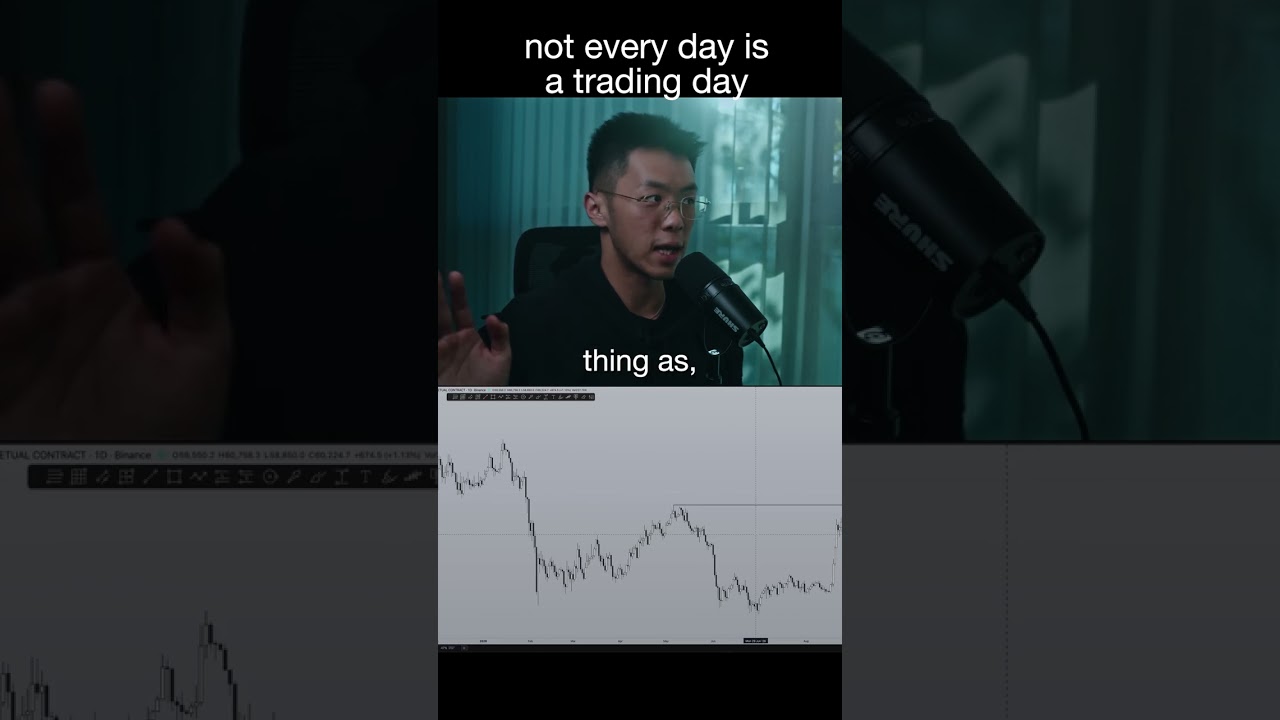
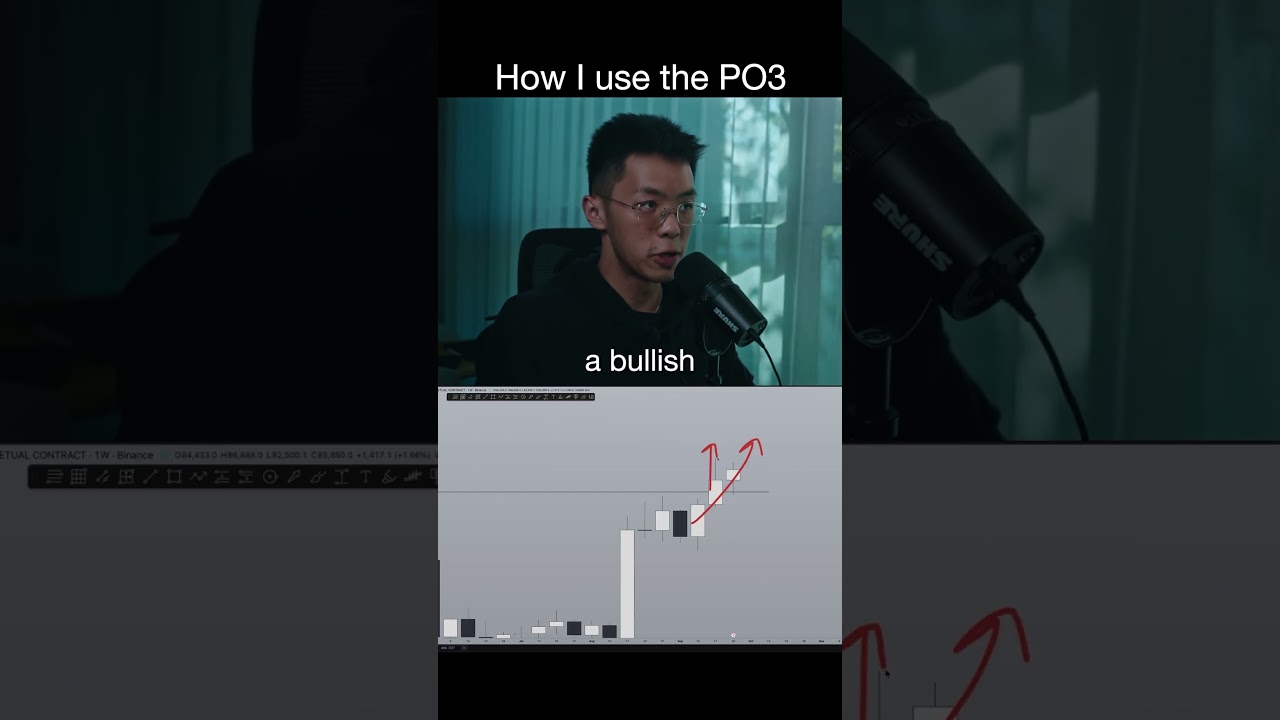
In this instructional segment, the speaker explains that price action is fundamentally driven by liquidity objectives—specifically, the market moves to trigger clustered stop‑loss orders. When price sweeps through a region of prior liquidity, it creates a "strong" or "protected" high (or low). Because the liquidity‑draining objective has been fulfilled, the market has little incentive to revisit that level, making it a reliable reference point for future trades. The speaker contrasts this with trading from "relatively equal" highs and lows, which are prone to being swept out before a move materialises. By entering positions at strong highs or lows—levels formed after a liquidity sweep—traders reduce the risk of premature stop‑loss hits and can better align with the market’s underlying fuel dynamics.
Chapters
it's going to be unlikely that the market returns back to this level. And so that makes it a great place to go short or to go long. So instead of trading from relatively equal highs and lows, you want to trade from strong highs and lows. Like for example, this swing high over here is a swing high that forms after sweeping out prior liquidity. That by definition makes it a strong high. Now the reason that makes it strong, let's tie back to liquidity concepts for a moment. If we understand that the market always moves because of a liquidity objective, like for example, if you go towards the upside, chances are you're looking to stop out people that have Stop losses around here, right? Let's just use that as the kind of theory here. Then once the liquidity objective has been completed, do you think there is as much of a reason for the market to actually revisit this high? Probably not, because the objective is already complete. If anything, there's going to be way more, you know, objectives down below here, right? If everyone's already stopped out above, guess what? There's going to be a lot of fuel left to kind of stop out from below. And that's why strong highs have a tendency to be what is known as protected. Now that's another term for a strong high or low, right? People can sometimes say, oh, this is a protected high or this is a protected low. What they simply refer to is that, okay, this is a high or low that forms after a liquidity, you know, level has been swept out. And so chances are, because if you do get into a short, let's say, on these relative equal levels, there is a very high chance that you actually get swept out before the move happens. How do you prevent that? You go for the strong high or low.