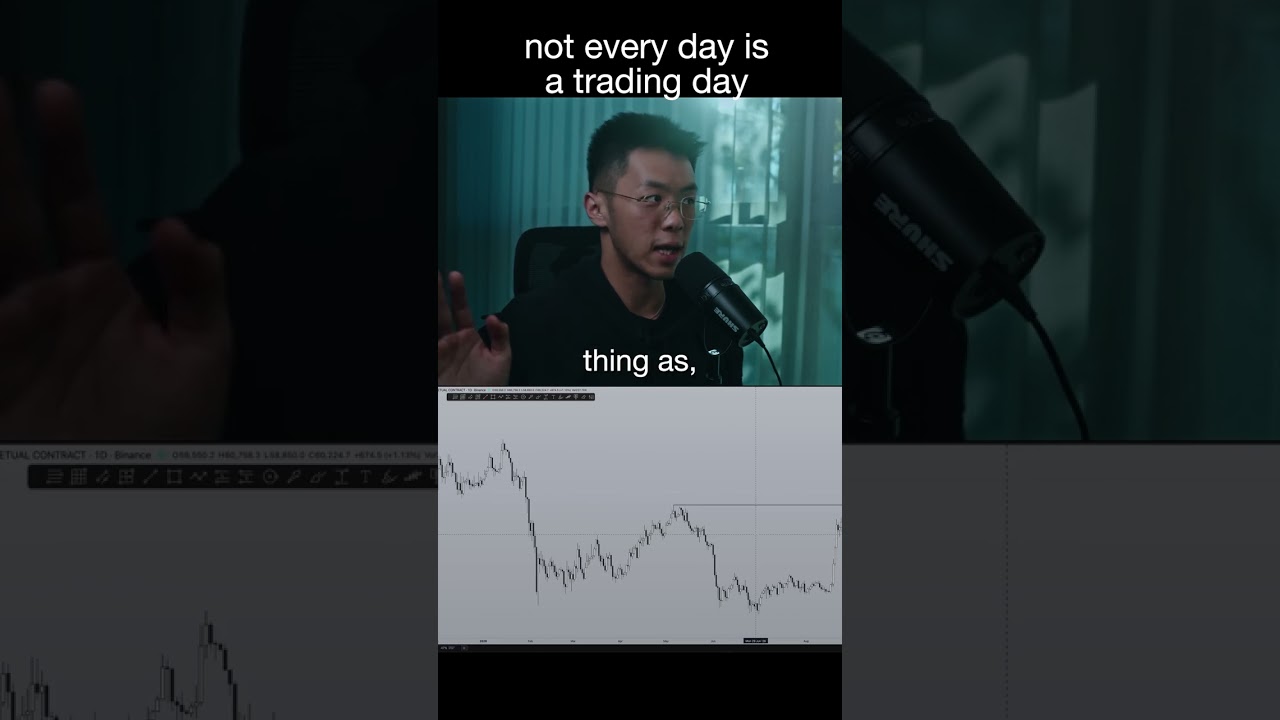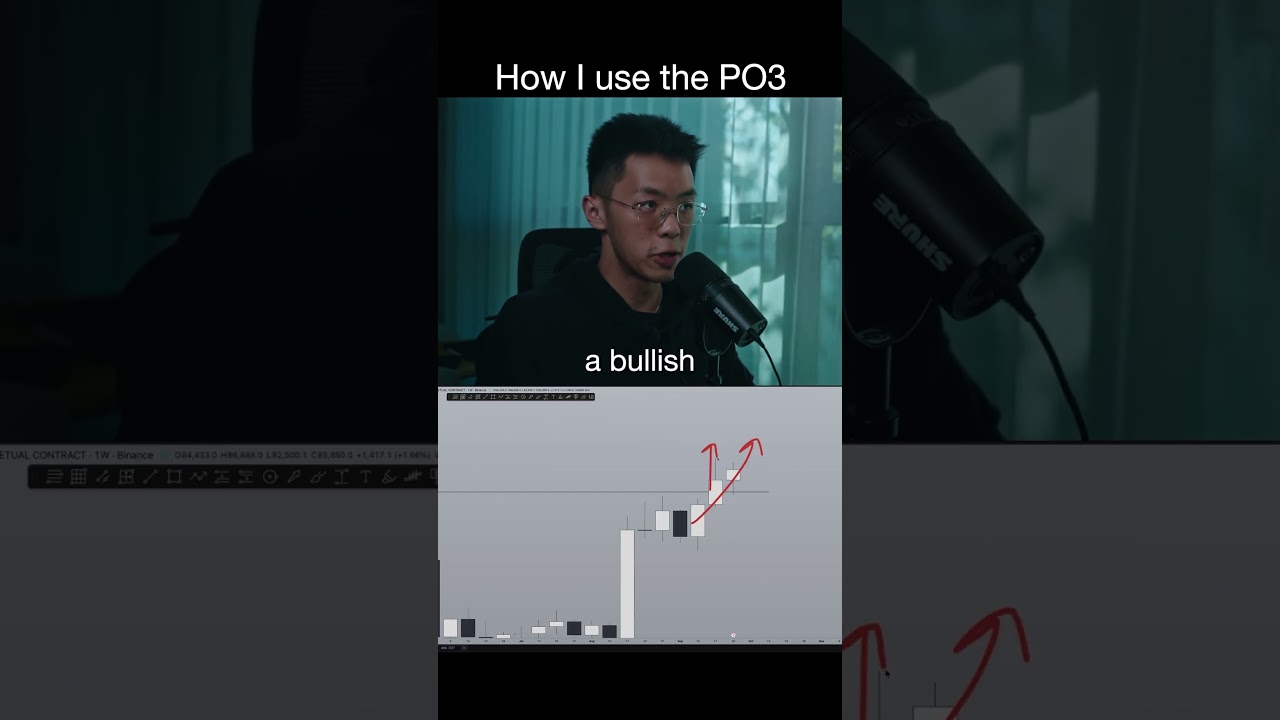

In this segment of the tutorial, the presenter explains why price levels where highs and lows are relatively equal become the strongest liquidity zones. Retail traders tend to focus on these levels, interpreting past rejections as strong support or resistance. When such a level is broken, retail participants often rush to take the opposite side—going long after a resistance break or short after a support break—based on the belief that the move will continue dramatically. The speaker argues that market makers deliberately reverse price after these liquidity zones are taken, selling to panicking retail traders who are now on the wrong side of the trade. This dynamic, according to the presenter, explains why the majority of traders (about 90%) consistently lose, as they end up buying high and selling low while market makers profit from the opposite flow.