How to Really do Outbound Sales, a Discussion with Intacct and Salesloft
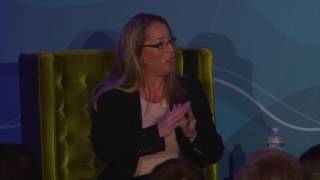
Kyle Porter from SalesLoft and Kathy Lord from Intacct discuss outbound sales strategy with moderator John Barrows. Intacct runs roughly 1,000 working accounts per rep with ACV between $25k and $100k. SalesLoft recommends 125+ touchpoints daily and SDR compensation around $70k, split evenly between base and variable pay.
Questions this video answers
About 1,000 working accounts (running set; replenished as accounts are dispositioned).
Approximately $25,000 to $100,000 (varies by vertical).
Over 125 touchpoints per day (mix of calls, emails, follow-ups).
Approximately $70,000 OTE with a 50/50 base-to-variable split (comp tied to pipeline/qualified appointments).
Chapters
How's everybody doing today? Fantastic. Well, it is actually a packed crowd. This is great. Well, we're going to be talking about outbound sales today and going to start things off with a few questions that are top of mind for me. I've got some unbelievable people here that I've worked with in the past and love to get their insights. But really the goal here is to also fire, like, let you guys ask as many questions as possible. Not like we know everything, but the conversation. The goal is to really to get as many nuggets and tips out there as possible for everybody so that you can walk away with something and do something. And so I'm John Barrows. I do sales training. I train like, Salesforce, LinkedIn, Box, Dropbox. A lot of the companies here in the Bay Area, even though I'm based out of Boston, train them almost all on outbound sales. And so, Kyle, you want to do a quick intro?
Yeah, sure. Hi, everybody. Kyle porter, founder and CEO of SalesLoft. And what we do is we help inside sales organizations and sales teams that are driven by sales development convert more prospects into qualified opportunities. And happy to be here. Thanks, everybody, for coming out. I know you could be upstairs or downstairs or anywhere else, and you chose to be here. We're really honored.
Absolutely. Kathy.
Great. Kathy Lord. I run the direct sales organization for intact cloud accounting ERP vendor, and we actually have leveraged John Barrows on a number of occasions. So I do really believe in the outbound sales organizations. And I think we're gonna have a really exciting topic today in terms of really helping everybody understand how can we best go prosecute getting clients who aren't coming to us and so excited about that.
Cool.
All right, so just a quick gut check on the room real fast here. How many of y' all work for companies under 100 employees? Under 100 employees. All right, good. Between 100 and 1,000, give or take. And 1,000 plus. All right, now, who are individual contributors, like sales reps out there hitting the pavement. All right. Versus managers and leadership in sales. All right, so it's mostly leadership. Fantastic. That'll help kind of drive the questions and everything else of where we want to go with this. So the first question that I thought of in prepping for this is, when do you really start outbound? Right. Because there's a lot of talk about marketing automation, how we get the lead flow, and all that other stuff. And then there's always that inflection point with a lot of businesses where the inbound just doesn't Keep up with the growth of the business with the, you know, with the bigger deal size and all that other stuff. So there's always that inflection point that says, okay, now we gotta go outbound. So the question is, because it's a different muscle, when should you start looking at it as a business, as a small business? I'm gonna kinda throw it over to Kyle and just get his feedback. You know, Kyle, when. If you're a small startup company where maybe you got a cool product, I know it depends on what the product is, but when should you start thinking about outbound prospecting?
I think for most companies it's absolutely immediately. You know, I. Every so often someone will come up to me as CEO or a leader and say they'll brag about how they only have inbound leads. You know, we don't even have to worry about outbound. We just have inbounds. That's all we have. We just have to. And I actually give them a look like their dog just died. And I say, I'm sorry to hear that, because outbound plus inbound is better than inbound alone or outbound alone. And so for most companies, I think the opportunity is to get started right away. Now, outbound might mean different things. And really outbound to me is an attitude. I just spent some time with a company called DigitalOcean who's recently surpassed the $100 million mark in a very short period of time. And they've got a really heavy inbound play. But I knew these guys when they had zero customers. And you better believe they were some of the biggest hustlers I ever knew. They would walk over to someone's desk and say, download this, download this. Go sign up for this. And wherever they went, we just told a story backstage. One of the guys literally did 100 push ups in front of a reporter so that he would get written about, right? Like that's an attitude of like, going out and grabbing customers. I think you always have to have that attitude. And for most companies, you have to put a process in place as soon as possible to start identifying who are the companies you actually want and then going deep to get them. Because inbound's not gonna always bring you those people that you totally, absolutely need to have as customers, whereas outbound allows you to do that. So I think immediately and as soon as you possibly can.
Yeah, I think that's a good point. In the fact inbound. What my experience is at least is inbound drives low people on the totem pole. If you talk about the power line. There's people above the power line and people below it. Inbound drives a lot of downloads of white papers and those type of things. And you can take the seed and grow approach where it's like, okay, I see you've downloaded this, let me talk to you and then build it up. But if you want a bigger deal sizes, if you want to talk to higher level executives, the outbound's a huge piece. So Kathy, talk to us about Intact. I mean you've been there. We were actually talking for a while. You're a little bit of an anomaly. You could give a little bit of background, but couldn't believe when you said you were in seven years.
Nine years.
Nine years. Nine years in the same role, which is. I think that deserves a round of applause by the way.
And we did the math backstage and it's like four times the average tenure of a vpsl. So you're defying the odds.
So you see a lot.
Absolutely. And I'm going to be a little bit contradictory, but yet I agree with you at the same time. So I think it really depends a little bit on the complexity of the product you're selling, the consideration. And are you selling to mid market enterprise or are you selling to SMB and more smaller emerging companies? Because obviously if one, it's hard to actually get the data. So if you're trying to target SMB and emerging companies, I mean procuring a list of accurate information about these companies and getting the contacts is really difficult. And so that was where we spent a lot of our initial stages. So I came on board at about 2 million in revenue and now we're very high double digits in revenue. And it was all about to get that Initial acceleration was truly the inbound marketing. We took the big net and we put it out there and we brought it in. It did take a lot of refinement though. And I think that's the point that you brought up, Kyle, is initially you don't necessarily know who that ideal target is that you're trying to get. And I think it's a lot easier to do that with some outbound efforts. But you also have to balance that with how efficiently can we go get to market. Because I don't think there's a single company in this room that's overfunded that has unlimited access to capital. So how can you best grow your pipeline within the capital envelope that you have now? I'll say one of the mistakes we did make at Intact is because we were so phenomenally successful Building this marketing machine, we sort of got that attitude of, oh, great, you know, the sales reps got fat and happy. They didn't have to do much outbound prospecting. We finally realized, well, wait a minute, this is exactly the point you said, well, it seems like marketing is hitting a plateau in terms of the opportunities and leads they can generate for us. And so we started building an outbound sales development team. And unfortunately, all of our processes and systems, and we're huge investors in technology, were all geared around supporting this inbound marketing funnel. And so for us, it actually ended up being, and we're still living this dream today, a lot of reworking of Salesforce, vincentsales.com, all of the tools we use, we've now had to retrofit to think about how do we go target accounts, how do we go target and do much more spear phishing approach of we want these companies and then not only train the people and get the systems, but sort of change that culture. And so I think it is best to start early, but you need to be thoughtful about how you marry that in with the other parts of the organization.
And that actually brings up an interesting point as far as the technology, like how your. The DNA was inbound.
Right.
And there's such. I want to talk a little bit about the difference between inbound and outbound and the skill sets necessary as a sales rep. But I want to talk about real quick first, for the people out here in smaller companies getting things going, how do you, what do you suggest? I'm going back to Kathy here. What do you suggest they do to start so that they don't hit that roadblock and have to reverse engineer and go forward? Is there, are there some things to look for early to segment out inbound versus outbound, but also make sure that you're prepared so when that inflection point hits, you're good.
Well, I think it comes back to really early on having an understanding of who is our ideal profile of customer, what are their sizes, what are the water coolers they're hanging out at and say, okay, we're going to segment these types of accounts we think we can get to with an inbound marketing approach. You know, maybe the top 50% or top 30%. We're going to start from day one of this mindset of the one plus one equals three by having inbound, having outbound, and really being thoughtful about how those two work together. So that as you're building out your systems, you're building out your processes, you're Contemplating that. And just as a good example for us, people only buy one accounting system. So we have one shot to sell a company and frankly, people don't want to do that any more often than they have to. And so, you know, for us it's a matter of getting the name out there and when the timing's right, making sure they call us. Well, if you're in a selling a solution where you can sell to multiple departments or it's less considered, you could start doing some very targeted outbound early on where you're actually driving incremental revenue a lot faster because, you know, they have a higher propensity to buy.
Well, there's a wide range of inbound, right? Like you could have somebody that comes up, signs up for the free product and sees the upgrade and wants to swipe their credit card like that was inbound. And you can have someone that signs up for the blog, right? And there's a broad range between those two roles. And so one of the things I love to say is for a lot of companies and a lot of funnels, there's an opportunity to outbound the inbounds, right? You've got an inbound person that came in, signed up for a white paper, but you still have to call, email, go on social. You have to apply all these touch points in order to connect with that person so that you can understand their objectives and see if there's an opportunity there. And, and then the other piece is, is that a lot of times there's a guy named Craig Rosenberg writes a great blog called the Funnelholic and one of his posts is call High and Wide Young Jedi. And the whole idea there is, it's something that Mark Robert at HubSpot does as well. It's that you might get an inbound from the junior line level individual who wants to check out whatever you're doing. But that's an awesome opportunity for you to start calling upstream and moving into the director or VP level. And so it's kind of outboundish, but.
The lead started inbound actually and that marries up. You're seeing a lot where lead scoring is great, right? Where hey, they went on the, they did these five things. But that could be a terrible account. Like I'm a one man show. I'm Jay Barrows, it's me. If I go on your website and download some white papers and you are literally wasting your time reaching out, having one of your reps call me, it just is not because the profile of my company is not a good one for You. But if you marry up the activity with the profile of the company, then that's. I totally agree. Where you can kind of set some of those aside. Yeah. Go after them and say, hey, what's up? You know, I saw you download the white paper, by the way. Just small nugget here. Please stop sending the. I saw you download the white paper. I'd like to talk to you about some of your 2016 initiatives and how we can help you achieve your goals. Please just stop sending that email out. Everybody laughs because it's painfully true. Every single person in this company in this building has that stupid email. Just stop it. We'll talk about other things to replace it with. But anyways, like, you know, if you marry those two up now, you can almost treat those graduate, the inbounds to outbounds, where all of a sudden you have an inbound rep. And this is. Is what I want to talk about now specifically, Kyle, is what's that muscle? It's a different muscle, right. To pick up, follow up with somebody and say, hey, I saw you downloaded this. Let's talk versus I'm calling into somebody that doesn't even know who we are. So, Kyle, I know you know, startup hustler, when you started, you know, you did your thing. I mean, I saw you doing push ups all over the place getting business. But when you started hiring reps, Salesloft was one of those. You could download it. I mean, I referred a ton of people. So you download it and all of a sudden a bunch of people using it. Where did you segment out the inbound versus outbound? Did you have both reps doing both or was it a graduation? What was it?
Yeah. So the first sales development rep we ever hired, a guy named Shawn Kester, he came in and would field the inbounds and was also running outbound. He was reaching out to people outbound. We eventually split those into two. What we found over time was that the biggest difference is the timing. With inbound, you have to be quick, you have to respond, and. And you have to go deep as fast as you can. And outbound is a little bit more processitized. You know, you're able to kind of set the stage for what you want to do. So that's a big one we see right now. The other day I saw two of my inbound sales development reps playing ping pong and their manager reached out and he goes, hey guys, five leads just came in and they ran off the ping pong table. But the leads didn't come in. He was just getting off the ping pong table. But it kind of underscores his idea that you've got to be on the ball and there's no like resting in inbound. Well, that you got to have coverage.
A follow up question on that. You know, a lot of reps asked me a lot of question about time management like John, how do I if I'm an inbound rep and I'm being asked to do both? Everybody knows that. We've all seen the statistics. But you know, if you wait 5 minutes to respond to an inbound, all of a sudden the response rates drop by however many ridiculous percentages.
There's a vendor who helps you respond quickly that got that study done.
But the. But, but say what do you do right? Like how do you manage your time if you, if you have to deal with both, how do you segment out to do some outbound while maintaining the ability to respond to the inbounds as quickly as possible? Suggestions?
We didn't do it well. We ended up splitting it out. It started that way, but it was quick to where, okay, inbound and outbound and they became totally different functions. And today inbound sales development reports to marketing at sales loft and outbound sales development reports to sales at salesloft. And so they're two different functions for us.
Yeah, and we had a similar situation, only they both roll up to the sales organization. But we tried to expect the inbound team to do outbound and funny enough, they just never seemed to have time even if their leads were fully followed up with. And frankly, it's a different skill set. So one of the things we've done is there's nothing better than growing your own people. So we actually have three roles in sales development of sales associate, which is they're building lists, they're doing white spacing, those kinds of activities. So they learn the systems, they learn the processes, they, they're hearing the people on the phone all day. And then we get young, fresh people in for inbound and that's their training ground because there's no better training than having thousands of conversations every month. And so you're going to have way more conversations with inbound than you are with outbound. And then we transition them into outbound. But as part of that transition or growth plan, we actually have them do outbound efforts to some of the inbound leads too. And so we found that that's, it's a little more comfortable, it's a little warmer, it starts to build that muscle memory so that as they transition into a pure outbound role, they're much more successful.
I was going to ask what do you look for? Because I actually think the inbound role is going to evolve drastically over the next few years. Here I wrote a post about how I think the death of the average sales rep and all this automation is coming into play. I actually think the inbound is going to have to elevate their game quite a bit because if anybody's read the challenger sale talks about, by the time somebody comes to us, they're already 60 to 70% of the way through the sales process, that type of thing. So if you're sitting there as an inbound rep, some 21 year old kid out of college and you're getting an inbound and the person's like, hey, I want to talk to you. I'm already educated 70% of the way through, I want to talk to you. But if you get some kid who doesn't know what they're talking about and says, oh well, you know, and ask their crappy bant questions or whatever, then you know, you're going to get frustrated. It's kind of like anybody ever called into Comcast or Verizon and gotten that frontline person and you're just like, just put me in touch with a manager I like. I've already rebooted the router. I already have gone through these ridiculous steps. Let me talk to somebody who actually knows what they're talking about. So I actually think that inbound is going to elevate pretty significantly. Whereas the outbound, I still think that you can have that kind of younger, brand new into sales, get your teeth cut. So what do you look for in the difference between skill sets or when an inbound rep is ready to be outbound? I know it's like, okay, a year and inbound, okay, now you're ready. But what are you really looking for for that outbound that's going to shine?
So for us, one of the things we look for and we look for these traits when we first bring somebody into the organization and the same traits for frankly that we look for in our sales personnel. So are they business savvy? Can they have a good professional conversation? And it's really frightening how much you find that a lot of folks coming out of college today are not used to having those conversations. They're used to texting, they're used to tweeting, they're doing everything online. But verbal professional conversations are definitely not the top of their skill set. So we look for folks who have invested in that. That are very articulate in writing and, and verbally very coachable. So if somebody is really coachable, we have great training and we can put them through. And it's amazing how quickly they bloom. And then somebody who's highly disciplined, are they self motivated, are they self starter, have they shown initiative? If they have those three traits, we find that we can make them highly successful and the sort of transition from inbound to outbound and because of the speed at which you have to get back to inbound and you know, we find that once they start to be able to define amongst the different flavors of prospects we have sort of, and this is, you know, taking your sort of why you, why now? But when they can start to understand that and craft that, when they're having a conversation with an inbound rep to understand how to pitch that back, we start to then think they're ready to go to outbound. Because with outbound, it's all about going in with a specific message for that prospect, understanding what that means and why they should actually do something with us now. And until they understand enough about the business, the process and how to have an executive level conversation, it's really hard to start now craft that individually for everybody that you're calling.
Yeah, I couldn't agree more. You got some insight on that one?
Yeah.
One of the things we did, we recognized that inbound is. It's a really critical and important role and sometimes even more so, you know, that one moment of inbound might be more important than a moment of outbound. And so what we did is we had our second ever sales development rep who did 18 months in outbound sales development. And he was right on the precipice of promotion to an ae. And we came to him, we said, hey, we've got big goals, a lot of them around inbound. Here are the numbers, here's our expectations. Can you take over as a lead in this team? Three junior folks plus him. And so now when an important, you know, a well lead scored inbound comes in, he's going to be the one that leads that effort and then the other team sitting in the room with him as he does it and learning from him and growing with him. And so I think that's been helpful to us. And, and then we have a lot of similar, you know, traits we're looking for in sales development just in general. And I think one of the big ones is I love someone who's come from a hard, challenging sales environment, whether they were selling magazines door to door or they're selling knives door to door. The Cutco knife, that was me. They're like, I mean, fantastic. Some of my favorite salespeople in the world came from selling Cutco knives. And then I also absolutely love folks who came from the technical recruiting industry. So our top outbound sales development rep, Angela is here today and she was recruited out of a recruiting company. And they have to go into these environments where they're on the phone all day long and people are like hanging up on them, telling them, you suck and I don't want to talk to recruiters. And they have to battle these hurdles of getting respected. And I think it teaches them a lot of amazing skills. And, and the recruiting industry is a tough one. It's not a super scalable industry. It's oftentimes it's real easy to start up a recruiting business. So you find folks that are really talented but aren't in big growth environments. And if you can get them out of those environments, put them in fast growth software companies is a really big opportunity.
Yeah. Just to reinforce that. My top sales rep right now, we hired as a sales development rep from a technical recruiting agency. She moved up through the ranks and is now our top rep. That's awesome. I mean it proves that's a good, good profile.
And on the, for our outbound team, the top couple reps are all female for us. There's any correlation there, but I love it.
Actually, there's. There's just popped into my head. You know who I think would be great for outbound selling right now is people who are selling the political campaigns, like doing the polls. Because I mean, talk about taking a beating. I don't care what your political affiliation is. Like those kids who are calling up and saying, hey, who are you going to vote for? Who you go? And then all of a sudden their candidate goes away. Like those are prime leads for people to go higher because talk about taking a beating. All right, so the one I'm asking one more question, then open it up for everybody else. So if you got some stuff, I would love to hear from it. But the one that's kind of top of my mind right now, and it's specifically related to outbound, is the whole marketing automations versus sales automation and how to turn sales reps into effective outbound without turning them into robots. And I don't want to. Kyle and I were actually having this conversation last night. I got approached by somebody. I'm not gonna say who it was, but they said, john, what are your thoughts between marketing automation Versus sales automation. I go, well marketing automation is marketing automation. It's like, yeah, you automate it. You kind of lead score all that stuff. Sales automation to me is an oxymoron. Like sales automation to me is marketing automation. So if you're gonna automate your sales reps, this is why I say stop when I say that white paper email, stop having your reps send that white paper email. Have marketing send that white paper email all day long. But stop having a rep sitting there push send every time somebody downloads a white paper and template it out. Because to me, Gary Vaynerchuk is one of my favorite guys that I'm following these days from a marketing standpoint.
Total crack.
But I love him. What he talks about is content is king. Everybody talks about content being king, right? What he says though is context is God. And that really struck me because to me that's sales versus marketing, right? Marketing is content where sales should be, at least context. So help me. I mean I'm gonna Kyle, start with you because I mean your tool to a certain degree is a dangerous tool. And I'm not promoting anything here. But one of the things is a lot of these sales automation tools, you take Marketos and the Pardot's and a lot of them have trouble when they bring something like a sales loft in. Cause like no, no, no, marketo does that. Right, Pardot does that. But no, that's turning your sales reps into mini marketers. So then they invest in something like Salesloft or yes, we're toutapp, whatever, pick one and the sales reps use them. Well, picks Kyle's, but the sales reps use them but then automate, they all of a sudden use them to just blast out template emails, stick them into a cadence without any thought process. So there's a fine line here between sales automation and efficiency versus sales automation. So help me understand how you strike that balance.
Yeah, everybody's trying to solve the scale verse personalization equation and I'll actually, I got a quick shameless self promotion you mentioned Gary Vaynerchuk. If anybody is in MARCH In Atlanta, 7th, 8th and 9th, we're going to have our conference which is predicated on personalized outreach and personalized sales. But Gary Vaynerchuk is going to be keynote speaker so we'd love to have you out there. I think what you're saying is a big, big deal. I went to New York two weeks ago and spoke at this event called Building the Sales Machine and I had an opportunity to spend a ton of time with some amazing sales development leaders. And what I heard from these guys and gals was that when they started their business, they started by doing a lot of these automation tactics, these big emails that went out. They didn't know exactly who their prospects were going to be. They kind of blanketed the universe. And what happened was they got a bunch of appointments, Not a large percentage of appointments, but they got a couple of appointments, right? And then they ended up closing some of these businesses, they ended up generating some revenue and they kept trying to do it. And what they realized was at the very, very, very early beginning, when their opportunities were very green field, some of this automation stuff worked. But then what happened is they started honing in on who's my actual customer, which businesses do I want to go deep with and acquire as companies? And they realized those tactics just didn't work anymore. What they did is it was like they took a gasoline bucket and just put it out all over the market and threw a match in it and just lit the forest on fire. So automation can really hurt you when you start to scale as a business. And so my belief is that the best way to go about an outbound sales development process is to pick the logos that you want to be your customers. Now, it might be 50, might be 100, might be 1000. Divide those amongst your sales development team and have them set a process for personalized connection with those folks. Because what you want to do is you want to communicate, you want to connect. And connect means really connect, like human connect. I understand you, I'm connected to you, I understand your problems. Connect with them, then qualify them, then move them along. And you do that through personalized communications. Now, it doesn't have to be like you research for an hour and write a 30 minute long email to them, but you've got to show them that you care, that you're paying attention, that you are like them and that you're there to help. And if you are able to solve their problems, that's what this thing's all about. And so the right types of emails, the right types of phone calls, and the right type of social touch points, but doing them at scale with process, with tools that help you accelerate those connections. There's an analogy that I like to use and it's based on Terminator versus Iron man, right? Terminator is just, he's a robot, he's just turned on.
Go, go, go, go, go, go, go.
No thought like, you know, programmatically trying to achieve this thing, Whereas Iron man is a human with emotion. And intelligence and connections and all these ideas. But then he puts on the suit, right? He hooks into Jarvis and everything's accelerated. And so the sales people of the future, the modern sales professional is the iron man or iron woman of sales. And they're using all their human skills and then adding to that all these technologies to help them do better.
Kathy, from your perspective as a vp, what do you and same type of thing, but I'd love to hear perspective on what do you tell the rep out there that their VP and I'd like to understand what you're doing, but when their VP's telling them you have to do 100 activities a day and we're saying, hey, but you gotta be personalized, right? And the rep saying, time management, how. So that's why I'm blasting out my hundred emails. What do you say to that and how do you see the difference between the two?
So a couple of different things and you're going to think I may be schizophrenic when I say this, but it really depends on the type of business and the type of sale that you're doing. So I've been at other companies where it was all about, you know, you could get them in the hook and in the sales cycle in one or two conversations because frankly it was so compelling, it wasn't a big, huge considered purchase and they could implement it fairly quickly that in those scenarios it was, you know, you have fewer conversations and fewer dials, but you're having very meaningful. So that was all about how much effort you put into that target list because you wanted to really have those personalized because you could, with the right one call or two calls, get them into the funnel conversely, and just to use, I think intact as an example. So for considered complex applications, which there's more and more of those, especially in the SaaS world now as the market's evolving for us, we have to have a minimum of sort of 1,000 working accounts for an outbound rep because for us it's all about timing. So people replace the solution every seven to 10 years. And so we have to have enough working folks that enough of them are going to be at that conversion point or new companies coming up. And so I think you have to sort of look at your market, look at the landscape and the buyer's profile to understand what that right mix is. Now, regardless of what you set it at, the outbound reps are going to say, there's no way I can hit that. I don't have enough time. And so what we've really invested in and what I, you know, it's great, there's all these technologies now is how do you automate those low value preparation tasks so that they can spend all of their time on the human aspect of it to take and bridge that gap between us and that prospect without having to, you know, do Excel spreadsheets or manual searches on the web and trying to find trigger events and stuff. And so there's so much great automation you can do behind the scenes that puts that person on the stage much more prepared to have a, a live human to human conversation.
It's like, it's like your golf caddy, he, you know, he'll drive you up to the tee and hand you the club and say, you know, there's the, you know, there's the bunker. You want to go to the right, it's a dog, like left, right, like ball on the tee. Now you swing the club right, you as a salesperson, you get out and connect with those people and you use the creativity. And if you're, and if you're eliminating a lot of that, you know, kind of wrote process stuff, then you can do it more and more and more. I'd like to talk about metrics a little bit. I was at a customer site and I looked on their big screen TV and I saw that they had a metric that they were monitoring the success of their sales team on. And it was email sent. And I was like, dude, you can't be doing that. You can't be applauding your team for the number of emails they sent. It just doesn't work. Now if you were measuring whether they were personalized or not, that might be an angle you can take. But what we believe and what I've seen and what the best sales leaders have taught me is that the old school world of sales, the post opportunity sales that we grew up with, spin selling, they had three things that really mattered, the concept of an opportunity. And they still do, by the way. The sales cycle and the hit rate, the win rate of those opportunities to close. And what's happened now, top of the funnel. Selling has three very similar metrics that matter for the professionalization of this new sales development world. And it's where the sales people have opportunities. Sales development people have logos, right? They're not, they haven't even talked to them yet, but they know they're the right logos and where they have. Opportunity stage has sales cycle. SDRs have SDR cycle. How long does it take to go from uncontacted company to qualified appointment. And then the other one is the percentage. You put 1,000 logos in, how many qualified opportunities come out? The bottom one. And that's one of the biggest metrics in the world. Because if you had a rep, a who says, I'm gonna reach out to 200 accounts and convert 30, that's wildly different than someone reaching out to 2,000 accounts and converting 30. And so that's what we try to, that's what we've seen.
And it's also a dangerous thing for all of you out there thinking that blasting out emails just to kind of get some groundswell, you know, if you look at those two numbers, say you send out 1000 emails or 1000 straight up cold calls, and you get five meetings ver 100 and you get five meetings. Those five from the hundred are a thousand times more valuable than the five from the thousand. And for multiple reasons, usually they're higher qualified. But the other is by getting five meetings out of a thousand, even though you got the same thing here, you probably pissed off 995 people that when you try to go back at them, they're gonna be like, yeah, take me off your list, you psycho. All right, so I really, really recommend tearing out your accounts, getting the logos, treating them separately than the tier twos and the tier threes. And maybe if you want to automate a lot of that stuff. And the last point I'll make this on this before we open it up for questions is really, you know, a recommendation for everybody here. Split test everything you do, Literally split test everything you do. If you're gonna, if you have a thousand people and you are gonna play a volume game, don't just send one email out to all thousand of them. Send 100, you know, 200, 200, 200, 200 and split test to see what works. Same thing with cold calling. You know, really hone in on a Persona or something like that and come up with a message that you think is that Persona is worthwhile and then call in a hundred times with your group to see if that message resonates. Marketing does it better than anybody else. I mean, marketing is split test everything, right? It's the science of everything. Sales has got to catch up on that or else we're gonna get replaced by marketing. So, any comments?
Yeah, absolutely. You know, I sit in our outbound sales development room. That's where I that's my office. And there's 16 outbound sales development reps all day long making calls and sending emails. And while I'm sitting there I'm always like, man, I would have done this. I would have said that I would have done this. And one day I woke up, I was in the shower, and I thought, oh, this is totally my cold call opening. This one's totally my cold call opening. I went in the office and I said, hey, team, listen up. I got these ideas. We should say this when we open a cold call. And they're like, that's pretty cool. And the other one's like, oh, that's pretty cool. So they start trying it that day, and I'm hearing some success, but it's all anecdotal. And so we go, okay, we've got to figure this thing out. Because I know sales managers that will walk in the room and say, you absolutely have to ask for permission to continue a call. And then the other sales manager comes in and goes, you never ask for permission to continue a call. And they're both absolutely 100% right. Right. And it's their opinion. So we went in and we decided to design. We went into Salesforce task fields and created a field called call opening drop down, box one, two, three different types of openings. And four was a custom opening. And then we loaded that in our sales phone calling tool. And when they launched those calls, as they're ringing, they just click call one or call two or call three. And now a thousand calls later, we can say which one was most successful. And so we went from this opinionated approach to scientific proof that call opening two was more effective than three or four. Not just to get them into a discussion to, but to set up the appointment that produced the most pipeline, that closed the most business. And so that was really cool to kind of see that in this example of split testing.
Love it. How do you help your team figure things out?
Yeah. So one of the things that's been really helpful for us, and I think this is partly how we utilize some technology automation, while keeping it very personalized. And so similar to how Marketo or whatever is used for marketing automation, we have a sort of sales app that lets us track, you know, with cadence and measure, you know, for these emails, were they which ones were opened more frequently, which ones didn't get open. And then so we can help tweak the cadence that they're going through with the messages now. We provide them within that. Here's some core templates. That's like 50% of the content. And then the other 50% is the why that prospect, why them now with a personalized style. But it still helps us know Is it better to talk about the risks of not doing something early in the sales cycle, or is that better later in the sales cycle? So the key thematics and the order in which we need to present those to the prospect, we're able to gauge kind of what that cadence is. And so we're starting to. We've just started this the past few months and really seeing success. And it's helpful for the reps, and it makes them feel good about what they're doing.
I always say if you make 50 dials in a day and you get no meetings, that's a miserable day. Any rep will tell you that's an absolute miserable day. But if you make $25 with this approach and $25 with this approach, and you still get no meetings, that's actually not a bad day, because you just figured out two approaches that don't work right. Tomorrow you come in and try a couple new ones. If you want an SDR role and you guys can back me up on this, it's a brutal role. Brutal role. All right. I mean, after about six months of wailing your head up against the phone, like, making your ears bleed and sending out emails, you're sitting there going, how in the. Like, how much longer do I next roll type? So you gotta make it interesting, and split testing can make it interesting. And if you do it as a group, too, by the way, individual reps should do this, but as a group, you can figure out things so much faster. I'll come to your real first question.
And I was just gonna say one final comment on that. And this is one of the things that we've seen, is that if you have reps who are targeting companies outbound, you have to remind them that it's not going to be the same quick cycle that it is for Inbound. Because if you believe that the buyer's doing anywhere from 50 to 80% of their research before they're willing to have a live conversation, that's not going to change magically with Outbound. And so one of the things we had to reset was just expectations of thinking about. It's not just a matter of live conversations, but measuring what is that engagement. So have I been able to increase the engagement level of this prospective company with mine, and then that starts to build that sales funnel, if you will, at the very top before it's even an opportunity. And so tracking that engagement level, I think is really important, whether it's an SDR or sales rep doing that outbound prospecting.
And I do want to Add one thing just on the sales side, on the phone side, I think for first time founders, for technical founders, the phone. For first time people in sales, the phone can be the scariest thing in the entire world, right? Like getting on the phone to actually try to reach out and you're going to get rejected so many times. But I sat on a panel with LinkedIn and Salesforce and Aaron Ross and the question was asked, what's the Sales app of 2016? And unanimous unanimously, everybody said phone. And at Salesloft, we'll do about 250 outbound sales qualified appointments per month. And it's literally 50% of those come from very first meaningful interaction over the phone. And the reason is that it's a synchronous communication. Email is asynchronous. I email you, you might get back later, you might. It's a back and forth thing. With phone, you have the person on the phone, you're able to connect really personally on the spot.
Right.
And the one thing that I would add, just as a tip, is that when your reps are making calls, have them record the sentiment and disposition outcome of the call. Because what you can do is at the end of the month, you can lay out all your reps across a bar chart and see, oh, Angela and Tim made the same amount of calls, but it looks like Tim has like wildly more that are bad numbers. Let's dive in and see why that's the case. Or Angela gets stopped at gatekeepers all the time. She actually doesn't. Angela, if you're out there, I know you crush gatekeepers, but Angela's crushing gatekeepers more than anyone else. What is she doing? Let's dive in and see and let's listen to the calls and see what's making her different. And so when you record disposition and sentiment, you can go very narrow on the coaching for each individual rep on the thing they're actually struggling with and.
Have them do it in groups. By the way, these open office environments are fantastic for collaboration, but with you marry up the millennial non phone like afraid of it. And then even if a kid wants to get on the phone, they pick up the phone. And if nobody else is on the phone, it feels like they're the only person in the office and everybody else is listening to every single word that they say. So I like power hours. Do a power hour where marketing comes in, says, this is, this is the Persona we're going after. This is what they look like, here's what they care about, here's a message Here's a case study that we can use to do that and maybe some questions specific to that role. Now, everybody, for an hour, hammer the phones and say the same thing. We show CIOs in the healthcare industry how to drive these type of results. Rinse, repeat, rinse, repeat, rinse, repeat. And then measure to see in that hour, if you got 10 people making calls, 10 to 15 calls, that's 150 to 200 data points right there that you can look at and say that worked or that didn't work.
And when they fall flat on their face, give them a round of applause. Yeah, celebrate it.
I used to have an award for the biggest training train wreck. Like whoever had the biggest train wreck got the ward and they got a, like a medal around their neck. And then whoever got the most meetings. Right. Because I love train wrecks. And that's why I would get on the phone, too. All right, let's open up for questions. We got about 20, 15, 20 minutes left. Let's start over here. And then, and then we'll get over here.
What's up, man?
That would be even better. Now you can actually hear me. There you go. So I'd love to know how you. And get as specific as you can, how you think about the number of accounts that SCRs should have based on the total number of addressable firms and acv. There you go. I can give you specific data points, but I'd love your, you know, your thoughts. Perfect. Kathy, I'm going to defer to you because you're in this world a lot more than me as far as segmenting that out.
Yes. And so I think it really depends on how quickly you believe that you can cycle through those accounts in terms of dispositioning them out. Are they a potential customer now? Are they a potential customer, but just not now, or are they never a potential customer? And so, you know, understanding how quickly that cycle is and how quickly you can get to that disposition, I think helps you determine how many accounts you can have. So, you know, there's, you know, some great calculators out there where you say, you know, if I'm prosecuting a six step sequence or cadence, and I'm going to call them that, you know, every three days for the first week and then I'm calling them every five days. So we'll be whatever you decide that cadence is, you can quickly calculate how many incremental accounts you can put into that. And so it's just kind of creating a waterfall metric of those components there. And I think it's really important to do that for outbound so that you know how quickly they can be funneling new accounts in. Because like for us, list building is the hardest thing. So how do we find the right companies and find those right contacts? Because we not targeting the Fortune 5000, we're targeting SMB and it's hard to find those companies, especially when you go outside of technology. So we've got to be having the sales associates in the background building out those accounts so that we make sure we've got them in Salesforce, they're ready to go, and they can be feeding into their funnel so they have that right set of accounts. I know I'm not directly answering your question, but it really depends.
Could you talk about with your specific business, how many leads the SDRs have and ACV?
Yeah. So from an outbound perspective, we try to keep them with a thousand accounts in the system and that may mean per rep. Some of them are because they're a year out, some of them are immediate. But we know if they have a working set of that at the very top of the funnel, they've got a thousand accounts and then they can take them through each of those stages. And our ACV is anywhere from 25 to 100k, depending on what vertical it's in and a very considered purchase. So there's a lot of dialogue that happens with these folks.
Does that 1000 last the entire year or does it last six months, or is it indefinite until you close?
It's kind of like a running set. So as you disposition some out, you need to refeed some more in. And that's where it's having that calculator of knowing that you're going to get through these accounts in a certain period of time. And so having that view, which by the way is not easy because most systems will look at stuff at the contact level, not the account level. So you need to just make sure that you're looking from an account perspective or a company perspective that they have enough working set at any given point in time. Whether you decide that's 1000 or 500, make sure they have that. They're continually feeding new companies into that as one's dispositionality, either because you win them or you figure out they're not a good fit.
Yeah, we have something very similar. We want to see our Reps make over 125 touch points per day. And so that might be new contacts, might be following up old contacts. And we have two groupings of sales development. One is upstream and one is Downstream, the upstream team has obviously a smaller set of logos. So 50 logos that they're working. And when one of those logos pushes off and says, call me back in six to nine months, they go off and a new one comes on. When one of those logos gets a qualified appointment schedule, they go off and a new one comes on. Right. And so what you need to do is you need to figure out mathematically how many touch points do you want to apply. How many touch points does it take to convert a prospect into a qualified opportunity over how many days? And then how many touch points can you expect your reps to be executing on and then you'll be able to fill in how many logos they can cover within a given month.
Yeah.
By the way, that's on that note. Going back to split testing, don't listen to the studies out there about how many it takes 5 touches, 10 touches, 20 touches. It is 100% dependent, dependent on who your market is and who you're selling to. So I mean those studies are a good baseline to get an understanding. Let's put it this way, it's more than one. So make sure you have a contact strategy, but something you can split test is take a group of accounts, put, you know, five touches in 30 days or something like that, take another group of accounts, do 20 touches in 30 days or something like that and you'll figure it out for your business. Don't listen to the stats. I'm going to come over here and then I'll come over to you. There was somebody over here that had a quick question.
Could you guys give a little bit of information about a typical cadence that your SDRS run right now in terms of number of touches, mix between email and phone time in between each one.
And can you also talk a little.
Bit about targeting more than one person in an account at a time?
Well, I'm going to actually hand that one to Kyle because you have a very specific, you know exactly what your contact strategy is. So why don't you. And also help everybody understand again, who is your target market for Salesloft. So that gives some context to it.
Yeah, so we sell to software technology and tech enabled businesses between 10 reps and 100 reps, sometimes over. It's really good when it's over. But what we do is we have the split between upstream and downstream and upstream is going to be the anything above 30 or so reps and then downstream is going to be below that. The strategies are a little bit different with the two for upstream more personalized. It's deeper within an organization. So multiple people within the organization. It's a lot of phone calls and it's breaks between weeks. So it'll be like phone call, email, phone call and then it'll be a break and then phone call, email, phone call and then a break. Because it's not like always hitting them up. You know, we want to kind of give them some breathing room. And then with the traditional sales development team, they're working a standard seven by seven process. So it's seven phone calls and emails over a period of seven days. And then they kind of recycle that with some additional touch points afterwards. But one thing that they've added in is a social touch point. So we're running analysis on which of the prospects are on Twitter and doing a follow, doing a favorite, sometimes doing a reply. Very not overburdensome, but those are kind of some of the things. But it's tweaked all the time. I have a sales development leader that reports directly to me. Another thing we do that's actually different than a lot of companies is sales development. The director of sales development reports directly to me. Doesn't report to our VP of sales. Our VP of sales handles all our account executive efforts and everything post opportunity. But I give her full autonomy to run any steps and process that she wants. She's great and open and available to call or conversation if anyone wants to meet with her.
Love it. Did you guys have a specific cadence that you figured out?
We absolutely do. And we kind of did a little bit of a B testing on it. But what we've determined so we, we score all of our leads, whether they're inbound or outbound, based on company fit. So we do behavior scores and we do fit scores. So you know, maybe we have like A's and B's are the best. And we have a bunch of A and B leads come in. But you know, they're really not engaged with us. So on a scale of one to four, four being bad, they're like fours. We said we know they're the right company, they're just not, you know, don't have an active project, they're not thinking about us. And so for the A and B leads, we actually have a 12 step cadence that we follow up with. Everything always starts with a phone call and most of them are multi touch. So we'll call. If we don't get them live, we'll leave a message and then we'll send a follow up email. So we're trying to hit Them from multiple points there. And then one of the other things we do, and this is, I think, really interesting as you start to think about, you know, we don't just hit one title. So even with inbound leads, we're going to go, if we get the controller in, we're going to get the CFO and the CEO and we're going to reach out to them too. And so that's a little bit of the outbound efforts. On the inbound leads, we do the same thing, like one of the new campaigns we just started and this has been proven really effective. A short tenure but high effective rate. So far. For our account execs who are doing outbound, they're doing a much smaller number. So they may pick a customer and they'll go to LinkedIn and say, give me five customers or companies like this one. So, so a very targeted campaign. And they're actually including InMails in with that. So LinkedIn, InMail. So they'll do a phone call, an email, CEO, we always go through LinkedIn and we're finding with different titles we can actually social media sometimes is easier to get to them because their admin is probably not monitoring their LinkedIn account. They're doing that directly. And so combining the phone, the email, social interactions, and even in some cases, you know, following them on Twitter and doing things like that has really proven effective, especially at the CxO level.
Yeah. Actually my quick analogy on that one is if anybody's ever seen the movie Focus with Will Smith, you haven't seen it. I highly recommend it. He goes, and this guy, he kind of scams this guy and he bets him double down on all this other stuff and loses a million dollars. And then the guy's like, will goes one more bet and it's like, pick a number on the field, I'll guess, right? And the guy's like, yeah, mind, okay, fine. He picks the number, number and Will guesses it, right? Well, the thing is, is he set this guy up as soon as he landed in New Orleans for the super bowl, everywhere he saw was 55. So the license plate was 55. The chandeliers were 55, the room and the guy stayed in was 55. So by the time the guy took the binoculars and looked down on the field, he saw 55. That was the, that was the person he wanted. He was like, that's the number, right? And so for, for me, it's people ask, is it InMail, is it email, Is it phone, Is it social media? It's all of it, ladies and gentlemen, it's all of it. It's, you know, you want to follow people on Twitter, you want to jump on their LinkedIn groups, you want to answer a question, don't sell them on anything. Answer a question, you want to email them, you want to inmail them. With every piece being value oriented and having context around the content, that's where you start to make a difference and that's where you have to, in my opinion, elevate a lot.
So all bound. All.
All bound. Exactly. All right, coming over here, there's a question here, then I'll come to you next.
All right, so you may have already.
Answered this, so if you have. But my question is I'm kind of also in the SMB space as well, and we find we have some difficulty around the list building and all those things as well. In fact, we also target a very specific occupation within that particular company. Can you share anything on sort of your list building strategies or is that to Inside Baseball?
Yeah, I'd be happy to. So, having been going at this for a number of years, there's a lot of new resources available. So there's traditional folks, whether it's reachforce or data.com or folks like that that can help, but they're really only going to get down to sort of that 50 employee mark. So if you're selling below 50 employees, it's a lot more challenging. What we found because we're also very vertically oriented is there's a number of associations for each vertical and we actually have partnered with them to build out, say for franchises. You know, we sponsor their shows, we help sponsor and do stuff for the National Franchise association. And as part of that, you know, we get lists of franchises. So Multi Office Healthcare is another great one. So it's, it's a lot more pain and suffering and you have to be very targeted with it. But there's a lot of places to go get niche vertical content. You just have to be creative, creative as to how you get them. And then usually if you give them something in return of value, it's a lot easier to get those lists.
Kyle, how do you do it for data sources? I didn't hear that.
How do you build a good list? Yeah, because that's the biggest problem with mostly garbage in, garbage out, right?
That's right. There's some fantastic data service providers that are probably that are here that I know of are here. We're big fans of DiscoverOrg is a good one. Particular it. I think they're expanded out DataKnight is another one. They're here today. You can go see them for company lists. Mattermark is a good one. I saw someone wearing a Data Fox shirt in the audience. I think that's a good company that helps people build lists of contacts. There's some businesses in the predictive analytics space that are helping generate lists of accounts you should go after. Everstring is a good one for that. Another company that does good company data is Inside View. So these are some of the ones that our customers have used and had a lot of success with. Ringlead is another one. So check these out. It's always like, who exactly do you want? And then one of them is going to be better positioned to help you get that. And then what resources do you have to capture that information? Whether you want the reps to do it themselves or whether you want an admin or a sales ops person to kind of do it all themselves. And so there's kind of varying ways to go about that. But then once you get it, is where the magic really happens. Right? My company actually started off as a data service provider and we're no longer one of the. One of the biggest things that we found was people had all this data, but they didn't know what to do with it. Right. They didn't know how to turn the data into qualified opportunities. So that's where some of the magic of what we talked about today is. And a few things that I think that I've seen that have really been good tips for folks out there in the marketplace is when you are sending sales emails, have those emails go through your own mail servers and not a transactional email server. So it's a very simple one. The marketing automation products send through transactional email servers. When those emails get in people's inboxes, they go and spam filters and promo tabs because they're sent through transactional email. When you tie a system into your Outlook or Exchange or Google, then you get more hit rate and reply rate. Another one is when you're making dials. Record the dials if you can legally do it because it gives you great coaching moments and opportunities. Use local dial when you can to call people from the area code of which they are. You get a huge hit rate on connects there. Record disposition and sentiment. And some of the things we talked about ab test all those approaches and then use data to improve your connections.
And one more thing, and we're gonna take one more question, but one more thing on that, on really profiling, you can get the list only as good as it can get.
Right.
It's usually based on the demographics, size, industry, that type of stuff. But then I used to have database cleanup days with my reps. I'd look for that tier 2 information that was like the nuance, like, what technologies are they using? Who's the competition? All these things. And I would just say pizzas and beers and Friday afternoon. And I would run everybody's territory with all the white space in them. And I'd say, look, everybody, your job isn't to get meetings today. If you get them, fantastic. But let's just have some fun with this call into the 1-800-Sales line. Like, if you're looking for sales data, if you want some good sales data, sales reps on a Friday afternoon are a wealth of information. You just call them up and say, hey, you know, I just, you know, maybe share with you some stuff I'm doing. I'd like to get. You know, pick your brain about some stuff or the 1-800-customers customer service line. Right. And just farm information so later on you can better qualify. So one more question and then I think we're gonna have to bounce here.
Down here.
Did you have that? See how long this goes? I'll come to you if it's more. What's up, man? Could you just talk briefly about, like, what's been successful? Compensation packages for the SDR role. Yeah, that's gonna be a time I'm not in that world anymore. So the comp world, at least I.
Can answer what ours is. 70k OTE. 50. 50 split between base and variable, comped on contribution to pipeline, qualified appointments, sometimes deals close. We've gone back and forth on that.
Yeah.
And we've got something on the Internet if you type in SDR compensation, I think we've got two or three posts that'll give you some examples of what we've seen that like.
A little slower. We're fighting the clock.
Yeah, sorry. Ticking down in front of me. But yeah, Google search it and first results. What do they put in SDR compensation?
SDR comp sales loft. Put it in there, it'll probably map.
It out for you.
And highly variable based on geography.
Cool.
Okay, last question over here.
Oh, okay. Sorry.
Thank you.
Yep, Perfect.
Okay, so content comes in often. Our SDRs are saying that they're not ready to buy and pushing them off. So how do. What. How do you make the. That middle? How do you fix that?
How do you fix the blow off?
No. Well, how do you. What do they say to get people who Are not, they're not. They didn't download a content to buy the product.
Yeah, they downloaded the white paper because they like the white paper.
Right.
And that's why that white paper email doesn't work by the way. Because if I wanted to talk to you about that white paper, I would have called you about the white paper. But anyways, I think it's all about who you're talking to. I mean a lot of times those inbounds are super low on the totem pole. And so that, like we talked about earlier, that's a trigger, that's a, that something happened there, somebody dropped. They didn't just, you know, come across our website and say, oh, this is kind of interesting. They did a search and it drove them. So something's happening in that business. So it, there's very little I think you can do to, to get that person, that individual below the power line person to say, oh my God, we gotta buy this. But I think we can use that information and then almost do the transition between inbound and outbounds where we say, hey, this, this fit a really good profile for us here. Let's put that in a bucket over here and maybe let's do a little bit of research on this account and know that there's something happening in there that prompted that. So let's see if we can find out what that is and fire off an email to the CEO and not say that this person came to us. Just know that something's happening there. So I don't know if you guys have anything to add on that, but like, I don't think there's much we can do for some low level person that downloaded a white paper to all of a sudden be like, yeah, here's my checkbook. But is there?
No, but I think one of the things you can do is just appeal to them from a human perspective of we generally know why people download those white papers. It's one of five problems or three problems or whatever and say, wow, I saw you downloaded this white paper. I found in talking to folks that generally they're experiencing this, this and this. Gosh, are you experiencing that? And just appeal to them. And likely if they are low level, somebody is sympathizing with them and they're going to take it for all they can and then you can learn enough so that when now you just reach out to the CEO, you have a lot more information about what the actual problem is. And then you know, hey, we're here to help you solve that.
Anything.
Last bit to add on that, parting words, in general, sales automation kills kittens. Don't over automate sales. If you have a process that you think is working but it's not dependent upon great sales skills, it's not going to work long time. You have to be great at sales to have great sales. Love it.
Absolutely.
My last parting wisdom is, and it kind of relates to that is Objection. Handling the preemptive strike. I love the preemptive strike. When you know the objections coming, just use it. Say, look, I know you don't. I know you don't want to talk to me, but the reason for me talking to you is this. If you want to learn how I learned that personally, you can look at my blog of 11 lessons learned from getting drunk in Vegas and accidentally buying a timeshare. You ever want to see the sale, the science of sales in action? Go buy a time.
Go.
Go pretend like you're not going to buy a timeshare and they will own you. Like, own me. So anyways, any last parting gift, wisdom, any nuggets, tips that you want to leave everybody with here?
The only thing I would say is there's no way you're going to be able to grow your company fast enough without thinking about what your outbound strategy is.
Love it.
All right, everybody, we're going to be hanging around all day, so if you want to ask questions, whatever it is, hopefully you enjoyed this. Thank you all very much. Appreciate it.










