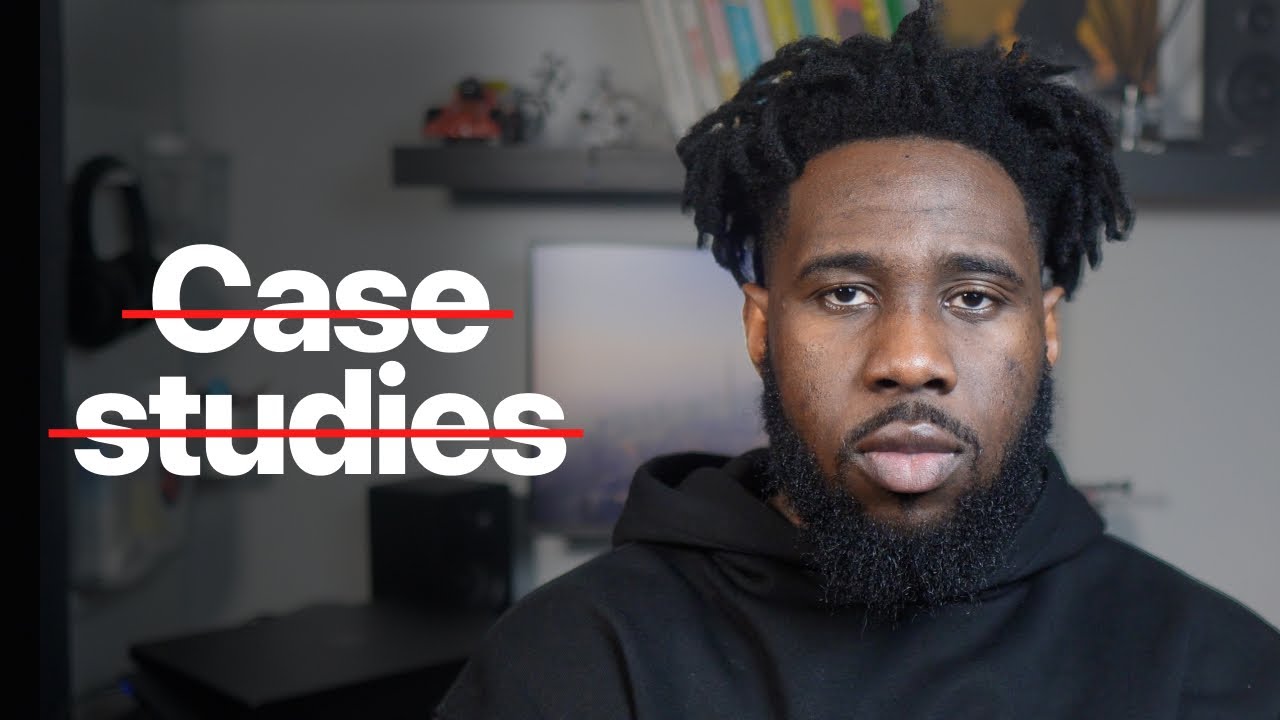
In this 13‑minute talk, senior product designer Samuel Fabayo (Monzo, former Deliveroo, curator of folio.design) explains why most design portfolios fail to land jobs despite solid case studies and templates. He argues that the missing ingredient is strong personality, which, combined with visual design and storytelling, creates a memorable portfolio. Fabayo outlines a three‑part framework—strong visual design, good storytelling, and distinctive personality—and provides eight actionable tactics: (1) master design rules then deliberately break them to create anti‑patterns; (2) prioritize visuals over text, turning a single design into multiple visual assets; (3) incorporate motion to reflect the interactive nature of UX work; (4) transform the About Me page into an immersive, personal showcase (photos, interests, short video); (5) put your own creative spin on screenshots, presenting polished or exaggerated versions of work; (6) inject fun elements or Easter eggs that reflect your humor; (7) use vibrant imagery and video to convey personality; and (8) ensure the portfolio feels like a unique, living experience rather than a generic template. Throughout, Fabayo uses pop‑culture analogies (Game of Thrones, Squid Game, Black Panther) to illustrate memorability, and showcases real portfolio examples to demonstrate each tip. The talk concludes that by weaving personality into visual and narrative elements, designers can transform a good portfolio into a great, hire‑winning one.
Chapters
This is not just another video that tells you how to make your design portfolio stand out by writing better case studies or using online templates. You've had enough of that already. You've already written better case studies and you're still not getting hired. The truth is your portfolio is missing something really important. This video is going to tell you what that thing is and give you clear and actionable tips you can try out right now to make your portfolio stand out from the competition and get you hired. I shared these same tips a few weeks ago at the London Designers and Developers Meetup, and the hosts were kind enough to record the session. So I asked them if they wouldn't mind me sharing the recording with you all on YouTube, and they were like, sure. So here's 13 minutes of no bullshit advice that can instantly transform your portfolio and get you that design role you've always wanted. I don't know much about like job trends and all of that, but something I do know a couple of things about is design portfolios, and that's what I'm going to talk about today. My name is Samuel Fabayo, and Over the last 2 years— this is working? Yeah. Yeah, good. Over the last 2 years, I've been curating portfolios from top designers globally on a website called folio.design. And on Folio, so far I've created about 70+ portfolios there from like top designers all over the world. But outside Folio, I'm a senior product designer at Monzo. Before Monzo, I was at Deliveroo. At Deliveroo, I was designing the insights that ensures that Deliveroo customers get the best insights to grow their business. And then this was a much smaller team that I was with at a company called Explorer. It's a social tech company where I was working on like design initiatives for kids to onboard them to like digital world instead of jumping into smartphones, having them use smartwatches. And this was a small design team that I worked with then. And at the time when I was putting this talk together, I realized that today would make it exactly 4 years, 2 months. Um, 4 days that I moved to the UK. And that's me there. I think I took that picture in Old Street. I was very, very cold, so obviously you could tell that I'm not used to the weather just yet. But as I was putting together, I realized that when I left Nigeria to move to the UK, the reason why I left was because I felt like I wanted to work at— with like really, really design-led organizations, design-led companies. And I think I've been able to achieve a couple of that with some of the talents that I worked with in the last 4 years. And I wouldn't have been able to do that without like putting some effort into my portfolio. At Explorer, my portfolio helped me to obviously get into that company. At Deliveroo, it was the same. Then I joined Monzo, um, it was quite different. I didn't need my portfolio for that, but you understand where the ripple effect starts from. And what I basically want to talk about is how you can make your design portfolio memorable. Like, I want you to leave this talk today to understand a couple of things that you can put or do to your portfolio right now to make it stand out and memorable. Let's start with some movie references. When you see this guy, what movie comes to mind, or what show comes to mind? Game of Thrones, right? Good. How about him? Squid Game. Good. How about this beautiful lady? Black Panther 2, Wakanda, right? Great. Asides the fact that all 3 of them are actors, who else can tell me what do you think they have in common? They are memorable. They are memorable, like easy to remember them. Any other person? Unique personality. Unique personality. Great, I love that. I love memorable, I love unique personality. The unique thing about these people is that you can't see them in another movie and think about them in that movie. You think about them as Peter Dinklage or Tyrion Lannister in Game of Thrones, or this weird guy in Squid Game, or this lady, right? You embody them, and they embody that role so much that it's hard for them to play another role. And you don't see them differently. You don't see them in a different light, and it's because of their personality. Basically, they've been able to put in so much personality into that role that you can't think of them differently. And what does all of this have to do with portfolio? Personality is basically what makes you unique. It is something that makes you stand out. It is something that makes you remember, like maybe some guy or some. lady that you met months ago just because of how they did one particular thing or how they were laughing or something unique about them. It is why you can spot a Cybertruck if it's parked with like 100 other trucks 200 yards away. You would know that that's a Cybertruck because it looks so different. But personality doesn't have to be aggressive or loud. It can come in different forms. It can be calm, it can be weird, it can be funny. but it makes you feel something. That's the whole point of personality. And personality is actually what takes your portfolio from good to great, because once you've been able to introduce personality into your portfolio, it gives it a different spin. Now, from the portfolios that I've been able to come across that have appeared on Polio, or the ones that I've even come across whenever I have to like interview a designer that wants to join Monzo, or maybe any other kind of interviews that I've done before, There are 3 things. Actually, there's a skip here. Okay. I don't know why that's happening, but there's a skip in the slide. Anyways, there are 3 things that are like common patterns in outstanding portfolios. The first one is strong visual design. The second is good storytelling. And the third one, which is missing here, I don't know where it is, is strong personality. When a portfolio has strong visual design and good storytelling, it's a good portfolio, but it's not memorable. Think about your portfolio template like your Squarespace or your Wix. You know, you have like really good visual design, they've done that for you, and you probably have no understanding how to tell a good story. But because it is the same portfolio that you will find with like 100 other designers, it lacks that uniqueness. So it's not memorable, but it's good. When I have strong visual design and great personality, but it doesn't have good storytelling. Once you see the portfolio, you realize that, um, yeah, this is unique, but when you dig deeper, you realize that it lacks depth, right? So it's still good, but it's not engaging enough. Um, another one is when a portfolio has good storytelling and strong personality. I actually think this is not even good because visual design is actually what aids storytelling, and you're a designer, so that, that should be table stakes for you. You should have visual design on lock at least. So if your visual design is not good, your storytelling will definitely definitely fall short. But the holy grail of portfolio is when you are able to combine these 3: strong visual design, great personality, and good storytelling, right? So how do you achieve this? How do you introduce personality into your portfolio to make it unique? There are a couple of things that you can do. The first one is to master the rules and then break it. Like, understand the rules of visual design Understand the rules of whatever domain that you're in, and then break those rules. Because when you do this, you create an anti-pattern in the person's mind that makes them feel like, oh, like the Squid Game guy. Like, why is this guy about to die and is laughing? What's wrong with him? That's what you think, and that's what makes him so endearing. This is an example of a designer that really understands typography, spacing, and imagery, and break those rules because you don't expect to have like this kind of uneven spacing in, in any kind of type or kind of header on the portfolio. But it looks good, doesn't it? Um, another one is more visuals, less writing. We hear this a lot with like portfolios. You hear that you need to have a lot of visuals in your portfolio, show the work, but people still don't do it. And I think it's a cover-up for something. Except you're a content designer or UX writer, there's no reason why you should have so much writing in your portfolio. I know that we've been taught— we've been told about like storytelling and all of that, but sometimes it feels like you're trying to cover up for not having enough work to show, and that's how it comes across. So you need to make sure that you're introducing a lot more visuals into your portfolio. Think about how you can turn one design into like 4 kind of visuals, you know. Um, and this is an example of that. This designer here like just loads up so much visuals on the home screen of his portfolio. This designer actually has like some in-depth case studies, but I don't need to go into the case studies before I know that this person knows his onions and knows what he's doing. And that's an example of showing more visuals and writing less. The third one is to make your designs move because motion is life. And this is very important because you'll you are a UX designer, you're a product designer. So that means you design interactions, you design experiences for people to go through, and it's always a journey, but you're showing a static page, right? So that's sort of against what you do as a designer. So I encourage you to think about how you can introduce motion into your portfolio. Think about like those pieces of like your designs and see how you can make them move and add them into your portfolio. Makes it really interesting. It's a game changer. For example, look at this portfolio here. Um, it's just showing like interactions on the screens. And, and I don't want you to get overwhelmed because these guys are senior designers. Think about this in the context of your own work and how you can apply it. Don't get overwhelmed by like the polishness of the work and all of that. But you can see this. And one interesting thing about this, when, when it loops back, you would see that his avatar actually has 2 versions, like a rock star and a calm guy. Again, showing personality, like this is me night and day, that kind of thing. Another one is to bring the viewer into your world. The first 3 examples I've given are visual-led examples, but bringing the viewer into your world is what you can actually do on your About Me page. And what a lot of designers do is they just do an About Me page and put like 2, 3 paragraphs there and then call it a day. But the About Me page is such a huge opportunity because That is where people go and check for cultural fit, or let me just know if I'm interested in this person. And your job with your About Me is basically to just look interesting. Like, you will need to want to make them want to meet you in person. And there's so much you can do about on your About Me page. You can talk about what interests you, what you're listening to, where you've been to, what you're reading, where you get your inspiration. Your design principles, people that inspire you, your photographs. You can— there's so many things I could go on and on. And here's an example of that. Um, this designer Perry uses vibrant images to tell his story. And if you look at it, once you see this, you know, okay, this person obviously understands the use of colors, person likes photography, maybe person likes fashion, but he hasn't mentioned any of that there. All he said here is my background is in architecture, and you can probably see that from like you know, the attention to detail in the picture that it has on the right here. Here's another example of Julius that's using a short video to introduce himself. This is something that you can try like right now. You know, instead of writing so much, record a short video, introduce yourself, talk about who you are, why you're interested in the role, or what you have to offer for 30 seconds. And the interesting thing about his own is that he actually just introduced some kind of squiggly lines or, or something to call the attention to that video. So people can click play. The fifth one is to put your spin on it. This one is quite important as well. And the reason it is important is because a lot of designers, when they put their work in their portfolio, they take screenshots of the work that they did, knowing fully well that most times when we do our work, we, we do it at an 80%. It's not at 100% because most times it needs to be shipped. Some things have been descoped, some things have been deprioritized. And you just need to get it, um, to be shipped. So think about what your work would look like if you had all the time to work on it. There's nothing that stops you from putting the best version of your work in your portfolio. Nobody's going to check what went live or anything. So you should do more of that, put your spin on it. And here's an example of this designer that's put a spin on a dashboard design that's usually very boring. For example, this dashboard has like some nice background to make it look nicer, but this is not what people are going to interact with in real life, right? So when you're putting your spin on it, you're basically thinking about like an exaggerated version of your work, and you're introducing that into your portfolio to make it look interesting. The 6th one is to just have fun with it. Again, this guy was just catching a vibe all through. You could tell that, you know, he just had so much excitement to the video such that even if you Google Squid Game today, You probably see more videos of this guy than the lead actor of Squid Game. Um, I'm going to ignore the fact that he was on drugs all through. Please don't do drugs, but make sure you're having fun while you're working on your portfolio. Think about ways to introduce fun elements into your portfolio, and it doesn't have to be funny to anyone. It only has to be funny to you, because if you create it for yourself, somebody will definitely relate with it and will find it funny as well. So think about like fun things to introduce into your work and your portfolio. Here's another example of that. This was really fun. Lots of Easter eggs on this, on this website. You don't even know what to expect when you're scrolling through. You just find like nice things as you're hovering over the names there. The takeaway from this is think about how you can show some personality in your portfolio, applying some of these ideas.