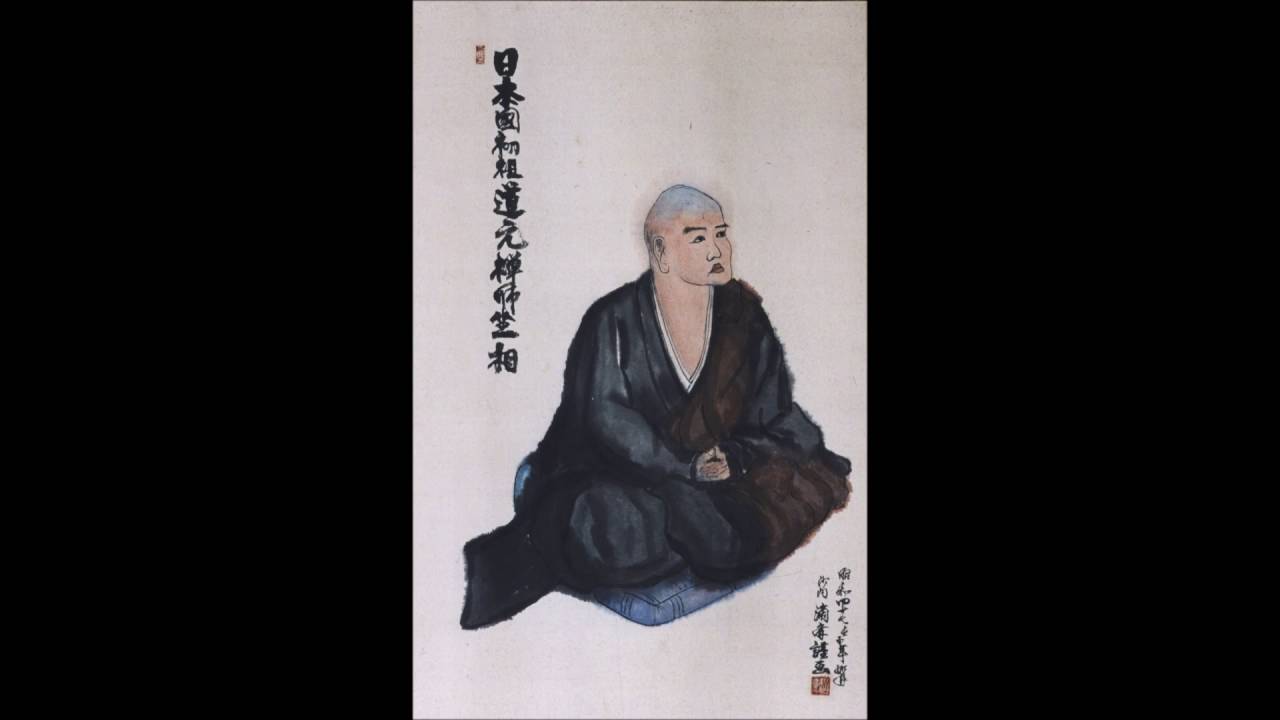
Satya Robyn discusses why chasing results in practice backfires. Using a Dogen koan about a single hair gouging holes, she argues that repeated daily practice matters more than accomplishments, and that moment-to-moment presence beats focusing on future outcomes.
Chapters
Yesterday afternoon we were talking about how common it is for people to come to the Dharma chasing results. "Oh, I want to get all my troubles solved in this lifetime. I want to become enlightened tomorrow, and then I can just sit on my big throne at the front and teach everybody. That's why I came into Buddhism anyway." As you know, I've been reading these collection of koans that Dogen collected when he was in China, and I found one that really fitted on the theme of what we're talking about. So it says, one day, Acharya Kyosho Zenmyo asked Master Sekiso, what happens when a single strand of hair has gouged out immeasurable holes? Master Sekiso said, "That would take tens of thousands of years." Zenryō said, "What happens after tens of thousands of years?" Master Sekiso said, "I will leave your upgrading in the tokka," that's the government exam that the monks used to take, "to take its own course, and I will leave your promotion to take its own course." On another occasion, Tien-mo asked, the same question to Master Kō-in of Kin Mountain. Master Kō-in said, "I will leave your shiny shoes as they are, and I will leave the results of your efforts as it is, as they are." So as usual, it's clouded in all sorts of allusions that don't make any sense until you read the commentary. So thank you to Nishijima Roshi for writing the commentary. Underneath. So a single strand of hair has gouged out innumerable holes is talking about repeated study over and over and over and over again, or, or daily practice over and over and over and over and over again. And even though each time you do it, it's like using a single strand of hair to make out a hole, eventually over the course of many lifetimes you get innumerable holes. You get some results. So the question is, what happens when you get the result of all this daily practice, daily effort, da da da da? And the first reply is, well, that would take thousands of years anyway before you get the result that you're looking for. And then he says, but so, well, after those thousands of years, what happens? Come on, tell me, what's it like when you've finished all your practice and you've finished for your study. And the reply is, well, actually, I'm going to deal with what's in front of me, and I'm not going to worry. I will leave your shiny shoes as they are, is the second answer, and I will leave the results of your efforts as it is. The shiny shoes is the accomplishment. It's like, well, you've accomplished it, so what? We don't worry about that, actually. What you focus on is what's happening in this moment. And it's just really, like many of the koans in this collection, is bringing the questioner down to earth. Yes, you might get somewhere in 1,000 years' time, and even if you do get somewhere in 1,000 years' time, where you get is not important. Don't worry about it. Don't worry about the shiny bauble or the, you know, the nice-looking robe that you get. Just practice with what's in front of you. Do the job that's needed to maintain your relationship to the Buddha. And I like this because it fits very much in with the Pure Land way of thinking. Yes, in the Pure Land you can get enlightened very easily, but even in the Pure Land Sutra it says, even though it's easy, if you're born in one of those closed lotuses because of your heavy karma, even if Amida has taken you into the Pure Land and you're born in that closed lotus, so you get the nice soft light filtering through, maybe, because that's all you can take of the Dharma. It takes a long, long time for that lotus to open, even in the Pure Land. What's important is the quality of your faith, moment to moment, because that's really all that you can rely on. It's no good relying on results. You are as you are now, not as you are in 1,000 years' time. So just take refuge from there. Nam-myoho-renge-kyo.