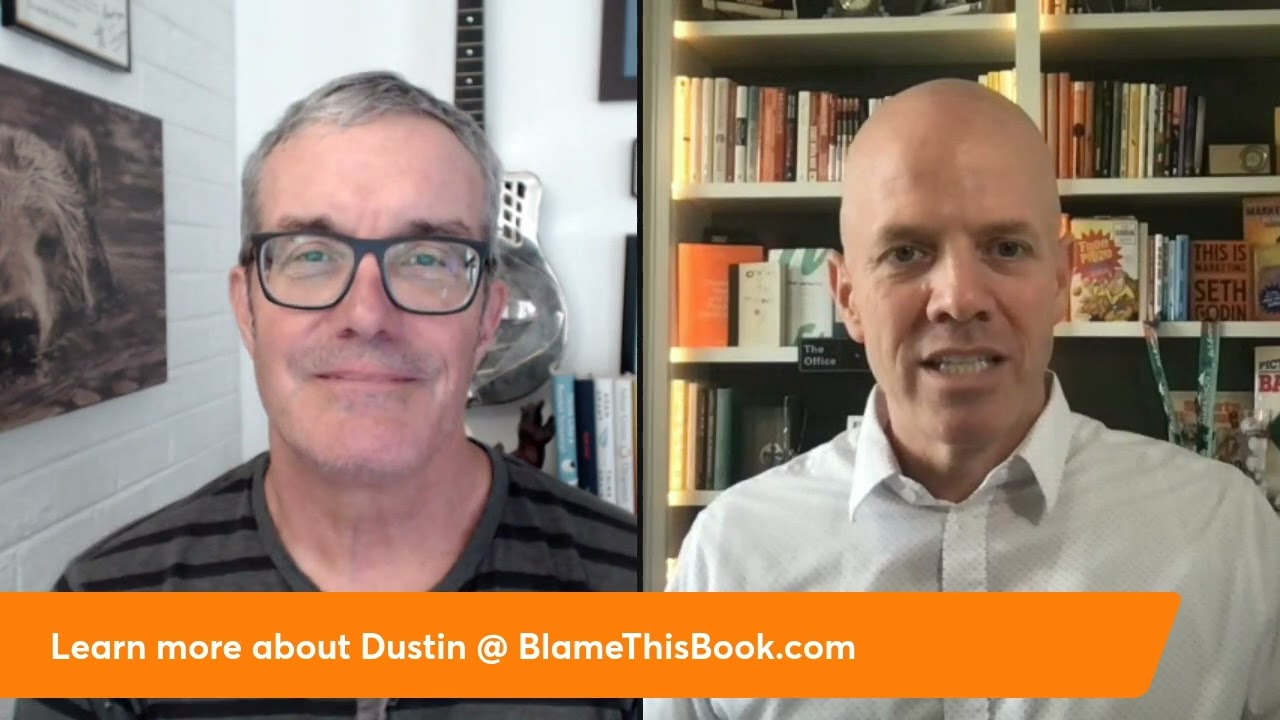
Dustin Staiger explains the Buddhist "second-arrow" story: the first arrow is unavoidable pain, the second is the blame we add. When someone fails, you can fire that second arrow or choose grace instead. Grace doesn't erase consequences, but it stops you from piling on hurt.
Chapters
You know, the thing that really comes to mind for me is the idea of the second arrow, right? And so the story of Buddha and a student, and he's talking— Buddha is talking to the student, says, um, you know, when a person is shot with an arrow, does it hurt them? You know, and he asks an obvious question, right? So you're like, what is he getting at? But the student replies, yes, it does. And Buddha says, if this same person is shot with a second arrow, does that hurt them as well? And the person said, yes, it does. And then the Buddha explained, he said, uh, that in life we can't always avoid the first arrow, the first hurt, right, that occurs in life. That we're going to encounter those things no matter what. But we do, uh, have an opportunity with the second arrow. That is our choice, right? And so when somebody around us is hurt, right, they've encountered that first arrow. And that first arrow could be a failure of some sort. Then I think one tip for me is to, to have the awareness in that moment to ask yourself, you know, if I'm going to blame them at this point, then am I firing that second arrow? And do I have an opportunity right now to do something different? The opportunity of choice here to, instead of choosing that arrow, to choose grace instead. And that doesn't mean that they don't encounter consequences for that failure, but it means that we're not adding insult to injury in that moment by firing that second arrow of blame.