8x ROI with Talent On-Ramps featuring Montreece Smith
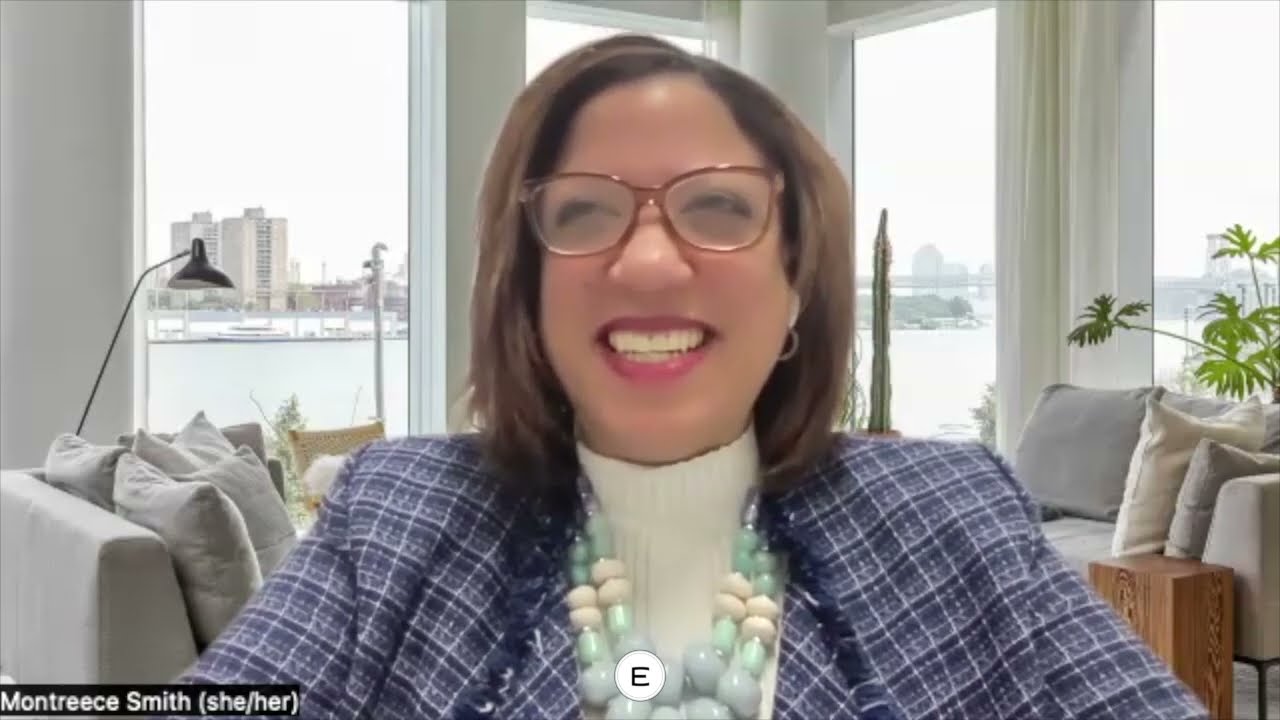
In this podcast episode, host Sean Everett interviews Montreece Smith, head of people at Per Scholas, to explore the nonprofit’s mission, model, impact, and future outlook. Montreece describes Per Scholas as a national nonprofit that provides free, rigorous 15‑week technology training and professional‑development to adults, with a strong focus on equity—85% of learners are people of color and about 30% are women. The organization has trained over 17,000 alumni across 20 campuses, growing from 4 campuses in 2019 to 20 today. Research, including two randomized‑control trials, shows that graduates earn roughly $30,000 more over six years and generate an $8 return to communities for every dollar invested. Funding comes from a mix of philanthropy and a self‑sustaining model where corporate partners fund customized classroom cohorts, allowing employers to shape curricula and interview learners directly. The conversation also covers the importance of diversity, DEI, wellness, and the evolving future of work with AI and automation. Montreece shares personal reflections on patience, mental‑physical health, and offers three ways listeners can support Per Scholas: donate, volunteer time, or hire graduates.
Chapters
Hello. Hey, Sean, how are you?
I'm good. Can you hear me okay?
I can hear you just fine.
Great.
How are you doing this morning? Good. Yes, excited to connect with you. Always.
Yeah, it's fun. It's getting close to the holiday season here. Are you guys all set and ready?
It's cold in Dallas. You know, we are just not built for this. It's in the 30s. This morning, and next week it will be a high in the 30s. So, you know, this is, this is so far out of our comfort zone.
Yeah, it's similar in the Nashville area. It's like, I don't know, 30s, 40s in the morning, and then gets up to maybe 50, 60. But I looked at the weather and it's supposed to be like 7 or 9 degrees in like a week and a half or something. So Yeah, it's, it's been raining for like 8 days straight and finally cleared up. So we've had a wet Christmas, not a white Christmas. So I don't know.
Oh, wow.
But yeah, you guys, last year, wasn't it the big like power outage and everybody had the generator problems down there?
Um, I think it was 2 years ago now, but yes, that was the time.
Time is strange these days. Who knows? It's like—
It is.
A decade goes by in 2 minutes. Like the days feel long, but the years feel short.
That's right. That's right. But I'm glad our friendship continues on.
That's right. It's been, it's been 17, almost 20 years now, which is crazy. Like, I was, I was a little kid wet behind the ears when we first met, and now I have gray in my beard, which is— it's like, who am I? What year is this?
I love it. It's so— it's been so exciting to watch your journey and, you know, all of your brilliance just play out with the Different paths you've taken and gosh, all of the cutting-edge just vision. And oh, I just, I, you know, I enjoy you, Sean, and I just, I'm your biggest fan.
Well, thank you. I mean, I, one of the things I know that we're doing like the public podcast thing, but the thing we talked about last time, and I have to give some gratitude and gratefulness for you 17 years ago. I mean, you got my, you helped me get my start in the industry and like brought me in. You fought for me at Back then was Watson Wyatt, then Towers Watson. Now it's Willis Towers Watson, and the names keep changing. But the people have still been there for like twenty-odd years, which just says something about the culture. And yeah, I think if it wasn't, it was at a key moment in my life. And if it wasn't for you, like believing in me and doing that, I don't think I'd be where I am today for sure. So like, I don't know. I'm just super grateful for you and your friendships and. I don't know, for whatever reason, we've just stayed in touch over the years. And I think it's just a testament to like who you are. And yeah, just the culture. And we've talked about it before. So anyways, just thank you. And I appreciate you. And you're like, I will always do anything you need and have your back in life. So whatever it is, if I can help, like you got a friend in me, as they say.
Thank you so much, Sean. You've been more than amazing. You It, you know, it, it's what fulfills me in this work is, is being that advocate. And it was not hard to advocate for you way back then. You had brilliance coming in the door, and whether you realized it, whether the hiring managers at the time realized it, I saw it in you. I knew, I knew there was greatness there. And, and yeah, it's just been an honor. And you've, you know, thank you. You've, you've You've given me some key advice in my life along the way and helped me get out of my comfort zone and, you know, challenge status quo and make some good things happen in life. So I appreciate you so much. And yeah, I mean, again, that's the kind of thing that drives me in this work, just to advocate for people and to see what happens on the other side, right? You open a door, you give someone opportunity.
Yeah.
Look at— my gosh.
I mean, it's— I think it's like who you are too, because the work you're doing now, and I remember sort of the whole conversation just leading up to getting involved in the organization and then taking a more operational role over time too. I mean, that I don't know as much, like I want to hear about it because I want to hear, um, more about the organization from you and like its mission and understand it. But it seems like from what I understand And I've sat in on some calls and stuff recently that that actually like is its mission. So it seems like you've like, it's very rare in life for people to find like your mission, a company's mission, and like all the way through to how the value is created for people. So yeah, like tell me, tell me a little bit more about Per Scholas and the whole situation there.
Yeah, absolutely. And I know this is gonna be broadcast on podcast, but here I'm smiling ear to ear because I, you know, as corny as it sounds, I am, I am really living my, my dream job, you know, after 20 years of corporate experience, the opportunity to be part of Per Scholas and, and this amazing team and organization that we have is, is just a privilege. So yeah, let me frame it up for you. So the mission at Per Scholas, right, is about— it starts with our belief that a thriving workforce is really starting with equitable access to education. So we're a national nonprofit and we advance economic equity by increasing opportunity. We provide rigorous technology training. 85% of our learners are people of color, about 30% are women, though we do have some courses which are specifically designated for women. So Some of our courses are 100% women. And, and it's key in so many ways for me, Sean. First and foremost, you know, reaching out to communities of color who have often been underrepresented in technology. You know, I look at people who look like me, who may have had a background like me. I was a teen mom. I think you know that. And And, you know, there's so many people out there that are so brilliant and just need an opportunity.
Yeah.
They don't need a handout. They need a door open. They need a, you know, they need an on-ramp. And especially with tech and all the greatness that tech is, we know, we hear all the time, whether it's Silicon Valley or elsewhere, right? People of color are such a small percentage of the population. They're underrepresented, as I said. And so it's a phenomenal opportunity to be part of impacting not only our learners, but when we have folks go through our program, when they take our 15-week technology training course, they get certified, they get the tech skills, but they also get job skills. So learning, you know, everything from resume prep to elevator pitches and all those things that you need because your resume can look great, right? We know this. But then what happens when you get to the interview table, right?
Right.
And so, yeah, it's just very rewarding to be part of an organization. I mean, at this point, we've trained more than 17,000 individuals.
Wow.
And we're in 20 campuses and we have been growing at a phenomenal pace. So My story is, uh, I was introduced to Per Scholas back in 2015, I think it was. I was at a technology conference. I was an employer. Um, as we do it at technology conferences, we meet a lot of people.
Yeah.
And something about the Per Scholas mission just really caught my attention, not just one more path to finding tech talent, but really hearing about this organization And understanding that Per Scholas provides no-cost technology training to our learners. So that 15-week program, technology certifications, career skills, this comes at no cost to our learners. It's all through funding.
Mm-hmm.
And that alone piqued my interest to say, wait a minute, you're doing something really special there. And timing was everything because Per Scholas was opening the doors in Dallas. And so I got connected very early on, kind of saw things from the ground up, at least in Dallas, and was invited to chair the advisory board here in Dallas, later invited to be part of the national board of directors based out of New York.
Yeah.
And only gave up those prestigious, what I viewed as prestigious seats because this job became available. Our people team here at Per Scholas was being created and they needed someone to come and lead it. And so it's been a blend of my experience and my passion.
Yeah, that's amazing. I mean, you're so right. I mean, that word on-ramp, and I can only— the thing that stuck with me over 20, 25 years Is I remember at the very beginning of my career and this was like, so I had done the internships with the big actuarial consulting firm PwC and then it was like 9/11 happened and the dot-com crash happened and the economy went to crap and it's like we've been living through that, you know, in the past 10 years over and over again, it feels like. So it was like, okay, you just gotta find something to do. But I remember the feeling that I had and the feeling was I have so much energy that I just need a place to direct it. And like you said, I just need someone to open a door and it's like a Ferrari in a garage just waiting for someone to go like open the garage door and point at the racetrack and it's like, watch out. And I feel, I feel like there's so much of this out in the world and I think that might be what you're tapping into and your organization is tapping into is that very human desire like, Look at all of this skill I have. Look at all of this talent I have. Look at all this energy I have. I just need a couple little things and watch me fly. And it's like, oh my gosh, where do I go to get that? Because it's that, that on-ramp, that door, that first step that I can't— I just keep beating my head against the door and I can't get in. And to me, like, The organizations like yours are so critical because I just look at like the macro state of the world and especially the United States, notwithstanding the rest of the world, but the talent and like the generations that are leaving the workforce and the folks during COVID who said, I don't want to work anymore and have left the org— left organizations. And we will have a gigantic talent shortage across so many different disciplines that if we don't find a way to start to get people in and skill that whole ramp, like, our society is gonna be in trouble. And so it's like, who's doing the job and what? It's like Per Scholas, like, are there others? But I mean, you tell me, like, how many folks are just sitting there waiting to get in that you can't even service right now because you don't have the capacity, the bandwidth, the capital, you know, whatever it is, like, what percentage would you say, like, still is left, quote, out in the cold in this area?
Yeah, Sean, I— you're, you, you're spot on. This is a real issue. It's hard to say how many, how many people are, are not being served. But I can tell you for sure, we have waitlists for our campuses. But the beauty of Per Scholas is we serve adults of all ages. So this is not just an alternative to college. While yes, some, some folks come to our program straight from high school, some— many have tried that community college route and, you know, taken, taken that path that doesn't always lead to graduation.
Mm-hmm.
But also, Sean, we have people exactly like you described, individuals who may be working retail, may have been driving Uber, may have been doing a variety of things. I've also interacted with learners who, you know, I can think of one of our learners spent a whole career in city government, you know, retired. And then she said, you know, what am I going to do next?
Right.
And so one thing that I personally get satisfaction from. If you look at any of our classrooms, you can find on occasion a 20-year-old next to a 60-year-old, and they're learning together and they're inspiring each other. And so we have really diverse learners, and I was going to say diverse classrooms, not just ethnicity, not just gender and so forth, but Paths in life, right? We all get to that point where we just need that opportunity. There are so many Ferraris in the garage, as you said, Sean.
Yeah.
So it's really incredible. So I told you the 17,000 number in terms of our alumni overall, but let me give you some perspective about our growth. So last year we trained just under 2,000 learners across the country. And this year we're on track to train about 36— we'll end the year about 3,600, and then we'll continue to grow. So we've been on this upward ramp. There were probably 7 campuses when I started in 2019, started as an employee.
Right.
There were 4 when I, when I started as a board member. But, but in 2019, we had 7. And again, today, We have 20. So we have continued to grow very quickly and even through the pandemic.
Yeah.
Our CEO, Tonio Ayala, is so passionate about the work as we all are. But we— Tonio is just the picture of Per Scholas in my mind because he is so passionate about this work. And, you know, with my background not being in nonprofit, being in corporate America, I've been around a lot of executives for, you know, a couple of decades. And I've been in the rooms where executives get upset. And in corporate America, oftentimes that's the financials don't look right, the shareholders are not happy, we gotta have profit. That has not been my experience at Per Scholas. Our CEO, Plinio, he gets passionate about how can we help more learners? How can we take our mission further? How can we make an impact? Because it's impacting the learner, their family, the community, you know, that's where we get our satisfaction at Per Scholas is really making that impact.
And it, I mean, that to me sounds like the ultimate growth loop anyways. I mean, what you're really describing there is is staying totally focused on the point of value for your quote customer, right? But you almost have like 2, there's almost 2 major stakeholders. There's like the learner on one side and then on the other side is, let's just say the company who can then hire these skilled people. And then in the middle, and this is a piece that over the years I've become more and more passionate about is And you tell me if this is not the right word, but it sounds a lot like apprenticeship and versus rote memorization of facts and figures in a textbook. Apprenticeship is, this is the skill that I use in order to do a job and create value for my company, other people. And I just get this feeling that like your organization is more towards the apprenticeship model and that might be why it's more successful and why Folks that maybe didn't have great luck in community college could have much more luck here because it's like, this is exactly what I'm gonna do on a day-to-day basis. And then when those companies come and interview or hire these folks, it's like, oh yeah, well, I've been doing this like in the classroom. I'm doing, you know, yada yada yada and 1, 2, 3 and 4, 5, 6 and this is what I learned. It's like, oh well, actually you could do it here too. It's the same. It's the same process. It's just the name on the door is different now, you know, and like I'm getting a paycheck now, which is cool and you're creating value for the org. But it seems to me like this value point and growth loop for y'all is really that. I mean, that's why these B Corps and even not-for-profit, it seems to me that having that individual impact on people's lives is like Such a huge positive loop because I can't imagine that someone goes through this program and, you know, changes their skill set, their career, their life, whatever, and then they're like, eh, Per Scholas. I probably feel like they're gonna have a good— it has a good brand, let's put it that way.
Yeah, I appreciate that, Sean. So, um, I love the analogy to apprenticeships. And I just want to distinguish us just a little bit because there are some organizations that do what we do or similar work. And the formal apprenticeship is part of their model. Our core model is really about putting people into full-time jobs, right?
Yeah.
And so the training is very rigorous. Let me tell you a little bit about the experience. So 15 weeks, Monday through Friday, 9 AM to 4 PM. Now, of course, there's variance. We've got different campuses playing with, you know, alternative schedules and things to be even more accommodating. We do have remote training and in-classroom, but it is an all-day program Monday through Friday for 15 weeks.
Mm-hmm.
And the learning does not stop at 4 o'clock when you walk out the door. Our learners then go on to spend on average, I'd say probably 2 to 3 hours each evening studying and preparing. So it is very rigorous training to prepare them for the certifications. And the other piece I want to share with you is I love that you said we have a strong brand. I appreciate that. And of course, I'm biased. But from an objective standpoint, our model is proven. So we have participated over the last decade and a half. Per Scholas has partnered with best-in-class researchers to conduct 2 randomized control trials. Of course, you know, those are the gold standard of evaluation. And so each of the evaluations have proven that Per Scholas learners are more likely to work in tech, less likely to receive public benefits.
Yeah.
Even 8 years after the, after the fact. Wow. Um, and in fact, the research found that, um, there is an $8 return to communities and local governments for every dollar invested in Per Scholas training.
Holy moly. 8x ROI.
Yes. Yes.
That's crazy.
I know. That's nuts. Right. And our, our graduates earn $30,000 more than their peers over 6 years.
Wow.
So it's not just feel good, we like it, you know. This is, this is proven. This is, this is changing lives. This is changing communities.
I mean, that's crazy because, I mean, you're talking about like 4 months. I mean, a little bit more than a quarter. Like, you can literally change your life in a quarter of a year and be on a completely different trajectory. And I mean, that's the stats you just gave are like insane. I mean, if that's a public company or a startup, they're going out to raise capital from venture capitalists and they're just salivating because they're like, I've never seen growth like this. I've never seen ROI like this. And I think so, I sat in on the call last week and on the call was a member of your organization. A member of the Koch Foundation, which is like, I mean, it's up there with like Bill and Melinda Gates Foundation and then a gentleman from Google. So this isn't like a fly-by-night shop. I mean, these are critical influencers in the for-profit and not-for-profit space. So that also says something that like there's something happening here that people need to pay attention to and the fact that you're involved too and I've known you and I know who you are so long. And so I see all of these things and that's the reason I wanted you on because, and this is not sponsored in any sort of way. I mean, this is truly like, I truly believe in this stuff and I think more people need to know about this in the world, not just as a stakeholder, like I want to go back and reskill or I want to hire like really great talent that I can trust. at this level in my organization in the technology industry, but just in general because of the model and the values, the core values here are so strong. And I think values are a fundamental because behind every organization is people. You remove the people, your organization ceases to exist. Doesn't matter what it does, for-profit, not-for-profit, ceases to exist. And then right after that, is values which communicate culture. And I think that's the basis of like super high-powered growth because you align on belief systems, on values, and you draw a line in the sand and you say, we're definitely on this side of the line. And that becomes a decision point upon which all things are filtered through. And so then you get really great alignment and things start to compound faster and faster. So I mean, I just find the whole mechanics of this. I mean, the societal good and all of that is incredible, but also the mechanics of this are also incredible. I guess my question is, have you found like tweaking the model? Has that happened or did y'all and the founder just find like, for lack of a better word, product market fit right out of the gate? And the other question to me, I mean, this is a lot here. I'm just throwing BBs at you, Montrese. But the other question I have is like, how did it start with the companies where in the beginning you go to the company and you say, hey, look, we got talent and they're gonna do a good job and you should really take a hard look at these folks? Like, that's a big question to me because that's a fundamental piece of the equation that if that doesn't work, the whole thing kind of breaks down.
Yeah, absolutely.
Can you talk about some of that a little bit?
100%. So I'm smiling as you're asking that question because it really goes back to our roots. So Per Scholas has been around for more than 27 years. We started out in '95 in the South Bronx of New York.
Oh yeah.
And our business model at that, at the launch was around Bridging the digital divide. I'm sure we didn't call it the digital divide then. I don't think we were. I don't think that was even a term that people knew. But our mission at that time was around getting computers into the community. And back then, I mean, you had the big clunky PCs that, what, cost a couple thousand dollars at least.
And heavy.
And heavy, right? And here we are in the middle of South Bronx trying to make something happen for the community, trying to create an opportunity for households, individuals, families to have one of these computers in their home. And so we did that through recycling and restoring computers. And so we had a warehouse We would recycle and restore the computers, but we needed employees to do the work, right?
Right.
So we trained the employees on how to recycle and restore the computers, and it was great. We, we offered computers for the community at incredibly affordable rates. I mean, probably a 10th of what a, you know, off-the-shelf computer would have, would have cost in a retail store. But what we found in getting to, to the answer of your question, Sean, what we found is those individuals, the employees of Per Scholas way back in '95 in this warehouse in South Bronx, the employees were ultimately getting picked off by corporate employers in Manhattan and across New York who said, oh, you have the tech skills we need. Oh, you know how to restore a computer? Oh, you know how to work with a hardware, oh, you know how to, right?
Yeah.
So our— so Per Scholas evolved, uh, was forced to evolve early on because what we, what we realized in hindsight is, yes, we're doing this great for the community, we're selling these computers, but we're really training the folks, and that's where the greatest demand is. And that's how our model pivoted to be— to really focus on training.
How did they know that they existed though? If you're in a warehouse in the Bronx, how did a company in Manhattan get there?
Yeah, that's a great question. So I'd probably be speculating if I gave any real details around that, whether someone, you know, decided, wow, I've got these skills, I can make some more money, or through their network. Yeah, just happened organically. Yeah, very organically, for sure. For sure. And so, yeah, and so it was a natural pivot in our model. And then fast forward all the way to today. What would be important for you to understand both your question around employer demand as well as our organization and how we continue to grow and evolve. So Just a few years ago, we made a strategic decision that given our strategic growth plans, given where things were in the world, state of the government, lots of, lots of things at play, we said funding is great and we always need funding for skolas.org. Donate. Do it.
Go there now.
Do not pass go.
Do not stop. I don't know, I'm using my Monopoly analogy.
I love it. I'll take it all. So we always need funding, but we realized, given, given the heights that we're looking to grow to, we cannot rely solely on funding. And at the time we made the decision, going back even, you know, a few years prior, we knew we certainly could not count on government funding, you know, as the administration continues to pivot. there's not always an appetite for social good.
Right.
And so we said, okay, we're going to carve out a percentage of our business to be a self-sustaining model. So what we do, Sean, is we have a small sales team, we reach out to employers, like Barclays, American Express, like all the, you know, the prestigious names that we all know, right? Because tech is everywhere, right?
Yep.
And we offer opportunities to provide customized training. And what that means is that if you're an employer, if Everett Advisors decided that you needed suddenly, let's call it 20 Java developers, Or maybe it's, you know, IT support, whatever curriculum is most relevant and in need for your business. We can train a classroom at a time for you or multiple classrooms at a time. And again, we've got 20 campuses across the country. And so when we do that, that corporate employer funds the cost of a full classroom.
Uh-huh.
oftentimes an employer doesn't need 20, but maybe they need 10 to 15, right?
Right.
And so in our best relationships with corporate employers and in these customized relationships, in our best examples of this, the employer comes on site every week. So I mentioned this career advancement training is what we call it, this professional development Excuse me, professional development. The employer is on site when we're doing mock interviews. Guess who's sitting across the table from the learner?
Good.
Right? Guess who's— Game time situation. Exactly.
Yeah.
So for the employer, it's such a win-win because, okay, here's your talent. You know, your talent is gonna be trained in exactly what you want because we customize. Yes, you need a Java developer, but like you said, ABC, 123, this nuance that is beyond what I do in my day job, Sean, this technical need that this employer has, right? We customize that. So they're getting a classroom of individuals with exactly the skills they need.
Yeah.
But they have the benefit of being on campus with those learners each week if they choose to do so. And so it's not just a per scolus corporate employer relationship. It becomes a corporate employer and my potential new employee that I'm getting firsthand access to. It goes beyond that 1-hour window where you sit down in your best suit and you give your resume and you shake your hand, right?
Yeah, it doesn't work. It's not as good. That's super interesting because what I'm hearing you say is like push button, get talent. And talent custom suited. It's like bespoke. It's like a bespoke suit in London, you know, it's like, except it's the perfectly fit puzzle piece for your organization. And oh, you just gotta wait 15 weeks and you get to help design it and then you can meet the folks at the same time. And that's really, really interesting because you do your strategic planning at the executive or corporate level, you know, you do your reorg or Maybe just double down on your org, you know what your milestones are and some of your roadmap and then you look at your resourcing and you're like, well, we're light here, we need 17, where am I gonna find it? Well, typically just the interviewing process can last 4 months anyways to try to find, hire, filter, sort, waste a lot of the employees' time inside the organization doing all of that filtering or I could just push button, get talent and contact Per Scholas and then it's cut, I'm guaranteed, it's almost like Guaranteed fit, which that's the big thing is fit. And I also love the whole like over time rather than the 20-minute conversation because that's not, that never works. I mean, I've been on both sides of those equations. It's like everyone just, I mean, I had this conversation earlier this week with a person who does hiring at the executive level for startups and PE companies and it's like You don't know, everyone's posturing, everyone has a mask on and it's like, well, how do we get the mask off on the company side, on the person side and just figure out like, is it a good fit, like who we actually are? And it sounds like all of this is just a much better system for finding fit.
Absolutely.
And it creates value on both sides. Like I get skilled, I get a paycheck, And then on the other side, it's like I get high quality talent doing exactly what needs to be done without worry. And then you don't have to come on the job too and then go through the training period, which is a long time and unknown. And then people sort of drop out and there's always some attrition stuff. You can't get away from it. But yeah, it sounds super compelling. I'm not surprised that it's working at all. And yeah, every company is a little bit different. Every environment's different. So to be able to like custom design that program and you guys have been doing the model for a long time. And then the other thing I'll say, which I've always been kind of curious about is like the whole problem I've had in the not-for-profit space is twofold. One is self-sustainability because it's so hard to keep the Keep the money flowing in to support it. And so if you can find almost a business model that helps support that on some minimum level, then you can go forever and get like infinite runway. You're just not trying to like produce every drop of profit you can. And it sounds like this is in that, which is really cool. And then I forgot what the other one was because it slipped through my mind.
Well, you're spot on, Sean. You're spot on. Yeah, that, that, um, that revenue is, uh, yeah, it, again, it's not the, it's not the corporate money grab. It's not the focus on profitability. It is, it is an engine. It is a lever to, uh, help sustain Perschoolists. That's exactly what it is.
I love it.
Yeah. And thank you for your point about, um, yeah, that connection to employers and just the fit, the, the ease. I, you know, in, in my work, uh, you know, hearing, hearing you, uh, understand and, and probably empathize a little bit with, you know, a recruitment process can take 4 months and why not just call Per Scholas and, you know, get, get the right people. Absolutely. And like you said, I mean, the, the talent that they need. And again, I mean, the, the, um, Our focus on diversity, you know, I just would say is the added plus and probably what differentiates us.
True.
You know, any company can put out a post. Again, we have real inroads with communities of color and women. And so, you know, tech companies and many companies are, you know, saying they can't find, you know, talented people of color in tech and You've got the— yeah, that is who we are.
You're a pipeline.
Yes.
I mean, DEI is a big deal and it should have been all along and it's like, let's look at skill set instead of the other stuff. But I'm even seeing now because I follow these things like CEO Daily and CFO Daily and McKinsey and all of that, right? I mean, you just kind of like can't get away from it when we start where we did and back in the like exec comp days. Now CEO compensation is being tied to DEI goals.
Yes.
And it's coming into proxy statements just like ESG stuff. And, right, you know, I talked to some very high-end, like, board advisors in the comp space and talking about ESG, and it's still a little early, right? Like, not everybody is doing it, but DEI is very I mean, I've worked at organizations at early stage, seed A, thinking about it, making active decisions with it and public companies in the tech space who are literally showing in all employee calls to hundreds, thousands of employees, the stat in the organization for what DEI actually looks like and the CEO saying, we're working on this, we're gonna get there. And yeah, I think to me, it just all comes down to like 2 things, which is some of my core values, which is like, Fairness, which the world isn't fair, but why? We can choose to make it fair. Like, we hold the, we hold the ability to do that. And then, like you said, on-ramps. And you do both of those things together and like magic can happen. Like a lot of magic can happen. So I'm, I'm super excited for y'all. And yeah, if there's anything I can do to help beyond, you know, I got my little podcast over here in the corner of the internet, but That's, that's one thing. So if there's anything else I can do, I'd be more than happy.
Yeah, Sean, I, I so appreciate that, and I appreciate the opportunity to, uh, to be part of this. Um, I'll take the opportunity, uh, for listeners who do want to get involved. There's, there's really 3 key ways to get involved with Per Scholas. So, um, donating, uh, funds is always beneficial for us. Um, so I'm gonna say it again, perscholas.org. Let's ring the bell. Right there on our homepage, you can donate. Yes, let's do it. We also appreciate when individuals or employers want to donate their time. So again, we've been talking about our professional development curriculum. One day a week, our learners are focused on, as we said, resume prep, soft skills training, right? Elevator pitch. And so getting volunteers, whether or not you're funding an entire classroom, you don't have to be funding anything to come and get involved and give your time and interact with learners and give them some perspective on yourself and your business and just offering advice on how to get ahead in the corporate world is very beneficial for us. And folks can reach out to me on LinkedIn if they're interested in connecting. I can, depending on location, you know, can just get them connected with a local campus. So again, Montrese Smith, Per Scholas. I'm sure you'll have it in the show notes or something.
Yeah, I'll link your LinkedIn into the website too as well. So yeah, we'll get that taken care of.
Wonderful. That would be fantastic. Yeah. So Donation of funds or time is fantastic. And then the obvious, we've been talking about it, but as an employer, you need to hire our talent. Would love to hear from you, would love to get you connected with our rich pipeline of talent, whether it's individuals who are graduating. I'm here in our Dallas campus today, and we're gonna be graduating our next cohort of individuals. It's an exciting time. I was, in Columbus, Ohio recently, and we graduated our first Tech Women of Color cohort, which was a tremendous opportunity. The entire cohort was women of color, and just so proud of these women and all that they have accomplished. And it was a big deal. We had some local government in attendance and speaking, and it's, you know, something we're so proud of. But yes, love for people to get involved, whether you want to donate money or time, or you want to hire our grads, please reach out. Per Scholas has something to offer for everyone.
I love it. Great. Do it. Do the thing in the holiday spirit. I think it's a good thing. Um, great, cool. Well, I wanna, I wanna switch gears slightly because I'm very curious about the future. And so, yes, specifically with you. And I'm curious, like, where's your head at these days as you think about just the world, you know, just Montrese Smith? And like, where do you want to go? What do you want to do in, let's say, the next 20-odd years, you know, of life and professional life? Like, what are you thinking about? Everything that you see, the filter in your own brain that comes through your own heart— what, um, what are you thinking about these days? I'm very curious.
You know, um, so very interesting question, Sean. Um, it is, it is fascinating to see what's happening in the world today. And, and, you know, I'm sure, I'm sure you know, freeze frame at any moment in time. And we can all start with that opening that like, wow, it's such an interesting time. But this seems particularly interesting, right?
Yeah.
We just lived through a global pandemic. Are we out of the pandemic, right? We've been in a global pandemic. Technology continues to, you know, change at the speed of light. I am personally very curious to see what's happening with AI.
Yeah.
And all that's happening there. Very interested to see how things can, how we continue to automate things in the world. You know, I personally love going to the grocery store and doing self-check and chuckling because my adult children laugh at me and they're like, Mom, you're so slow at this. I'm like, this is peaceful to me. I want to slowly scan and bag my groceries and not talk to anyone for a moment. Being the people person I am, like, I do like a little break. But it's, yeah, no, it's very interesting to see what's happening there. And continuing, I mean, I know you want to look bigger picture, but I mean, Definitely, you know, thinking about Per Scholas as we grow and our people, furthering our people strategy, and just tackling some of the issues that are not unique to Per Scholas that are happening around the country and the world. I mean, as a result of the pandemic, and also I think just a little bit of where the sort of social climate is, I mean, there's so much more focus on wellness and mental health. And I've shared with you, again, because of our friendship, that's something that I've embraced more and more recently, being really diligent about my fitness, but not just from a physical standpoint, really embracing and appreciating the mental health benefit of physical fitness. I think that's key. And that's the kind of thing we're talking to employees about at Per Scholas, a lot of focus on wellness. And, but you asked me about 20 years out, Sean. I mean, we won't recognize, you know, everyone's on Zoom today, but like, what on earth is it gonna be? And is it gonna be AI? Is it gonna be metaverse? You know, and I don't pretend to understand all of that now. I mean, it just, it's so conceptual. But, you know, at the end of the day, no matter how we evolve as a society, as a, you know, how business evolves and so forth. A little cliché probably, but, you know, as a, you know, head of people and working in the space, you know, there are things that I feel like technology can never replace. And it's the human aspect. And we, again, I'm gonna look to the pandemic. We all felt it, right? We were in our homes, we were isolated. And as we've started to get out and, you know, you can, you know, hug your mother or you can, you know, high-five your friends at happy hour or whatever it might be like, there's nothing that— someone's gonna prove me wrong one day. But, but, but from where I sit, there's nothing that replaces the human touch, the human connection. And so no matter how things evolve, I think there's always gonna be a human element that is going to be that, that thread, that, that fabric that we all continue to need in our life.
Yeah, for sure. Yeah, it's that old saying which is like, technology always changes but humans never do.
Yes.
And you're so right about mental health, so, and physical health. So I've done this research into something called connectomics. We've called it biologic intelligence, but a gentleman I've worked with over the years, he has done a lot of work And taking basically what the connectome is, is it's the map of all neural connections in the brain and the body. And I think the problem with what most people think about when they think of intelligence or even artificial intelligence is they think just brain. But the same thing in your brain is throughout your entire nervous system and body. People will talk about your heart as a brain, your stomach as a brain. Well, yeah, The whole thing is a system. The whole thing is a brain. So people, I mean, if you go and have a massage in a certain area, someone like rubs your arm or your leg, you will, it will trigger memories, which is crazy.
Yes.
To think about, but it's true. And so I've often heard it called like, um, a broom for your mind and your body when you exercise. And to take away. So we're so cerebral in some of the work that we do and just in the business world, it's so cerebral and like top heavy that we often lose sight of our heart and the rest of the body and we sit in chairs.
Okay.
For some reason, Siri is like listening into my conversation, which is strange. It's gonna be public, Siri. Don't worry about it. Like everything's fine. Oh, I know why she heard us talking about AI and she's like, wait a second, are you talking about me? So, right, hopefully it's all private. Give me a shout, Tim Cook, we'll talk about it. Um, right, yeah, I think there's something, and I've talked to people about this, there's something about putting that space away and letting the subconscious work. When you shift gears, you shift mindset. It's the whole thing, like ideas come in the shower, when you're playing with your kids, or going down the road.
So true.
Like the mood as well. When you were telling me offline about getting back into like the exercise regimen, and it's like, I feel great, this is amazing.
Yeah.
And I think there is— there's something to be said for it, especially as, um, a help for like some of the mental stuff that everyone's dealing with, like anxiety, depression. Like, it's just been a gigantic mental health experiment on an 8 billion person population and a species over the last 3 years. It's been kind of crazy. So I think we all just need to take a little time and go sit in nature and be silent for a while and, you know, go hang around with some friends and forget about the pressures because adulting is hard. Like, I'm gonna do an episode on adulting is hard and adults will be like, yeah, and kids are like, I don't know what you're talking about. And you're like, well, just wait.
Yeah. Get ready. Oh, it's so true, Sean. And I, I I mean, yeah, I'm, I'm a big believer in that. I'm particularly and personally interested in, in that. And, you know, podcasts for me have been a great avenue to learn a lot more. I mean, all of the things that you were talking about and more just around, you know, biohacking and wellness and health and, and all of that down to the, you know, autophagy sweeping your body and, and refreshing it. So, um, yeah, those are, those are things I, uh, those are things I am interested in, the kinds of things I do when I'm, when I'm not working and I'm unplugging and thinking about, you know, self-care.
Yeah, for sure. Well, this has been phenomenal. We have a few minutes left, and I like to leave— I've started doing this, I don't know, you tell me— we can go wherever you want to go in the last 5, 10 minutes, whatever you want to do. But I kind of want to be like, if someone comes across this episode, let's say, because the internet's, you know, I love the internet because I found stuff that I've written like 10 years ago will start getting some love again, which is kind of interesting. I go back, I forget I wrote it. So let's say some number of years in the future, somebody's struggling in life or whatever they're trying to figure out, they're at a crossroads or a precipice. And they sit in and they listen to this conversation, and it's like, what would, what would future Montrese say to them? Do you have anything like, you know what I mean? Like your, your kid that you don't quite have never met, but maybe could have a positive impact in their life, like a little life lesson or wisdom that you would want to impart upon the community? Is there anything that you've, you've thought about that you find yourself, this seems like something I figured out and it took a long time to figure out, but this might be one of those things. Do you have anything like that that you could share?
I love this. I love the question, Sean. And I know how, I know how brilliant you are. I knew you were gonna ask me.
I was gonna give you a brain buster.
Yes.
You know, if you don't, it's fine. Like, I'll try to come up with something.
I don't know if I have Again, my children would say I'm like, you know, imparting wisdom all the time. And my daughter says, Mom, you tell me things I can just Google. And I'm like, no, you can't figure this stuff out on Google. This is advice.
Yeah, this is hard-won knowledge and wisdom.
Yeah. So, you know, some days as a parent, I feel like I have been replaced by Google. I'm thinking about your question, Sean. I mean, oh gosh, I think that just like key life lessons, gosh, there's something to be said about patience. I, you know, so I remember especially in my younger days, But, you know, patience is a, is a, an ongoing work in progress in life. Oftentimes we're so impatient to, to, to do the thing, to get the thing right. Is it the, the job, the car, the house, the whatever, right? We're always in a rush. And, uh, and, and, you know, there is something about really enjoying the journey. And I know, you know, My children are rolling their eyes as I speak, I'm sure.
Right.
But there is something about really living in the moment. Of course, you want to be strategic and you want to have plans and all of those wise things that, of course, we would tell someone. But don't miss the opportunity to thrive and to enjoy life and to appreciate who you are. Sean, you said you've recorded things and you've looked back. You know, I look back at who I was and who I've become, and, um, you can't measure progress. You can't appreciate how you've grown and evolved if you, if you don't have something to look back on. And so you've gotta, you've gotta take your time and, and enjoy those moments in life and, and And, and appreciate that it's not always going to be, you know, roses and sunshine. Yeah, you've gotta, you've gotta grind through, you've got to get through the storm a little bit so you can appreciate when, when you've, you know, arrived on the other side.
Yeah, I like that intention of patience because when I hear it, like, calm sort of washes over me, and I've, I've I've recently gone down the spiritual TikTok rabbit hole, and it has really good vibes, which is really nice. I would— I hesitate giving recommendations, but if you're feeling in life like you need good vibes, I would recommend spiritual TikTok. It's a season. It's a season. But this calmness that you talk about, and like the presence of just being here and now and looking around at your life instead of in the future or in the past, and just being—
Mm-hmm.
Like, just look around and say, am I breathing in and out? Yes, I'm grateful for that. I have oxygen. Do I have water? Yes, that's pretty cool. I mean, if you're listening to this, you're on the internet, so it's highly likely you have power and electricity and you have some kind of shelter and food. But even in the worst-case situation, like, I think about it being in entrepreneurship is like, well, if the wheels really fall off, like, what would I do? It's like, There's streams, I can boil water, there's leaves, I can eat leaves, I can go to work at any number of companies. There's 25 million businesses in the United States that probably need some kind of help collating, taking out the trash, doesn't matter. So there's always opportunity to like better your life, but also be grateful for what you do have. And I think I've, I've become more intentional about that gratitude the older I get because life is the roller coaster.
Yeah.
And the other thing, the other mechanic I've heard, which is really nice, is like, yeah, it is a roller coaster. But if you remember being on a roller coaster, it's very exciting. There's stressful moments and you get done and your heart's beating and you're like, I didn't think I was going to make it, but you made it. And if you're still here breathing in and out, you made it through all the other stuff. So you can just have confidence that you can come to this next challenge in life with— you may— you're going to make it through whatever that challenge is. And you also have a lot of the skills that you had, more than you had before. You have more relationships than you had before. Probably you have just a better understanding of the way the world works than you did before. And so, you know, that's why I'm bullish about the future and people kind of now are weirded out about, oh, is there a recession? Is there not? The economy's strong. Like we're good. We, I mean, you listen to Warren Buffett, he's like, Our worst case right now is better than 100 years ago with like the best case. I mean, kings and queens in the 1200s had a worse life than like than today. I mean, we have food, water, and everything on every street corner, and we throw away more food than, you know, good food.
True.
So I think I hear patience and all of that stuff just ripples through my mind, and I think that's a really good Wise intention. Yeah. So thank you for that. That was nice. I like that.
It's true. Yeah, I know. I appreciate you. I appreciate you challenging me to think broadly. That's what you do. That's, that's why I enjoy you so much.
Well, we're on the internet now. So we're forever until they unplug the data center at, you know, Mother Google or whatever. They're replacing parents now, I guess. Right.
I tell you. Yeah.
You know, I also like the fact that you can find your moment of zen at the grocery store checkout. Like, the more unique those moments are, the better. So the next time I go to the grocery store and I check something out, I'm gonna slow it down a half step. I'm gonna think about Montrese and be like, yeah, all the stuff you stand for. I love it.
I appreciate that.
Well, this has been wonderful, Montrese. I want to do it again. Keep me updated with everything that's happening with your world, all of it, you know, like, I just love you to death. You're a really good human. And you're highly capable and skilled. And you have an amazing head and heart. So yeah, I, yeah, I'm a big fan, and always will be. So if you again, if you need anything, I'm a keyboard away, you know, type out a couple, smash the keys, and, and I'll probably respond. I always respond.
So you always respond. I appreciate you so much. Thank you so much for this incredible opportunity. Um, grateful for your friendship, grateful for this opportunity to showcase Per Scholas, and, um, I look forward to coming back again in the future.
Yeah, it'll be fun. Well, I'll get the thing ready and I'll send it to you. You can review it before we ever, you know, publish it or whatever, and, um, if we need to make any tweaks, we can do that. Not a big deal. And, um, yeah, just go from there. Happy holidays, have a great time with your family, and here's to a beautiful 2023.
Thank you so much. Same to you. And, uh, stay warm through those single-digit temps.
You as well. I mean, sometimes it snows in Dallas, which is nuts to think about, but it happens. So stay warm yourself. You never know.
Absolutely. Thank you. Talk to you soon, Sean. Bye-bye.
Bye-bye. Have a good one.









