Sean Everett and Steven Berry left corporate jobs to pursue music, improv, and content creation. They discuss how mentorship, sobriety, and compounding effort over time helped them build creative careers outside traditional paths.
Chapters
There he is.
Boom.
What's percolating? These aren't working.
No pods. I'm going podless on the pod.
No pods on the pod?
Yeah, podless pod.
Nice. Where, uh, where in the world are you hailing from today?
Uh, Arlington, home of the Cowboys. West Virginia and Dallas on the Luca.
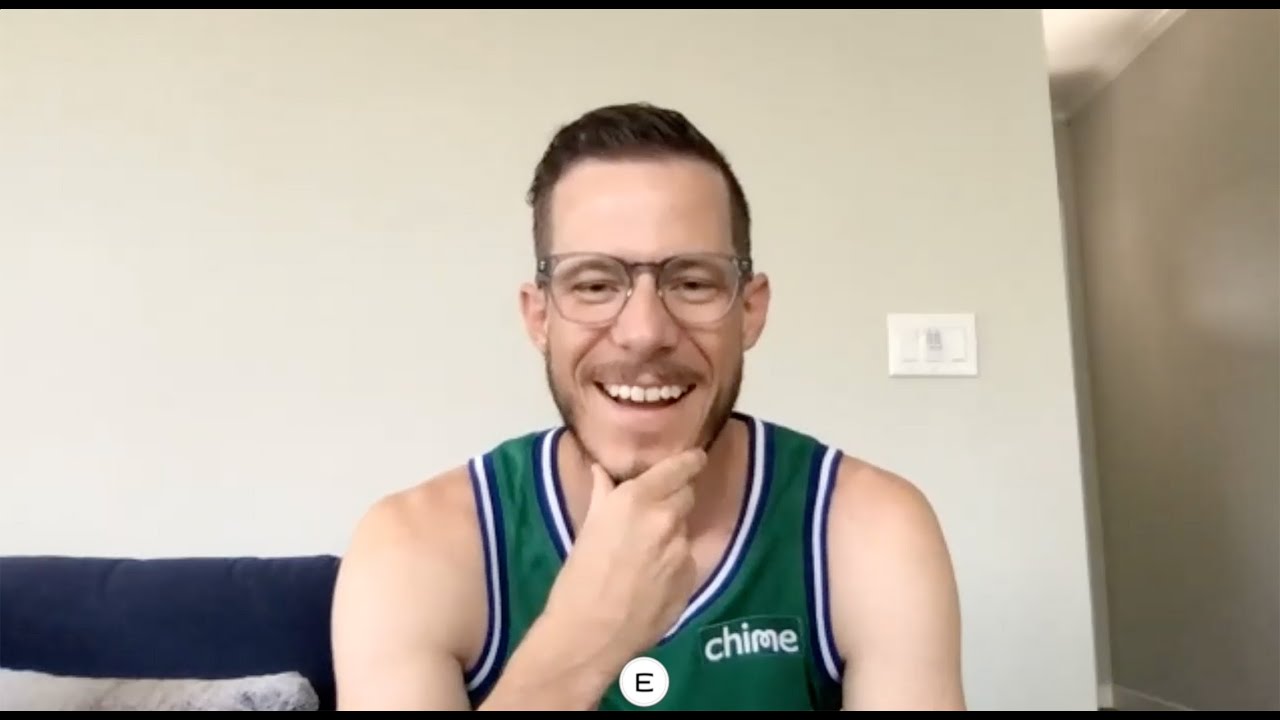
I like it. Wow, I forgot they're doing advertisements on jerseys now. I see the Chime thing, like, that's so nuts.
I know. Do you know about the Chime?
I, I feel like I do because I'm in tech. Yeah, there's so many startups.
I think it counts for humans. It's pretty cool.
Wait, what is it?
I think they Gather all your bank accounts together and it's in one slick-looking little app.
Nice. Are you, uh, are you a user of said service?
No, but anything Cuban does, I got my ear to the ground.
Yeah, he's, he's a big deal in DFW.
Oh dude, he's— if it weren't for Jerry Jones, he would be really famous.
Yeah, actually that's interesting. You have 2 like very famous sports billionaires right there in the Metroplex. And then there's no— there, it's like zero tax in Texas. So obviously all the tech companies and everyone piled in during the pandemic.
So I know I'm attracted to the, to the weirdos. It was that way at Texas Tech. We had Bobby Knight as our basketball coach and Mike Leach as our football coach. Just every night, every night, just like not even trying, just, you know.
No, we just pee excellence.
We didn't do our schoolwork that year.
Yeah, right. That's fun.
How you been, bud?
I'm good, man. Good. It's, uh, the weather's been really nice the last couple months. Like, the sunshine, I think it helps a lot with mood, but the heat, the heat has been nutso. Like, I don't know the climate here.
Like, what is it compared to here? I mean, you've lived in both places. Yeah, I'm talking humidity, Sean.
I mean, I remember walking out in Dallas, going to the car parked outside in a 100-degree day, and you, you put— you sit down in the seat, and God forbid the, the, uh, your— what is this thing that you click in to save you from car accidents?
The human seat belt.
Seat belts. You know what happens when, like, you just put so much information into your brain that you lose All ability to use simple words.
Put human in front of anything and then it eventually comes out and it's human seatbelt. You've got too much input, Sean. You need— this is good that you're doing the output. I think I'm about to do the same thing because there's too much up in here.
You know, I— when you send me these incredible photos, do you know, like, I secretly save them to my private camera roll? Like, you're the— you're one of the only people other than, you know, like family that'll send me pictures and I'll just hit that button, save. But you're, you're in there working every day. I'm engaging you with my content.
Dude, pictures, dude. That's the way I talk. Like, every— even our conversations, it's all pictures. Me sending pictures. What is that one? Am I wearing the same outfit?
It's almost—
not quite. That was from freshman year.
I'm honestly, you know what, like, you know when you get birthday cakes and they're like, make a wish? You know what my wish is? That you join TikTok and start posting. That's my make a wish right now because I just want to see what kind of crazy mayhem Just comes out of there. And I just keep telling you, like, I know people are gonna just jump to your stuff.
Hashtag soon. And I didn't know I was gonna be in a Make-A-Wish podcast this morning. Well, if that's your wish, buddy, it's about to come true.
You know, dreams do come true. It's just small, small moves at least.
No, seriously, it will, it will. I'm getting close. I'm I'm kind of rallying the troops, trying to figure out what I'm passionate about, what I'm good at, and the people who do those things. And you are one of those big time. There's a couple of guys that are, you know, big into IT and have different jobs. And I mean content creation and just ideation. And I don't know, those are the people I'm drawn to is the creatives, the constant learners, the curious.
And you are—
you typify that.
Well, it's— I mean, I told you this right before we got on the, on the line here, but like, I see this trend from people, and maybe it's always been there and I'm just noticing it more. Maybe it's a result of the pandemic, but whatever it is, I feel like people have lost their given F, and they've realized that I only have one life, I only have so much time. And like, I'm living this, this like idea of a life that's supposed to make me happy.
Mm-hmm.
And then what I realize is like, no, actually this, this internal core energy I have is pulling me in this direction to go do this thing. And I think fundamentally we all have this like creative spirit within us, and I feel like the world just suppresses it, like this assembly line, manufacturing line education system beats us into it. Yeah, like for generations. And then finally we wake up one day and we're like, shit, I'm not happy. Like, I want to go do this thing. And so I see people doing like the trend, corporate America, going straight to like music, art, like content, you know, like, I mean, just— you're doing it too, acting.
You're doing it too.
I'm not immune.
Well, I mean, truly, I mean, when I first met you, you were doing you know, regressions with Black-Scholes models and like, yeah, sitting on proxy statements. And now you're like grabbing ideas out of the space continuum and going, I think I can fix this. Uh, yeah, you gotta, you got a keen eye. And I think you're right on, like truly, truly everybody's got wanderlust now, cabin fever, you know, I don't know what you want to call it, but every person I see, it's, I want to travel and I want to do this, I want to go there. It's experiences, it's not things.
Yeah. Yeah.
I mean, it is things kind of, but it's more not as corporate, not as capitalist. It's more so services and people doing their own thing. It's so weird. I was watching an episode of Mad Men. It's like season 2, episode 6 or something. They bring in young advertisers because they've had all these old guys forever, and they bring in some 20-year-olds, and they're like hippies from the '60s, and they just tell the story like, we don't want to be told what What to do. We want to find it out for ourselves. How is this not the same thing?
Honestly, the pendulum has swung back the other way. I mean, it's just human behavior, right? It's like, at the end of the day, we just want to do things that fascinate us, inspire us, make us feel good, and then also can, you know, help support our life.
Yeah.
And that's, that's the thing that's like the hard piece, right? It's the hard piece to like, I gotta walk away from this thing I've spent a lifetime Working towards, and I've, you know, got that engine running, and then I've got to make a complete pivot.
Well, it's sunk cost, and we're taught, you know, if you've invested so much into something, it's not smart to walk away from it. But people are just walking away from their careers. I mean, you're going to see me transition out of HR eventually. You know, I've been in there 16 years, and you told me from the jump, you said be careful. You said if you keep doing this stuff, like that will be your experience and that's the only experience you'll have. And that's kind of what's happened. But I was chasing kind of that almighty dollar.
Yeah.
As you get promoted and then you get promoted again. And then once you're living at this certain lifestyle, it's hard to step away. Anything I do now, I'd probably have to take a 50% cut in anything I do because HR skills aren't really transferable in the real market. I mean, you can make it work for yourself, but they're not gonna look at that and go, oh, since you do this, you can definitely do this.
Yeah. But I will say HR is one of those interesting things in human capital. It's people and the world is run by people. So you get this really interesting like insight into how people work and function and behave that you can then, I mean, I think, I think your experience when you start creating content and like you pull from, I mean, just the office by itself, right? A farce, right?
Yeah. I mean, I, I've got that unique perspective, you're right, but it's, it's also kind of let me down a little bit. Or I mean, it's opened up my eyes rather, where you think all these people have your best interests in mind and then you kind of found out that they're just doing their own thing and trying to take care of their own stuff.
Yeah.
And, um, if you're waiting for somebody to give you something, then it's not gonna happen. So I'm, I'm learning that you kind of have to grab it, make it your own, and then, you know, put your name on it. And I haven't done that with anything. Like, I've not created songs or, you know, music or plays or written anything. So all this input, like you're saying, it needs to go somewhere. And, uh, that's why I'm doing improv. I'm taking voice lessons. I'm, uh, just surrounding myself with, you know, like I said, folks like you, and y'all inspire me like big time. Big time, big time.
That's awesome.
Well, you're just putting stuff out and you're not trying to— it's about progress, not perfection. And I tend to be the other way around.
You're perfection, not progress?
Oh yeah, I'm paralyzed by analysis. Paralysis by analysis, which you work with me, you know that.
I— that's so funny. I just dropped a quick hit episode this morning called, uh, Teaching Horses How to Fly, and it was about That exact concept.
What?
Um, but here's the thing. I, I was talking to a psychologist about around this area.
Okay.
And the one thing she said was, the only one who can stop you is you. And I was like, like, deep, bro.
Yeah.
And it's so true because I think we get in our own ways sometimes and we beat up ourselves more. So the thing I did, a couple things in order to build a system to prevent me from stopping, right?
Wow.
Okay, so here's, here's what I did. One, I put my name on the door. I can't sell my— I mean, I guess we won't go there.
Yeah, that's a different thing.
And it's, I want to be real and I want to make sure that I either win or lose as me. Because how bad would it be if you lose trying to be someone else, or if you win trying to be someone else? Because you never know what it is, the thing that works or doesn't work. You're never okay. So for me, it was like, I'm gonna stay on one focus, which is completely real. Like, this is me, this is how I actually am. Like, bedhead in the morning, like dogs, like crazy traffic in the background, doesn't matter. Like, that's life, man.
No, you're grabbing the reins. That is impressive. I just realized my name's not correct on here. I think that's everybody's problem is they're standing in their own way. They don't realize what they can and can't do because like I said, we've been told what to do, where to be, how to act, how to dress, what to say, what to bring for our whole lives. And now all of a sudden, something blew it all up and it's like actually none of that is really important. The only thing that's important is relationships, and the things that you do with your time and how you interact with others, like those are the only important things. All that other stuff that America is supposed to be about, it's kind of an antithesis. It's, you know, they can't really stand in the same room. Um, you've got to kind of choose. And I'm trying to not, you know, choose so much of that, uh, stuff. And it's more about things because tonight I'm going to an improv class. Tomorrow night, I'm gonna get on my friend's blog or video podcast. We don't even know what it's called. We just started recording, and we're both dads. We both have kids and dogs and ADD. So that's all you need.
Honestly, that's there's your title. We both have kids, dogs, and ADD. Like it's gonna shoot to the top of the charts.
Honestly, yeah, and he plays bass. He's slapping the bass.
Slap the bass.
Yep.
Here's my question. I think this could actually help a lot of people. So what was the thing, right? So you started learning now more about music. You actually took the leap and went to an improv class, right? So like, you're thinking about it, you're thinking about it. What, what got you over that gigantic gap from thinking about it to I'm actually— I've shown up, I'm here in the place, and I'm doing the thing? Because it's a tiny gap in reality, but in people's minds, that's the Grand Canyon.
That is weird. I haven't thought about that. You're right, it is one step, but it's a huge step. Um, I'm trying to remember the improv, how that dam broke, but I remember how the music one did. And that's simply because I live next door to Scott Hoying's parents, lead singer of the Pentatonix. You know, worldwide, global, international superstar, like Grammys, everything. And he makes— and they make like $10 million a year. He lived next door to me and he went to the high school my kids are going to go to. He's a tall, you know, skinny white guy and he looks like me and he sings and we have the same vocal range. And that's when it happened is I took a vocal class because his dad said, call this guy. and see, you know, what he says. So I pick up the phone, uh, or I open this, uh, Zoom meeting with this teacher, and he starts in it. I mean, he's going— we're doing scales, we're going up and down. I don't know a ton about music, but he's assuming I know a lot. Well, I have to sing a song. Then he tells me to pick another song, and then I sing that song, and then I'm making stuff up. I don't know what to sing, so I pick like Amazing Grace because I know the words.
Yeah.
So I started on that, and after it's all done, I mean, it was crazy, but he goes, I think that you are a Barry tenor, which that means not a tenor, not a baritone, but right in between. Barry tenor. Hashtag Barry tenor. @BarryTenor.
That's true.
So my last name is Barry, and I can dig that, but that's the same vocal range Scott is. And I just know that I've heard this a million times, hard work beats talent every time.
Yeah.
And I'm here to say it's true because I watched him from 2013, from winning that show The Sing-Off to now. I mean, he manages a kids a cappella band called A Cappella Kids who are on America's Got Talent, about to be in the finals. And it's all his creation. It came from his head. He cast it. He got all the kids. So, and that's in addition to his group Pentatonix, another girl group he manages, Citizen Queen. And they're good. Girl a cappella. It's just so crazy that one person can create so much, inspire so many people. And I've seen it happen because a girl down the street from where we live, she's doing the same thing. She's a senior. She works at this vocal place. She's going to Belmont University to study music and performance and business. So she's doing it the right way. She plays in Arlington live. I go support her. But it's just this kind of continuum of somebody inspiring somebody inspiring somebody to say that you can do it, uh, and you're just as important as they are. Like, you have just as much right to follow your dreams. There's nothing stopping you, like you said, until that last step. And so I started taking vocal lessons at that same one that, uh, this girl Kiara works at, and it's been amazing. I mean, I took band 6th to 7th, 6th to 8th grade, trumpet, you know, piano growing up. I know a little bit about it, but I just feel music growing up in the church. I just feel it. And whenever the teacher brings up certain things, I kind of know what he's talking about, I kind of don't. So I've learned how much I don't know about music, but then I've also learned how much I do know about music. So it's inspiring, but it's also challenging. And the acting has been kind of the same way. But I think just finally realizing that you find somebody who looks like you, you identify with, and if they're doing it, that's all you need. That's all you need is you can do it too. Um, so we'll see where it goes, but I don't know who called me the other day. Oh, they asked me what I wanted to do when I grow up because I'm still trying to figure out what I want to do. He said, what did you want to be when you were a kid? And I'm thinking, you know, dentist, vet, police officer. No, it was Jim Carrey. It was Jerry Lewis.
Yes.
Okay, it's like Ace Ventura. Yeah, it's, it's these shows that I grew up idolizing. Everything SNL, everything Adam Sandler and all those guys. Like, I was obsessed with it. Ace Ventura is my favorite movie. Dumb and Dumber is my favorite funny movie. And Liar Liar is also top, top 3 there. But It's one of those things where I obsess about it. I memorized every movie. I know all the words still. Me and my cousin would reenact them. Like, that's what I'm good at. That's what I'm kind of meant to do. But somebody told me to get into HR. I think it was you.
I met you after that. Don't put that on me.
I was in— I was in the pension calculation. You told me to come down the hall to come.
That's right. Yeah, you were doing quadros upstairs. Come in the basement, hang out with us comp nerds.
No, y'all were always having fun. I was like, what the heck department is that? Like, they're always having fun. You're dressing up in suits, going on site to Mary Kay wearing a pink tie. Like, I want to do that. I want to do that. Yeah, yeah, it was the— that was the step I needed. That was the, oh, I can work in a corporate place. And then I looked down the hall and said, no, that's really what I want to do. And that's Kind of what I'm doing now.
Add a little more fun in life and then it makes time fly and it doesn't feel like work, you know?
Dude, we could have a podcast just about working together at that consulting firm. Oh my gosh, like I have so many stories that I don't even think you know about because I was so clueless. I didn't want to tell you how clueless I was. I wanted you to think I knew stuff.
But I've never— Jumping out of an airplane.
I've never worked with anybody who believed in me more than you. Like hands down, still to this day, it didn't matter what it was, the most complicated calculation, it's come over here, you can do it. And you made me sit down, do it, had me do it. And then in 10 seconds, you're like, you're doing it. Like I've not worked with anybody like that before. Still, even since.
I think it's, I think we try to overcomplicate stuff too much. And like add too much weight to it. And at the end of the day, it's just a couple steps, a series of steps. Do this, then do this, then do this. And like, oh look, I just—
I don't know, it's a mindset with you. You want others to be their best, and you don't have a stigma with you want to be right. You're just as well, you know, taking a suggestion or recommendation and probably gently declining it than you are telling you— like telling me what I should do. But people get hung up on that. They want to be the source of truth. They want to know. They want to get, you know, the attaboys. And you can't do that if you just share and have, you know, are selfless. So yeah, you, you practice what you preach. So love that.
I mean, to take it to a, like, a deeper— I mean, this is a little bit heavier level, but I've actually seen this thing play out, like this karmic loop. And this, I mean, this got me. So this was, I don't know, 2009, 2010. I made this app called Confide, and it was basically— I saw on Facebook everybody posting all this like crazy wild stuff, like, like honestly, like sexual molestation, like rape, and they were doing it publicly. And I saw what they needed was this outlet, but I also saw like they probably don't want to put their identity to it. So I just made this like really basic, simple Facebook clone, and made it anonymous where you could just go to the site and type in whatever you wanted. And people talked about the same stuff. And other people from the community came in and like saved them, like, like, don't do it, you know, like, don't commit suicide, like that sort of thing. So then later in life, I was working on this video platform. And it was, I mean, you might know this in Dallas, but essentially one of the biggest users of the platform were the faith organizations like churches. Every Sunday they would livestream their sermon.
Okay.
And so there's big pastors all over the country using it. Cut to like 2 years later, I had a client who hired me. Come to find out after talking to him, he watched one of those videos from a pastor on the video platform I was building talking about suicide. He did not commit suicide because of that video on that platform. Then he became my client and paid me money. And then I helped him build his thing a little bit. So I'm just sitting here thinking about—
Ever.
We like, we don't really know how connected all of this is, or we are, because we feel so separate. And like, we're just so focused on our own consciousness. But social media, we're 3 degrees of Kevin Bacon away from each other.
Right, right.
And I, I think if you put enough goodwill out in the world, like, good things will happen. But even if it doesn't, like, you just feel better. You just feel better.
Like, you know, that's a total mindset— I mean, shift is just being thankful and grateful. And, uh, wow, dude, that story— sorry, that's still sizzling in my brain. That's crazy, dude.
It's weird. I, I don't think about it.
Remember all the inventions like you've made and done? Like now they're all real things. It's just that, you know, somebody had $100 million to invest in an IPO so that they could fully flesh it out. But dude, I've seen all your stuff come to fruition. Like your Story app where it shows the pictures with the music. Like that's all Insta and TikTok is now. That's all it is. Like my best friend in college, he He created a grocery delivery service at a small little near Austin in Round Rock, and he ran it for 2 years. And when he graduated, he sold it to some other, uh, underclassmen, probably for like a couple hundred bucks. But that's Amazon, okay? That's DoorDash. Yeah, yeah, that's everything that's going on right now. It just— the timing wasn't right. Yeah, timing, get it just right.
Timing's a big deal. I think, I think what I've learned is is duration. Like the longer, the longer your streak, the longer you can do things, the more compounding happens, the more opportunity exists and the more value you create and can capture. So it's like, it's not that you post that first TikTok video, it's that you post that millionth.
Jeez.
You know, because given enough time and given enough that you are like for real, like humans have this innate need to connect with one another and stuff's— some stuff doesn't hit, some stuff hits. I mean, this is like Dr. Dre, right? I mean, he's been making, producing beats for 25, 30, 35, I don't even know, decades. Not every beat he makes hits, but, you know, he's made some bangers in his day.
Right.
And then, you know, oh, I guess I have a hardware company now called like a headphone and then, well, oh, Apple bought it, I'm a billionaire. And he doesn't even notice because every day he goes into the lab and he's making Beats because it's what he loves to do. And everything else is like in the rearview. Like when the Apple Beats acquisition happened and he became a billionaire, he's like, oh, okay. And then he's just like, that doesn't change.
Like 50 Cent with the Vitaminwater, you're like, yeah, now you have an extra, you know, $100 million $500 million in your pocket, but they didn't change. Like they're still doing the same thing. And I think you're right. Like they did the same thing when they were broke as a joke and coming out. I've seen that in several different areas. But one like that pops in my head is a podcast of a guy who was a comedian in Australia, not successful, not, you know, famous at all. He stops drinking And he creates a podcast called I'm Quitting Alcohol. Clever title, very, very informative. But all he did was start. So he stopped drinking one day and he did a 5-minute podcast. And then the next day he's like just talking about not drinking. And anyways, he's in his like, I don't know, 300 and— No, 600th episode or something. And so he's got 2 or 3 years of sobriety. Anyways, he's built this cult following. Now he's a huge comedian that travels all over the world, tours, and he didn't change anything. He's still as funny as he was that first podcast. He's a little depressed, a little sad. But now, you know, he's married with kids and it's just amazing to see. All he did was say, I'm going to stop drinking. And for me, I'm going to record this 5-minute thing for me just so I can get my thoughts out there and just express how I feel.
Yeah.
And people gravitated towards that. And I, for one, you know, applaud him because people try it like you said and then say, oh, it's not working, I'm gonna stop.
Yeah.
But after like 700 episodes, you kind of look back and go, dude, look what I did. I mean, look at that.
You know who fundamentally— I'm gonna— and then I need to give you a compliment about the sobriety thing and how it impacted my life, um, so don't let me forget that. But David Seitz At Watson Wyatt, former boss of both of us. Yep. He was a mentor of mine. I mean, I sat in his office for 5 years straight on these conference calls with the biggest companies, the boards, executives in the world. And I literally, it was like drinking from the knowledge fire hose, right?
Yeah.
But one of the things that stuck with me over the years, and this is to the duration thing, is he said, that, you know, the people that jump around between job and job to go like get a little bit more money, he was like, if you stick around, eventually everyone else is falling away, falling away, and you just keep, you just keep going and keep going. And that's like one of the ways that you actually can advance in corporate America is just you've lasted longer than everyone else. And, and I think it's the same, that principle can be applied to so many things. It's like Eventually, you've gone so long, Joe Rogan, right? His first pod— what's he at, like 1,835 now? His first podcast, I remember I read something, he was like, oh yeah, me and a buddy were just high and like recorded this thing in 2009. It's not— and then he just interviewed Mark Zuckerberg.
Yeah. Right?
So you don't go from episode 1 to episode 2, Mark Zuckerberg, like, and then he's making $100 million. Like, yes, it's—
yeah, like, I don't know how much he makes.
Somebody broke down his earnings and it's like $100 million per year.
Oh, well, yeah, with the UFC thing too.
Yeah, that's part of it. So it's like nothing happens for a long time and it's that compounding interest rate. It's just the interest rate might be like 20%, but like 0.00001 times 20% Just that extra little bit. You can't feel it for a long time. And then the exponential curve starts to hit.
That's the way David was. He was the only one left. Remember? Because everybody left. Like literally every single person left. And guess what? When I left for the Federal Reserve years later, we needed a consultant. And so we put out an RFP and the big 3 were there. You know, it was Aon, Mercer, Towers.
Hewitt.
We ended up picking Towers. And guess who the manager Was in the head of that group.
Was it Seitz?
Yes. He came in with Tanya— I can't remember her name— Bradford. And they were the lead consultants on putting a new structure and career framework down at the Fed. And it was funny because in the first meeting, I could tell he's kind of looking at me like, didn't I teach you all this?
Dude, it came full circle for him.
I know. But People don't listen to brand new comp analysts. They listen to $100,000+ comp consultants, right, they bring in who are tied to the budget that you're like commanded to say, okay, we'll do what you say. But it was, it was fantastic because I got to see my old team, I got to mix with the new team, and that progress— or I mean us implementing that— it changed everything. Um, I wish I could have stayed on at Towers, but dude, that job, talk about fire hose. Whatever fire hose you were drinking from, it was 10 times like more powerful for me because I had no idea what I was stepping into. Like, I went on site to one of the companies thinking it was a bank and it wasn't. I think I was with you. I walked into the call center and I'm like, this is, this is the most interesting looking bank I've ever seen. And Sykes turns around and he just goes— Anyways, the guy's like, this is not a bank, this is a call center. I was like I know, that's why it's so different. I just, you know, and I stopped talking for the rest of the day. I didn't say another word. Oh, so, so green. We're doing chips and boards with Sarah.
I want corporate America stories like this. That's so incredible. Like, foot in mouth.
I've never been like more foot in my mouth. Like everybody's staring at me and I'm just like making noises to distract them. Never mind. Look over there.
It's all the same thing. I mean, it's humans, you know, and it's like software. It's like your product— you all have interesting products.
I was just so in over my head at that job, and you're the only reason I was able to stay as long as I could, because I was defeated like every day, and you'd pick me back up and be like, it's all right, and then say a joke, and then we're good.
Well, that's because we played home run derby with water bottles and pop cap tops. At the end of the week. Yeah. So anyways, the second half of that that I got to give you a compliment for. So you were— you went sober. You basically just gave up alcohol. And, um, I had never really thought about it. It'd never really been like an issue. And I hadn't really been drinking much. I mean, once maybe every couple weeks or something.
Never a big drinker.
Yeah, and, um, I think it was like my 41st birthday back in May, and I thought it— I thought about it like this year. I— yeah, this year. So I'd gone a while, and I was like, after I talked to you one night, I was like, huh, I wonder how long it's been since I've had a drink. And I realized it had been— Water, by the way. Yeah, not, not cold hard vodka. With a sprig of lemon.
Yeah, some pineapple.
Yeah, I thought about it and I was like, oh, I went to this rodeo. It was like my first rodeo in Tennessee, which was actually really freaking cool. They'd just done the first one in a couple years after opening back up after COVID. But anyways, I had like a beer there, um, and, and then after that I wondered how long it's been. So I think I've actually been quote sober 90 days now. And I'm like, yeah. And I'm like, okay, that's interesting. Like, I feel great. I'm walking every day. I'm lifting every day. I'm creating content. You know, I'm not drinking. I'm eating healthy. I'm hanging out with the dogs. I'm thinking positively. And it's like, I've got this interesting, like, growth loop mechanic that continues to feed on itself in a positive way. So it's reinforcing. And then I kind of think to myself, like, why the hell would I do anything to interrupt that positive cycle, right? So like, now I have this interesting weird thought, which is like, don't break the cycle. So, and then that becomes kind of a streak, which is creating like boosts and mood and everything else. But then it also has this weird other effect, which is like, fuck, there's this real risk of failure. Like, if you don't if you do it one day or if you don't create content one day. And so this, I think, is the opposite side of that duration where you're like just investing in yourself or your—
Okay.
The thing that you like every day, you have this like other voice that starts growing that you have to combat, which is like, don't stop. Like, are you gonna stop? Like, what's gonna stop you? And then it's like, oh, now the battle starts getting really weird. Every day. So that's the one after you get going for a while that you're going to be confronted with that you have.
Are you saying it's good, like it encourages you, or it's like like the devil trying to chase you down kind of thing?
It's the pressure factor. Okay. Can I can I keep going?
What's wrong with that?
Nothing. Yeah, I mean it keeps you going, but it's it's like it's like your own internal coach. Like don't don't give up, otherwise you'll be a failure. And it's like ooh. Deep cuts.
Well, is that like— do you like that though?
Not really. I want to get rid of it because I want it— it's a negative aspect and I want it to be a positive loop.
Okay. No, I can, I can dig that. Like, it's, it's one of those things where discipline has something to be said for itself, is fake it till you make it, you know? Like, maybe if every time you go to the gym you're not sitting there actually working out the best way you could, but you're at the gym Yeah, you know, you're not eating, you're not drinking, you're not doing bad stuff. But same thing with alcohol is, you know, you're talking about that streak. They have little coins that they give you, and the first one they give you is 24 hours, Sean. Yeah, that's good. And some people can't get the next chip, which is 1 month. Okay, going from 24 hours to 30 days is a titanic jump, and then from there it's 2 months Then 3 months, then 6, then 9, then a year, then 18 months. Because after that first year, you think you got it, but you still have a lot to learn. So you get an 18-month chip, then after that it's just every year. But the very first bit, they give you chips every month for a reason, because a lot of people can't get through, get, get past 90 days. Sean, you've done something that a ton of people in my life have never been able to do. And it's— you don't suffer from the same ailment, but at the same time, you're choosing not to do something every day. Every day is a new day, and you're choosing to do the next right thing. And that's, that's how we live, is do the next right thing. Progress, not perfection. Uh, you know, stay on the beam. Positive thoughts. No regret. No resentment.
Yeah.
Resentment leads to drinking. So it's all these things I've realized it's not so much about drinking, it's about living. It's about 12 steps to your life. It's about how to treat other people. Uh, the first couple months and year of me being in AA was, was just trying to figure me out and not drink. Ever since that, which it's been almost 5 years this December, is just learning how not to be an asshole.
Okay.
And I'm not even kidding. Yeah, it's all between your ears. And as long as you don't put this liquid drink to your lips and imbibe, you're golden. I mean, you could have the worst day ever and you say, did you drink?
No.
You're okay.
You won. You won.
Yeah, yeah, you're okay. So I'm proud of you, dude. Like, I know that even growing up and like working with you, I, I never saw you drink a whole lot. You're kind of it's almost like you reluctantly did because everybody else was. Like, I remember having to encourage you and like suggest like, hey, why don't you drink to loosen up? Because you're, you're really uptight. Uh, I mean, a lot of the time, especially when you were, you know, dating, uh, she that shall not be named. So I, I think it's one of those deals where you realize that putting poison in your body is not a good idea. Like, that seems like a basic thing, but that's like, again, on Mad Men. them smoking these cigarettes and then like running up the stairs and throwing up going, is there a correlation to this?
Yeah.
Um, yeah, well, you're killing yourself. So good on you, dude. Proud of you.
Thanks, man.
I'm gonna get you a coin and everything.
Yeah, no, you, you were an inspiration because I saw, I saw 2 pathways, right, as I thought about like how I want to live the next half of my life. And there's 2 pathways, and you were an inspiration on one side of that pathway.
Okay.
Which was like a positive pathway. And then there's also like a negative pathway. And it's like, all it comes down to is a choice every day in every moment. Like, is the thing I'm about to do, is it going to serve me in the short term and the long term? Or is the thing I'm about to do not going to serve me in the short term and the long term? And you're compounding in one of two directions all the time. And so for me, I made a very I thought about it a lot and I was like, well, clearly I want to go in that direction. And so I just need to make sure that the things that I'm doing and the decisions I'm making are pointed in that direction so it can compound in a positive way. And I end up in a place that I don't know where it will be, but I know I can count on it.
There you go. Is you don't know, but you know enough to know.
Yeah.
Right? You don't need to know the result to know that the next thing you do is the right thing. And Sean, I'll be honest, I kind of see it from a different perspective as that breaking the streak thing, that pressure.
Yeah.
I think that's just another version of encouragement, of self-empowerment, of like owning your body, owning your mind. Because yeah, breaking that streak That would suck. And what's wrong with being proud of what you've done? Because if I drink now, um, I'm sorry, that's like 1,455 days or something of not drinking. Like, why would I do that? And just to, you know, quench that thirst or for some reason. But I have that long streak, so it keeps me from doing that. I mean, it's just one of the many reasons. But any extra reason to keep yourself going and staying on the right path is a good thing in my opinion. But yeah, if you make it a whole thing like it's some negative deal, yeah, but I think it's good. I really do. It makes you want to keep going regardless of, you know, the choices that you have to make. I need to—
yeah, I need to change my perspective on that. That's something I need to— I want to work on. But it reminded me of something.
You've got a lot to lose if you do that. But I mean, you don't, but intrinsically, um, I mean, to be able to tell somebody, hey, you know, I don't struggle with it as much, but I haven't drank in, you know, 3 months. Like, you know, that's— that would show somebody else the same thing that, you know, apparently I showed you. And I don't know, I think more people could, could benefit from learning from each other and not just, you know, doing what they've done over and over and over for their whole lives. Yeah. And that requires them saying, I don't know and I need help. And those are those 2 words that guys especially, you don't hear that a lot.
Yeah, you just gotta like break the pattern. I mean, at some point you just gotta look at stuff and go, am I happy with the way this— all of this stuff is? And if not, then you gotta figure out there's something in the pattern that isn't serving me. And then you gotta figure out a way to design a new pattern. I mean, the thing, the thing that's powerful about what you've done— I mean, you went to Coachella solo and didn't have a drink. I mean, there are probably a handful of people in this world that would have the, the courage to go to a festival by themselves. And not drink.
Yeah, it was weird.
Very few people have that amount, that ability, that capability.
Well, funnily enough, I'm going to ACL here in a couple months.
Yeah.
And guess who's going with me?
No idea.
My fellow AA brother, who I was his sponsor for a little while, but we ended up becoming too good of friends, so we just decided to be friends instead. Uh, but he bought a ticket with me. I told him I was going, he's like, you're going to Coachella by yourself? Like, you're just gonna go? And I was like, yeah. Anyways, the next day he called me, he goes, I bought a ticket. And I was like, are you trying to come with me? No. I was like, heck yeah, dude, this is perfect. Like, strength is hiding in your trunk. Oh yeah. And the day after he bought that, he came over and we had Chinese food. Wait one second.
Exit stage left. We'll be back after this short interlude. A word from our sponsor, water. It's good for you.
Hi, water. Drink it, you're made of it. Let me hear.
A faithful friend is a strong defense. Lucky number 7. There you go.
So like, I open that up, he's sitting there, you know, we're going to Coachella, and I'm just like, dude, with our powers combined, we are Captain Planet. No, that's right, we are much stronger you know, a twofold cord and a threefold cord cannot be easily broken. And when you get a couple of people who are like-minded, it doesn't really matter what you're like-minded about, it is so powerful. And I'm starting to find my people, but they're in places I never thought to look. Being in HR, I thought they would be there, and they are not. They're in improv classes, they're in music classes, they're in AA. They're in— they're on the stage, they're doing stand-up.
Yeah.
You know, it's all these kind of odd, unusual kind of Enneagram, you know, 7s where they just like are weirdos. They are— they're agitators. Like, they're not happy, so they change their surroundings to entertain them. Like, we're not normal, but there are people like us. It's just that we're comedians. We're, you know, stuntmen. We're like all these music writers. I didn't know that. I thought I was an HR professional, and I've been successfully impersonating an HR professional for about 16 years because you saw it. You saw how I really acted.
Stephen, you're the best actor on the planet. You played an HR representative for the better part of a career.
I've been like playing a character in person, real life, for like 26 years.
The bow tie.
Sean, like, like what I'm wearing right now, like, is this HR Steve?
Honestly, like, I just started wearing cutoffs this summer and recording a bunch of videos because, because it's hot. Like, what? Oh, I'm gonna run back in and like put on a co— like a suit and tie to like record a video and like be that guy? Like, that's not real. That's not authentic. But it's interesting. I think I told you on this one call. So my, my buddy, I'll tell you a little story.
I got 2 minutes. Yeah, 3 minutes.
This will be quick. My buddy Tragnark, one of the most creative people yet. He, you know what his, his, it's not a phone. It's an intergalactic Zord communicator. He's one of the most creative people I've ever met. He now like, he helped, he like was part of the creative team on StoryApp and then—
Dude, he sounds like a Ringin' Burger.
Anyways, his brother who's younger is like philosopher's stone, and he basically said like, you don't have to do anything. You just go down your path in life, look left, look right, and the people on that path with you are who you're supposed to be around. And that's what you're doing, what you just described around like the Actors Studio, like the lab and the musician's recording studio, the crazy like content creation stuff. Like you're doing your thing and your people are there. There could be other people who are like actors and they're like, well, actually I'm more of a human capital consulting person. And they're acting to be an actor. You just gotta figure out who you are. That's it.
Yep. My major, my freshman and sophomore year was meteorology. So Though you should have been the weatherman, Steve. You think I would have been a weatherman?
It's not cloudy today, it's sunshine.
I would have been the silly weatherman, but, um, I didn't realize that you had to be like an atmospheric scientist with isotherms and, you know, equations and stuff. I'm like, where's the tornado that we're chasing? Yeah, I didn't realize you could do like a broadcast version of that.
Where's Helen Hunt? I'm looking for Helen Hunt. Where is she?
We got tails. Um, that movie does not hold up. I saw it 7 times in the theater though, like that's how passionate I was.
It was your Titanic?
It was— no, it's my Jurassic Park.
Oh, all right, there we go. Michael Crichton.
Times in the theater too. Showed my kids for the first time about a couple weeks ago. Had to watch it during the day because it's scary.
Which one? Jurassic Park? The first one.
Yeah, the very, very first one. Yeah, so yeah, there was some Shock and awe, but they survived it. So now we can watch the subsequent 17 or whatever they've made.
Yeah, the new ones.
Well, cool, bro.
I know you gotta go. This has been awesome. Um, I, I'm not gonna edit anything. I'll just send you a link and you can see if you're cool with it.
Okay.
And then if there's anything that you don't like, I'm happy to splice it out you're not comfortable with. There's—
I just bleep out all your curse words. Filthy, filthy sailor.
Flynn Flynn. HDS got a package, people.
Coming through. That's Stevie's favorite scene. She makes— We're going downtown, dude. When he kicks that thing, like, she falls out.
It hits him in the head. So few people notice that it hits him in the head.
And it hits his hat. Yeah, yeah, yeah, yeah. Okay, she reenacted that, like, and I filmed her, so I'll have to send that to you. It's pretty dang spot on.
Who did? Your daughter?
Yeah, Stevie. She thinks Jim Carrey in Ace Ventura is the greatest thing since sliced bread. And I can't help but think that me as a little kid impersonating Pee-wee Herman for 2 straight years— sorry, Mom— um, and obsessing about Jim Carrey in Dumb and Dumber and memorizing these movies, like, I'm seeing my little one do the same thing. I didn't tell her to do that. Yeah, you know, I only showed her these movies just because, I don't know, that's what responsible dads should do. Show the, you know, PG-13 movies from the '80s and '90s that really should be rated R. Go look at The Sandlot.
Yeah.
No, it's one of those where she's naturally gravitating towards this performance, this, you know, speaking, memorizing, you know, entertainment. You know, she connects with people. But then my oldest, you know, she's all about that science. She's a learner, you know, and she'll quote you every, you know, periodic table element. But, um, yeah, she says that she is challenged by the relationships at school with other kids. Like, that's what challenges her.
Yeah.
The other one, she loves people so much she can, you know, she's a people person, but she also makes good grades. So I think it's just getting better each time. My dad was kind of the same way. He grew up with nothing. You know, I grew up with, you know, A little bit more. And now my kids are spoiled rotten, and I, I love it. I freaking love it.
Yeah, just support. I think that's really the secret to everything, is just support the real them. But the balance point is make sure you're not hurting folks along the way. And if you're happy, you know, in a forest and you're not hurting anybody, like, who cares? Like, enjoy, enjoy life.
With me Like, literally, that's what you did with me is you brought me along, you showed me like what you do, and you showed me how, and I kind of found my own way. But, um, I don't know, just being willing to teach others, I think, is one of your, uh, incredible behavioral characteristics. Like, you would be a tremendous professor, which you will be. You'll be at the Gleacher Center just spouting off all kinds of rhetoric and people will be signing up like I can see it now.
The flim-flams connected to the doohickey, and that's it for today.
Make sure— thanks for stopping by class. Yep, make sure and send your Venmo. All right, dude, I gotta go to physical rehab. Partial tear in the rotator cuff.
Oh man, these, these moves, I did a lot of that in this, this—
oh yeah, yeah, the elastic bands. Oh, it hurts. Kills. Yep. All right, stretch before you play softball.
That's my suggestion. Yep, cool. We'll do this again, and then I'm planning like a little road show hopefully later this fall. I gotta make it down to Tejas and we'll, we'll hang, we'll chop it up, we'll, we'll make some wild content. We'll dress up like the High Sea Man and go through the wall.
Well, hey, hopefully by then I will have my own content that we can, you know, curate and chop it up and We'll make beats. We'll get in the lab, dude. That's what we need to do, get in the lab. All right, just like jumping out of an airplane, we all know that.
That's right.
All right, dude.
All right.
Oh, I'll tell you about the Kid Cudi concert, uh, I went to last night next time.
All right, that's part 2. We'll chop it up again. All right, have a good day.
Later, killer.
Later.
How do you get off this ride?









