ARE THEY IN 8 FEET OR 3 FEET OF PROBLEM
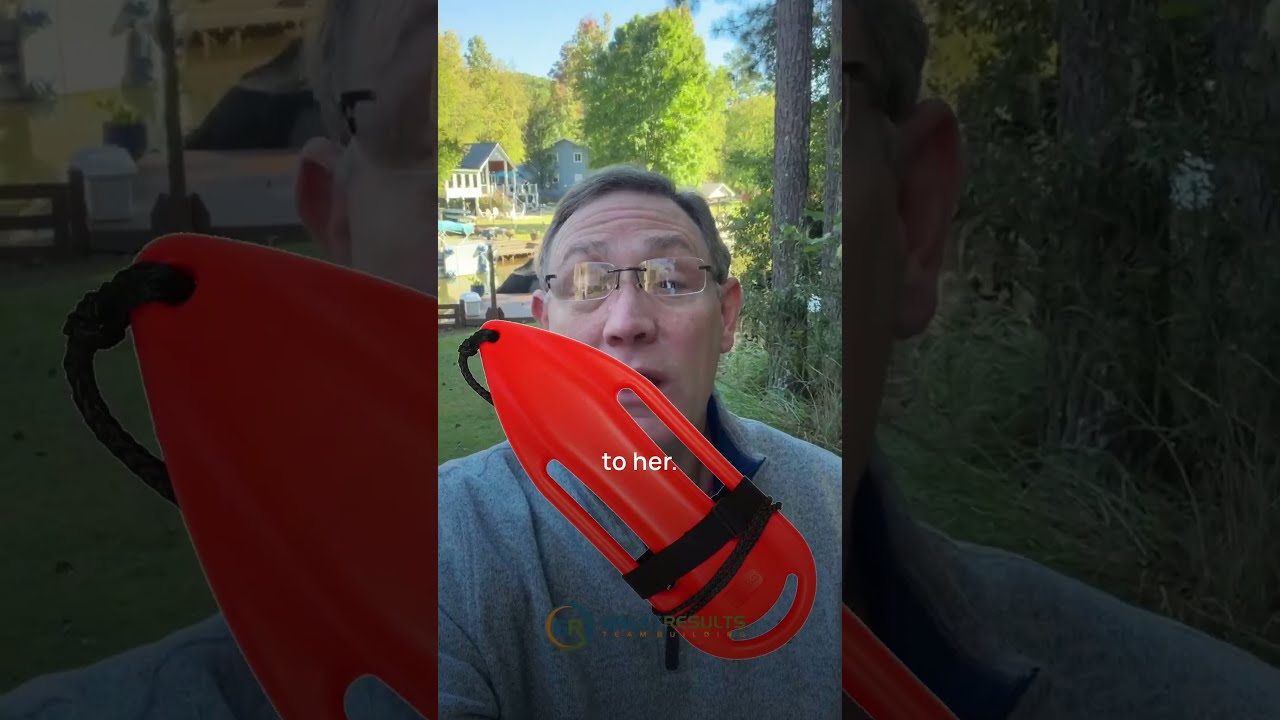
In this keynote‑style monologue, the speaker draws on his experience as a lifeguard to illustrate a leadership principle: distinguish between deep crises (the "8‑feet" water) that demand immediate intervention and shallow challenges (the "3‑feet" water) where leaders should step back, stay calm, and coach employees to solve the problem themselves. He recounts two lifeguard stations—a deep slide ending in 8 feet of water where a swimmer needed a literal rescue, and a shallow flume ending in 3 feet where a swimmer could quickly regain footing if left alone. The story demonstrates how over‑rescuing in low‑stakes situations erodes employee pride and exhausts managers. He then translates the analogy into actionable advice for managers: assess the depth of the problem, intervene directly only when the issue is severe, otherwise provide supportive presence and encouragement, and debrief after the employee succeeds. The talk concludes with a promotional call‑to‑action offering keynotes and training on this insight for organizations seeking to develop smarter, more resilient managers.