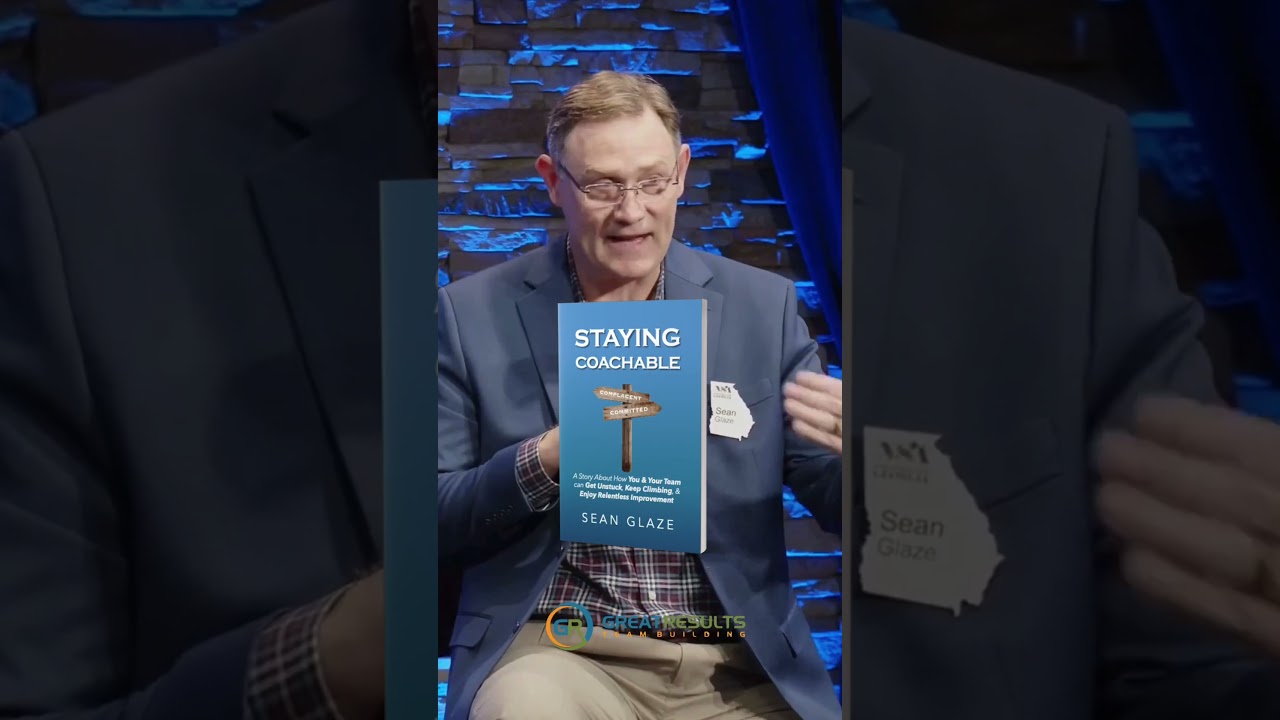
A teacher explains why "Who has questions?" usually gets silence: people feel unsafe admitting confusion. Instead, normalize doubt by saying most people have questions, then ask them to share. Specific phrasing for classrooms and meetings included.
Chapters
So how do you get your people to admit they need help? As a young teacher, I learned that finishing a lecture and asking, "Who has any questions?" just led to crickets. And even though I thought I had done a really good job of explaining things and giving notes, I realized that was not true when I saw their tests. I needed to do a better job of getting them comfortable sharing their challenge. And that's true for you as a leader as well. How do you effectively create psychological safety for your people to share questions or challenges? Well, instead of asking, "Who has questions?" instead, try acknowledging that most people do. As a teacher, I'd say, "Now, after teaching this for over a decade, I understand it can be confusing, so you probably all have a few questions. What are they?" And most of the hands would go up. In your next meeting, you can do something very similar. "Okay, we've gone over lots of information today. I know there's lots of questions in your head. Let's go around the room and hear a few." That's what effective leaders do.