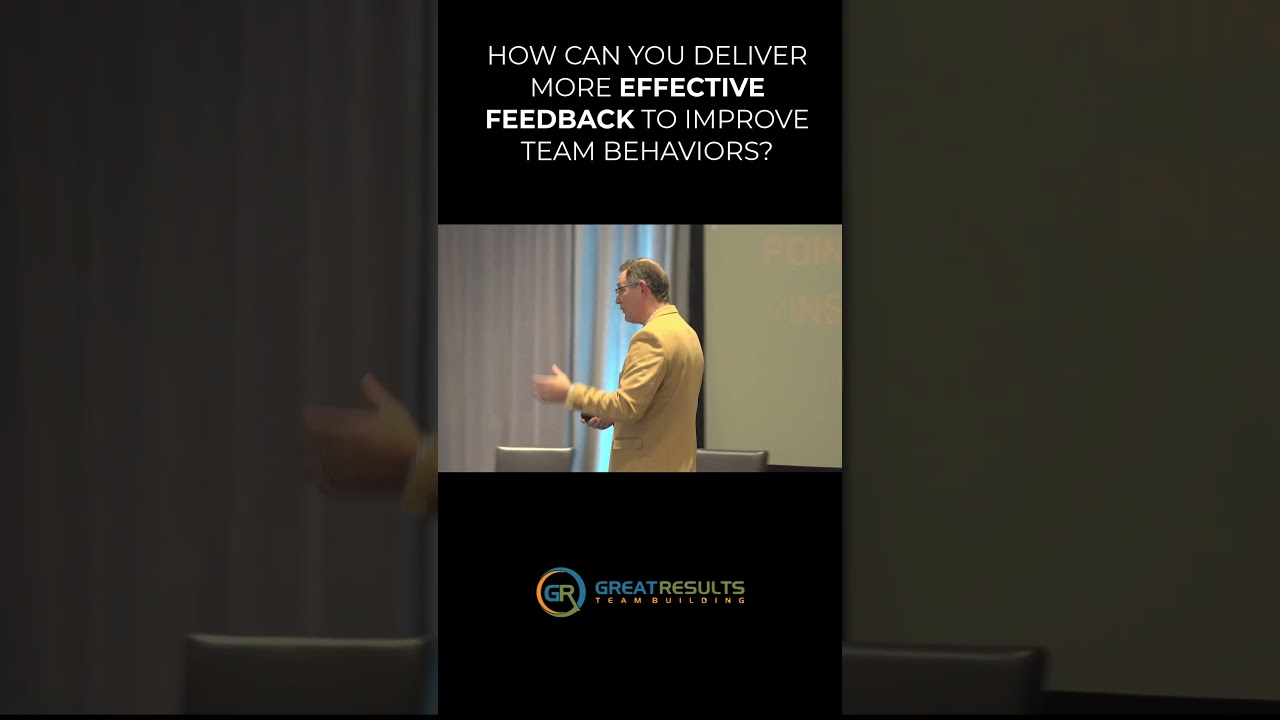
Effective feedback targets the problem, not the person, to avoid defensiveness. The POINT model gives five structured steps to frame feedback as collaborative support and help someone actually change their behavior.
Chapters
But when you do need to identify a negative, your job is not to point at people. The person is not the problem. The person is an unbelievably valuable resource you are working with, but we need to address that thing. When you point at people, it's going to inspire defensiveness. When you point at a problem, that's you coming beside someone to support and encourage and equip. Make sense? That's sometimes a difficult thing to do. That's why I think the POINT feedback model, and this is in your handout packet, Those 5 parts of an effective feedback conversation help you be that much more effective in preparing for something that is a meaningful opportunity to change behavior because you've changed somebody's awareness.