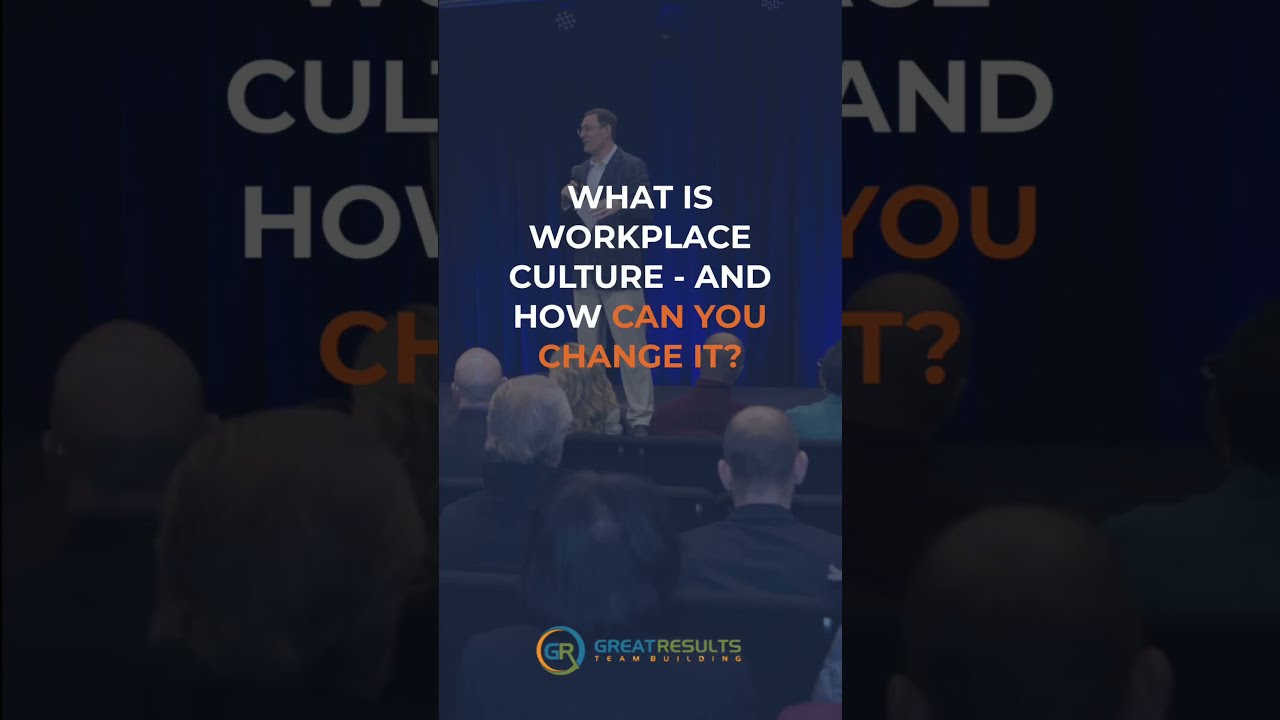
Sean Glaze argues that team building isn't just fun and games, but a strategic effort to boost communication, trust, and accountability. Every activity needs a clear purpose and facilitated reflection afterward, or the lessons fade. Remote teams can benefit equally if thoughtfully planned.
Chapters
Team building is often misunderstood. Many people think it's just about fun activities or a day out of the office, but it's so much more than that. Intentional team building is about creating a cohesive unit that communicates effectively, trusts one another, and holds each other accountable. When done right, the return on investment is significant, not just in productivity but in overall workplace satisfaction. Let's talk about the common misconceptions. Some believe that team building is just a box to check off, a mandatory exercise that yields little benefit. But the truth is, without intention, these activities can fall flat. It's not enough to simply gather people together. There needs to be a purpose behind every event. Facilitated reflection is key. After an activity, take Taking the time to discuss what worked, what didn't, and how everyone felt can transform a simple outing into a powerful bonding experience. Now, let's dive into the benefits. Improved communication is at the top of the list. When team members feel comfortable with each other, they're more likely to share ideas and feedback openly. Trust builds naturally when people engage in activities that require collaboration. Accountability follows closely behind. When team members know each other on a personal level, they're more likely to hold each other accountable for their roles and responsibilities. But it's crucial to differentiate between recreational and intentional activities. Recreational activities can be fun, but they often lack the depth needed for real growth. Intentional activities are designed with specific outcomes in mind, tailored to the unique dynamics of your team. This is especially important for remote teams, who may struggle with isolation and lack of connection. Virtual team building can be just as effective when it's thoughtfully planned, focusing on fostering relationships and ensuring everyone feels included. Desired outcomes should always guide your team building strategy. Are you looking to enhance collaboration? Boost morale. Identify leadership potential. Each goal requires a different approach. Common mistakes include choosing activities that don't align with your team's needs or failing to follow up after an event. Without follow-up, the lessons learned can quickly fade away. So how do you choose the right strategies? Start by assessing your team's specific needs. Gather input from team members about what they feel would be beneficial. Look for activities that encourage interaction and reflection. And remember, it's not just about the activity itself; it's about the conversations that happen afterward. Investing in the human side of work is not just a nice-to-have; it's essential. Neglecting team building can lead to disengagement, high turnover, and a toxic work environment. The costs of ignoring this aspect of your organization can be staggering. When you prioritize team building, you're not just investing in a day of fun. You're investing in a culture of collaboration and trust that pays dividends in the long run. So take a moment to reflect on your team. Are you doing enough to foster those connections? If not, it's time to take action. Prioritize intentional team building and watch your team thrive.