A how-to transcript of a Mike Melton YouTube video demonstrating step-by-step tire repair: reaming a puncture, cleaning and buffing the hole, applying vulcanizing cement, inserting and seating a patch, trimming the excess, stitching the patch, and applying a final security coat to seal the repair. The instruction emphasizes cleanliness, avoiding contamination, and proper seating to prevent patch failure.
Chapters
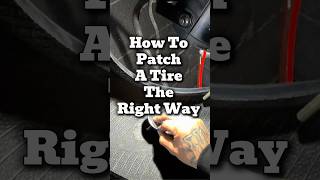
Show you exactly how to repair this thing the right way. Now this first what we're going to do, we're going to take our reamer and we're going to ream that right out of there. Once you got your reamer in there, we're going to go in that in and out a couple times. What that's going to do, get any kind of steel belts or any debris out of the way. Customer come in and that's a damn golf tee that went right inside that tire. Now what you want to do, you want to use your rubber cleaner. Now the reason you use a rubber cleaner before any kind of oil that's built up, you do not want that to gunk up on top of the buffer. That's why we do that. That's why right there, that'll get gunked up all up in there. You don't want that to happen. Right now we got our buffer wheel on there. So what we're going to do, what I like to do is take and make a square around it. We're getting to the cords of that tire because it's done deal. After that. Right now with all this debris in there, we're going to take the vacuum. Now we got every bit of that out. Now before you lay that patch down, make sure you use that vulcanizing cement. And then we're going to stick it in the hole just like that right there. Okay, now we can take it. Pull that off. You never touch that part of the patch at all. Now what we're going to do, we're going to take a pair of pliers and we're going to pull that patch all the way through that tire. Now when we do that, you see that dimple right there? We're gonna start from one side just like that. And now we're gonna work our way to the other side. Alright, now we're gonna take our pair of dikes or snips or whatever you want to call them, and we're gonna take it and we're gonna snip that right there. You don't have to snip it all the way down to the tire. You just snip it to where you got a little nipple hanging out. Because as you ride, that's gonna wear down to the, to the actual tread of the tire. Now we got the plastic off. We're going to take our stitcher. What we're going to do is make sure all parts of this patch are down. There's no part sticking up anywhere, no air bubbles whatsoever. That way. That patch is not going to come apart on that customer. Alright, now what we're going to do, we're going to take our security coat. What this is, it puts a bond on top of that tire patch. It's like a big rubber coating.