Balanced Body Health and Wellness special guest Dave Gibb
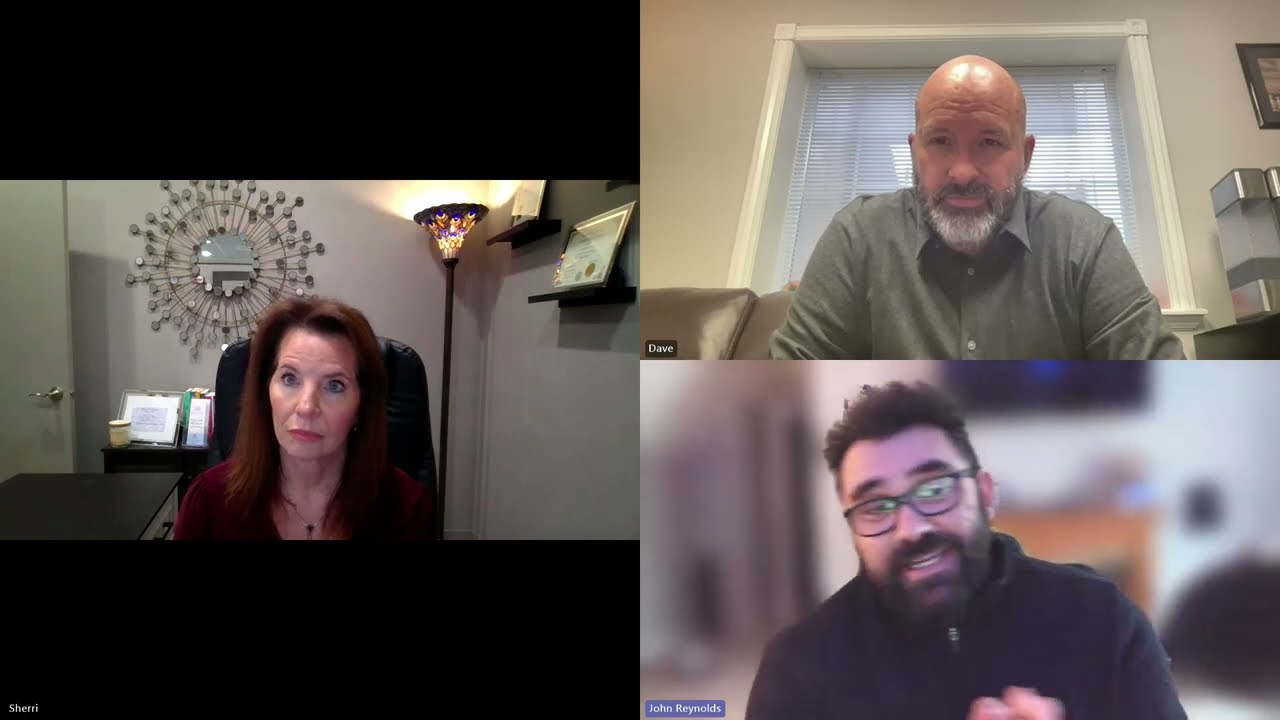
In this episode of the Balanced Body Medical Podcast, host John interviews Sherri Griggs, owner of Balanced Body Health and Wellness, and guest Dave Gibb of Legally Mind. The conversation shifts from hormone balance to the importance of financial and legal balance for business owners. Dave explains why successful entrepreneurs are frequent lawsuit targets and how the motivation behind most suits is monetary gain. He outlines asset‑protection tools—LLCs, family limited partnerships (FLPs), and holding companies—emphasizing that the state of formation matters. Only a few jurisdictions (Delaware, Wyoming, Alaska) provide strong protection; registering an LLC in a weak‑protective state (e.g., Nebraska) allows courts to pierce the corporate veil and dissolve the entity. The hosts discuss the distinction between “safe assets” (cash, jewelry) and “high‑risk assets” (real property, business equipment) and how to segregate them into separate entities. Dave introduces the charging‑order mechanism and IRS Ruling 77‑137, which can tax a judgment even when the debtor’s assets are protected, reinforcing the need for proper structuring. Real‑world anecdotes—Disney’s Goofy Car LLC, a Walmart parking‑lot LLC, a doctor’s malpractice case, and a high‑value judgment—illustrate how improper structuring leads to asset loss. The episode also covers the cost of professional asset‑protection services, noting that Legally Mind offers in‑house attorneys, estate planning, and ongoing entity maintenance for $25‑50 k upfront plus lower ongoing fees, positioning itself as a cost‑effective alternative to piecemeal legal counsel. The discussion ends with calls to action: listeners can contact Dave via legallymind.com or dave@legallymind.com for a free consultation, and Sherri invites them to schedule a hormone‑balance discovery call at balancedbodymedical.com. Throughout, the hosts draw parallels between legal stress and hormonal stress, underscoring that reducing legal risk can improve overall wellbeing.
Chapters
Welcome to the Balanced Body Podcast, where Sherri Griggs, owner of Balanced Body Health and Wellness in Omaha, talks to us about health, wellness, and balancing hormones. Welcome back to the Balanced Body Medical Podcast with Sherri Griggs, hormone expert extraordinaire Sherri Griggs here in Omaha. And not only do we talk balancing hormones and balancing your life. But today we have a special aside where we're going to talk about, as a business owner, how to balance business correctly. Hello, Sherri Griggs. How are you today?
Good, John. How are you?
I can't— I love these, uh, conversations that we have where we go, uh, slightly aside, but everything is about balance and about doing things so that everything's in line. So I'm kind of excited to hear what you have in store for us today.
All right. Well, and balance is important, and we know that we talk about stress a lot. And one of the ways to ease stress or to help your adrenals is lifestyle. So this podcast today, we'll be talking about ways to ease the stress for business owners. And I met Dave. Dave Gibb is our guest here with Legally Mind. I met him at the Mindshare conference. I know I've talked about that in one of the other podcasts. And Dave talked to us about our LLCs, the fact that judges can dissolve them, some great tax strategies. There was a ton of information. I, of course, immediately came home and started telling everybody, did you know? Oh my gosh. And then I tried to tell the story and they said, Sherri, you have to present on this. And I thought, Well, I'm gonna reach out to Dave, and I'm gonna have Dave get me his slides, and then I'm gonna present. And then I thought, well, why don't I just have Dave do it and have him on the podcast? And then when anybody questions or wants more information, I just send them directly to the podcast, and they can get it from Dave themselves directly. And he will, of course, tell us at the end how people can reach out to him, how they can contact him. Again, this is really an informational podcast, but if you're so moved at the end to reach out to Dave, I know that I signed up with Legally Mine, and I've been very happy with my meetings. They're very well organized. But so to give him the most amount of time so that he can tell us, because he has so much information for us. Dave Gibb. Dave, did— say anything you want to tell us about you, your background?
Sherri, thank you so much. John, thanks for having me on as well. Grateful for the opportunity. You know, when we met down in Scottsdale, what a great time down there. What a great group of people and just a great fit. But the reason why it was such a good fit is we're talking to people who are successful. And you have to understand that successful people have a big target on their backs. And because here in the United States, you can sue anybody at any time. For any amount of money, for any reason, and there's literally nothing you can do to prevent the cause of a lawsuit. So the cause you can't control, but what you can control and what you've got to control is actually the motivation. And, and we can all guess what the motivation of a lawsuit is, right? What, what do you guys think? Why do people sue people in the United States?
Money.
Money, right? Whose money?
Other people's money.
Yeah, your money, right? And so, so we're talking, we're talking about, we're talking about people that have money, but also usually that make, that make money. And either— and we, we do a lot of with medical professionals, but anybody that has a business or, or has assets, you don't even have to own a business to have, have assets, you become that target. Uh, and if you've got that target on your back, not only are they going to look for a way to come up with a reason to sue you through, through using the things that you do. Like, a medical professional has to touch and do things. A business owner has, has people that work for them, and maybe they have to let them go. And that's a horrible situation when you have to fire somebody or lay somebody off. Well, guess what? I guarantee that person's experience is a lot worse than your experience of having to do that. Stinks to have to do that, but that person had a horrible experience. And guess what? A lot of times those turn around and come back on us as business owners. So we've got it, we've got it. So how do we protect ourselves? How do we control the money? How do we control the motivation? And, and really, that's what it comes down to. Well, you use the laws of the United States. There's structuring that's put into place. And you mentioned LLCs. LLCs are a great tool and they were great from the beginning. And they were created in the mid-1980s by, coincidentally, by a group of former employees of ours who were now state legislators in Wyoming. And they knew all about the asset protection strategies that we'd been doing for years. Literally, it's been 40, 50 years of doing this, our company. But we were using something called a family limited partnership, which by the way, is a great tool to use For safe assets. And what I mean by safe assets, that's your assets that aren't going to cause lawsuits on their own, like a checking account, an investment account, your cash, your jewelry. No one's going to trip over your bank account, right? They're not going to sue you because they trip over it. And because of that, you can lump all those together into one entity. All of those different— all those different assets can be lumped together because they're not going to cause a lawsuit. But if you get named in a lawsuit, they're the first things that are taken because that's the easiest things to grab. But what about— so that's your safe assets. What about your high-risk assets? These would be— these are things that can cause lawsuits on their own. This would be like your home, your car, your, your business, your, your, your rental properties. These are things that can cause lawsuits on their own. So you can't lump these all together. Like you can safe assets. So what these guys looked at when they were state legislators in Wyoming is they said, well, the family limited partnership was great for safe assets. Why don't we create something that's better for real property? And what they came up with was the LLC. Now, the LLC has been around, you know, I mean, it, it quickly thereafter, all 50 states created their own version, and over 100 countries use LLCs worldwide. It's by far the most popular asset protection tool in the world. And do either of you have LLCs right now?
Yeah.
Most of us do, right? And whenever I ask that question, it's like I get tons of hands in the audience that come because we all have heard of LLCs. But the— and they're great in the beginning. But over the years, the trial attorneys have really gone to work on weakening the value of an LLC on its own. And so what we were talking about, Sherri, earlier is about how even very savvy investors who have LLCs and they've got these put together miss the point of putting those LLCs in a state that won't give them good asset protection. And there's not very many of those states out there. There's only 3 states that we know of that can truly protect your assets. First one is Delaware. Delaware's the longest running. If you check your credit card statements, every credit card's gonna be incorporated in Delaware, and it's for asset protection purposes. The second state is Wyoming. They're the most innovative. They're the ones that came up with the LLC in the first place. But by far the best state that we see for asset protection is Alaska. So how— But you live in— where do you folks live? I, I— you're in California, aren't you, Sherri?
We're in Nebraska.
No, both of you are in Nebraska. Oh my goodness, I was just talking to somebody today, said we got to get to Nebraska. It's kind of a crazy coincidence. But anyway, but, but if you're in the state of Nebraska, right, and you create— let's say you're trying to protect your home with an LLC, okay? And you get in a car accident or something happens at your office where they— it's a big enough deal that the judge finds you guilty. Now they're gonna try to find some money. Okay, so what are they gonna do? They're gonna start looking for business assets, then they're gonna look for— they're gonna pierce the corporate veil and now go after personal assets. And they're gonna look and say, well, Sherri, it looks like you've got a home. It looks— Sherri, it looks like you've got that in an LLC, but it's an LLC that's in the state of Nebraska. And Nebraska does not have good asset protection. So the judge is gonna say, well, what I'm going to do Is I'm going to dissolve that entity and take it out of your name, Sherri, or out of the business name, and I'm going to put that home in your personal name now. So now in that lawsuit, that home can be taken. And so what happened? So your LLC was broken, it was done. So what I was getting back to about how savvy investors miss this point is they'll create an LLC in the state of Nebraska, for example, put their home in it, think they're protected. Sounds great. Well, you should create a holding company in a state like Alaska that has better asset protection laws and then register that LLC that's in Nebraska in the state of Alaska. Are we following— you following me?
I am.
And the reason why this is important, if you get sued in Nebraska, but that, but that entity is registered in the state of Alaska, The judge in Nebraska has to use the laws of the state that it's registered in. And if you put it in a state like Alaska, Alaska by law, you can't dissolve an LLC. Can't do it, right? You cannot at will. A judge can't do it.
Can't do it. So my question real quick, Dave.
Yeah.
So when we form LLCs, for instance, like my LLC I formed for my company was so that if something happened within my company, they couldn't take my personal assets. That's why most of us form them. But that's not true.
It's not, not the case. Let me finish up what I'm talking about and get back to what that is, because, because we're talking, we're talking about now about not your business, your, your other assets, right? Business most likely is going to cause the lawsuit in the first place, right? A lot of times that's who we as business owners, that's where we have the most risk. And so, but then the judge pierces the corporate veil and now names everything personally. Okay, so now you've got your home in an LLC in the state of Nebraska, but it's registered in the state of Alaska. The Nebraska judge has to use Alaskan law, can't dissolve entities, can't seize assets, cannot foreclose on your membership, which a lot of times they'll do that, put— take your name off, put somebody else's name on, and we can talk about that in a minute, but But that, that's, that's why you want to put these— you want to register these entities in a state that will protect you, because in the state of Nebraska and 47 of the other 50 states, they would go and dissolve that entity. And now that, that property becomes part of that lawsuit.
So, right, the business would be the reason for the lawsuit, but then they couldn't touch my personal assets. But in this case, they obviously took all of his personal assets.
You know what the misconception is, is that an LLC will protect you from a lawsuit.
Yeah.
It can't. Whatever call, whatever, if that, if your business causes the lawsuit, that's what that, that's that. You can't protect that asset, but that's why we strip everything out. That's why you want it stripped out. They can pierce the corporate veil and now go over first after all of your other assets if needs be, but But because those are outside entities, they can't be named. And as long as they can't dissolve those entities, they can't be named in the lawsuit. So what that— what that ended by, by creating an entity, the interesting thing is for your company is if you got in a car wreck and was sued personally, they couldn't name your business because your business is an outside entity. That's what that entity will do. It protects you from outside lawsuits. Not from the lawsuit that was caused by the business in the first place. And so that's a misconception a lot of people have.
It is.
And, and it's— anyway, that's what gets a lot of people in trouble, right?
Oh, I was right there. I mean, that's why we did it, right? Keep this separate, keep the business separate, don't commingle, you know. Um, that again, that's what was so shocking is how it happened to him. And then hearing you talk about— there was also something about, um, Was it the general partner and a silent partner? What was that, a 98% and a 2%?
Oh, you're talking about a family limited partnership. Family limited partnership only has 2% ownership. The general partner only has 2% ownership.
Right.
But you can't do that. You can't be the general partner and limited partners in the same entity. So what we do is we create a management company on the outside that the client is actually the owner, the general partner of that. And then we make that management company the general partner of the entity, and then we give them the other 98% as limited partners. But it— that they own 100% of it. It's just divided up this way, and that works in the courts.
Right, because they can only get the suit— the 2% of the—
2% is the only thing that's left in there that they could— that they could possibly name. And who wants 2% of your assets or mine or Or John's, you know, unless we're Bill Gates or, or, uh, or Warren Buffett, you know what I mean? Right. 2% just isn't enough to sue somebody over.
No. Someday it will be.
Well, that's the goal. Someday it will be. That's why I'm setting this all up right now, because I can tell you right now, yeah, I think there's no—
Well, I mean, again, it's not going to matter because the way we're structuring you The 2% isn't even in play. That would— that, that 2% analogy was just to set you up for how LLCs were and how they became to be. They came from the— from the family limited partnership. That's what the family partnerships have been around for a long, long time. They came to the United States in 1914, been used here forever. Well, the LLCs didn't come until the mid-1980s, and that's And they built that off of that family limited partnership, but they did it for real assets, not for your safe assets. So anyway, just a little history on where it came from.
Right. And when you talk about the difference, like you said, in the business, you know, the equipment is an LLC. I would assume my inventory, right, of thousands, several thousands of dollars of inventory would be its own LLC. And is that where you gave the goofy car example?
The, the which example?
The, the, um, Goofy car. Was it Goofy car number 13?
Oh, Goofy car number 3.
That was a perfect example of how it really works, right? Okay, when it's all separated out.
Yeah, yeah. Well, it just— I mean, it goes along with what we've been talking about. It's, you know, Disney had, uh, there was a case down there that we saw. Family brought their elderly mother to Disneyland, threw her on the Big Thunder Mountain Railroad. They— she had a heart attack. They decided to sue Disney. When they went and looked to see, they broke it down for the family. So let's look and see what happened here. And they saw their mother, grandmother, getting on the 3rd car of the train. And they said, well, folks, that car is Goofy Car Number 3 LLC. Every car was in a separate LLC. And so they said, folks, your lawsuit is not with Disney. Your lawsuit is with Goofy Car Number 3 LLC, and you can't take the real property, so you can't take the car. You know, I mean, that's a lot of people say, well, I'll take the car, put that in my backyard. I don't know what they'd want that for, but anyway, but no, you can't take it. It's in an LLC. You can only take the money generated by that in a distribution. And how many distributions does Goofy Car Number 3 pay to Disney?
Nothing.
You didn't pay any money to go on that ride. You paid Disney to get in the park. That's how you got your money to get— that's how you— that's where your money went is to Disney. And Disney didn't cause the lawsuit. Goofy Car Number 3 caused the lawsuit.
Wow.
So that's the example of keeping it all separated in its own little LLCs.
Yeah.
You know, we, we had another example. We in— we had a doctor down in Arkansas get sideswiped in a Walmart parking lot and decided to sue Walmart. Well, they found out really quickly that the Walmart store's in one LLC and the parking lot's in another LLC. Can't take the parking lot. It's a real property, and there's no money generated by that parking lot. So there was nothing to gain. They dropped the lawsuit. It's just you just it's just being smart with the way you manage your money and the way you protect your assets. But again, it's it's it's a specialty. Not not very many attorneys know how to do this, and that's why lots of people get into trouble because they create an LLC. Maybe their their local attorney created. I brought this up before, you know, your local attorney's not there to hurt you. They just don't understand these things. You know, just like you focus in different parts of business, they focus in different parts of law. They don't understand these. So they create, they create software, they create LLCs out of software, templated software.
Yeah.
And you can guess who writes that, those templates. The trial attorneys do, and it's gonna benefit them. You know, we, we reviewed over 3,000 documents last year alone from, from business owners all around the country last year, just, just last year alone. Every one of them had wording in it, had pro rata language in it that would've allowed the judge to take financial control had they been sued in a lawsuit and take and assign them a small salary to pay off the balance. Every one of them would've been in that situation, but just simple change to the wording in there would've blocked that from happening.
That's, that's wild. And we do talk about all the time how, um, you know, hormone therapy and what Sherri focuses on, balancing hormones so that you have a better opportunity to get healthy, uh, sort of, you know, not doing sick medicine, is its own specialty. And when you talk to maybe a general practitioner about that Sometimes the GPs are not, you know, learned up about what's going on in hormone therapy and, uh, you know, how all the different hormones balance out and make things easier if you're going for this sort of healthy living. So that same analogy works perfectly with the legal system you're saying. Did it make sense?
Well, and if you get caught in a lawsuit, your health is going to go downhill pretty quick.
Yeah.
You know what I mean? It goes high. Yeah. And we all know what stress does. It affects everything.
We, there's, we have a speaker here got caught in a lawsuit. Uh, yet he had one child, they got caught in a lot. Then he puts up a picture of his, of his family, and there's an older child, and then there's 3 younger children. And they're like, what do you think happened during that 4 years? I got caught in a lawsuit. And, and he just said it just emotionally drained us, and we just, we had, didn't have the ability to even function. It just It messed up their lives. And so back to your point about health, and that's a frivolous— even a frivolous lawsuit can do that. You don't— you want it to stop before it starts, right?
Because I understand that you shared that IRS code with us, right? That if somebody is awarded money, they have to pay taxes on that money they're awarded whether they collect it or not, right?
Yeah, you're opening up a big jar of that. Big, big— we're talking, we We don't have a lot of— we don't have much time left. Now we're opening up a big thing. But what I can tell you is, yeah, that's another reason why it takes away the motivation is because the wording that the IRS got involved and they could see that people weren't going to distribute money because the general partner didn't have to distribute. And let's— I'll say this. If, you know, if, you know, Sherri, you sued John for whatever reason, maybe—
We're trying to start some static.
Come on, Dave.
Okay.
But, but I'm the judge in the case, and, and John, you owe my— you owe her a million bucks. And I— if I can't give you— if I can't force you to pay her a million dollars, you're not too— I mean, she's not happy about that, right? Because she won the case and, and you don't have to pay it because you've got all of your assets protected the right way and all the wording's right and everything. Well, the IRS wasn't happy about that either. Because if you'd have given her money, she'd had to pay tax on that money. Well, they came up with IRS Ruling 77-137. Which basically says if you don't pay her, if she tries to sue you based upon the charging order— with which, that's what this is all about. The charging order is what was what the judge uses to get money out. If she tries to sue you using that and you don't pay her a dime, she still owes taxes on the money you didn't pay her. That's that, and that's the IRS code. That's what they put into place, and it was an unexpected Huge advantage and really a great advantage to asset protection because not only are you not gonna get any money, Sherri, if you sue John, if he's structured the way we're talking about, but you'll owe taxes on money you won't get. Just another reason why you can tell an attorney, don't start this lawsuit.
Yeah.
It's gonna end bad for you. Stop it before it begins. And that's how you do that.
That's, that's crazy. So I'm sure, I'm sure after hearing all this, there's gonna be plenty of questions flying around, not only our group, but, um, you know, anybody who listens. Well, before we kind of end it, what are one or two of the top questions that you know you're gonna get after you have that discussion with somebody when you bring up these stories and Uh, you know, go through just like how you're structuring things and why to— what's the next follow-up that you usually get?
Well, obviously everybody has a different structure, so it's hard to really pinpoint it. But what I can tell you is, boy, this sounds like it's going to be expensive.
You know what I mean?
And you're right, if you go to it— if you go to somebody that specializes in this, because there's not many that do, It's going to cost you a lot of money for a simple structure. Most people are going to spend $25,000 to $50,000 plus, plus you're going to spend maintenance and management on it. What we do is differently. We bring it all in-house. We, we have in-house attorneys, estate planning attorneys, asset protection attorneys. And we didn't even talk about tax strategies because all of this is once we get it all structured and set up, Now we can start showing you how to save some money in taxes by using these different structures and so forth. But all of these attorneys that we have at our office work in conjunction one with another. If you had to go, like I said, if you had to go find somebody else, you got to find multiple different attorneys and you got to try to get them to work on the same page. It's hard enough to find someone who knows what they're doing, but then try to get them all to agree. It's a nightmare, right? So we bring it all underneath one roof. Our costs are about half as much as what you're gonna spend anywhere else. And I'm not gonna tell you exact details, but what I can tell you is that's the reason why, is because we are— we're all-inclusive in one location and we can work with people that way. And then we can get it, and based upon everybody's situation and how many assets they own and what type of structures they need, then we can get into pricing and so forth. But it is going to cost you a lot less money to do business with us. With Legally Mind, that would be the number 1 question. Number 2 would be like, well, it sounds like I got a lot of LLCs I'm going to set up. How's that? How hard? What are my ongoing fees? What am I— well, you know, what's the ongoing maintenance on it? Well, Legally Mind does all the maintenance for that. We take care of all the management of it. You won't have to file tax returns on any of these entities because they're going to be disregarded entities. Just, we want to keep your life simple. This is— this brings more organization. I get so many people coming up to me and saying, I'm so grateful you did this, not only for the asset protection and for the tax strategies, but because of the organization. And back to your point about when you should do this, in the beginning. Get it going right when you get started out.
Right away.
Get it, get it built right, you know, from the beginning. You know, so many people just And because we're not taught this in our schools, and so we get out there, we get on our own, we go to an attorney, get the LLC set up like Sherri told, and she goes out there and gets going and realizes, wait, that LLC is not there to serve the purpose I thought it was there to serve. Okay, but it will protect you from an outside lawsuit. Yeah, it will, it will. But, but, uh, but that's not what you got it for, you know what I mean?
Right.
You got it for a different reason. And so Anyway, those are probably the 2 biggest questions I get asked. And, and, you know, you can go to your local attorneys and get this set up. But, and you, and, and there are guys that do it, but it, and you might be able to, maybe, you know, a relative or somebody, but make sure they know what they're doing. You know what I mean?
Right.
Like, you just, you don't want to mess around with these things because if you get the wording wrong in a document, all of your asset protection is blown. You know what I mean? It's like you got to make sure it's done right. If you do it right, it's just— it will truly make you look homeless in the eyes of the courts.
Well, and the thing is, you guys do this every day, all the time. It's what you do. And, and you can help people in every state, correct?
Yeah. Yeah. We work across all 50 states. Don't work outside the country. But if you own properties in the United States, we can protect those properties as well. But primarily for US-based people is because the laws are different everywhere in the world. And by the way, we are, you know, there are 90, I think 90, what is the, I think the stat is 92% of the lawsuits worldwide come from the US and we only make up 7% of the population. It's ridiculous. It's ridiculous how tax, how sue-heavy we are. And our system's broken. It truly is. And That's why working here for 16 years, I think, I think I'm going on 17 years. I have seen just miracles take place in, in getting guys out of situations that if they hadn't had us, they would have been in big trouble. And so, and, and, and I will say this, you know, I know we need to close up, but I will say this, that, well, maybe not. Maybe we don't have to close up, but—
No, we're good. We're good. I'm good until 5. I've got another 15 minutes.
Okay. All right, great. Well, you know, in, in the, in the years that we've done this, uh, we've only had one client have to go to court ever.
Really?
Everything else was beforehand. And the reason why this one had to go to court is because the gal was performing illegal surgery and was criminally— she, she got caught in a criminal situation. Uh, but interestingly enough, They didn't lose any assets. She didn't lose any assets because her assets were protected. She'll probably go to jail, but she didn't lose any, any assets. And, and, and that was the only court case. Everything else gets dropped beforehand.
Yeah.
So as long as you're not committing a crime, you're probably not going to go to court. And if you do go to court, you're not going to lose any money.
Wow.
By the way, that— we don't understand the attorney that took this case because they looked at everything of how this person was structured. It was a brand new attorney just getting out of college, didn't understand the laws, just said, "I'm going to take on this case and make it bad." Well, guess what? She's now a client of ours because she knows that that person is going to sue her for malpractice for coming after assets that could not be taken. And so, and now because think about it, she got. I think this person lost a thirteen million dollar judgment. Doesn't have to pay tax, won't have to pay it, and that— and her clients can owe taxes on $13 million.
Wow.
So anyway, I'm just—
right, so now that attorney's going to be sued for malpractice.
That's the crazy thing. Yeah, the person will go to jail and she can feel good about that, maybe, but you have to pay all this tax money. It's, it's, you know, it's— look, look, the bottom line is we, we— but obviously people can make legitimate mistakes, right? Anybody can have a legitimate mistake. And, you know, and if that happens, that's why you have insurance. Okay, you have that insurance, you pay insurance, it shouldn't destroy your life.
Right.
You know what I mean? You make a legitimate mistake and the judge comes and takes everything like we talked about in that doctor here in Utah. That's not justice, that's just greed. It's ridiculous. And so And if you make a legitimate mistake and you're a doctor or you're a business owner or whatever, yeah, you have that insurance. Give them some money to make that whole, make that person, you know, help that person. But it shouldn't destroy everything you've worked so hard to attain.
No. And that's what was so sad about that story, because I remember he said, you know, he had to sell his house, he had to get rid of all— lose all his assets. And, you know, and he didn't even do anything. I mean, he, he wasn't even touching this person. It was—
we had it.
We had the wind blew.
We had, we had a doctor that his employee was sexually harassing one of the patients while they were under anesthesia, posted it online. Doctor had no asset protection put into place. Oh my God, he's— we met him at a, at a, at a DEO event, an entrepreneur event for Dennis, and he, he was like, he was like 65 years old, and we're like, why are you Why are you at an entrepreneur event? Aren't you kind of done with your career? And he goes, well, kind of got to start over. Oh, this is what happened. And he lost everything and had to start over. And, you know, we again, back to my point, it's like, would you have spent any amount of money to get your assets protected ahead of time if you knew that was going to happen? And he's like, well, of course, but—
Hindsight's 20/20.
It does, but it doesn't cost that much money. That's the— that's, I guess that's what I can leave with you folks is it's not crazy. LLCs don't cost a lot of money to create. Family limited partnerships, yeah, they can be expensive, but the way we structure it isn't going to be so expensive. And so anyway, it's— if people have more information, I can give them my information. They can reach out if they want more information.
I mean, Dave, definitely, because I can tell you That knowing what I'm doing, that peace of mind, right? So the difference is one day I actually got a fax that comes across that is asking for medical records for this patient who's filing a lawsuit. And I was like, you know what that is? Yeah, right. That feeling. Okay. When I looked at the name, I went, who? And then I looked at the practitioner's name and said, oh, that's not me. So needless to say, I'm sure that attorney was not very happy with his staff member when I called and said, hey, I've got paperwork about a lawsuit and it's not me that you're suing. But just that moment, right? Okay, now I get something like that. Should I? Hopefully not, right? But accidents can happen. Somebody gets hit by the wind in my doorway or slips on the ice right now. I'm just like, okay, I call you. I call Dave and I say, okay, I need you now. But, but it's— that's very a simplified version of it. But the point is that then I— it's all protected. I don't have to worry about it. My insurance that I have does what it's supposed to do, and that's where it stops.
Yeah, and they probably wouldn't even get the insurance, to be honest with you. To be really frank, they're not gonna— they won't want to go through a lawsuit because they'll— they're not gonna— they're not gonna want to. Yeah, but, but yeah, sure. But insurance, you could, you could offer, actually offer it and be like, hey, let's— yeah, let's get this taken care of through the insurance.
But right, but yeah, that peace of mind, that's how You know, they talk about the hero, you know, how all these people— we talk about the rich people, right? How do they— how come they never have to pay? How come they always get away with this?
How come? How come?
How come? Because they have the attorneys and they have the attorneys and they have the ability to do that. And then it's we people that don't have all that money, that don't know about these things and end up getting sued. Or like the dentist you talked about. But with Legally Mine, because you are a group and that's what you guys do and you do it all in-house and that's pretty much all you do. I mean, and there's so much more. That's part of your packages, the, the, you know, the will and the trust and, um, you know, all of this stuff that's all included along with the tax advantages. So how do people reach you if they have more questions for you or they're interested in signing up with Legally Mine? How do they reach you?
Well, I would say the best way would be to shoot me an email. Okay, you can go to, you can go to our website, you can go on there and you can, you know, messages that way, legallymind.com, or you can text or email me at dave@legallymind.com. And then I'll shoot you an invite. We'll set up a calendar appointment time that we can meet. I can go over, I can go over and either answer questions or I can go through a full presentation and show you from start to finish how this is built. It just depends on where you're at in your process. And then we can make a decision from there. But, and that all of that is free to get you in to talk to us and to talk to me. There's no charge for any of that.
Right. So that's dave@legallymine.com, right?
Yep. Yep.
All right. So I would highly recommend you do this. Sign up, talk to Dave directly, get your questions answered, either, or listen to a presentation, but don't wait. Don't wait until you need it. And I may never need it, but I have peace of mind that if for some reason I do, I don't have to worry about it.
It's awesome. Good.
I was going to say, once, once you lower your stress by talking to Dave and then you have your assets protected the right way, go to balancedbodymedical.com, schedule 15 minutes with Sherri so that you can get the rest of all your hormones in check. So that not only stress is lowered, but then you've got a balance in your hormones and your health journey can start the right way. Let's just get it all in one.
That's right. That's right. Get your cortisol. So you just go to balancedbodymedical.com, sign up for— I also do a 15-minute or sometimes longer discovery call.
It's free.
Can answer your questions as well. And Dave, thank you very much because, see, I didn't have it all Straight. You were right; it was like drinking out of a fire hose, and there was just so much information. So I'm glad that you did this because I had a lot of fellow business owners that wanted to know more about it, and best that you told the stories and gave the information out.
Awesome, awesome! Glad to be here. Grateful to help out. If you need me in the future, let me know.
Will do. Thank you very much.
This has been the Balance Body Medical Podcast with Sherry Griggs, owner of. Balanced Body Health and Wellness. If you're looking to find Sherri, go ahead and look for the website balancedbodymedical.com. If you're looking for the business and you want to find Sherri at her office, you can find her at 10815 Elm Street in Rockbrook Plaza.
Thank you.
More from Sherri






Beyond Hormone Balance: Reclaiming Pleasure, Purpose, and Vitality in Midlife w/ Carla Wayne Wright

Beyond Hormone Balance: Pleasure, Purpose and Midlife Vitality with Carla Wainwright

Cortisol Hacks: Simple Ways to Calm Stress, Support Sleep, and Reset Your Nervous System


