#020 How To Make Money From Your Social Media Following with Shane Barker
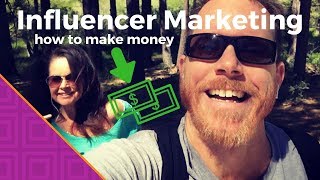
Shane Barker, a UCLA influencer-marketing professor, explains how creators turn followers into income. Engagement matters more than follower count. Pitch brands with clear win-win proposals, start with free products or small sponsorships, and build a portfolio of case studies to land deals.
Chapters
Hey, it's Sheryl here, video marketing strategist. I am here to help you to make more money with online video, and today on Personal Brand Breakthrough, we have a very special guest here to talk about how you can make money through your social media following. Personal Brand Breakthrough is a show dedicated to some complicated video production, to social media, and also to personal branding, which is why I We're talking to Shane Barker today, and Shane, in very, in a very short interview here coming up, is going to tell us how we can actually make money through our social media following. You'll be surprised to know how few people you need to make money. He's also going to talk about how it all works and the one mistake to avoid. So why don't we jump into the interview right now with Shane Barker? He is an expert in digital marketing, and he's going to share with us how how he does it all. So let's jump into the show right now. So let's dive in. We've got Shane Barker with us today. He's a, he's a digital marketing consultant. He's also a professor at UCLA where he teaches on influencer marketing and specifically in the fields of personal branding. And he also talks about how to work with influencers, and that's why we're bringing Shane on today to talk about influencer marketing. Shane, thank you so much for being here.
Hey, thanks for having me. I'm really excited about this.
I really want to dive right in. What is influencer marketing? I mean, it sounds on the surface of it, sounds like a complicated term to some people, but what is it in, you know, in plain language?
In plain language, I mean, influencer marketing is, you know, especially these days, you have people that have, you know, good social media followings, and that doesn't necessarily mean it has to be a million people that are following you. You can be somebody that has 500 followers, let's say, on Instagram, that you could, you can be an influencer of those 500 people depending on the niche and the products and services that you're pitching. But the idea is that everybody has that potential of having influence, right, over your audience or your community that you've built. So the idea is that you have a brand or a product or service that says, hey, listen, you know, I have XYZ product and you are an influencer, you have a good audience, an engaged audience, and we like to promote our products or services through you and have some kind of a win-win relationship there.
But can people really be influencers with as few as 500 people following them? That seems like a low number.
Yeah, well, I mean, that's the thing. It really depends on that audience, right? So I mean, you can have— I mean, I could have a million followers and they could not be engaged, and there could be just not a lot of value there. Or you can have somebody that, you know, every time I post something, I have I only have 500 followers, but I have 50 to 100 comments and people are heavily engaged. And wow, where did you get that product? Or what kind of product is that? And Shane, how long have you been using it? You have all these questions. So that's one of the misconceptions is, and brands look for this, is they hire people on their following count. And that's been happening for years. And it's not a bad way to go, but the problem is, you'll see this, especially these days, is a lot more people are adding fake followers. A lot of influencers are because, you know, they want to hit that next tier. It's like, I can either make $1,000 or $5,000 if I get up to X amount, and brands are kind of following that. So they have to be careful. And anytime you, you're in an industry where you can get more money and there's the potential of, you know, fudging the system or doing some things that might not be ethical, it's going to happen. Not with all influencers by any means, but when you set that boundary of, hey, if you get this X amount of followers, people are going to do something potentially that once again cannot be 100% ethical.
Right. So what you're saying is if we go out there and say, I'm really focused on getting my numbers up and I get some fake followers, that can really hurt my brand. And not only that, I think what you're saying is that engagement trumps those numbers. So let's talk about engagement. How is it that people who are out online and trying to build influence and build a personal brand for themselves, what is the best or what are your best practices for creating that engaging content?
Yeah, I think what it comes down to is that everybody understands their audience, right? I mean, you've kind of built it from the ground up, so you have a good idea of what kind of content that your audience likes. Um, you know, you'll produce content and then you can look at your insight, obviously, on, on Instagram or Snapchat or whatever, and take a look at like what your most popular content was. Um, and the thing is, is to make it engaging content. What I mean by that is try different things. They have Instagram stories, they obviously Snapchat has their own story feature. Is this anything as a blogger? I mean, always look at your analytics and see what kind of content your audience likes. Also take a look at your competition. There's no reason not to go see what your competition's doing. Go see what posts got a lot of engagement and do something similar. There's like BuzzSumo, there's some great tools out there you can go and see what products or what articles got the most amount of exposure, and then you can develop something around that. I think engagement is key in the sense that You know, if I'm on Instagram and I post something and I'm getting people asking all kinds of questions, it's important as an influencer for you to respond to those. You know, and that's what we talk about with micro influencers and macro influencers. Macro being, you know, more, and then like celebrities and stuff. They're not going to be able to respond to everybody, right? So that their engagement rates become lower because the analogy I always use with people is like, let's say you have a restaurant, right? So I open a restaurant, it's Friday night, and I click the open sign and I have 200 people that come in on a Friday night, right? I can do what I call shake hands and kiss babies, right? I can go around and thank everybody for coming into the restaurant and, hey, I appreciate you guys coming in and supporting local, and I can do that. Now, if I click my open sign and I have 10,000 people come through in a 4-hour period, I can't shake hands and kiss all the babies, right? So the issue is that your engagement rate is going to be lower because once again, I'm probably going to be in the kitchen cooking stuff, you know, as the kitchen goes crazy and, you know, we've got too many— not too many people, but enough people to go past that threshold of being unorganized, right? And so that's the same thing with influencer marketing, is that you can have a higher engagement rate with micro-influencers because they have a smaller following. But if I'm an influencer, I should be engaging that audience because somebody's asking me a question. You know, if I ask you a question right now and I said, hey, I have a question about this, and you just— I said, well, I had a question about this too, right? It's like, what do you— like, the whole point of— I'm asking you a question. Like, I understand maybe you don't have time, but I'm engaged with the product or engaged with what you've got going on. I follow your content and it's no different, like I said, if you walk into a restaurant, you walk into a place and I'm asking you questions and you're just staring at me, there's gonna be a certain point where you're gonna go to somebody that's a little more engaging, that's gonna answer these questions that you have about fitness or whatever you're putting up on your profile. So engagement is really, really important and true engagement, not like emojis. And you can, you know, 50 emojis, 50 people writing 50 emojis, that's not engagement. I mean, that's not, that's not true engagement, right? That could be whatever it is, but emojis are, as much as they have their place, and I like emojis, I use them all the time with my wife, we're big fans, but it's not true, true engagement, right? That's not really engaging with what you've got going on.
It's so interesting because you broke it down into macro and micro influencers, and I think what you're saying is that, you know, even as a micro influencer, you have the ability to be more hands-on and that it doesn't have to be a one-way street of communication. And if you do, engage and you use more than emojis and you actually say something truly valuable in response to people's questions, that could actually go further for you. So, you know, I want to talk about how we make money. How do people make money as influencers, right? So is it the case where, um, like, how do you— how does that relationship begin? Do you reach out? Do they reach out to you because they've noticed you? Um, is it contractual? Like, how does it work?
Yeah, I mean, I'll tell you. So yeah, you were talking about a little earlier. So I teach a class at UCLA and there's two parts of the course. One of it is like how to be an influencer and like how to develop a strategy and grow your profile and stuff like that. And the other side of it is, you know, as a brand or an agency, how do I work with influencers? So, and the number one question, the number, number, number one question is like, how do I make money from my profile, right? If you're an influencer, I mean, that's like, you know, kids will come in the class and we'll go over this whole thing. At the end of the day, they just, how do I make, you know, I wanna make some money from my profile, right? I built up this audience and I'm a jet-setter or I'm a lifestyle person, I'm a yoga person or I'm whatever it is, right? I'm a traveler, so how do I get free hotel stays, right? So it's always a question like, how do I, I built this up the last few years and now how do I make some money from it or get free product or something? So there's two ways to do it. I mean, there's one way is you can sit back and wait, right? You can wait for a brand or somebody to come find you. But the way that I teach people to is a lot more proactive, right? I mean, myself as a marketer, I've built up a good presence, so I write for Inc. and Forbes that we talked about, so I get a good amount of inbound, but 5, 6 years ago, me just waiting, staring at my computer waiting for people to come knock on my door, I can tell you it didn't work out too well, right? And I've been doing this a long time, so the thing is, is you have to be proactive, right? You can be reactive to people coming into your website, but it's also important to have an outbound strategy. So that's what I teach. I say, listen, don't wait, don't wait for somebody to come knock on your door, 'Cause what happens these days is you have influencers who, most influencers aren't marketers, right? What it does, they built this profile, so they don't really know how to market for the most part. They have an idea of what their audience likes. And then you have most brands that really don't know how to work with influencers, right? So it's this thing of like, hey, let's get together. The way I explain it, and this is a terrible, terrible analogy, it's funny, but you'll get the point across. It's like two 15-year-olds having a baby, right? It's possible, you probably shouldn't do it, right? We're kind of telling you, hey, let's wait a little bit, you know, like it's a little early. But they can still do it, right? And so it's the same thing with influencers and brands. It's like, oh, you guys are getting together, you can have a baby, but it's probably not a good time yet. You gotta, you gotta grow up a little bit, right? So that's where UCLA being one side of it, and the other side of it, I have some courses that I'm coming out with that are influencer marketing. So, you know, so influencers can go and figure out how to monetize their profile and how to negotiate and stuff like that. But what, what I recommend is you want to go and take a look at your profile. You don't have to have a million followers. But you have to figure out, like, you have to educate a brand on why they want to work with you, why they should work with you, right? So you can look at your profile and you might look at your numbers and go, wow, they're really low. I haven't worked with any big brands, blah, blah, blah. You have to start somewhere, right? So I started writing for blogs for free and doing this, and I had to build up a foundation. It's the same thing with this. Go and offer a local brand and say, hey, listen, hey, you know, here's this influencer marketing thing. I have a good following. I'm a yoga instructor in Los Angeles. And you guys have these mats and have some things going, like, let me show you guys my audience. It's— I'm not crushing it, I'm making millions of dollars, I don't have tons of sponsorships, but let me explain why I think this could be a win-win, right? Let me show you XYZ company, this yoga company that is your competitor, and they partnered with Jennifer Smith, which is kind of my competitor, and let's see what they did, and let's take a look at that. Would you guys be willing to— hey, all I'm looking to do is have you guys send me some free product, $100 worth of free product a month, and let's get this thing going, right? So now as an influencer, now I have a brand, right? Now I have somebody that's that's vouching for me, that's sponsoring me. So now it's a win-win. You have to figure out how it's a win-win if there's not a lot of money involved. If you're a brand new influencer, like, how do I do this? Now you can go to the next company and say, hey, I work with XYZ Yoga Company, we've been working together for 3 months. And now— and they don't have to know that you're not getting paid from it, right, necessarily. You're getting free product or whatever, but it's, it's that foundation, you know. You're not going to have Walmart come knock on your door if you just started being an influencer. You're just not— that's not going to happen that way, right, unless you take off virally or something. And even then you're not gonna know what to negotiate. So it's all baby steps, right? So it's like this foundational stuff that you have to do. And once again, this is, I'm putting together two courses. Like I said, one is the influencer side of, it's gonna be an online course where influencers can go and, you know, how to, you know, once again, how to make money from their profile, how to negotiate, what to put in your contract, like how to negotiate a longer-term agreement than a short-term agreement, that kind of stuff. And then I have a course, a two-day course that I'm teaching that actually helps brands and agencies reach out, how to reach out to influencers, how to find them, what to negotiate. Once again, I'm trying to like, I'm trying to get everybody to 18 to 19, 20 years old to have babies, right? Even more, my mom, I think she told me like 29 or 30 or something, but I'm okay with the, you know, 20s is fine. We'll get you guys back together, but I want to coordinate it as much as I can without making it awkward, right? Of just have some of the stuff that we've learned over the years of things you can do and don't do and and how they can save money. 'Cause most of my clients unfortunately come to me, or I've heard through the grapevine, they go, "Ah, we've done influencer marketing and it doesn't work." And I go, "Okay, well, you know, kind of tell me about that. Like, let me see your guys' campaign. What did you guys do?" And a lot of times it's picking the wrong influencers. You can have the best product in the world, but, you know, I can have the best product in the world, but if I do a PPC campaign that's going after the wrong audience, it doesn't matter what your product is. It's the same thing with influencer marketing. There's a lot of research that has to happen in the beginning. There's just a lot of work and stuff that I think people just think, I go hire an influencer, I give them $5,000, they have a million followers, they post it, you know, a million dollars comes in my account, now I can go to the island that I've been talking about buying, you know, and I go and I drink my Coronas and I just sit back and I hire somebody to count my money, which I guess could happen, that's a little bit of a fallacy, but, you know, there's just a lot of work that goes into it, but once again, if you put in the time and the effort, it can be, you reap big, big rewards.
It's interesting, it's just like speaking, right? It's hard to get maybe that first speaking engagement, and then once you get that first speaking engagement, it's a jumping-off point to then say, hey, but I've spoken at this other event. And so, but it's the same thing, what you're saying is be proactive. You might need to be proactive in the garnering of that first relationship, that first influencer relationship, but then you can start to use that as a, you know, a platform to jump from there.
So that's exactly it.
Yeah, so those programs that you're talking about, are they launched yet or are they still in the process of going?
No, we're developing them right now. They're two totally different things because one, the brand one is actually in a week and they would actually come down to, first one's gonna be in San Francisco, but we'll actually go there and we'll go to the hotel and we'll do, it's a two-day, actually hands-on thing to show them how to find influencers and go through software and once the campaign goes live, how to use like PPC and all that kind of stuff to make sure the campaign continues to have life. The influencer course will be out, you know, if the course gods are listening, here in the next month or so. So, you know, that's really, really excited about that.
So how do people get in touch with you? Do you have like a list or some way that people can really just stay on your radar so that when that's ready and if they're interested to know more about that, they would contact you?
Yeah, I'm kind of like Batman. We have like this bat sign. So what you do is it'll send up, it'll say SB, right? And then I know— no, I'm just kidding. No, actually, I know they can— anybody can reach out to me. Yeah, I know. You're very modern. I've got some Really cool tools, tools and toys. But no, they can reach out to me at just Shane Barker or Shane@ShaneBarker.com. So it's just S-H-A-N-E @ShaneBarker.com. It's my direct email. And then you can also, you know, follow me, subscribe to the newsletter and all that stuff. That's where I give a lot of updates as well. And then that's where I'll be talking about great interviews like this as well.
Awesome. Thank you so much, Shane. Really appreciate that. And how we came to know each other was through your Expert Roundups. I know you do that. You've got some other gifts that you give away. 5 of the most important influencer marketing goals your brand should focus on and lots more. So go to ShaneBarker.com and check that out, or email Shane at ShaneBarker.com to know more about these upcoming courses that he's got on influencer marketing. So thanks so much, Shane, for joining us, and we'll see you next time on Personal Brand Breakthrough. Bye for now.
More from Sheryl



From 'agreeable' to 'ruthless mentor' to 'strategic sparring partner' #substack #shorts







