Alicia Wilbur's Journey in Kosher Winemaking, Faith and Organic Living
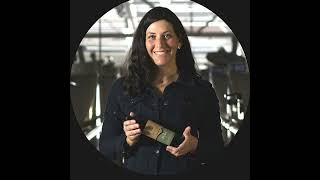
In this episode of The Kosher Teruah, host Simon Jacob interviews Alicia Wilbur, production winemaker at Herzog Cellars, about her personal and professional journey. Alicia shares how she balances a demanding winemaking role with family life, community involvement, and raising chickens, emphasizing the importance of Shabbat for mental balance. She recounts her religious awakening from a Reform upbringing to an observant Jewish life after reading Rabbi Telushkin’s book, leading to a commitment to kosher practice. Alicia outlines her education—studying enology at Fresno State, a viticulture stint in Australia, and later sommelier certification—followed by a series of career moves, including a hiatus for motherhood, work in New York, and a return to Herzog. She describes the logistical complexities of kosher winemaking, especially holiday calendar constraints, and the trust required in her team and in God. Alicia details her leadership of the Belief organic line, the organic certification process, and the influence of biodynamic philosophy on both the winery and her personal garden. She reflects on being a visible female winemaker, hoping to inspire other women, and discusses technical winemaking challenges such as late harvests, stuck fermentations, smoke taint from California wildfires, and climate change impacts. The conversation also touches on consumer misconceptions about sweet kosher wines, her perspective that practice outweighs innate talent, and advice she would give her younger self—"hold on tight" and trust the journey.
Chapters
Welcome to The Kosher Teruah.
I'm Simon Jacob, your host for this episode from Jerusalem. Before we get started, I ask that wherever you are, please take a moment and pray for the safety of our soldiers and the safe return of all of our hostages. The following conversation is with a truly remarkable winemaker, Alicia Wilbur. I met her for the first time quite a number of years ago when she came in from California to help host a charitable benefit dinner wine tasting for Naicom Siegel's network in New Jersey. I was initially very impressed with her wine skills and palate, but I've come to really appreciate her charming personality and depth of wine knowledge. She is the production winemaker for Herzog Cellars flagship winery in Oxnard, California. That puts her in responsibility of all winemaking operational logistics for the entire winery. As a religious Jewish woman, she has set an incredibly high bar for the kosher wine industry and a wonderful example to religious women and men wanting to make a career of this business. If you're in your car, please focus your attention on the road. If you're home relaxing, please grab a wonderful bottle of kosher wine, sit back, and listen in on this very special conversation. Welcome to the Kosher Terroir. Alicia, you have many professional responsibilities. How in the world do you do it all? Winemaking, family, kids, And even chickens. I don't know. It just, that blew my mind, the chickens. So.
Well, first of all, there's no way to do it all. And secondly, thank God for Shabbat. Because if I didn't have that break every week, I certainly wouldn't be keeping my head the way that I do. It's a really beautiful day just to unwind and unplug and spend time with my family and our friends and the community. We have a lot of people come over every Shabbos. We have a lot of kids come by. We have a lot of adults come by. I go to a women's class every Shabbat afternoon. It's a really nice community.
Very cool. Very cool. So I, I, what's it like raising kids where you're, where you're located? Is it, um, are you in Oxnard proper or where are you compared to?
No, we are not in Oxnard. We're out A little further out, closer to technically to LA County, but we still live in Ventura County. We live in a small out-of-town community. We're part of a greater sort of out-of-town Lubavitch Chabad community. It's not like other Chabad communities that I've seen in the sense that we actually have a pretty religious group of people that live here. So we have a minyan every week. There's no trouble getting a minyan on Erev Shabbos or Shabbos morning. We always do really big events and services for the holidays. There's a lot of kids around. I live 5 minutes from the hills. I'm constantly hiking with the dog or on my mountain bike or my road bike. Like, it's just a beautiful place to live. And technically, we are only 15 minutes from the beach. If you go down the hill, down the road that we live on, we're about 15 minutes from Malibu.
I bet you the way back from Malibu is a lot more effort. Going back up the hill.
Yeah, it's a pretty rough hill, but it's a good ride. It's a good location.
Cool. Very cool. I noticed your chickens lay interesting colored eggs, not just white eggs. Can you tell me a little bit about that?
Yes. So chicken eggs are— the color of the eggshell is dependent on the kind of chicken, the breed of chicken that it is. We have quite a few chickens and they lay everything from light green eggs to bright blue to white to creamy to brown. And the interesting thing about chickens is that you can tell what the egg color is going to be by their earlobes. So they don't look like our earlobes, but they look like just patches of skin. And then they have a specific color and that correlates to the color of the eggshell.
So if they have a white patch, that's white eggs?
And if they have a blue—
Go ahead.
No, I was going to say Sheila, she's a little bantam Silky. She's so cute. She's got fluffy, like, feathers all down her feet, and she's just a very fluffy chicken. She's my oldest chicken, and she has really bright blue earlobes, and she lays these beautiful, like, robin blue eggs.
Very cool. I didn't know that, and that's amazing. I didn't know that's a thing.
They helped a lot during Pesach. We were able to keep up with our egg needs for Passover cooking.
Very cool. Are you vegan or vegetarian? Do you eat chickens as well, or you only eat the eggs?
No, we, we've shechted our chickens. And when we, we hatched chickens last Passover, actually, and of 12 chicks that hatched, I think 7 ended up being boys or 6 ended up being roosters. And we can't keep roosters where we are. So we actually did kapparot for my husband with one of them. And then took them to a gentleman in LA and he helped us. He shacked the chickens and they made delicious soup for our table. They were really, you know, I hope this isn't offensive, but I really do believe in eat what you grow. And, you know, we had the opportunity to raise these chickens and they were very healthy and very, you know, like even the shochet commented that they're They looked well-raised when you saw them from the other side.
So you were proud of your, uh, chicken raising capabilities? Oh yes, not only children. Amazing, amazing. I especially like the Polish speckled chicks who look like they have a Hasidic hat and everything, and they're just amazing looking. Crazy, crazy looking.
I—
you can't help but smile when you look at the pictures of them. They're really cool. All right. So there are many of my listeners who dream of joining the winemaking business. Let's talk a little bit about your origin story. Was there winemaking always a dream that you had, or where did it come from and what's your origin?
My winemaking story is a funny story. It really is haskaha pratiz. I had no interest in it. I didn't know it existed growing up. You know, we were raised in a very California Reform household. We went to temple, we went to Sunday school and Hebrew school, and we had bat mitzvahs, me and my sister. And my extent of wine and my knowledge of wine was really like the bottle of Manischewitz on the holidays. And then my father would drink Kendall-Jackson Chardonnay every night or, you know, Sutter Home White Zinfandel. So that was really where I was exposed to it. But my dad, my dad would like sip wine and try to kind of talk himself through it and I guess tried to be a bit of a connoisseur, but it wasn't anything anybody in my circle was really aware of. When I got a little bit older and I started working, one of the things I did for many, many years was work as a server in fine dining. And I was working at a restaurant in Las Gatas, actually across the street from where I would ultimately get married. And that was really my first exposure to fine wine. They had a fine wine list and they had a sommelier and they had, you know, the staff that was very well trained in the art of serving wine. And my first— the first wine that did it for me. Now, remember, my dad was drinking like KJ Chard. Was Rombauer Chardonnay. And it was probably, I don't know, a 1997 or early 2000s wine. I don't exactly know the vintage of it, but I had never tasted anything like that. I didn't know wine could taste like that. And it was really this light bulb moment. Concurrently, I was also working at that time for Hillel at UC Santa Cruz. And I got that position after going on Birthright. And meeting all those people and meeting the director who was running that trip. He liked my personality. He thought I was funny. He thought I was smart. So he asked me to come in and do program coordination for UCSC Hillel. So as I was growing in my Jewish knowledge, I was also growing in my wine knowledge. And there was this epiphany point, which was probably some Shabbos dinner where we were like mixing Manischewitz with Baron Herzog whites and Fidel, because that was just delicious. And I thought to myself, early blending, a better wine, you know, like there has to be a better expression of wine than Manischewitz. And no offense to Manischewitz because there's, you know, there's a lot of history there and it's a really beautiful wine for a lot of people. Yeah. But that was really the moment was like being at Hillel and doing these dinners for people and drinking this wine and realizing that there was a lot more than Manischewitz out there because the whole Baron Herzog line was available to us. Us, and then B, also learning how important kosher wine was for the whole experience, you know. And even when I left Hillel and I was at Fresno State and I was studying to get my enology degree, my Bachelor of Science in winemaking, I was involved with the temple there, Reform Temple, and they wanted me to come in and do like a, a Tu B'Shvat Seder for women. And I had a hard time securing kosher wine and they were like, no, no, it's okay. You don't need kosher wine. And I was like, oh yes, yes, yes, we do. And you know, even you really need kosher wine. So that's kind of where it started. And then also at that time when I was working for Hillel, I managed to meet Benyamin Kantz, who is Benyamin, the famed winemaker of Four Gates wine. And he was good friends with Shalom, the director of UCSC Hillel at the time. We were doing a fundraiser at a beautiful home in Saratoga or something, and he had poured some Zinfandel, and I was swirling and tasting, and I made some comment, and I used some word that was appropriate, and he looked at me right in the eyes and he went, "Oh, you know something about wine." And I was like, "Yeah, yes I do." I didn't know anything about it, but like, here was this person with this incredible I mean, you know him, you can see his neshamah, like he's just this incredible person and very humble and very giving. And for him to say that to me, and you know, the community would go to his house and help him harvest and be there during Sukkot. And like, there was a lot of involvement there. So he really was the impetus for turning the whole direction of my life towards winemaking.
Wow. Wow. So tell me a little bit about your education.
It's a, it's a, again, you know, a lot of steps to get to a certain place. So while I was working for Hillel, the gal that had the similar position to me, program director at San Jose State, her father was a winemaker and she suggested that I go speak to him and have like an informational interview. So I interviewed him and he suggested that I get my head out of winemaking and I get my feet into the vineyard and, you know, Don't study enology, go study viticulture. And while you're at it, go study viticulture in Australia because their government is really supportive of the wine industry and they pour a lot of money into research, agricultural research and winemaking research. And it would be a very good place to go learn. This person actually was one of the founders of biodynamic agriculture in California. So he was growing grapes in a biodynamic fashion. In his St. Edna Vineyard down in Paso, Santa Barbara area. And actually later when I was in the Fresno State Enology program, we would go visit him as part of our enology degree. And he was one of the people who would— who was going to talk to the class. So anyway, I applied to the University of Adelaide. I got accepted to their viticulture program and I was changing my life to go move to Australia. And that included moving to Sonoma, trying to get more experience in the wine industry. And there I met an Australian winemaker named Chris Loxton of Loxton Cellars. And he was like, what are you going to Australia for? You don't have to go so far away. You don't even have to go to Davis. You know, you could go to Fresno State. Like, what are you doing? Like, go to Fresno State. And the people in Sonoma were very they were very encouraging that I would go to Fresno State. And at that time, it was the only place in the United States that had a commercial winery that students ran. So all positions in the winery from cellar to bottling to the lab were run by students. So I started that program in 2005 and I graduated in 2008. The first day of school, the first day of class, Enology 101, Professor Thornton asked us all why were we here, what were we doing, what did we want to do? And I raised my hand and I was like, I'm going to make kosher wine. And I didn't know what it meant. Like, literally looking back on it now, I had no idea, but it didn't matter. Like, that's, that's what I was going to do. I was going to make kosher wine and that's what I set out to do. And thank God it's the only kind of wine I've, you know, since I got my degree that I've ever made. In the course of getting that degree, I got married and had my first child. And just telling the young ladies here that when I ended up finding out that I was pregnant, I still had one year to go. And I went to all my professors before the fall because, of course, naturally being a winemaker, my two daughters— two of my daughters were born in— they're Tishrei babies. So they're like right between Rosh Hashanah and Yom Kippur in the middle of harvest. Perfect time for bat mitzvah. And we have a bat mitzvah coming up this year, actually. Anyway, I went to my microbiology professor and I said, I'm going to be missing some classes in the fall because I'm having a baby. And she looked at me and she's like, you'll never do it. You'll never pass. You'll never make it. And you know, you tell me that, you're going to bet that I'm going to make it, right? So Here we are. I made it all good. But yeah, I had my chaya when I was a senior in college. I was a little bit older. And then actually the last day of finals, I was working on my last final for, I don't know, some paper, and I was simultaneously checking winejobs.com. And the only two search terms I would ever search were kosher or Israel. And I was typing in kosher and working on my term paper. And all of a sudden this job popped up at Herzog Wine Cellars, and this was in 2008. And I applied and I went down. I was invited. Joe Hurliman called me back and he invited me down to Oxnard from Fresno, and I met with him and I spent 8 hours there at the winery. And I met, I met everyone that was there at that time. I met Josh and Zev and Joseph and the whole crew, the whole mishpacha. And Joe took me to lunch at Tierra Sur And like, I think literally the next day they offered me the job. And, you know, that was a big, that was a big moment, right? Because I had gone to school and I had made this goal for myself that I was going to work in kosher winemaking. And then here I am, like at the precipice of graduation and all of my friends are leaving to France or South America or I don't know, wherever they're going. And they're all getting these internships in Napa or Paso. And I got offered this position at Herzog and it was overwhelming. And at the same time, my husband had been offered a position in Wisconsin in his industry. And because I had this 8-month-old and because he had this opportunity that would allow me to stay home, I said, thank you, but no thank you. I can't take— I can't accept this offer right now. So I, I didn't do it. I, I stepped away from wine and, um, raised my daughter. And then of course, 6 months later, that company folded and laid everybody off. So we were in the middle of the US, in Wisconsin— beautiful place, by the way, fantastic people. Some of the best people in the whole world are in Wisconsin. And, um, my husband was unemployed for a little while, and, you know, I had this baby. We didn't have anything that we were doing. And my husband ended up finding work in New York, so we moved further east, all the way to New York in Westchester County. I had my second child there, and when he turned a year old, I decided it was time to go back to work. And what are you going to do? You're not going to— yeah, I didn't want to be a secretary, you know. So at that time, I had heard about the Court of Master Sommeliers and I decided to pursue a certification in being a sommelier. So I passed the introductory course that was up at the CIA, up the, up in the Hudson Valley. And then I took the certifying course in Manhattan and became a certified sommelier. And then I helped open a winery or, sorry, a wine restaurant in Larchmont, New York. So shout out to Vintage 1891. On Larchmont Avenue in Larchmont, New York. I became a wine maker.
I happen to know where that is. I happen to know where that is. My, I happen to know, um, my, my wife, when I met her, was actually living in Larchmont, New York. Surprisingly.
Oh, wow.
Yeah. So wow is right.
So actually Jonathan Actoloni, our, um, manager of the restaurant is from Larchmont as well.
It's a small world. Very small world.
Yeah.
Very cool. Yeah.
Yeah. So I was doing that and I happened to still— I was like active on LinkedIn and I was actually visiting my mom in California, was there with the kids. And I'll never forget, we were on the freeway, we were driving like south on 101 to go to some splash pad or something. And my phone rings and I pick it up and it's like Joe Herleman on the screen. I was like, what is Joe Herleman, you know, doing calling me? It's 4 years later, right? Because it's 2012 at this point. And, um, he called me and he said, you know, do you ever think about getting back into the winemaking business? And I was like, yes, yes I do. Every once in a while I think about it.
Big smile, big smile, big smile.
Just like totally jumping up and down in the car. And, um, you know, when I went back to New York, he invited me to KFWE, and I came to KFWE and I met him there. And then that started the ball rolling and he sent me to Bayonne to meet with Joseph Maty and David and Shelley. And, you know, that was super intimidating, not least of all because of that drive and like where Bayonne is and going there by myself. But I met with everybody and, you know, the rest is history, as they say. And I came in June of 2013. To California to start with Herzog.
Very cool. Very cool. You know, you, you, you constantly mention Jewish and kosher as being extremely important to your identity. Um, anything, anything special you want to tell me about that? I mean, how did that come about? And, and I, we've gotten a feel for it, but, um, it seems to kind of be one of the core values in your career?
So when I was 18, I had graduated high school and I went and I moved to Paris, France, or a suburb of Paris as an au pair. And I was paired with a Sephardi family, a Sephardi Jewish family. Just incidentally, I didn't, you know, request that. And the kids were 7, 12, and 17. And it was my first time away from home. You know, I had literally just graduated high school. Technically, I was 17 when I graduated. So when I had moved to France, excuse me, I was 17 and I was with this family and going through the hagim in the fall and feeling kind of out of sorts and not knowing what was going on. And then we got to Hanukkah and talking to the little boy and I was asking him like, do you know what the letters on the dreidel mean? And he didn't know what the letters on the dreidel meant. And I've always had kind of a conscientious relationship with Hanukkah anyway, just because it's this— I mean, you know, right? It's this holiday about remaining true to who you are and standing very strong against being assimilated. And it kind of has become this very— especially for someone who grew up Reform, like, it's a very assimilated holiday. A lot of associations with that time of year. And, you know, being in public school systems and what those expectations were for that. So I was really floored, you know, as this 18-year-old, just totally floored that this kid didn't know what the letters on a dreidel meant. I wasn't affiliated. I wasn't particularly religious at that time. And even I knew what those letters meant. So I came home and I don't even know how how it happened, but again, it must have been Hashgacha Pratis. But there was a store in Los Gatos called Aleph Bet Judaica. And I went there and I was talking to, I believe her name was Narit, the woman who ran the store, and kind of telling her my experience. And she said, you should read this book. It's called The Nine Questions People Ask About Judaism by Rabbi Joseph Telushkin and Dennis Prager. And I read that book and it changed my life. So they have this phrase in that book that they're constantly saying, not yet. So do you keep kosher? Not yet. You know, do you wrap tefillin if you're a man? Not yet. Like, it's not saying no, it's not this hard no. It's giving the possibility for this in your future. But at the time, you're not doing it. So after I read that book, I actually started keeping kosher to the best of my abilities. And I just want to say, like, I didn't get religious through a rabbi or a movement. I just, I read a lot of books. On my own and was constantly, you know, the flame of your neshamah is like seeking that greater connection. So I just read a lot of books. And it's actually funny because I think maybe the year after we moved to Oak Park and I joined the winery, Rabbi Telushkin came to our Chabad, like, house, our Chabad area, to the— actually, it was the Four Seasons in Westlake, and he gave a lecture. And I brought my book, The Nine Questions People Ask About Judaism. And here I am, and I'm wearing a gorgeous dress with the collar up to here, and everything's covered in the minnesheitel. And it was just such this 180-degree change from where I was when I read the book to handing him this book and saying, will you please sign it for me? And this whole changed my life. So I don't know, it was just always my neshamah was seeking more, and it's very important to me. Raising my children this way and, you know, naming my first daughter Chaya, even though we didn't live in like a community where anybody was named Chaya. And then when we moved to California to a community where she was one of 8 Chayas in her class, you know, it's fun. It's really fun.
Very cool. How would— did that impact you from a winemaking perspective? I mean, um, being kosher, being in, uh, in winemaking? Did you feel that that was a limitation?
Pardon?
I guess, did you feel that that was a limitation, being kosher and winemaking?
No, because like I said, it's the only winemaking that I ever knew, you know? I mean, okay, so yes, I've worked for Chris Loxton, and I did end up working for B.R. Cohen. For B.R. Cohen, I was working in the tasting room, and for Chris, I was working in the cellar. But when I tell you I didn't even understand what the pH scale meant, you know, when I was working for Chris, I was very, very green. And he was a pretty non-interventionist winemaker to begin with. So it's not like— and I would say at Fresno State, it's not like they're teaching you— they're teaching you the fundamentals of winemaking. So it's not like they're teaching you to use all of these extras or additives. You know, so, yep, but there's yeast and there's acidulation and there's enzymes and stuff. And so when I was starting to make wine in a kosher way, it wasn't a limitation. It was, it was an extra step to take, but it wasn't— I never saw it as a limitation. I will say when I talk to people who make wine in a non-kosher way, like in a, just a regular commercial winery, like they're astonished by the limitations that we have by the calendar, first of all, you know, like I said earlier, the, the Chagim happened in harvest and like, I'm pretty sure that was Hashem's way of saying like, I know this is really tough, but it's really going to work out for you better ultimately because you can rest and you don't have to work, you know, 7 days a week, 18 hours a day for 3 months out of the year. You're, you're forced to take a break and step away. Obviously that has logistical, um, its own set of logistical nightmares. And as a winemaker and you're walking away for sometimes it's 5 days at a time, like it depends on how the holidays fall. But if you have Erev Shabbos and then say Erev Yom Tov is on a Sunday, you can conceivably be out for 5 days because we're in America. So remember, we have the extra, the extra extra days like you. And you have to trust in your cellar. You have to trust in the way that you've trained your winemaking team, your cellar guys, that everybody is managing cellar health well and everybody's really conscientious of best practices and precision winemaking and French techniques. And, you know, you have to ultimately trust your people. And more than that, you have to trust in God. You have to trust that Hashem is ultimately in charge of all of the processes and it's going to work out. You know, like we're not— I don't know, we're not doing brain surgery. We're not, you know, we're not making— curing cancer. We're allowing people to make smachot and simchas and kiddush and that kind of thing, which is very important and very holy. But it's, you know, at the end of the day, it's not like life or death. Thank God.
Yeah, no. Well, you're allowing people to make brachot, which is very cool. Very cool. Which is really cool.
Actually, I wanted to touch, when we met, it's funny because I was thinking about that, and that was at like a sushi restaurant, I believe.
Yeah, it had sushi, but yes, it did.
Oh, it had. Okay. My apologies.
No, no, it was a broader menu, but it did have, it was sushi too.
It was a beautiful restaurant and it was a really lovely, really lovely dinner and a really lovely experience. And I met the Gellers at that time.
Yep. Gabriel and Yael.
Yeah, and Yael. And it's so funny because I've thought about that moment many times. Like, Yael met me and I think she was excited because, you know, I'm a woman and wine and we could like chat about these things. And she hands me a glass and she's like, tell me what you think. And You know, I got the glass and I was swirling and I put my nose in it and I was like, oh, you like Burgundian Pinot Noir. And it floored her because she didn't tell me what it was, you know, but it happened to be a Burgundian Pinot. But like, it's a pretty distinct— like, if it's made in a certain way, it's a pretty distinct nose and aroma and everything. So it was just a fun moment because it was like, a lot of people think that stuff is parlor tricks, but it's really not. Like, it's what I do as a job. I'm a professional winemaker, you know, so I have to be able to taste and discern and smell things. So It's not a parlor trick, I promise you. It's just that we practice. We do it every day.
But it was like— It's experience. It's really experience. You know, it's interesting. Yael is a very special person. And because Gabe Geller has such incredible skills, she's kind of like— people look at Yael and say, "Oh, she's Gabe's wife." But to be honest, she's She is an incredible— she has an incredible palate, and she's an incredible wine person herself. And she was that long before she met Gabe. I mean, she'll tell you about her secret closet where she hid all of these bottles of wine away from everybody else's, you know, ability to grab them. So she's a really, really special person. While you're bringing that up, I mean, There are very few women in the winemaking business and you're one of the most prominent. There are some, but you're one of the most prominent. How has the journey influenced you?
Well, I would hope that externally that people, when they come in the winery and they see me and they see me, just this morning I was downstairs on the floor in the cellar and I'm in my skirt and I'm in my châtelaine and I've got my high-vis jacket on and I'm like, popping bungs off barrels and sticking my face in the, you know, the bung because we were blending and I need to make sure that all the barrels are sound, that we can use them for what we're doing. So there's like hundreds of barrels laid out on the floor and I'm just down there like sticking my nose, sticking my face in barrels. And you know, you've been to the winery, it's like a fishbowl. People can't come onto the floor because we're kosher, but there's all these windows so they can see down into what we're doing. And like my greatest hope is that when I'm doing something like that, that's kind of bordering ridiculous, but really kind of cool. Like, if you don't know exactly what it is that I'm doing, I hope that there are women watching. I hope that there are girls, you know, they're with their families and they're having lunch and they decide to take the tour and they see me down there, or they, they walk by and they see me in the lab and they see me prepping some kind of, you know, scientific assay or whatever it is. I think it's really important to be visible and really important to, um, be proud and the fact that I'm obviously a Jewish woman, like, I just, there's a lot of pride in that. And in terms of, you know, it doesn't really, I don't really know anything else. This is my experience and it's the only experience that I have. So I can't compare what it's like to be a man in the winemaking world. And I can't compare what it's like to be a non-religious winemaker because all I know is the life that I've lived. You know, I wish there were more of us. I wish it wasn't so intimidating. But I think that wine in general intimidates people. And it's like I said earlier, they think it's a parlor trick or they think that you have to have some special gift or ability when really it's just practice. You know, it's like anything. Like, I forget who wrote the book, but it's— the book is Your Brain on Music. And his hypothesis or his whole thesis is that It's practice more than talent that defines a good musician. And you can say the same, I think, for anything, right? There's the 10,000 hours or whatever. Like, if you commit to doing something and you commit to doing it well, it doesn't matter if you were born with an innate palate or talent for dragging hoses or making a clean rack when you're transferring wine. All these skills can be learned, you know? And thankfully, I've been in— I've had the opportunity to learn those skills and practice those skills. And And it's not something I take lightly. Like, it's a really— it's really an honor to do what I do and to know that the product that I make is on people's table every week without fail. Maybe not all the products that I make, and maybe some people turn their nose up to some of the products that we make, or they're not to their taste. And that's fine because, you know, thank God at Herzog, we make— we literally make something for everyone. Yeah, I— well, except for me. My favorite things are like really weird Mediterranean whites and we don't as of yet make a Syrtiko or Vermentino or anything like that. I keep, I keep lobbying for it, but so far I don't think I have much of a fan base in terms of weird Mediterranean whites.
Um, there's some really—
everything from bubbles to, to dry reds to big cabs, you know, like there's something for everyone.
Yeah, there's some really great, incredible, uh, Mediterranean whites coming into the country and they're kosher, so it's pretty Yeah, it's pretty amazing.
Um, is the winemaker Ido or Ira from, um, is it the master of wine? And he has that.
Yes, Ido's a master of wine here. Yeah, and he's here. Gorgeous. And also, as far as female winemakers, um, Elvie, who brings in a, you know, a bunch of different wines from Spain, Moses and his son David are amazing running that winery, but actually they're the front men. The people who run the winery and make the wine are Moses's wife and David's sister, Moses's daughter, are the production and, you know, the winemakers and actually the people who are putting that out, and they're awesome people.
So yeah, I have had the pleasure of meeting them at KfW, and hopefully someday when I take my trip to Spain and Priorat, I will go visit them.
Yeah, it's— I think that, I think that that would be an incredible thing because though Moses is, um, speaks well and he's very involved with biodynamic wines and sustainability, His wife is really the key in that, and it would be great for you to meet. I think her name is Anna. Uh, she's really amazing, an amazing person. I hope I remembered the name right. And, um, and it would be great for you to meet. In fact, I don't know why they don't get winemakers cross-pollinating a little bit across. They've got such a global reach at Herzog that I don't know why they don't mix the winemakers up more and more. I know they mix the distribution people up, the salespeople, but it would be cool to mix up the winemakers a little bit because there's all sorts of techniques and things that you can learn from that. So that would be a cool idea to do.
Yeah, I mean, the Royal Portfolio is pretty incredible with a lot of talented people.
It's crazy.
It's a really great family to be a part of.
Great. Crazy. Okay, so you, I believe you helped pioneer You know, in Herzog, the sustainability and biodynamic wines, especially with the Belief brand, can you tell me a little bit about that?
Certainly. So Belief or organic, doing an organic wine in general was, I believe, Morty Herzog's idea. And there was a lot of discussion for putting it in, you know, where, which brand are we going to put it under? Which, which, uh, which placement is it going to get? And at that time, you know, I was spearheading Variations in Jeunesse and I argued, I lobbied very hard to get Belief put into the Variations line. Organic farming and organic practices and organic food are something that's very important to me. It's the way I feed my family. It's the way I grow my garden. I think I may have mentioned to you in passing that when we lived in New York, we were part of this underground organic egg exchange, you know, getting eggs from Amish farmers in Pennsylvania. So it's always been something that's been really, really important to me. And it's not just a buzzword. It's not just— it's not just trendy, you know, it's something that's really meaningful. So I lobbied hard to get it under the variations line. And in 2019, we came out with it. And it is interesting because when we went through the certification process with CCOF, which is our certifier, We're not USDA certified, but we are CCOF certified, which is the California certification of organic farmers. And when they came in and there's all this paperwork and there's all these hoops and there's all this scrutiny from the certifying agency, and it was like a breeze because I'm already used to having Rebbeim, you know, have their hechsherim on our bottles and we have a lot of scrutiny and a lot of paperwork and you can't just add something to the wine, you know, you have to get approval, you have to like put it through this whole step, you know, even if it seems innocuous, you have to get it approved. And it was like that with, with the organic. So it was like, oh, okay, this is not, this is not so bad. So for me, doing that paperwork wasn't so difficult and making that jump to being a certified organic or making wine with certified organic grapes because our facility is not certified organic. Obviously we do commercial wine and organic wine, but it really, you know, it's been a fun process. It's been— it's something that means a lot to me. I'm still the winemaker for Beleaf. I'm still the face of that product. And, you know, we've been doing it since 2019. And obviously with David Galzegnato coming on board, he's actually the one that pioneered biodynamics in Herzog, and I've been able to take what I've learned with him with biodynamics and apply it to the Be Leaf project. But, you know, we don't claim— we don't have Demeter certification, so we're not making any claims that we're biodynamic certified. It's just, it's a philosophy that informs a lot of our decision-making. And it's neat because it's trickled down like into my garden. So I garden by the biodynamic calendar as well. So it's really come full circle for us.
I was going to say, it impacts everything, especially your calendar, which in winemaking is the world. Yes. Everything is driven by a calendar. And, you know, in today's world where we pick up a phone and order food and it gets delivered in 20 minutes, even in Jerusalem, it's kind of crazy now. We have We have a thing called Walt, which is kind of like Uber Eats, and you just pick up a phone and I can get any kosher restaurant in Jerusalem, any restaurant in Jerusalem for that matter, and order food, and it arrives on the doorstep in minutes, and that's what producing food is about here, and it's kind of crazy that it's, this is something that you can't get You know, you have a calendar, a set calendar that you have to deal with and work through. It's— yeah, okay.
It's the same with kosher. Yeah, it's immovable.
You were involved with Jeunesse making, um, really, uh, one of the largest kosher wines, um, in the world. Wine is very subjective. People people have different tastes and what have you. But what was that like going through and tasting and blending such a quantity of wine and having such a fan base is really kind of crazy. So what was that like?
Yeah, so I'm the production winemaker, so I haven't stepped away from the winemaking role. It's just that I am focusing now on everything as opposed to just having a narrow focus. It's, it's focused on everything. So, so I'm still blending and tasting and going through all these things and making Jeunesse. And, you know, my hands are still in, in that, in that wine. You know, Jeunesse, I have a soft spot for it. Like, it's, it's not even the kind of wine that I want to drink. You know, I'm not into sweet wines, but I think for what it is, it's a variety-correct sweet Cabernet. I totally think that the Jeannette's Chard is a sleeper Chardonnay. Like, it is— it's a wonderful Chardonnay, especially if you want to be a little bit above, like, slightly, slightly sweet. It's not as sweet as the Jeannette's Cab in terms of its actual RS level, but I totally think it's just the sleeper wine that everybody passes on because Baron is obviously so good. Or if you're not going there, you're going to Russian River, right? Which is a whole different animal in itself. Yeah, but don't, don't sleep on the Ginès Chard, guys. Like, check it out. It's really good. Actually, somebody recently sent an invitation to their wedding that was addressed to the Ginès winemaker, the Ginès family at the Ginès winery. You know, it's my favorite wine. I hope you'll come to the wedding. And it was like, it was so cool because who invites like a wine brand to their wedding? That was just so sweet and touching. And I really appreciate you who you are if you're listening to this and hopefully something special is coming your way. But yeah, it's got a big fan base and it's also, you know, I don't know if you're on Facebook at all. I think you are. And if you're in the Kocher Trader Joe's group, but man, sometimes those discussions about, you know, Bartonura or Sarah Bee or, you know, Jeannette, like take it easy guys. Like there's a person behind that, you know, like it's not just something that appears on a shelf that has no personal involvement. Actual people making something that we're proud of. And it's not, it's not soda, you know. And even if it was Coca-Cola, like, I'm sure the people who make Coca-Cola are proud of making Coca-Cola. Like, so just remember that there's people behind all of these things.
So I want to clear up, I want to clear up, uh, um, and I think I believe in error. People feel like, you know, um, things like Moscato and what have you are just simply, um, some, you know, a little bit of grape juice and a lot of sugar and water that are mixed together to produce, um, to produce such things. And they don't even grasp that they're actually wine and that there's this consistency that you have to hit in producing this product every day. And it's just like, is there any, like in Ginès, do you add any sweeteners to it? Any sweet, any sugars or what have you?
Genèse is a little bit of a different animal than say, like doing Moscato by W, or because we make a lot of Muscat, right? We make the Genèse Pink Moscato, the Black Muscat. A lot of Moscatos are made by us. The family makes Bartonura. And I think that people don't understand that there's this big difference between, like in Italy, if you're buying a bottle of Moscato, it's practically like the day after it finishes fermenting and is in a bottle. Like it's super fresh. It's just this really fresh, lively experience. And, you know, so we're maybe not as fresh as that because we have more time between when we bottle and when it gets to the market here in America. But it's, it's a fun, fresh, lively wine that has a lot of personality. And you have to like those aromatics in order to like Moscato. But there's absolutely, you know, it's not soda. It does have alcohol. It's not made in a way that is trying to dupe anybody. Like, it's a, it's an honest, you know, it's a wine. Honest wine.
Yeah, it's a wine.
And in Italy, you know, it's a, it's a DOCG, right? Like, there's, like, it's a protected, legally protected wine. Like, it's not, it's not just like basement stuff, right?
No, no. Well, I was actually in Asti at the, at the factory where they make, uh, the, the blue bottles. And, um, and it Amazing, isn't it? What?
It's amazing that their plant is amazing.
It's awesome. It's huge. And it's just an awesome place. And what amazes me is that this is a natural product. You're picking grapes and you're producing this. And, and the, the blending gets this consistency between over, you know, over a period of time. that's just, wow. The amount of effort that goes into producing that on a consistent basis that way is just crazy to me. It's a very big deal. And people don't get it. They go, ah, it's soda. But it is absolutely not. So, okay. Any winemaking challenges that you had in the past that were particular challenges that you you encountered and you made your way through them?
I mean, that's a, that's a big question, right? Every year, every harvest is, is like a whole universe unto itself. And every harvest, everyone's surprised by how hard harvest is. And it's like, we've never done it before, you know, like we haven't been doing it for a decade or two decades or three decades. But no matter who you are, no matter which winery you work in, no matter what function, your role is at a winery, if you've been touched by harvest, you know what I'm talking about. And every harvest presents its own unique set of challenges. So we never know, you know, and you think, I have all this experience, I know what I'm getting into. I know I'm going to be working very late. I know I'm not going to see my family. I know I'm going to be working so hard. And then it happens and you're just like, oh my gosh, I've never done this before in my life. It's like brand new every year. Last year harvest was really late, so bud break was late, the weather was weird. So I think, I don't think we brought in wine till 23 days later than our average first pick date.
Wow.
So I'm coming in on, you know, I've been there over a decade and we almost always harvest and bring in our first load of Pinot Grigio on my birthday, which is in mid-August. And last year we didn't bring wine in until September 11th. We didn't bring grapes in until September 11th. And that delay affected everything, right? So there was one point, I don't know, I posted it on my Facebook. It was like I was raking late harvest Chenin Blanc out of a bin, and it was the same day we had brought in like one of our high-end Cabernets, and like the day before we had like Chardonnay. So like, in what world are you harvesting Cabernet at the same time you're harvesting Chardonnay? Like, it's just— I've never had a harvest like that. And there were some specific challenges with the ratio of sugars that we were dealing with. So we had some, some fermentations that just needed a little extra help, a little extra oomph, a little extra hand-holding and massaging to get through, because obviously every winemaker's nightmare is a stuck fermentation. So when you're doing it to something like a Moscato or you're doing it to something like a late harvest— I misspoke, by the way, that wasn't a late harvest Chardonnay that we were working on, it was something different. But when you're doing a late harvest, oftentimes we stop those wines prematurely because we're going for a specific alcohol level or RS level. But if the wine does that by itself and it's very expensive Cab from Napa and it stops at, you know, 2 grams per liter or 3 grams or 4 grams per liter, you're kind of sitting there, you're like, what do I do now? You know, but it's certainly not independent to my experience. Like, this is a universal winemaker experience, is the dreaded stuck fermentation. And we managed to get through it. You know, we were very careful, paid a lot of attention, held a lot of grapes in our hands, and we're like, come on, guys, you can do it. And we got through it. We got through it. So who knows what it'll be like this year, but I hope, I certainly hope it's not late because late was a very distinct logistical challenge.
Wow. What about, what about climate change? Is that impacting the harvests? Is that in ca— does that impact, you know, biodynamics and all the other elements that are going on?
Well, biodynamics seeks to work with harmony in nature, right? So whatever nature's throwing at you, biodynamics is going to be in harmony with that. So it's a little— it's a, it's a good tool to work in tandem with something like climate change. Um, here in California, obviously we have fires to contend with, you know, whether or not that's climate driven because of drought and rising temperatures and all that kind of stuff. Um, whatever the cause is that we have fires, right? So we have I was even evacuated. I talked to you about being 15 minutes from the beach, living on this road that I live on. And during the Woolsey Fire in 2017, I believe, we got evacuated and like it was just a standstill because it's the only road to get out of our town. And the flames are like coming over the, over the car and over the houses. And it was quite scary. And we had fires for many years in a row. And it even impacted what we released in 2020. I don't know if you were reading the news in 2020, but there were fires all up and down California from Paso to Napa. And, you know, the winemakers and the insurance industry and the labs, like everybody was hustling trying to figure out how do you deal with wines that's gonna have smoke taints. And this brings my story back to Australia because the Australian Wine Research Institute, AWRI, has done incredible research on smoke taint because, you know, unfortunately they've dealt with a lot of fires in their vineyards in the past decade or two. So they, they have a lot of protocols for dealing with smoke taint and for detecting it before it becomes such a terrible issue. But, you know, thank God, like, because we make a lot of things like Ginès and Rosé, because that is a big commercial product, it allows us to have a little leeway when we have Smoke Tate and something that might be a little higher end, you know, we, the family made the decision not to release certain wines in 2020 because they just weren't up to our quality standards. And not everybody has that. Not everybody is at the level or size that they can do something like that, not release a wine in a year. Because think about it, if you're, if you're, if your whole livelihood is tied to Mother Nature and, you know, Mother Nature's on fire, What are you going to sell?
Right. I have an interesting question. This is a little bit of a curveball. If you were going back to your younger self with the experience and the knowledge you have now, what advice would you give yourself?
Hold on tight.
Yeah, that's good advice. That's good advice.
Yeah, I mean, you know, it's funny. I was, I was with a good friend and we were driving down to LA. We were, we were going chateau shopping and we're in the car. We were chatting with each other and she's a very successful, very successful woman. And, you know, she— I said something and she said something. We both looked at each other and she was like, could you imagine telling your 17-year-old self like, this is where you were going to end up, like driving down to go wig shopping on a Sunday? Like, on purpose when you have your own. I don't know, it was just, it was a funny, a funny thing. And like, I'm just, I'm so thankful for it. I'm so, I'm so thankful for it. Um, I wouldn't change anything that I've been through, and I wouldn't take away, you know, some of the more wild times in my life. And I'm, I'm very thankful that I had them, and I'm thankful that I could give my children a different experience growing up. Um, but yeah, it's, it's just, you know, I guess I would tell myself that, that it's going to be okay. Like, it's going to be okay.
Very cool. Very cool. Alicia, thank you very, very much for being on the Kosher Terroir. Um, I don't know, do you have—
thank you for having me.
It's, it's absolutely a pleasure. It's something that, um, I— it's something I was trying to do for a while actually, and I couldn't figure out how to reach out to you properly to, uh, get a hold of you and ask. Ask, but when you so kindly said, "Yeah, I'd like to do that," I said, "Done." Awesome.
Thank you so much.
Pleasure. Shalom aleichem.
Have a great week. You too. Thank you. Be well.
This is Simon Jacob again, your host of today's episode of The Kosher Teruah. I have a personal request. No matter where you are, or where you live, please take a moment to pray for our soldiers' safety and the safe and rapid return of our hostages. Please subscribe via your podcast provider to be informed of our new episodes as they are released. If you are new to The Kosher Teruah, please check out our many past episodes. And thank you for listening to The Kosher Torah.










