Colombard: Rediscovering an Unsung Hero in the Global Wine Scene
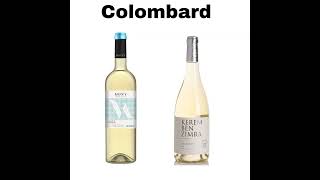
Simon Jacob explores Colombard, a white grape that went from essential for cognac to California's bulk-wine workhorse in the 1970s, then nearly disappeared. Century-old vines in California sparked a revival, and Israeli winemakers like Recanati and Adir are now using cold fermentation and high-altitude vineyards to make bright, mineral-driven bottles that show what the grape can actually do.
Chapters
Welcome to The Kosher Teruah. I'm Simon Jacob, your host for this episode from Jerusalem. Before we get started, I ask that wherever you are, please take a moment and pray for the safety of our soldiers and the safe return of all of our hostages. If you're driving in your car, please focus on the road ahead. Welcome back to another episode of The Kosher Terroir, where we explore the fascinating world of kosher wines, terroir, and the incredible people behind them. I'm Simon Jacob, and today we're diving into a white grape that has been called the workhorse of the vineyard. A grape that has been overlooked, misunderstood, and yet quietly making waves in the wine world: Colombard. You may not have heard much about Colombard, but trust me, by the end of this episode, you'll want to grab a glass and taste its magic for yourself. So what is Colombard? Why was it once seen as just a bulk wine grape And why are winemakers in Israel, California, and beyond beginning to recognize its true potential? That's what we'll explore today. In this episode of The Kosher Terroir, we'll take a deep dive into the fascinating journey of Colombard, from its origins in France to its unexpected success in California, its tropical fruit expressions in Australia, and its exciting reinvention in Israeli vineyards today. We'll hear about winemakers who fought to preserve century-old Colombard vines, explore why this grape has been overlooked for so long, and of course, break down exactly what it tastes like and where you can find the best bottles right now. So pour yourself a glass of something crisp and refreshing, and join me as we uncover the hidden story of Colombard, the comeback grape of the wine world. Wine is full of hidden gems. Some grapes capture the world's attention instantly. Think Chardonnay, Cabernet Sauvignon, or Sauvignon Blanc. But what about the grapes that have been quietly working behind the scenes for centuries, playing essential roles in winemaking history, yet rarely getting the spotlight? Today, we're uncovering one such grape, a grape that has been misunderstood, underappreciated, and now, finally making a comeback. Meet Colombard. You may not have heard much about it, but Colombard has been a silent hero in the wine world for generations. It has played an essential role in French cognac, powered California's bulk wine boom, and is now emerging as a star varietal in Israeli winemaking. But why did it take so long for winemakers to see its true potential? Why was it once dismissed as just a blending grape? And most importantly, what does Colombard actually taste like when given the chance to shine? Could this be one of the world's most underrated white wines? To truly understand Colombard's journey, we have to go way back, to a time when wine wasn't just for drinking, but also for distillation into some of the world's most renowned spirits. Our story begins in France, where Colombard's roots stretch deep into the vineyards of Charentes and Gascony, two regions synonymous with cognac and Armagnac production. This grape was never meant to be a showstopper on its own, but what it could do was provide the perfect foundation for spirits that would stand the test of time. Colombard is a natural cross between Chenin Blanc and Guey Blanc, two historically significant grapes in European viticulture. Chenin Blanc is known for its high acidity and ability to age gracefully, while Gueye Blanc, a nearly extinct variety, was once widely planted in medieval France. In fact, many of today's famous grapes, including Chardonnay, share Gueye Blanc as a parent. With these genetics, Colombard inherited some incredibly useful traits that made it indispensable for winemakers in western France. It has natural high acidity, essential for creating long-lasting, stable distillates. It has neutral aromas, which allow for a clean, controlled distillation process. And finally, it has strong resilience in the vineyard, allowing it to survive unpredictable weather, an important trait in the often damp regions of Charentes and Gascony. These factors made Colombard an ideal grape for cognac and Armagnac production. Even though it wasn't the star of the show, it was a strong supporting actor, ensuring that these world-famous spirits had structure and balance. For centuries, Colombard did exactly what it was meant to do—play a background role in French brandy making. It was respected but never celebrated. And if this was where Colombard's story ended, we wouldn't be talking about it today. But Colombard wasn't meant to stay hidden forever. As French settlers and winemakers sought new lands, they took their vines with them. Colombard, like many other Old World grapes, was planted across the Atlantic. Where its adaptability and high yields quickly made it a favorite among vineyard owners. Where did it go? First, to South Africa, where it became a key grape for making brandy. But its real story takes off when it reached the vast New World vineyards of California in the 20th century. By the mid-20th century, Columbard was about to undergo its biggest transformation yet. California winemakers quickly realized that Columbard had something valuable: incredible productivity. In the warm, sun-soaked vineyards of the Central Valley, Columbard vines could produce massive yields, sometimes up to 15 tons per acre. Compare that to a premium varietal like Pinot Noir, which produces far less and requires careful attention. And in an era when American consumers wanted affordable, high-volume wines, Colombard became the backbone of the jug wine industry. By the 1970s, believe it or not, Colombard was the most widely planted white grape in California. It was blended into cheap, mass-produced wines often labeled as California White or used to create nondescript table wines. Let me put this into perspective. At its peak, Colombard made up nearly 25% of all white grape plantings in California—more than Chardonnay, more than Sauvignon Blanc, more than Riesling. If you bought an inexpensive white wine in America in the '60s or '70s, chances are you were drinking Colombard. But what happens when a grape is misunderstood? It often gets replaced. As wine tastes evolved in the 1980s and 1990s, consumers became more sophisticated. They wanted wines with more depth, complexity, and recognition. Chardonnay was booming, Sauvignon Blanc was rising in popularity, and even lesser-known varietals like Viognier were gaining traction. Unfortunately, Colombard, having spent decades as a bulk wine grape, was not associated with fine wine. Vineyard after vineyard was ripped out to make way for more profitable grapes. The Colombard plantings that once covered tens of thousands of acres in California began to disappear. The grape was at risk of fading into obscurity. And then something unexpected happened. Winemakers, particularly those working with older vines, began to take another look at Colombard. Could it actually produce good wine and not just bulk wine? In California's Russian River Valley, A vineyard called Betty Ann Vineyard held a hidden treasure: Colombard vines, over 120 years old. These ancient vines, survivors of Prohibition and shifting wine trends, were almost forgotten. But when a new wave of winemakers tasted the wine they produced, they were stunned. Instead of a neutral, high-yielding workhorse, they discovered depth, minerality, and a beautiful acidity. This moment became a wake-up call for the wine world. Colombard wasn't just a blending grape; it could shine on its own. At the same time, Israel was beginning to experiment with Colombard as a high-quality varietal, planting it in Galilee and the Judean Hills. Winemakers in South Africa also began crafting single-varietal Colombard wines, instead of just using it for brandy. Colombard wasn't dead. It was just waiting for someone to recognize its true potential. So where does Colombard stand today? Well, it's no longer just a workhorse grape. It's being rediscovered in California, Israel, and beyond. And it's finally getting the recognition it deserves. Let's explore how Colombard expresses itself differently in each region, from its crisp, mineral-driven wines in Israel to its tropical, fruit-forward expressions in Australia. One of the most fascinating things about wine is how a single grape variety can taste completely different depending on where it's grown. Terroir, the combination of climate, soil, altitude, and winemaking techniques, shapes the personality of a wine in ways that even the most skilled winemaker can't fully control. Colombard is no exception. In one part of the world, it's a sharp, acidic distillation grape. In another, it's lush and tropical. And in Israel, it's quietly becoming one of the most intriguing white wines on the market. Let's take a tour of Colombard's 4 most important terroirs and discover how this grape changes from one country to the next. Let's start where it all began, France. For centuries, Colombard has been planted in the Charentes and Gascony regions, where its main purpose was not to make fine wine, but rather to be distilled into cognac and Armagnac. Why? Because in France, Colombard's most valued trait isn't its flavor, it's its high acidity. When making brandy, winemakers need a base wine that is low in sugar, high in acid, and relatively neutral in aroma. Colombard checks all those boxes. When made into table wine, French Colombard is crisp and refreshing, but rarely the star of the show. Most of the time, it's blended with Ugni Blanc and Follet Blanc in the white wines of Côtes de Gascogne, where it contributes bright acidity and citrus notes. These wines are easy drinking, affordable, and incredibly food-friendly. If you were to sip a French Colombard, you'd likely taste green apple, lemon zest, and fresh-cut grass. It's light-bodied, crisp, and simple—a perfect summer wine, but not something that often grabs headlines. Now, let's jump across the Atlantic to California, where Colombard went from being a forgotten brandy grape to the most widely planted white grape in the state, at least for a time. In the mid-20th century, California winemakers fell in love with Colombard's high yields. Unlike finicky grapes like Pinot Noir, Colombard could produce massive crops in the hot irrigated vineyards of the Central Valley. And that's exactly what big wine companies wanted—a grape that could be turned into cheap, mass-produced jug wine for the American market. By the 1970s, Colombard dominated California's white wine scene, but not in a good way. It was blended into generic California white wines where it added acidity but little else. Consumers didn't know they were drinking Colombard, and quite frankly, most of them wouldn't have cared. But today the story is changing. Instead of the bland, forgettable wines of the past, today's California Colombards have zesty citrus, ripe melon, and even floral aromas. Some winemakers are even experimenting with oak aging to give it a richer, more complex texture. If you were to taste a boutique Californian Colombard, you'd notice a juicy, mouthwatering freshness, with flavors of grapefruit, honeydew, and white flowers. Some even have a slight salinity, making them perfect with seafood. Now, let's head down under, where Colombard takes on a completely different personality. In Australia, Colombard is mostly found in South Australia's warm regions, like Riverina, Barossa Valley, and Hunter Valley. Here, the combination of hot climate and sandy soils leads to wines that are much fruitier and rounder than their French or Californian counterparts. Australian winemakers love to blend Colombard with Chardonnay or Semillon, creating easy-drinking wines that are bright, juicy, and tropical. If you were to sip an Australian Colombard, you might think you're drinking a completely different grape. Instead of tart green apple and lemon, you'd taste pineapple, guava, and passion fruit, with a hint of citrus zest. The acidity is still there, but it's softened by the ripeness of the fruit. Australian Colombard is great with spicy food, like Thai or Indian cuisine, because its bright fruit flavors to balance out the heat. And now, we arrive at one of the most exciting regions for Colombard today: Israel. Colombard likely arrived in Israel in the mid to late 20th century, introduced by pioneers of the modern Israeli wine industry seeking white varietals that could thrive in the Mediterranean climate. For years, Israeli winemakers treated Colombard primarily for bulk wines and cheap blends, much like in California as a simple blending grape, using it in large-scale production wines. But the key difference in Israel is its terroir. Israeli Colombard thrives in high-altitude vineyards, particularly in the Judean Hills and Galilee, where the cooler nights help preserve its natural acidity and freshness. The soils, a mix of limestone and volcanic basalt, add a layer of minerality that you don't find in Colombard from other parts of the world. Though it faced some early challenges with the Israeli terroir, it has proven itself over and over again on the issue of climate suitability. Colombard has adapted well to Israel's warm, arid climate. Particularly in the Judean Hills, Galilee, and Negev Desert. Its grapes maintained their signature high acidity, making them attractive for producing fresh, aromatic white wines. Many boutique winemakers continue fueling a modern renaissance among boutique wineries, elevating Colombard as a prized varietal, producing single-varietal wines that showcase its bright, citrus-driven profile. The wineries leading the Colombard revival are Recanati Winery in the Upper Galilee, where their Colombard Tel Fares is one of the most celebrated single-varietal Colombard wines in Israel. It is grown in high-altitude vineyards, which help preserve its natural acidity and develop complex aromas of grapefruit, green apple, and minerals. Another, Adir Winery, also in the Upper Galilee, is producing a dry Mevushal Colombard. Adir focuses on expressing the grape's vibrant character, with minimal intervention. Another winery is Muni Vineyard, based in the Judean Hills, where their Sunny Hills Colombard, with its highlights of tropical fruit and grassy notes, are balanced by ripe fruit flavors with firm acidity. Winemakers have realized that old Colombard vines produce more concentrated and complex flavors, leading to a new appreciation for the grape. Use of cold fermentation techniques and early harvesting ensure that the wines remain crisp and vibrant, and even some natural and skin-contact winemakers are beginning to explore Colombard for more experimental styles. As forward-thinking wineries have been treating Colombard with the respect it deserves, the results have been outstanding. We have covered a lot, so let's review and break down again how the multifaceted Colombard variety expresses itself differently in various regions. Because as we have discussed, depending on where it's grown, this grape tells a completely different story. In France, it is light-bodied, with high acid, and is mostly neutral in taste. It's used for brandy production in Cognac and Armagnac. In some dry wines blends in Côte de Gascogne, its influence is expressed in its freshness and nuances of citrus. In California, It's historically a bulk wine grape, but is now undergoing a boutique revival. The old vine Colombard from Russian River Valley is highly aromatic and mineral-driven, and expresses citrus, melon, and wonderful floral aromas. In Australia, with its warmer climate, Colombard equates to richer, fruitier wines, expressing notes of pineapple, guava, and passion fruit. In this terroir, it is often also blended with Chardonnay and Semillon. Finally, in Israel, its high-altitude vineyards bring out minerality and structure, along with hints of grapefruit, green apple, and saline minerality. With winemakers like Recanati treating Colombard as a very serious varietal. Here's a quirky story you might enjoy. A few years ago, one of California's most prestigious wine regions was home to some mystery vines that were finally identified as Colombard. They were found among other old vine plantings and were thought to be completely forgotten. What's fascinating is that no one knew when these vines were planted, but they were likely from the early 1900s. These vines were producing amazing fruit, and no one had touched them for years. It's a story of how winemaking history can be rediscovered in the most unexpected places. This discovery sparked interest again in Colombard's legacy in California, and it's stories like this that help elevate the grape's profile even today. Another quirky anecdote is from the Colombian wine culture. Yes, I said Colombian, not to be confused with Colombard. But this story involves a peculiar misunderstanding about the grape's name. Colombard shares a name with Colombia, the country in South America. And for some time, there was a fun confusion between the two in wine circles. Some people mistakenly thought that Colombard wine was somehow linked to Colombian wine culture, that despite Colombia not being known for wine production at all. Wine lovers in Colombia, curious about this connection, started showing up to cognac tastings, asking winemakers if they could taste the Colombian wine made from Colombard grapes. It turned into a sort of inside joke at wine fairs and tastings. Eventually, it became a fun, teachable moment for sommeliers, who would explain that despite the name similarities, Colombard has no connection to Colombia's grape-growing regions, which are more focused on coffee and other tropical crops. One of the Israeli wineries mentioned above, that has embraced this Colombard comeback is Money Vineyard, which produces their wine called Sunny Hills, a fresh, crisp Colombard that has quickly become one of the country's top white wines. Money Vineyard's owner, a second-generation winemaker, remembers how his grandfather used to make wine from Colombard in the 1980s. He remembers how simple and unrefined the wines used to be, but now his family has refined their techniques and managed to craft a wine that showcases Colombard's true potential—clean, mineral, and refreshing. This is a story of how a grape once used for basic wines is now being treated with the same respect as other premium varieties. And how Colombard is finding its place in Israel's evolving wine scene. Well, there you have it, listeners. The journey of Colombard, from its humble beginnings in the sun-soaked vineyards of France, through its unexpected rise in California's bulk wine era, to its modern-day rebirth in regions like Israel, and even Australia and South Africa. Is nothing short of a fascinating tale of resilience and rediscovery. We've uncovered how this grape was once dismissed as just a workhorse in brandy production, only to later prove its elegance and complexity when grown in the right terroir. Whether in the high-acid, crisp whites of Israel, the tropical fruit-driven styles of Australia, or the rich history it carries in the Cognac and Armagnac regions, Colombard has truly found its place in the world of fine wines. And as we've seen, it's not just a survivor; it's a comeback kid that keeps surprising us with its versatility and charm. But what does the future hold for this once-overlooked varietal? Could Colombard continue to evolve and gain recognition as a premium grape? Are winemakers around the world just beginning to scratch the surface of its true potential? These are the questions that will keep Colombard at the center of conversations for years to come. And as we look ahead, I can't help but wonder— will we see new, innovative winemaking techniques emerge in the coming years? Will Israel continue to play a leading role in elevating Colombard, showing us a new frontier for white wines. We may already be on the edge of something extraordinary, and you'll want to be here for it. Before I sign off, I'll leave you with this: What do you think? Have you tried Colombard? What's your favorite expression of this grape? Or perhaps, what's your dream Colombard wine? We'd love to hear from you, and we might just feature your thoughts in a future episode. Thank you for joining us today on this incredible exploration of Colombard here on The Kosher Terroir. Stay tuned, because as we continue to explore wines from around the world, we'll dive into more incredible stories, terroirs, and varietals that are shaping the future of kosher wines. Until next time, remember, wine is history in a glass, and there's always more to discover. Cheers, and I'll catch you in the next episode. This is Simon Jacob again, your your host of today's episode of The Kosher Teruah. I have a personal request. No matter where you are or where you live, please take a moment to pray for our soldiers' safety and the safe and rapid return of our hostages. Please subscribe via your podcast provider to be informed of our new episodes as they are released. If you are new to The Kosher Teruah, Please check out our many past episodes.










