Dalton Winery: Innovating the Kosher Wine Scene with Tradition and Sustainability
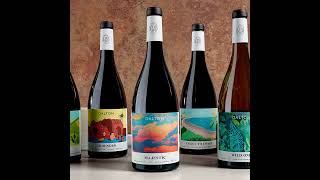
In this episode of The Kosher Terroir, host Simon Jacob interviews Dalton Winery’s head winemaker Guy and co‑founder/owner Alex Harouni. The conversation moves from the winery’s core philosophy—low‑intervention, terroir‑driven winemaking using amphorae, whole‑cluster fermentation, and native yeasts—to a series of experimental projects that illustrate Dalton’s blend of tradition and innovation. The guests describe a gin‑infused wine made with locally foraged botanicals, a cross‑continental barrel‑aging experiment where barrels were shipped to Kentucky and finished in a liqueur wine, and the challenges of producing hyper‑limited small‑batch wines that quickly sell out after a new packaging rollout. They discuss the labor‑intensive nature of traditional Champagne production, why Dalton shifted to pét‑nat for faster turnover, and the technical advantage of non‑disgorged “Champagne Noir” that can age on lees indefinitely. A memorable anecdote reveals that one of the amphorae sourced from Spain bears a Star of David, linking the vessel to a family of 15th‑century crypto‑Jews, underscoring the winery’s connection to Jewish heritage. Finally, Alex outlines ambitious growth goals: increasing annual volume from 1.3 million to 2 million liters, expanding the premium portfolio, and positioning Dalton among Israel’s top three wineries within the next decade. Throughout, the hosts emphasize sustainability, terroir expression, and storytelling as central to Dalton’s brand identity.
Chapters
Welcome to The Kosher Teruah.
I'm Simon Jacob, your host for this episode from Jerusalem. Before we get started, I ask that wherever you are, please take a moment and pray for the safety of our soldiers and the safe return of all of our hostages. Welcome back to The Kosher Terroir, the podcast where we uncork the stories behind the wines, the people, and the passion that shape the kosher wine world. Today, we're diving deep into the heart of Israel's Upper Galilee with two powerhouses of the industry: Alex Harouni, the visionary behind Dalton Winery, Engaia shel— the masterful winemaker crafting bold and expressive wines that put Dalton on the global map. From pioneering Israeli terroir to pushing the boundaries of innovation with the Asufa series and upcoming, yet-to-be-revealed wines, we'll explore how Dalton is redefining what it means to make world-class wines in the Galilee. What's next for Dalton? How do they balance tradition with cutting-edge techniques? And what secret projects are in the pipeline? Stick around because this episode is packed with insights, surprises, and of course, plenty of wine talk. If you're driving in your car, please focus on the road ahead. If you're home, pour yourself a glass of wonderful kosher wine. Sit back, relax, and let's dive in. Welcome to the Kosher Terroir. Thank you. Thank you for welcoming me to the, to Dalton Winery.
It's a pleasure. It's so good to have you here again.
Pleasure, Guy. Um, okay, you've had, uh, some incredible international winemaking experience in France, Australia, California before joining Dalton. Um, Dalton, I should pronounce it properly, I think, um, in 2015 you joined?
Yes, yes. So I've completed 10 years here as, as the head winemaker for Belton Winery, going to the 11th.
How have these diverse experiences influenced your approach to winemaking here?
Well, um, so I think, uh, what really, uh, influenced, um, my approach to winemaking in general, uh, was my time as a, as a student at UC Davis Um, it was kind of like the beginning of my career. I, I did work in, um, California since 2007 till, um, about 2012 when I, when I started, uh, my, my education at Davis. And when I was there, I met, uh, um, students who were like-minded like me, uh, you know, uh, passionate about wine and interested, intrigued about everything that went on there. And, and I think that's when my learning curve was like, was, was very, very steep. And everyone brought in, um, a lot of interesting different aspects and interests about their wine. We started tasting things from all over the world, but like very, very methodically. And, um, and we were tasting almost every day or, uh, several times a week. Right. Learning about wines, doing wine weekends where we would go to hit a wine region in California or in Oregon or, and just spend like a weekend or two nights in an area and just, you know, everyone who you call up and say, we're a student at Davis, you know, the doors are wide open. So learning was very, very, very intense and fast. Alongside the academic part. And I was exposed to different styles of winemaking when we started practicing, you know, whole cluster fermentation, carbonic maceration, use of sulfur, non-use of additives, filtering versus non-filtering. It just gave me like a really, really broad kind of like hub of, and it was kind of like a sheltered kind of like nest of knowledge and experiences.
Toolset.
Yeah.
A very broad toolset.
So that was the beginning of the toolset. And when I graduated, I decided to follow my passion, which was wines that have the Mediterranean kind of aspect. So I went to the Rhône in France and I learned all I can about the Syrah grape and work at like one of the known producers. Producers there, Domaine François Villard.
Okay.
And as a harvest hand there who also came back from academic school, they give you a little bit more responsibility. You get to run all the fermentation monitoring and the fruit receival. And also, I had a chance to work in these amazing vineyard sites that are along these steep slopes, and it was, wow, like once in a lifetime kind of thing. And you got to see a range of different ways to grow Syrah, to grow other Rhône varieties. That's where I fell in love with the Roussanne, which is one of my other favorite varieties to grow. The flavors of the wines, the different areas, different approaches, when to use whole clusters, when to destem, when to press, how to ferment to reach like different textures in the wine. So all of these really gave me even more tools. That's like a bigger upgrade in, in your professional kind of skill set. And following France, I went to Australia, and in Australia I learned from Clona Killah, who is another producer of Syrah and Viognier. So I really wanted to continue around the world gaining more experience in Mediterranean grapes because my, my ultimate dream was to come back After a decade of— almost a decade living in California away from my family, I really wanted to come back to Israel to work as a winemaker. I saw that the industry was smaller. I seized an opportunity that I thought would be a really, really nice time to come and join this industry because it was like really on its wave. And I think the past 10 or 11 years in Israel have massive, massive improvements.
Meteoric.
Yeah, it's crazy. More wine labels, better wines. When I came here, the wines were just starting to come out and there were a handful of wineries that I could say that I was really happy with. And now there's so many small producers, more importations. The kosher wine scene as well in the past 10 years has gone crazy. It's gone crazy. Yeah, it's exponential. When I started out with making kosher wines, we didn't have these selections with all these Bordeaux houses and Burgundies and Barolos. And the wine shops in New York held mostly Israeli wines and some cheaper stuff. And then of course you had all the things that come from California, but not that much at that time. But yeah, it didn't have that kind of, that broad selection and high-quality selection as well.
Yeah.
So I think everyone's approach, I think the consumers have improved, the winemakers have improved, and also the winemaking skills that young generation winemakers like me who brought experiences and interests from other places in the world back to Israel really set a higher standard. And one of the things that really, I think, contributed to the way I approach making wine is that experience from California and from those areas, the warmer climate regions that make wine, Mediterranean varieties. And when I met Alex Harouni at Delton beginning to work, the first wine that kind of struck my eye was the Shiraz from El Kosh Vineyard. And I tried that, and because it's one of my favorite grape varieties, and I tried the wine that they were making here, and I was like, wow, okay, this is really good stuff. We talked about the vineyards, and after that, I saw the vineyards and now I'm managing the vineyards and overseeing the production. And I can tell you that the Upper Galilee is to me one of the, if not the most exciting region in Israel because of its diversity, but also about with the quality of the grapes and what we can do here with the wines that we grow, with the grapes that we grow under our umbrella.
Cool. Yeah, I was, you know, I was wondering, um, Dalton really emphasizes the connection to the Galilee, um, especially the Upper Galilee. How does the unique terroir of the area influence the characteristics of, of your wines?
So, uh, you could really see like a thread that connects between the wines, especially what we grow under our estate, uh, fruit. One, one of the reasons, uh, why we emphasize the Galilee is because we are the first winery winery, the first commercial winery to start in the Galilee. When the Harounis, Alex and Matt, began with Dalton, it was in the beginning of the '90s. There wasn't much here. Most of the grapes that were grown in the Upper Galilee were sold to Carmel, and they were planted for Golan Heights Winery, and they asked for a lot of Sauvignon Blanc, and then they stopped making Sauvignon Blanc and vast quantities. I think they also wanted to focus on the Golan. They seized the opportunity as a Galilean producer to make contracts with some farmers in the area, and we, in the beginning, we used solely Galilee fruit, which we still do till today. We do have a vineyard in the Golan. We also have one vineyard in Kidron. Those go for different style wines, but I would say 90% of our fruit comes from the Upper Galilee with another vineyard in the Golan. And we have a little bit in the Lower Galilee as well, but that's our focus.
What differentiates between the Upper Galilee and what you call the Golan Heights? What's the differences between them?
So first of all, the previous question was talking about the terroir and what makes these wines unique. So I'll touch that and then I'll touch the differences between the regions. What makes the Upper Galilee terroir so unique is, first of all, that most— the elevation. First of all, high elevation. That means the climate is more temperate and we have dryness in the— anywhere east of Mount Meron, which is our kind of like staple landmark here. The vineyards are usually above 500 meters elevation, most of them, 500, 600. Then here in Delton, they're around 800 meters elevation. It means cooler nights. The higher you go in elevation, the cooler it becomes. You still— it's intense sun radiation, which is good for the vines, but under an open canopy, for instance, it's great. But then, The nights are cooler here, so that's good for retaining color, flavor, acid in the wine. And then we have about 3 main terroir types here in the Galilee. We have around Dalton and Keren Ben Zirma, you have the basalt soil, which is very similar to the Golan Heights. So, in some areas in Dalton, in the Upper Galilee, we can produce wines that are very similar to what the Golan is known for.
Right.
Okay. Hot, dry climate, and then the basalt soil making these very robust, smoky wines with a lot of concentration. The majority of the terroir in the Galilee is limestone and terra rossa, which is chalk with oxidized chalk soil that is red in color, and it's very, very rich in minerals. It retains water very well. And then it lends to our wines this really beautiful, bright, fruity, and freshness. The acidity is usually higher. We get lower pHs in the wine, but also a freshness that is very unique to the Galilee wines. So in Cabernet, for instance, if we take that as an example, Cabernet from the Upper Galilee, to me, will have more cherry, dark cherry aromas, savory herbs. The tannins will be a little bit finer, more powdery. Whereas in the basalt soil, you get more like plums, kind of dark graphite. The fruit is like a little bit bolder and the acid sometimes is a little bit lower.
Less.
Yeah. And then we have the third soil that we have in El Kosh, which is the upper western Galilee. So it's west of Harmaron, just west. And that's more influenced by the Mediterranean.
Yeah.
So humidity is higher, but it also keeps the temperature lower. So the vines love humidity. It's just a challenge for us growers to keep everything healthy and nice.
Yeah, getting fungus.
Yeah, fungus and mildew and all that. And we do that well. Under sustainable vineyard practices with a very minimal chemical use. But the interesting part also is the soil. It's like a sea sedimentary soil, and you can see fossils in the soil, and the soil is white and brown with flint stone and different types of Also, the plants that grow there, the natural environment, the forestry is a little bit different. So it also gives another aspect. The wines coming from there are usually more delicate with more finesse. It's not going to be those full-bodied, bold, like what, broad shoulders, but those are the wines that I really love. And those wines, they have excellent aging ability. And we're going to try during this podcast a few examples of that, and then we can talk about it as well.
You mentioned that we're going to try some, so let's take a taste. This is the first wine.
Yeah.
This is what?
This is called White of Earth. It's a brand new release. It's from 2023, available here in Israel and also in the US.
This is your Asufa series?
This is Asufa. It's a winemaker's series. Alex likes to call it the winemaker's playground. I like to call it the like the more kind of curiosity wines that are made from inspiration of other styles and really where we can go wild.
Experimentation.
Yeah. But it was released originally so we can create something different, something new to talk to a new generation of drinkers. And also make wines that we love to drink that are inspired by wines from other places. Everything is in small batches.
Tell me a little bit about what I'm smelling on it.
So this blend is Sauvignon Blanc and Sémillon, 50%. I'm getting a lot of like green mineral, green kind of like apple character, some like waxiness, like beeswax, a little bit of grassiness. And, um, it's a wine that ferments in, um, in amphoras, in earthenware, in stoneware. So after we, we will, uh, try the wine, you'll see that, uh, what I was trying to do here is to create a white wine with a lot of texture that, uh, just gives it like a nice crunch, but also like really fills your mouth with texture and like with this really, really, um, pleasant bitterness and flavors that are, um, that are a little bit more coming from like the ripe fruit, um, say like, uh, um, quince and, and, and, uh, and, and honey and wax. I mean, some citrus as well.
Yeah, but it's less It's, it's not what I was expecting at all. It's very interesting. This is not like, um, this is a combination of Sauvignon Blanc and Semillon. So the Semillon is coming out on this a lot more than Sauvignon Blanc, which is unusual, especially since it's not— this is, this is what year? 2023. So that's pretty, pretty incredible. Mm-hmm. Um, it's, it's lovely.
The—
it's not like this, um, grapefruit bomb.
No, it's a little bit more waxy and textural, like I said.
Alex, welcome.
Thank you.
Welcome, welcome to the kosher terroir. I love this, I love this, and I love that it's different than, uh, uh —You know, Sauvignon Blancs.
—Sauvignon Blancs.
I really like it much more. It's not, it's not just purely citrus. It's a, um, it's got some body to it, and it's, uh, and the Sauvignon gives it a little bit of a bolder, you know—
More shoulders. Yes. And that was the idea, to create a wine that is more texture, more minerality, like with a nice saltiness. I wasn't looking for like a very aromatic wine with a lot of acid and zip, but more something that is kind of like wider, saltier. And that's also why both of these grapes are grown in that same vineyard in Elkosh. And again, going back to what I said about the uniqueness of the vineyards of the Upper Galilee and the terroir that we have in El Kosh, which is a region west of Meron Mountain, which by the way, Dalton was the first to explore and to plant vines in. It has— the wines lend a salty kind of saline character to them, reds and whites. It's very pronounced in the whites, I think, with the type of soil, with that Mediterranean influence that I said that keeps that unique uniqueness in it. So it's, it's, it's a really great fermenting in amphoras and aging in amphoras, which are made of earth, I think boosts that characteristic in the wine.
And that's what we're looking to do. Are they amphoras from someplace special?
Yeah. So I have several different makes of amphoras. We have amphoras that we brought from Spain and these ones are actually a company that that comes from France, but they manufacture the amphoras with a unique producer in Sichuan in China that specializes with ceramics and with porcelain. So, they make a special mixture of earth and they use it for their— for amphoras. So, it has very, very low permeability.
I was going to ask what's a What's the accent?
Yeah, so it's lower than a barrel, and that's why it's able to keep that freshness in the wines.
Cool. Yeah. Alex, I have a question for you. Sure. All right, um, in 1995, you and your father established Dalton, uh, Winery in the Upper Galilee. What inspired the venture, and how has the winery evolved since its inception?
My dad— I grew up, we— I grew up in England. My dad grew up in Israel and then moved to England before he got married, but always yearned to come back and always raised money for Israeli charities and for the Joint and whatever. And every time he came here, he would bring, uh, bring— I think he called them missions— up to, up to the north. He really believed that The north was a forgotten and underestimated and undeveloped part of the country. Finally, I finished school, I finished university, came— I came to live in Israel in '91, and my parents came in 1993. I wasn't particularly enamored with the family business as it was then. My dad was a very dynamic, uh, member of the gem business, a very, uh, um a very prominent dealer, and I found it very difficult to be within his shadow. And I think he understood that as well. So he said, come on, let's do something. I've always, I've always raised money for the north. Let's actually do something in the north. Let's build a business. I want to touch the ground. I want to bring people to the area. I want to make the Galil a focus of a business. And we were looking around for various businesses, and we came across, um, the idea of building a winery. And, and thus the business began. It was a, a Zionist venture to, to really bring focus to the Galil, to the extent where the first bottles we made had a map on the back of the label to help people find where we were, because people, people wouldn't be able to— wouldn't have been able to find us otherwise. Wow.
Wow. Reflecting on the early days, what were some of the significant challenges you faced, and how did they shape the winery's direction?
I think at the time, in the, in the '90s, there was a degree of hostility from the larger wineries at the— look, when we started, I think there were probably about 10 wineries in Israel, not, not much more than that. And we started in an era when there were more and more little people coming into, uh, uh, coming into business and more and more little wineries starting. And we were one of those. We started with 20,000 bottles, 20 tons was our first vintage. It's strange because it took us a month to do 20 tons, and we do now do 20 tons in half a morning. Um, and we needed to get raw materials. So we needed to find vineyards and we needed to find farmers. And it was always a battle. First of all, the planting material. We had people from— I'm not going to mention names— but large wineries coming up to us and said, well, we saw your application for these, for these vines, and we're not going to, we're not going to permit them because we need them for ourselves. So get to the back of the queue and maybe one day you'll get them. And then there was finding farmers who are willing to sell us. And it's a— it at the time, I think it's a little bit different now, but at the time it was very much like the Wild West. You'd do a deal with a farmer, you'd— we would subsidize the planting of their vineyards, and then throughout the years when they'd be selling you, they'd be doing deals in cash on the side and, uh, oh yeah, really sorry, real, really low yields, uh, this year. It was a really bad year, really yields. What had happened was that somebody had come the night before and paid cash for a row or two rows, and, and we'd get the rest, uh, which basically made us decide that we can't really trust anybody, we have to do it ourselves. So in the late '90s, uh, then In the early 2000s, early 2000s, Naama Sorkin, who was our winemaker at the time, said, look, we've got to take the matter into our own hands. We need to protect our source of, uh, our source of grapes, our source of raw materials, because that's the most important thing that makes the wine. Um, and we need to plant our own vineyards. And because of her, we, we built this huge investment plan doubling the size of the winery, uh, in terms of, in terms of plantings overnight. Um, it was a huge challenge, a huge financial challenge for the winery as well, because, you know, 3 years planting a vineyard is, is, is, is income leaving, is negative, negative cash flow for 3 years. Um, so it was, it was a real challenge, but It put us on the track of becoming a proper estate winery, a proper winery that, that is in charge of its own raw materials. We have our own agricultural department, and, um, that allows us to play around and be, be more creative in, in the growing and more creative in what we do in the, in the cellar as well. I think doesn't put us at the mercy of other people, as you said.
In, in those days, there was maybe 10 wineries.
Yeah, and they were all very, very big and powerful wineries. They, they ran the Moët Chandon, and they ran, they ran the, the country's wine industry.
Now we're, we're moving in on over 400, I think. 400 wineries. So it's kind of, uh, crazy, I think.
And how many only in the past 10 years, right?
So I've been here for 10 years And there's been, I think maybe when I came there was 250 wineries or 200 wineries. Now it's closing in on 400 and they're really—
And it's amazing how much wine some of the smaller wines are making, smaller wineries are making. I'm astonished sometimes to hear the volumes of, first of all, of the older, more established wineries who, in my memory, they started up with 100,000, 200,000 bottles and now they're making close to a million. I find it astonishing, but just to bring the proportion back again, I still believe that 80% of the volume of wine in Israel is made by about 10% of the wineries, if not maybe between 10% and 20% of the wineries of Israel. So I believe that the small wineries add a lot of color and flavor and excitement to the industry, and I think they're really important. I think we can't do anything without them. No, I think they, they're very important for the industry, but we can't forget that most of the wine that is being drunk in Israel is made by probably 20% of those 400 wineries.
There are people who can make some incredible wines here, some small boutique wineries that hit, hit it out of the park. But what makes the difference is if they can do it again. Yeah. There's a lot of winemakers who luck into all sorts of things, but the issue is consistency. That, can you, can you reproduce that? Do you have the, the equipment and the tracking to be able to do those sort of things?
Do you have your own vineyards to be able to supply, to use?
Yeah, the Soufflé series you describe as a personal playground. Yeah, um, Alex, uh, for innovation, um, Elaborate on the inspiration behind the series and any upcoming wines that you're particularly excited about.
Um, I think the Asufa series is, is where we can innovate and where we can sell wines that your average wine drinker won't necessarily go to. It's a, a series that's focused for the culinary trade. I think people are much more adventurous when they go and eat out. If you have a sommelier who can explain about the wine and say, look, you should try this, it's really interesting, it's a very different take on what you're used to, I think people are much more open to it. Um, we've— I think we've seen a great success with the use of amphora, and, and we want to, uh, expand on that a little bit. I think we want to invest more in, uh, in clay and terracotta and, and, and all these alternative storage devices. I think it also gives, um, Guy a lot more freedom to say, look, you know what, I fancy doing this, this, and this. I'm gonna say, well, you know what, now you have an avenue of, of how to sell it. Because there are wines in the Asofa series that I don't think we could put in any of the— I'll, I'll call them commercial series, but I think, I think they're more traditional. Yeah, traditional, more straight-laced. Um, I don't think we can get away with having some volatility in, in the family collection series or in the estate series. People want clean, solid wines. Yeah, orange wines. I don't think people— people see something that's a playground, their minds open up a little bit more, and they're more willing to experiment and more willing to be disappointed somewhat than if they're going to spend or surprised. Well, surprised, yes. Because I'll tell you this, it surprised me.
Totally surprised me. Yeah. I was expecting—
who doesn't love a nice surprise?
I did, but I was totally expecting pomelo, grapefruit, you know, that's exactly— I said, okay. But then I smelled it and I'm going, boy, there's something more there.
But we have wines that offer the pomelo and the grapefruit, and we have two wines. We have the Fumé Blanc and we have the and then we have the Van der Leeuw Collection Sauvignon Blanc. Those are standard classic Sauvignon Blancs made very well.
Now here's a way, but in a Galilee style, in the, in our house, as I said, with the Upper Galilee terroir, because it's not, they're special, you know, they're, they're, they're not, uh, your, I, I think they, they're, they're still different than what—
and here we have in, in the Asufa series a way that Guy can just, Guy would come to me and said, look, you know what, I think we can make some petnat. I said, what's petnat? He said, oh, we'll make wine that sparkles in the bottle, we won't filter it and we can just sell it. I said, all right, go ahead.
Yeah, as long as you're not going through all the rest of the steps of making it. Look, I know.
And we've done that too, but at the end of the day, it starts out with a barrel or with a, thousand bottles. The following year we made 2,000 bottles. We sold it all after 3 months. The distributor was like, why are you even releasing this? I can't sell it throughout the year. Then we did 5,000 bottles, then we did 6,000 bottles, and now we're doing 13,000 cases.
And it's like, well, the guy has a brief. He has— from the moment he started, I said, look, you've got 20,000 liters that you can do whatever you want with, and I'm not going to be upset if, if something goes wrong. I will find— we'll find somewhere to put it, and if not, we'll, we'll deal with it some other way. But now, now we'll be able to distill wines because we're going to have the distillery across the road. But he has an open brief to do what he wants with a certain amount of wines and bring, bring imaginative and creative stuff. And, and now, and now we have—
now we have the outlet from COVID which we had a lot of time, you know, in our, in our rooms. We couldn't leave anywhere, so we came to to work and we had a lot of time to play. But let me just add something, and I mentioned that earlier when we did our opening chat. It is, for me at least, it's dealing with the stuff that inspires me, and I think that's the most important thing. The commercial side of it as well, and I'm very, very well kind of driven by that as well, like what can sell. And I don't produce a new wine every year because it's just not— I also think we need some stability too, and to show that consistency. But it is the place to make a wine, and if it doesn't work, we can cancel it, and that's fine. But also, it's like the stuff that I like to drink. When I go to a restaurant and I open a bottle of Sicilian wine or something with skin contact, contact and, wow, that's really cool. Or stuff I grew up on in my early years during winemaking where I was single and we'd hang out with friends and we'd pop a bottle of Pet-Nat. And it's just the stuff that I used to love to drink and the stuff that inspires me or stuff that I have a curiosity for. Sometimes even Alex brings up an idea and we're like, okay, let's do this, let's try. And that's the greatness of this series.
So that one of the questions I have for you is, you know, Dothan Winery offers this diverse portfolio, okay, between Alma, the Estate, the Canaan series, and what have you. Um, how do you ensure each series maintains its distinct identity while upholding the overall quality of the brand? And, um, and can you share a little bit about the insights? You started to go down that path into the creative process behind developing a new wine or a new series?
You want to start?
Yeah, first of all, I, um, start with the fact that we do have many different wines that we make, and yes, it's a challenge. Um, with that said, um, we have a clear distinction of what we want in every range, and I think we're both, um, Alex and I are both individuals who think there's good quality to be made for everyone, and we don't like to— we always want more. We have a hunger for more and to do more interest and more, and that's one of the reasons why we have a lot of wines, and that's why we develop new things and single vineyards. It's that curiosity and not standing in one spot. So we're not the traditional kind of like a 4-wine winery, but we have a range that in the Kanaan, we're looking for one thing. In the estate range, we're looking for freshness, for approachability, for quality, for ease of drink and finesse. Again, made from our estate fruit. And then we go to the Almas, which is something that is an excellent wine for the wine drinker who likes to drink quality things at an everyday kind of rate, where you're willing to spend a little bit more and have those vineyards that come from our top fruits. And these are blends that are very generous, that are fun to drink. And, uh, the family collection, that's the, that's, that's what the family, the Harouni family keeps for their special events. Those are the top wines. Those are vineyards with the highest potential. Um, that we—
good aging potential wines as well. Great aging potential wines. Yeah. Wines that we, we drink, that we go to. I mean, we drink Shiraz family collection on a weekly basis at home. These are the classics.
They're the true timeless classics. With their Galilean distinction. And then we have Asufa, which we talked about. There's really not much to say more than that, but the single vineyards is kind of zooming in on a quality from a single site that makes, that has a vintage variation, but we know these vineyards can portray the very best of the site that they come from. So that's why we choose to show them.
They're very individual wines. Yeah, yeah. It's a snapshot of a particular day. And I, I see, I see the single vineyard wines as a, as a picture of one day from one year from one place in Israel. And that's what you've got in the bottle. And we also find that they're very distinct. So when we're tasting the wines blind, we can usually identify them. And that's what's special about the single vineyard is the is the— is that we can go back year after year and we can sort of identify them blind because they have their own characteristic. And we found that that's what's important here.
Do you find that there are variations in vintage? Oh yeah.
Look, we don't really have horrible vintages because we don't have summer rains here. Like there are in some places in Europe where, you know, you can— you have devastating frosts. And but, but there is vintage variation. There's, there's variation between, uh, years that have a more consistent temperature than, than years that have, uh, temperature spikes, uh, years that have, uh, um, heat waves, years that are cooler or more temperate, um, how much rainfall we had that year, um, if we had low yields Last year we had very, very low yields, so I think there's small berries, the same amount of fruit grown on the vines, but the clusters were smaller and the berries were smaller, so fewer. So at the end of the day, we harvested about 10%, 15% less. But was it more concentrated? So yeah, you get a little bit more concentration, more acid, less tempering with the wine. All these wines that come from the Alma family collection estate and our special edition wines, really, there's not much I, as a winemaker, have to do them apart from just making sure they follow through properly and using fermentation techniques. These are very, very low-impact wines in terms of intervention. They really, really are authentic to the place. The fruit shines through. We don't use a very intense oak profile on our wines. Our wines are supple. They— So we're drinking now? We're tasting now? We're trying the Shiraz Elkos 2021 from the Elkos Vineyard. It's a single vineyard. Okay. As I said, the soil there is chalky with fossils and flint, 600-meter elevation, 18 months aged in a— 500-liter barrels. 500 liters. So what are we smelling? A lot of savory character.
Nice fruit, cinnamon, olives, black olives.
Really pronounced here. Yeah, black olives, some, some, uh, some thyme, some pepperiness. It's quite restrained as well.
It's Yeah, it's not, it's not in-your-face fruit. No, very elegant. The tannins are very smooth, they're very easy to drink, very, very soft, and nice length to it as well.
The Shiraz from the, from the Parallel Series, the Family Collection, is a bit bolder. It's like almost like sweeter and full, where this has this elegance and finesse. As I said, when I met Alex for the first time, Shiraz was the one that caught my eye. And when I saw Shiraz from Israel with this elegance that I tried for the first time from Delton, I was like, wow. After coming back from Australia and the Rhône, I was like, wow, this Shiraz is like up there and it's unique. And I'm really proud of what we do with this because it's not very easy to make a Shiraz that has this like finesse to it, this like European almost energy. So it's unique, it's different than everything else we make, and that's why it goes into single vineyard, because of that.
As we've been saying, the Israeli wine industry has seen substantial growth in recent years. What do you perceive, or how do you perceive Dalton's— Dalton Winery's role in the evolving landscape?
Well, I think our recent decisions have been based on climate change, so we've planted a lot of white wines. I think we, I think we're going to see a lot of people drinking a lot more white wines in the future. Our balance has always been 60% reds and 40% whites, and we're moving more to 50/50, even, even a little bit more in favor of whites. I think We're placing a lot more focus on white wines. I think we're placing a lot— we're experimenting with vines that can handle the new hot weather as well. And we're trying to push, we're trying to push in the direction of more premiumization. I think people deserve to drink better wines. And I think they want to— what I'm seeing is people are drinking less, but people are drinking better. And we want to get them drinking better wines. We offer excellent wines for under $20. I mean, we had a— there's a piece in Wine Enthusiast this week that focused on our Cabernet Sauvignon, on our estate Cabernet Sauvignon, and gave it a 95, I think, 94, 95, really, really nice review saying, 'Here, this is a wine that you can open every day and not break the bank,' but I think people want to move up and we're doing better at everything. I think that's important. Plus, we're still trying to remain imaginative and still trying to bring interesting surprises to the market.
So, I'm going to kick off that a little bit more, Alex. Um, as someone who's, you know, kind of leading the business side of the Dalton Winery, how do you envision the winery's growth in the international markets?
International market is really difficult, really difficult. I'm not gonna candycoat it here. I'm not, I've never had the opinion. I've never been of the opinion that Israel is going to, um, that Israel is going to make a huge breakthrough into the non-kosher, non-Jewish market, because I don't see it happening, unfortunately. I think there are too many, too many things against us to make that happen. Unfortunately, I see Greek and Turkish wines and Lebanese wines being much more popular and much more, uh, speaking much more to, to, to, to people on the street than, than Israel. Unfortunately, Israel has always linked newswise to terrible things. And it's— we were just, just before last October, just before October 7th, I think we were sort of on the way of getting out of that, and we were about to be able to stand again proudly as Israel and say, look, these are Israeli wines and we have something to offer with no, with no negative connotations. And I, unfortunately, I think since, since the 7th of October, the world has gone back on itself and we have only ourselves to rely on, right? And now I've seen, in terms of markets, I've seen that there's been support in the United States. Unfortunately, I don't see that support in the United Kingdom. I think, as an English Jew myself, the English have always been very apologetic about themselves. Self-apologizing Jew, I think, is the term that we used to use at university. And I don't see the support coming from the United— I think I see support coming from the United States, I see support coming from Jewish communities, but Unfortunately, I don't see that we have the support of, um, of, of the international wine drinking market, which is a huge shame.
Some of that is political. Oh, most of it is political. I've noticed that as an example in the United States, Elvie makes a bottle of wine that's a quality white. That they sell retail in the United States for $10. Right. And I look at that and I go, how in the world can they sell a bottle of wine? And they have all the hashkachot issues and all the kosher issues that everybody else has. But they still have enough of a margin to be able to sell wine at $10.
But they have also European subsidies for exporting wines, which we don't.
So that's one of the questions I'm going to have.
So if you, if you, if you want to go into, into the price, uh, uh, if you want to go into, uh, um, talking about the price, I think we need to look more at California as a producer than Europe as a producer. And I think you need to take the, um, you, you need to, to, to take the— you need to compare Israeli wines with Californian wines because our costs are more similar to America than they are to Europe. America doesn't receive any subsidies from the government to produce. Right. Um, and you have to count on everything. We pay, we pay above minimum wage for everything. We have to pay, um, uh, all the, all the, um, all the government benefits to all our employees and to even to the pickers as well. We have to ensure that all everybody that's working for us gets paid not only minimum wage but also gets the Social Security benefits and, and, and all the other benefits are given to those, those people. It's an expensive business making wine here. Nobody's, nobody's giving us anything. Nobody's helping us along the way to promote our exports to make them cheaper, um, uh, for the, for the customer abroad. So our price proposition has to be similar to that of the United States and not to Europe.
So when I look at the Israeli market, I'm sorry, I'm only focusing on Alex at the moment, but I figure I'm going to lose him first. So that's okay. So, um, when you're looking at the Israeli market, I, I would have said 10 years ago The wine industry has a real serious problem here because the, the, the younger people were going towards, you know, alcohol, higher-end alcohols and beers and what have you. I think there's been a resurgence here. Um, I don't know, what do you feel? Do you, what do you feel about your customers?
I think I can answer that better than I, because, okay, he also makes his own wines and he's in the market a lot more, uh, than I am.
By the way, I love that. Oh yeah, you tried it? Yeah, the Roussanne. Great. I was going to ask you, you don't make a Roussanne, but yeah, you do.
You make actually your own private Roussanne. Yes, it actually started before, like, it actually started coming, slowing down during the, um the whole judiciary reform protests. That's when it started going down. And then the war brought it down further with restaurants being closed and certain markets just disappearing for months, like Haifa, like the north. And Tel Aviv was kind of working, but slow, kind of like on autopilot, but very, very minimal. It's a little bubble.
Tel Aviv is a bubble that always it keeps plodding along and you can more or less rely on it. But I think there are other, other factors at work as well. I think there is this general, what I call neo-prohibitionism, this general move away from wine in the world. And perhaps not here. I think here we have a good— we have a bit of a lag, I think a 10-15 year lag, generational lag between what's going on in the rest of the world.
Yeah, so like natural wine, it was popular 10 years ago in the States and then it arrived here and now it's booming here and then slowly it's gonna fade away because people are drinking all the kinds of wines now. And in the States they've realized that natural wine is not a home for all flavor and it's not the, um, and I'm told the United States is a challenging market as well.
Young people are moving into ready-to-drinks and and ready-made cocktails and drinking more cocktails. I was in New York a few months ago and we went to a restaurant and we were the only table drinking wine. Everybody else was drinking cocktails. It was really interesting to see.
These drinks are big now in the States. And even here.
No low. Even here. Even here where you go into a restaurant and they've got a page worth of cocktails that they offer. And, you know, and a little section on wines. I— that's why I kind of think that the— some of these— the specialty, some of the not ordinary wines like this, um, some of the unusual wines are actually— they're set for a comeback. Because if a person's going to go out and drink wine they don't just want to ask for, you know, it also depends totally on whether the restaurants actually have a sommelier who's pushing wines and what have you. But if they don't want to just drink the same stuff, they want to drink something that's different. And yeah, I agree.
I have, have, whenever we go out, my wife likes to take a bottle of our wine to the restaurant. It's good for business and it interests the sommelier or whoever's pouring the wine. I'd say to her, look, If I'm going out, I want to— I want to drink something else. I mean, I know what our wines taste like, but I want to drink— I want to see what they've done with their wine list. And I want to know what— and I want to drink something that I don't necessarily drink at home. And for me, that's quite important. And I think these, these wines offer that to the, to the person that's going out as well.
These are super wines. And also one thing that's happening, and I think, I think I'm the only, of course, not to notice that. We all know this, wine lists are becoming, um, shorter, smaller, and more focused. So, so the, the people who are managing the wine programs at restaurants, they're looking maybe for one producer in each section, maybe having wines by the glass, wines not by the glass, but it's not these books anymore of pages and pages of wines that you can go through. And they, and, and they're also pulling wine as needed. So they're pulling 6 bottles of this, 6 bottles of that, 6 bottles of that, and then ordering every week to fill their stocks and not keeping a lot of wine on stock. So the winelists are becoming more focused and I think more versatile. And as a winery producing a range of different things, it increases our chances that a winery, for instance, you know, in the city who already has their staple Sauvignon Blanc and their staple Shiraz, but then we come up with this Souffa series. It's like, wow, this old vine Carignan, how unique. It's low alcohol, it's cool, it's vibrant, it's acid, it's nice. Or this wines made in amphora or wines fermented on the skins or indigenous varieties. Brings us into the wine. Because they're not going to keep wines on their list from this one producer, 4 or 5 different types of their wines. They're going to have maybe one wine from one producer, and that's where our ticket's going to be.
I noticed that as well. I noticed that as well. Tell me about a wine that you feel deserves more attention, one that perhaps flies under the radar compared to your flagship wines.
I'd say a variety that flies under the radar would be Shiraz. Yeah. Shiraz is a perfect variety for Israel. Of all the blind tastings I've done— Yep. The Shiraz flights have always been a step above the other flights that I've tasted of other varietals in terms of quality-wise. Israel makes really good Shiraz. Really good Shiraz. We were one of the first wineries to start pioneering it. And I think it doesn't get the respect that it deserves. Cabernet is all— Cabernet outsells Shiraz 2 to 1, if not, if not more than that. And I don't think— look, we make a good Cabernet, but I think we— Israel, Israel as a country makes excellent, excellent Shirazes, and it's a shame that, um, that, that it, that it doesn't get that recognition. I don't know. I think it's building. I think it's building.
And I'll tell you, 10 years ago, if you, um, if 10 years ago if you went to your distributor, distribution in America, and said, I've got this great Shiraz, they would tell you it's sitting on shelves, nobody wants to buy Shiraz. Nowadays, um, especially with the global warming, there's a lot of countries that are, that are getting more into Shiraz, and I think that it's becoming much, much more popular. Right. But I— what's also amazing is that there's so many different expressions of Shiraz that you can get. You can get something that's spicy, you can get something that's elegant, you can get something that's almost as bold as Cab. Um, there's all sorts of expressions of how you make it. So I'm— it's versatile. I'm enjoying it a lot. I mean, I am, at least personally.
But I just poured some Cabernet. With that being said, all that great talk about Shiraz, we're trying the Family Collection Cabernet Sauvignon from Vintage 22, 18 months in oak barrels. I use 2, 3 different coopers here, and it gets about 1/4 new oak in the blend. Um, and it's also made from a selection of, uh, of our top parcels, spreading from, um, the Western Galilee, El Kosh, to Kfar Shamay in the central Upper Galilee. Kerem Benzimra in Daltón. And it will be a blend of the— of our best estate fruit, where we have, as I talked about earlier, with the different terroirs, you know, in Daltón it's more basalt, so you have some of the components bringing in more structure, and then the ones that are coming from the limestone series are that lifted fruit.
I like this a lot. But I'll tell you, I actually like the Shiraz better. So, but it's also a really nice expression. Let's talk a little bit about sustainability. Sustainability is growing focus in viticulture. What sort of sustainable practices have you implemented in the vineyard and the winemaking?
And we do talk about it quite a bit, but I also think that it's, uh, it doesn't only start— it starts in the vineyard, but it's really translated to, um, to the vision of the company and how we operate as a business, as a family-owned business, um, from the vineyard and what we do. And then also our practices here in the winery, using the right equipment, the right machines, the water processing and waste processing that we do here. We have our waste management processing plant that we can really bring our wastewater to a point where it's also state of the art. It's a machine equipment that was built custom to our needs and with new technology where we can put our waste back and not create um, and oxygen that into the, into the, uh, into the, into the water supply. Yeah. And, uh, also how we treat our employees. Uh, you know, uh, we, we look after them. Uh, every employee has their set progress plan. The solar power energy that we create here, and we use our rooftops to, uh, to, um, if we could use our own electricity, we'd be independent in electricity.
So we've got You can see over there, that roof is completely covered in panels, and the roof in this building is completely covered in panels, and we, we produce, we produce more electricity than we consume at the moment.
So why can't you use your electricity? You're not allowed to.
You have to sell it back to the grid.
Interesting. Yeah. So, so it starts in the vineyards, and now back to the vineyards because that's where it starts. Um, the vineyards that we grow and we also try to influence our growers as well. And we have quite good success at them, apart from one or two that they are very, very old school. But it's something that we constantly emphasize in what we want. And our growers are not allowed to use any spray chemical that they want. We give them a list. Of things that we consider to be friendly and sustainable. We use oils, horticultural oils, instead of sulfur throughout the growing season, and then we go into sulfur once or twice during the year. We try to minimize the use of coppers and use alternative minerals that can combat the, uh, the downy mildew which is also an issue here in Israel. And these minerals are more sustainable to the environment than copper. Copper leaches into the water bed, and it also— it's a cause of Alzheimer's. And there's a lot of things that are not very healthy with copper. So we try to use mineral-based sprays for that. And then we have sprays that are friendly to the environment that we— we're not organic certified, but because we like to practice sustainability, it's something we put a lot of research in, and we're not very light-handed on what we bring into the winery in terms of prophylactic sprays. Prophylactic. Prophylactic sprays. Yeah. And then apart from that, we don't use herbicides in our vineyards at all. Everything is mowed either by sheep during the off-season in the spring before the vines, uh, go bud break. And then we also use mowing systems, um, that, uh, that are more sustainable, um than, uh, than, uh, than sprays because we don't spray underneath the vines with, uh, with herbicides. Or we use, uh, pest management in the vineyards with, um, with, um, owl, um, boxes. So we've put an owl box to every, uh, 50 dunam of vineyards in all our vineyards. And then we, which is 5 hectares. Okay, every 5 hectares there's an owl box, and most of them have been populated, and that helps against rodents that, uh, that dig and, um, and create holes and problems in our irrigation systems. We're trying to use, uh, grape varieties now. We, we've planted quite a few Mediterranean grape varieties that are a little bit more resilient to, to hot climate. We're looking at that. We're looking at, we're looking at hybrid varieties. We're looking at varieties from Greece, from Israel, from warmer parts of Europe like Spain and, and south of France that we're trying to plant and, and develop in that section. So sustainability is in all an ongoing process, but I think we tick the boxes in terms of it's something that we really care about, and it shows in our wine. Like, when you go, if I would take you to Elkos, you're gonna say, oh my, this is, this is wow, this is not like a regular vineyard. It's like a piece of land that is lush, and all the native vegetation is there. Most of the vineyards that we grow that are above, uh, 100 dunam blocks, which is, uh, 10 hectares, um, will have some kind of like untouched areas that are used as like natural corridors for, um, for animals, wildlife, and microbes. So that really helps as well. Uh, we make our own compost. Oh, the list goes on, but it's stuff that we do that, uh, Starts from the vineyard and finishes in the winemaking process.
So I always thought that the solar panels were you trying to reduce your own costs. And I guess they do reduce your costs because it gets sold back to the electrical. Yeah, it does. Yeah, it does. But it doesn't feed directly to you.
No, it doesn't feed directly to us unless you buy an income, unless you buy battery farms. And we haven't got to the stage where we buy battery farms yet.
Right. And it's something that's beginning now, I think, in the industry that batteries are becoming very reasonable price.
Yeah. There's also, there's also a move to cover. I was going to ask you, any of the vineyards with solar?
Yeah. That's an interesting question. It's a new— there's some new advancements in that.
Yeah.
Because I have a good friend of mine is in that business. So I've looked into it a little bit. It's the permits that are given are quite small at the moment still. In terms of how many dunam you can do, but it's also a matter of like if you own the land or not. Okay. I think there's also that question that needs to be answered. And if some of our vineyards are leased, some of the vineyards are contracted, and then you have to see if it makes it worthwhile doing that.
I saw an analysis where the vines actually when they're really in full exposure to radiation perspire. So, they end up giving off more water. Yeah. So, you can end up saving water by putting solar panels over them. And, even if they could flip, if they can rotate, so you get sun when you want it and no sun when you don't want it, it ends up helping from a number of levels. So, it's something I was— I've been looking at— I was wondering if anybody was— there's a lot of research done in that.
And yeah, it does give some amount of shade that can be controlled. Uh, bigger canopies, uh, release more water. That means that you have to irrigate and supplement with more water. There's a lot of, uh, research done in the fact that it's good to keep, uh, smaller canopies— that means a leaf area for, for the vines that, and then they survive in hot climates with releasing less water into the, aspiring less, and then you have to water, irrigate less.
Do you shade any of them? Do you put shades over any of them at all?
No, we do not. But what we do, we do practice, and that's something that I brought in when I started here as a winemaker, learning from California and also in France, trying to imitate head-trained vines. So open canopies in our— we— most of our vines are structured in a VSP, vertical shoot position, right, where you have two cordons, or cane pruning, depends. But that's a little bit more rare in Israel for the varieties that we grow. And then instead of doing the vertical shoot position, you can do You can let the vineyard just kind of go kind of sprawled so that it shades itself, and then you have less direct radiation on the clusters, more surface area for the vine to transpire, and you can increase quality and manipulate the quality of your fruit in a positive way, that way. Yeah. So we, we practice that quite a bit.
So tell me a little bit about your alcohol.
So about a few years ago, I invested in a, in a distillery in La Votabachane. And, um, it was always, it was always my wish to take the winery, um, into distilling. And then it came this distillery. And Guy, Guy, this is the iron. Um, and now we're building our own distillery, but until, until our distillery comes, so I'm distilling at this place called Verastil, which is near us in the Galil. And they do all the, we sit with them and we sit with their, um, with their master distiller and we send them wines for distillation. Um, we make the, uh, we make the recipes together, uh, until we can make it in our own, uh, in our own facility. We, we made a gin already. I saw that. Did you taste it? I didn't. So the gin is made with, um, uh, with botanicals that Guy, uh, picked from the Elkos vineyard.
Wow. Uh, Galilean-inspired botanicals that are foraged and near and in and around the area of our vineyards.
And this Arak is made from a wine, you know, during, during the war, unfortunately we couldn't keep our white, our eyes on everything. It was really, really cha—
it's been a really challenging year with a lot of stress and a lot of, a lot of stress, a lot of uncertainty.
And was there a real impact from the war? I mean, yeah.
Oh yeah. No.
Tell me a little bit about the impact.
Every day you come to work, don't know what's going to happen. And you have to be here. No, not who's going to be here, what's going to land on you. Right. Yeah. The sirens go off after the booms.
Right, right. Here. Yes.
So you have workers working in vineyards that are, they're classified as open spaces. So there's no Iron Dome there. Yeah.
There's no Iron Dome and there's no sirens. And then suddenly you hear something and there's a rocket landing on the hill in front of you.
Or you go into the vineyard in the morning and there's a huge crater where something landed the previous night. We got through this war by a miracle. I have no other way of classifying it. We lost 100 dunam of vineyards, 30 dunam were burnt. 70 dunam we couldn't manage. We couldn't go in there. We couldn't prune them since October 7th.
At the border. On the fence.
People would have gone, shh, go there, go out there.
And damages, like a rocket hitting in a vineyard and then you lose about, you know, half a dunam of vines, just like that.
There would be explosions and then you'd hear the tinkling of shrapnel landing on the solar panels. Ding, ding, ding, ding, ding, ding, ding, ding. Just little bits of shrapnel landing on the I'm laughing, but I'm not.
I know. I was up in Rekanati, and we were watching the smoke coming up from here, and the smoke coming up from here, and as I drove through Svat, there was fires on both sides of the street. It was like crazy.
I remember, I remember, I remember dropping my wife off. So we did a lot of outreach during the war, so, um, Billy, my wife, and Adiel from the cousin of Hakim. I now know how many cases of wine you could fit into a Tesla because every weekend I would take down 15 cases of wine, if not more, for Billy and Adiel to go to Shukimi Karein, the farmer's market.
Right.
We were around Tel Aviv, around the Marokkas, where people would support the north. So there was a lot of outreach during the war where we would have to go out and sell because the winery visitor center was closed. But the winery, we worked every day. Something that I learned from Corona is you keep working because it's gonna end sometime. And if you're not working, then you're gonna have to make up a huge backlog for not, for not doing that. But right. It's also really important for the morale of the employees to give them something to do and to make sure that they can work. So we worked every day. Guy came up every single day. I came up 3 times a week. It was really important for me to show the staff that although I don't live in the area, I'm there with them. You live where? In Tel Aviv. In Tel Aviv, okay. 3 times a week I was here. Um, the guy was here every day. Everybody was here. Everybody came to work every single day. We didn't know what was gonna happen during the day. There were sirens every other day. The ground shook every single day from artillery fire from our end or from rocket fire from their end. Um, Marun Aras, I don't know if they took you up when you were here. We can go and take a look now. You see Marun Aras, it's, we're 6 kilometers from the border. And Marun Aras is, uh, another kilometer perhaps. I can see it from my office window. There were explosions happening there all the time. It's, it was not a year I'd like to repeat, but nobody was hurt. And we got, we managed to get a full harvest in, not a full harvest. We managed to get a harvest in, uh, and we continued working and we gave, we managed to get employment. To our staff for that year and a half. Which I think is as important as the end of deals.
It's huge. It's huge because most of the people up north were— I have cousins who live in Dishon and they haven't been back to Dishon in a year and a half. It's crazy. It's crazy. Yeah, yeah.
We have employees displaced quite a few times.
Nobody knows when Avivim will come back. Rehabilitated and repopulated.
He said they're going to have to spend money out of pocket to rebuild their homes. They will get some kind of government subsidy, but they're not going to be enough.
The irony is that they only just finished repairing the infrastructure in Avivim from 2006. Right. And now it's all gone. And gone again. So this wine, because of the atmosphere that we had, you know, people weren't always concentrating and people weren't always— we, Guy and I, sit down usually 3 times a year to sort the wines. We weren't able to sit down for more than half an hour to sit and taste some wines and say, look, this is good. This is, this is better. This is, this should go there. This should go there. Usually we spend 2 full days doing that. That didn't happen. This arak, it is the result of a wine that got lost along the way.
But distillation made wonders.
I know, it's an amazing thing.
It's made from muscat. It's made from muscat? Yeah, it's delicious. Muscat arak. Wow. Just like you would drink in Lebanon, Syria, Iran, or Iraq. Muscat Alexandria arak. Wow. Delicious. With our own recipe. It's delicious.
It's very palatable, even at this time of the morning. It's delicious.
Soft. Yeah, it's soft. Slides down well.
I forgot, his uncle who put his longevity down to the 3 glasses of arak he had before breakfast. So he knew coming from the region in which we came, that was the way they lived in those days.
That's life. Yeah, it's a really nice hara. And then there's a few other, there's a gin that's been being made kosher for Passover, gin for the past few years. It's really nice. And we have a brandy, we made a few years of brandy, we made 2 years of whiskey that's still aging. So it's cool. Some people do grappa, brandies. I think it could be nice as like Israelis usually drink it as a nice kind of aperitif, like a digestif for like at the end of the meal, like a little chaser.
I don't know if you're a gin drinker. I am a gin drinker, actually. So this is gin we made, just some botanicals and maltose. Very, very— I mean, I wanted to make sure that there was no— nobody would mistake that it's not gin. So there's a lot of preserving involved. Oh, that's interesting. Um, a little bit of, uh, za'atar, a little bit of, uh, what did we put in here, Guy?
Um, uh, wormwood, uh, za'atar, a native mint juniper that originally we foraged in, uh, in Meron. But we also, uh, now we use commercial organic juniper as well because it's quite endangered. We use the myrtle.
Yeah, some lemonade, Louisa. Yeah, bit of orange peel, lemon peel.
Yeah, lemon peel.
I think that that's amazing.
A little higher on the juniper with gin.
Yeah, higher on because of the gin. Yeah. But I think that's like an incredible selling point that you're basically tasting the terroir of, you know, of the gin, of Alley Day and Terroir inspired. Yeah, that's cool. Yeah.
And then we did this project in, in Tennessee. Tennessee? Kentucky.
They put it in barrels in Kentucky?
Yeah, we sent the barrels over and they finished it in our Anna, uh, liqueur wine. Right. Uh, so they finished, uh, a batch a few batches in, in barrels that we sent them. Very cool.
Just cool. The Anna is fantastic.
Yeah, that's, that's really— another hyper limited, uh, um, uh, wine. Really very, very small batches we make.
Ever since the new packaging, it's just, um, you, we can't keep it on the shelves and people want it. We just can't make more because it's just— we try to increase the production every year, but it takes many, many, many years.
Takes 8 or 9 years until we've tried to accelerate production.
It just doesn't happen, work the same. It needs— it's that long aging. So I, I always have a question.
Why in the world would you make champagne?
That's what I ask.
Why would you make champagne? I know we're not making it anymore. Okay, so for Prestige I could see it, but it's so much effort.
Yeah, it's a lot of effort. It's also a lot of fun, but it's a lot of effort. And at the end of the day, I'm not going to put houses, what you call it, but I can. Houses, I think houses that make champagne, they really, when you focus on it and when your grapes, all of your vineyards are made for that, it's just different. It's a different, it's different logistics. It's a different way of working. It's a lot of work. It's a lot of work. This is specialized equipment. You can make— I think it becomes worthwhile when you make tens of thousands of bottles or a few thousands of bottles of it.
No, it's hard to do. We started it because it was another thing to try, right?
We did it for 3 years and we made a lot of backstock.
We've got a few thousand bottles sitting on, uh, sitting on lees. But we figured, we found out that making petnat is easier and very, very similar and sells quicker, and we can turn over the stock a lot, a lot easier.
Yep. Um, and we didn't, and we didn't need as much as specified equipment, uh, for it as well.
Yeah. Because you don't go through the whole, the whole, um, disgorging.
So, so we know how to make— we've done champagne 3 years. We, we know how to make it well. I think, I think our— it does taste well. It tastes nice.
We took a bottle back.
Uh, we'll make it whenever we feel like it, you know. Now we make it whenever we feel like it. If, if we run out of stock, so we'll make a little bit more, but it's not— let's say we, we don't want it to be a major product unless we go full-on, I think, dedicated with like a, with a dedicated wing for that in the winery, I think, because it's a lot of work. The advantage of—
very technical— the advantage of Champagne Noir that hasn't been disgorged is it doesn't go bad. You can keep it on leaves for a long, long time.
Well, I never thought of that. I never thought of that. That's interesting. I never really thought of that. Yeah. Yeah, because actually it benefits to be sitting on the leaves for a while.
Yeah, it gets this really nice— So, it's interesting.
I also like that you're going to Amphora's for some of the wines.
It's kind of the roots of this country. It's something going back to the— It was one of the ideas, trying to make wines with ancestral methods.
It's funny, one of the amphorae that he got from Spain, they come with a little Maguen David on. Yeah. And he asked the family who make them, why is there a Maguen David? And they said, well, we've been putting them on for as long as we can remember. And it seems that the family who makes them is a family who were crypto-Jews in the 15th century.
Amforas Moreno-León, and their last name is Moreno, and Moreno is the name for— Yeah, Jews. Crypto-Jews. And they always signed off with a Star of David on their Amforas.
Looking ahead, what are your aspirations for Dalton Winery in the next decade?
I want to grow the winery to become bigger. I think we're at around 1.3 million at the moment. I want to get to 1.5 million, 2 million. I want to, I want to be able to focus more in the premium sector. I want to expand our premium wine portfolio. I want to be able— when people say name the top 3 wineries in Israel, the Dalton will be in people's tongue. That's my aspiration for the next decade, and I think we can get there. I think we're doing— we're working hard enough and we're making real great efforts in the cellar and in the vineyards that we'll be able to to be where I want to be in a decade.
Very cool. Very cool. I— well, I've only seen it getting better and better and better. Thank you. It's really, um, it's really a pleasure. Thank you very, very much for all the time, both of you. Thank you for coming.
Thanks for coming and getting to know us. No, it's a pleasure, really a pleasure. Thank you. It's really nice to meet. Let's talk. Yeah.
This is Simon Jacob again, your host of today's episode of The Kosher Teruah. I have a personal request. No matter where you are or where you live, please take a moment to pray for our soldiers' safety and the safe and rapid return of our hostages. Please subscribe via your podcast provider to be informed of our new episodes as they are released. If you are new to the Kosher Terroir, please check out our many past episodes.










