Exploring the Art of Wine Curation with Evyatar Cohen - Kos Shel Beracha's Wine Connoisseur
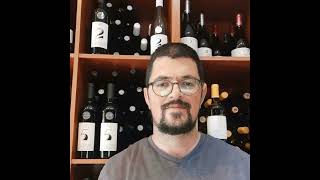
In this conversational podcast episode, host Simon Jacob interviews Evyatar Cohen, owner of the Kos Shel Baraka wine shop in Jerusalem. Evyatar shares his personal journey from a childhood of functional kiddush wine to working in a wine shop, discovering the storytelling behind wine choices, and developing a curatorial "playlist" approach for customers. He discusses the rapid expansion of the Israeli kosher wine scene, noting a shift toward lighter, fresher styles, the rise of boutique producers such as Telem, Bazac, and Flom, and the growing popularity of orange wines. Evyatar describes his own amateur winemaking experiments, including home fermentations, a Braille‑labeled blind‑deaf project, and collaborations on orange wines. He details the recent planting of a 6‑dunam vineyard in Nokdim, the challenges of a rocky, windy site, the decision to start with Cabernet Sauvignon and Malbec, and the hands‑on vineyard management he performs. Throughout, he emphasizes that "the best wine" is contextual, encouraging listeners to try new, affordable wines, trust their palate, and enjoy wine as a connector rather than a quest for an absolute best. The conversation ends with mutual enthusiasm for future tastings and continued exploration of Israel’s evolving kosher wine landscape.
Chapters
Welcome to The Kosher Terroir. I'm Simon Jacob, your host for this episode from Jerusalem. The following is a conversation with my friend Eviatar Cohen from Kos Shel Baraka, a truly remarkable wine and liquor store located in the Katamonim neighborhood of Jerusalem. Eviatar is a wonderful wine personality who seems to know all the right people, especially in the Israeli wine industry. He has a special tasting skill that allows him to curate for a wide variety of customers new interesting wines that pleasurably expand their wine tasting repertoire. Sit back, grab a glass of wonderful kosher wine, and enjoy. Welcome to the Kosher Teruah podcast.
Thank you, thank you.
Okay, really a pleasure. Um, tell me a little bit about yourself. Where, where did you start? Did you, you know, where are you from?
I was born here.
Um, here is in Jerusalem?
No, Petah Tikva.
Okay.
Um, we moved around. My parents are teachers, so we moved around a bit. Including other countries. That's where my English is from. I spent 7 years in Australia. Um, I think, uh, as far as wine—
yeah, what's your— where's your first— where were your first wine dreams?
Yeah, so wine, wine for me was very functional growing up. It was like the kiddush cup. It came out for kiddush and went back into the fridge. That was its function. Very much sacramental.
So sweet sacramental wine?
Uh, yeah, we had dry at home, dry wine at home, because my father had diabetes, but that was it. That was, that was the only reason. Um, it was nothing, it was just for kiddush. I remember when I was around 12 or 13, I had a semi-dry wine that I vaguely enjoyed, and then I poured Coke or Pepsi into it, and I found that it improved it greatly.
I think that's the experience of most young wine drinkers, but it's okay.
I think at that age it's par for the course. And then only my real meeting with wine was, uh, except for Purim, was probably much later on when I had a student job. Actually, I was looking for a job after we got married. I was pre-university, and my brother told me about a shop that was near my in-laws' place that was looking for someone. I said, the shop is perfect because it was like I didn't have anything specific that I wanted to work in, just something convenient. And in that sense it was convenient, so I started working there. And I was fascinated by the people and why they were picking wines. I'd say also the original owner of the store that I worked for, he very much enjoyed wine. I feel like he didn't know so much, but he really enjoyed it. He liked selling it because he enjoyed the product. And then I used to ask customers why they were buying the wine they were buying, and I got a lot of answers from very different angles. Wow. I think that's what got me into it. It was less the flavors, that's the dynamic. It was more the experience that people were experiencing, because I'd see people browse. Now, for me, I know in a bookstore you go and you look at what book's interesting, so, you know, you flip through the pages to see what it's about. Get a glimpse of what's happening. Wine is like this bottle, it's got some vague description of random flavours and that was it. So I was like, why are people taking so long? I didn't know how it worked, because for me any drink that you'd buy till then was basically sweet drinks. You're in the mood for a Coke, you grab a Coke. You're in the mood for a lemonade, you know.
They all tasted the same, they all tasted basically, there was consistency in it.
There was consistency and there's no, exactly, there's no other context. Except for enjoying them. And when I started asking people about the wine, they told me— one person tells you about the story of the winery, one person tells you about a special evening he's having, one person tells you about a concept he's exploring. Like, very different approaches to enjoying wine. Wow. And I think that's what got me in. And then I started tasting more and more, and but very slowly got into it.
One of the things that's really impressed me, uh, about you, Aviatar, is that, um, I call it you're my playlist guy, uh, and I'll tell you what that means. Um, initially people had LPs, vinyl records, then they went to cassettes. And cassettes, you know, you had a cassette, it had a, it had an album, it might have a half an album or a whole album on it, um, and that was it. And you carried that with you, or you created your own little, um, selection of, uh of things to listen to on a cassette. But it wasn't until after Apple created the iPod and you had literally thousands of recordings on your handheld device, now all of a sudden you had to pick which one you wanted to listen to. And that's a, that's a, that's a challenge. I, and, um, so in Wine there were maybe, maybe at most 30 wineries that you could pick from, uh, you know, 10 years ago. Now there's like well over 300. There's so much product, um, to choose that how can you even stay ahead of the game with it? How can you even know what to taste or what to try. So on Apple iPods, they started to create, they started to create these playlists that people would suggest to you. And, and that's, and I kind of view you the same way because I'll go in and I'll say, I really like this, you know, you know, basically the things that I do like. What's new? What's different? What can I get? And you have— I can't say you're 100% on spot with every single bottle of wine you give me, but you're certainly in the high 80s, low 90s. So that's awesome. That's just awesome. And I've sent a number of people to you and said, here, you know, just tell him what you like and let him pick you some new wines. And it's just great. I love it. So I don't know how you have that knack to do it, but you've got pretty reasonable taste. But it's not just taste for yourself, it's taste for other people, which is pretty interesting skill set.
I think your description was spot on. I think when we deal with the issue that we had maybe 20 years ago in the industry, which was just finding a few good ones.
Yeah.
Or like back in the day when we were buying LPs— I grew up a little later— but they were buying cassettes or CDs. You're committing a specific amount of money, and this is what you're going to hear again and again and again. So it wasn't like buying a bottle of wine, it's buying a case of wine.
Yeah.
Because you know that's what you're getting, so you want it to be safe, right? And there's a certain excitement about a new band, but if money was an issue when buying a CD, then you'd, you'd hope that this next CD was going to be as good as the last one. Or as interesting. And like you said, now, Bokh Hashem, there's a huge— there's a wealth of wineries, and not only wineries and winemakers, but wine styles. And now we're dealing— now, in a sense, I have an easier job than my predecessors had, that there's a lot of good stuff and I just have to find— I have to curate for people. Yeah, it's picking between the good and the better. The choosing is more between what gives more value for money or more interest than picking absolute good wines. There are wines that aren't good in any industry, I guess, but there's— it's more about picking what's interesting and what's fun.
Curate was the word I was looking for and I couldn't grab onto, but yes, 100%, you're a curator.
Um, but it's easier than it ever was, that's the truth. And that's the winemakers doing the work and the growers, not me. I'm just, you know, I'm— I get the final products.
It's easier So let me ask you a question then. If a person wants the best wine, price is not an option. Are there wines that fall into that category now that are just so over the top that, you know, you'd pay any amount of money for them?
So, so again, so if we go back to my initial experience, again, I, I see things through my prison. Exactly, which is a very small prism in the wine industry. I'm a small shop, I only deal with very few people. But again, I think it's a question of what experience people are looking for. There's clearly no such thing as best. There's no best food because— or same way as there's no best song, no best food. Context creates the best. And I think that's exactly— some people want an experience, some people want to experience something new, some people want to experience something they feel safe and comfortable with. Some people want something— there's an endless amount of ways to approach the best. And it's always— the bottom line is always contextual. It's always a question of what we're looking for. So my job is to break that down. And I find that a lot of people who want the best wine are often just scared— not often, maybe people carried away— but are often, yeah, I'll say it, are often scared of getting a wine that's not good. That's where the, the, the best— give me the best, give me the, you know— and they stick to names and brands and things that they feel comfortable with. So those brands continue creating wines that will be perceived as the best wines. And again, they're very good wines, they're fantastic, and they're well made. But you'll find, at least in the Israeli kosher industry, the more expensive wines are often more of the same. They're often cabs or cab-based blends. Big, rich, you know, fruit-forward, oak-driven wines, which are fantastic for people who like them, but they're not necessarily more of a new experience. And if you're using price as a marker, so even that's slowly changing. Less so in Israel, but also in Israel, they're— today they're more expensive wines that are different from that profile. Again, it's a very slow process. And you look, if you look at the, what's happening in the imports, so the French, I mean, I'd say the whole European market, the Italian market, some of the wines that Ralph has made are fascinating, they're definitely very nuanced. And the fact that there's suddenly more than one kosher still turns, and the kosher world is scarred by sweet wines because we had it all for kiddush, right? So to open up the, the market to sweet wines, which are super high-end, and they're really fantastic wines, and they're fascinating, they're interesting, is a new thing, that there's more than one at a time, there's demand and there's awareness of it.
You're, you're 100% on. Um, it's really, it's amazing to me, uh, it's almost impossible to stay ahead of all of the different wines coming inbound. Um, and one of the things that I, uh, I come to you for actually Aviatar is there are a lot of little boutique wineries that aren't big names, that don't have a name built in the market yet, that are coming out and they're very interesting wines. Very, very interesting wines. One of the ones we were discussing recently is a wine called Telem. that was just so, so beautiful. It, it's a Cab mixed, a Cab blend mixed with a Syrah.
Exactly.
Um, and I would have never guessed, by the way, I would have never guessed that it was either a Cab or a Syrah. It didn't have that typical Syrah spiciness or bite to it, and it didn't have the typical Cab taste to it. Actually, the way it, the way it, um, exhibited was as a really delicious, light Grenache.
I agree.
I, I thought it was a Grenache. I really did. And I read the label and I said, something's wrong here. Um, but it is really such a beautiful blend. Um, it's just, you know, wow. It's probably one of the best Cab Syrah blends I've ever tasted because there's usually some sort of an element to it that is very Syrah or very Cab, and this is just wonderful. It was just a wonderful bottle of wine and got a lot of support around the table while we were drinking it, so it was a very interesting wine.
Up in here. So they really are a new winery. This is the— '22 is either second or third vintage. Also, they grew their— their vines are grown in a very challenging environment. Yeah, really. They have a thing with like planting them in the rocks.
Wow.
Um, but again, but, but I think that takes us again to the place where once we sort of let go of the traditional what we thought wine was till now Or let's say Cabernet is often associated with a bigger, heavier wine. Now in theory, if I harvest a Cabernet slightly earlier than usual and I leave it less time on the skins, it can drink, it could be a lighter, refreshing wine. The problem with creating that is, is that the market isn't ready for it, because when people see Cabernet, they want the heavier. But in theory, you can make any wine like that. Any grape can be made light. Not every grape grape can be made intense, right? Um, but when you realize that, and it makes sense with the climate here, and in general, I think, I think that the whole market is slowly and gradually becoming lighter and fresher. Like, more lighter and fresher wines are entering, you know. If it used to be 1 out of every 100 wines, now it's 1 out of every 10 wines, and even that's growing because people are aware of the industry. So eventually we'll have lighter, fresher cabs as well, and not just you know, Grenaches and Barberas and Syrahs. Like Syrah, you see on both sides of the scale.
Yep.
In fact, Telen themselves also have a Syrah which is very, very full, very, very heavy. I call it Rockin' Syrah.
Okay, so I need to taste that one. Yeah, but I— we were actually on one of the, um, on one of the wine groups this morning, uh, discussing, um another, uh, what I call a Mediterranean blend, uh, that a wine that has more Syrah in it by Flom, the white label. And it's just that I— it's funny because, um, Golan, when I, when I discussed it with him, he purposefully wanted purposely wanted nothing on the label. He wanted it to be this white label, blank. Don't tell me what you think it is. Don't tell me whether you like it or not. The only way you're going to know whether you like this wine is if you drink it. And I bet you if you drink it, you'll like it. And because he was trying to fight the Syrah backlash a little bit, I guess. The truth is that it's Incredibly lovely, super elegant wine. Uh, you wouldn't immediately feel that that's what was in the wine, that it was a Syrah-based blend, but it's, it's just super elegant and luscious. Wonderful wine, wonderful wine.
And Flammer is still working with the very traditional grapes. I mean, they go to Cabernet Merlot, Syrah, in the, in the, in the white label. Yeah, and the white label, they also have— I mean, there's Petit Verdot and Cabernet as well, but, but even for them, this is in a sense a break. It is tradition. Even their, their lower end, but the Classico is called the Classico because it's that, because it's classic. So even they're sort of slowly testing the ground a little more. I—
well, I think they're trying to test the ground and try to slowly but surely move with clients, um, over towards Syrah or Mediterranean type grapes, type, you know, type varietals. And, um, as is everybody. I mean, Castel's doing the same thing as well with their Resielle.
Exactly.
Uh, blends.
And I think if you look at the way Castel are doing it, it's a very important picture of, of where the— let's call it the financial reality meets the ideal. Right, because ideally we'd all like to be able to change everything about us now, you know, change our lifestyles, click our fingers. The reality is that we have, we have commitments. Everyone's got their commitments. And when you look at Castel and what Eli Benzacan is doing and looking, trying, playing with new varietals and with sparkling wines and having a lot more fun, his client base is where the Castel wines are at. So that's being kept and that's even growing. And then on the side, he has a side project that he's having more fun with, in a sense, or trying new things and, and, and exposing the Castel crowd also to new things.
But it's also building a whole new clientele that are— that want that type of wine. And, uh, I think it's wonderful.
No, it's really great. I think also the younger generation that's entering wine is, is, is, is a more open-minded generation. A, because they're younger, but B, because they came into more options. Whereas back in the day, there was Cab and there was Merlot, maybe Syrah. Like 15 years ago, Syrah was still this minority.
No, it wasn't something you wanted to make because I'll be honest with you, I don't think anybody in America was drinking it. So in Israel, they might have been drinking it, but they made it, the wineries would make it, they'd ship it to America, and then it would sit on the shelves in America. —because there was a huge bias towards cabs and Merlots. Exactly. But I think that that's really, really, really changing now.
You see, even in Israel, you see on the label—it's a funny thing. It's a little point, but it proves a lot, I think. If you read the Israeli labels from 10, 15 years ago, again, the little bit of text at the back of the label is actually insignificant, They all said French-style wines. Doesn't matter if it was a French-style wine or not, if there was any relation. That's what it always said. That was the text. The word French was always prominent.
Yeah, Bordeaux blends, right? Exactly.
And now even if someone's making a straight Cab, which is in oak and it's heavy, they'll write Mediterranean influences. And, but that's showing where the mindset is moving. So again, every process, you know, turning a big ship It's always slower, but, but like you said, but then that's where the small wineries have the opportunity to come in and start with something new.
So any other small wineries we should talk about that are just, that are really special? I know, as, as unprepared as you are right now because I'm— I didn't give you much time to prep for that, but you know, even just one besides Talim? There's a lot.
So I, I like working with the small wineries. I enjoy it. So for me, some of the wineries I've been working with for a while, I feel like everyone knows them, right? Like wineries like Bakush or Fura, which is, you know, or Itaylat, which are all tiny. Each one of them makes 10— less than 10,000 bottles. Or so they all seem familiar to me, you know, because I've been working there for a few years already. But of the newest players that I've been working with I'd say Bazac are doing fascinating things.
What's fascinating? What's cool about that?
Um, so Bazac, I mean, they have a bunch of sort of mainstream— they have a Sauvignon Blanc, they have, I think, a Chardonnay, they have a rosé, they have a bunch of reds which are quite full. But then they made an orange wine. Oh, now orange wines, 3 or 4 years ago, everyone made an orange wine. Literally every other winemaker in Israel made an orange wine. Most of them were not really unique. Now again, it's easy for me as a consumer to judge the winemakers and say you didn't do a good job. They're doing a lot of hard work and it, you know, and I respect that. But the bottom line was they weren't saying much. You taste this wine, either just had a different color or it wasn't exciting. But it was a lot of them were sort of somewhere in the middle, but not— again, also Yakovoria set the, set the bar really high, right? Exactly. And What I haven't seen many of— so Yaakov's wines, again, in a very broad way, if I look at them contextually, his orange wines drink more like reds than whites. In a sense, you're not getting a lighter, fresher experience. They're heavy, they're concentrated, and they're amazing in that sense. But then on the lighter side, there were a few that sort of had glimmers for a while. I remember Jerusalem Winery released one which was really cheap, and it was amazing because there was a wine we sold at 45 shekels.
Semtereka made it. That was one of the reasons I met him. I said, wait a second, what's this orange wine? Where did this come from? And we sat down and had a nice conversation.
It was nice for a while, but somehow quite quickly it sort of went flat. And also they didn't continue it. Right. And Bazak—
Well, because he moved to Pesagot, by the way.
That is all. Nakhwan. But again, I think it's a complicated wine.
Yeah, it is.
It's not simple. It's a wine which people aren't also ready to experience. It's like very experimental jazz. If you're into it, you love it. If not, then it might be a bit weird. You'll sit there, you're like, what the hell's going on? Yep. So, so Bazak, this year they made an orange wine, and again, it's, it's a really fine balance, but you taste the elements which make it orange. So you taste the skin, it feels like something different. Again, if you haven't experienced an orange wine, you don't know what you're experiencing. It feels like something a little different than white wines, than any white wine.
I— what I think of is if you were watching a color TV and you turned up the contrast. It's like it heightens everything. It's not, it's not just a simple, uh, and I know that's like, how do you contextualize that with wine? Yeah, it's difficult, but that's the only thing I could, you know, I could come up with in my own mind, that it really intensifies, um, certain flavors. And actually, after you've drunk orange wine and gotten used to orange wine, because it takes a little bit of, uh, learning experience, then it— you go back to, um, non-orange wines and it's almost as if they're watery, uh, and it's, it's different. It's just really different. But yeah, I can see that.
Yeah, so for me, what I, what I really like about their wine is, again, I'm looking for— is that it has the orange elements that are definitely there Also from a wine nerd perspective, like, you can feel the skin maceration, you can tell that it's there, but they're still fresh, still light and refreshing, which hardly exists. That's the truth in Israel at this point. And it's great because Yaakov's wines are sometimes like jumping into the deep end, and if you're not ready for it, you're not ready for it. And this provides a safe experience. You definitely, you feel where you're at, but you're not so far out there. And I've had, and I've enjoyed selling it this year. So I tasted it at Sommelier in January or February, whenever it was, and since then I've been selling a lot of it because it's fun. Because anyone who wants to expand their horizons, and also price, the price point is more accessible. Again, people want to try new wines. I don't want to send them to an expensive wine, which will also be very extreme because I don't want to burn the experience for a person. I agree. And so it's, it's at a more viable price point, and the experience is also— it gives the context, it gives the feeling without overpowering, which I think is really cool.
Very cool, very cool. Wow. Okay, so I haven't even tried that, so that's one of the things I need to, I need to try. So thanks for the suggestion. What about yourself? You know, um, you're actually a closet winemaker yourself. I mean, you're, you're into, uh, making wine. You've been doing it, you know, I don't want to minimize it because it's— you've been making wine for quite a number of years. So how did you get into that, and, and what are you doing now? What, what are the things you're doing these days?
So I think a closet winemaker is a little optimistic or a little generous.
I don't think it's generous at all. I think it's—
The difference between someone who plays basketball and someone who's a basketball player. Okay. There's a significant difference. I play, I definitely play. I wouldn't say that I'm, you know, in any way a professional player. So I basically, what happened if we go back in history to when I bought the store. So I worked there for a while, then I left, then I came back, and then the store was up for sale and I tried to get it for my friend. Bottom line is somehow I had the crazy idea of buying the store and then I suddenly found myself owning the store. I think that's when it hit me that I had no idea what I was doing. I was standing there in the store, I was like, "Oh my gosh, I own this now. What do I tell people? What do I do, read all the labels of the wines?" I had no idea. I found myself, so I'd always read a lot about wine and been interested. But even the books then were harder to find and a lot of them were sort of older and irrelevant. So I found myself really wanting to learn more. So I went to any tasting I could, any course I could, anything I could learn about wine I did. And then I started a winemaking course in Zurich. And I even remember, so Neil the winemaker, the guy who runs the show, he called me up and said, "Why are you interested?" I said, "Listen, I've got a wine shop." I'll be honest, I don't care about making wine at all. I don't think I'm ever gonna make wine. It's not interesting for me. I just wanna know more about the world of wine. And he said, you know, we'll see. He's a very nice guy. He's a great teacher also. That's all right. Yeah. And I was, I think from the first lesson I was hooked. And then I also, that lesson I met another guy and then we met his cousin and then we started making wine together at the same time. As the course, we already started making wine at home, just to play. We knew we were playing, that was the definition. Since then, we've been making wine together. But by definition, we've been playing. So the first time we read about Kobielbiew's wines with the stems, we got some grapes, we said, "Yeah, let's leave the stems in." We had no plan, no idea. Also, we were doing demijohns at the time. So it's like 25 to 50 liters max. And we poured plenty of them out because we— and we played with different fermentations and different types of yeast and without yeast and anything we read about, we tried.
It's a great, great way to learn.
No, it's fun. At some point it actually started at my place and then my wife said, you know, I like you but not this much, um, because their whole house was like fermenting things.
It's— people don't realize how overwhelming that becomes and also how It can be super dangerous. I mean, it's basically fermenting, which means that it's taking— CO2 is being released. Yeah, the yeast is releasing CO2 into the air because that's part of the process. I remember a bunch of guys who were doing it in a cave and almost died. They just found them in the nick of time and dragged them out of the cave. It was like, this is not something to play with.
So my wife, I think she made a good point then. She's very patient with me, I must say, in general. She said like, if you want to try being more serious about it, try taking elements that you like and developing them. And that helped us focus because I was also fermenting not only grapes, anything. But I must say one of the more exciting experiences was the first time we had one of those little blue sort of barrels. Fermenting, you know, with grapes from the Khoras. And you mix it 3 times a day in the beginning. And then we'd smell it every time. The smells were changing. Initially you got a lot of yeast smells, um, so it really smelled like a bakery with like a bit of sweetness. And then like the smells developed every day. And because we were dealing with it, you know, it was the first time, so every time we took it to check the sugar and the fermentation and tracking everything, every like— and it was supposed to be 3 times a day, but it was sometimes more, sometimes less, but like we were on top of it and you saw how the smell was changing of the must while it was fermenting. And I think that, that really was a big hook for me as well, just to see how alive it was, the process. And so since then we've been making wine on an amateur level.
So do you sell the bottles?
No, that's what makes it fun. Okay, I keep them for fun. We donate a lot of them. It has a health share. So that way we can donate them. Initially it didn't— we don't label them usually unless we, we made a wine with Shalva. That was, that was the start of a cool project.
Wow, I didn't realize that.
Yeah, that was one of the cooler projects we did. Um, actually, we— I think I'll say this carefully, I don't know if it's the first, but we made a label that's full Braille. Very cool. The guy we were making with from Shalva, he's blind and deaf. Wow. —and even that was a process. The first few we made, turns out they weren't actually Braille. Some graphic artist got it from somewhere and they thought they were doing the right thing, but it wasn't.
No, I— well, I know for a fact that Herzog wines, especially the higher-end wines, have Braille on the backs of them for— they obviously are not the entire label in Braille, but they are certainly identifiable. Yeah, some of the kudus have also, right?
I've noticed that. Very cool. But again, it was more or less for fun. And then this year we planted a vineyard, which we've been dreaming about for years. That's the one project we've been working on. In Jerusalem, obviously, there's nowhere to plant the vineyard. So where is it? It's in Nokdim, which is just under the Meridian, across from Tekoa. Wow. Um, and because of the political situation, we had to wait till we found the place that definitely worked, and it wasn't meant for anything else, and it wasn't gonna annoy anyone. And Baruch Hashem. So we tried planting before Shemitah, but then we got messed up with the grapes. So we planted about 7, 8 months ago. And that's also more for fun than for anything else.
No, but that's fantastic. So how big?
How big a plot? It's a 6 dunam.
6 dunam? Yeah. A dunam is about a quarter of an acre. Between a third and a quarter of an acre.
Yeah, so 6 is, uh, hectares, I think, is 10 to 1. So that's probably about 6 tenths of that, right? Yeah, I'm not sure about acres, um, but it's, it's big enough that we can manage ourselves. Still a lot of work.
So like, what sort of work? What do you mean a lot of work? What do you have to do on a regular basis?
Well, so it's a baby vineyard, so it's different than a regular vineyard in the sense that the first 2 years you The work is very different. Um, so give me an example. So right now I'm there nearly every morning because I can't— because the kids are on holidays, so I can start my morning later. So I go out there in the morning, I'm weeding by hand, and I feel like if it was my job, I probably wouldn't enjoy it as much because it's just really literally picking out a lot of weeds. But I love being there in the mornings. It's like quiet. There are animals running around once in a while. You can It's so quiet you can hear the birds, you know, and it's, um, it's the pleasure being there in the morning.
So have you started pruning them at all or anything yet?
We will at the end of the summer. That'll be the first time we prune them.
Okay, so right now they're just growing. Are you training them onto— are they big enough to train onto?
So we prune them in the beginning of the winter. Now we prune them again, and then we're going to train them, but we're going to train them onto wires. We're going to have them growing in, uh, They call, I think, in English, the goblet formation. Okay. So each one by itself, because we have a lot of wind there and a lot of sun. So I think even though it's not on the sea, the close— the places we saw with the closest sort of, uh, um, you know, weather conditions was a lot of the vines, like in places like Greece on the cliffs. So sort of— so you get a lot of wind like we— there's a huge wadi canyon between Tkoa and Ukhdem, and every afternoon the wind comes in very strong. And it's sometimes the hot wind, sometimes the cooler wind, but it's always there. Sometimes in the mornings as well, but in the afternoons every day it comes in and it blows very intensely. And so because we have a lot of sunlight and a lot of wind, we decided to try— that's the way we're gonna— we consulted with people significantly more professional than we are, and that's how we're going to do it. So at the end of this year, we're going to have to drill, because also there's a lot of rocks. It's, it's more of a rocky sort of mountain. We're going to drill a hole for each vine, put in like a metal stick, pole, I guess. Yeah. And train the vines onto that, and then sort of next 2 years we'll be training them into that goblet shape.
Very cool. Wow. Okay. Very interesting, very interesting. So the long-term goal with that though is to, to grow it and see what you can— see what you can do, see what you can— what type of varietal?
So we went with Cabernet Sauvignon and Malbec because they are easier to grow in, in the conditions we're growing in. Uh, again, because we're amateurs, we don't know what we're doing yet. So I would love to grow more interesting varieties But I know that it is the beginning of the way, and I do not want to mess it up. So, we are starting with something simple, again, relatively, you call it forgiving. And as far as what qualities the wine will have, or the grapes will have, we will see. Time will tell. The soil is rich, but again, the climate is pretty unique.
As is every little microclimate here in Israel. It is like amazing. You go from one vadi, one little valley to the next, and there is all sorts of different exposures and different breezes and winds and it's really an interesting environment.
Yeah, that's one of the cool things when you speak to winemakers. You mentioned Goran earlier. Yeah. Sometimes when you speak to them about vineyards and they get very deep into the vineyard, they'll mention that the third row has two plants that are like this because even within the microclimates, You can have, you know, under certain vines you'll have rock and under certain vines you'll have sort of heavier clay earth or whatever it is, and they each grow differently. And each gives— or different rows in the vineyard will give different fruits. And it's cool, it's cool. It was very cool for me when I— once I started looking at winemaking, to see how the winemakers speak about the vines. And you see that some— again, every winemaker has his style, but some are so in tune with the vineyards that it's brilliant. It's just fun to hear them speak about it.
Yeah, the detail is remarkable. Exactly. How, you know, people who don't do that think about a vineyard. Well, this is a special vineyard because it happens to be here, but they really do get down to the rows and the actual plants, specific plants, because of the conditions that that plant is encountering. So it's, it's, it's an Adventure.
Yeah, it's a real adventure. And again, it's very, very much alive. Like, now that I'm in the vineyard every morning, you realize how the weather one day will change everything. And obviously we have to have a macro perspective on it, but you— that connection to the soil is—
so have you encountered anything that you're like, you were concerned with and you called for help?
All the time. I think that's part of being a beginner. Okay. Is you don't know how to read the signs. We had, um, we had Avinom, who's an advisor. He's a brilliant guy. He came in the one time, and for him, this is like not even a project he would even look at, except there's a family connection, and he's a very nice person. And he comes in and he lifts up some weeds and he looks at them, and he goes to us like this. He tells us what the weed is. He says, this is a good sign because if this weed is around, that means there's enough of this nutrient in the ground. And he said, you'll want to pull them out, but you want to wait about 2 weeks. He says, you see this little dot on the middle of the main part of the weed? That's where the heart of it, or whatever it is, basically that's where the root is based. And the more you wait, the further up it goes, and then it's easier to pull out by the roots. And he's like 4 seconds in the vineyard and he already has like this wealth of information about, you know, and how that's going to affect the grapes. And like, it's amazing to see professionals at work, you know.
Yeah, there is, there is something to this. It's not like a—
yeah, it's brilliant, really. I like the way he reads the winds and their effects and all that stuff. Yeah, and it's, it's fun to see. It's just you realize you're standing in front of someone who's like, who really knows their stuff.
This is experience, many, many, many years of standing in vineyards all over the country. Yeah. It really is special. I was in a vineyard recently and the agronomist came in and went through each row and then looking at the leaves, you know, is this diseased in any way and this is something you should watch out for. What have you. It's like, it's un— it's like never-ending. It's like unbelievable. I always thought having 9 children was difficult, but boy, when you have a whole vineyard full of children, it's like, uh, a lot of work.
It's a lot of work. Well, again, not to detract from having 9 kids, because I think that's still more work. I don't know, but it's true. Now, now that I'm in the vineyard, we, we literally treat every plant as a, you know, you may— you want to make sure it's safe and it's protected and it's growing okay. And if the water, the irrigation drip is a little off, then you build a little canal so you can't move it, so you want to make sure the water is getting to it properly. And it's like that, and it's crazy because it's every little vine, you know. And then 6 duodan, which is a small pot, there's 2,000 vines, or a little less, but that's what it is. But again, looking at the macro, but going back to our conversation before about the industry, is that there's more and more knowledge in the vineyards. Not people like me, but actual professionals who are treating the vineyards better than they've ever been treated before, and more naturally, and more, you know, more in tune with the general ecology. And when we look at that, and then the winemakers having studied more and gaining more experience, that's why the whole industry is constantly improving. That's getting more and more interesting, better value for money, better everything.
Baruch Hashem. It is really, really interesting to see the number of variables that impact a wine and to see how, you know, people are working on refining each tiny element of it. It's not like a little deal. This is an enormous amount of effort. Going in.
It's truly amazing. And then you'll taste the wine sometimes even in the tank. So in theory, the whole process is over, you know, from the— like you said, from choosing the plot of land and planting it and choosing when to harvest the grapes and how to deal with them and all the stages and the fermentation. Then we— so we tasted this one wine recently which is amazing, mind-blowingly good. And then when they bottled it, it wasn't as exciting at all. And turns out that the guy said, like, unfortunately, they, they the mikhal, the tank, yeah, had some issues with the, with the sealer, so it wasn't sealed properly. Oh boy. So even with all that, you know, the tank wasn't sealed properly and the wine sort of lost half its quality. It was heartbreaking. Wow. Wow.
Yeah, I— there's certain steps that I found where I've tasted wines in. Like, um, I like rosés, but if you taste a rosé that's, um, kind of in the middle of its life in the tank and it's cold, it's chilled, and we're having— there's almost nothing better than those rosés. They're so fresh and, uh, and delicious and, and just Unbelievable. So I often go to wineries after harvest, you know, a month or so after harvest, and I go, you know, like, you got some rosé in the tank, right? Can I taste it? No, no, it's still dirty. There's, you know, like, it's not clarified yet. Nah, it's not ready. I go, no, I don't want it to be ready. I want it to be exactly like that. It's fun. It's fun to do.
And that's, again, where context is king. It doesn't matter if the wine is expensive or cheap or whatever it is. If that's what you want at that moment, if it's summertime, it's a hot day, it could be, you know, a basic Bacchus Rosé will do the job. It'll be fascinating, like, it'll be great.
Yeah, it's also, it's also the people you're with, you know. We don't make a big deal about that, but, um, drinking wine or tasting wine like with dinner alone is nothing like having a group of people tasting it and commenting on it and going back and forth on it. It— there's a dynamic, especially when it's friends and it's not like, you know, um, adversaries. Yeah, adversarial. But when it's friends, they're, um, there's almost no, no better experience. And it can also set your mind for for a certain wine that, wow, this wine is unbelievable. And then, yeah, so it, it really makes a big difference.
No, it's definitely the broader experience. That's the thing. I think wine, it is about taste and it's about flavors, but it's, it's more— it's always been more of a connector, more of, more contextual than anything. And, and that's why, you know, we're going to make the question about what's the best wine. There is no best wine, right? And there never will be. And I think I agree completely. Context, friends, good people, if you're in a good mood or a bad mood, if you had a good day, bad day.
Anything we should look forward to? Anything new that's on the horizon that, um, you think is like—
you tasted the preliminaries and it was exceptional and Nothing comes to mind now, but if I can use this platform to say one thing, I would say that people should be more confident or feel more at ease to try more wines than they did. There's more and more good stuff that in a sense you could be missing. And that's why I'd even say, you know, for fear of commitment, try cheaper wines, but try different things. You know, you want to try a new angle. It might not be your thing. You know, it might not be like— it's like listening. So if I want to listen to a new style of music, so I'll play it on Spotify or on Apple Music, whatever it is, and it's free. It didn't hurt me to try it. Yep. So here I'm saying there is a price to try new things, but if you try something that's cheap but still good, the risk is lower and the experiences are there. Like, there's a much wider variety. A lot of people are saying, I don't drink this, I do drink that. I only drink this. Try other things. It's there. And I think, bo'kashem, again, because everyone's doing a great job.
I couldn't more agree with you. Like that Telen, as an example, if I had read the label, I wouldn't— I would have been clueless about what the experience was in drinking that bottle. And there are so many wines that are surprise that are just wonderfully surprising. So, um, it's very, very good.
Yeah, it's better than the copywriting.
Yes. Yeah, I don't think they, they even know what to write on the labels these days at all. Um, one last one I wanted to bring up with you, and then I— then, um, where we all have time commitments, the, um I know you've tasted the Macabeo from Vitkin. Yes. What do you think?
That's, that's a really unique wine. That is fascinating. Uh, again, because we're in the kosher world and we are still limited with the things we try, it's always fun to try something new. And I remember drinking that and it really had— wow, you know, that fascinating depth of like, first of all, the the fresh elements. You know, a lot of wines go very deep, but then they lose their freshness. Yeah. And I personally like when it still retains that, at least in some wines.
Yeah, it's a white. The Maccabeos are white.
Maccabeos are white, and it was barrel-aged, and it really gave something. I don't even remember the description of the wines or to point out specific flavors. As far as an experience, it was new to me, and it was interesting. It was deep. It was more than, you know, it was multifaceted as far as the flavors. It's like listening to a very nice harmony that you haven't heard, right? And it was cool. I remember. So again, I don't remember specifics. Also, I'm not sure if there's been more than one or not, but I think—
I don't know if anybody besides Vitkin produces a Maccabiah yet. No, in outside of Israel there are kosher Maccabiahs. Um, they're kosher Maccabiahs?
Yes. I know. Okay. Memorias. Uh, they make some very general there. They're also an interesting winery to follow. Okay, they're not Israeli, but they're— were they—
where are they? Spain. Spain. Yeah. Okay.
But, um, uh, again, my knowledge of the map is terrible, but southeast from where, let's say, Rioja is. Okay. Yeah, a place called Util, I think it is. Okay. But they make some— they started as a not so interesting winery, and they'll excuse me for saying this, as far as the wines and they've stepped it up amazingly. Like, now the wines they release are interesting, very cool. It's fun to taste any one. So, but as far as Israeli Maccabah, I think it's a new one, and I think the name was great as well because it's like he called it Insight, you know, Tovana. Yeah, it was exactly that. It was like something new, something, and it was really fun to try.
I love that. I love that. And we also, we also put a little bit into the ASAP that we Blended. Yeah, the white ASAP.
Here, I'll say this. This is Simon and Avi Davidovitz's wine that they made with a Safpas, and the white is fantastic. I mean, the red's also nice, but different ball game, different worlds. Yeah, but the white had real depth to it, and that was because of—
honestly, it was because of everything blended, but the Macabeo was the kicker. That was like the, uh, that was like the player that you put into the game that just blew the whole thing up.
It was delicious. I think also the experience of blending wines, it's so much fun. Yeah, it's just like seeing how every element changes things and then choosing the final combination. It's so much fun doing the blending. Yeah, it's a lot of work.
I mean, I see these guys doing it, like Eli Benzacain, with tables and tables of all of the barrels that he's got to blend together, and it's— and what they go through, that's the real winemaking, that's the real work. Yeah, um, but it's also I can't really say that that's the real winemaking because everything is— everything is— exactly, everything's part of it. But, um, that's an— that's an enormous part.
Yeah, when us mortals get to play with the big boys. Yeah, let's see how they do it.
It's unbelievable.
We just get to have fun, you know, there's no pressure on us. I know. And then you— when you taste all the different options and then when you reach a verdict, it's amazing.
It's very cool. Eviatar, thank you, thank you, thank you for being with me. Um, and, and I'm, I'm looking forward to us, uh, tasting on a more regular basis so that we can try some of these boutique wineries, you know, maybe in a shorter form of a podcast. But I'd like to try to do that. Definitely. Sounds like a plan. Thank you. Thank you very much. Shalom u bracha. Be well. Bye-bye.










