From Developer to Winemaker - Yakov Shuchatowitz's Tale of Passion and Purpose
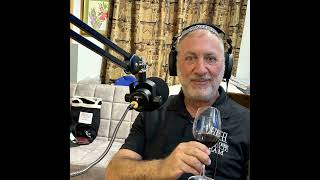
Yakov Shakotovitz left software development to invest in Jezreel Winery, a kosher winery in Northern Israel. He explains why the winery stopped production in 2015 for Shemitah, why kosher wine belongs in Mediterranean sections not kosher aisles, and how wine builds community across borders.
Chapters
Welcome to The Kosher Terroir. I am Simon Jacob, your host for this episode from Jerusalem. Today's episode of The Kosher Terroir is a conversation with a truly stellar human being, my good friend Yaakov Shakotovitz. Yakov and his wife Roberta live life traveling back and forth between homes in Southern California and Jerusalem, Israel. He invested some years ago in a successful winery located in Kibbutz Hanaton in Northern Israel called Jezreel. In my quest here to introduce people living their dream within the kosher wine world, Yaakov is a passionate example. Being a semi-retired developer from outside LA, he has successfully turned his passion in wine into an active role in the Israeli wine industry. Join in our conversation discussing Yaakov's journey to this point and his love of Israel and pride in the example Jezreel has set with the grape varietals it has developed. If you're in the midst of a commute, enjoy. If you're home, grab a glass of your favorite kosher wine, sit back and relax. Welcome to the Kosher Terroir podcast. It's a pleasure to have you, Yaakov. Really great.
Pleasure to be here. Pleasure always to be with you, Simon.
I love your hat and your shirt with Jezreel logo, Jezreel team on it. Very cool. Very cool. If I didn't know already, I know you're a partner in the Jezreel Winery. And I've seen you working the booths for the winery and the different wine shows in Israel. I think I saw you in London as well. We were in Florida. In Florida, for sure in Florida.
London I haven't been to yet.
Okay, so then I saw you in Florida and I also saw you in LA probably.
For sure in LA.
Okay. So you really have gotten around promoting the brand. Tell me a little bit about what this is.
So we're going to make a l'chaim here. We're going to taste two wines, one a little bit older, one just released. One is the Pet Nat 21 from Jezreel, the white Pet Nat. Bringing you a 21 only because The '23 isn't ready yet, and we made no wines in '22 for Shmitah. We had made, baruch Hashem, for the first time made no wines, and really, really proud of that.
I saw everybody taking vacations, so I think they were thrilled with that.
You know what? Please God, it'll have its proper consequences all in good time and in good ways.
Super impact.
Right.
Okay, so this is the Pet Nat from 2021. Yeah. Wow, this is, this is really nice.
Like I said, a cloudy wine for a cloudy day.
It is, it's cloudy, which is one of the ways I love wine. Um, and this is actually really, uh, really cool. It's really great. I I tasted the first petnat and that put me off petnats. Um, but this is, this is certainly not that. It's, uh, it's really nice. It's delicious. It's got acid, um, and it's still hanging in there.
It's nicely still hanging in there nicely. It's, uh, still cloudy. Um, but you know, we started with petnats. We started the first one was Tabuki grapes, which like kind of like Argomon, are a little bit fun to work with.
Super challenging.
Super challenging. Um, but we actually— the first, the first time we ever made the petnat, we actually— I was there— we actually crushed them by hand. We were just doing small batches to, to play with it, and we were literally crushing them in a little, a little wooden vat, literally by hand.
Wow.
And, um, It's kind of, uh, one of the things that, uh, Jezreel is very proud of. And then we started some trends in, in the Israeli wine industry that, uh, have carried over. And, and some, you know, larger wineries have, uh, given us the compliment of, of, of continuing. You know, you see now pet-nats. This was one of the first pet-nats in Israel, one of the pet-nats around in the kosher world. And, uh, we see Just about every winery in Israel is making that now. Um, you know, similar to our Gammon, which we were, we were so, uh, fortunate to, uh, succeed with. And now, you know, so many wineries are making our Gammon. It's, it's a tremendous compliment because we wanted to get back to making Israeli wines, and now a lot of wineries are doing that.
No, Baruch Hashem, it's, it's, it's Awesome. It's really awesome. I, I remember, um, I remember, I think, the second year of Archimonde, or third year of Archimonde, second year, the 14, the 2014, um, which was just spectacular. Uh, it was a great Archimonde. It was just— I don't think anybody thought that Archimonde could be like that.
And, uh, now they're, now they're really, um there are quite a number of them there, and they're different and they're good, but there's a lot of variety in, in, in it now, in, in even a purely single vineyard or single varietal. Okay, uh, Argamans.
This— you know what, if the Pét-Nat was like this the first time I tasted it, I would never have given them up.
Well, that's kind of a rule, um, you know, don't give up on, on You know, there are wines that are, you know, the minute you taste them, they may not be to your quality standards. And I'm not saying to go back to those, but quality wines that maybe you just weren't in the mood for one day or weren't in their prime spot or the right temperature or whatever it may be.
Or even with the right people.
Or the right people. And it's kind of one of the thoughts I had when you asked me to do this today was to kind of branch away from— I went back and I listened to every one of your sessions so far, which God help us. It was an effort, but it was, it was really amazing. And then, then you've had some fantastic interviews so far, but I, I think it— you, you kind of focused on the different areas of what terroir is.
Yep.
And I kind of want to be bold and crazy and say there's a fifth. I think you've mentioned four previously. I think there's a fifth one that, that is— has as much effect on the wine and on the ultimate enjoyment of the wine at the table.
Yeah.
And that is the people. And that goes from the people in the vineyards, the people in the, in the wineries, the people in the corporations that are, are handling the distributions, the local salesmen in the stores, to the individuals you're enjoying the wine with and the individuals who are purchasing the wines to enjoy. And they have an effect both forward and backwards on the wine industry and on the ultimate product, the ultimate wine that hopefully you're going to enjoy. And I, I think it's too, too often— not, God forbid, to put down how much effort goes in, into vintners and in, in the vines and in the growing and in the, in the production of wines, but to me, part of what attracted me to the industry, besides passion for wine and, and passion for Israel, was the characters. Every winery you visit— I have yet to go to a winery that at least one member of the team wasn't a real character of some sort. And I mean that in a positive way.
No, 100%. I think you're hitting upon a really important point, especially even if you listen across the podcasts. There isn't a podcast that doesn't have somebody on it that's like, um, that really, it's a pleasure to meet them. It's a pleasure to, to spend time with them.
And even the ones that maybe— I don't want to say this negatively, but even the ones that aren't such a pleasure, they're interesting. They bring a different dimension to the wine. And the characters— you, you get to know wines when you visit the wineries by visit— knowing the characters.
Yep.
And, and that changes your taste for that wine.
It certainly changes your perspective on the wine as well. But it does, it really does. It's, um, It's funny when people tell me about a wine and it immediately brings to my mind the winemaker, where it is, you know, who I was with when I was, you know, we were tasting the wines when we were visiting the winery. It's, yeah, it's really kind of crazy. One of the things that, you know, you mentioned you listen to the other podcasts. One of them, um, the one we did, you were, you're you were there with me, where we did a wine tasting in Yatir, in the actual visitor center.
Which I have to say is just beautiful. Anybody who can get there, it is so beautiful. And Etty and Yaakov were such gracious hosts. It was really a special day.
They were such gracious hosts that it was impossible. It was like herding mice. It was unbelievable because everybody was so excited about tasting what they were tasting, and they were in so many different conversations at the same time. To try to record that unless you mic everybody and mute them and then unmute them one at a time is almost an impossibility. So I've gotten some complaints that, you know, like, I couldn't even follow that, you know, like, uh, conversation because I was there. I had a little bit of, you know, some hints, some clues as to following it, but it was, it That was a challenge. Before I do another wine tasting, you know, podcast, I'm going to figure out how to control that a little bit better because otherwise it's almost incomprehensible for the listeners. But it was okay. It was certainly a lot of fun to be there.
It was a lot of fun. And I apologize for my side comments in the background. Oh, no, it was great.
It was everything.
Needed to be edited out.
No, everybody had side comments. Everybody was Everybody was participating. It was just great. It was, it was a wonderful experience, and they were really super hosts. They were really super hosts. How did you get into this? How did you get into wine? How did you get into, uh, yeah, great questions. Yeah.
Um, so I, I think the original impetus was, uh, kind of right at the time I was here in Israel going to yeshiva back in whatever it was, 1980, 1981. And fell in love with Israel and literally spent almost every Shabbos of that almost 2 years that I was here in a different place.
Which yeshiva were you in?
It was called BMT, Beit Menashe Torah. And we were privileged to have on staff there somebody with some very strong government connections. And literally he came to us and he said, anywhere you want to spend a Shabbos, we'll arrange it. You want to go to an Air Force base, we'll arrange it. You want to go to You know, you'll be a guest of the general. I mean, and literally for a year and a half, I went to every settlement and every kibbutz and every— literally trying to spend more time, unfortunately or fortunately, visiting, getting to know Eretz Yisroel in depth than sitting in Steigen and learning. But that being said, when I came back from that experience, I had this burning love of Israel. I was back in the States, back in Los Angeles, and I was involved in catering and hashkafah work. Restaurants, a lot of Pesach programs. And it was really on the Pesach programs that started my, my drive to, to find good kosher wines, because back then there wasn't a lot. Yeah, there was handfuls. And on every program I was working, somehow I, I became responsible for, for the wine, for the wine closet, and, um It seemed like whatever I brought the customers, they weren't happy. Wow. And I was like, you know, I'm striving, this can't be good, this, this can't be right. I mean, we're even back then, we were in a world of emerging kosher food and kosher cuisine and restaurants opening all over the place, and there was just still no, very, very few, I mean, you know, quality wines. And, um, I just started making it a, uh, I knew nothing about wine really. Um, and I just made it my, my job— not my, my financial job, because it was the opposite— but I, I literally tried to buy every kosher wine that came to market and to try it and to get to know and just to taste the differences. And that's really— I had never, never had any formal education in wine. It's always been, you know, the way I learn things is by doing, right? Like getting jumping into it, uh, same way I learned the construction business. It was just jumping into it and learning how to do it from the inside and from others and learning from the, from the industry people, the people who are experts. Um, and, and since then, I just, I just literally whatever I could afford to buy, I bought. And I, I eventually built a cellar in LA, and now we're working on proper storage places here in Jerusalem and It's so rewarding in where the industry was and where it is now. It's just every day is a pleasure. Every day I walk into a store and I see new wine or new winery or a new product, and it's, it's like it's payback.
Yeah, you know what's amazing to me is that, um, I see that, I experience that as well. There's a new wine Every time I walk into a store, there's a new wine on a shelf that I've never seen before, or somebody asks me about a wine and I've never seen it before, which is like, wow. Um, and not only that, uh, there are a lot of winners. I mean, there, there are some wines that, you know, obviously, you know, in a large majority of wines, you're going to find wines that are mediocre But out of the ones that I've been tasting, they've been getting better and better and better. Um, there really are a lot of winners. Uh, so I'm, I'm super impressed. There is almost no winery that produces at least not one or two, uh, fantastic wines. I mean, some of the wines that they produce are again, um, pedestrian. But, um, of the others, they're really— there's some incredible wines out of every single one of the wineries.
So it's, it's— which again is why it's a pleasure to, to go and see the wineries and see the, the newest stuff and, and, and also to see how the old stuff's doing. I mean, we just recently— you mentioned the, the 2014 Argaman. We just did a tasting, uh, a few weeks ago in LA. Yep. Of the the Argaman and the Argaman Syrah and Carignan from the 2014 vintage. And I'm not going to say they have a lot of life in them left, but they're all still in great shape right now. They were delicious. And 10-year-old Israeli wine, you know, 10 years ago, you can't do it, right?
Who would have thought, right? Um, it's really awesome. It's really awesome. So that was your start?
That was my start. Uh, and then, you know, Blessed with living in California, uh, access to a lot of amazing California wines, uh, Herzog around the corner basically for me, and, uh, you know, the Weiss Brothers and Covenant, etc., etc., etc., Benio. I mean, there's so many great California wines.
So you seem though, one of the things I've noticed with you is not only are the great California wines that you've tasted or tried, but you've built relationships with, um, with the winemakers in those places, like the Weiss brothers from Syrah.
Syrah, yeah. They're also, I mean, they're right down, they moved to Oxnard, so when they were up in Santa Maria, it was a little harder to visit them, but now in Oxnard, it's, I can get there as quickly as anywhere else in LA.
Probably faster than getting downtown. For sure, for sure.
And they're just fun guys. They're just always happy. They're always into it. They're always experimenting with something. That's what I love about them. About them is that they're just experimenting with new varietals. They always want to just try something new, try something new, try something new, and most of them work, right?
Yeah, they are, they're really amazing. And having— being close to Oxnard, you're right next to Herthog's main, you know, main campus, which is a lot of fun to visit, and the restaurant is just fantastic. Yeah. Actually, it's funny because what really grew them there was Todd Aaron and his cooking at the restaurant. He was just an incredible person that was a big loss for us in New Jersey because he moved out from Jersey. He used to run a little restaurant in Springfield, maybe it's— was the— is the town. But he ran this restaurant called Mosaic, which was just blew everything else out of the water. And to have something close by, it was 5 minutes from my house, to have a real kosher restaurant 5 minutes from my house, and he had a place you could store wine there. So I, you know, a case or so of wine sitting in the restaurant so that I could, uh, grab it whenever I wanted to. So that was, that was great.
Yeah, I remember meeting Todd when he first got to Los Angeles. Uh, actually met him at a wine tasting for Hagafen with Ernie, and, um, I was sitting next to him and he was— I didn't know who he was at the time, but he had just gotten to LA and talking to him and we're, you know, learning of each other's wine secrets, etc. Then he told me he's gonna, you know, what he's gonna be doing there.
I said, "Oh, I can't wait." Since then, there, uh, the chef there has been amazing. And Todd moved here to Israel originally at Crave, and then he was— well, maybe not originally at Crave, but I think one of the earliest things he did was Crave, and then here in Israel at least, and then he went on to Bodega in Tel Aviv. And I think he's now doing— somebody told me he's doing something up north in the Golan, I think.
So that sounds exciting to hear.
It sounds really cool.
I'll have to go find that one.
Yeah, it sounds fun. So then what connected you to Jezreel?
So my business in LA was at a point where my kids were, baruch Hashem, basically doing everything except for occasional phone calls. Abba, what do I do about this? What do I do about that? They were basically handling the day-to-day work. And I wanted— we were thinking about our future in Israel. We were working on hopefully having an apartment here, which we now do. And I wanted to spend more time in Israel, but have actually something connecting me. Even before we had an apartment here, I wanted to have a physical, financial presence in Israel. And it, for me, it had to be wine. I mean, wine in Israel just Those are my two passions, so, uh, besides my wife of course, but grandkids, etc., etc. But, um, we decided that, that we wanted to invest in a winery, and I, I really went looking. I went, uh, I was, you know, like everything, it's be day shemayim. We went looking, my son and I, Aaron, visited a whole bunch of different wineries all across the country here, and, um I met Jacob and Yehuda, the two— Yehuda Nahar, Jacob Ner-Davyid, the two founders of Jezreel Winery, and sat down and talked with them. And it's kind of funny, but what attracted me most to them and to the winery was that all three of us were opposites. Like, each of us was coming from a different religious background or different political background, different, you know, financial— everything about us was different. And yet we got along because we had this common passion for Israel and wine, and it was always about those two things together. And, um, I just, you know, they— the timing was right. They were looking for investors. They were looking— they were crowdsourcing. They were trying to do whatever they could to get the place up and going. And shiduch min hashamayim, we just stepped in and, and, uh, I've loved, loved working with them ever since. Again, we're still very different than— they're each— all three of us are so, so different than each other, as are many of our other investors and, and people involved. But, uh, it really, um, to me is, is part of what we're trying to build in the wine is the commonality of all Jews and the commonality of the love of wine and love of Israel. Very cool.
So, what year was that? What year did you—
They started in 2012. I came in in 2013.
Okay.
So, like, the 2014 vintage was my first real baby. And it was across the board, it was a great vintage. It was just such a pleasure. And then, right on the back of that came 2015, the Shemitah year. And this was all really new. And how are we going to do this? And okay, we're just going to make less and blah, blah, blah. And still negotiating contracts with our vintners or with our growers. So it was very difficult. But I sat down with the partners at that point in time and I said, look, we're asking for God's blessings here. We're asking to make the best Israeli wine in Israel, we got to do it by what God gave us to do in Israel. And I said, by next Shemitah, I don't want to be making any wine. And I got such positive responses from all of my partners that it was just so heartwarming. And thank God, it's been a challenge, but it's been a good challenge.
Do you have favorite bottles from Jezreel?
Really, the single varietals, the Carignan especially is probably my favorite. But, you know, really, again, depends on the mood, depends on what you're eating. I mean, the Syrah is, is bold and spicy and just right in my wheelhouse. And then Argaman is, is our, is our proud baby. I mean, there's nothing else to say about Argaman. It's just, it's so beautiful. It's the color, the texture, the, the fruitiness. They're each unique. The blends we make are great and, and people love them, and the Vushal ones are doing amazingly well now in some of the kosher restaurants in the States that are looking specifically for that. And I'm actually doing quite well in some not kosher restaurants as well, but that's a whole different discussion. Um, but to me, it's the single varietals are really— because they're so different and unique and, and they're so Israeli.
So I'm— as much as I support your, you know, being a religious Jew, I totally support the Shemitah decision. But I was just thinking about it. If you hadn't made that 2015 Carignan, um, that was— that is one of my favorite bottles. I still have some.
Really?
And it's, uh, that was an awesome— that was an awesome wine. Crazy awesome wine. Is there a favorite style that you have? Do you like whites? Do you like— it sounds like you like fruit-forward reds?
Um, you know, I, I like, I like all wines. Um, I tend to drink more reds primarily because my wife loves reds and is not in love with whites for the most part. I think again the curve of quality in whites is a long, longer term coming. Yeah. There's some amazing white wines available now.
Yeah, yeah.
And those took a lot longer to come to the forefront than the reds. So I think it's really more experience. There's been so many more reds to try over the years.
Yep.
Uh, thank God again, I'm loving the explosion of white wines now, especially here in Israel. The quality coming out of Israel, some of the new, new wines are just spectacular, right?
Really crazy, really wonderful. Because you've got an exposure to both, I have a question for you because there's kind of a battle going on in the wine industry, especially the Israeli wine industry, where Israeli wineries, whether it's the winemakers or the marketing people or whoever, they have a desire to be put onto the shelves in liquor stores and wine stores all around the world as Israeli or Mediterranean classification, so that they'd be with other Middle Eastern wineries or Mediterranean wineries, like some of the Greek wineries, rather than in the kosher section. And then there's others who feel, you know, very strongly that it should be put in the kosher section and that's where they should be.
I would say my feelings on that are more to the former and less to the latter. Yeah, I would rather see them— if we're going to do a separate section, I would like to see them in a separate Israel section, right, than a kosher section, right? Um, because especially again, I mean, if you're talking about kosher markets or kosher marketplaces that's one discussion. If you're talking about, uh, like Total Wine, Total Wine, or liquor stores, you know, neighborhood liquor stores, there's much more of a, uh, and I've gone to a lot of them on sales calls, and, um, they love the idea of not maybe necessarily an Israeli section because it may not be big enough to, to actually, you know, uh, depending on their, their, their buyers and their clientele but a Mediterranean section, right? And there's one— there's a liquor store that I'm thinking of right on— right near my, my house in Los Angeles that, um, sweetheart, uh, gentleman from actually from Lebanon, a Christian from Lebanon who runs the wine store, and he's been a great friend. Uh, he's carried all of our wines. He carries all of Herzog's wines, all of Royal's wines. And he has a whole section of kosher wines. But when I approached him with, you know, setting up a Mediterranean section, he jumped at it because he loved to bring in Lebanese wines, right? And they're very simpatico with Israeli wine. The same, like you mentioned, Greek. And we have, you know, I'm not impressed with it yet, but we have a first time a kosher Cypriot wine, right? Um, Yayin Kafri Sin, we can bring to the Beis Hamikdash.
Yes, kind of crazy. Yeah.
Yeah, I think we got to work on the quality of that one still, but it's getting there. It's getting— but you know, this is, this is— and there's no reason there shouldn't be a Mediterranean section because there's Mediterranean food wherever you go. I mean, the, the largest growing restaurants in the world are Israeli, Israeli, uh, chefs making Mediterranean restaurants all over the world, right? Um, and then, and not necessarily for the kosher market at all, and they're they're thriving. So I think there's a thirst for a region, an area. It doesn't have to be one country or one city or one— we're not France. We don't need to be. We have our own uniqueness. But, and there's been that push too, to have separate regions of Israel, et cetera. But I'm less excited about that. I think it's, Honestly, almost every winery in Israel is getting grapes or growing grapes in many different parts of the country. So I think there's something to be said for that. So I think more, you know, Israel's great, but I think even the Mediterranean in the secular community does really well. It is what we are about.
Because you go back and forth between the United States and Israel and travel quite a bit, Um, are there things that Israeli wineries could do better to sell themselves in the world?
Um, I know you think that way about Jezreel, but there's always more we could do as an individual winery. Um, but so much of it is, is involved— the distributor, the importer/exporter, um, the local distributors in each market are different as well. Um, obviously the best way for any winery to, to, to advertise or express their product is, is direct, right? Which is why, you know, getting people to the winery, getting people to the online spaces, to, to the social media context of, of what your wine is all about is, is, is, is all empowering. But, um, it's— everything else really has to be done as a partnership with the different, with the different levels of distribution. And, and there's some tremendous partners out there. Royal, you know, certainly has been a tremendous partner of Jezreel. They've been great to us. I love— I don't love everything they do or done, but, uh, we certainly have had, you know, minor disagreements. But basically they have been a full-on partner from the beginning and really helped us along. Uh, and we certainly have a lot of gratitude that in that department. And their marketing team is, is, you know, it's amazing. Uh, they, they're out there doing— and then the wine shows and the trade productions and the newspapers and magazines that they're, they're in.
Yeah, they're trying to build the skills. It impresses me because I've, I've been at least one, um, specific, uh, internal, uh, show that they ran just for their salespeople that was a discussion on Bordeaux. And, uh, and they took them through You know, this is what Bordeaux is. This is, you know, this is what you should be looking for in the wines. This is what you should be doing. And I know they do that with Israeli wines too and others. So it's educating their own salesmen is, you know, is a big job.
It's a trickle-down effect because that salesman's then educating the salesman or the buyer in the local store. And the consumer is also being educated. Located by the staff in the stores and, and as well as wherever the tastings are being done.
Actually, in Jezreel, in the winery, you've got a— you've been running some programs Thursday nights and Fridays.
We, we have, uh, they have a good time up there. It's a more of a local crowd for the most part, but it's, uh, very busy, uh, very exciting. Uh, we were able to bring in, uh, wanted to bring in a restaurant for many years and we couldn't get the permitting Really? And so somebody said, hey, bring in a food truck, you can get a permit overnight. So we did. And it's, you know, it's grown into 2 trucks or whatever now. But basically, there's— we were able to get a shkaf on it now. And it's really— it's a pleasure. You go up there and it's all dairy, but it's good. We have a chef on site who's making delicious dairy foods and Just stuff that goes well with Mediterranean wine.
Yeah, I found it with the Akavorya's orange wines, but a lot of the whites and a lot of the, uh, even some of the more acidic rosés, they're really meant for food, especially flavorful food, which is where Israel is really on the map now. It's gotten more and more and more into, uh crazy delicious foods, pairing them with wines can just totally expand that experience in such a nice and delightful way. I mean, we've actually gone out a few times together with the Friedenbergs, with Stacy and Dory, And there are always a few bottles of wine that come with us. And that experience between friends and really exceptional wines and very flavorful and fun food has been just an incredible experience for us.
Likewise for us. An honor to be with you in Bracha so often.
It's a pleasure. It's a pleasure. I really want to taste the white— the red.
Okay. Yes, let's do that.
Thank you. Thank you. Tell me about this red, because this is really special. I've never seen this before.
So this is a private label, small batch wine that was made by our main winemaker, Yossi Hakmon. Um, he named it, uh, Beit Rimon, which is where he lives. That's the, uh, moshav that he lives on in the north near the winery. And, um, it actually came from, uh, some, some new vineyards— not new vineyards, but new vineyards to us that we, we got a hold of about 3 years ago, um, which has both Syrah and Cabernet growing in it. This is just northeast of, uh Abiton? No, this is northeast of the Kinneret. This is, um, oh wow, it's actually a beautiful vineyard. It's, um, gorgeous view sites, and literally from the vineyard you can see Har Hamon across, across the valley, uh, and you can see down to Kinneret as well. Uh, it's just a beautiful sight. And so I believe that's where these grapes are coming from, and we're going to taste this for the first time. He just, he just gave me these two bottles and, uh I have not yet tasted it, so l'chaim.
L'chaim. Baruch atah Adonai Elohim, melech olam hatov v'hametiv.
Amen.
Wow, this is really lovely.
That strong Syrah just has so much Depth to it. But this is gonna— this is gonna need a year or two.
But no, no, but you know what, the oak is— the oak is there for sure, and it's going to need some time to settle. But the thing that's impressing me is how incredibly balanced this is. It's— it goes right across your whole palate. It's got a— it's got a long finish on it. It's really lovely. Great, great wine.
This is, um, One of the, you know, small stories of many of the wineries that have let their winemakers sort of do their own thing on the side. Um, you know, mentioned the Friedenberg. So I mean, what Donnie's done on the side with his, with his, uh, his light reds, as I like to call them, are just amazing. I mean, it's Grenache. I'm just in love with it.
Me too. That's my favorite of his wines.
Um, but, but really, each, each winery, uh, you know, I can think of so many wineries where the winemaker is making his own wines, and it's, it's, it adds to the winery. It doesn't take away from it. And, uh, like I said, I wanted to bring something you hadn't tasted before, and this is definitely great. Without anything new from, from last year, we had to, we had to come up with something new. This year's wines aren't ready yet, but yeah, they're, they're getting there. They're getting there quick.
This is, this is really— this is what, which year?
This is a 2020.
This is a 2020. Wow.
So 2020, but with a lot of, a lot of aging in barrels. So it, it— because he just, he just let— yeah, I just— this is the first time I saw this was a couple weeks ago.
You know, I, I learned an interesting thing from Amihai Loria, that if you ferment in oak, you don't get Oak in the wine, you get the structure from the oak, but you don't get the flavor of oak in the wine. And it blew my mind, to be honest. Then he— and he proved it to me, he showed me it, and we tasted. Um, and it's really interesting. Uh, there's so many nuances in making wine. There's so many things that you can do and taste and see. And it's, um, I'm really enjoying speaking to all of these people. It's just crazy.
I can't wait to go visit Avichai after your podcast with him because the place sounds amazing. I mean, just, just gorgeous, just from your descriptions.
Well, no, it's, it's, it's a, it's a work in progress for sure, but it's going to be, um, truly awesome. It's going to be truly awesome to be there. And there's so many wineries that had interesting places before, like Pisagot, that now has a really incredibly beautiful visitor center.
Wedding venue.
Yeah, it's a total wedding venue. It's a total wedding venue now. I mean, I think most of the people who visit Pisagot are visiting because of weddings. But it's beautiful. And, you know, you've got places like Castel that are just crazy, crazy beautiful. And he, um, Eli Benzacain, uh, and his family take so much pride in that place. You know, you could, you could eat off the floor, uh, in the barrel room, which is like crazy.
You can eat off the floor in the production room, right? Which is even crazier.
You're 100% right. You're 100% right. And actually, even now with the Yakovoria and Pinto down south, their winery is also a total work in progress, but it's got the structure to be something awesome.
Well, we witnessed firsthand the head of the company and they're cleaning the drains.
Right. That was like, yeah, that was great.
There's a lot of blood, sweat, and tears going into that. It's going to be amazing when it's finished. It is. It's really off to The fact that it's not finished and they don't even have full power yet, and they're still producing wine already in there and maintaining it is just—
Adam Miller took a beautiful picture of the vineyards that we're going to put up on the wall up in the visitor center. There's a huge wall that has windows out the back. And when you look out the windows, you see the desert. And you can't even imagine seeing the winery because the winery is in the middle of the desert as well. The vineyard is in the middle of the desert as well. But he took a beautiful picture that is just all desert in the background with this incredible wine, incredible vineyard growing right in front of you. It's just awesome. So I'm hoping that gets—
If it's anything as beautiful as his other photographs.
He's, he's crazy. He's, he does unbelievable, unbelievable images. Unbelievable images. That was, yeah, that was a, that was a fun thing to do.
Listen, I, I just want to, I want to share my passion. I, I, I love wine. I drink it every day. Uh, I, I, I want— I think it benefits the soul, benefits every part of our lives. Um, like I said, I, you know, I couldn't talk on the microphone without having a glass of wine because I'm a quiet, shy person until I have a little bit of wine.
Um, but if you invite somebody to dinner, I strongly, I strongly recommend you take Yaakov up on it because he's amazing. He's an amazing host, but also an amazing, uh, He and his wife are awesome dinner companions.
Oh, thank you. Thank you.
Pleasure.
We look forward to the next one.
Yeah, I look forward. Tonight? Tomorrow? No.
Yeah, absolutely.
Absolutely. Well, tonight is Ishay Ribo, actually. Ishay Ribo's got a concert here next door.
So you've got to get out of the house.
I don't even have to get out of the house. That's a concert I want to go to, especially during Slichot. Slichot week, because this week is— we're on the edge of Rosh Hashanah soon. This Friday night is Rosh Hashanah, and Yishai Rebo in his concert sings a whole big thing of Sefardi Slichot. So it's gonna be crazy awesome.
I remember last year walking by and not being at the concert, but just listening to it from up up here in Yeminu HaShed. It was just, it was spectacular.
He was in New York in Madison Square Garden, right? And one of the things he did, which was just crazy to me, was he needed a glass of water, so he said a bracha, Shakol, Shakol Niyed Midbaro, on a glass of water. I think like 14,000 people said, "I'm in." And that was just, you know, in a time when there's so much stuff going on between people and different opinions on stuff, it was awesome to see everybody united in that way.
Well, two things that bring people together are music and wine. Wine, yeah.
That's true. Very cool. Very cool. Thank you. Thank you for being here.
Simon, thank you for having me. And thank you for doing this podcast, series of podcasts, because you're teaching the whole world.
And I love Ali. Please, God.
I hope so too.
Thank you.
So much more.
And I look forward to visiting up in the winery in Jezreel. I've been there a couple of times. But I look forward to visiting, especially when you're there. The last few times, the last times I've been there, you haven't been, but that's, you know.
We'll plan on driving up together. Just tell me when you want to go.
I look forward.
All righty.
Shalom u bracha.
Shalom u bracha.
Take care.
Shana tovah. Shana tovah.
Thank you for listening to this episode of the Kosher Terroir. If you're new, check out some of our previous episodes. The Kosher Teruah is published weekly and available on all major podcast providers including Apple, Google, and Spotify. Please tune in again for more of The Kosher Teruah.










