Immersing in the Intricate World of Israeli Wines: An Enlightening Experience with Yechiel Wolgel
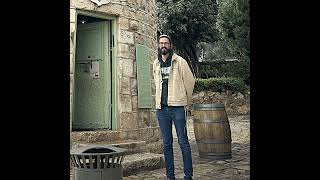
In this episode of the Kosher Terroir podcast, host Simon Jacob interviews Israeli winemaker and wine‑enthusiast Yechiel Wolgel at the historic Montefiore Windmill tasting room in Jerusalem. The conversation weaves together the history and visitor experience of the Jerusalem Winery, detailed tasting notes of several of its flagship wines (Sauvignon Blanc, rosé, Chardonnay, the Windmill Project, and the Special Reserve Bordeaux blend), and the technical choices behind winemaking – yeast management, oak versus stainless steel, barrel aging, oxygenation, and the impact of climate and the Shemitah year on vintages. Wolgel shares his personal journey, including his WSET education, stints in France, Australia, South Africa, and his current role at the winery, while also discussing the challenges and significance of producing kosher wines, the economics of kosher certification, and the cultural nuances of Sephardi versus Ashkenazi wine‑tasting practices. The episode also touches on Israeli wine festivals, emerging boutique producers, historic vineyard reconstruction projects (Telem winery), and Wolgel’s side projects such as a wine‑writing brand (“Yechiel Drinks Wine”) and future beer‑branding ideas. The interview concludes with a call to support Israeli wine, pray for soldiers and hostages, and a reminder to subscribe to the podcast.
Chapters
Welcome to The Kosher Teruah. I'm Simon Jacob, your host for this episode from Jerusalem. Before we get started, I ask that wherever you are, please take a moment and pray for the safety of our soldiers and the safe return of all of our hostages. The following is a conversation with a truly remarkable young man, Yehiel Wolgel. Though his interest in wine is fairly recent, he has acquired a wealth of knowledge as well as some significant credentials in the wine field. He is extremely personable and has been working at the tasting room for the Jerusalem Winery based inside the Montefiore windmill in Yemin Moshe. He has a passion for wine, and it all comes across as he expertly guides people through an exceptionally well-orchestrated tasting of his wines. If you're listening while driving, please make sure to give your attention to the road. If you're home, grab a glass of delicious kosher wine, sit back, relax, and enjoy as we experience tasting a number of Jerusalem Winery's premium wines. Yigiel, welcome to the Kosher Jawa. It's really a pleasure to have you on.
Well, I've heard all the episodes so far. This is big for me.
So where are we right here? This is an interesting place.
Yes. So right now we're literally in the windmill, the Montefiore windmill in Ymin Moshe.
Yep.
So We have here, there are tourist attractions here, like you can do guided tours here where they'll take you upstairs. Obviously, a podcast, you can't hear this, but this opens up, this door up here.
Yeah.
And you can go upstairs, but that's a tourist company that does that, but they haven't been, they only were back for one day since the war started. They had opened two days ago for children.
Wow.
To have some trips upstairs. They were supposed to be open again today, but because it's very much raining. They're not here. So on a day like this when it's raining, we do our wine tastings in here.
Yeah.
Otherwise we have them outside, or, you know, with the view of the Old City.
I've actually operated this windmill. It's kind of crazy.
You mean the windmill itself?
Yeah, yeah, with a chain.
So it's like since the renovation in 2018?
Yeah, yeah, yeah, yeah, yeah. So before that it didn't operate at all. I mean, it might have operated in the time of Moses Montefiore.
It's debatable. Okay. So there's a— we have an Arab worker who knows how to run it. And he, when they did the flour a few times, they said they would flour twice before Shavuot.
Yeah, they used to do that, right?
So they don't do it anymore for a number of reasons. One is there's a reason we don't use wind to make flour anymore. It just, it takes so much time to get so little flour.
Okay.
But the real reason is bureaucracy. The Ministry of Health doesn't allow it anymore. Wow. So they used to do it once a year before Shavuot. There's like a festival. But now, but now they stopped. So he told me basically, so he's in constant contact with the engineer for the Netherlands that rebuilt this. They spent from 2012 to 2018 renovating it in the Netherlands and they brought it here.
Yeah, I remember.
So he's in constant contact with him because he sometimes opens it and the mill turns and everything.
Right.
And the guy in the Netherlands, I think the guy in the Netherlands said this as well, that it's debatable that they really could have ever gotten enough wind to make a sustainable amount of flour. Okay. But either way, even if it did work, it was for almost 20 years because then they invented the steam steam engine, which, right, which took over forever.
Yeah, very cool. It's, it's an incredible location, incredible place.
I'll tell you a little personal note. Yeah, this room specifically. Yeah, you know, but I actually got married here. Okay, like outside. Yeah, right outside here. So this was the ichud room. Wow. In the, in the windmill. We had a block, you know, but it was, uh, wow, it was, uh, very cool, very cool.
So now What's going on here?
So I'm working here in the tasting center. The winery itself is in Atarot, which for those who don't know is an industrial zone.
That's outside of Jerusalem.
Technically considered part of Yerushalayim, which is why the winery is considered the only winery in Jerusalem. But if you've been— I've been, I mean, I've gone there to meet with Lior, the winemaker, and I've tasted some of the wines like in fermentation for next year, which I know you've done You like—
In the past.
Yeah, I remember you said specifically rosé. You said you like—
I love, I love—
So I had that by him and it looked like, it looked like almost like a milkshake. It was really— But isn't it delicious? It's awesome.
Whenever you get a chance to taste out of the steel, it's like crazy.
So I went there, I went there at like a quarter to 6 in the morning, because at 6 o'clock he got, he got a delivery of 14 tons of argaman. So I saw the whole process, whatever, and then we went to like 20 vats and tasted everything. It was pretty cool.
So the winery we're talking about is the Jerusalem Winery.
Yes.
So this is—
Yeah, so it's one of the, you know, the Shor family which started the wineries in the Old City.
Right. Yep.
And now there's like 4 different versions of them in, actually near where I live in Maladimim, in Mishar Dimim, there's like 4 of them.
Right.
There's Yetzer and Hakormim and 1848 and Shor. These are all the same family. Yep. One of the sons-in-law, Mendelsohn, who was, he's actually a Chabad Chassid, so they almost moved the winery to what's called Nachlatar Chabad in Keres Malachai. Wow. Other than for Chabad, it's the biggest Chabad enclave, is that a word?
Yeah.
So they almost moved there, but then they didn't. So it started in the Old City, then it first moved to Macha Yisroel, like Mea Shearim area, and then in the '70s moved to Atarot.
Wow.
The name Jerusalem Wineries is relatively recent because the winery was bought from the family. When someone from the family passed away, a good friend of his who was a businessman bought it to sort of help maintain it. He brought in a few different winemakers throughout the— because like most Israeli wineries, they mostly made kiddush wine for a long time. I was very excited to hear you learned the term. On one of the episodes, you heard the term yeyn patishim, which is what I always refer to it. It's a much stronger term than kiddush wine because of what it kind of said. But so then mostly with that, he brought in like Sam Saroka was here for a bit.
Yes, I remember Sam, and then he went to Pesadot.
Ariel Beer, who is now at Peyre, and then Ella was here for a bit. But since about 2018, they have Lior Lachser, who beforehand was the winemaker at Carmel. So he did the Mediterranean and limited edition. It was actually when I met him here, for me, it's personally cool that I get to work with him now because I had wines of his saved for when I got married. Wow. So I had the Mediterranean 2016. We opened in my sheva brachos. And when I met him, I was like, wait, I have your wine in my wine fridge when I get married. It was very exciting for me. To work.
The Mediterranean is spectacular.
It makes sense that you would be—
it's really spectacular. Yeah, no, they— I didn't realize how much wine Jerusalem Winery actually produces.
Now it's up to 4 million bottles a year.
It's like, it's huge, huge, huge. But they, they don't make it only under their name, they make it under a whole bunch of, uh, yeah, if you go to like, even if you go—
I mean, this is much smaller scale than other things that they do, but like if you go to even like Pasta Basta and the Shukta, like the, you know, the The house wine. Yeah, so the house wine, it says Pasta Basta on the label, but look in the back, it's just juice and wine. Yes.
No, they make, they make wine. They're, they're not just a service winery, they're actually, uh, they actually make wine. Um, you know, they're a white label winery that makes wine for, uh, yeah, we get other people, we get a bunch of people from the States that try and come and do some private label stuff, right, as well.
But I think part of why they have the visitor center here Basically, it's once Lior started making the wines, they needed— because Atarot's not the most— that's not the most— yeah, you know, it's not the most pleasurable place to visit, right? Um, so they wanted something near the— since the winery started in the Old City, we have the view here of the Old City, right? And then in 2018, once they finished the renovation here, they needed something here, basically.
It makes a huge amount of sense. This is brilliant because being in the Old City creates a whole bunch of additional issues that you have to deal with. And being here is just outside of all of that purview, and it's for what you want it to be. It's a beautiful— this happens to be a beautiful wine tasting room. And yeah, it's just, it's great to, it's great to be here.
So we'll get to it later, but that's why like our flagship series is called The Windmill Project, because I did actually have— I can't believe this actually happened, but I had a couple sit here outside, right, that's at the windmill, and he asked for petit verdot. We only have petit verdot in the windmill project. So when I brought it over, I figured I'd give him a little spiel, and I tell him, yes, it's the windmill project. Not all Israelis know the word windmill, obviously, but I tell him that. And he tells me, which windmill? I was like, what do you— I didn't know what to say, and his wife looked so embarrassed, and I was like, this windmill, like the one you're sitting under. And he just like Well, why don't you say this windmill? Why do you say the windmill? It was very confusing. So I gave the wife a little more of a pour because I felt like she needed it. But yeah, but like you're saying, it's also, you know, an icon of the Jerusalem skyline.
It is. If you ever see a motif of Jerusalem, typically in the motif you see, you know, the Kotel and what have you, but you also see the windmill.
Yes. We have also here, I can show you afterwards, but we have, I mean, you know some of these, but yeah, when people come to visit here. So we have like, you see the historic pictures.
Yes.
Of how it's— so, you know, we could also give— I also give a little bit of a history of the area if people come. And then if you— well, you're sitting down, so don't get up right now, but if you look up here, yeah, so people can look up and see the mechanism. Right, see the mechanism.
Yeah, that's a great way to do it. That's a great intro in. Yeah. So, and you're blocking to go into Ortschardtenei rather than—
so we're going to do it when you hear it because Well, the currently the Sauvignon Blanc and Rosé are very similar in terms of style. They're both relatively early harvest, highest acidity, very refreshing. On a day like this, it's not as important. Yeah, no, but in the summer when we had people schvitzing outside, it was very helpful. Yeah. Whereas the Chardonnay that we got too is from the Windmill Project series. So half of it is thoroughly in oak. So that way I can like, when people come, my two favorite kinds of people that come to visit here, people who really know wine. Yeah. Because then we can just geek out over wine. Right. People who are like, I actually don't know anything. I just want whatever. And then I start explaining about the ease and what lease is and all this stuff, whatever they get. A lot of people come here and then I have these conversations with them and then they leave and they're just like, look, I need to learn a lot more about this. And like, I'm like, okay, I did my job. I did a good job. If people are more, very cool, more interested.
That's exactly what you want.
Um, all right. Yeah.
So we're going to taste, we're going to, we're going to taste some wine. So wherever you'd like to start.
Wherever I'd like to start. Great. So we'll start with, we'll start with, with what we just had the conversation.
Yeah.
We'll start with the Sauvignon Blanc.
So, but I really wanted the rosé. I'm only kidding.
No, no, I have rosé for you. I have rosé for you.
Don't worry, don't worry, don't worry.
Relax, relax. I know I have rosé for you. The issue is that the, the 2023 isn't— even though I tasted it at the winery, it's not ready yet. It's not. Yeah. And the rosé— and I'll explain in a second why— but the rosé and the Sauvignon Blanc really flew off the shelves for us this year. About this, but like maybe a more complex rosé. And I think there's been very interesting rosés in Israel lately.
Very cool.
But I think like the Sauvignon Blanc and the Rosé just came out really, really refreshing this year. I'll give— I asked Lior why that is. Personally, I think a lot of it is because he's been in the winery for a few years now and he's taking more control. He's also, he's also the CEO. He's not just the winemaker. Um, so, and like, I, when I went there, I tasted next year's Sauvignon Blanc, which did not have the thing I'll tell you in a second that he said the 2022 had. Um, and it's still— I tasted it and like his face lit up when he tasted one of the— a few of the vats of the, of the Sauvignon Blanc. I think next year will be pretty good too. But this year Sauvignon Blanc, I basically asked him— so these come from the Amorphous Jerusalem Hills area, right? Some of the other stuff comes from other places. I'll tell you each time. But he basically said this was the first vintage he had, the 2022, which American listeners will not have been able to have.
Yeah, because Shmita.
A few people who I know listen have been here and have had it because I brought it for them.
It's Hetemachira?
Hetemachira, yeah. We had an Otsar Beit Din one that was sold at cost. In general, one of the great things about Shemitah, besides all the great things about Shemitah in my opinion, I don't really like when people view it as a Shemitah problem. I think it's like, you know, but I don't remember the exact title of the book, but one of my rabbis in yeshiva wrote a book called like, The Shemitah Wonder, or Shemitah Phenomenon, or something like that. I just like that the book had a positive title. But one of the things also, because if something's Otsar Beit Din, they can't charge that much for it. So you can get, like, I recently got, well, I got engaged and then I bought, so I bought two, one for our first Shabbat after we got married, one when we got engaged, I bought the, like, the Jardin Blanc de Blancs latest scores, like 2008, 2008 was Otsar Beit Din. And they took care of the beer, it says beer was done at the winery, because they had it for 10 years. But because it was Otsar Beit Din, very reasonable price. But he had to avoid that. But any event, I asked him why he thinks this one was so much better than previous vintages. This, the 2022 Sauvignon Blanc from the premium series. I asked him why he thinks it was so much better than the previous vintages. And I could tell, I came here for a tasting with my now wife last year and I had a Sauvignon Blanc and it was nice, but this is, I think, better. He said because it was the first vintage where he didn't have any heat waves in the spring. Wow, interesting. So, you know, as much as we like to— he's very much a control guy. But it, um, you know, not everything we can control.
Wow, that's a, that's a really nice— and it's very, um, you're right, it's refreshing, uh, but it's also very balanced.
Yeah, I don't— I think in terms of like aromas and flavors, it's not that crazy a conversation. Um, now it's actually— when I first started working here, it was like I didn't really get any gooseberry and grapefruit at first. Had to warm up a little bit before I got it.
Yeah.
But I'm getting it a little now. Right, right. I mean, I just opened, I just poured it. Um, it doesn't have so much of the, uh, so it's interesting. Yesterday someone came here asking this question. One thing I like actually about Alive Joy Sauvignon Blanc is that they have like the sort of tropical element a little bit. Um, but I like, so this one I think really doesn't, doesn't veer in that direction. So much, at least in my, in my opinion. I think it depends on the wine. Like, for example, like, you know, like Gushetziyon, like their 2021 Sauvignon Blanc, I thought had a really nice amount of tropical. The '22, I felt like maybe not as much. Maybe they also didn't have a heat wave, that the chaffa gum elements didn't come out.
Yeah, the aromas It could be because it's just cold. The aromas are not so pronounced.
And it's like, I feel like this one, once it warms a little bit, it'll be better, but it'll open up a little bit more.
But, um, but that said, it's delightful. It's fresh, it's refreshing, it's got acid.
It's, um, it's really nice. No, I, I described it as like, so I'm obviously very into wine, and I've— well, again, a few of your listeners, I, I learned WSET with them in the States. Um, my wife is into beer the way I'm into wine. So in beer, they have— they always say, like, if it's, like, crushable, you know. So I feel like— I don't know if I can say crushable about wine, but I feel like this one's, like, if you could say crushable about a wine, I feel like that this is where it's at. And it goes with so many foods. Like, I— we— especially in the summer when I was working here, like, when it was, like, really hot, I went through a lot of this.
So what's really special about these, um, lighter lighter wines that are also crisp and with acid is they go super well with, um, with Israeli flavor.
It goes with everything. Like, we've, we've had it with fish, we've had with pasta, I've had with falafel. Like, she brought falafel here for me once, right? We just sat here and had with falafel. Was good. It went like—
I could imagine with spice. What goes really great with spice is orange wine. This, this—
we've spoken about this.
But this is very, very good.
But actually, after you had— we had that conversation, we had like a spicy fish, like sort of, and we had one of the orange wines I have at home with it. I didn't think about doing this, but then you mentioned it so many times. Right. So then she's like, "I'm gonna make a spicy fish." And I'm like, "Wait, yes, make it." And I went, "I'll open up one of my— a million orange wines I have at home." Right. And it went pretty great.
Right. Very cool.
Yeah, but this one for sure goes pretty well with spicy food.
So where are you from originally?
Where am I from originally? So I was born in the States, yeah, in New York, in New York, but that part of the New York story is basically irrelevant because my parents made Aliyah when I was 6 months old. Okay, uh, we lived in Harnov for a while, um, and then we moved to Maale Adumim where my parents still live. Um, yeah, I grew up in Maale Adumim. I went high school here, army here, I don't have some heroic army story. I was in the Al Banoth. I had some, after my service was over, I had some miluim that was a little more, I guess, for lack of a better word, traumatizing.
Right.
Than just like making sure the food is kosher.
Yeah.
But yes, I did Hesder here. I did actually another year of yeshiva here after Hesder. And then after—
Which yeshiva were you at?
So high school and Hesder I was in Shalavin.
Okay.
And then the extra year I did, I was in the Gush. I did shiur vav in the Gush, which was fortunate because it was one of the, like, last 2 or 3 years that Rav Lichtenstein gave his gemara shiur.
Wow.
Then I went to the States to go to college, and to— I guess I needed a break from Israel for a while. I was there for 12 years now. I mostly worked there as a teacher. And one of the teaching jobs is where I met my wife. She was hired as my boss like 2 weeks before the COVID lockdown, basically. So we didn't really work in person so much. During COVID that was when I really started getting into wine because kosherwine.com did the first, I don't know if it's the first, 'cause I know Royal Pavilion did it.
Online tasting.
But they did online kosher WSET Level 2. And because it was online, they sent you full-size bottles 'cause you didn't just do the tasting at the, Wow. In the classroom. And actually I met a lot of people that had— how I got to you is because a lot of my friends from those classes told me I should speak to you. Right. And then they did Level 3 as well online. So we already knew at that point we were gonna be coming back to Israel. So I was debating if I should do it or not, 'cause it was a decent amount of money. But then like my wife was like, "Well, you're trying to go into wine when you're in Israel anyway, like, you know, so why not?" She was right. So I did Level 3 again. That's where I met a few more people that we, know in common. Um, and obsessed. So really it's only been about 2 years that I've been like really, cuz, and really the reason I did Level 2 was A, cuz I was bored cuz we were stuck at home and the American government was throwing money at everyone. So I had, I had the money for it even on a teacher salary. Um, but, um, I was like, I got tired of like going to wine stores and not knowing what I'm talking about. Like not every wine store is Aviatar where he can like, you tell him 3 things about what wine you like. And then he'll make it right. Yeah, and he's always right. Yeah, he's always right. Yeah, I really like that thing you said, playlist. But most stores aren't like that. Now, where I lived in Brooklyn, there were a few good stores, but not everywhere is like that. And especially here in Yerushalayim, like, you know, all these stores, basically they'll go to wherever they— a lot of the places they'll go based on like if they get a— if like the guy recommending to you gets a commission or not, you know. So I was like, I want to know a little bit more so I can figure out what I like. But then once I got into it, I was like, okay, this, this, I'm clearly passionate, more, much more passionate about this than I realized. Yep. Um, and now we'll see. So now I'm making, um, it's not, it's not marketable wine necessarily, but like there's a friend of mine, Maladouine, who makes wine in his garage every year. So now I'm making, I'm, so I, I have bought into this year's.
It's, it's, it's a big deal to, to even try that and to go through the process and to see what's involved. Hands-on, it's a lot different than just tasting wines.
Yeah, maybe we won't— you know, I know you said you did it in Tumbler, like, you know, we woke up at 4 o'clock and went to get the grapes. And every day after work when I was here, I would go to his house and, you know, punch down the skins and we do them like the specific gravity measurements to see like how much alcohol it is and whatever. And we did it, I mean, you know, all the crushing and the pressing and everything. It's cool because like I read— I just read about it in the books, right? And then by actually doing it, like, I own Like, because we basically picked it too late, the wine's gonna be about 18% alcohol, even though it's dry. But, so I told, I happened to walk into Oreo, Jack of Oreo a few weeks ago. And he was like, well, at least it'll stay, it'll keep, it'll keep if it's at 18%. But I've had previous vintages this guy made. Actually, he also, I think Red Mountain Winery, 'cause it's a Malay domain. Yeah. So now he's a good friend of mine actually. Was a friend of my parents, but now he's a good friend of mine as well. Um, and so yeah, it's been very interesting just to see, like, to see the things hands-on. It's also very interesting to me to compare. So he only used the wild yeast, for example, but then Lior, where we're at now, Jerusalem Winery, does not want to use any wild yeast because he controls it.
He wants to control—
no, he tells me like any yeast I have was orig— in the lab started as a wild yeast.
Yes. He's like, you know, but it's also, as soon as you use any yeast in a winery The idea of using only wild yeast is ridiculous because the yeast is all over the winery. It's just in the air. So any, any hope you have of any sort of control is gone unless you're adding your own yeast into it. And, and by adding your own yeast, you're just simply overpowering all the rest of the yeast that's floating around in the winery. So, um, that's, that's cool. It's interesting, you know, Um, so first, when I got involved with wine, I, I, once I started to learn about, uh, things like punching down— yeah, let's, let's try it. What are we going to try? What's the next one?
Next one's a Chardonnay.
Okay, good. So, um, so what happened is, you know, you learn about punching down, uh, punching down the— what you call this, this the sediment. And, and then you learn later that, wait a second, in really good wineries they don't punch down anything because it's too aggressive. So they just, they pour over.
I'll tell you, so yeah, I'll tell you more than that. So that's what we were right— obviously we learned that in the course. One thing that was cool that I saw when I went to, to meet with Lior is that besides the pumping over, he once a day opens the the tube, the tube basically, and all the juice goes out into this big container and then back in. So I asked him what it was about. He wanted it to touch the oxygen because he said he needs the oxygen. I don't remember the exact number, but he said he needs 7 or 8 generations of yeast for the full fermentation, and the oxygen helps generate these. I like it.
It needs—
it's like, yeah, I was like, I never— I never— well, we'll talk about oxygen a little bit later when we get to the reds. But, um, I just felt like even that was— so it's actually a little— it's kind of cool for me right now because I'm in between the one, the guy making wine with hands-on is very just like, and he also like, 'cause it says in the Gemara somewhere that wine is fermented in 40 days. So he leaves it in for 40 days, even though it doesn't, not much happened at the last 20 days. Right, right. But, but we still, you know, went every night. It was cool to take, obviously as I spoke about earlier, it was cool to taste it during the, during the process. I think we're gonna do some racking next week actually. But, so that's been, that's been fun. And then on the other hand, Lior is like, a real— he's like, um, very exact perfectionist. So he— so it, it's been very interesting for me to learn from, from both, um, both like styles, I guess.
Yeah, that, that is an interesting, um, I— it's an interesting comparison. You know, one of the best ways to compare wines is to have the two wines you're comparing in your glass, in the two glasses, and compare them and actually really compare them. And that makes a huge difference when you're comparing things that are supposed to be similar, but you can pick up the nuances between them. But going through that process of actually making wine while you're looking at how they're doing it in the winery and how you're doing it, you're, you know, hands-on, is really, it's really, uh, amazing. It really points out all the differences and all the different potential things you can do.
I mean, I'm hoping to— I was going to go this year, it just didn't Didn't work out. I'm hoping to go to Sorek to do like the actual winemaking school. It was a little funny. I'm very much like a very excitable, like fanboy kind of person. So like when I met Aurea, like I've spoken with him so many times on Instagram, just like ask him a million questions. And everyone, if he's— I have, he's asking a million questions. So then I tell him, yeah, I think I'm going to Sorek. He goes, you know, I went there. I'm like, yes, I know you went there. I also know. And I just started telling all these things about what he did when he was there. But, um, so that's hopefully, you know, hopefully that'll, that'll, that'll come to fruition next year, hopefully.
Cool.
Um, or the year after, we'll see. But, um, it's interesting because it's like, Sorek's this, like, this one, one of the, there's a few more schools here now, but it's this school in Israel. And then almost every winery I go to, whether it's a bigger winery or if I go to these festivals or they have these little boutique wineries, if I find the wine interesting, I'm like, let me guess, he went to Sorek. So I'm curious, I'm just curious what they do there that everyone, you know, I feel they get like a very interesting output of people.
Very cool. Um, it's no, like as an example, Louis went to, uh, Davis.
Yes.
Um, UC Davis. And, uh, actually so did, um, Yisroel Flam. Yes. Uh, was in, uh, UC Davis. And there's a bunch of winemakers who've been in UC Davis. They're, they're also There are a lot of really interesting, really good schools globally, either in Italy or in France, or also Donny Friedenberg went to Cornell.
It's funny I'm saying this on a podcast. I highly doubt he remembers who I am. He was my chavruta for a little bit, inshallah.
I'm sure he remembers.
I haven't spoken to him in over a decade.
Well, you should speak to him because he makes some phenomenal wines for Tepperberg.
That is why.
I know.
It was funny, I remember that because I don't really go on Facebook that often, but now I've gone more for the wine stuff. But basically since like 2016, I hadn't been on until I took the WSET. Yeah. And then I, but I saw that he was like, he was living here and then I saw he went to Cornell for wine and came back. Then I saw when he released his line.
Right.
It helps that he has a very recognizable label.
That was a real standout.
It's easy for me to recommend to people because I tell them, you'll see it.
Yeah. That was, that was an interesting, um, play by Tepperberg to allow him to make something that was so different.
So it's especially different from what they normally do.
What?
Yeah, I'm saying it's different in the general Israeli— yeah, um, scene. But I think, I feel like, I feel it's almost surprising that that's coming out of Tepperberg or somewhere else, right? Um, yes, but it's fun. It's funny, but because he said it when he, when you interviewed him, but Lewis said that— I don't remember the exact phrase, but like that he at Davis, he learned learned like a certain aspect of it at Davis, all the science and everything, but I don't remember the exact phrasing, but something about like actually like wine, I don't know if actually, I don't wanna put words in his mouth, but something, there was some other aspect of it he said that he didn't, that they tell you at Davis that you'll get outside, like when you go to actual winery. I thought that was interesting.
Yeah, there is a almost soul of making wine that you pick up from other winemakers and you pick up from experience. But the mechanics are definitely there. That's what you have to get. That's the entry fee to be able to play. But that's what happens.
Well, that's part of also why he can, you know, he's, I mean, you had his wine, you had him on your podcast and you got to try the Liquidity too, which I haven't been able to try it. But I mean, it's like, you know, he knows what he's doing.
It was crazy. We tasted some the other— and we tasted the liquidity with him in—
At Mojo's.
You wrote about Mojo's. Yeah.
What's funny is I did a tasting by him actually last— I told you I did a tasting with him last week, like, but in Chardonnay. And he had this American couple there, and they were going to buy just the BDX. But then I showed the American guy what you wrote about the liquidity on Facebook. So he bought. Whatever language you used in that was, I guess, strong enough that he decided to buy one. So this one—
this one is—
so the first one we had, the one we just poured out, you said?
Yes.
So the first one we had was from the— it's called the Premium Series, Sauvignon Blanc 2022. Yep. Okay, there's one white, one rosé, and three reds in the series. And then we have the Windmill Project Series where Right now I only have one white for you from it. There is a very limited run they made called the Wine Lab where they made about 1,000 liters of each of an old vine Carignan and an old vine Colombard, and they're sold as a set. But the last one I had to do for a tasting, I opened when Shmuel Sofer was here. Wow. So I'm working, I'm working on getting more.
Okay.
So for now, for the white I have from this series, this is the Chardonnay, and I actually like to have it after the Sauvignon Blanc because they're so different. Because this, like I said, is relatively— this is a simple, like I said, refreshing wine. This one is a— obviously it's a different grape, but also stylistically, half of it was, like I said, certainly in oak, half was in— stayed in the stainless steel, and then it was—
then it was blended.
Yeah, but they actually don't grow that far apart geographically, these two.
What are the different levels? Because of the different wines here, the Windmill Project is right.
So there's actually a few levels that we don't have here because the winery makes, like I said, 4 million bottles a year. A decent amount of that is for us, a lot. We do a lot of restaurant. You just met one of our restaurant reps. Right. We do a lot of restaurants. So those are like some of the Bushel wines there. Or in the shuk, they sell them like little, like 5 for 100, 4 for 100.
Wow.
But I'll say as a side note, I believe I mentioned this to you before, one of the nice things about living here is that all the wineries make pretty solid wines that are 3 for 100. Like, you know, as much as I would like to open some crazy wine every day, you can't, I can't. So it's nice to have, obviously not age-worthy or anything, But very nice stuff you could have like that. So there's a lot of— literally millions of bottles like that. Then there's the lowest series that we have here, or that we do in festivals, is called Vintage, which is those two whites you see up there.
Yeah.
There's also a—
I don't actually—
you remember when you were here last time and this lady was looking for a wine?
Yes, yes, a specific wine.
So that's from the Vintage series. It was a Malbec Shiraz. Malbec Shiraz, right. So we served that at the Israel Museum Festival this year.
Yeah.
And we had also some of the like higher-end stuff, but that like we kept running out of it.
Wow.
Um, but that's like, you know, it's like a 40-shekel wine, and it's— this again, you know, I'm not going to put it away for a decade, but it's very, very nice now. So that's the next series. And then we have what's called the premium series, which is the Sauvignon Blanc you just tried. We have the rosé, and then we have reds. And then above that There's the Wimow project, but the Wimow project has a few sub-series. So one is, I mentioned the Wine Lab, which I unfortunately don't have here today. One is the Reserve series.
You don't have it for tasting, but do you have it?
I want more to get more because I want to buy for myself. Okay. I can show you what the Carignan bottle is.
No, it's cool.
But I don't, I'm saying it's in, yeah, it's in those boxes, but those are really empty now. But yeah, so I, yeah, I, yes, I actually have been very curious to hear what you, because I, because Shmuel agrees with me that I think both of them could age. The red and the white in that series. But so we have, like I said, the Wine Library, that's a separate story. But even under the standard Wimmo project, we have Reserve and then Single Vineyard. Here Reserve just means that it's not single, not single vineyard. Yeah, they're all from the Jerusalem Hills area, but not a single vineyard. We have then the single vineyard ones as well. So this rosé— sorry, this Chardonnay is in the Reserve series. And like I said, half of it, certainly, in French Oak for 6 months.
It's a fuller wine. It fills your mouth. It, it fills your palate. And you know what else? It's not like, um, eating toothpicks with a lot of oak. It's got some oak, but it's not, um, it's not over— it's not over-oaked.
Well, that's part of why it's only, only half the wine, right? Because I feel like a lot of stuff with the, with the oak— well, first of all, a lot of wineries have been here where they put it like— I've had wine that's like 36 months in oak, but the grapes just can't handle it. And it's, you know, but also I've had whites here where it's— I feel like it is, it's usually pretty hot here, and I feel like the super heavy doesn't always work. So I thought he did a pretty good balance here.
Yeah, it is. I think it's well balanced.
Personally, in my personal experience with this wine, when I first— I've only been here since, um, I, I think I got hired like June 30th, basically a few days after I came back to Israel. They were hiring. I like, I was just, let's go. So, um, but It's also the closest winery to where I live, right, that has a visitor center. So when I first got hired, I didn't think it was so— I don't know if integrated is the right word, but it didn't, it, it didn't work as well for me, the Chardonnay. But then, like, I want to say, like, like end of September, I felt like just a little bit of time I had in the bottle I felt that it sort of came together a little more, and I know I like it a lot more than I did even just a few months ago.
It is— it's not a typical heavy Chardonnay at all, um, but it's, it is, it's, it's, it's lovely. It's really, um, it's, it is definitely integrated. There's no, uh, it's not like there's pieces hanging around. It, it's, it's well done from that perspective. It is on the lighter side from other Chardonnays that I've tasted, but that's actually not a bad thing. And because it's not so oaky— very often oak is used to cover mistakes and cover problems, and this is, this is not like that. This is, uh, lovely. The oak does bring out some, uh some extra body to it, but it's not like— it's, it's not overpowering.
The one funny experience I have with this— I don't know, funny, but sometimes people come who are really into wine. So one thing I like to do when people come for tastings is I don't like it so much when I go to wineries and they tell me you're gonna taste this or you're gonna smell this, because, hey, when I started the WSET, I never smelled any of what the teacher said we were going to smell. I literally just went to the farmer's market in New York and just started smelling everything. I like going to the forest and smelling everything. And then I got better at it. So if I did all that, it's not fair for me to tell someone who's coming, especially someone tells me they don't know that much about wine, like, oh, you're gonna smell something for sure. But also I like to then, I don't like putting the pressure on them. And then, but if they wanna discuss after, we can discuss it. So this one specifically, a lot of people smell hazelnut, egoselos. Yeah. So I smell some nuttiness sometimes.
Got a very faint almond.
That's why I need to say I haven't made a new like tasting note on this since I started liking it more. Another thing though also is that when I went, when I first started here, the first thing I smelled was the yeast.
Yeah.
With this, which I think it's not as—
it's got some yeast to it, it's— but it's not—
at the beginning that was like immediately all you smelled. I smelled dough. Yeah. So we have the rosé and then we have— there's a lot of reds we can get to.
Okay.
So this one is our only one that's from the Chamois. The grapes here from near Habracha. We don't have— so these are Pinot Noir, the 100% Pinot Noir. We don't have a Pinot Noir as a red. He grows these for the rosé. They do an early harvest because— so I mentioned this earlier, that this and the Sauvignon Blanc— I don't remember if it was— I think that attachment when the guy from the winery was here, but This is the same series, very similar wines, I think, in terms of the style. Pretty relatively high acid and like I said, fairly refreshing. And you know, there's always, all these wine awards that they have here, but like in the— what's it called— the Škoda Záhav one, they both won this year, I think just because it was hot and they're refreshing, to be honest. Um, but yeah, so they do it early, they do early harvest with this. Uh, he does less than an hour with the skin. Okay. Uh, for this. And like I said, this, this vintage and a few previous vintages have gone— this one, this year specifically, it's been like we— like I couldn't— like we couldn't stock it enough here.
Wow.
Um, but yeah, so soon the 2023 will come out. I think it's supposed to come out in January 2023, so hopefully it will because Like I said, we're almost out of this one, but you know, I'll pour it, we'll see, because it's pretty— same thing with the two whites, it's pretty cold, so hopefully it'll open well. One thing about this rosé is a lot of times when people come here, they either— people will either say, oh, I don't like whites, or I don't like rosés, or I don't like reds, or whatever, But this rosé goes very well with people who come and tell me they don't like rosé.
Wow, this is really lovely.
Told you I want— that's why I was like, I have to open it.
This is really lovely. You know, it's kind of funny because of the three wines, this is the one that's the most pronounced.
Well, that's so It's interesting. I'm glad you said that because I always debate when I pour this for people. If I'm really going from lightest to heaviest, I should do the Sauvignon Blanc Rosé and then the Chardonnay. Yeah, I don't like doing that though because I think it works much better this way.
Yeah, because if you did that, it would make the Chardonnay look muted, I think. Yeah, look really muted, at least the way we're tasting it now.
But also, I think it— but I also like doing the Chardonnay after the Sauvignon Blanc, especially people don't know anything about wine. Right. It helps me to show like what the oak and the leaves will do to it.
Yeah.
Not very happy with this reaction.
This is really lovely. This is a Pinot Noir.
Yeah.
Wow.
100% Pinot Noir.
And it actually— the aromatics are coming off of it now too.
Yeah, so for me there's a lot of like, like, you know, red, like red fruit, but I also— but obviously what I'm about to say is red too, but I also get a lot— I feel like I got like a decent amount of red apple.
This is much It's harder and, uh, and it's got—
it's like more raspberry or cherry than, uh, the strawberry. That's why I talk to Valang, I tell them they like rosé. I'm like, first of all, tell them you had a rosé. What grape, what varietal was it? Say, I don't know.
Yeah, but it's—
yeah, you know, people— because also this one, if you look at the label, it doesn't say the varietal on the front. So whenever people come here, like, one of the things I tell them, whatever, if you don't listen to all the technical stuff about the wine, like, this is just actual advice. If you have rosé, check what grape is. If you liked it, or especially if you didn't like it, check what grape it is.
Yeah. Check which one you'd like.
I found personally that I don't, I don't love ones that are Cabernet. Um, but then friends might have been like, oh, have you had so-and-so's rosé? It's great. And I'm just like, okay, like, it didn't— okay.
Yeah, no, it's— that's lovely. That's really lovely.
No, I— yeah, I—
that's a great rosé.
I wonder why it's going a little— you see why it's—
yeah.
Um, and also again, because the lower shelf, because the lower series, the price is very reasonable for reds. We got a lot really, and I got it all if you want.
Let's pick 4.
What are the 4?
Yeah, what would you like to—
so we're gonna, we're gonna skip the Cabernet. Okay, so we'll do is like this, we'll do 2 from the not the Wynwood Project series, from the Premium Series because they're more Mediterranean.
Okay.
And from what I've heard, you seem to enjoy those.
Yeah.
And then we'll, we'll do two from the single vineyard Windmill. We'll do the Petit Verdon and the Petit Syrah. Okay. All right, cool. So I think I bought one.
What's the best selling of them?
Of the reds?
Of the reds.
Well, that's the one I'm about to give you.
Okay.
We're also almost out of it. So this is the So in the series we have 3 reds. There's a Cabernet. We have 3 Cabernets actually, right? So there's the Cabernet in this series. This is called— this is— we're back to the premium series, which the Rosé and Sauvignon Blanc were, right? And these are young reds. They're 2021, but they're very much drink now. And there is a Cabernet in the series for people who want Cabernet at that price point. Okay. We then have a Cabernet, uh, Windmill Reserve, meaning not single vineyard.
Yeah.
Which is 12 months in oak. It's 2018. It was 12 months in oak and then a year— well, no, 2 years in the winery already. Yeah, we have also a single vineyard Cabernet from 2018, but I— which was 15 months in oak, and I think that actually needs a little more time. So I usually serve any of the Cabernet, I serve the, the Windmill, not single vineyard one.
Okay.
What we're going to do though from this series is we have a Marcellan, yeah, and then we have a Marcellan-Carrignon blend.
Cool.
So we'll try this, the Marcellan. Is I say this a lot about wine, that like taste is very much subjective. Yeah, so the most important thing for me is that I'm not bored by it, because I have it, my taste doesn't match with the person, fine, there's no way to control that. Even the people who don't love this say that it wasn't boring. I'm like, great. But other people, this is a British guy who, so we haven't really been advertising so much, I've just been posting on Facebook or whatever. Yeah, it's like his wife's friend was like, oh, I saw this thing, maybe you should go. He's bought dozens. Like yesterday I got a box of it and he just came in. I didn't even make it to the shelf. He just came and took it.
He's buying it for his wife because of the MRS.
Right, so it would be a wedding wine. So even though I got married here, even though I got married here and the wine was obviously provided, the chuppah wine wasn't for me. I used the Ezra Konegda.
Yep, we just, we just had some of that, not last night but the night before.
You could edit this out or not, but I gotta say, I would, I would like to be invited to these Mojo dinners.
I'd love to. I'm sorry, I would love to. Good.
So I went there, um, and I actually gave him some wine because we stopped first at Wine and Friends because it was my wife's birthday. So we stopped for some wine and friends and we got this Very nice wine, actually.
Sweet guy there.
Wine and Friends? Yeah, it's a really nice place.
The person who owns it is a sweet guy.
Yeah, he stops by sometimes. Okay. He's a really nice guy. So we got this Dalton wine called Surinam. I sent you a picture of it.
Yeah, yeah, yeah.
It's like this random varietal they found here. They're the only ones that make it, basically. It was very light and very nice. So we didn't finish it and we went to dinner. So I told Tzvi, I told him I heard him on the podcast. So he had some David Kempino Noir. He gave me some and I gave him some of the Surinam.
Yeah. Our relationship started by sharing bottles.
So you tell the story on the podcast of how you became friends because you didn't mind waiting, and then he asked me when I met him, he's like, you know how Sam and I became friends? Yeah.
That's a great varietal.
This is what?
This is a great varietal. This is the Mosel one.
Yeah, so really only half of it was actually in oak even, just for a few months. The rest are just in stainless steel because he wanted to just be super deep red.
Beautiful, beautiful color.
It's actually a little darker. I think it is a little purple, like if you were in the sun.
Yeah, no, no, no, it's, it's— yeah, it is purple as well. It's, it's really deep, um, and it's got great viscosity, and it's, it's just really nice.
So yeah, so of the reds, this one— actually, this is the Petit Syrah, which we'll get to.
What?
The Petit Syrah. This and the Petit Syrah are the ones that, um, so I'll explain how he does it basically, is that— well, not how he does this, but he gets the Marsala from different vineyards.
Okay.
Those he puts in the bottle, and then the ones that are a little more muted go into the blend with the Carignan because the Carignan is old vines. And it has a pretty— so if we had this Marsala, I think with the old wine Carignan, I don't know that it would blend as well. Um, so that's why he has them separately. And this one, well, Elizabeth Kratz. Elizabeth Kratz.
Yeah, sure.
Yeah, so she, she took WSET with me. Um, and she, she's trying to get— she keeps trying to get them to, um, export this to the States. This one's going— This is beautiful.
This is a bottle and it has a big MRS on the front of it, so it's easy to find.
Yes, and it's— someone said that we should have one, like maybe Merlot would work with the MR, because then you could do them as a pair for— we've had a few American brides that come in and want this just because of the name. But these to basically, especially the Marsala, um, like you wanna— don't leave it in the fridge for 3 days.
You want to drink it?
Yeah, like it has some, like it has a viscosity, but it doesn't actually— I don't—
the structure isn't really there to stay open for very long, to support it for long. But it's actually, it's a lovely wine. Yeah, very cool.
It's also great that we have this here because especially when people come who— well, first of all, because it's good, people like it. When people come, like I said again, we don't know so much about wine, and I try to explain to them the difference between a young red for something else. So if I give them— again, we're not gonna get to the cab, but like the 2018 cab versus this, there's a lot of things that aren't fruit going on in the 2018. It also was 12 months in oak, like I said. So it's very—
it— this is clearly very approachable. Yes, this is actually very interesting. The, the Marsala is very It's very varietal, um, varietally correct, right?
So that's why this is the one that's, like I said, solo. And then, right, the Marsala here is a little more muted, but still I like that. So this wine is substantially lighter. The one I'm about to have is substantially lighter than the one you just had.
Okay.
But I basically decided that I'd rather give the, the single varietal Marsala first.
Yeah.
And then I tell people, see if you can sort of find, find the Marsala. Yeah, but it's, it's the lightest of our reds in the summer. So now the Marsala overall is the one that sells the best in the summer. The one you're going to have now sold the best because it's the lightest. Believe it, because this is very approachable and it's really, um, and we also just opened it.
Okay, yeah, no, 100%.
But so this you'll see now is— so this one, the, the, the Marsala and the one you just had, some of the caramel That's the MRS one. Yeah, MRS. Now we have the red blend, so it's half Marselan from the Nili area, right, and half old vines, about 40-45 years old vines, Carignan from Binamina.
Okay.
This one though, this is kind of interesting thing. It's interesting to me at least. I told you before, I'll get back to mentioning oxygen later. Yeah, this is the point where I mention oxygen.
So basically, this is so deep in color.
Well, I guess we'll try it and then I'll tell you I love the aroma on this one.
Yeah, it is muted, but it's not— it's lovely, and it's got an incredible aroma.
So the story here, what I was saying with the oxygen, is that basically Lior said he needs some oxygen during the fermentation for the yeast. Like I said, he needs to keep it going. It was either 7 and 8 or 8 or 9, whatever generations of yeast he needs. Okay, they said once the fermentation is done, the oxygen essentially starts aging. Yeah, these are young reds that don't have any aging. Additionally, you know, everyone knows basically that not every Israeli wine is age-worthy. So he basically, he said to me like this: right now the winery is using 225-liter barrels. That, I don't know how you measure grams of oxygen. Yeah, but he said that does 1 to 1.5 milligrams of oxygen per liter per month enters the thing. Now he doesn't want, he wants to have less of an oxygen effect. Additionally, in wine like this, he wants less of an oak effect. So first of all, these are old— these are older barrels. Second, he's now switching the whole winery to using what's called hogshead, which is what's used for whiskey. Yeah, so 300 liters. Yeah, it's gonna take about 4 to 5 years to get the whole winery switched over, but this is the first wine made with these 300-liter barrels.
Wow.
So that there's less of an oxygen effect. We're also, as far as I know, Like someone came here who he does these wine festivals called Mayayn. He's actually Middle Eastern.
Yeah, yeah, yeah, I know.
Nati. Yeah, I know. So Nati was here and I had him try this and he said no, he doesn't think anyone else in the country makes this blend.
I don't think so either. It's called Red Blend. It's called R Blend. Yes. Yeah.
I'll see. He told me that Yeah, he said that like in like Côte d'Oron, you'll find it, um, because he learned in France and in Australia. So for example, our— we're not opening it, but we could if you want, actually. I don't know why I said that, but we have a dessert one, it's a fortified Shiraz, because he learned how to make that in Australia, um, because after he was in France, he was in Australia. So, but what's interesting about it, it's fortified with brandy That was a 20-year-old brandy from the winery, and it's done. So this is a one-time deal, this, uh, Fortified Shiraz. The next run that they're gonna make next year is gonna be basically with, um, a liqueur that was just aged in wine barrels, but it's not a 28-year-old brandy.
Wow.
But if you look online for Fortified Shiraz, there's a lot of it in Australia, but not much out of Australia. Um, and then after that, he also ages it for another 12 months, you know, after the fortification.
So it sounds like he's taking the winery in a new, in, uh, in a new direction.
I mean, he, you know, you had, uh, what's his—
he's been working there for how long now?
Here? 2018.
2018 is when he came.
And then before that, he was over a decade, as far as I know, in Carmel.
Okay.
You know, so, you know, like you had Asaf Pazan, and he mentioned that he— so he made some changes in Carmel, and then Lior came and made some more, right? I think the wines that both of them made there are probably some of the best they've made. Um, now we're going to do— so these are again the Windmill Project series, but these are single vineyard, single varietal, and then, and 15 months in oak.
Very cool.
The Petit Verdot is 2019, the Petit Syrah is 2018. Um, the Petit Verdot is from the Jerusalem area, the Petit Syrah is also Bin Aminah again, and it's old vines again, 45-year-old vines. Um, and Actually, we'll see. Like, there— so we just discussed the two reds from the previous— the, the two— the Marsala alone, the Marsala blend, pretty much 50/50 people's preference. And that's also true here. I'm gonna do Petit Verdot first, uh, which I hope hopefully will work out well. I'll tell you afterwards why. But it's also pretty much, uh, split in the midst of as well, which some people like more. That's another thing Leo was telling me, though, like about the Petit Verdot. We're saying, like, he said it used to be that maybe 3 and 10 vintages you can make, uh, he said now because it's harder, you could get— he thinks it's almost like 7 and 10 years you could get, uh, the Petit Verdot to be ripe enough to do it as a single varietal.
Wow, that's really interesting information.
What, the heat thing?
Yeah, no, that it's made that much of a—
I wasn't expecting it to be that high. I thought it's like 5 or something. I mean, well, I guess in between 5 and 7 isn't that big, but like, also the way he said it, it sounded very dramatic, right?
Yeah, yeah.
All right, so that's the, the windmill project.
Every one of these wines has tasted significantly different.
Yes.
No, it's like, it's sometimes they don't. Sometimes, you know, different wineries, there are wineries where the wines have a very similar play in each of them, and these are very different. Everyone is different. This is lovely smell and also beautiful deep rich.
Both of these, I think the color is like off the charts.
Yeah.
But this is also why I was saying that I like having the Marsala, because if I'm trying to explain to people the difference between aging or not, etc., I give them the Marsala. It has some tannins, but, you know, mostly fruit.
Yeah.
Then I either give them this or the Petit Serra or the Cabernet, and it's just very clear what the difference is stylistically.
Well, no, I think what'll— for certain people, it'll say Well, I don't want this. I want the Marcelin. Yeah, because they're, you know, they're the tannins. It's the mouth, the mouth feel and the approachability to it.
I decided to open up new ones because I want them to be old. I have one from yesterday if you want to see.
That's a good idea. I would love to try it. I'd love to try it. That's actually—
so this is from yesterday.
Really smart.
That's why I moved these bottles. I want to make sure I was all giving the right ones the right time.
Yeah, it's calmed right down, but even the aromatics have calmed down on it as well. Yeah, even the aromatics have calmed down.
So I'm gonna do the same thing for you with the Petit Syrah. I haven't put one yesterday, and I'm gonna put one now.
Yeah, it's Much sharper. It really needs time to open. That's lovely.
I like this one. I mean, I like this one a lot when I came last year when I didn't work here. So this is the one we bought. Uh, let's stop.
Very cool. Yep.
What's interesting though is what you said is generally true about people who aren't so into wine, or especially people say they don't like red wine so much. The Marsala kills every time.
Yeah, because it's really in your face. It's bold.
But surprisingly, it's usually not both of them. Right. But they'll gravitate towards one of these two also, the Petit Verdot, Petit Syrah. The people who say they're not so much into that kind of thing.
Which one do they go towards? Petit Verdot?
The non-wine people go more towards Petit Syrah.
Right.
You'll see when we get to it.
Yeah.
Just because it's, I think, the most— in terms of flavors, I think it's the most interesting of the wines. That's why I do it last, basically, right? I don't know which one I like more, the Petit Verdot or the Petit Syrah. It goes— depends on the week, you know. Uh, but in terms of the consistent reaction from people, it works best when I do the Petit Syrah last because I think it has the most varied and complex flavors and aromas of the reds we have.
It's the same wine, but it's definitely opened.
What do you get from this aroma-wise or flavor-wise?
Strong cherry. Yeah, yeah, a strong cherry, but not— they're not, um, they're not sweet cherries at all. This is like really, um—
so it's fascinating to me to tell me that because when I— it's just interesting how these evolve in the bottles. When I had this last year, yeah, I thought it smelled like cherry candy a little bit. But then when I got here this year, I started working here and making my notes. When I was in my car, I tasted everything and wrote my notes. I wrote cherry, and there was my cherry candy.
Right. So I would have said cherry at the beginning, but it's like cherry, it's like very tart cherries now that I'm—
So even though all these Wimille ones, except for obviously this Chardonnay that's from this year, They're different vintages. They were all bottled, they were all released— well, now it'll be the second year since the release.
Okay.
There's only been one, like, release of the Windmill Project so far.
So even their different years, the vintages, yeah, they held them in bottles.
So we have— actually, maybe I could give you some of that. Here's— if, um, actually I have it open, so I should give you a little of that too. But let's start with— so either way, though, the Petit Syrah, something that Another thing that's easy for me to present to people is that I had the one from yesterday, which we'll get to, but also even this one, this one really, really, I find more so than the other ones, like really changes in the glass.
These are all so deep. They're incredible color. This is more apples.
Pretty sure I wrote that. I wrote a lot for this one. Yeah, on the palate I wrote— the first thing I wrote was apple, right? But this one, even just in the glass, will turn a lot more. There's a lot more tertiary stuff that comes comes out of it. That comes out of it. I also give you the one from yesterday, of course.
Yeah, I'm noticing that just even in my mouth. Yesterday. This has also calmed down significantly. Yeah, these are ones that need some time. Yeah, it's not only open, but they need some time to really come out. These were much more approachable. This is approachable, but if the tannins are there It's building, you know. It's, um, even the one that was open yesterday needs time, but lovely.
No, that's why— that's again what I tell people. It's like, it's a 2018, it's a 2021, but the 2021 is way more ready to drink, right? I think it's—
yeah, it is. It's, it's They're totally, totally different. Yeah, I think he's trying to accomplish very different things between these wines.
And there's a lot of wineries here that do that, which is something I like.
I mean, I like it as well.
We've spoken about this, but like, I'm obsessed with Agour, and they have their young red Kessem, right? And then they have the Layam and the special, the Shmirami Ukharet, as they call it.
Yeah.
Very, very different. Like, those are— yeah, you could put that away for a while, and you probably should put it away for a while. But the Kessam is just— go for it.
Yeah, it's kind of funny. There are people who say Israel used to make age-worthy wines, but it doesn't anymore.
And what wines are they referring to?
They're referring to— be honest— they're referring to the old Jardins.
Like the original Golan Heights ones?
Yeah, the Golan Heights ones and the pre-2008 wines.
That's so specific.
Yeah, is that specific enough for you? The truth is that I think that a bunch of the winemakers decided that they were going to make approachable wines rather than striving to make wines that people wouldn't like when they opened them up. And, um, but it didn't stop them from making age-worthy wines at the same time. And, uh, and, you know, that's, that's what happens. It's also funny that because a lot of the, a lot of the, um, wine people have a tendency to open up like 2022s, 2020s, 2017s, 2019s, and, and drink them and say, you know, like, oh, you know, like, they're, you know, they're not there. And they're not there because they're too young to be drinking. Um, but I don't know, at least for me, it's— that's the way I see things. But everybody is It's very subjective. And I admit to not having the finest palate. Thank God I haven't tasted my way into a corner of a room where I can't drink anything else. I'd like— no, because, you know, after a while, some people get into a position where they can't drink anything. If they drink it, it's not exactly what I want. I prefer this and that. Okay, I'm a little bit open still. I'm trying to keep my mind at least, uh, somewhat open to the world.
And I talk to people here all the time when they— when people come here all the time, they're like, you know, I find the women are actually more open to trying other things, um, but a lot of the men will be like, no, rosé is for— rosé is for girls. Don't say girls, women. Say girls. Yeah, um, whites, they say it's for women. Rosé, they say it's for girls. I'm just like, there's so many, you know, if you tried this, this— okay, so this was a relatively, relatively interesting—
you've seen that, but then not for girls.
It's—
I mean, not the girls won't like it, but it's definitely not what they mean when they say for girls.
But then if you— okay, so then let's go further. If you had Guittaud's Rosé, half of it's in oak, it's a blend, much very complex. Château Golan's kosher line.
Yeah.
They have a rosé. It's 90 Grenache, 10 Syrah.
I've never tasted that. I've never tasted that kosher wine.
Naveh. Naveh. It's very good.
It is?
Yeah, it's very good. They have a white, a rosé, and a red. But there was— I'm saying, if you just take this rosé, the Ghetto and the Naveh one, for example, okay? Or they don't make it anymore. The Bachelor Mo had the Jody Summer Blend with the 100% Carignan.
Yes.
These are not all— they're not— these aren't the same animal, right? And they're all from Israel and they're all rosé, right?
You know, I've never tasted the number yet.
It's, it's very good, right? Um, they— so that was— I generally speak in terms of festivals here. So one of the reasons I like Nati is because— so he doesn't take money from the wineries. Nati, when he does his Mayan Festival, they call it, right? So he, um, his website's called Mayan, so that's why it's festival. So He doesn't charge the wineries, so therefore he gets a lot of small boutique wineries. So that's why I discovered Agour, that's why I discovered Bazac, that's why I discovered Rotem. These are all the people I met at his festivals, or munetz I met at his festival, like all these people. Ben-Ami, is that the one from the Beka Teiarden? Ben-Ami? Yeah. His rosé is also really good. It's Merlot, Pinot Noir, and something else. I think Merlot, Pinot Noir, and Syrah. I met them all there. It was very— and I really enjoyed those ones. But then like you have the Israel Museum one, it's mostly the bigger wineries, and they don't really bring what you would call the good stuff, not necessarily. But this year, Naveh like sort of had a launch, sort of. Previous year, Château Golan was there. So they usually had Château Galan, a big non-kosher sign. But this year they had Château Galan and Naveh. And I had no idea that Naveh was a thing.
I knew that Château Galan had a kosher wine, but I didn't know they branded it separately.
It's a separate name. Yeah, it says Naveh by Château Galan. Like Matar and Pelter.
Yeah, yeah, yeah, yeah.
So like I said, they have a red. I'm just at the top of my head. They have a red at 29, which is a 2019, I believe. It's Cabernet from 3 vineyards, right? The rosé is— I know it's 90% Grenache, 10% Syrah. They told me the Syrah is mostly for color though, not for flavor.
Okay.
And a white that I believe— I believe the language they say is Sauvignon Blanc based, is I believe what it says on the bottle.
Okay.
Um, they tasted good. They were— I, I bought all 3 there. Um, I thought they— I thought they had really nice stuff. I bought all 3.
Okay.
They opened Surf have only opened one, opened one Wednesday also for the Shabbat after. I've been planning for years my Shabbat brachos in Ufruf wines. And then when I, our first Shabbat, we were after the Shabbat brachos, we were alone. So that's why we had the Touch of the Yard in Blanc de Blancs, Laites Gorge, and then I had another rosé there also.
Wow.
But I think it's, I think they're doing, it's a little on the pricey side.
It was always pricey, but that they're doing kosher is a big deal.
Naveh is kosher kosher.
I know, I know, I know.
That's how they decided. If they want to go kosher, they want to do kosher. I heard you talk, speak about this with Adam Montefiore when you had him on, where you mentioned this winery briefly, right, in that episode. But there's been this— first of all, there's places that have tzohar now. Some of that tzohar stuff, like, I know there's a whole story about tzohar, hechering older wines, whatever.
Yes, yes.
But there's like, for example, talk about Rotem, one of these wineries I found at Yantis Festival. So they have They make a Cabernet, they make a Malbec, and they make a Colombard orange wine. The Malbec is amazing, and the orange wine is very, very good too. They— but they're from family, from which it's yon, right? They can't afford the Rabbanut prices, but they're from Shomer Shabbos family, and they got so— I don't— and it says on the thing, tumot, masot, everything, you know, on the bottles, no Shemitah, no Tevil, whatever. I'm fine with that. I mean, you know, me too. You have other people like, there's this guy, if you've heard of him, his name is Yaakov Dani, who is, he's a najab in the best way. I'm saying it's a very much a compliment that he's a najab. He's out of, I think Herzliya, I don't remember, but he went to Soarech just as a hobby, as a, let's see what happens. He makes this wine, only the, they're not from, but only the family makes the wine, and they don't work on Shabbat. That doesn't sell the most, so it's a problem, but it says another thing. We don't work on Shabbat. Um, his wines are very interesting. I wish they were kosher because I would recommend like kosher kosher because then I could, um, because I, I, I, I ended up spitting out his, his, his wine.
I can't, but I'm Sefardi. Oh, Sefardim can't spit, um, non-kosher wines. You can't taste and spit. That's one of the reasons.
Interesting. I don't know like how, you know, I don't know, I felt like it was I think one of them actually ended up not spitting, but because the 2016, I didn't— I'm not spitting on 2016.
But, uh, um, because it's that good.
Yeah, but like, I started giggling when I tried it, right?
Um, but there's some wines that are like that. We, you know, actually, we had Lewis's wine in, uh, Lewis brought this bottle of the 2014, right? Yeah, that we talked about, and we started tasting, we started drinking it in Mojo And everybody started to giggle. Everybody started to give— oh, you know, we had like 5 of us, there's 6 of us, 5 of us, and we all started to giggle. It was like, this is like crazy. This is like, you know, you know that it's crazy. It was just awesome.
So just because I, I don't usually have this open, right, but I happen to have open So basically, he got— Lior came here in 2018.
Yeah.
Um, they already had started making— the previous winemaker had essentially barreled the wine for the, like, flagship blend. So then Lior made the blend. I don't think it was Sam. I think it was the— some in between. I don't remember.
Someone in between. Okay.
So in between, the next one that came out in 2019— uh, it's already past 19, obviously, but the 2019 one that will come out is all— I believe they actually already started exporting it to the States, but they don't have it here yet.
What is it?
So this is— it's called Special Reserve. It's essentially a Bordeaux blend. It's a Cabernet Merlot. I got you, I got you. Okay, it's a Cabernet Merlot and Petit Verdot. So this I opened yesterday because there was a guy who's, um, he owns this— he's not, you know, he's a manager. There's a bar here in town called Hagoren, which is only local spirit. Like, everything is like the whiskey, the gin, everything. I mean, these are brands people know, but he only has Israeli. So he had like a day off from me, so he came here um, so I opened this for him. Um, it's only the 4th or 5th time that I've opened this. Um, so because one of these costs as much as 2 of the Petit Verdot and Petit Syrah. Um, but this one is not 100% Liorre. So Liorre had them— like, this is 2017, he got here in 2018. He— but he then made the blend and he aged it again. So they were each aged in their own barrel, and then he blended like I think he does it, Amichai does it with the mosaic where he blends them separately.
What's the varietals again?
So it's Cabernet Merlot and Petit Verdot. And then they were 7 months together in barrels. But they were bottled, you know.
This needs years.
Yeah. So obviously it's even opened yesterday. Wow. And you're saying that.
This needs years.
Yeah. But I figured I have it open, I might as well have a try. It's delicious.
It's— this is incredible that I can taste that it's going to be like, wow. And this is from yesterday. Yeah, crazy. Wow.
I'm very excited to taste the one that he— I'm excited for that, even though it'll be obviously a lot less ready for drinking, but I'm excited to try the 2019 to see how he, uh, you know, when he has— I feel like when he has full control over the things, they're So, you know, like with the Sauvignon Blanc, he said like, oh, there was no heat waves, but there's plenty of heat waves this year, and I tasted an extra Sauvignon Blanc, it was still pretty nice.
Where does, where does he come from? He's Israeli.
He's Israeli. He learned in France. I don't remember where in France. He learned in France, and then he also, and then he worked in France a while, and then he worked in Australia for a while, which is where he learned about—
typical. Yeah, this is a typical play. It's the same with, um, uh, Golan Flam also. Yeah, worked in— when I, when I heard him, and then he worked He worked in what you call it, he went to South Africa and Australia.
Yeah, and then he came, and then he was in Carmel for a long time, and now he's here.
Wow, very interesting. This is really cool. I'd love to see where this is going to go.
Yeah, I'm going to actually try some of that. I didn't know the Sephardi thing was that, because I heard you mention on the podcast before, but I didn't realize it was a Sephardi thing.
I'll tell you what the issue with Sefardim is. The issue is that I'm not allowed to get any Hanah from non-kosher worlds. Oh, dear Hanah. It's about Hanah.
Well, we can't do that.
Ashkenazim?
Basar V'Chalav, we can't do it. Same, Basar V'Chalav, we can't.
Basar V'Chalav, you can't. No, but Basar, you can. You can own a treif meat store. Sefardim, Really can't.
So I wanted— I didn't have this now because I had it yesterday. Yeah, it's, it's fascinating to me how this, like, it almost tastes like the Petit Verdot that we just opened. Yeah, a little bit. There's a texture, but it feels— sorry, it feels like the Petit Verdot.
Yeah, it's, it's a similar, it's a similar feel.
But, um, yeah, you're asking what those are?
What is Believe?
So this is— I didn't open this one for you. No, no, no, no, no, no. I'm saying I have a little from yesterday if you want to try. Actually, this, this is the Reserve Windmill Cabernet. Yeah, so I mean, it's not single vineyard, 12 months. Yeah, the winery sponsors the local basketball team, Ophelia Rosh Chayim. So they won the Gavia, which is the secondary championship in Israel, right? Last year, so they made— or I apologize, this year they— so it's the exact same wine, but that one cost 55 shekel more because they bottled it in that label. That over there, if you look, we have like, um, the 3-liter Magnum that the team signs.
Wow.
So when I got married here, my nephew is, um, the one that was born in 2014, right? He's a big Apolo fan. So like, we're like, I'm like working on like getting my Adin and everything, blah blah blah, like, like wedding, the ceremony part of the wedding. And he comes up to me and he's pulling my suit and he's pulling me. He's like, Yechiel, where's the signed bottle? I'm like, no, it was outside though. Oh, and they wouldn't let him in here because they were preparing stuff in here. So he's like, where's the bottle? I'm like, not this second. I'm working on like literally getting married. And he's just like, no, no, he's like, no, I need to see it. It was very funny. He was just like, I don't think, I think he actually, actually, I'm not saying it. But we have that, we have that there. By the way, have you seen, I assume you've seen this picture, but these two pictures you've seen, right?
Or have you? I haven't. No, come, I'll come over.
So these I show people come here for the tour. I'm gonna do the tour in a little bit. So that's how the windmill was in the British papers, which I like that we have that because they built the new top based on the original design.
Right.
And you can see that.
Yeah.
Then this is when the Hagana had a bunker on top.
Right.
So it's very obvious the bunker up here. But then I just think this is a really cool picture, which is the main reason I wanted to show you. This is the moment the British blew it up. You know, you know it's the moment they blew it up because you see the wings are still attached.
Yes. Wow.
I'm guessing they told someone or they tipped someone or they had a photographer of their own. But, um, this is like literally the moment of the explosion. And then you remember that, obviously.
That's how it used to look before the renovation. Yeah, yeah, yeah.
I've been working on some writing of wine stuff, if people at all would like to see any of that. So, sure, on all social media stuff, it's just very simple. Yechiel Drinks Wine, which my wife suggested, actually. I was looking for all these clever puns with it, but then I said Yechiel Drinks Wine, and then people— it makes it easier for people to identify me, like, because it has my name in it, which she was 100% correct about it. so she's gonna eventually do a beer one, so it's gonna be Celine, her name's Celine, it's gonna be Celine Drinks Beer, so similar branding. But, and then hopefully I'm gonna write some stuff in some other places, but I'm working on a few things, I'd like to review some festivals, but my big thing I'm working on now is, I know you spoke with Aviatar about Telen winery.
Yeah.
So they have—
I'm amazed.
So they have, there's this, there's an English version I could get you, but there's an academic article that was written for the Har Menashe archaeological survey, where they found these ancient vineyards in the Shomron, with a method of growing the grapes that they don't have anywhere else in the world, basically. And Telem is recreating that. Have you had any other ones?
No, I had one, yes.
Oh, you had the Siran stones?
Yeah, yeah, yeah.
They also have a dry Gewürztraminer that's really good, which I know from previous episodes you like. But they're— so I met them at a festival. I'm gonna actually go up there once The work comes down. So I'm working because there's this academic article written about the method. And then I'm— LLM-1. So that's one of the big things I'm working on now. Remains to be seen where I'm going to publish that. But I mean, I might give it to someone we spoke about earlier. But so yeah, I'm doing a few things right now. But during the day, I'm here. People are welcome to come.
I love it. I love it. You did a great job. Thank you. Yehiel, awesome. Really awesome. Awesome. This was really lovely. Thank you, Yehiel. Thank you for being on the Kosher Teruah. Thanks for having me. Baruch Hashem. Okay. This is Simon Jacob again, your host of today's episode of the Kosher Teruah. I have a personal request. No matter where you are, or where you live, please take a moment to pray for our soldiers' safety and the safe and rapid return of our hostages. And whenever possible, buy and share Israeli wine. I hope you have enjoyed this episode of The Kosher Terroir. It was exciting and informative for me as well. Please subscribe via your podcast provider to be informed of our new episodes as they are released. If you are new to The Kosher Terroir, please check out our many past episodes. Again, thank you for listening to The Kosher Teruah. The Kosher Teruah is also available on the Nachum Siegel Network at 6:30 PM New York time Thursday evening and on the world-famous NSN app.










