Joseph Herzog: Blending Tradition and Innovation at Herzog Wine Cellars
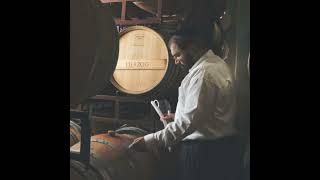
Joseph Herzog discusses crafting premium kosher wines that rival non-kosher labels, using rare barrels and clone 6 grapes for three flagship wines. He plans to expand into new appellations like Haum Mountain and emphasizes the responsibility of a legacy tied to millions of brachot performed over Herzog wines.
Chapters
Welcome to The Kosher Teruah.
I'm Simon Jacob, your host for this episode from Jerusalem. Before we get started, I ask that wherever you are, please take a moment and pray for the safety of our soldiers and the safe return of all of our hostages. I feel extremely privileged to present the following interview with Joseph Herzog, the vice president and partner overseeing everything in the Herzog family's California operations. His responsibilities include all of their vineyard partnerships, their modern state-of-the-art Oxnard winery facility, its tasting room, and its world-class fine dining restaurant Terrasaur. Joseph leads an incredibly busy lifestyle, traveling throughout California, viewing vineyards firsthand, and constantly updating business plans and schedules with the corporate sales and marketing team in Bayonne, New Jersey. I actually caught up with him on the East Coast on one of these planning sessions where I was very appreciative that he allocated me some of his tightly scheduled time. This episode is a rare look into the inner workings of what is a true dynasty of the kosher wine business. If you're in your car, please focus your attention on the road ahead. If you're home, please sit back, relax, open a bottle of delicious kosher wine, and enjoy. Without further introduction, I present a conversation with Joseph Herzog. I have a few questions if you've got a few moments.
Please, thank you. An honor and a pleasure to be here.
It's a pleasure to have you on. I know you're in your 9th generation currently in Herzog, but what does it feel like to be an 8th generation member in the Herzog wine family?
It's a, like I said, it's an honor and it's a privilege, but with the honor and the privilege is responsibility. To explain it, I once, once somebody, I had a city official in my office and asked me the question, says, how does it feel? And I had, I always say the story I have on my desk, I have a bottle of wine that my father made going back with my father's signature on the bottle from 1985. And I took that bottle in my hand and I showed it to the person. I said, look, this is the bottle of wine that my father made before me. And now I'm sitting here and I'm working for the family and the responsibility from the family to deliver as the A generation, to deliver for the Herzog name and the Herzog quality. And what I see is, what I see every day on my desk is a chain link. It's me in the bottom of the chain, and I have to make sure not to let go of that chain and continue that chain. So that is, that's really the, again, and I, it's interesting because I, employees ask me when I interview employees, I kind of answered the same thing. I said the honor is that there's all these thousands and thousands, or I could say millions of people that rely on Herzog drinking those wines for every special occasion, whether it's a Shabbos or it's a yam tov, or it's a wedding, any special monumental occasion, they use that bottle of wine. So that's the honor. The scary part of it is we have to make sure we deliver from a kosher standpoint of view, that the best, that people rely on us, and then on a quality standpoint of view, that it lives up for the occasions for what they're using it for.
Incredible history. How did you start in the wine business? I mean, I know you were in the family, but How did you get started in it?
That's actually interesting and a long story. We'll see how much detail we have time to get into that. But I was— the family actually has rules. People think the Herzog family, just family. There's actually a lot of rules and regulations in the family business. And that's, thank God, part of the success story of our family business. And I was not supposed to be in the wine business. I was actually— my second hobby is real estate development. I was actually working in the winery, upstate New York, just until when I came back from yeshiva out of Kollel, came back to the States, and having an amazing family that we have that gave me the opportunity to do something until I find, as a launching board, until I find where I go next. Baruch Hashem, for that short term that I was in the business, I was able to add and to to prove myself. But it came after 9 months of working for the family that I had partnership and purchased a piece of land, and I was going into the development industry. And the family told me at that point when I gave notice, how about we're building a winery in California? How about the opportunity of having you go out and run the winery in California. And that's where it started. So actually, I came out with my wife in that February. We came out to look at the winery— was still in the middle of being built, uh, but I came to look at a community. I came to look at a whole new something. I always say it wasn't even a nightmare for me to end up in California, but, uh, I ended up— I came, I saw the place, I saw the people, I saw the opportunity, and it was opportunity that I couldn't pass on. So my wife, my amazing wife and family, uh, encouragement of family from her family, my family, and we took the plunge and we moved out to California. And actually, interesting enough, now June was 18 years since I moved out to California.
Wow. You know, I've been to, uh, the winery in Monroe and I've toured through it, right?
And Marlboro, New York.
Yeah, I'm sorry, in Marlborough, not in Monroe. It's in Marlborough. I've— and I've toured through it, and I've also toured through Oxnard. And Oxnard is like light, light years ahead. It's like such an incredible step forward. It's, it's amazing. What gave you the inspiration to, to go from, from New York to Oxnard? How did you create such an incredible winery there?
So it's actually— so it's not— you're touching on a bigger picture. You're touching on— it's more of a family vision versus Joseph Herzog. I wish I could take all the credit, but I can't. It's actually more of a family decision. And the way I look at it is the Herzog family producing wine coming from Europe and producing wine in Europe and ending up in New York, I think, I might segue for a second in terms of speaking about Kedem wine and what people think or what we call the baggage in the kosher wine industry. Well, people know the kosher wine as being the sweet syrupy or sacramental wine. And, it's not really by design or that that's what kosher wine or that was the setup, but that was the strategy. It's just the people coming from Europe, the immigrants coming from Europe to the United States, ended up— the majority of Jews just simply ended up in the East Coast. We all know that in order to make great wine, you got to grow great grapes. Now, New York State is not known as necessarily the great grapes, right? And the majority of what grows in New York is Concords. Now, Nobody has ever mastered or tried to master making an exceptional wine coming out of Concord grapes. So we were basically dealt— my family, my grandfather, my father, and uncles were basically dealt, coming from the wine industry, coming to the United States and landing in New York, going into the industry and producing wine. You got to be realistic. What were the grapes that were at hand? It was Concord, Catawbas, Niagras, all these French hybrid varieties. Now, in order to make a New York State wine drinkable, and part of it is also— let me just go back for a second. One of the main things in order to make great wine is having ripe grapes. In order to have ripe grapes, you need to have a good summer. Being in Israel, being in California, we all know what a good summer is, that we have a lot of heat, no rain, so that things could actually get ripened. So, in New York, we all know with the amount of rain that we get, you're going to get a lot of big clusters, big grapes, but you're not going to get the sugar, you're not going to get the ripening of what you need for the sugar level, the pH, the TA, all that in those New York State grapes. So, in order to make a New York— so, if you have to make wine out of New York State grapes and take those grapes, you're going to have to do some modification in order to be able to make a wine out of it. So, if the regular picking of the grapes at the ripest that you'll get is most probably going to be at 18 Brix. Brix is B-R-I-X. You obviously know it, but just for your listeners, Brix is B-R-I-X, which is the sugar level in the grapes. Now, if that ferments, let's just go simply in terms of a fermentation to alcohol conversation. If you convert 18 Brix sugar to alcohol, you're going to get about a, at best, a 10% alcohol wine, which we know for wine that's not the standard. The standard is going to be your 14, 13.5, 14.5, 15. And but aside, if it doesn't get the sugars, there's a lot of other things also that are not getting. So it's, if it's not ripening in a sugar standpoint of view, it's not a ripening from a stand, from a TA, a pH, color, all these aspects as well. So in order to make a drinkable wine in New York and even by law because at a certain point when it's so high in acid, by law you can't even sell it. So, you have to bring down the acid. So, in order to do that, you have to add either juice or water, sugar in order to bring up those alcohols and make it a drinkable wine. So, going back, it's a long-winded answer, but going back to making New York State wine in order to make the Concords and the Burgundies and whatever we want to call the Tuckay and the Chablis at a 12% alcohol wine and a legal acid level, there's a lot of blending and a lot of juice, wine, sugar that had to happen in order to make that. Now, obviously, with doing all that, the quality of the wine wasn't going to be the best quality. So you have to, again, compromise with sweetening the wine or doing something in that matter to make that drinkable. So that was what we lived with making in New York wines. And simply because that was the challenge, that was the— as an artist, you could say that those were the colors of paint given to you, dealt to you in order to make your painting. And I think we've made the best what we could out of those. But the family, going back to the history of the family making great wines in Europe, the aspirations were always for the family to make great wine. So the family— actually, when my uncle David Herzog joined the family business, and that's a whole long story on its own, he went through my grandfather's files And he found that my grandfather going back in the '60s was trying to produce kosher wine in Italy. And he couldn't get the kosher crew, the hashgacha, the supervision, everybody who just couldn't get it all together, the people, the employees to make it happen. And it was shelved. So when my uncle came in the late '70s, he actually found all the documents of everything, the files that my grandfather had in trying to make a kosher wine. A, a better kosher wine. And he kind of took that mission on, and we produced— that was the first time when Bartonura was produced. So that was in the late '70s when the first Bartonura— I think it was actually '79— Suave and Barbera d'Asti were produced. Asti Spumante, all those were produced. And then from there, we actually tried making wine in France, kosher wine in France, which was also, I think, the first vintage of the Baron Rothschild was 1985, '86.
'86.
'86. '86.
I actually have walked through the Asti facility as well. I was actually there. I was blown away. It is huge and it— people think it's just grape juice or what have you. It's not. That is real wine.
It's a science.
And there's an incredible science to being able to produce something so consistently.
Being in that point, the family had a mission to produce great quality kosher wine. And the great quality kosher wine was, being in New York, being in the industry, was California. That's where great kosher wine is going to be produced. And in 1985 was the first time that we produced Baron Herzog. So, I typically tell people the mission for the family is to produce great kosher wine. And we started, like I said, in Italy, France, California, producing great kosher wine. So we started that in 1985. Interestingly enough, I think it's interesting for the story, in 1985 we produced 5 kosher wines. We produced a Baron Herzog Chenin Blanc, Baron Herzog White Zinfandel, Baron Herzog Chardonnay, Baron Herzog Cabernet, and the Baron Herzog Zinfandel. Sorry, those were the 5 wines. And the— another interesting fact is that the first year that we produced the Baron Herzog wines, it was actually produced in the winery in the Christström Brothers winery. So these four Jewish— the Jewish family was producing wine at the Christström Brothers winery in California, which is actually now it's the CIA Institute of Culinary Cooking. So it's actually interesting. History. But that's really— so in 1985 with California and then with France, it kind of became the mission of wherever there's great wines produced, we'll produce great kosher wines. So the mission started, like I said, in 1985. As the company grew and our demands grew and we needed more space and more tanks and more employees, and the other wineries were needing space, we were As I like to say, we were the wandering Jews in the desert of California. So it wasn't 40 years, it was 20 years. But after 20 years, finally, my Uncle David, the CEO of the company, said, "You know what? It's finally time to build our own home." And that's when in 2004, we decided it was time to build and find a facility, find an area where to build, and we built our winery in Oxnard, California.
So it's exactly 20 years ago.
Yep.
Wow. You know, I— what amazed me with that was that, you know, you're always striving to make better wines in Oxnard, but it's, it's not just making better wines. You've been so expansive across all the different vineyards. It's just, it's— I don't think there's any, any other winery, and certainly not kosher, obviously, But I don't, I don't know that there's any other winery that produces across so many regions and so many terroirs in, in California itself. You, you've got actually more than 8, um, regions that you're producing in across California. And it's, uh, within—
there's many more coming, there's many more exciting stuff coming.
And that's amazing to me because in each region you're making wines that are just spectacular. It's really, it's really special.
Correct. I appreciate that. Thank you. In terms of all the different AVAs or appellations, American Viticultural Areas. So it starts— you went straight to terroir, but I'll, I'll, I'll go back a step and speak about the AVAs and speaking about all these different, um, sub-appellations that you're speaking about. So you're speaking about terroir, you're speaking about basically sub-appellations. And I think where we have shown that a lot is mostly in Napa, right? So in Napa, we've done all these different single vineyards from Napa, or even in our special edition, limited editions, we've done Rutherford and we've done Oak Knoll and we've done, um, Oakville and we've done, um, Calistoga, Haystack. We could go all the different— Stag's Leap— all these different exciting appellations. Now, and I think— let me step back for a second maybe. I think in France or in Israel, all these regions, you look in wine regions, in the kosher world, there is kind of a standard of what people expect from that region. So, when you drink a Bordeaux, you know what a Bordeaux is supposed to taste like, and you have enough wines that you could compare. When you're going to go to Ponta Canaia and to Gispoors and to Las Comes, you have enough to understand what the standard is and where the wine falls into place. Same thing obviously is true for Israel. In California, I don't think that existed until recently. I think California was— Herzog was the leaders. Yes, you had Agafen, later on you had Covenant. Now you have a whole bunch of different ones. You have the Shir, the Heidu. But there hasn't necessarily been expectations. When you speak in the kosher world about Napa Valley, There's not an expectation of what Napa— all they could tell you is, I like the Napa Valley better than the Alexander Valley, or I like the Alexander Valley better than the Napa or the Chalk Hill.
Yeah, because that was all their— that was their whole world. That was my whole world. In 1992, Chalk Hill was just absolutely crazy delicious.
Right, so exactly to your point, because this is what was available. Yeah, and that's what we got, and that's how we created in our mind, okay, buy different labels or buy different AVAs of what the standards are and what comes, what, what the expectations are. I think in Napa we've done quite a good job bringing in different AVAs, which now we're going to be releasing the whole nother tier of mountain fruit of Napa. We know valley floor quite good. We've done good on valley floor, but I think we're going to do a whole nother level of mountain fruit of Napa, adding a whole bunch of different sub-AVAs. But also I'm doing that in Sonoma. And a lot of people— this is, I think, happens to be inside— I don't want to say politics, but inside in the growing region itself, because Napa, everything is labeled as Napa. And then in Napa Valley, in Napa Valley, as you peel the onion, right, you have all these sub-appellations. You have the, like I said, the Oak Knoll, the Oakvilles, the Owl Mountains, the Calistoga, the Rutherfords, um, the Diamond Creek, the Mount Veeder, you can just— how— Mountain, Sags Leap, all the different. But in Sonoma, it's not necessarily known that way, right? When you look at Sonoma, you know Sonoma. And then you look at Russian River, you know Russian River, you know Alexander Valley, you know Choke Hill. You, you, you don't know necessarily as part of the bigger AVA and these are the sub-appellations. They're all, almost all standalone. So, one of the things that we're trying to do now and one of the wines I know that you have tasted or you're waiting to taste, which is the Double Creek Chalk Hill, the Generation 8. But I'm— So, as we've done in Napa and introduced a whole bunch of different sub-appellations in Napa, we're now also going to be doing on Sonoma.
Okay. So, that's the direction you're going.
Very cool. Surprise, right? Surprise, surprise. Look, I will say this. I'm going to say this here. I've been thinking it, but I've never said it aloud. And I'm going to say it aloud now. We will get to a point. I don't know how fast, but we will get there. We will get to a point where from the point of kosher or non-kosher, or if a balshuva comes and says, I used to drink whatever and this quality and I had to— that for kosher wine, you will not give up anything of quality or standard or style or flavor for drinking kosher wine.
From your mouth to God's ears. My dad was a wine drinker. We had a business that was in Southern California. And one of the insurance companies was the actual source of funding for, in the '70s, for many, many of the wineries. So my father became very close friends with people like Robert Mondavi and, uh, and Stag's Leap and what have you. And I had a cellar in my house and I used to be the eunuch who watched the harem because I wouldn't drink anything but kosher wines. But that's also why I started to collect things like the, um, the original Rothschild I had cases of the Rothschild in '86. I remember going into the wine store up in Riverdale, Skyview. It was the place that you could actually buy cases of the early, the 1990s and what have you, Chalk Hills. And they had cases stacked to the ceiling. And that was where I, that was my store, even though I lived in New Jersey. What I was going to say to you was that Stag's Leap was something that he always had. I always had it in my cellar, and it was something that I'd smelled, but I'd never ever tasted. And when you came out with the Stag's Leap, I said, I have got to get bottles of this and I've got to taste it. So it's, it's, it's an amazing, amazing thing for me as well from a history.
And to be all honest, I can't just say take credit in terms of the Herzog family. For just being so, call it adventurous, or willing to do the investment and going out. Obviously, we could speak about fruit prices and, and things like that when you start speaking about those subpopulations and where they go, but it's also the, the consumer. So it's obviously coming from a world of, call it the white Zinfandels, or call it the Kedem, coming from the world and educating themselves and learning and getting better and wanting The expectations and wanting to go and bring up that level of the wine, it had to be hand in hand with the producers and the customers as well.
You know, I want to also tell you that the Kedem grape juice, I live in Jerusalem. We buy Kedem grape juice because we have a lot of American seminary students coming inbound and yeshiva and sem students. And as soon as they see the Kedem grape juice, they go, "Oh, thank God." It brings them home and they love it. So it's a big hit here in Israel. And that was another question. Are all of those, because of the Concord grapes, made in New York? Or is the Kedem grape juice?
All the Kedem grape juice is all made in the facility of upstate New York, like we speak Marlboro, New York, north of Monroe, like you said. Right. Yeah. So all the grape juice because of the Concord. The Concord is, I remember when I was in Israel and then obviously the Kedem grape juice and all that wasn't so popular in Israel. I used to get from people. So actually my rabbi always used to ask me to get him Kedem. Like he loved the Kedem wines and the Kedem grape juice. And one of the people that worked in the office, I actually learned in Yeshiva of Chochatam Sofer, which they do the kashrus, they do the hechsher as well, right? So they were actually bothered that the rabbi, Rav Unger, actually his yahrzeit is by you tonight, as we speak it's his yahrzeit, wanted kedem when he gave the kashrus on all these different wines, but the Benyamina, Carmel, he gave them, like they were all upset, why is he asking you to get him grape juice and wine when we have all these wines that we give kashrus on? And they would tell me it. You guys are adding certain things to give it that acid, that bitterness, this chometz, limon, or mashu that you're putting into these grape juice to make that profile. It's not natural. It's not possible. And I used to argue with them all the time. No, that's the Concord. If you know anything about the New York state and about Concord, that is the Concord flavor. So that is, to be realistic, that is the reason why it is and why it's so unique. So delicious is those concord grapes.
Wow. Quick question while we're talking about, do you have a personal favorite among the varietals that you produce?
That's a real tough question and I'm not going to answer no favorite child. I'm not going to go down that, that, that, that. Okay. But you know as good as I know that wine is not necessarily a thing that you have a favorite. Yeah, because it always— and I always— I, I have been saying this, this pairing food with wine or wine with food, not necessarily the same thing, but there's the idea of what you're eating, who your company is, what the weather is like. It's all that that puts you in the mood. It's the same as a song. You don't always have the same songs. There's different— you're in, you're in the mood of— you listen to something, you become in the mood, or you're in the mood of a certain song. A certain type of music. The wine is no different. The— now I could tell you within Cab or within Pinot, I love Pinot and I love Cabs, I love Zinfandels, but it really has to be the right moment. And for instance, a lot of times I have guests by me, and so this is, this is, this is a rule that I, I will say bluntly. The rule is who my company is. If I have someone that really enjoys wine and understands the wine, I'll let them go down to the cellar and pick whatever wine they want because we're going to enjoy that bottle. And amongst— yeah, that's what— that, that's what the wine is supposed to be. It's supposed to be enjoyed amongst friends and just enjoying a great quality sipping and talking and having great friends over and having— appreciating good wine. Um, when I'm just going to be drinking myself, it's going to be a different type of wine, or it's just going to be people that, yeah, but just they're a good bottle of wine, but they, they don't have, like I could say, Simon, that, that love for that wine, then it's going to be something else. So it, it, and, and that's could maybe be that that's part of the mood.
I agree with you 100%. And also there's, you know, I, I might have a favorite, but then, um, I haven't tasted this Double Creek yet, so I'm, I'm really looking forward to doing that with you as well. But one last question before, any varietals that have posed significant challenges to you?
So varietals, 100%. There's different varietals that are prone to different diseases, that are prone to different characters, for sure, for sure. Lots of them. I mean, you're going to speak about Petit Sirah, you're going to speak about Pinot, you're going to speak about Malbec. Even the whites, you're going to speak certain Chenin Blanc, that these— so, and every winemaker will tell you that the majority of the work really happens in the vineyard.
Yeah.
I could say it's probably 75% happens. If everything is done right in the vineyard, it's way easier to make that exceptional, that great bottle of wine in the winery. But if you don't, then you're dealing with all these issues or with these— what you're saying, harder to make. But majority of these issues or problems or future problems could be mitigated in the vineyard. Again, except obviously Hashem runs the world and you're going to get a rain, you're going to get— But even with all that, the stuff in the vineyard depends what you do in the vineyard and how much control you have in the vineyard and how much, a lot of times, funds or appetite of loss that will dictate that you could mitigate that damage or that, that issues.
I want to talk about a little bit about the team that you have there, because I, I absolutely adored talking to Joe Herleman. He was such a mensch, um, really, really special person, and it was an incredibly huge loss when he passed away. But you seem to have you seem to have held the team together and grown the team and, you know, continued to build it. Um, tell me a little bit about the, the team itself that does the winemaking.
Sure. So first of all, that it's the— it— let's take a second and speak about Joe Herleman. Actually, his first year, I'm going to say yortsaid, but, but we all know Joe had a Yiddish neshamah. He definitely had.
He was a mensch, total mensch.
He never wanted to admit it to me, but he definitely had some coming from a Polish family. And I think his mother's maiden name was actually Pinkusowitz. So there's no question that he had Yiddish blood, a Yiddish neshama. And he definitely has some merit because Klal Yisroel, again, Klal Yisroel drank his wines and appreciated his wine. And he actually was— he was no other better word to describe Joe Erliman as a mensch.
Yeah.
Really a mensch. And I have to say, even for me, when I came out there, you know, you could have certain winemakers and have now a family member coming there and being there. It's not how he welcomed me and made sure for my success and routed for my success. That was something special. And he made great wine. And he was definitely an entrepreneur in, in that. And, and when the family had requests or ideas or stuff that they wanted to do, he was always a champion for it. So Joe Herleman, of blessed memory. So now what we've done is, is actually the— we have a great team, and you know quite a bit of the team we have on Stardown in the Cellar. I mean, we have Surly, Levy, a few Levys and a few Mendels. But, you know, Zev, I think you remember back, Zev.
Yes.
We have Alicia. We have new crew, a few more people that we brought in, winemaking team. And then obviously the big one, which is David Calzignato, our senior winemaker. Now, I'll say this actually, and this ties in what we're speaking about, what I started off speaking about, the AVAs or bringing Napa to the pedestal, bringing that to the forefront. Into the kosher world, or, or Sonoma and the different sub-appellations. When Joe Herleman was sick, and we all knew and we all spoke, including Joe, Joe Herleman, of needing to find a new winemaker which is going to be the future face of, of, of Herzog Wines, there was a dilemma, or there was the conversation in the family, what, what should we do? The, the one option is the easiest and the most simple option is obviously Grow from within. The secondary option, which is not as easy but also much easier, is go to Israel, find the best winemaker you could to Israel, and bring them over to the United States. He knows kosher, he knows ingredients, he knows the marketplace, he knows the chagim, he knows the holidays, he knows when you need to do it. Just also, he just has to get used to new fruit, but other than that, he knows it's plug and play, right? The third option, which is the hardest and the most difficult, and which is basically bring a top winemaker out of Napa Valley, out of the world of wine, out of kosher, get someone like that, convince him to come to go from the big world and to be a top winemaker in the world of Napa, in the world of non-kosher wines, to want to take a job in a kosher winery. And those were the conversations in the family. We all decided this is the opportunity for us to go and to find someone that lives and breathes Napa, Sonoma, California, that knows every which vineyard, that knows basically— and it's not a joke— that knows Napa, Sonoma on the palm of their hands, knows every vineyard, knows every grower, knows every winemaker. He's speaking from all these the big and prestigious, um, um, different wineries. That, that, that's— and so we all decided, the family decided that that's what we're setting out for. And, and I have to say, it wasn't an easy thing. And I'm sure at one point or another you'll have David Calzignato, the current winemaker on, but David came from the Madavis from the world, from, from Charles Krug, from Provenance. Uh, he, he's worked and he's been in the world of wine again He has played in the, what we call the crème de la crème of the world of wine. In France.
The major leagues.
In the major leagues. So we had to convince, we had to go out and convince a guy like that, like David, to want to come from that world and immerse himself to come to the kosher world. Now, it wasn't easy. I will say all of his friends, and he'll admit it to you, all of his friends made fun and are still making fun of him. So you went from being the— in the big pond with the top guys to being the, yes, the number one winemaker in the kosher world, but still a very small pound of kosher. Um, and, and so it, it wasn't just as simple as, yes, the winery, the setup in the winery, like you said, an impressive winery. It was grapes, it was yeast, it was coopers, all these challenges. A winemaker coming from that league is looking to— he needs his tools and he just needs— like an artist, you're not going to bring an artist and just give him, here, here's two paintbrushes and a pastel and then, and, and a canvas and just go ahead. Then you need the tools in order to do, to do what, what you expect from him, right? If you want him to deliver You got to give them the tools. So I have to say it was equal. Both of us were so invested in doing this that he had— he was invested in to come and to be the number one kosher winemaker. And we were invested to go ahead and invest and buy him the tools in order to be able to make that.
Wow. Wow.
And that goes from every— from grapes to equipment in the winery, to optical sorters, to tanks, to coopers, to different geese across the spectrum. We had to go— actually, I'll tell you this much. We hired him in— we hired him in August. It was the final day that we hired him. The second day on the job, we gave him a challenge that we want to produce the best kosher wine that exists. Go out, find the best vineyard, make the best bottle of wine. To which he came back after 2, 3 days and says, I could do it. I could buy the grapes. I have a source for the grapes. But I need A, B, C, D, and E, investment of millions of dollars in order to be able to do it. And we said, not a problem. We're going to go ahead and do that. Which I think that leads us into the Generation 8, into the different wines, or one of— we could say about the future wines that are coming out. We could throw that out there so we'll get an understanding a little bit of what we're talking about.
Should we try some?
Yes, please. Okay, I think we should.
So we've got—
go ahead.
Which one should we start with? We've got two wines that we're tasting.
So since you spoke so highly and about your memories and everything about Stag's Leap, yep. I don't know if you tasted it already before, or all you have is that aroma that you smell still as a child from your father's collection of Stag Leaf.
I was saving it for a special time, so it's sitting here and I haven't tasted it yet. So it's really— and it's—
wow.
So this is the 2018. Uh, well, this is a generation.
This is Generation 9, for the 9th generation that has joined the family.
Okay, that's what it was for.
Okay, so you saw Michael before, he has a son in the business. You know Nathan, Yoichi, he has been in the business. My other brother Eli has a son in the business, and my cousin Ari, I don't know if you met him before, also has. So there's now 4 of the 9th generation in the family business.
Wow.
I'm just going to give you a challenge before I speak about the wine. You're going to have to remember today, you don't do it often, you're going to make al agef and not agafna. Because you're drinking California wine.
Yeah, no, no. Yep, it is. I know. I really enjoy saying Gavna. I really enjoy saying Gavna, to be honest.
You wouldn't be living there if you wouldn't. So the first thing I want to dive in, and again, if we're going to try to build and separate between the Napa and the Sonoma, that dense fruit, that smelling that, that lively cherry or dark blue fruit. That's, I think, that's one of the giveaways. So as an MW, anything like that, where you're going to have to just by smell, taste, and be able to describe the wine with the varietal and where it comes from, the nose on this wine is going to be a giveaway for Napa, right? You get that intense dark blue fruit, blueberry, currants. Cherry.
So nicely balanced.
With these type of wines, you're expecting that bigger mouthfeel, that big profile, but yet almost that elegance to it. I think which what you're saying is the well-balanced is the elegance.
Yeah, it's the elegance to—
but that beautiful, the lingering finish, the beautiful lingering finish, the, the, the deep fruit dark concentration of all this is just beautiful wine. And I think this is the reason of why Stag's Leap was the wine that won the— what was the competition against the French wine?
The Judgment of Paris. The color is also absolutely beautiful. This bottle is just perfect. It's just perfect color. It's excellent. Incredible.
So you're drinking the '18. The color obviously is a little bit lighter already. It's still obviously a dark and intense wine, but in terms of bottle age, that's already almost 6 years of age or 4 bottles, 4 years of bottle age ready for that bottle.
Yeah, but it's not, it's not bricking or anything like that. Not at all. It's like a very young wine.
I'm going to give myself a challenge and I'm going to give you a challenge.
Go ahead. Go, go.
Next time when I come to Israel, we're going to drink some great aged wines in Israel by you. And the next time you come to California, I will open some aged bottles for you.
Okay. I would love it. I would absolutely love it.
Beautiful.
All right. This is lovely wine. I am thankful to God for a lot of things. I am very thankful for Yossi Horowitz because he gave me an excuse to get people together to drink kosher wines.
The world-famous Rosh Chodesh Club.
This Rosh Chodesh club thing is what made high-end wines drinkable because they just sat in my cellar. There was nobody to drink them with except once in a blue moon. And this was— this gave me a monthly challenge. It's a wonderful thing.
So I think the Wall Street Journal once had an article and a write-up about that, right? They wrote that everybody has that special wine that they're keeping for that special day. But a lot of times you're just holding on too long and that special day doesn't arrive and the optimum time or the peak for that wine passes and you miss that special day. And I think they call it, I don't know when it is, or they have always once a year the calendar, it's that special day to open that special wine.
Right.
So we have Rosh Chodesh Club.
But the Rosh Chodesh Clubs absolutely satisfy that need. And there are so many incredible people around the world who are enjoying kosher wines now. It's just, whether it's in England or whether it's in all over, all over the place. It's quite remarkable.
In California, I think they have actually 2 or 3 Rishonish Clubs, different groups of chavim.
Well, in Israel we have 3. In Israel, we've got a Jerusalem, we've got a Beit Shemesh, and we've got one in Ranana.
In California, I think it's a little different. They have the Hasidish one, You have the Litvish and you have the Chabad one.
So in New York it is like that. They have got the Hasidish one and they have got the Syrian one with Ralph Maddeb, and then they have got the regular one in Teaneck, New Jersey.
Lakewood. Lakewood one, yeah.
Yeah, it is. Lakewood one is also awesome. Crazy people. It is very special people. While we're in between tasting, and I want to taste this, uh, I want to taste the new Generation 8, the, the, what you call it, Double Creek, because this is brand new. And actually, your video introduced it to me, and I said, I've got to get a bottle of this and try it in Israel. And I really want to put it up on, uh, on the, you know, on the podcast. And I wanted to do it actually before Shavuot, because I actually got it before Shavuot, but it went through such an arduous travel with, um, Yakov Shakotovitz came from LA and he picked it up and he brought it to me, hand-carried it. I was scared to open it up too soon because I didn't want to mess it up. I really wanted to give it a fair shot. So now it's been sitting for a while.
I'll tell you honestly, it's still too young.
It's way too young.
It's way too young. It's way too young. And, and we'll speak a lot when we get to taste a lot about the whole story of this vineyard. But yeah, you're in, you're in for a treat.
Okay, so visiting Oxnard, what should people know? What should people, you know, look at? It— I know the restaurant's incredible because I was there, but I'm sure you've done more with it. Is it a place to come to sit at a bar and taste wines as well, or do I have to have a reservation and come to eat in the restaurant, or how does it work?
Great question, and I'm happy that you're giving me the opportunity actually to speak about this. Um, it— what we've done is we've done a little changes. So now actually we— you could get food in the tasting room at the bar. There's a bar menu, so you can get the opportunity actually not just taste wine and, and just kill your palate on 2 bottles of wine and not be able to move forward. There's actually a bar menu, so that's throughout the day starting at 12 o'clock in the afternoon. Uh, you have— there's no lunch in the restaurant, but there's the bar menu, the tapa menu that happens in the tasting room. So you have an opportunity to eat and taste wine along, side by side, which is great. And then we did a new concept in the restaurant, which I think— and I have to actually thank— part of the idea came— the vision— the visionary for this idea was Mike from— Mark Gershkowitz from Mike's Bistro, um, of what we did in the nighttime menu. And he basically said, Joseph— he's Modi— Joseph, you have a restaurant and a winery where you produce all the different wines. Why are you operating as a regular restaurant where people buy wine and food? Every dish should be a component to the wine that you could elevate and showcase the wine, food and wine, wine and food. But this should be opportunity where people could come and try wines and try it in a setting that they wouldn't have the opportunity otherwise.
Brilliant. I didn't know you did that.
That's brilliant. So we basically took a concept and, and, and we went with that concept on steroids. And it's something that doesn't exist in the world. I don't even think in out of kosher it doesn't, because you don't you don't typically have restaurants and wineries, but we now do. Every dish incorporates wine in the dish. So we all, as wine drinkers, we all know the phrase, you don't want to cook with wine that you wouldn't drink, right? But we all know in every restaurant kitchen, I don't know how many restaurant kitchens are going to hold that true. In our houses, maybe, because we'll be sipping while we cook as well. But in the restaurant kitchens, they ain't cooking with the wine that they're serving you to drink. Well, at Herzog or at Tierra Sur, that is the anomaly. That's different. So we now— each dish, and whether it's going to be a fish dish or chicken dish or meat dish, there is a component in the vegetables and the sauce and the reductions of the wine in that dish, and then it's paired with that wine as well.
So Unbelievable.
So you're getting to sit down and you might be thinking of a Pinot Noir one way, or Petite Syrah, or Malbec, or a Cab, different Kinappa Cab, or Alexander Valley. Think of it one way, but here you get the opportunity to taste a dish that is meant to pair with this wine, and all of a sudden it elevates everything. Your food is better, your wine is better, and all of a sudden wines that you would have never— a Malbec, you wouldn't have gone out and bought the Malbec because you don't like the spice, or you don't and all of a sudden you had it in this environment that it was just that perfect wine and perfect food. And you go out and you buy a bottle, or you go to your home store and you buy a bottle and you drink that wine, introduced to something new because of that impression that it made. So that's the new change, and that's dinner. So the Thierry's store is open for dinner. Occasionally, we'd still do Sunday brunches or different stuff like that. Then obviously we have the wine club events that we do, the pickup dinners and all like that, which is also obviously paired. But that's the idea. The idea is it's now a wine-incorporated restaurant into each of its dishes.
Brilliant. Really good. I love the idea. I really love it. Now I'm really psyched to come.
All right.
I'm really psyched to come.
Red carpet treatment. We'll roll the red carpet out for you.
Thank you. Um, let's talk about the Double Creek.
All right, so you have the bottle in front of you, I'm sure.
I do, I do, actually.
The Double Creek Vineyard, yep, the Double Creek Vineyard Trollkill. So yeah, as I said before, there is the AVAs. Like we said, the Napa, we have all different AVAs that we come to expect from Napa, or the sub-appellations, the single vineyard, which is Generation 8, Oak Knoll is a single vineyard. The Generation 9 is a single vineyard. Rutherford typically doesn't say, but these are again all these different, but you have microclimates within microclimates. You have Chalk Hill is the AVA. In, in our world, people only know Chalk Hill. They don't even know Wernicke Vineyard, the Cabernet. They just know that bottle by Chalk Hill, right? Okay, well, but If we go into the area and we go into different vineyards, it's a whole different world. So this is actually a vineyard we went into because Chalk Hill is limited. I mean, obviously everybody knows from supply, it's limited how much grapes. And there's a winery called Chalk Hill that basically consumes and owns the majority of the planted land over there. So in order to get more grapes, it's a difficult task. So we were out there looking desperately for more fruit. So we came upon this vineyard, which is some doctor built himself a beautiful house on the hills, and I think you saw a little bit of that on the video, and planted these 7 acres of vineyard on all different slopes around the house. And these, you speaking about slopes, it is probably 30-degree slopes where there's no tractors, there's nothing going up this. This is all manual labor, manual picking, everything done by hand. And it's— it, it was almost this little own— not almost, it is this own microclimate based on how it's surrounded by all the mountains. And then the soil, the clay, the rock that made this vineyard, it was just special. From the moment where we're in there, it was a special vineyard. We signed a long-term contract on that fruit without even having the history or anything on that fruit. And so this is the first vintage also for our new winemaker, for David Galzegnato, which is 2021. And we actually had a demo that year on an optical sorter. I'm sure you know what that is. You've heard of that. Sure.
So we had them here in Israel. We have some in Israel.
Yeah, you have some. Castel has one, Oregon News has one. Yeah. So we actually demoed the piece of equipment that year. We demoed it on these grapes. So what we did is we really went everything for the top tier, the best quality. A lot of times I pick certain projects that we speak about. For instance, we just did a new planting in Lake County that I call these projects R&D. It's not necessarily about what my expectation is. I want to make— I'll make a portion the way where it's supposed to go in a program that it's supposed to go, but we'll take a portion and forget about the dollars and cents and just do R&D. What is the best? What's the potential? It's almost like a bocher in yeshiva. What is the best potential for this bocher that he could become? And that's what we did here with this, with this double It is so deep. So it's Sonoma. So first of all, again, let's speak a little bit because we spoke about Napa, Napa, and I said about the difference. So Sonoma, obviously, when we smell the Stag's Leap, we said Napa, Napa right away. Sonoma is obviously, it's the other side of the mountain, right? So it's more ocean, ocean breeze, oceanside, um that side facing the ocean, getting that foggy mountains in the morning, foggy mountains, getting a little bit cooler than Napa. Um, so, so that alone is going to lend in differences, right, of, of the characteristics of the wine. So typically Sonoma is going to be more of your earthy wine, more leather, tobacco, coffee. It's going to lend itself away from the Napa, which is fruit, fruit, fruit concentrated. Overly concentrated in fruit, you're going to get much more, a lot of times even more prune to green, more bell pepper. And typically in Sonoma, you're not going to have it in this wine, but typically overall is one of the characteristics of Sonoma.
You'll have that more. I take every opportunity these days to make a bracha.
So you also gotta, from the get-go, first of all, understand that 2021 was much a riper year than the 2018. So, and we could spend most probably days speaking about expectations of vintage to vintage variation and what to expect and why they're so different. So when we compare those two wines, we obviously have to take in consideration 2018 versus 2021.
This is much, much more leather, right?
You get the leather, you get that finish, you get that, you get that— I, I don't know why I want to say this, but I'm saying almost like even a nutmeg. You can get in Yeah, but that finish on your mouthfeel, definitely you get that leather, you get the tobacco. Now, way too young to be drunk, I know this, but I definitely would. Could I call it a beast?
It is, it is. It's gonna be, it's gonna be amazing. It's gonna be amazing. And the, um, and actually there's a bunch of us tasting this tomorrow in Jerusalem, a small group that's getting together. We wanted to taste this. We also wanted to taste, crazily enough, there's a Ramat Negev wine that just got a Decanter '97 award and was awarded '97. So we, we all, all of a sudden, you know, like with a, with a rating like that, wait a second, bring that back on. I want to taste that again. So we're tasting that, but we're also tasting these two bottles at the same time, um, because I'm, you know, they will have, you know, had some air for a while.
No, there's no question about what's happening. The transformation of the wines coming out of Israel is just mind-blowing.
There are a lot of incredibly creative winemakers here, and I am so blessed. I came 8 years ago. I mean, I have been coming back and forth to Israel for years and years and years. The explosion of kosher wines since the '90s is crazy. I was— I actually— Aaron Pick did a podcast with me a week ago, and, um, and he spoke about, uh, the Judean Hills and how literally in the, uh, early '90s there was, there was nothing there. They, they had orchards. There was no vines left. And since then, now something like 98% of the agriculture in the Judean Hills is wine.
Is wine.
In such a short period of time.
When I speak to non-kosher people in the industry or anything, and I want to speak about kosher wine, I typically say, you know, we have historical Speaking about R&D, right? Everybody's busy with R&D and all the different— I said, in terms of the wine industry, we have the longest history of winemaking, a documented history, right? You could go back to Noah coming out of the teva. But going back before, going to the Bais Hamikdash, the wine that was poured in the Bais Hamikdash is the best of the best, free run, no added, like high alcohol, all these, all that, that's what it was.
Can you talk about future wines in the portfolio?
Sure.
Without giving away stuff?
No, no giveaway. They're going to come out for Rosh Hashanah. I think we're close enough that we could start speaking about this. So we're actually releasing a new— so the challenge, I told you about the challenge that we gave to the winemaker. So obviously, what is that challenge? What is that wines? What are the vineyards and so forth? And I think you're going to appreciate this. This is going to be the first the first will put this information out, but have knowing your background in Napa, like you said, Stag's Leap, you might— you'll find this fascinating. So with that challenge, we decided to come out with a new tier, which is going to be the top of the top, high-end tier. And the name, the brand actually for that is going to be called Ysode.
Ysode.
You sewed, you sewed trouble yourself. And the idea actually is speaking to and having conversation with a new winemaker, right? With Carl Zignat, and speaking about Herzog and speaking about all these different things. It was like, how about this? How about this? It came to a point where I said, we stopped and said, look, we are the Herzog family. My father was a Holocaust survivor. My grandfather was a Holocaust survivor. They have been 5 generations beforehand in Europe doing, going through World War I, going through communism, going through all of that suffering and coming to the United States, building back up to where we are. We are proud of who we are. We're proud of where we come from. We are not coming and reinventing the wheel or doing anything. We're building on the cornerstone. Of what our parents and grandparents have laid before us. That's who we are. We're proud of that. That's who we are. And he was like, wow, what's that name? What does that— what's the cornerstone? And the idea was foundations. We're building on the foundations. And then we get what name for foundation? You sowed. And you sowed, obviously, sod is wine and all. We could go into the whole all of that, but the plain and simple, it was about Yisroel. We are proud from a Jewish state point where we come from, our parents being the Orthodox family in the business, what we're doing, we're proud of. We're not running none of— you'll find no Herzog that will be trying to run away from who we are, where we come from. We couldn't be any prouder. And that's the idea. So what we did is and I'll send you a picture with it. You saw it, but the bottle itself is a cartouche. So it's the glass bottle, which is actually a bottle that we have in the office. I'm sure you've seen it when you were in Oxnard on the wall. There's that Jacob Herzog Piva bottle of Werbova 1848.
Yeah, yes, absolutely. With the glass, it's glass press.
Correct. So that's what we redid. Wow. We did the custom glass bottle to have that J. Herzog Verba 1848, and the label is not— doesn't say Herzog. The Herzog is only on the glass. It's Ysoud, stands on its own. Ysoud. And the first year we did, we did 3 vineyards. The first vineyard is, or, or the sub-appellation vineyard, Pritchard Hill.
Wow. Wow.
So I'm speaking about— okay, so there's a kosher Richard Hill 2021 Cabernet Sauvignon coming to the industry that has the first in history. There's never been one.
So that's crazy. That, that is unbelievable, right? Yep.
Richard Hill is la havdalah of half a dollar, but you're speaking about Pritchard Hill, you're speaking about Kodesh HaKadosh. Of California, of what it is. So that's Pritchard Hill is number 1. Number 2 is Atlas Peak.
Atlas Peak, okay.
Number 3 is actually a Patis. So from Patis, we took some of the Clone 6 and a kind of, like I said, we did the R&D of what the best, and we took a total of just 4 barrels of the best, the best put into— David went crazy with barrels. We have certain barrels, and that I'm not going to put out the names, that were the only ones in the state of California. Between all the wineries, and I don't have to tell you what that means, specialty barrels that were the only ones in California to have those barrels that those wines went into. So that's, that's 3 of them. One of them that didn't make it, but we'll make it the next year again. In order to make those 3 wines, there have been a lot of other appellations that we made that didn't make it into this. But in the future, you'll have Haum Mountain, you'll have a whole bunch of Diamond, you'll have a whole bunch of others coming into this category, into this level of wine cup.
You're trying to make everything accessible to me. That's wonderful.
I love this. You appreciate it more than anybody else could appreciate it. Anybody living the world of being able to drink those wines, and when they speak about being a balshuva and giving up certain foods and giving up certain wines, This is real. Someone that has drank Stag's Leap or Ha Mountain or Bridget Hill, someone that comes from that world and now comes to the world of kosher, they have this yearning. They have this— they're missing something. So that's one aspect. The other aspect is, like I said, there will be a time, and I don't know how fast, but it will be a time that kosher wine, you will not have anything less in the kosher world than not in the kosher world.
Amazing.
Awesome.
So you're in New York now?
I'm in Bayonne, New Jersey.
You're in Bayonne? I meant Bayonne.
And I'm going to be heading back to LA. My father's yahrzeit was on Tuesday, so I came in and then business meetings and then I'll be back.
Yahrzeit.
So that's in terms of— I know one of the questions you wanted to ask vineyards. I don't know if we have the time, but that's again a whole nother impressive story of what we're doing in terms of vineyards. you'll see, I don't know if you had yet the Lake County, the 2021 Lake County.
I didn't have it yet, but I, but I, I've seen it.
Yes, that's another bottle of wine that you need to put yourself and get.
Okay.
We've planted a vineyard over there which is just, just breathtaking. I mean, it's just, just, just really amazing. You'll be up in the— anybody that comes up and sees that vineyard, you cannot go away without crying on that vineyard. It is just so spectacular.
My introduction to Kerem was when I was, I think, 16 years old. I went to a febrenjen in Chabad, and they had, the only thing they drank was Kerem.
Kanban.
Yeah. And it was just like, Crazy. I'd never seen it before. I'd never tasted it before. It was like unbelievable.
But that goes back to the story. I think putting stuff in perspective of what, Kedem, where that sweet syrupy wine comes from and why. I think go back to Menashe was where the Jews immigrate to. I think it's an interesting perspective for people to appreciate of why and where we've come today.
It was a purpose. You were fulfilling a need that the community had at that time. To be able to make brachot. And I will be honest, of all of, I think the biggest legacy you have is how many millions of brachot have people made over your wine. It is an unbelievable legacy, Joseph. It is an unbelievable legacy.
It is more than a legacy. As I told you, when I interview any mashgiach, any kosher employee in the cellar, I tell them this. I said, it's the legacy, but more than that, it's the legacy, but it's the responsibility.
Yeah.
No, it has a responsibility. The responsibility scares me because that's the responsibility of people drinking kosher wine, relying on you to deliver their highest standard of kosher.
Right. Thank you very much for being on the Kosher Terroir and spending so much time with me. I know you're very busy these days, and especially you're going to run back to LA. So thank you very much.
No problem. We'll make sure when I come to Israel, which I need to be there. I'm scheduled to be there soon. And I have kids there as well. So hope to be there soon and hope to do some tasting and some, maybe even some touring with you.
This is Simon Jacob again, your host of today's episode of The Kosher Teruah. I have a personal request. No matter where you are, or where you live, please take a moment to pray for our soldiers' safety and the safe and rapid return of our hostages. Please subscribe via your podcast provider to be informed of our new episodes as they are released. If you are new to The Kosher Teruah, please check out our many past episodes. And thank you for listening to the Kosher Teruah.










