La Forêt Blanche: Building a Kosher Wine Brand Part 1
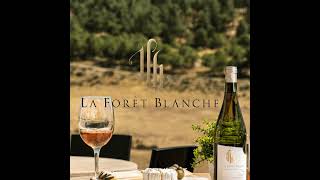
Yaakov Briss built La Forêt Blanche from 13,000 bottles in 2017 to 75,000 in 2024 by skipping the traditional 30% retail markup and selling direct to consumers. The winery's name references the biblical White Forest of Lebanon, and its grapes grow in Hebron Heights and the Yatir Forest at altitudes up to 980 meters where unique cloud patterns and terra rossa soils create ideal conditions.
Chapters
Welcome to The Kosher Teruah.
I'm Simon Jacob, your host for this episode from Jerusalem. Before we get started, I ask that wherever you are, please take a moment and pray for the safety of our soldiers and the safe return of all of our hostages.
Welcome back to The Kosher Terroir, the podcast where we uncork the stories behind the world's finest kosher wines, one bottle at a time. Today, we're taking you deep into the heart of Israel's historic wine country, where ancient tradition meets modern craftsmanship. Nestled in the breathtaking landscapes of the Yatir Forest and the Hebron Heights, La Forêt Blanche Winery has been making waves in the Israeli wine scene with its bold vision, meticulous winemaking, and deep-rooted connection to the land. Joining me for this special two-part conversation is none other than Yaakov Briss, CEO of La Forêt Blanche. With a background in e-commerce and a passion for wine that runs deep, Yaakov has played a pivotal role in rebranding and expanding the winery, turning it into a rising star in the world of fine kosher wines. In Part 1, we'll explore Yaakov's journey into the wine industry, the story behind the winery's evocative name, and how La Forêt Blanche balances its rich biblical heritage with cutting-edge winemaking techniques. We'll also dive into the significance of their terroir, and what makes their wines stand out in an increasingly competitive market. If you're driving, focus on the road ahead. If you're home, pour yourself a glass of wonderful kosher wine, sit back, and get ready to discover the essence of La Forêt Blanche, where history, passion, and innovation converge in every bottle. Yaakov, welcome to the Kosher Terroir.
Thank you for welcoming me. To the winery. It's called La Forêt Blanche.
La Forêt Blanche.
La Forêt Blanche.
La Forêt Blanche. Okay. It's basically the White Forest.
Yeah.
We're gonna speak about the name maybe later in the tour. Okay.
Great.
Although it's the first thing you see when you come to the winery, La Forêt Blanche, with this beautiful logo and you see the barrels. Basically, it took us, I think, 8 months of brainstorming and meetings. Now, if you can imagine Menachem Livni, which is like over 70.
Yeah.
Okay. A true Beit HaMikdash believer.
Yeah.
Not believer, we all believe in the building of the Beit HaMikdash, but he's actually—
He's ready to do it.
He's ready to do it.
Yeah. 100%. I knew of Menachem back in the old days.
Great. So can you imagine, like, Menachem, uh, sitting at a table with Bruno, a winemaker, French native, French educated culture, you know, the whole— and coming, like, in Israel 35, 40 years ago, 35 years ago, sitting around the table. Now he, of course, like, Bruno's, like, religious and but his beliefs are not that way.
Yeah.
Okay, and the young guy like me that understands nothing about that, all he wants to do is to build a brand and he wants to be recognized worldwide, wants to tell the stories. So it's like the three direct, three complete opposite directions, and each one is like, uh, each one wants the, the whole decision-making process like going his way. And I'm like, the first thing I did when I came into the company in 2018 was to say, hey guys, we need to brand. We can't just go around and grow this winery to be very big if we're not gonna brand it, give it a story. Not just like a family name is very nice, so you can't brand it as a terroir winery or like specific if you're not going into a a broader story about the area. And my idea was to give it a French name, like, not to hide our identity of the local, you know, geopolitics or whatever. It wasn't the purpose, it was just to be authentic, to be as authentic as possible. And we knew we wanted to have to do with Yatir Forest because we're right next to Yatir Forest. The winery was going to move here, it was all planned, the building was existing already. Now anything about Yatir Forest is copyrighted. Not the forest, not the Yatir Forest. Everything is copyrighted. All the Yeshuvim names, everything is copyrighted by Carmel Mizrahi and Yatir. You can't call it anything. Anything.
You can't use the name Yatir.
Now we knew we wanted to have to do with the forest. So I said, let's go to French, you know, wine and French seems to be very good. We're French. Our audience is not going to be necessarily exclusively French, but even Americans would identify to the French. At that time, there was all kind of wineries coming out with French names without mentioning anyone. So we said, it's possible, it's accepted, people are relating to it, nobody's rejecting the idea. So we wanted to have to do with the forest, which is la forêt, the forest. But we wanted to add an adjective because it was too— like, la forêt is just like too— like, there's no authentic— you know, there's nothing authentic that you can—
No, there's nothing that it ties to.
Right, right. It could be this forest or it could be that forest. Like, you know, there's no specific attachment to it. And like, and we're debating and debating and voting and inviting people. So this became like a whole list of names and we're Every 2 weeks we had meetings and phone calls and Zoom calls, you know, Menachem, Bruno, me, Annie Selby, and like, and then we brought in people and journalists and people in industry, in different industries, like we related. And this thing is going like, and at some point we said, okay, enough is enough, we need to decide today because we need to go live, we need to start selling the wine. So we're sitting at a table, Menachem, Bruno, me, Annie, whatever, voting. Each one voted, and Blanche was part of the possibilities. There were other names. Now Blanche, at this point of the discussion, had absolutely nothing to do, no story, no nothing. It's just like nice, you know, nothing more. Menachem Livni stands up and he said, guys, I'm fed up with you. I'm done. Give it any name you want. I have nothing to do with this, with this thing. You know, wine is so holy. It's something you bring to the Beit HaMikdash. It's like it represents holiness in the Jewish tradition. Kiddush, Chagim, Brit Milah, like every wedding, everything is all about the wine. And you're taking this to like to this to this crazy level, crazy level. And, and, but he said like French for him is like not a— to my— it's like, suck to my— and you're taking impurity in pure language. It's like impure. It's like, it's not like Lashon Hakodesh. It doesn't represent anything. He said, guys, okay, I'm going to the— I'm going to the restroom and I'm out of here. He's going to the restroom, he's coming back, and he says like, you know, the Beit HaMikdash was called in the Malachim, Yahar Levanon, Va'ivenet Beit Yahar Levanon. You say like, well, this is like name and it has a meaning, the Beit HaMikdash, like, and you're going to this impure language, like, what is And I said to him, what did you just say? The Beit HaMikdash was called Yahr Lebanon?
So exactly.
And I said to him, oh, we got it. La Forêt Blanche is Yahr Lebanon. Lebanon, Milachon Lavan, Shem Balbina Vono Temshel Yisrael. Yahr, La Forêt, La Forêt Blanche. We got it. That's it. And he's like, holy Moses, we have a name.
Yeah, that's the way. Great.
That's the way.
Amazing. I was, I was wondering how— the only confusion I had with it, and when people initially hear the name, they always think of it as being white wines, right? Because it's Blanc.
Yeah.
But, but that said, I love the name. I, I think it's great. I love the branding. I, you know, I like Annie's work, and I love the style of it, and it's just beautiful.
So she was part of all the discussion. And that's how I think the first option of the logo was the logo that we picked. Like, we didn't— she basically nailed it because our terroir is about David Amalek. Yeah, David Amalek was king of Hebron 7 years before he became king of Israel. He planted vineyards. It's even said that he planned the architecture.
I didn't know that.
Of the Beit HaMikdash. Yeah, he architected the Beit HaMikdash. He went and bought Har Habayit. Purchased it and he started planning. It's even said that if David HaMelech would have built the Beit HaMikdash, it would have been never destroyed. But he actually doesn't get to build it. But you can see through Tehillim, he speaks about wine, he speaks about Beit HaMikdash, and he planted a lot of vines. Now, Shlomo HaMelech, when he built the first Beit HaMikdash, needed wine. And he basically— the wines, the vines that were planted by David HaMelech in Chevron were used to produce the wine that was brought to the Beit HaMikdash. And you have Psukim that say, "Lakino shea v'zikho keyeina levanon," the wine of Lebanon that was going to the Beit Hamikdash. Everywhere in the Tanakh when you say "Levanon," it's about the Beit Hamikdash. So that's the relationship of the logo to David HaMelech, David's harp. Now it's fascinating even further because where the wine was used in the Beit Hamikdash was exactly at the same time of the Levite singing. The Mishnah says that you can't pour the wine without the Levi'im, and you can't have the Levi'im singing without pouring the wine. It goes together. I have a whole—
I didn't realize it's David's harp, but that's beautiful.
David's harp, musical notes.
Yes.
Okay, that represents the Shir HaMalot, like the 15, like, you know, the Levites singing. Letters LFB and the vine, the trees in the forest, like, this is the representation the whole representation of the logo. So after we decided that that would be the name, we had to have wines that tells the story. Okay, we can't just have wines because we have grapes and then we make any wine, and then, you know, we may— we make up stories about terroirs and different things, and then it, you know, it goes on. We have that grape, so we make that wine. We have to have a flow, and the names of the wine have to tell that story. And that's how I went on, and this is like my work later in the process of giving the names to the— because everybody was already tired and said, like, if we had for one name, we had like 6 to 8 month discussions, then what it's going to be to have like 6 or 7 wines to name? Just figure it out. Yes. Okay.
It's crazy. I get it.
And then we said that we would have names, Hebrew names that speak about the Beit HaMikdash, but from different perspectives.
What motivated the switch to make such a career shift?
Oh, wow. Well, I started working for a US-based company, New York-based company in 2009. I was a student in Brooklyn back then, so I stayed over on vacation because I didn't want to go back home in France doing nothing and waste my time. So I wanted to get to start working. So I stayed for vacation, I started looking for a job, and I found a job in one of these Amazon, eBay companies back then in 2009. It was like the gold rush.
Really early.
Gold rush, like gold rush. Like, yeah, everybody was running— the whole Brooklyn was about Amazon and eBay. And they have like these 3 partners in Brooklyn that they're running a huge, huge Amazon business, 3 different accounts, like something huge in like electronics, audio accessories. And I'm there preparing orders, printing labels, cleaning up the warehouse, like doing summer, summer job. And I'm telling them, you know, like they figure that I speak French And he said to me, "What do you think about—" I started, like, you know, getting around, knowing orders, process, websites, like different, you know, you start to get around. And they said to me, "What do you think about Amazon France?" I said, "Yeah, okay, sounds great." "So what do you think about taking our catalog and introducing it to Europe?" I said, "Yeah, no problem, give me files, Excel, and I'll sit down and I'll translate everything." I'll create a catalog. And that's how it started, from a summer job to running the company, actually, because then they parted ways, like, 3 partners, and I stayed with one of them. We opened our own company, and we basically developed our own brands, and it became very big to a point that we're selling product to 25 different countries, mostly, you know, Europe, Asia. Even the Far East, like Vietnam, Thailand, New Zealand, Australia. Like, I had— I even opened up an office in Singapore at one point with a guy there, like, doing, like, some antenna. Like, I had a guy in Singapore developing the sales for me. And cutting the story short, then I moved to Israel, you know. All this was Through the shift, I knew my wife in one of my French vacations, and she lived in Israel. She was in France to study Jewish studies in a midrashah near Paris. And she said to me, well, if you want to marry, come to Israel, because I'm not planning to go anywhere else. Good girl. If you want to stay there, just find someone else. I'm good with it. It's just— but if you want to continue to really develop the relationship, just 'You should come. If not, just, it's not gonna work.' So I said, 'Okay, I'm packing my bags, I'm coming to Israel,' knowing nothing. I had a job, that's all I had. I knew pretty much nobody. My parents lived in France, all my brothers, everyone. Like, I have grandparents and uncles living in Bnei Brak, and, you know, so, I mean, I was, you know, in very good relationships, but it's not really You can't just land there and live there. It's like, and so we got married and I said, okay, I'm gonna get married and after a year we'll go back, I'll go back to the States, we're gonna be married and everything's gonna be fine. I'm gonna have a job, I have my friends, I have everything. And then she said to me after a year, you know, like going back to the States, you know, married, it's not just like being single, you know. Expenses, whatever. And I started to talk to friends, I said, yeah, she's right, like, be careful. And then we said, okay, uh, and then we discovered this, this area by, you know, uh, she has an uncle, uh, lives, uh, around here. So we went to him and I discovered this place, you know, as a French-grown standard Jewish, uh, guy in France, we don't really know what the shtachim are, like, you know, the yeshivot and the tziyonut, like, wasn't, uh, something very, very, uh, of our first importance where I grew up in the education that I received. So I thought it was people like, you know, doing barefoot, like growing sheep and, you know, like not very, you know, well developed. And I came here and I was like, oh wow, these are nice people. They're happy. They're actually smiling. Can it be such a thing in Israel? Like people are happy to live and they're just smiling to you and nice to you. And they take— they walk slowly and they don't honk in like every every 2 meters. It's like so quiet here, so peaceful. I said to my wife, okay, if you want to stay in Israel, this is the place. I'm staying here. The view reminded me of, you know, the Alps, like the quietness, like quiet. I didn't worry too much about the security because for me, whatever, it doesn't, you know, there's bombs here, there's bombs there, whatever. If you have to die, then you'll die anyway. You can't run away from it. So we moved to the Gush Etzion area, and then I moved my office to Efrat. Like, they had like a technological hub, and I had workers from Jerusalem coming in, whatever. So we had this office. At the same time, my older brother wanted to make Aliyah, and I introduced him to Bruno, which is a good friend of my wife's uncle. And I tasted his wines, and I said, wow, these are beautiful wines. Like, I couldn't drink wine when I came to Israel. Like every wine that I was tasting. Syrupy. I'm gonna tell you the exact term because my wine education, I got it from my grandfather. My grandfather is Rabbi Gardner, an American. He was born in Tampa, Florida. He grew up in Boston, like he studied in Boston, like And then he moved to France, married a French girl from Alsace, and he developed the— he was the one to develop the kashrut of wine in France. I'm talking about 40 years ago. The eldest vintage that I found that my grandfather made was a 1980 Bordeaux, whatever, you know, Pierre Miodownik from Netofa. So my grandfather made shidur to his second marriage, like he And every time I meet Pierre, he's telling me that he's making wine thanks to my grandfather. And then he has a whole story about the Gernick that he had to find back then, and he couldn't make the— he had to get the grape the same day, and my grandfather helped him, like, with the Gernick to kosherize the tank. And that's the way he got his first harvest back then. We're very, very close. So he makes this wine, and actually, the Koenig winery, famous Koenigweiner, he kosherized it the first. He was the first one to make like kosherized. He worked with Rabbi Zechbach. He made the wines for Rabbi de Rothschild, what we call the roof, friends like Rabbi Rottenberg, you know. So, and then when the competition like grew, they started making grape juice, like a very, very famous grape juice that Rabbi Zechbach, and they said this is the only grape juice that you can make actually a goffen on it, whatever. Then they sold the brand, they sold the brand. But as a kid, like 10, 11 years old, he used to take like a group of grandchildren. We used to be a whole group of cousins and we used to go to the wineries south of France in Pays d'Oc near Perpignan and Montpellier. That's where Pierre was from. Yeah, exactly, exactly. This is where he started. And we used to go to wineries, harvest and pressings and process, barrels, bottling, like, you know, every time. So we do the whole process, and actually the most fascinating part was the tasting. And my grandmother used to come, and she's very, very good. She has like a very, very amazing palate. Amazing. So she used to argue with the winemakers, and she has like this thing. She said, a wine that I can't drink, it's a wine that I can't sell. That's the way. And then they used to argue to a point that this is what she said, and then they had to agree with her because they had nothing to say. And said, I can't drink it, so take that, the whole vat, like 50 hectoliters, and just dump it because I'm not— I can't drink that wine. Whatever. That's the level. Wow. So like, we used to drink wine, like, you know, I'm 11 years old, drink wine on Shabbat, and this is, you know, since this is where I remember myself drinking wines, all kinds, like, you know, my favorite ones are like Côtes du Rhône because we're in the Rhône area, you know, so this is what I grew up on, Côtes du Rhône, GSM, this is my favorite wines. And I came to Israel and I couldn't drink anything. And then I said, like, I used to find these bottles, expensive bottles for me, with like 80 shekels. Even if I went out of my league, 100 shekels for a bottle was like crazy, like a fortune for me to spend on a bottle, you know. And then I used to bring these bottles for Shabbat to my grandfather, say, oh, I found this great bottle, 100 shekel bottle. I'm without— I'm not going to say any brands or whatever, it's irrelevant. Opens it, tastes like— my grandfather's like a Merlot guy, you know, like Bordeaux, right bank, you know. This is where he started before moving to Pays d'Oc. He opens up the bottle and tastes it and says, "Oh, Jacob, your wine is burnt." I said, "What do you mean burnt? You can't burn a wine." He said, "No, it's burnt. Taste it, it's burnt." I tasted it, and then until the fact that I understood what he meant, it's like too much wood, and it's like almost like a saraf. Yeah, to say burn, but it's actually—
it's too much. Yeah, it's too much.
And I said, so then I gave up. It's like, I gave up, I gave up until like at one point that I heard, you know, Greg Vayrichuk, like today is a very famous— so he had a podcast with Daniel Rogoff. It was a very long time ago, and it tasted like Israeli wines. And he's tasting this bottle of Binyamina Yoguev back then, like, I think it was a Cab, Petit Verdot, or the red label. Yeah, yeah, I know which one you mean. And he said, this is a great, great, great wine. So I went to the supercell, like, it was like 30 shekels, and I tasted the wine. It's amazing. So I'm going to every supercell and just emptying out shelves and drinking bottles at home. This is what I was drinking, like, how you'll get rid— and then I think they had a change of varietals or blend, and it's like, I don't know, then I discovered other wines, of course. But, and then I met Bruno, the winemaker, in 2012 when discovering the area, and there was, there was like a bar mitzvah or some kind of event where my uncle was, and he was invited also, so he brought bottles. I tasted this wine, it's like, what? This wine is like, it's like, it's crazy. I never tasted something in Israel. It's like, and then he's, yeah, I have a winery. So now I came to the winery, you know, driving from Gush Etzion to the winery, and showing me the winery. I can pick up cases, whatever. And then they were just bottling some. I came to pick up bottles, but I ended up working like the whole day bottling. I don't remember which vintage was like, I think it was 2011 vintage or something like that they were bottling.
It was here?
He was here? It was in Carmel.
Okay, it was in Carmel. In Carmel, right.
So it was like in a sort of a shed, like it wasn't even shed, it was a container, and then there was a shed next to it with a concrete plate. What was it called?
It was called Livni. It was— this was the— so those were the original bottles of Livni? Original bottles of Livni.
I still have some bottles, so I'll show you after that, but 'And then I said, okay, when you need me next time, just call me.' So, 'Yeah, no problem. We're making blends like in 2 weeks from now, like we're tasting barrels, you just come.' And then I started to come very often at the winery and tell them like from my own experience, after tasting a lot of wines and starting to know what the market wants, etc. I'm talking like over 10 years ago. The market has very, very much changed, but I knew wine, I knew like wine from a consuming perspective, you know. Yeah, that's the most important perspective. Yeah. And then I tell them, like, why don't you do this? Why don't you do that? And why don't you do this but do it this way, not this way? And the label? And why don't you say this but you can't write this on the label? And, and I started driving them crazy for 6 years until Menachem Livni's wife passed away in 2015. And in 2016, 16, he wanted to sell out the winery and he sold the whole production to one. He didn't have patience. You know, it was very, very busy, you know, mentally with the loss of his wife. He was devastated, like, you know. So he wanted to get rid of the winery. He said, like, he lost purpose in, like, you know. And at some point they tell me, okay, "Take the winery, do what you got to do, do it your way, and wish you great success." Bruno's coming in as a partner. He said, "I'm only coming in as a partner if you're coming with me, because I'm not— I don't know anything about selling the wine. I can make wine, but I can't sell it, you know, and I need someone that can sell the wine to tell me what, you know, let's do." So that's the way we got together. And it was a point in my job, to answer your question, how did I do that whole switch? It was to a point that I had to decide, like, if I'm continuing in the company or if I'm stopping. We had some issues, like some running issues. And at some point I take up, I stand up and I take the decision just to leave that company. And I said, I want to focus on something with a purpose, something in Israel. Something that's gonna help others. And some, you know, wine was always a very big passionate thing. You know, it's not just a drink. It's like, I— when you see your grandfather, like, at 50 years old or 60 years old, like, running up, and as a kid I had a hard time running after him, like, going up, like, the ladders of, like, 50 or 60 hectoliters vats, which is like huge silos, gigantic, and you just go around and then you have to go in and kosherize it, and then you see the, you see your product at the end and you're so satisfied with it. Like, this is what, what's so passionate about it, and you learn about different tastes, whatever. So it's not just about the drink and the taste. And this is how I decided, like, just to switch completely, and I said, okay guys, I'm doing the business development projects. I didn't even charge anything. It was like just to cover my expenses, you know, like car. And I said, guys, I'm taking this project and let's do something with it. We're going to find investors, we're going to rebrand. My dream was to use all my marketing skills that I've learned over the years with selling stuff over the internet, branding. And I said, okay, wow, this is like the next level because wine It's not about what you see. You can't even describe it. It's something you can't sell if you don't taste it. So, this is like another challenge. Like, you have to create a great brand.
You can't get a taste or smell over the internet. Right. It would be nice if they could, but you can't. Not yet.
So, my conclusion was that you have to cause the consumer, you know, such emotions that he's gonna say, "Okay, I must taste this thing." 'And it's without even talking about taste, because taste, it's like, until you taste it, you can tell any story you want. Until you taste it, your taste is not my taste. So I could tell you raspberries and blackberries and anything, but you're gonna taste it, you can say, 'Your wine is burnt,' you know, or not burnt, or whatever. But it's your taste against my taste. So it's not the way you sell wine online.' So I said, 'Okay, this is one heck of a challenge that I must that I must have on my— I must experience this and I must succeed. And, you know, I want to start from scratch and I want to be successful. And this is how I took this project on. My wife said, like, you're completely crazy, you're leaving a job and you're successful and you have a partner, like, what are you doing? It's like, no, you know, I'm doing this, I'm doing this, I'm gonna be successful. And it's just for my passion, it's for my— I need it for my neshamah. It's like, uh, this is, this is my destiny.
You had a vision when you came on board. How has the vision changed over the years since 2018 when you first became the CEO?
Has it changed, or have you just— I have the same vision. It's just becoming a reality. It's just, uh, the way I envisioned it, I— nobody believed it. Nobody believed in it. Everybody thought I was crazy. Yeah. Everybody, nobody believed that I would be successful, but it was, but it was, but I was so excited and so passionate about it that it actually convinced people. And they said, okay, try. And then we have this project that we're gonna sell wine online. I said, okay, I have to do something with the pricing. And I was doing these Kickstarter campaigns back then, selling watches and selling jewelry, like doing these Kickstarter campaigns. You know, like back then you had this, say, in 2014, Pebble. But before that, yeah, even before that, I was all over the Daniel Wellington project, you know, the watches, you know. So, we made actually a different project that way, but like in cutting the middle guy, whatever, this whole concept, and I thought it was so great. And I said, like, I've started to learn this whole concept and the way, you know, it's not just the way it looks. There's a lot of stuff going on behind these campaigns. You know, it's not just a weight loss and the guy sold like 2 million watches. It doesn't really work that way. But anyway, I started to learn the whole business and I said, I have to do this with wine in Israel. Cut the prices. Everybody has a problem with the wine prices. And okay, if I'm, if I'm gonna sell it direct, why would I put the money, the 30% of the store price, why would I put it in my pocket? It's like, so I started off this whole winery. I said, okay guys, like, I don't need 30%. I'm gonna sell a lot of wine. I don't have stores to pay, I don't have anybody to pay, and I'm gonna sell the wine direct. So I could reduce 30% and still make a great profit. Yeah. And so just grow the business and actually have a greater and faster penetration with my brand and be successful. Like, and then we're gonna see later, later we're gonna have to go into stores because that's the way it works, you know. When you be— once you become a brand, people ask for it. It actually happened a lot earlier than we anticipated. Its stores started calling me, Yakov, like, we need your wine, we need your wine, we need your wine, La Forêt. Everybody's asking me my store, the stores in Petach Tikva, in Tel Aviv, in Ashdod, in Netanya, everybody's calling me. And, you know, I can't even recall the amount of stores that called me. Some stores insulted me, so like, you're crazy, you're gonna need us, and then when you're gonna need us, we won't take you in, etc. Like, I said, no, I'm not doing stores. And then distributors started contacting me. One distributor, the other distributor, I could take you in this store, I could take you this, I could do that, whatever. And I said, no. And then at some point, like, one distributor really convinced me. He was really excited about the brand, and I was the only winery, Israeli winery, on his portfolio. So I'm not sharing his work with other Israeli wineries. And he was very convinced about the way it would be. And I said, okay, this is the way I want to work. And he looked for an Israeli kosher winery for all his customers that were asking him, and he couldn't find a winery that would suit his vision of his business and the vision of the winery. So it's a very, very difficult segment, right, to deal with distributors and to deal with stores. Stores. If you deal directly with stores, it's a different segment. If you deal with distributors, it's very difficult because everybody's trying to convince and everybody's like charging you and this and that and promising you and then not successful, then it kills your brand. And I said, I'm not prepared to do this, to kill my brand. So we went with him and just—
it's— the Israeli wine business is incredibly highly competitive. So like, What strategies— I mean, you, you discussed some of the strategies just now as to how you focused on direct and then with, with one focus distributor rather than trying to market it to everybody. But is there a specific strategy that you had to make yours kind of leap above There's so many Israeli brands now. There's literally hundreds of new wineries all the time.
Right. So my strategy—
How did you differentiate yourself? Right, right, right, right.
So that was my craziest question, and I think it's everybody's question. What's— I mean, it's one of the questions that we asked ourselves, like, why are we so special and why are we so different? So we have a cab, they have a cab, he has a cab, and this one is good, this one is also— this one is okay, but everybody's gonna buy it and everybody's gonna taste it, whatever. So why our bottle over someone else? And the answer to that was the story, story of the area, and authenticity. That was my key word all along, and I'm still believing in it, like Don't BS anyone. Don't BS anyone. Be authentic. Even if it's bad, be authentic. Tell it the way it is, where you are. Don't try to hide, and stick to it. A lot of people try to take me out, like it's not good, the brand, the French, and the label is too white, and this is too No, I believe that this is authentic to the brand. Stick to it. And it worked. It works even in the States. Okay. When we started working with Red Garden in 2020, okay, they had a great relationship with Menachem because they were taking part of his wines. And I contacted them and said, okay, hi, we have this new brand now. It's now Menachem Living, is like this new brand. Oh, it's never gonna work. I said to him, okay, you like Livni's wines? These are the same wines with different label, so you can sell it as the continuation, you know, try it, you know. It's never gonna work, you know, you should have called it this, you should have called it that, and make it shorter, make it this, make it that. Okay, this is the brand, try it. Okay, send me a pallet. Put together a pallet, sent it to them. 2 months later, Yakov, can you send me everything you have at the winery? We're out of wine and everybody's going crazy about these bottles. And that's the way it works. And since then, we're trying to catch the demand that we have in the US. I'm going every year to the States. I'm going on a roadshow. I'm talking to customers. I'm making like these tastings and I'm doing it for like, you know, 3, 4 years, COVID in the middle, whatever. And our brand, I think, sits very, very well because it's a little bit of everything, you know. You could catch any segment, any audience without like, without giving it a like, without kicking it, you know. You're not kicking anybody. Gently, like, some people are going to like the logo, some people are going to like the name, some people are going to like the little pasuk at the bottom of, you know, like It's gonna say, "Va'ivenet bet yarivanador, va'ashev et avodar idi obeitecha," just to have this twist of holiness. And everybody's gonna relate to something. And people, once they taste the wine, they're gonna remember it. That I was convinced since the beginning. That's what brought me in the winery in the first place. But I said, "How do I get people to taste the wine in the first place if I don't have a story?" because it's a bottle and this is a bottle, like, what's gonna— Why should I pick you? Yeah, that was the strategy, and I stick to it for 3 years, selling the wine directly to consumers without making any differences, because once you go into the stores, then your pricing have to be adapted, and then you make mistakes and you can't fix it. So I said, like, if I'm making that step, I have to be prepared and I have to do it right from the beginning. And that's what my distributor liked. And then I went on and did things slowly, no rush, you know, went into stores one after the other. And if a store didn't want our products for one reason or another, we just didn't push. We went to the next store. We didn't need the stores, like the store— I wanted to be in a position where the stores would need us more than I would need them, you know. They called us to bring the wine in because the customers are asking. So if a customer asks, I'm here to serve, you know.
What's your volume now? How many bottles?
So when I picked— when I started in the winery in 2018, the first vintage of La Forêt winery, La Forêt Blanche winery, which was 2017, was 13,000 bottles. And last year's vintage, 2024, we produced 75,000 bottles. Okay. But it's still not enough, you know. The demand, if I have to answer the demand, the orders that I have, the contracts that I have, I have to be somewhere around 150. It's good. Can you do that here? We could. Okay. But if we're going to do it too fast, we're going to lose something on the way. Right. You know, we have— so what we're doing now, we're planting vineyards and we're growing, and the demand is also growing. So by the time we're going to reach the 150, the demand is going to be beyond. But it's a good thing.
It's a good thing to do. Where do you source your grapes from?
So today we have Menachem Livni's vineyard, uh, you know, obviously, uh, which is a good chunk of it, you know. It's like, uh, almost, uh, 40 dunams of, uh, of, uh, of grapes. The oldest, uh, the oldest vines there are 40 years old, you know, which is the Cabernet that makes the Yar Livanon he planted more Cabernet, whatever. So, uh, we have grapes in Maon, uh, if you drive from Jerusalem. So we have these new vineyards in Maon, uh, which the 2024 was first yield. We have in Susya, the whites are growing in Susya, uh, you know, Viognier, Chenin Blanc. Yeah, uh, we have grapes in Asael, which is south of here. Which is more reds. It's large, larger vineyards, like, you know, 20, 30 dunams, and then another, like, another vineyard of 50 dunams. Then we have this project in Naveh, which is, like, right next to Kerem Shalom. Yeah, it's something we started, like, 8 years ago. They have their Merlot that grows in the sand right next to Kerem Shalom, so it's like the sand, really, like 4 or 5 kilometers from the sea if you go over Rafia, you know. Yeah. And then we make the rosé out of this Merlot, and then we planted whites like Roussanne to make the Talpiot white. We have vineyards in Arad Valley, which is a Sauvignon Blanc that completes the Talpiot white. And then we also take there the Grenache to make the rosé, because it's not enough to have Merlot. The vineyard is too small now to answer the demand, so we completed with the Grenache from Arad Valley.
These are vineyards that you source from? You have long-term contracts?
Long-term contracts, and we developed them. All these vineyards we developed. We went and analyzed the grounds and decided exactly how it's gonna be planted.
What style.
So you're really involved with the whole thing from the beginning? Yeah. Okay. So they had the land and they came to us, and every week I have people coming to me, I have this land, 3 dunam, 20 dunam.
Who's the agronomist you're using?
Moshe Levi. Okay. Moshe Levi is like the— he lives in Carmel, he's like one of my neighbors. He's now retired and he's like doing consulting for many different wineries. And he really loves— he's great at— I mean, his motto is, um, it's great what they do in Europe, it's great what they do in South Africa or Australia, but we're not Australia or New Zealand, we're Israel. So you have to adapt your growing to Israel. If in Europe they grow slow, they grow like low vines It's for a purpose. If you're gonna grow low vines here in Israel, it's gonna have a very, very big effect. That's why we grow it high. And the leaves and the irrigation and all these things, like, you have to know how to grow grapes in Israel. So you can learn different things and different impacts, and we could— and we're trying always, like, we have Mopsa. Like, for example, now we planted this year— I mean, last year already we planted a Sauternes. You know, I think Yakovoria also like planted— also, what you call it, uh, Drouot, right?
Yeah, yeah.
So Bruno knows him very well.
Yeah, he's a doll. All the, all of the winemakers you're discussing are all winemakers who are just stellar people too. They're amazing people.
We have very good relations. We all— Yakovoria, we have great relations. Just now here in Yerucham, right? This year we had like low yields in a certain vineyard, so we asked him like, yeah, no problem, take 2 tons like just to complete, and we gave him grapes. And you know, when you need, you need like equipment emergency, different things, so we ask and we advise each other. And you know, Eyal Dori also, like Bruno speaks to him like on a daily basis, and it's great to have this. It's great. It's like a small family, but nobody's doing a shed on any— there's enough, there's so much demand, nobody's doing any harm. There's no competition really. It's like, because you can't meet the demand of Israeli wines. So I think that's why pretty much everyone is successful, like, in selling the wine at the end of the day. Like, you don't hear of wineries pouring wines in the sea because they can't sell it, you know, just like they do in France. Unless the wine is really bad or they have cashew issues. That's also a very, very big issue, but it's for a different discussion, I guess. So you have these wineries that made like a lot of wine, like Het Amichia doing Shmita, and now it's like they have a harder time selling it. But this is like a technical issue. It's not just that they can't— that they're not a recognized brand.
Do you find that your customer base, you have to be Kashere, you have to be— you kept Shmita?
Yeah, we kept Shmita. We had to because Menachem Livni, and it's part of our high-end wines. Most of our wines are relying on these grapes.
I was going to ask you, internationally, do you have a vision internationally as to where?
So, internationally, my prime focus is the States. Okay, you have, you know, like a big part of the Jewish population that drinks wine. I'm not gonna say 6 million Jews because not all of them drink Israeli wines. But it's a huge population. But it's a huge population. And it's a population that had, that has also, you know, meaning. So it's, so not to neglect at all, at all, and I tried to go after, you know, the East or, you know. What about Europe? Europe, we're now in France also almost since the beginning with a great distributor, Maison Mercier, that does, he does Tsion 1848 and he did Tura for a long time, I don't know, maybe he still does. Netofa, and, you know, many, many wineries moved to him. And he's doing things the American way in Europe, what others didn't do. And he has, like, he's developing, like, private customers. He has a huge club in France. He's doing Paris, doing, like, north, east, and south of France. Like, he has reps. So at first, also He actually believed maybe more than the Americans in the brand, obviously because it's French. But the first order was very small, and now it picked up to a way that almost like the US market. I have to share stock with him. It's like very, very consistent. Like, you know, I ship to him for Pesach almost what I ship to the States. He's crazy. And he opened up, uh, he opened up, uh, you know, the UK.
And, uh, the case is a great market. Yeah, some great people there.
So they, they— I, I let him open it, but, uh, but I'm, uh, you know, uh, Germany, he's doing sales in Germany. Austria, he's doing a little bit of Italy. Switzerland, you know, like, he's doing great. He's doing there. So these are the main focuses, you know, when I take, uh when I make productions, forecasts, and different things, I take these two markets very seriously. So it's like export is like US, France, then I have Israel B2B, and I have Israel B2C, and that's basically my forecasts. And then I have spare wines that I try to open new markets such as like, you know, China and Philippines and India, someone contacted me from Thailand, and different places that are in case I'm gonna need like extra development, whatever. And, you know, China is a great market, but it's difficult to penetrate there with Israeli wines because they are mostly non-kosher. You know, in France, for example, talking about non-kosher market, most of our consumers are Jewish. But now he successfully made it to the menu of the Club Med, you know. Wow. Club Med in the Alps, it's like 18 hotels just in the Alps, you know. So they all have the De Vere Estate blend on their menu as the only kosher Israeli wine. So they have like Greek wine, Italian wine, like one wine, like Spanish, and they have Israeli. They're not gonna hold the whole portfolio of yours. So, it's great. And they're not doing any noise, and we asked them to publish this. They said, "No, you're gonna do so much damage by publishing because then they're gonna boycott us." So, just don't say anything, just leave it alone, and it's gonna do the work, you know. And so this is the non-kosher mark, an example of one of the non-kosher experience.
What's your goal in the next 5 years, in the next 10 years for the winery?
My goal for the next 5 years is to be successfully— to successfully make it to 100, to double it, you know, as per our plan to answer the demand. But not just double the production. I'm not focused on growing production, because if you produce wine that you can't sell, it doesn't really help. Yeah. So my focus is to meet the demand that I have now, 150,000 bottles, but keep the quality, you know, have enough vineyards, and to plan now already for vineyards that are going to take me up to 200,000.
You said that the customers are changing.
So My anima amin, you know, yeah, my— is the cab, Cabernet Sauvignon. Okay, it's the, it's the leader. No matter how hard everybody's going to try to dismantle it from the top, it's still going to be king, you know. So we can— once you— once we understand that, then we can build, you know. So Cabernet has to be our main focus. Now we are developing more whites because the demand for whites is going up exponentially. No matter how much bottles are produced, it's never enough. This year, Talpiot white reached 10,000 bottles. I never believed that I would make it above 5,000 bottles, you know, and it's already sold. It's like I have to fight for what I have left, like to stop sales. Like, it's States wanted another pallet. I told them no. France, like, whatever I have here, I hope it's gonna last until Shavuot. You know, this is how crazy it is for the whites. So we are developing more wines. You know, we have the Ariel white, which is our high-end white, which we're gonna taste later if you want, which is Viognier and Chenin Blanc, because Bruno in the whites He was not a white guy, you know, but he told me, if we're gonna make whites, then I'm gonna do my whites, what I believe in whites, not Chardonnay and not Sauvignon Blanc and not, you know, the regular stuff, right? I want to be like more in the Rhône, Côtes du Rhône, which is like Viognier, Chenin Blanc, Roussanne. These are the grapes that we're working on. And then the Sauvignon Blanc that we use is not single, it's like adding up like acidity, like, you know, it's very well balancing the Roussanne that we have, for example. So this is growing in the whites. Obviously the rosé, we're switching it to a more— I'm not gonna say Provence because we're not in Provence and we will never be. Right. Okay, can say that we're Mediterranean, but it's also a little bit— we're Israeli. Okay, and I think a good grape to make our rosé is the Grenache, which we planted many of it. But the Merlot that we have that grows in the sand is fantastic, and that basically makes the rosé— we're gonna taste it— but that makes the rosé not a watery acidic like the Provence type and not over fruity like most Israeli rosés. It's right in between rosé, like it's like just fruity enough with a great acidity balance that's right where it needs to be. I think this is the rosé, but we don't really believe so much in rosé, and this is what I hear from the market, you know, rosé is not the big thing. It's like, uh, it's actually going down in sales.
I think the whites are going to be—
yeah, white is the big, big thing. Uh, white is going— it's growing very, very fast, uh, and the market needs, uh, whites.
I have a question. Bruno, Bruno, you have a second? Um, the question I have is, is there A varietal or a blend, Yeish, you're gonna have to—
Yeah, you understand.
Is there a varietal or a blend? He's not sure. So is there a varietal or a blend that you really want to work on in the future that you haven't had a chance to do yet?
This is the question. Future Blend. Gigondas.
Yes, this is what he's dreaming of to make.
Yes.
Okay, so there is a wine that he grew up with in France, that Bruno grew up with in France, that you worked with initially there, that you have a desire to, um, that you would love to develop in the future, and it's— what's the varietal?
Gigondas, Grenache, Syrah, and, uh, Mourvèdre, or even some Carignan also. Okay, that blend.
Okay, so that's a, that's a Rhône blend?
Uh, yeah, one of the Rhône blends.
One of the Rhône blends. Great. Okay, wow.
Gigondas is like, would you say, Puy-en-Vault-Traché? It's like, it's a place, Gigondas. Yes, yeah, yeah, yeah.
Château du Pape. Right, so that's what you're looking for.
So now we actually planted, we actually planted Grenache in a special valley that would actually give us something close to that result, like not too high in altitude but not too low, like to get that humidity but just to have the good level. We planted Syrah and Mourvèdre. We have also Mourvèdre here in Susya. And we have Carignan.
What's the terroir? What's special about the terroir here in the Hebron Heights area? Is there something that makes it different than the rest of Israel?
Wow. Yeah.
First of all, it has blessing here. This is a special place because of it. Yeah. There's a blessing here because this is the land of Yehuda, and Yaakov gave Yehuda blessing specifically.
Yaakov made wine in the area. He poured wine to Yitzchak Avinu when he, you know, the story with Esav. So he brought him wine, wine from here. You know, they lived in Hevron area. Yes. You know, this is where Yaakov Avinu lived. So, and this is where he gave the blessing to Yehuda. It should be called Judean Heights, not Judean Hills. It's not the hills. It's like lower Judean Heights. And there aren't many wineries that grow grapes at that height, like, you know, Chevron Heights. Yeah. There aren't many wineries. I mean, in fact, I think Livni's Vineyard is the only commercial vineyard in that area. You know, you have Kerem Halel, it's like a small private vineyard.
Yes.
You have other wineries in the area, but they source their grapes outside.
I didn't even know that Kerem Halel was there. That's interesting. Yeah, no, I know which one.
Kerem Halel. Yeah, Kerem Halel. But it's a small vineyard. Like, I don't know, he makes like 2,000, 3,000 bottles. Bottles. It's not that commercial. I'm talking about commercial, uh, commercial grapes. Um, so it's very, very unique. The altitude, uh, winds, cold winters, hot and dry summers, proximity to the Judean Desert creates a drop in the, uh, atmospheric pressure on the east, that drop in atmospheric pressure, like, prevents the clouds to go east. Like, you come here in the winter, you see clouds, pouring rain. You look east, blue sky. Yeah. And it doesn't rain in the Judaean Desert, which is like a few kilometers east. It's like, you know, I live like at the border of Carmel. It's like right at the edge. It's called Sha'ar HaMidbar, the desert gate, gate to the desert. I see Judea like from my house, it never rains there. It's extremely rare, you know. And that whole area from, I would say, from Jerusalem, but not Jerusalem, it's already way too east, too west, sorry. But if you draw the line from, let's say, Tekoa, you know, Tekoa, or maybe up to Mishor Adumim.
My house actually looks at the Chomot of Jerusalem and it looks south. And you can see the clouds come and then they stop. Right. And into the desert there's nothing and it can be pouring with rain, but into the desert—
And this is unique to that place. You don't have that in the Mishnah, in the Mishnah, in Har Hayaouda, different altitude, wind, dryness, humidity. How high is it here? Here we're about 875. Okay. The winery and the vineyard is like 980, you know.
And it faces what direction? South, north, east?
It's, uh, the grapes are planted west to east, west to east in a sort of a wadi, you know, so it's like deep, deep dirt and Right, terra rossa. And the Pinot Noir in that vineyard is planted on the hill in the vineyard, so it's like a more rocky vineyard. And that's why— that's what makes the Pinot Noir that we have, like, so—
so it irrigates itself. It not only irrigates, it drains itself, so it's not sitting in water.
Yeah, very cool. So that's pretty much the vineyard, the terroir.
Thank you. Toda, toda, Bruno. Really amazing. Okay. Baruch Hashem.
You want to make a pause and I can eat something, drink something?
Let's taste some. You got me thirsty. Please check out our next week's episode. For part 2 of this delightful conversation and tasting with Jacob Bris at his La Forêt Blanche winery. This is Simon Jacob again, your host of today's episode of The Kosher Terroir.
I have a personal request.
No matter where you are or where you live, please take a moment to pray for our soldiers' safety and the safe and rapid return of our hostages. Please subscribe via your podcast provider to be informed of our new episodes as they are released. If you are new to The Kosher Teruah, please check out our many past episodes.










