Uncorking the Evolution of Israeli Wine: An Expert Insight from Adam Montefiore
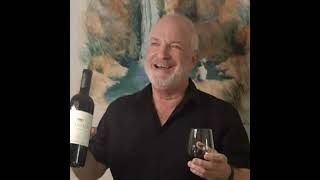
In this episode of The Kosher Terroir, host Simon Jacob interviews veteran wine writer and industry insider Adam Montefiore. The conversation begins with a historical overview, highlighting Moses Montefiore’s 19th‑century vision for Jewish agriculture and the early vineyards of Jerusalem, and traces the development of Israeli viticulture through key milestones such as the founding of Mishkenot Sha’ananim, the first commercial wineries, and the role of the Rothschilds. Montefiore then discusses his two 2023 books – a biography of Castel and a history of the Golan Heights Winery – using them to illustrate the Israeli wine revolution, the rise of boutique and large‑scale producers, and the integration of kosher certification without compromising quality. The interview moves to the present, detailing how the recent war has devastated the wine sector: harvests disrupted, staff conscripted, sales plummeting, and the need for international support through purchasing Israeli wine. Montefiore outlines practical ways for consumers abroad to help, from ordering online to lobbying retailers to brand Israeli wines as a distinct Eastern Mediterranean category rather than a generic “kosher” label. The discussion also covers the evolution of kosher winemaking practices, the debate over mevushal wine, and the importance of placing Israeli wines alongside regional counterparts on wine lists. Finally, Montefiore reflects on his own career – from a beer manager at Bass Charrington, through hotel wine service, export, and writing for the Jerusalem Post – and shares his optimism about future innovations such as the Raziel label, new Mediterranean varietals, and long‑term sustainability initiatives. The episode closes with a call for listeners to pray for Israel’s soldiers and hostages and to support the industry by buying Israeli wine.
Chapters
Welcome to The Kosher Terroir. I'm Simon Jacob, your host for this episode from Jerusalem. The Kosher Terroir is a show dedicated to all topics wine-related in the kosher world. Because of that focus, I'd like to ask of you a special favor. Wineries and winemakers here in Israel are again faced with outside influences that are threatening their entire industry. This war has virtually stopped tourism, and the enlistment of so many soldiers has basically shut down most businesses, especially restaurants. Israel needs your help now, and one of the most pleasant and significant ways to help provide support is to buy Israeli wine. The commercial infrastructure is already in place, and this is a very pleasant and meaningful way to show your support of Israel during these difficult times. The following is a conversation with Adam Montefiore, a wine trade veteran and winery insider turned wine writer who has contributed to the advancement of Israeli wines for over 35 years. He is the wine writer for the Jerusalem Post and has been called the English voice of Israeli wines and the Robert Mondavi of Israel. Please sit back, relax, and listen in on this informative and enjoyable conversation. Welcome, Adam Montefiore. It's a pleasure to have you on the Kosher Terroir, and it's Really incredible to have you here in Yemin Moshe.
Thank you very much. First of all, for me, it's always a pleasure to come to Yemin Moshe. Secondly, I want to congratulate you on the podcast, which fills a niche, and you have informative guests, and I'm an avid listener. So, wow.
Okay. Thank you. Thank you very much.
It's a pleasure to be here. For me to come to Yemin Moshe, is, uh, part of my family history. And most people don't know that Moshe Montefiore, Moses Montefiore, was a great wine lover. He drank a bottle of wine every day. Um, this is, this is written. The wine was probably port, which the English used to like in those days. He was born in Tuscany, in Livorno, um, and, um, he was the first person really In 1839, he laid out his vision that Jews should return to agriculture, that he wanted them to plant vines and olive trees. He noticed how well they grew in Eretz HaKodesh, in the Holy Land, and he had that vision long before— I mean, he was a forerunner of Zionism, and he had that vision which he laid out before the first recorded winery, which was Gineo, in 1840. Um, and he was also involved and met, uh, the father of Rabbi Yitzhak Shor that founded, uh, the Shor Family Winery in 1848. Wow. So, um, he was influential. He thought that Jews should return to agriculture, that they should work for a living instead of just receiving charity from overseas. And this was his— the principle behind him founding, uh, Mishkanot Shaanim. When Mishkanot Shaanim was founded, it was called Kerem Moshe v'Yehudit, Moses and Judith's Vineyard, because it was covered in wild vines and olive trees when it was founded. And it was only in 1860 that they changed the name to Mishkanot Shaanim. And this became the cornerstone of modern Western Jerusalem. He bought the first land, Jewish land, which started off the citrus industry in, in Jaffa, which became the Montefiore Quarter of Tel Aviv. And he was a wine lover. In his diaries, he used to drink wine from Israel. He usually drank wine called Hebron wine, because wine was named after where it came from, not from the variety, not from the style, but from where it came from. So he drank Hebron wine, and he bought small casks of wine to take home. When he traveled abroad, he visited wineries. In his diaries, he visited a winery in Germany once So he was a real wine lover, and he visited Israel in the time when Jerusalem was resettled. At the beginning of that century, the 19th century, there was a Muslim majority in Jerusalem. After the founding of the wineries and the development of Jerusalem and Western Jerusalem, Jews were the majority. By the time the Shor Winery was founded, there was a Jewish majority in Jerusalem, which Most people today forget. I mean, most of the people abroad should know that there was a Jewish majority in the Old City in those days. Um, and, uh, Moses Montefiore, when he bought the land here, he insisted that everyone at Mishkanot Sha'anim should plant vines and olive trees to get a feel for agriculture. Of course, he was a prophet, he was before his time, and the grapes they used for the wine were the grapes that people are talking about now, the Hamdani, Jandali, Tabuki. So in those days, the Shore Winery made wines from, from those grapes, which is amazing because what turns around comes around. They're now become so popular again, or there's great interest in them. And of course, the first Jewish vineyards were planted by Mikveh Yisrael, the agricultural school, and they were the first to go to the south of France because they thought the climate of the south of France was similar to here. And that's when Carignan was first planted. And then Baron Edmund de Rothschild came and planted the first commercial Jewish vineyards. But the prophet beforehand that started talking up agriculture and said Jews have to become farmers again and plant vines was, was Moses Montefiore.
Wow. It started right here.
It started right here. And for me, it's very exciting to come back. And even the windmill today is, is a winery visitor center, which is quite, quite appropriate. And he built the windmill on the premise, if there's, if there's no, if there's no flour, there's, if this—
Ain Torah.
Yeah, exactly, exactly. If there's no flower and the opposite too, the other way around. So, uh, so his idea was that we should study and work, uh, work and study. He was Sephardi, married Ashkenazi, um, and I think he'd be horrified to think, uh, so many years later there was still a kind of division politically, maybe, between the two. But he was, um, he was a forerunner of Zionism, great wine lover, and even before he died, he had 3 glasses of port on the evening that he died, and that was his way of, uh, going off to the next world.
So you've actually just published a couple of incredibly well-written and very interesting books which document the history of two of the most important Israeli wineries. You want to talk about them a little bit?
Yeah, sure. I mean, they both came out in 2023, which is, which is quite surprising. They both came out together. Of course, they weren't written together. I wrote the book about Castel, Castel, the biography, Domaine du Castel, the biography, which is really the story of Elie Benzaken. His family and the winery. And it's a fantastic story over, over 30 years. It could be a film. This is a boy born in Egypt, spent his childhood in, in Italy, went to school in England, to university in Switzerland, came to Israel and didn't really succeed in, in much of what he tried to do. He had many ventures and then fell on producing wine as an amateur winemaker. He learned out of a book how to make wine, and because he was a crazy perfectionist, it seems that that— there he found his métier, there he found his place. And of course, Castel is today, um, what, you know, arguably our most famous small winery. And the story of this journey from international traveling to different countries, pioneering, becoming a, um, uh, halutz in Israel. And, uh, he really built an icon. And today Castel is probably, possibly the most famous kosher winery in the world. Maybe, maybe I'm not exaggerating, um, but, uh It's a fantastic world-class winery regardless of whether it's kosher or not. Um, and I was proud to write the book. I wrote it in 2021 and it was published and launched in May this year, and it's a great read. It's an Israel success story, and that really covers 30 years of Israeli wine. The other book I wrote, which has only just been published in English now, is the Golan Heights Winery, uh, celebrating 40-year anniversary. The book was published in Hebrew as well. The Hebrew version was published in June. The English version is published literally this month. Um, and this—
hoping that— by the way, I was hoping that— I was wondering if there was going to be an English version.
Well, I wrote it in English.
Okay.
It was written to be read in English, so I too was delighted it came out in English. Um, and, uh, This is the story of the Israel wine revolution. The Golan Heights Winery was the pioneer of Israeli wine, was the first winery to, to plant vineyards at high altitude vineyards, to bring new world winemaking techniques to Israel, to bring expertise from abroad. Yarden was the first brand to win awards internationally, regardless of whether they were kosher or not. And they've continued to be the dominant, one of the larger wineries. The viticulture today is, I think, some of the most advanced in the world. Victor Schoenfeld, the winemaker, has been there 30 years, 30-plus years, and they continue to be the leading of the, of the larger wineries. And both the stories really tell the story of Israeli wine. From the wine revolution onwards, the wine awakening onwards, started in 1983. So the Golan Heights Winery, 40 years old, and Castel, 30 years old. These two stories are both Israeli success stories. They're both stories of people succeeding beyond the odds, and they've really brought Israeli wine to a place far removed from the Israeli wine I remember, um, uh, you know, 40 years ago, right?
Two impressions that I have when I go into Castel: it's so beautiful. It's just a beautiful place. Um, the, the winery is beautiful. The barrel room looks like a 5-star restaurant, and I'm sure you could eat off the floors. Yeah, um, which I don't think that there's a barrel room, uh, in Israel. I know there's some incredible barrel rooms in France.
It really is a Beit Mikdash of wine. Uh, it's, it's an amazing place. Um, and you see the perfectionism in every, in every step. I mean, when he made his first wine, he decided on the label. He produced only 2 barrels, 600 bottles. The wine was wrapped in paper, the logos barely changed. So he made a wine which could have been a one-off. I mean, he might have made one wine and that was it, but even then he made it as though it was the, the, the only wine he'd ever make, and he wanted it to be perfect. So the fact that he's barely changed the label in, in 30 years, um, and he's still creating. I mean, he's now founded the Raziel Winery, um, is, is amazing. And he's, uh, um, a beacon of quality, of style, uh, and has really influenced, uh, Israel wine, um, as has Victor Schoenfeld and the Golan Heights Winery. So it was a great honor for me to write books for these two wineries because they are the wineries that really created the wine revolution in Israel.
Yeah. And both in different ways, both in really different ways. I mean, Eli Ben-Zaken has a bit of chutzpah in him to come out and name your first wine Grand Vin.
Yes.
Is like, are you kidding? Uh, but that's— but it is, it is Grand Vin. Speech has a certain power in, uh, in, in Judaism. Um, and when you call something by a name, you empower it. And I don't think he could have picked a better name.
Well, not only that, but it was Serena Sutcliffe, a master of wine, head of Sotheby's wine department, who tasted the wine by chance. She was given a sample. The story is in the book, and she wrote back, this is the best Israeli wine I've ever tasted. And on the basis of that, Eli had the confidence to continue to grow the winery, and they went through many ups and downs, many financial problems. Um, and the, the story of perseverance and determination is, is as important as the success. So, um, it's, it's a, it's a wonderful story. and you don't have to be a wine lover to— for it to be a good read. Um, and the Golan Heights Winery also, I mean, they were more, uh, based in Californian style. The, the, um, the winemaking consultant was from California. All their winemakers have been from California. Uh, Victor Schoenfeld was in California. Um, and they, uh, won the prize from the Wine Enthusiast as the best New World winery in the world. So one particular year, which was a massive prize for an Israeli winery against all the New World wine countries in the world. So the success of these two wineries have, have really propelled Israeli wine forward and encouraged other wineries to try and emulate them. The Golan Heights winery is a large winery. The Kastel is what we call in Israel a boutique winery, which is not a great terminology, but, uh, because it's actually gone, it's, it's a pretty big winery to be. Yeah, I know it's 400,000 bottles, but still a small wine, you know, small winery in, in the terms of the what a big winery is. Uh, but you're right, it's no longer a, um, a tiny winery.
Right.
Um, but the story of both of them is the story of Israeli wine. And it was my honor to write them both, and a lot of work that they coincided roughly, uh, but great to see them come out, and they both made beautiful books.
I wish you the best. I wish you the best with them. I know both, um, Eli and, uh, and Golan Heights Winery are both very proud of those books, so I saw them, I saw them being promoted by both of them.
Yeah, I mean, you You can, you can buy them from the wineries concerned. You can visit from the visitor centers, or you can, you can ring them up and I'm sure they'll post them to you if you pay the postage. So they're both available. And Golan Heights Wineries in Hebrew and English, and the Castel book is in English only.
They're also now symbolic of where Israel is going towards the future. It's not just the past. Golan Heights is very technology-driven, but Eli Ben-Zaken's move with opening up Raziel is— it's a way to be creative. It's really moving forward into those— into the new Mediterranean, warmer climate. varietals and even Golan Heights has been, um, kind of experimenting with, but they've been experimenting for a while with different, uh, new Mediterranean varietals. But, um, Raziel is just incredible.
Yeah. The Raziel, uh, red is, uh, I've had that wonderful wine, very focused, very elegant. And you know, Eli's done it again.
Yep. 19— I, I had the 2017, I think was the first vintage of that, and I, and I, I, I was surprised by it. I fell in love with it. And he's brought out a— he's basically, uh, trying his hand at a whole bunch of new sparklings, including, uh, a rosé sparkling, and also through Raziel. And, uh, and it's wonderful. Just—
well, it's keeping him busy. I, I think that one of the most heartwarming things about the winery is the way the family is geared up. They're already heavily involved. Eitan is already making the wine, and it shows that the Castel will continue for another generation, for many generations, I'm sure. But it's, it's very heartwarming to see how, how they've geared up to the future. Um, at Castel. And the Golan Heights Wineries is a winery that's always planned long term, which not many Israeli wineries do. I mean, when I say long term, to the next generation. They've led the way with their replanting vineyards which had virus. They had their nursery, their own nursery, to show they had clean plant material, and Uh, they've also led the way in the move to sustainability. Um, so both wineries have given so much, but both of them are looking long-term for the future, and I'm sure they'll lead Israeli wine for many years to come.
Very cool. All right, I have a—
I have—
since you've got your finger on kind of the pulse of the Israeli wine industry, um, and I know you've spoken recently on Nachum Segal's um, program in, in the United States. Uh, can you give me a, like, kind of an update as to how this war is impacting, uh, the Israeli wine culture and/or industry?
Well, in the local industry, it's been an absolute disaster, but I, I don't want to downplay what everyone else is going through because The disasters befall on Israeli wine has happened to all Israeli agriculture. But because I'm in the wine bubble and wine is my interest, I talk about wine. So firstly, I want to apologize talking about wine because it's clearly something very important— unimportant these days. Secondly, there are a lot of agriculture— I mean, anyone who can go and pick strawberries or pack eggs or whatever you can do to help is important. But if I just talk about wine, wine sales dropped suddenly. The opposite of COVID COVID, people drank more wine at home. It was a big surprise. But here, wine sales have dropped. No one's in the mood to drink wine. The country is in depression, the economy is in dire straits, it's tanking, and wineries are suddenly finding they have big problems. They had to bring in the red wine harvest, a lot of them after October 7th, and a lot of workers were called up. Some winemakers were called up to reserve duty in the IDF. Amichai Loria told me he was left with only 2 workers. And they've had to bring in the harvest, they've had to make the wine and continue running the winery while a lot of the staff are either being called up or young families have had to stay at home and look after their children who didn't go to school. Wineries have had to make special arrangements. Uh, when the air raid sirens go off, they have to have safety procedures, uh, in place. Um, and so the local market— a lot of people have been displaced. People forget that, uh, we have a country full of refugees from the Western Negev and from the Upper Galilee.
Yeah.
And the Upper Galilee is a big area for vineyards. So, um because the wine industry is suffering so much. I was one of those, along with a lot of other people, that started a campaign to try and get people abroad to buy Israeli wine. What can you do to help Israeli wine? And the answer is put a bottle on your table today. And this is something that people abroad can do. I said you should go into your local retailer and ask for an Israeli wine, even if they don't stock them. You should ring your importer, the importers of Israeli wine, to say, where are the wines listed? And buying Israeli wine is a very easy way of helping because not only is it good for our economy, it helps the growers and the winemakers, but it also puts Israel up front. I always say you can't give high tech as a present, but you can give a bottle of wine. And there's nothing that represents the people of Israel and the place of Israel like a bottle of wine. You know, wine is a product of people and place, and so really it's the most, you know, it's the best ambassador of Israel that can be. And we really need the help of our, the local communities, the Jewish communities, Zionists abroad, people who admire Israel, to get behind Israel at this time. And for those in Israel, I know wine is not important at this time, but I just want to put it out there that a glass of wine can make you feel better. You know, I often say, 'Have a glass of wine, you'll feel better,' and it's better than Prozac. So, you know, use wine wisely, don't let it use you, but a glass of wine when you're under stress and everything seems above you, and you're weighed down with responsibility or sadness, sometimes a glass of wine can give you a pickup. So that's what I say to Israelis. But the main message to people abroad: support Israel. And this is a way it's very easy to support Israel. Of course, it's better to send money, clothes, equipment, food for soldiers, and I hope people will do that as well. But from my vantage point in, in the wine, um, just simply buy a bottle of wine and play your part. And that's, that's a message to everyone abroad.
So one of the things that's interesting is the United States is a big place, and a number of people listen to this podcast literally across the US, and they go and they say, well, you know, I don't have a local wine store. How do I buy wines? And now in the United States, there's some, you know, over the internet, there's a number of ways, you know, kosherwine.com, that you can order a specific, you know, quarter case, half case, full case of wine that's specially priced and they deliver it directly to your doorstep. You don't even have to make, uh, yeah, a big effort to, to produce it.
It's a new world. So, so it's very easy to, to, uh, to do it. And, um, and quite apart from the effect, uh, for, for the industry, it makes you feel good too, because you feel you're doing something. So it's as— so it's a win-win-win situation for all concerned.
But you are, you're doing something that's fun But it's also for you, but it's also, uh, there's a huge Israeli wine infrastructure and it supports a lot of people and a lot of families. So I, I, I agree with you, there is a sense of guilt of even talking about wine right now. We had— I, I actually, um, didn't put out a podcast for a week and I was, you know, I, I was feeling like What am I going to speak about this, uh, a decadent wine podcast or what have you? And, um, and all of a sudden people reached out to me and they said, it's Thursday, where's the podcast? And I said, well, I decided, you know, to hold back. And they said, don't do that, we need this, especially now. And a number of Israelis, a number of Israeli wine people actually reached out to me as well and said Look, yeah, but what we're fighting for is for us to live our lives, not for us to be depressed and not for us to be cowering in a corner. But we're, we as soldiers, I mean, I had comments from soldiers who said, we're on the front line fighting for Israel to be Israel. And this is part of it. And You know, if you've got a celebration, go out and celebrate. If you've got a, whatchacallit, if you've got some sort of a birthday or what have you, go to the restaurant, enjoy it. This is what we're fighting for right now. We don't want to become, you know, play to Hamas in any way. So I said, okay.
And that's why I'm traveling. Life goes on.
Yeah, it has to.
And, you know, I have I have this disc you can see around my neck, which is for the people in captive, the kidnapped families, hostages, which I won't take off until they come back. But life must go on because Hamas would like beyond anything for Israel to cease to be, to cease to live. And we have to continue to live our lives and to mourn and to be aware and to give focus and not forget. But at the, but at the same time, we have to continue, uh, as normal as possible. And that is the secret of Israel's success as well. So you're, you're right to continue.
Yeah. Okay. So we've spoken about all of the very major things in, in the world. But I'd like you to tell me a little bit about yourself. How did you come on the scene? How did you get involved in wine? What drove you to wine? You're such an important part of the Israeli wine community.
Thank you.
How did you get there? What, you know, what started that dream?
Well, I started off in beer. I was born in Born in London, brought up in England, started working in the drinks industry in England a long time ago, and I worked for a company called Bass Charrington. And Bass Charrington was the largest brewery in England, the largest hotelier in the world at that time, and the largest— and they had wine interests. They owned châteaux in France, and they had a 300-year-old wine and spirits company. Shipper with sellers under Regent Street in London. So Bass Charrington was a company that doesn't exist anymore. No one's heard of it, but 30 years ago, 40 years ago, it was— everyone would have heard of Bass Charrington. So it was a brewery, the largest brewery in, in, uh, the United Kingdom. I started in beer, and, uh, I was put in about 1978 they had to give some names to a wine course, a WSET wine course.
Wow.
And I was put on the course to make up the numbers. Oh, we'll give you another name. And I studied there at WSET, then did another course with WSET. The— when I finished the course, I was given a book. I was given the Hugh Johnson Pocket Wine Book as a, as a present for finishing. And for the last 28 years, I've been the Israeli person writing the text on, on Israel and some of the Eastern Mediterranean countries and North Africa for this same book.
I never knew that.
Yeah, so that— this was, this was an amazing beginning for me. And gradually I moved from beer to wine, which I found a whole, uh, much more rewarding, much more complex world. And my last job before making Alia was wine manager for their hotel division. And we put Yarden Wines on the wine lists in 50 hotels around— 55 hotels around England, around Britain. And it was the first time that I started pushing the Eastern Mediterranean. It's also a baby of mine, which is over the years that I believe Israel is not an island and kosher is not a country. So we're part of a region, and the region is the Eastern Mediterranean. So our wines should be on the, on the, on the shelves in the wine shops and on the wine lists under the heading Eastern Mediterranean, alongside Lebanon, Turkey, Cyprus, Greece. And this is our wine region. So I started in my hotel days pushing this Eastern Med— you know, Israel's part of the Eastern Mediterranean. I've never really stopped since, and I think I was probably the first to push this concept of Israel being part of a wider region.
There's a lot of people who are very interested in—
and now everyone's doing it, but I was doing it 30 years ago. And, um, so I was wine manager of the hotel division. We had a lot of success. Uh, we had press saying our wine lists were way, way ahead of the competitors. Um, and we had a wine program including sommelier wine competitions. Um, and then I made Alia in 1989. Of course, as part of being wine manager of this hotel division I started to get to know Yarden Wines, and I worked with Yarden Wines from 1986 as a customer. I then made Aliyah in 1989, and I went to Yarden and said, okay, here I am, I'm ready to work for you now. And they said, wow, we're too small, we, we don't want someone like you now. So I joined Carmel, what was then Carmel Mizrahi, Uh, I worked for them for 2 years, uh, in wine education and in hotels and restaurants because on-premise was my, my bag, what I was good at.
Um, and, um, and that's become, just so people know, that has become the absolutely critical distribution channel for Israeli wineries.
Sure.
Through restaurants and hotels.
Sure.
It's absolutely critical. I mean, that's more here than I've seen in any other country or any other place in the world.
Yeah.
So yes, it's, it's amazing.
So, uh, so that's— I worked 2 years for Carmel, then I joined Jardin. We started Presse Jardin, the Jardin Award for Wine Service, which until today is the main wine, uh, waiter competition. Uh, we had this first sommelier course in, in Israel. And I also became the export manager, and that's when I first became like a kind of spokesman for the Israeli wine industry abroad because I was an English speaker. And working for Yarden, we, we got everywhere. So every wine exhibition, we were there. And, uh, people abroad, if they wanted to know about Israeli wine, started to ask me. And, uh, so I worked for Jardin for 11 years and then, uh, went back to Carmel and, uh, worked in export for a few years. And then I became the wine development director for the local market. Um, and, um, in 2016 I left Carmel, uh, and I went independent. Um, so, um, the first part of my life was really hotels and restaurants, sommeliers, wine service. The second part of my life was marketing, uh, uh, winery marketing, export. And the third part of my life started in 2016, which was really writing and being a consultant. Um, and, uh, I became the wine writer of the Jerusalem Post, in fact, since 2010. Uh, and every week 2 weeks there's an article. I think it's probably the biggest printed wine column in Israel, in Hebrew and English, double page in color, 2,000 words. And so I'm the wine writer of the Jerusalem Post today. I'm a wine consultant to certain wineries, and I tend to be a person, you know, the I continue to do the Israel entry for the Hugh Johnson Pocket Wine Book, which is the biggest selling wine book in the world. And I also, with Eran Peek, do the Israel section for the Oxford Wine Companion, which is the top textbook for people wanting to learn about wine. So, I, you know, I'm sort of an English-speaking voice for Israeli wine abroad.
That is quite a history. I guess it's introduced you to just about every single winemaker in the country.
Well, I used to— there was a phase when I knew every winery in Israel and every import, but that's long gone.
Yeah.
Once, you know, now there's a new winery every day, and the imports, you know, we import, you know, once the imports of wines to Israel was quite small, and now it's really taken off in the last 5 years or so. So people can get wines of any type from any country, and the big explosion has been in kosher wine, wine imports. Suddenly there's a lot more kosher wines from around the world than there were 20 years ago.
Yeah, well, that's, that's true as a whole. They just haven't been, but now all all of a sudden the kosher wines are— it's amazing. It's awesome. Being a kosher wine drinker who was always exposed to other wines but never able to drink them, I'm enjoying greatly the situation right now with all the different kosher wines, especially the kosher wines that are coming out of Israel.
And the Castel Grand Vin of 2003, Yeah, was the first. Was, was, wasn't the first, but it was the first, um, that, uh, suddenly people, the third-party recognition from around the world was even greater for Castel once it was kosher. So it was, uh, really flagged up the, the statement that, uh, the kashrut heksher is irrelevant to the quality of wine. Just because it's kosher doesn't mean it's not a good wine. If it's well made, it's a good wine. If it's badly made, it's a bad wine.
No matter.
And whether it's kosher or not, it's not important, right? So Castel becoming kosher was the one that really put that, um, that slogan to rest, that kosher wines can't be good. Um, and now we're in a different place entirely. Most of, most of the wine produced in Israel is kosher. Um, there's a lot more kosher restaurants. There's a lot more kosher wine made around the world. And it's a kind of paradise. And when you think where they were in the, in the mid-'80s or the early '80s, when the, when Hagafen was founded in '79, the Golan Heights Winery, and then the Herzogs started making quality wine and making wine in different countries, the, the upward acceleration in terms of quality in the last 40 years has been simply astonishing.
It's not even 40 years, the last 20 years, the last 10 years. It's just, it's accelerating. It's definitely one of these exponential curves because the quality of some of these vineyards has become really awesome. Actually, I had, I tasted Castel. Half of the 2002 vintage was kosher. Yeah, so I tasted that. So I tasted that, but then in 2003, it was full on. The whole vintage was made kosher. And it's been amazing to me watching these different wineries take on being kosher and just watching them explode with just fantastic wines. Just superb.
Flam, Wittgen, Sourin. Yeah, are good examples where they effortlessly made the change.
Well, I, I don't know if it was effortlessly, but probably not.
Yeah, but it's probably tough for a hands-on winemaker, but you quickly get used to it.
Yeah, I, you know what I've noticed with the winemakers that I've spoken to? They are all, um, they're all incredible detail-oriented, incredibly detail-oriented, and, uh The non-religious winemakers who can't touch wines, I could honestly see why they really don't want to be kosher, because they— this is their baby. It's like bringing up your child through nurses who touch the baby and do everything, and you can't, and you can't put your hands on them. Um, it's— that's very, very difficult.
Listen, the history of kashrut is very interesting. One day you might cover that, but let me tell you that Carmel is really the— Carmel Winery is really the, the main ambassador of kosher wine and being kosher, uh, for nearly 140 years. And yet up to 1983, the people that worked in the winery, even at this bastion of kashrut, were not necessary Shomrei Shabbat. Even David Ben-Gurion worked in the winery in 1907, and he worked in the winemaking, and he wasn't a religious Jew, but he was Jewish.
Yeah.
And the fact is that kashrut has got far stricter, and it really can be dated from the 1980s when Shas was founded in 1983. Suddenly people realized that that kashrut had a— there was a lot of money in kashrut. It became very competitive and it became a lot stricter. But in the olden days, and people at Carmel whose fathers and grandfathers worked at the winery can support this, they weren't as strict as they were now. And what I say to you is that, you know, if the winemaker's Jewish and he's not an idol worshipper, then, you know, you can argue about the kashrut. Then, of course, when Shaw made winery, made wine, Shaw Winery made wine, there was no kashrut certificate, right? You didn't, you bought from a Yaakov that you knew who made wine because you knew he was a good Jew, but you, there was no kashrut certificate, there were no bottles.
Right.
So, uh, there was no formal, uh, rabbinical, uh, control on the production. So the history of the development of kashrut is, is fascinating. Um, and, um, today you have Zoar giving a kashrut certificate.
Yeah.
Um, on, on a totally different basis, which they, they believe is, is closer to, to the, um, to the original halacha. But, uh, it's, it's not for me to argue this with you, but it's an interesting program.
You wouldn't be arguing it with me at all. Let me tell you, you would not be arguing it with me at all because I'm, um, one of the people in that camp. Uh, I, I believe that we really need to accept Jews. And if a Jew is the person who's involved with what's going on, I'm very much—
If he's Jewish and is not an idol worshiper, then according to halacha, yeah, they're fine. So, but it, but, you know, it's, things develop with time and with competition and it's, it's even goes with me.
It involves walking into a restaurant and though in the United States you can't get wine that is not mevushal, that's not mevushal. The issues that I have is when you walk into a restaurant, I like the person, the waiter or the waitress, to ask me, "Do you want to open the bottle?" or what have you. But I ask them, "Are you Jewish?" And when they say, "Yes," I say, "No, I'm not. I want you to keep Shabbat. I want you to grow. You're a Jew, just like me. As far as I'm concerned, please go ahead and open the bottle, and I will drink it." And I don't want to give you an excuse to say, no, you're not Chermichov, no, forget it.
So I would prefer that the responsibility was on the drinker, as you say, that you had in a, you know, in England, you don't have to have Mevushal wine in a restaurant, but you might write on the wine list, if you want to open your own bottle of wine, please ask for an opener.
100%.
And so I believe the responsibility should be on the drinker. Because they, they know what they want. So if the drinker doesn't want to open the bottle of wine, they can get the waiter to, but if they want to, or a mashgiach to open the bottle of wine. But the responsibility, as it is with kashrut, you decide which restaurant you're going to eat in. Yeah. Which heksher is good enough for you. So, so it's a pity for the world of kosher wine that in America They only have yain mevushal in restaurants. It's a pity, but it's, you know, it's something that we know this is America. But kosher restaurants in France and England don't have to be kosher.
They allow you to control your own destiny with regards to that.
And they will try and have a mashgiach who's a Somali who opens the bottle of wine. Yeah, um, for catering I understand it.
Yeah, um, also for by the, by the glass, which is one of the things that you innovated, um, was wine by the glass.
Oh, you've done your, you've done your research.
I see a little bit of homework. Yeah, um, that, uh, that, that presents problems, um, for people, but I think that that's not an issue. That's not really an issue that you can't deal with. Yeah. So, or you could open it yourself. So as long as you—
I think the most important thing in America, in the market, is brand Israel. Firstly, every time there's a kosher restaurant or a kosher wine store, sorry, a wine store selling kosher wines, Israel has to be branded in kosher. So it's unacceptable that there's a heading kosher, and Israel is part of kosher. Israel has to have its own section and to be marked Israel on the wine list, and also, you know, for branding of the country. And also, I believe, as I've said, that in, in quality retail stores, Israel should be taken out of kosher because Israel is the only wine country that's kosher that crosses over, that really crosses over. It's the only country where you could say the best wines are— happen to be kosher. You can't say that in California or in France or anywhere else, but you can in Israel. So Israeli wines, where possible, should be taken out of the kosher shelves and put— if it's a Cabernet Sauvignon, under the varietal Cabernet Sauvignon, and if it's regional, should be put in under the Eastern Mediterranean. Where they are today is under a heading which says rest of world or others, but you've got Greece, which has turned into a massive, uh, popular wine country. I see they've just produced a kosher Greek, uh, cuvée.
We can wait on that one.
Yeah, yeah, but, but, but, uh, Israel should be, should be marketed, uh, on the shelves alongside countries of its region. And in kosher, it should be marketed as Israel. So these are the two pleas for wine retailers and people who have wine lists. You know, if you have a wine list and you put Château Moussard from Lebanon— sorry, we're talking non-kosher now— and you've got Yarden and Castel, they should be— and Assyrtiko from Greece, they should be under a section, Eastern Mediterranean. Or Near East or ancient world or whatever they want, the Levant or whatever they want, but they should, they should be under a heading rather than others or just listed as the extras with, without a home. So the branding of Israel is very, very important. And certainly within kosher, I, I always hope to see Israel listed and branded as a separate area within within kosher. Very important.
Especially, well, at one time there were only a few, but now there's so many wineries, really so many wineries globally that are kosher, that it's really important to do that. I mean, and actually now with the war, some of the distributors are putting together packages of Israeli wines in order to distribute. Um, so for people who want to specifically, uh, support Israel in that, but you're right, as just as a whole, that's the way it really should be, uh, segmented.
I mean, I'm biased, but I think the best range of kosher wine and the best quality of kosher wine in the world is, is Israel. And, um, you look where Israel was 20 years ago at a company like Royal Wine, and where it is today, you see that Israel is probably the sector that's growing fastest within the kosher sector. Um, and, uh, so you could see why companies like Royal Wine have suddenly, you know, they have 40 Israeli wineries or something, which is unbelievable, unbelievable support. So, um, Israel is at the moment very hot in the kosher world. And people see it as an exot— outside kosher, people see it as a slightly exotic wine country. And so it's like the wine lovers say, why Israeli wine? I haven't tried that, I must try it. So there's like an interest amongst sommeliers and wine buyers outside the kosher sector to try it. So, uh, we're riding a bit of a crest of a wave which unfortunately has all the political problems thrown in with it as well. But we've always had political problems, uh, you know, with, with Israel. I used to be— I used to go, um, selling wine. Uh, I remember once giving a presentation in Poland about Israeli wine, and someone asked me— where, where the Poles I used to work with were very loyal and very good to Israel— uh, a winemaker asked me, uh, um, I was expecting a question about Yarden, the, uh, complexities and the, uh, the taste, the aromas. But I got a question: why should we sell Israeli wine when you kill children? So I learned pretty quickly that selling wine abroad wasn't just about wine. You also had to be diplomatic. You also had to cope with a lot of antisemitism. And I think where we are now is more of the same. I mean, it's just probably going to get a lot worse before it gets better. So Israel wine has always coped with these problems, and it appears we're going to have to cope with them for another generation at least. But at least there's a lot of interest in Israeli wine from people that understand wine, and it's our job, my job, your job, to keep Israel at the forefront of the kosher wine world and of something which is in the forefront of the Eastern Mediterranean, which after all is the country that gave wine culture to the world. So we have a regional job and also in the niche market of kosher to keep Israel at the forefront.
Adam, I've taken up a lot of your time, so I just, I really want to say thank you for being here. Any closing comments that you wanted to make? Do you have any?
Well, I got a closing comment that I made at the beginning, and that is It's very— your, your blog, your podcast is very important. Continue. It's very important for us. It's very important to, uh, you know, wine is not about a drink. It's not fermented grape juice. It's about people, the people that make it, the people that grow it. Um, and that's what makes wine different from Coca-Cola. So your, uh, podcast is very, very important. I was delighted to hear you've done it. It seems totally suitable for someone with your knowledge and experience with wine and your love of wine, which is overflowing, to do it. So when I received your call, I was quite delighted and quite honored that you should ask me. And I want to say, like, I want to say, Yeshakoch, continue and don't stop.
Yeshakoch to you. Hazakuboruch to you. It's a pleasure. It's a pleasure seeing the articles and it's a pleasure seeing your name pop up in every place. I mean, it just is, it's ubiquitous across the Israeli wine industry and across the kosher wine industry.
Well, I've been around a long time, which helps.
But it's also, you do, you're involved. You get very involved in so many things that are necessary today. There's so many new wineries. And you really give a face to all of Israel. So thank you.
Thank you very much.
It's a pleasure to have you on the podcast.
Thank you.
Good luck. Thank you for being on The Kosher Teruah. Toda. Thank you. Bye-bye. This is Simon Jacob again, your host of today's episode of The Kosher Teruah. I have a personal request. No matter where you are or where you live, please take a moment to pray for our soldiers' safety and the safe and rapid return of our hostages. And whenever possible, buy and share Israeli wine. I hope you have enjoyed this episode of The Kosher Teruah. It was exciting and informative for me as well. Please subscribe via your podcast provider. To be informed of our new episodes as they are released. If you're new to The Kosher Terroir, please check out our many past episodes. Again, thank you for listening to The Kosher Terroir.










