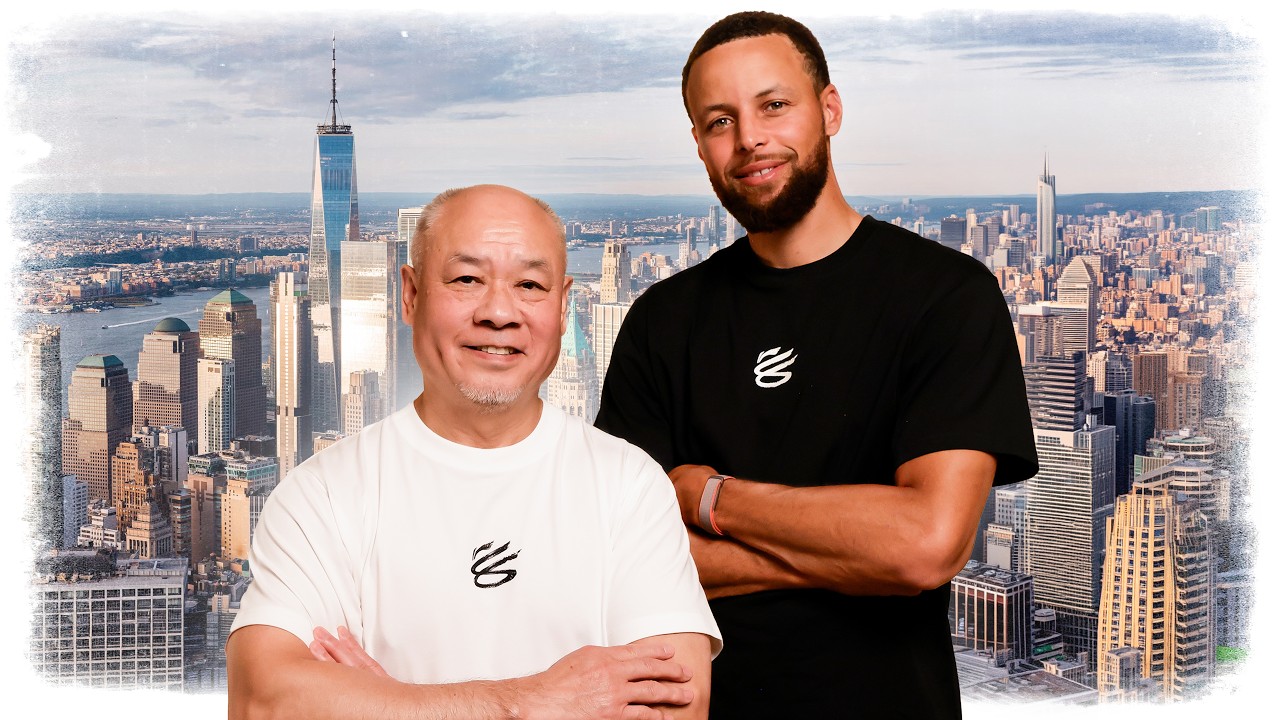
Lee Elder on Breaking Barriers in Golf and Wisdom for the Next Generation

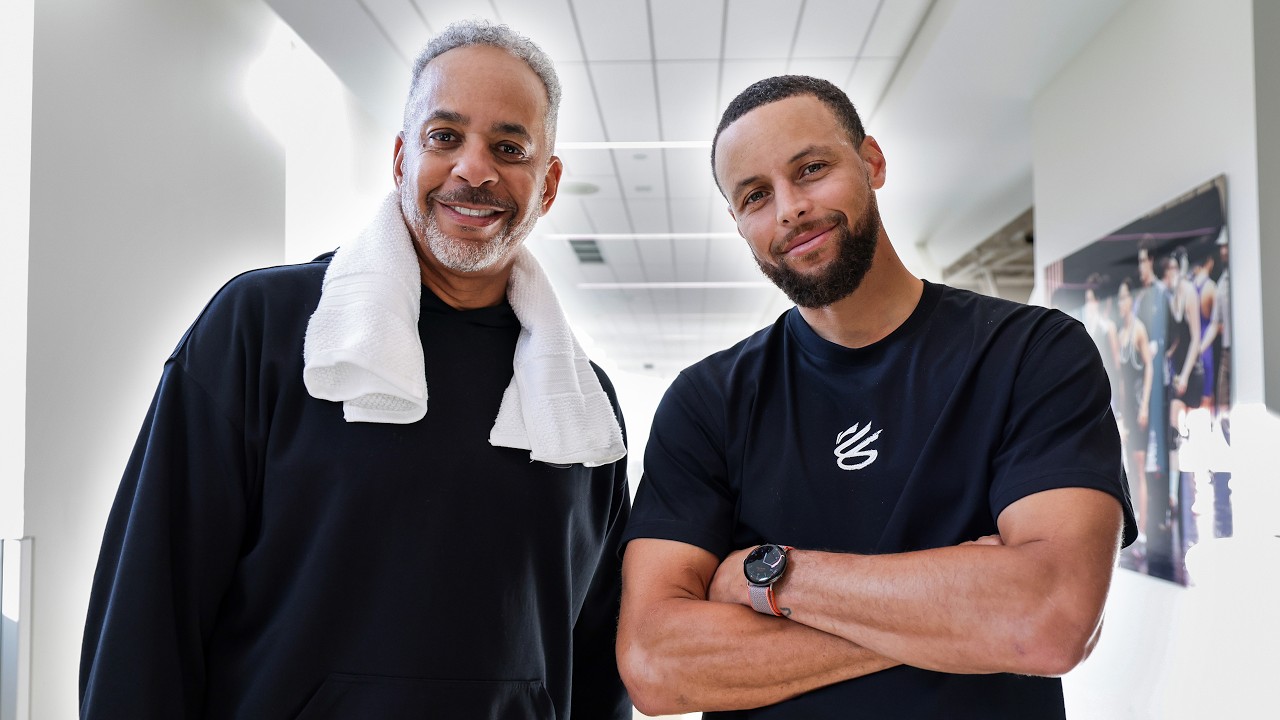
In this interview, NBA star Stephen Curry sits down with pioneering Black golfer Lee Elder and Ace Kids Golf director Preston to discuss Elder’s historic achievements, his lifelong commitment to expanding access to golf, and ongoing efforts to empower the next generation of diverse players. Elder recounts his trailblazing moments—becoming the first African‑American to play the Masters at Augusta National, competing in the 1979 Ryder Cup, and founding a golf team at Howard University—while emphasizing the importance of mentorship, youth programs, and the mantra “stay the course.” Curry highlights his partnership with Elder and the Curry Brand to fund 75 scholarships for Ace Kids Golf, a Bay Area junior program that has served over 8,000 youth since 1998, especially during the COVID‑19 pandemic. Preston describes how Ace Kids Golf provides structured, life‑skill‑focused golf experiences to roughly 850 children annually, filling a void left by pandemic‑related program closures. The conversation weaves personal anecdotes (Elder’s first round at 14, his favorite shot, and advice from mentor Ted Rose) with broader reflections on the under‑representation of minorities in competitive golf (about 1‑1.5%) and the need for more visible role models like Curry to inspire participation. The interview concludes with mutual appreciation for each other's work and a shared vision of using golf as a conduit for youth development and social impact.
Chapters
I've certainly admired you for such a long period of time, Stephen. Like I said, it's just so wonderful to have, to be with someone that I'm looking forward to having a long relationship with.
That means a lot. You have no idea how much that means. It's amazing to be able to have this conversation with you, to obviously meet you. We'll call this in person, even though we want to meet in person soon. But to celebrate your legacy, your work in the game of golf, the inspiration that you have set for not only just anybody who wants to pick up the game, but for Black and brown golfers from all ages that want to get access to the game, want to learn about the game, want to play the game. Whether it's recreationally or competitively, that opportunity wouldn't be there without your life's work. So we want to celebrate you and say thank you for your commitment to that and breaking barriers, you know, because I just got off the course and I don't know if, you know, I'd have that opportunity had it not been for your boldness. So I appreciate you and your family for that.
Well, I certainly want to thank you for for those lovely and kind words because it is certainly something that I have wanted ever since I stepped on the golf course as a very small young man. And to have that opportunity to progress to the extent of where I have progressed so far, it's been a lot of hard work and dedication, but I've enjoyed it. I've enjoyed it because it was a goal that I set for myself. I have worked hard at trying to maintain a lot of things that I had set in that goal. The thing about it is if we do not help the kids and get them, teach them what we have, it's going to be hard for them. I just don't see any way that they're going to learn unless the people like ourself take the time and dedicate that time to them. Thank you. Some of the things that I had done in the past will certainly help them and help them come up in the way that they want to come up and have the chance to play.
Absolutely. And that's something, you know, that we appreciate and understanding. It's an awareness and education process in terms of where, you know, that gap was just in access to the game, but even where it is now, like you said, with the resources, the coaching, the equipment. Golf is still a very expensive sport, and to be able to provide those— that support and those resources for the next generation of kids that have amazing talent and passion for the game but kind of get left behind, you know, like you said, I know you've dedicated a lot of time and attention to that, and I'm happy to be a part of that mission and that effort and carry the torch with you.
Thank you.
'cause it's something that's really important to me.
Well, you know, I'm just so elated of the fact that you take the time to come aboard and to be and to help young people that in a game that you are really not a professional in, like basketball, but to take your time to dedicate, to be with them, to help them out. But I certainly appreciate this idea, but I come because I know that you have a program of your own, and I know that there are a lot of kids in there that are working hard and probably going to come out with their dream. So I just want to say, I certainly want to help you help them get that dream.
100%. I want to take a quick second. I know you've probably talked about this a lot, but I'm wearing the 1975 hat. Stay the course. With Lee Elder on the side and obviously celebrating when you walked the famous grounds of Augusta National and played in your first Masters and the first African American to play in that tournament. That's been talked about a lot, and I know it was a great week this week to celebrate that moment and the honorary tee shot on Thursday morning with Jack and Gary Player. So you get to talk about that, but I also want to talk about the Ryder Cup, which is another groundbreaking accomplishment, and you were part of that winning team in 1979. What was that experience like?
Well, that's the one thing that I'll never forget. It is the one thing that every person, a professional that comes and play on the PGA Tour, should hope to participate in. The most significant thing about it is that you're representing your country. I certainly enjoyed it. We had one of the greatest teams that have been assembled because what happened is, here I were, a 33-year-old rookie playing with all these youngsters, 24, 25 years old, when I qualified for the tour in 1967. It's certainly one of the greatest things that could happen to a player on the tour.
That's the one like crossover between basketball and golf, and golf's an individual sport, and you're only responsible for your performance, but in that Ryder Cup, it's a totally different atmosphere, and you can tell like when you watch it now, but I can only imagine back then, you know, what it was like to represent your country and play. So that had to be amazing and exciting.
It were amazing, but I was just happy that we were able to play here in the US.
Yeah.
Because playing abroad is such a hard thing, hard time with all the shouting and all the people pulling against you and all the things that you encounter.
Absolutely. Can you give us some background? So I think a lot of people who followed, you know, myself in the golf space know how much I love to play.
Yeah.
You know, playing a couple, celebrity events, you know, in the summers in my offseason, but now I have the opportunity to partner with Howard University and bring their Division I golf team back. And your history at Payne College and attending an HBCU and what those universities and colleges mean to our country and to opportunity and to our culture, can you talk a little bit about, you know, your experience and how that's—
Yeah.
Manifest itself since you were professional and even beyond?
Well, yes, I'd love to. I started a golf team at Howard University under Dr. Cheek. Well, it was not that popular at that particular time.
Right.
But I went out and solicited the golf clubs and equipment for the team, but I worked hard at it. I went out and I made, I got, I played a lot of exhibitions and things to raise funds for the team. And went along, and we had a great success, great successful team. But I tell you, it's just so amazing to talk to these kids and to see these young people coming up and the thoughts that they have about what they want to do and how they want to go about it. But I always tell them, whatever you do, stay the course. Mm-hmm. Don't deviate from it and you'll be successful.
I love that saying. [FOREIGN LANGUAGE] It means so much in terms of perseverance and self-belief and—
Yes.
And the confidence to set a goal and go after it no matter, you know, what the journey is like. So I think, I don't know from your perspective, you know, from your career from 1975 to now, looking at how much the game has changed, and what needs to continue to happen to, again, get more representation in the game. I think it's right now only like 1 or 1.5% of competitive golf is from minorities. What, from your perspective, would be a couple of points in terms of where the game continues to make those changes and those strides?
Well, I would really like to see more people like yourself. Who do play the game, how you go and compete in these tournaments, how you go and just play and have people follow you. Every time you go and play on a golf course or go and play in a pro-am or playing something, they always talk about it. You have set a great example as to what needed to help the younger people get involved in the game. I think that we have to turn more attention to our younger generation. That's where it's going to happen. They are the future, so we got to put more into that.
That's what it is. Everything that we're trying to do to create a vision, I think people, especially younger generation, to your point, you have to show them, you know, what golf can do. You have to expose them to the world as much as possible, get those touchpoints that they can find, you know, their own presence, their own passion. And like you said, they can stay the course and hopefully realize dreams along the way. So all great stuff there. And again, we appreciate you kind of setting things in the right direction so that we have the— we can stand on your shoulders in terms of continuing that effort. I want to have a little fun section, if you don't mind. Mm-hmm. Obviously, you know, I like to shoot threes. And, uh, shoot, I got a quick release. We'll call it the Lee for 3. How about that? You like that?
That's fine. That's great. I knew you would come up with something good.
That was good. All right, so first one, um, how old were you when you played your first round of 18 holes?
I was 14.
14.
14 years of age.
Yes. And so you were 33 when your rookie year in the PGA Tour?
Yes, 33, which was one of the oldest players to come on the tour at 33 and have the success that has been, okay.
That's amazing. Well, I'm 33 now, so you inspire me there. So that's big time. If not golf, what else would you have done?
Well, I think that I would have probably been a pool shooter, pool hustler.
I like that. Favorite course you've ever played?
Cypress Pond. That's a good one. I know a lot of people feel that Augusta National, but I think the great challenge at Cypress Pond is the number one that everybody, I think, will certainly enjoy.
That's a good 3-hole stretch, 15, 16, 17 over there.
It's beautiful. A beautiful afternoon. And the wind is blowing, you will not find tougher. You will not find a tougher golf course to play on.
For sure. Speaking of best shot you've ever hit.
Oh gee, that's one that I have to think about because it's, you know—
You got a lot to choose from.
Well, that's the reason why it's such a hard thing. I think the greatest, the one best shot that I hit was on when I won at Pensacola to qualify to go to the Masters. The reason why I picked that particular shot out was the fact that that catapulted me with a chance to go to Augusta National, which I had always dreamed about and always wanted to be, I mean, to go there to play. So that was like a dream come true.
Doesn't get any better than that. Best piece of advice that you've ever received on tour or given? You're a man of wise words, so either received or given.
Well, I've received a lot. I haven't given a lot because the piece that I received were always one that will stick in my mind. And that was given to me by Ted Rose, who was my instructor and mentor. He always say, "Always follow your first thought." Your first thought. Your first thought, and you cannot be successful in second-guessing yourself. So as long as you follow that first thought, it's certainly something that you will always be successful in, and that have stuck with me all my life.
I have a feeling that's gonna pop in my head next time I play around the golf, and I'm— I got two clubs in my hand, and I'm thinking, I remember Lee Elder told me, what was my first thought? What was my gut instinct?
That's right.
I love that. All right, couple more. Biggest honor.
Well, there's no doubt about the honor of teeing off the first tee at Augusta National. That was so heartwarming. I had thought about it ever since the chairman and I talked about it. Last fall, and for it to happen and to be there, Steph, that's an honor that no matter what you do or how great you, and the many things that you feel that you have done in the past, to step on that tee, to have all of the wonderful people there applauding you, and to do that is certainly something that I will cherish and will always have deep in my heart, always, because no other Black person of color, any person of color, have ever done it or will ever do it after me because I will always be the first that achieved that.
Talk to them. Talk to them. It is beyond well-deserved. I like that. You gotta hype yourself up too, 'cause that is, I mean, it's hard to even put into words. I know you just tried, but it's like one of those experiences even just watching it.
I just wish everyone could feel how warm and how enjoyable it is to even think about it.
Beautiful. All right, last one. What's your favorite saying?
My favorite saying is stay the course. Always, always stay the course. You know, that's something that you can be successful at if you stay the course, but you cannot have success by deviating from that stay the course thing.
Well, it speaks volumes to your mindset and your, again, commitment to your craft, but also the way that you can inspire others to find that confidence for themselves. And I like how simple it is because it can be universal. It can be whatever the course is for you.
And this also can be a course for the other generations itself.
Absolutely.
The children itself. If they're thinking about being involved in whatever it is, they have to stay on course and maintain certain things about what their thoughts are along that line. So it's simple, and I think that is probably one of the reasons why it's been, it has stuck with me and will stick with me the rest of my life.
I'd like to transition real quick to bring in a very, very talented, bold leader named Preston, who runs Ace Kids Golf out here in Oakland. He's changing the game in Oakland, you know, through his work with Ace Kids Golf. You know, we're proud of the work that he's doing for this community here, and I would love to kind of hear what he's up to right now and see if we can find a nice way to bless his group and his young kids and the next generation while we're at it. So let's bring Preston in and see if he can tell us a little bit about what he's got going on. There he is.
Hey, hey, hey, what's up, Steph?
Preston.
Hey, man.
What's going on?
How are you, Preston? Good to meet you.
I'm doing well. Nice to meet you as well. Congratulations.
Thank you very much. I like the things that you're doing out there. I've heard a lot about it, and it's a wonderful step that you're taking out there, and you're moving in the right direction. And I just want you to know that anytime that you need me, I can become involved in it. You know, just let me know.
Thank you, I appreciate that. And I will definitely be reaching out to you. We have a lot of kids that are excited about, you know, your recognition, and they would love to get your words of encouragement and your guidance, because, you know, you've been through it all. [FOREIGN LANGUAGE] Yes, sir.
Yeah, I know a lot of people who don't know what Ace Kids Golf is and the amazing work that you do. Can you give us a little overview of how you've been filling the void, especially in this pandemic, —situation that we've been in and how you're reaching the next generation and exposing them to the game and to, you know, a lot of life principles as well.
Yeah. Yeah, so the Ace Kids Golf, we're the premier East Bay junior golf program. Our mission is to create positive and productive citizens through youth development, life skills, and educational opportunities using the game of golf. We serve roughly 850 kids annually, and since 1998, we've introduced over 8,000 youth to the world of golf. And kind of what happened in this COVID, you know, our kids, you know, they didn't have opportunities. Everything shut down, all the sports, all the recreation centers. We were the only program out there. And so the kids and the parents were so excited to come join our afterschool programs, our summer programs. They got to be around their peers in a safe environment, in a structured environment, get them off the computer, be out in nature. And, you know, with our partnership with, Steph and PGA Junior League. They started competing, and it's just been a whirlwind. And now the kids are excited and they're looking for future opportunities through the game of golf.
Well, I appreciate those fine thoughts and the work that you did. Yeah, the pandemic have really ruined a lot of the youth organization that I was involved in. But I think what we have to do is we just have to just hope and pray that this will pass over and clear up so we can get these kids back out and get them back on the learning road and see if we can't, you know, let them have some fun and enjoy the things that they're used to being involved in.
Absolutely.
I agree.
There's a lot of great work, obviously, Lee, in your foundation, Ace Kids Golf, what we're trying to do here at Curry Brand. And to try to continue to align forces and to create opportunity on behalf of Lee Elder and all of his work, we want to be able to create 75 scholarships for kids to participate in ACE Kids Golf.
Yeah, this is very exciting. And thank you, Lee, and thank you, Steph, and the Curry brand. It's just bringing so much joy to our kids, to our team, to our staff. It makes kids, you know, think more of golf as a way to have access to further opportunities. You know, in the past, you just think about basketball and football, but now parents are understanding, you know, the values of golf and how important it is, the life skills they get, the job opportunities. And so now the kids will be able to— we'll be able to expand our program, go to different golf courses, we'll be able to provide more programs for them. And so we'll keep the kids out of trouble and doing something positive moving forward. And we're very excited about this opportunity.
Absolutely. I appreciate the work that you've done, you're going to continue to do. And Lee, thank you for giving us the opportunity to be able to speak on this and to be able to use golf, like Preston said, as a conduit for setting kids up for success. And I know the work has been going for a long time, but I feel like it's hitting a fever pitch right now. So excited to, again, carry your torch, Lee.
Well, I'm just so happy that I can be a part of it. And like I say, we need these youngsters for our future. We are dying breed on the PGA Tour now, and we certainly need someone, we certainly need some of these kids to step up and follow that path of the younger people, of the younger generation to go on that tour and carry our banner forward.
Absolutely. That's it. Thank y'all for the time. Thank you, Preston. Thank you, Lee. And we're going to continue to get the word out about how dope golf is, one, how much of an opportunity there is, and set up, again, our next generation to find their own passion, to stay the course, like you say, Lee, and create an opportunity. So I appreciate each one of you guys. Let's get to work.
More from Stephen

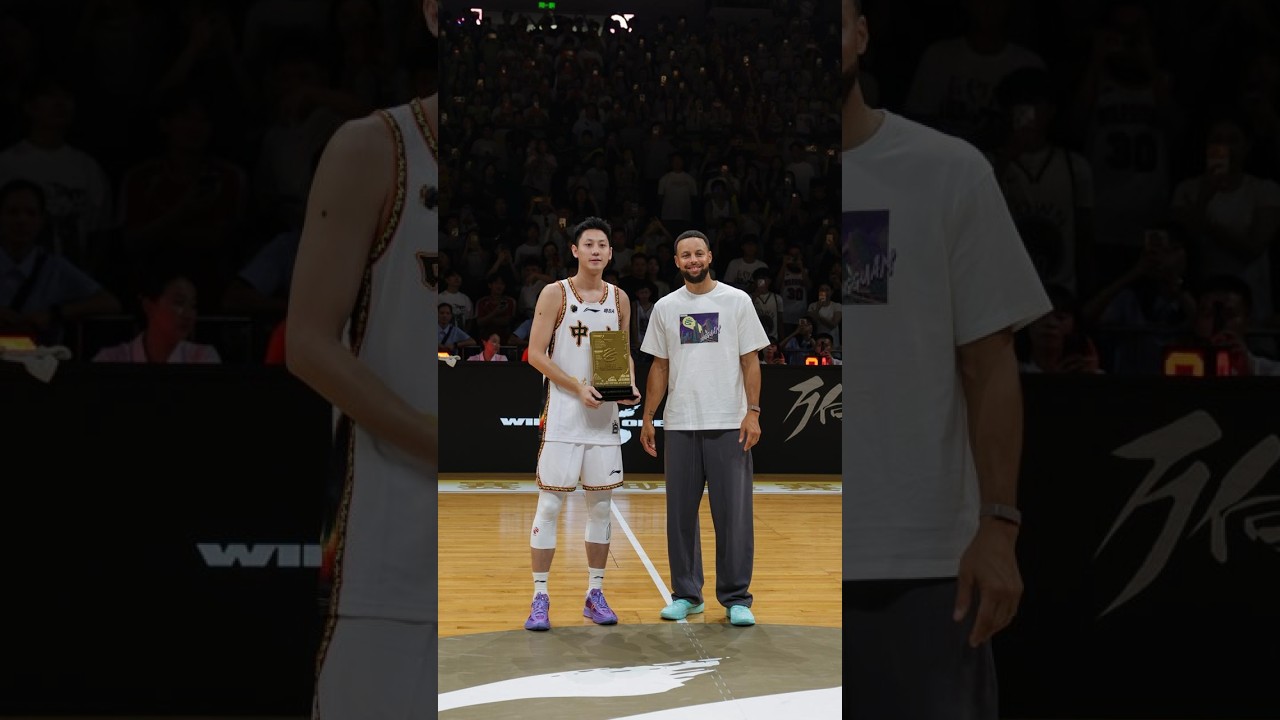


Just touched down in Beijing. See yall tomorrow! #stephencurry #currybrand #lining