
Curriculum Session 3 - Senior-Level Thinking
Tessa Davis teaches consultants how to think and speak like a senior leader in interviews: identify service improvements and risks, research the specific trust deeply, and frame answers around strategic priorities rather than day-to-day registrar concerns. She covers answer structures, handling tough questions like duty of candour, and tailoring examples to show you understand the job.
Chapters
Welcome.
Come in, come in.
Grab a seat.
Hello.
Nice to see you all.
Welcome.
Hi.
Hi, Sarish. Hey.
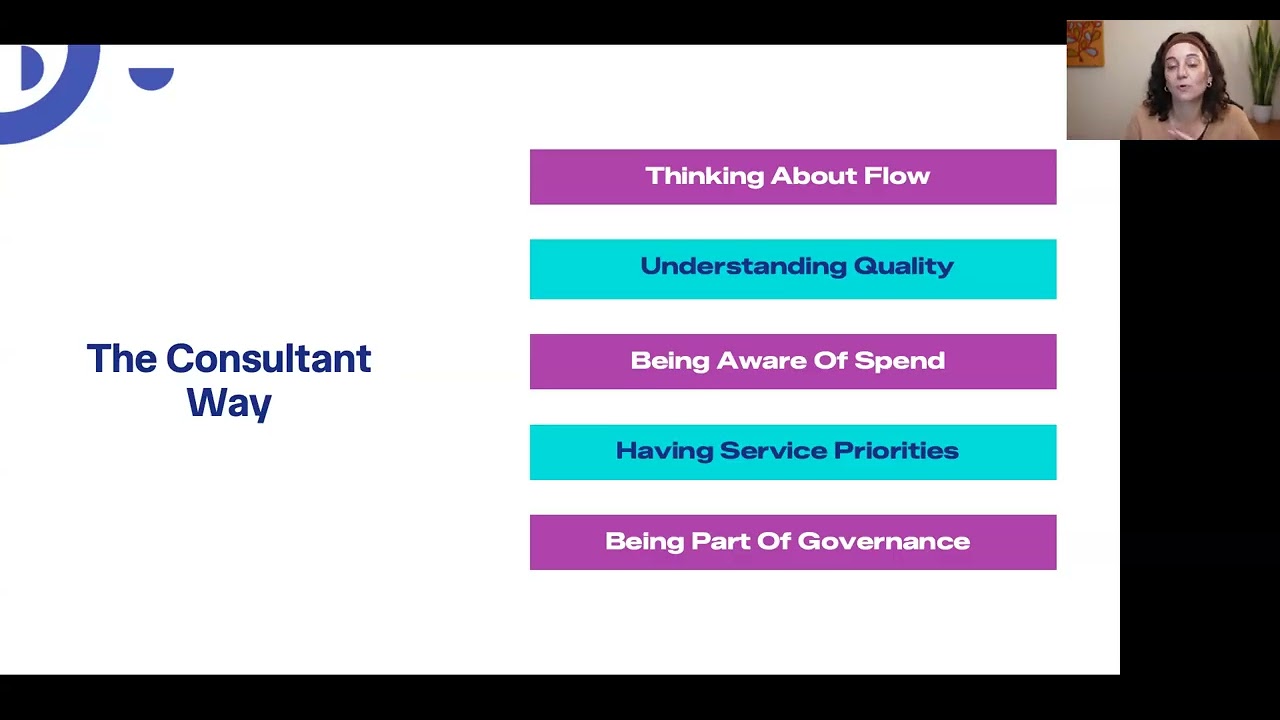
Hello. So as you all get settled in, we're going to get into week 3. It's week 3 already. We're going to go through 2 milestones today. But before we do, I've put a question for you. You hopefully have started thinking about and working through your examples. So yeah, I'd love to hear in the chat how you've been getting on, how you've been finding the process of choosing your examples. Just post in the chat. Welcome everyone coming in. Quiet bunch today. Have a post in the chat how you get— oh, there we go, we're up and running. Okay, cool. Let's see what we've got. Sarah, you're feeling more confident. Good. Jan, better, and then it gets better practising them out loud. Yeah, and remember, you only need one example of each. So even though it seems like a mammoth task, once you've got it, it's fine and it'll feel a lot better. And then you can get on with practising saying them out loud. The session last week changed them quite a bit for the better. Good. So yeah, you start to realise what I want you to do is think about how you come across when you show them your example and what it says about you and what you've chosen to showcase. what you're saying about how you'll be in their team, because that's what they're thinking when they hear it. Noticed a big improvement in how you deliver it. Okay, good. You're using the feedback from the coaches. Excellent. More succinct and focused. That's what we want. We don't want a big whole story for 3 or 4 minutes. We want story and then address the issue they asked. Easier than your USPs. It is. The USPs are the hardest bit, um, but that's why we start with them, and they're also the most important. You're feeling more structured. Good. Not so great, been a very busy couple of weeks, I've missed lots of sessions. Don't worry at all, Chris, it's all there for you to work through. So the thing I would say, Chris, is one step at a time. Do milestone 1. Literally look at— you can watch the week 1 curriculum session or just watch one video in the video course about your USPs and then pick yours. So don't skip steps because you feel like you're going late. Still do your USPs. And even when you're busy, Chris, just try and do one answer out loud each day. So just when you're in the car or you're walking to the bus stop or whatever it is. Following the structure helps. Excellent. Good. So it's an ongoing process. You don't need to feel, because we've moved past week 2, that you can't keep doing them. You can keep posting them and keep working on them, and you can come back to this stuff anytime at all. John, based on the question of the day, is sometimes how you frame the examples when you answer to address the question optimally. Yeah, so you've got 5, you will have 5 flexible examples that can probably be used, elements of them, to answer whatever tell me about yourself, tell me about a time question that you get. And when they— I know they could ask you, obviously, these are the most common ones that we've given you. They could ask you, tell me about a time when whatever, they could pick anything. And you have to sit with some uncertainty that you can't control everything that they say, that they ask. ask you. But what I would encourage you to do is when they ask you a scenario question, a tell me about a time, think whether there is something from your USPs and then from your examples that you can use. Because often it's like somewhere you stood up against something, stood up for something you believed in or something that you wouldn't have anticipated. But if you go back to your USPs and the projects that you've done and that deep dive we did in week 1, and that you should do if you've not done. When you go back to that deep dive, you'll probably find an example in there or be able to flex one of your golden examples. So hopefully that helps answer your question. You don't need an example for everything. You need to be able to adapt the ones that you have. That's your goal, is how can I take a pause and go back to what I've prepped? Because for sure it's going to be so much better to choose something you've prepped and adapt it rather than plucking a new example. If you think about how long it's taken, take, might take you to work through your USPs. I know some of you have found it harder than others, and that's fine, but it should take time to find them and time to find the right examples. For if you go into the interview and then are just like, oh, I'm just going to pull out something that I've thought of just now, the chances of it being like the best one that you can come up with is not likely. So what you want to do instead is try to get used to flexing what you have prepped and adapting it, even when the question's not quite what you expected or it doesn't quite fit in the right way. You just need to be clear that you're addressing the question and be able to flex and adapt them. And that's practice as well. It's just practicing going. So every time when you're practicing different questions, this is why I don't want you to write out answers for specific questions and then just practice them again and again until they're right. Your goal is to be able to see any question and then go back to your milestones that you've prepped and apply them to that question in the best way you can. And that will make your life a lot easier once you start seeing how adaptable they are. Rather than always feeling you need something else, you need something else. So we've got the leaderboard. Serish, you're right up at the top, at the top on your own in 12 points. Well done, good job. And then we've got Ali and Joe on 10, and we've got 11— sorry, Ahmed and Alexia on 10, Elizabeth, John, Sabrina on 9. There's loads of you on 8, so well done. You get these for getting your milestones done, for doing the onboarding stuff, and essentially to encourage you to work through your prep. So this can all change around, so keep working on it, and the leaderboard will continue until we get to the end of the cohort. So there's plenty, plenty of time for you to beat Serrish at the top. So some practicalities, catch up with your milestones. So just because week 1 is finished, it does not need to be finished for you. If you've not done your USPs, you should still do them as the first step. And we've put them together in this order because it's an important order. Keep posting. It's great to see you all engaging, posting your videos, asking questions, and also the group coaching sessions as well. So please use them. Keep using the rapid-fire intros. One of the things that I love is when I speak to people after they've got their jobs and they tell me what amazing connections they've made in the community. So people that they've buddied up with and that they've kind of stayed accountable with. So just use the rapid-fire intros and Corley will match you with someone. And remember, there's loads of other stuff here to help you. You don't need to complete the Academy from start to finish. That's not the goal. It's not to watch absolutely everything that's there. I don't want you to spend all day watching videos, listening to videos. I do want you to go through the milestones and do use whatever content you need to help you work through these milestones. It might be looking at people's feedback on the specific interview support channel. It might be watching a video. It might be posting your own, but your goal is to get through your milestones and you can choose which parts help you do that. So don't feel like it needs to be completed. It's just your milestones need to be worked through and I want you to practice out loud each day. Same as next, as we've done in the previous weeks, except this is an absolute bonzer week because we are doing 2 milestones in 1 session. So we are doing milestone 3 and milestone 4 today. That's senior level thinking and job-specific knowledge. Same as normal, when the replay— Carly will post the replay up in the week 3 curriculum space, in, in the curriculum space in the week 3 tab tomorrow, and it'll have this little yellow badge, and you'll be able to post your milestones when you're happy with them. You don't get feedback here. This is just for you to get them signed off. And you'll get your badges. If you want feedback on them, as normal, you post on the specific interview support channel, and there's a couple of other bits in that week 3 space for you to have a read of as well. And hopefully you've all got the hang of finding the sessions, all the guest session, the group coaching session from each week goes in that curriculum space. It is available to you for as long as you need, so you don't— it's not going to be whipped away at the end of the cohort. It will still be available for you to watch. And remember, there's free one-to-one coaching calls up for grabs for 3 people who complete all their milestones by the end of the cohort. That means you get all of your milestone badges, and there's not many people that are, that are getting there, look like they're getting there, so it's definitely up for grabs. So make sure you do that. It's a free coaching call for you to try and encourage you to get going with your milestones. Today we're going to talk about senior level thinking. This is something that for many of you might seem stressful and might feel like I can't do this, but I promise you, once you get it, you're going to have a whole new perspective on how to demonstrate this through your answers. And senior level thinking is, is actually about the difference between being a reg and being a consultant. So for those of you in your final year of training, I know you're really good at being a reg, a senior reg. I remember the feeling. You're great at your job, you know what you're doing, everyone's happy with you, you get stuff done, you're safe, you're evidence-based, but they don't need a really good reg. They need a consultant. They need someone on their senior team. So being an absolutely badass registrar is not what we're going for. This is something different. And that sort of task, I guess, of showing that you know what that involves when you might not be in that role yet can feel quite daunting. But I promise you, you can do it. It's not— you don't have to have done the job to be able to demonstrate senior-level thinking. It's just a different perspective. And the reg way, which might be familiar to some of you, is that you see lots of patients depending on your specialty, but pretty much you'll see Loads of patients, you'll see them really efficiently, you'll deliver great care to the patient in front of you, you'll know the evidence base and apply it, you'll be getting great feedback, your patients will love you, your team will love you, the nurses will be very happy with you. You don't need to think about the costs of the service or anything like that, 'cause it's not your beef, it's not your problem, so you don't need to worry about it. So this is commonly how people might feel, certainly how I felt and how I practice medicine. at the end of my training. But this is the registrar way, and so we want you to see a different perspective and convey that in your consultant interview, because the consultant way is thinking about flow of the whole service. It's thinking about what does it mean to deliver quality care, not just to the patient in front of you, but to your whole population. It's thinking about spend, and not— you're not making individual decisions based on cost, but it's about your— the overall spend of the whole service. It's about what are the priorities for the service. It's about being part of governance so we can make it safe for our patient base as a whole. So being a reg is treating the patient under— in front of you in the best way possible. Senior-level thinking is taking a step back and thinking, how can I treat the whole population that we serve efficiently and in a quality way? And if you can separate these 2, your answers will change. So it's the difference between saying, how do we deliver great care? Well, when I'm on a shift, I make sure I know what my SHOs want to get from the day. I make sure we do 5-minute teaching. I make sure everyone gets their breaks and they get home on time and our patients get effective care. Fine, that's good, you know, it's good care. But the question becomes then, what happens when I'm not on a shift? So all I'm doing is saying I'm great, but the question, the senior-level thinking thing, is how do we deliver great care? So that would be ensuring we always have a check-in in the morning. We've got a process where we have a check-in in the morning with our juniors to check what their learning objectives are. We do a board round every day. We make sure there's always protected teaching, and we have a system for that. So It's a very simple difference between you being great to the patient in front of you and you ensuring there's systems in place so that you're all great and your patients get quality care. And I'm going to emphasize, keep emphasizing it, because once you get it, it changes your answers completely. And it shifts you from very obviously showing reg-level thinking to showing more senior-level thinking in a very easy way. And you don't need to be in the job as a consultant to do that. So you've done milestone 1 and 2, or we have done through the curriculum sessions. If you haven't completed them then yet, you can still, of course, and you should. And just to go over where we're up to, you've got your 5 USPs, which is milestone 1. You've got your 5 solid examples, which is milestone 2, which we did last week. We've got senior-level thinking and job-specific knowledge, which are the 2 we're doing this week, and then bringing in you, which is what we're doing. Next week. And all of that goes hand in hand with practice. So if you were in week 3 now, if you're in the situation where you're writing loads of stuff or thinking loads of stuff in your head, you have to translate it to saying things out loud. So make sure you say them out loud. So one of the things is not to use examples in your answers where being a reg is core to it. And you'll see that we're saying this too often in the managing— how did you manage well, or time you managed well in an MDT. So managing patients on a shift and being a good resus team leader or whatever it is, just doing your job really well, is not a senior level task. It's what is expected of you at the very core of service delivery of your job. And we know that you can do that because you've got your CCT or your CESR because you're applying for a substantive consultant job. So you don't need to show them that you're great at your job. You're trying to show them something beyond that, that you're going to add value to the senior team. Running a local teaching session, doing bedside teaching and all of that, we kind of went through this in the, in the USPs part, but that's not senior level thinking. Senior level education skills are around curriculum development and planning. They might be around navigating feedback from the students that you're educating around how you're delivering the content or how you're pitching it or how you're assessing them or how you're managing and handling the speakers that you're getting in to come. So there's a difference between, I delivered a presentation and I organised a teaching day and I developed the curriculum and I thought about the teaching methodology and so on. And I want you to think of that with each example that you're using. Going on a course, as I mentioned in USP when we talked about the USPs in, in week 1, going on a course is fine, but anyone can do that. Going on the course itself isn't a senior level thing. If you've got things that you've learned and can implement and reflected on that process of implementing and making change from things you've learned, then you're getting into more senior level. So there's often times where the essence could could be fine, but the way you're presenting it might be reg level versus senior level. So always think about that step back. Instead of the patient in front of me, think about our service users as a whole. And getting feedback that shows you're reliable, as you know, it's one of my pet peeves, is that you get great MSF feedback and we know you're great and reliable. Let's just assume you are, you're competent, you've been signed off, you've had your ARCP every year, or you've gone through the horrors of a caesarean, as I did, and you've had to show a million bits of evidence. So we know that you're going to be great and get good feedback. I want you to think about showing things beyond that. And that doesn't mean that you can't share projects you did as a reg, because often then you might be thinking, but hang on, everything I did was when I was a reg, because I'm still a reg and I'm just finishing my training. Of course, you can use projects that you did as a reg, but what you're trying to do is pull out senior elements of that. Just to think of some further examples, I've talked to some of you about this when you're sharing, like say you organized a conference or even you sat on a committee. If you do logistics of booking a room or running a social media account or doing some graphics, that's not a senior-level task. That's not to say it's not good and it wasn't valuable, but it is not a senior-level task. You could get someone else to do that. The senior-level task might be getting feedback. It might be advocating for change. It might be navigating resistance to change or conflicts within the team. That's senior level. So the same project or task— it's not that the project or task is good or bad. It's the parts that you're drawing out. You want to draw out senior-level elements of them, and it will make it a lot stronger. That's why it's important to know the difference between a reg example and a senior-level example. It's not about whether you were a reg when you did it, it's about what you're drawing out. You might feel stressed because you don't have senior experience. You might also find, as we talked about with some of the USPs, is that you didn't do the project yourself, you were in a team. It can feel stressful to feel like you're boasting. But also, you might not be sure that you're ready, so you might deep down be nervous about taking on a consultant role. Obviously, if you're in a locum post already, then that's easier for you, but if you're not, you might be nervous, and that's fine. It's reasonable to be nervous, but that doesn't mean that you're not ready for it. Part of what we do here in the Academy is help you understand what the role is And you are ready for it. And then once you realize what you're doing, it makes it much easier not just to get your job interview, but actually to perform in that role and to know, really understand what your role is on the, on the team. And the panel, they do want to know who you are. They want to know how you're going to be in their team. Are you going to be able to lead effectively? And what type of leader are you going to be? Do you have experience of dealing with management, of advocating for change, of dealing with conflict? And what happens when things inevitably go wrong at some point? What are you going to do in that situation? How are you going to cope with the challenges? These are the elements that we want you to draw out in your examples. In any question that you're answering, always think about the step-back, senior-level things, because that's what they want to hear, because they're interviewing you for a senior So now you're starting to think about senior level thinking, and you've probably thought about it when you've been giving your previous examples. So when you're trying to demonstrate senior level thinking in your answers, what do you find hardest about it? Let me know in the chat. Okay, let's see what we've got. Ali, you're trying to work out if it is senior-level thinking. Yeah, I'm going to give you some frameworks to understand that. Owning your contribution. Yeah, because it's fine, you were part of a team, but what you need to be able to say is, my role was X. You're not pretending, you're not taking credit for stuff that you didn't do. We get that everything's in a team, but you're saying, I was on a team of 6 people, my role was X. X, and that's fine. No examples where you've saved money or been aware of costs. Well, we'll talk about that. So you're not expected to have saved the trust tens of thousands or hundreds of thousands of pounds, don't worry. But you are supposed to think about how that might happen and the implications of that, and we'll talk through that. The outcome for the department is not very evident always. Yeah, and obviously if you've got a big change project, then that's going to Fab, but not everyone has these. So what you're trying to do is make the most of the stuff that you've done and showcase even a small change, how you demonstrated the impact and met the resistance to change. Joe, bring in examples that are specific enough but don't take too long to go over. Yeah, so the easiest way is to draw out themes from your examples. So much like when we say, tell me about a time you worked well on an MDT, you could— and I've given this feedback to some of you when you've done this— you can pick a USP, but You're not just telling me about the project. That's not the goal. The goal is to tell me about the project through the lens of the question I've asked. So through the lens of working well in an MDT. So what you want to do is pick out 3 themes of working well in an MDT that you showcased in that project. So how did you work well in an MDT with that project? And you're going to talk for a minute for each of these to explain how you did that within this project. So you had a shared vision, so you could talk for 60 seconds about how you got a shared vision and that everyone was on board with in this project. So it's not just that you're talking for 4 minutes on the project. We started this and then we did that and then we did that and then we did that. It's not a 4-minute story. It's 3 points around the theme of what they're asking, but using your project to illustrate it. So weave your examples into the theme of the question they're asking rather than example, and then address the question. I was asked, how do you show innovation as a consultant? I still don't know how best to answer this. So again, this is a very specific question, so I don't want you all to be like, oh, I must have, must have an answer to this. Instead, I want you to think about how you could address this from the milestones that you've prepped. So how would you show innovation as a consultant? You can pick your USPs to illustrate innovation. And they might be change in different ways. And draw out themes. Innovation in education— choose one of your education USPs. You can make change within your service— choose one of your quips. So literally just be a bit creative and thoughtful about how to use the things that you've prepped rather than being like, innovation? Tessa didn't say anything about innovation. I want you to trust yourself to take a step back and think everything comes down to the same root. There's only so many questions that they're asking you. If you can practice with all of these questions, just pausing for as long as you need and thinking how you can use your milestones that you've prepped to address them, it's going to be much less stressful than being like, oh my God, I need to think of an innovation thing now. There's no best answer to this. It's obviously a bit of an out-there question, but actually they're just asking how you would bring something new to the team or the service. You should be bringing loads of new things, and I'm sure you've got loads of new ideas, and that's all you're trying to trying to do. Find examples of senior-level thinking. We'll explain how to do that. And sounding like it's senior-level thinking. Yep, we'll go through that. Say it in an organized, structured way. So that's just using a 3-point structure. And in fact, I've had a few questions this week from people in the private chats around, you know, what's the right structure to use. And my advice is always the same, which is There's no— it doesn't matter. There's no right structure. A structure is just there to give you a spread of points or encourage you to have a spread of points so you don't just go on one point for the whole answer. It gives you a bit of shape of your answer. It allows you to signpost to the panel where you're headed. So it gives them confidence, it gives you confidence. And if it's a structure you practice with, it will encourage you to get your timing right. So structure is just a framework to help shape your answer. That's all. So there's no, this is the right structure, this is the wrong structure. You could use any structure you want, but I encourage you to use one to shape your answer because otherwise you can feel like you're rambling and can be rambling. Mohammed, the hardest is when SLT involves processes that involve higher management roles that I'm not aware of. So it doesn't need to involve higher management roles that you're not aware of. It should— senior level thinking should just involve things that you are aware of and have probably done. You just might not have thought about them as senior level thinking. Picking up senior level thinking elements from the projects experience, etc. Yeah, we'll, we'll give you some ways to do that. And Nancy, you think that most of your experience is at reg level and you've been part of the team when it came to service development, and that's fine. So if you haven't done service development, then you're not going to pretend you have. You've done what you've done. What you're trying to do is make the most from what you've done, and that might be recognizing the challenges of, of the change or the experience of that change. or how it impacted quality care. That's fine. I suspect you probably do have something that you've done with change, but if the bigger ones are being part of the team, then that's totally fine as well. So you'll just, um, you, you will just explain your perspective and reflection on it. There'll be people on the panel, for example the head of department or CMO, who know the project you work on and concerned that you may be bigging it up too much. So definitely don't big it up more than it is true. So all of these things have to be true. And you definitely, whether it's with the people who were there or someone who knows someone or gets back to someone, do not make stuff up or make it sound better than it was. That is not your goal. Your goal is to pick out the things that you've done and showcase them as specifically as possible and objectively as possible. So don't, don't big it up. And if it's a particular project that you think you're making sound better than it was, don't use it. If you know, like, you're working, you're the panel is going to have someone who knows, and you don't think it's that good, and they won't think it's that good. It's not a good example to use, and that's fine. You feel like they're going to call you out for taking credit for things that were done as a team. So it's just the phrasing that you use. I was part of a team of 6 people. We met once a week for a month. My role was to do X, Y, and Z. It's as simple as that. You're not saying, I was the best. I was the best person on the team. I led it. I smashed it. It's all because of me. That's not what you're doing, and I know that's not what you do. But you do have to own some of it, otherwise they may as well give someone else on your team the job rather than you. Thinking beyond this is what I did. Okay, we'll talk about that. Great, love to see these comments. How to highlight the strengths without scaring the panel with the chaos circumstance that led to the challenges you faced? Supervisor on burnout leave, SIs. This is the balance between, I think if I'm interpreting this right, between you oversharing and you showcasing senior-level thinking. There is a place for sharing and being a bit vulnerable. You don't have to show vulnerability to show senior-level thinking. It is something we'll talk about in the last milestone, being a bit vulnerable. You don't have to show it to showcase senior-level thinking. You can share these things. I assume these are your personal experience of these things, I think, Kat, is what you're saying. And if any of you are deciding to share something that feels quite personal or is quite personal, then what I would encourage you to do is firstly, just be sure that you know why you're sharing it, that there's a reason for it. You're not obliged to share anything personal if you don't want to. So just know why you're sharing it. Make sure you're in a place where you can actually talk about it, um, in a not too emotional way, bearing in mind it's your interview. You don't want to be getting like highly emotive, distracted, stressed, tearful when you're talking about it in your interview. So you should be able to talk about it well. But also what you want to do is to be able to practice what you're going to say about it when it's something that's a little bit sensitive. is just to work out the wording beforehand. And once you've got all of these, then you should go for it. If you know why you want to and you practiced it and you can do it without being overwhelmed by emotion, then it's fair game. So Olivia, you've said in your first NHS experience you also had your line manager on burnout leave. So you can match someone else and that could be an experience that you want to share. I don't think you need to rule it out. Again, it's just about why. Do you know why you're choosing it and what's it saying about you? Grace, in an example of conflict with a colleague or patient, often as a reg it's prudent to discuss with your consultant, but if you say this in the example, it sounds like you didn't solve the conflict. But if you don't, you sound dangerous, unsafe. So this is the challenge of finding good examples. So actually, you should be able to resolve a conflict with a colleague without having to go to your boss. And if you can't, then I agree. I don't think it's a good example to showcase in your consultant interview. That's not that you shouldn't have asked your consultant then. That's fine. You did and you should have. But the question is, is this how you want to showcase yourself in your senior interview? And the answer is no. You want a conflict that you can resolve. Otherwise, what are you showing them? So the goal is to show them how you resolve conflict. And the answer to that is not, I went to my boss and they spoke to his boss, and then they sorted it out for us. It's just not showcasing what you want. So you're trying to find the balance between— it's not irresponsible to resolve a conflict yourself, um, or a conflict with a patient, um, it's just as long as it doesn't get too out of hand. And if it's a conflict that's getting too out of hand, then it's not a suitable conflict for your interview as well. So it's finding one that's not terrible, that you can handle, and that you can showcase, which is more of the everyday. conflicts rather than the big dramatic ones. John, you've innovated by bringing in a new lab test. This is an idea of innovation. Yeah, so that's fine. I mean, that's obviously great innovation. Not everyone will have done that, but you can still innovate by a small quality improvement project. Innovation is about bringing change and bringing new ideas in whatever sphere to your team. Pretty much all of your USPs are likely to involve some type of innovation. It's just a very broad term for a new idea. Participating in a steering committee for developing a pathway in collaboration with different specialties. Um, I'm not sure if this is an example of a USP. It sounds, it sounds good. Um, Zoom user, I'm not sure who you are, but you were criticized at your last interview for not having structure. So, uh, just really over-practice structure. So be really obviously signposting, and you'll see other people will get told They're being too obvious with their signposting. And remember, with all of this, it's opinion, so you can't please everyone all the time. But what you don't want— you want to make it easy for them to score you. You want to give a range of points so that you're not just putting all your eggs in one basket and then they don't like that basket. That's all you're trying to do. A 3-point structure. There's a— so what I would watch, the recorded answer review channel, people are using it really well. So you pick any 3 points that address the question. You do an intro, 3 points, and a conclusion. We'll go through this in next week's session actually as well. Okay, let's see if we've got a few. These are people kind of suggesting innovation. So don't get sidetracked on one question is the thing I would say, because the easiest thing is to hear a question and then be like, oh my God, what would I do if I got asked that? And I do want you to be able to think that, but I want you to think about how to relate it back to your USP. Everything should be cut. How can I come back to my milestones? So these all sound good because innovation is just a very broad thing. So how do we prep for our senior level thinking milestone? So these are the 3 things that I want you to do to get your senior level thinking milestone. This is to think, to know 3 metrics to measure quality, 3 ways to cut costs and improve flow. and 3 features of an ideal service. We're going to go through these now. Once you get these, this is what you need to show senior-level thinking. 3 metrics to improve or deliver quality, a quality service, is the first thing that I want you to think of. How do you find 3 metrics to measure quality? It is hard to measure safety, it's hard to measure happiness, but there are ways to measure these things. And every specialty has targets, they have standards, because that's how you benchmark your service against other people. And you will actually very likely have been working towards your specialty metrics, even if you don't realize it. So any quality improvement projects you've done or audits you've done, they are very likely to be working towards metrics that are important to your specialty. And you might be able to think of some of yours off the top of your head. You might need to go and have a Google, have a look. You might need to ask people in your department. But once you realize what they are, it'll become pretty obvious that you actually have been doing a lot towards them. You just wouldn't have needed to think about them as metrics. So you might have— your college might have standards that you need to work towards. I'm in the RCPCH. They have Facing the Future standards for different subspecialties. There might be associations or organisations, national bodies that have metrics. You might have metrics within your hospital, but more likely it's a broader specialty metric. And I want you to think about your own. So to give you an example, I work in paediatric emergency. We have a ton of metrics that I could talk about. Everyone has to have a pain score when they arrive in ED. They have to be triaged within 15 minutes, seen within an hour. They have to be admitted or discharged within 4 hours. If they've got febrile neutropenia, we have to give them antibiotics within an hour. If they're septic, we have to give them antibiotics within an hour. Essentially anything that you can measure, which could also be the number of amount of positive feedback, scores of positive feedback. It could be anything. It could be time to waitlists, see your patients in clinic, time to get your clinic letters out, time to get the discharge letters out to the GP. You'll have metrics all over, you just might not have needed to think about them. So there's no right or wrong metrics for you to choose. What I want you to choose is 3 that you feel comfortable talking about. They should be 3 that are relevant to the team you're applying for, and 3 ideally that you can talk about. So best case scenario, you've done a whole project on it. in reality that you're probably not going to have 3 of that. So where you can suggest some involvement you've had, or you've seen people do, or you've been in a place where people have worked towards it, that's what you're trying to do. So 3 metrics that you can use that are measurable for your specialty. And remember that there are no right metrics or wrong metrics. The second thing I want you to do for this is to find 3 learning points from your CQC, um, uh, from your CQC report. So have a look at your CQC report. If you haven't read it and they ask you questions about it, um, you're going to get very stressed and there's no way to blag it. So what you want to do is make sure that you have looked up your CQC report And that you know the things that are relevant to your service. If there's nothing relevant about your service or it was done a million years ago, then it's really unlikely they're going to ask you about it. But I want— if there are things that are relevant, I want you to think about how you would address them, and ideally you'll know how the department are addressing them because for sure they are going to be thinking about how to improve their CQC rating. And ideally you'd link that to your own experience and a project that you've done. So make sure you read the CQC report. I got asked about it in my substantive interview. It's not an uncommon question. At least know this, that you've read it, in case they ask you about it. So make sure you have a look. Then I want you to pick 3 features of an ideal service. So an ideal service is effective, safe, responsive, caring, and well-led. So these are all ways that you could describe an ideal service. And who knows where these, where these come from? Yep, so these are the CQC pillars. This is what people are measuring us against when the CQC come out. And the reason that these are the pillars is because this is the definition of quality care. So an ideal service meets these standards. It's effective, it's safe, it's responsive, it's caring, it's well-led. And the metrics that we are working towards that we talked about a minute ago are also things that measure your service being effective, safe, responsive, caring, and well-led. So all of these factors of senior-level thinking, they're all the same, they're all intertwined. An ideal service is one that is a quality service that meets its metrics. And that, and that has a good CQC report. So they're all versions of the same thing. And once you connect all of these together, you'll find it a lot easier to demonstrate senior-level thinking. So what you're trying to do is think about what the ideal service would be for your specialty, what that would look like, how you would measure it, and how you're going to get your great CQC rating, which is going to give you a good rating when you deliver quality care. So they're all tied in together and these are the areas that you can pick. So when you're thinking of what your ideal service is, you could say, my ideal service would be effective. We would have evidence-based guidelines that are all up to date. And you can talk about your experience of being on the guideline committee or doing a guideline or whatever it is. That's what you're saying. And you may have a target for this. I don't know if you would have a metric, but you could say that all our guidelines should be reviewed every 2 years or whatever, and we should have a clear process. That's a metric. It's a measurable thing. So that your dream service would have, or your ideal service, or your vision for the future service is to have an effective service where all your guidelines are up to date and there's a process for them to be reviewed every 2 years. And you've been an active part in that because you just developed the guideline for the X, Y, and Z disease, and this is the process that you followed. That's all you're trying to do. It's stuff that you know already. You're just demonstrating it in a senior-level thinking way by recognising that that's what quality care is. That's how we decide and identify what quality care is. So some questions that you might be asked— sometimes you might get this as your presentation— if you could redesign our service, what would you change? What's the best specialty department you've worked in and why? What will our whatever service in future look like? So this is all linked to the same thing, which is what does the ideal service look like? Is it's a service that delivers quality care, it's a service that's safe, effective, caring, responsive, and well-led, and that you can measure that. That's, that's what you're doing. So you're tying all of these together, and this is where you start to understand your senior level thinking. And the fourth thing— in fact, I think I missed the CQC off the initial slide— but the fourth thing you want to do for senior level thinking is to think about 3 ways to cut costs and improve And I mentioned this a bit before where we don't really worry about costs and we don't really worry about flow so much as registrars, but actually it's integral to senior level thinking. So from a finance point of view, just read the bottom line of the trust board report. Don't read all 403 pages, just get a key for what the bottom line is, any major issues going on. Do not get bogged down remembering numbers from the board report because it's going to really stress you out in your interview. and it's not important, but you do need to have an idea and be a little bit mindful of cost. And you might want to think of an answer for a question like this, which I would say it does get asked occasionally, and you should have it ready because it's quite difficult to think of on the spot, which is, if I gave you a particular amount of money to improve patient care, how would you spend it? And there's 3 different options here. And they are a ballpark: $10,000, $300,000, $5 million. And what you do is think about what you would spend money on in these buckets, because $10,000 is a small thing where you, I don't know, do some day activity or learning or a bit of equipment. $300,000, you might be looking at a staff member for a couple of years or whatever. $5 million, you'll be looking at something bigger, maybe moving stuff around or building stuff. So it is broadly, but when you think about why, this is where it all ties in. When you think about how you would choose to spend money, you're choosing to spend money to deliver a better service. And a better service is a quality service that is safe, effective, caring, and well-led. And that is something you can measure. So if you're choosing to spend your money, whether it's the small, medium, or large option, you're going to use it on something that improves quality of care. And more commonly, The question is, how would you improve our service without spending money? So I really want— excuse me— I really want you to think about how to improve the service without spending money. So what kind of things come to mind for you when you're thinking about ways to improve the service? Just bullet point things. Tell me in the chat what you— what kind of things you could do. Yep, so general efficiency, and the question is what does efficiency mean? But you would be specific. I like job planning, it's a good one. Triage, yep, better triage. Girth, reducing waste, cutting down duplication, reduce waitlists, redesigning the rota, yep. Triage GP referrals, organising allocations. Great, so you're seeing loads of amazing ideas here. None of these are rocket science, they're things that you have probably thought about or seen bottlenecks in your service or tried to improve them. Senior decision makers at the front door, reallocating resources. Yeah, theatre efficiency. Great, loads of great ideas here. So these are ways that you can improve efficiency. They're all tied in to quality, improving quality of care, ideal service. Excellent, excellent, love these. And then I want you to also think about flow. So how you'd improve flow, and usually you will split the— the clearest way of thinking about how to improve flow is input, throughput, and output. Whatever specialty you're in, you will have input, people come, patients coming into your service, patients going through your service, and patients going out of your service. And so a clear way to think about how you would improve flow is just to have one. example in each of these areas. You don't have to, it's just a way that you can have a spread of ideas. So to give you an example of mine in PEM, someone's mentioned it here, but yeah, we could have a senior decision maker at the front door. So instead of patients waiting and then finally getting to a senior person at 3 hours and then deciding we have to do some investigations, someone can go out the front and get them started earlier. That, that would help get patients in. Quicker or stream them away. So we could go to the front door and stream half the patients away to other places because they don't need to be in emergency. Throughput might be improving the results system. So we might have patients waiting around for hours because the blood results don't come. So is there a way to improve the system, either our labelling, our access to kits, getting the samples to the lab, getting the lab to process them, whatever it is, but that would improve Throughput, because patients won't be waiting so long for bloods or results. And then output, how do we get patients not sitting in the department? So, we have patients waiting for specialties a lot, and now we've got a paediatric assessment unit. So, anyone who's waiting for a paediatric specialty can go to the paediatric assessment unit and wait there. They don't need to be in emergency department using emergency department staff and cubicles and so on. So, we can get them out of the department while they're waiting to see their specialty. And so that is a way of improving output in our service. Now, it's not right or wrong, and it would depend on whether it's something I want to talk about or something that's relevant to the team. There's no point— if I went to my current place and suggested they had a paediatric assessment unit, it would be a bit silly because they have one and they've created it in the last few years. So it would show that I didn't really know who I was applying to. So actually, it's important that you're choosing things that you know is relevant to them and also that you want to talk about. A lot of patients get stuck in CAMHS, seen for months and years. Yeah, so you might have a way to reduce the waiting list or triage them to other services. I know you've got whatever the— I can't remember the name of the thing where patients can come out and get ADHD or autism diagnosis through separate services. So anything that you know, that you've seen work, or that you've thought about or that, you know, the team are talking about are great ideas. There's no rights or wrongs here, but it's about understanding, showcasing that you understand that flow matters, um, and understanding the components of improving flow. So that's how you show senior-level thinking. It's not that complicated. You actually probably know this because you know your specialty inside out. You know all the frustrating bits. You know what makes a good service because it's what you're trying to do. and what all your projects are trying to do. All you're doing is pulling them out and recognizing them. So that's your senior level thinking milestone. Now then, the next milestone is about wanting the job that you're applying for, and it's about your job-specific knowledge. And I know I've mentioned this throughout the Academy because for me, this is the thing that can really turn your interview and your prep around is that you want your answers to be tailored to the team you're applying for. And that's because it shows that you care, and it shows you've made the effort. It shows that you'll fit in, and it shows that you actually want the job. And so what you're trying to do is to show— give answers that relate to the team, but importantly, show them that you actually want this job. that you're not just desperate for a job. Even if you are, that's fine if you are, but you still need to go into the interview knowing why you want this job. And part of that is vocalizing, which is the P that we talked about in week 1, and we'll talk about again next week, is vocalizing why you actually want to be there and understanding why you want to be there. And part of it is showing them that you actually know the job you're applying for. And I cannot, I cannot understate how important it is to do the work of getting to know the service beforehand. And whether you work there or not, it doesn't matter. Even if you don't work there, you can still do this really well, and we see people do it really well all the time. It's why your, your actual interview, it doesn't start in the interview room, it starts in the work after you've been shortlisted and you get your panel. That's where you can do a load, a load of great work in finding out about your job. So how can you do that? So there's lots of ways. The pre-interview meetings are the most obvious one. You know that we place a lot of emphasis on this. You'll get shortlisted, you'll get your interview date, you'll ask who's on the panel, and you'll go meet them. And importantly, you need to listen to them. So you're going to meet them, yes, to make a good first impression, but actually you're going to get information from them about what's on their mind. They might tell you what they're going to ask you in the interview, if you're lucky, but actually they might just tell you what's on their mind. If you ask good questions, and what's on their mind is important because when they come to write their interview questions, they will write them about things that are important to them. They're not going to ask you a question about something that is irrelevant to the service. And so what you're doing in your pre-interview meetings is asking open, broad questions: What are the challenges? What are your priorities for the service? But not just firing questions at them for twenty minutes, like oh, I've asked you about challenges.
Tick.
Let's go on to the next one. You're actually listening to what they're saying. You're saying, oh, you've had a challenge with getting protected teaching time. That's really interesting. Where I worked, it was a challenge as well. What sort of things have you tried? So being genuinely interested and curious to follow the conversation through and importantly, listen to the answers that they're saying. It's not just about you making a good impression and smiling and nodding. It's actually to listen to what they're saying. And when you leave the the pre-interview meeting, write down everything they've said. And for sure, you will be able to get an idea, which we do a lot with our students in the private chats and the coaching sessions, is working out from that what is it they're likely to ask you, and then practicing questions around that. And you can do that yourself as well. So think about what might they be asking if they care about, I don't know, the waitlist time or the follow-up. The follow-up time for clinic, what then, what question are they likely to ask you? Because they'll be telling you, even if they're not overtly telling you what's in the interview, they'll be telling you things that are relevant to them. And what it means is you can practice questions, but also you can reflect back the language and the ideas that they used directly by saying, oh, actually, when I was speaking to you last week, I know you mentioned X, Y, and Z. But also the types of examples you're using can relate to what they've told you. So it's absolute gold if you do this well. So don't let your fear of reaching out to people put you off from doing that because you'll miss out. But you can also talk to colleagues, not in a formal way of, this is, you're on my panel, but find someone who works there. If you're a reg or locum consultant, wherever you are, you are probably about 2 WhatsApp messages away from being able to find someone who works there or has worked there recently. Just have a chat with them. You'll get the lowdown, you'll get informal information, and there will be lots of gold in there. Make sure you Google them. You may find out stuff that you didn't know about. It may not all be good, but it's good that you are aware of it. It might lead you to questions that come up. For example, if there's been a significant adverse thing that's gone on in the trust, um, the chief executive may mandate a question about that in every substantive interview. So even if it's not been in your service, if there's been bullying or whistleblowing or racism or sexism or whatever it is, um, there may be a mandated question about it. And you knowing the context of why that's being asked is really important. You're not going to say, oh yeah, I saw in the Daily Mail that someone turned up drunk to work, but you would be sensitive in your answer of kind of talking around it. So definitely Google them and look through what you can see on the trust website. The board meetings are open meetings, so you can go along. They're public meetings, you can go along to them. Might not be convenient timing or location, that's fine, but if you can, you could. And the benefit of that is then being able to drop that in, in your interview. I actually went to the board meeting 3 weeks ago and they were actually discussing this, and this is one of the things they said. So again, just shows you care. You're making the effort and you care about the job. That's what they— that is what they want to know. And so for your job-specific knowledge, what I want you to think about and prep is 3 risks in the department, 3 trainee priorities, and 3 service priorities. And you will be able to get that from all of your pre-interview work. So all of the stuff that we've just talked about, that 3 risks. So they will have a formal risk register, which if you're meeting with the senior matron, they will know or senior nurse, they will know about that. Trainee priorities— you can look up the National Training Survey that is done every year, comes out in July actually. Not sure that's come out yet this year, but you can look it up and know what is happening in the team you're applying to. But also from speaking to your colleagues, as we've said, you're going to find whoever your reg friend or fellow friend who's there and have a chat with them. And also service priorities and challenges— this is what you're getting from everyone in the pre-interview meetings. Is what is the biggest priorities for the service? And if you know these and you remember, it's not, it's not always even just literally being asked the question directly about them. It's weaving them through your interview answers. You're going to show them that you're not just anyone going for a job anywhere. You're you going for a job in that place because you want that team and you know that team. So this is what you're trying to do in your job-specific knowledge milestone. If there's no trainees, presumably that part is irrelevant. Yes, so obviously take and pick and choose the parts that are relevant to you. If the same as with examples, if you say I don't work in a clinical-facing, patient-facing specialty, so I would never have to do duty of candour or have a conflict with a patient, then they're clearly not going to ask you about it in the interview, and therefore there's no point in prepping it. So just make sure that it definitely doesn't apply to you, and if it doesn't, then that's fine. If there's no trainees, you might have issues for junior staff or whatever, or how to maintain a staff base without trainees that you're having to recruit. So you may find another relevant thing, but if things don't resonate with you, then of course you don't need to prep it and they wouldn't ask you it, so there would be no point. So hopefully that helps. So I know I've given you a load of stuff, but I want you to think of one Golden nugget that you can take away from the session. So some one specific learning point. So just post in the chat and let me know what you've got, what you can take away. Okay, see, Ali, specifics relating to senior-level thinking and job-specific knowledge. Make sure the examples resonate with you. Yes, remember, you can choose from a million examples out there. Don't pick things that force you into a little box that you then don't know how to get out of. And what sort of questions to be asking at pre-interview meetings. Rachel, using CQC domains to describe a quality service. Yeah, and you don't need to remember them all. Much like with the governance pillars, I always feel sad when people start trying to list all 7 because it's a very stressful place to be. So you're not trying to remember them all, but you can say, I'm going to pick out 3 of the CQC pillars, and the 3— or even not say it and just say, I'm going to pick 3 elements of quality care. They will know what it is and what you're doing. Drop in insider knowledge wherever possible, Jo. Yeah, exactly. So you're not being like, I've done a deep dive in you and I know everything about you, but you're tailoring your Answers, and you're showing them all the way that you really care. You know them. You understand them. Even if you've not worked there, you've made the effort, and they will love that you've made the effort because they they want someone who wants to work there. Doa, how to prepare the questions related to quality? Robin, good list of specific points to think about.
Great.
Angela, every answer should demonstrate that you're already thinking like a consultant, not a reg. Yeah. So, and that's where with the MDT, an example of where you worked well within an MDT. Why why we're saying. You don't need to give an example where you were a great team leader in a resus. Much better to give an example where you worked well within an MDT to bring about service change, improve the quality of care. So that's why using a USP is much stronger than using a case that you worked well on. It flags your junior levelness, reg level thinking when you do that. It's not wrong, it's still an example of working well in an MDT. So it's not about right or wrong, but it's always about how can you take that step back in that bigger picture look. Study info about the trust and the job. Yeah, vocalise that you really want to enjoy that. So yeah, they want to know that you want to be there, and part of how you demonstrate that is by saying you want to be there, and part of it's about showing that you've actually put in a load of effort to get the job because you want it and because you love them. Know your service better at CQC demands. Yep, Google when trust board meetings are. Um, yeah, so Daisy, if you can get to it, I know when I've, when I've had students who've been able to say that they were at the board meeting You just feel great about yourself and the panel will be super impressed. But it's also probably quite dull to go along and quite difficult for you to arrange. And so don't feel like— I'm not advising people they have to, but if you can do that, it's actually a really nice thing to do. Listen to issues at the pre-interview meetings, Chris, rather than just showing your face. Yes, it's not about me. It is not just about making a good first impression. It's way more than that. And if you can understand that, you'll come away with such great stuff that you can have done a lot of the work before you even get in the door. to help make your interview successful. And know the CQC, know the department's priorities. Yep. Job-specific, tailored prep and answers. For any question related to senior-level thinking, go back to your milestones, check the CQC. Strategies around prepping for the job.
Yep.
Thinking about 3 examples and focusing on these. You're not trying to cover everything. That's right. So you can't cover every single amazing thing that you want to do or ideas you have. You're just trying to pick a few and do a deeper dive in them. Okay, so what— remember, we'll post this session 3 curriculum replay, and then you'll post underneath your senior level thinking and job-specific knowledge, and you'll get these badges once you post them. So that's just the normal process of what happens. We're going to do a bit of spotlight coaching. So I've got a few people that have put themselves forward, and then if anyone else— we'll go through these, and then if I'm not sure if they're all here, but if anyone else wants to put themselves forward, you can just post in the chat. And this is to talk through any of these ideas you've had. So first up, now we have Mohammed Abdellatif, but I'm not actually sure that you're here. And then Joe, you put yourself— oh, you're gonna finish your commute. Fine, we'll come back to you, Joe. We've got Ahmed. Ahmed Elzafarani, do you want to come on and we will spotlight you? Hello.
Hi.
Hello.
Okay, what would you like to chat about?
I actually prepared some of the CQC report of my hospital and annual board meeting, and then I found it's I got some notes and then I found it's quite difficult to memorise that in answering the questions. And okay, my, my, I want to ask, is there any like framework or structure just to articulate these things together? Or because I can study them and then by time I forget what, what this is.
You forget them. This is the CQC report. This is CQC.
Yeah, the CQC and the annual board meeting.
And the board meeting, forget about it. Don't memorise the board meeting. It's wasted Waste of brain space to do that. Just if there's anything major that was talked about, I just remember it. What you want to do is basically say that you've, you've read it and you've seen parts of it, and you could— that could be picking out one thing. It could even be just the financial bottom line. The trust is in deficit of £40 million or whatever it is. Um, that's all I know from the board report, that the trust is in deficit. So I know cost saving is very important. That's literally all you need to say. So don't, don't waste brain space remembering more than that. The CQC report, I do think, is a bit different because if they've picked out things about your specialty, um, they will be working on these. And so it's good for you to be able to pick a few. What sort of things came up in the CQC report that were relevant?
It was all general, to be honest, about not to my specialty. It is all about infection control and something like the aging of the estates, of the hotel, and it's all something general. But it is all about, you know, trying to be fluent and answering these questions. And I always struggle with memorizing things, and then I found myself, once I forget an item, then I'm not structured and not organized. And I don't know, but I feel this kind of question is quite hard questions. Maybe I need more practice about it and more, you know, saying to them— That was probably just Practice, but you're—
I don't think you need to be remembering all stuff about other specialties in the CQC report because they're not going to care or ask you about them unless it's a specialty that's related to you. So I, I really wouldn't spend time.
Okay.
What you want to do is see if there's stuff that's relevant to your service, um, and your team. And if there's not, great. And by the way, uh, Statmand— doing everyone doing their Statmand training comes up in everyone's, so I don't— it's not worth chatting about. And medicine storage comes up in everyone's. If there's something else that's a real issue that's come up, then I would— then that is something worth remembering. But don't remember like other people's stuff.
And, and, and, and also that like the hospital strategy in, in the— in, in 2 years, in 2 years, in 5 years' time, and all this kind of documents, I don't need to read it. Or—
No, I mean What you want to do is think— so in 5 years, 10 years' time, they're going towards the NHS 10-year plan. Yeah, that's what everyone's going towards. So you need to know what that involves, which is from analogue to digital, from hospital to community, from treatment to prevention. Whatever it is for your service is going to be a version of that.
Right.
Now, this ties into all of the stuff we've been talking about is what would your ideal service look like? It'll be safe, effective, caring, responsive, and well-led in whatever specific ways you pick out. So it's all going to tie in. It's not about remembering a document or a strategy document. It's saying something sensible that you know about the service and something that you feel comfortable talking about. So once you start thinking of it too abstractly in that I have to remember this report and regurgitate it back to them, it doesn't make sense to you, and therefore you will find it really hard to remember. If you think about actually when I go to work, What would make a great service, it's much easier to remember it. It's much easier to do that. So I think maybe you're being too hard on yourself trying to find like a load of complicated things to remember that you won't remember on the day and it will stress you out. So I would give— just focus a bit more. A specific CQC thing is fine, but you don't need to remember like loads of random stuff.
All right, thank you. Thank you so much.
Okay, let's remove you. Olivia, you want to turn on your camera?
Please do.
We can spotlight you.
Hi, thank you so much. It's really inspiring, actually. So last time I was asked by the panel about how many minutes I should visit in my follow-up clinic my patients. So, to be honest, I am a medical oncologist, so I was talking with them about reshaping the acute oncology service in order to identify predictive, for example, biomarkers to identify which patients should develop those immune-related side effects and how to manage those accordingly with the nurses and the 24-hour access team. They just answered by the phone.
Okay.
They asked me, do you want to improve the number of outpatient clinics to see again these people, or do you want to improve acute oncology? Actually, I told them I prefer visiting these patients as outpatients, a 20-minute visit, because if I can intercept those signals of progression disease or immunorelated side effects, they spend less money for the trust and also less money for curing their side effects. and improve compliance. So I think it should be, you know, I don't know how to manage if they compare the cost because how much they could spend for paying a consultant in acute oncology service, how much they could spend for recovering a patient as an inpatient.
They won't ask you a specific thing. I really don't think, because they wouldn't know. The people on your panel won't know a specific cost either. But part of what you're doing is recognizing that anything that improves flow, If you see patients and follow up patients in 20 minutes or whatever, and then you prevent them from coming back or whatever it is, that has a financial benefit.
Yeah.
So remember the list of the stuff that everyone was posting about ways to improve the service without spending more money? All of these things also save the trust money because you're more efficient. If you do patient-initiated follow-up, you're saving money even indirectly because People are coming in less frequently. So a part of it is just acknowledging the knock-on cost effect of that without saying specifically. You don't need to say it's worth £2,100 for every patient who's followed up. And I've never heard about someone being asked a specific cost, how much does it cost for something? It's not— you're not going for an ops job or a director job. So I don't think they would ask you that.
Yeah.
Okay, thank you for clarifying. Thank you so much.
Okay, no worries.
Uh, okay, we have, uh, Sangeet. You, um, had put in a spotlight request. You have something that you want to chat about? Yeah, sorry.
Hi, just kind of undo my video. Yeah, hi, can you see me?
Uh, I can't see. Ah, there we go. Hi.
Hi, sorry. So I just recently had an interview in the trust I'm working with as a locum consultant and didn't get the job because the way they put a question to me. So I find this give me an example questions a bit challenging, like trying to really define, like for example, is the mistake mine or not my mistake?
Mm-hmm.
Is I— though the scenario that I struggle with, tell me about a difficult time, and all of us apparently used the— all 4 candidates use a safeguarding But the feedback we got is that's not difficult. That's awkward, but it's not difficult. Okay. So how do you, when you look at the scenarios, really decide, like, would this be appropriate for that? I mean, I've got my 5 examples down on the milestones, but sometimes you only have to tweak it around or change it so it matches.
Well, it would— one of your, like, I mean, any of the examples could be a difficult time. It could be when you made a mistake. It could be doing— so doing duty of candor could be a difficult time because it's actually— that's a positive. So, but one thing I would do is try when they ask you something that potentially is a You don't need to give them a big negative about you if they haven't asked you for it directly. So, a difficult time isn't necessarily a bad thing. It could be a positive thing. So, I would probably pick either one of the conflict resolution examples, probably not the colleague one because you don't need to. It's easier to talk about the patient one. Or the duty of candour one would probably be best because it's a challenging conversation, but it showcases you at a senior level. So managing a safeguarding case is like your day-to-day bread and butter. So it comes back to what I said about you're not just trying to show you can do your job well. We know you can do your job well. You're showing something beyond that. So if you could do a reflection on your duty of candour example, do you have— have you got one, Sangi? I can't remember.
Yeah, I do. I have a duty of candour example. So it was— I'll just tell you now.
Sorry.
My duty of candour example is— this would open. Yeah. So basically it was a child admitted with nephrotic syndrome over the weekend, not my on-call. Somebody forgot to stop the tacrolimus with the AKI. And then on Monday I picked it up and I had to tell the parents and then do the duty of candour.
Yeah.
Difficult. Yeah, I guess.
Yeah, so it's difficult because they'll be upset and you've got to be the one to tell them, and you're going to have to deal with whatever. And you could— and I would spend a bit of time, which I would anyway in the duty of candor example, but even more so when they're asking you about a difficult experience, what they said back to you, how you reacted to that, how you reflected when you think back to like how you handled it, how would you do it differently next time. All of that is Great senior-level reflection on a difficult exam, a difficult situation. And remember, the wording of their question is important because what you don't want is for them to say, well, you were just doing your duty of candor example, you weren't answering the question. So use the language of their question all the way through. So this was a really difficult situation because X, because the mum was really annoyed, or this was difficult because I was nervous about whatever it is. So just every time when you're doing this, would apply for all your questions. Use the wording of the question throughout your answer, and it means that they won't be able to say you didn't answer the question because it sounds like you did anyway. Um, so yeah, I think— how do you feel about using that for that scenario? Do you think—
Yeah, that makes sense. Yeah, I was just always worried that if I use up my duty of candour in something else and then, God forbid, another duty of candour came up, I guess I just said, anyway, it could happen.
But yeah. You can't control everything. And what are the chances of them asking you? Did they ask you both these questions then? The duty of candor and the difficult?
In my interview, we got the one conflict scenario, one thing you did above and beyond for a patient, one difficult time, and one experience which you, I think, experience that like you can't forget because it made you strength. So kind of all those kinds of scenarios, but I guess you could.
Yeah.
So I think it's fine. Like, you've got 5 USPs, loads of them you could use your USPs for. So something that made a difference or whatever it is, or something you remember. Yeah, they're vague. They're actually not that specific, these questions, even though they sound a bit weird, which they are because they're trying to throw you off a bit. They're actually quite broad. A difficult experience, something that you'll remember. I mean, it's— they don't mean anything in themselves. What you're trying to do then is is try to pull it back to stuff that you've prepped instead of being like, oh my God, I need to think of something difficult. Actually, just think, okay, I can do this from what I've prepped because they're broad. You could pull out elements of that from any USP pretty much and answer the question. And the key is exactly what I'd said about using the wording of the question to make it clear that you're definitely addressing it. But I think that would— you can't guarantee everyone on the panel is going to be happy with every example. But you should have an idea of why you're sharing the examples you're sharing. And I think hopefully you can see now why the safeguarding case is fine, it's not wrong, but it's not that senior level because it's like what you can do. I don't know the specifics of it, but it's essentially managing a case well that might be a difficult case, but that you can do well when you're a registrar, and that's different from a duty of candour conversation.
Yeah, it's a fine line, but it's a clear line, isn't it?
Yeah, it's a fine line, and they're— it's all on a scale. So it's not like, yeah, one's right and one's wrong. You're just trying to push it as much as you can towards senior-level thinking. And once you take that lens when you're looking at your examples, you can, you can even tell 2 examples, the same example, one at a reg level and one at a senior level. It's not that the example is really good or bad, It's how you convey that and how, what angle you use. And I think you kind of, it sounds like you get the idea, so I'm sure you would be able to do that with yours.
Thank you.
Cool. Let's remove spotlight. Okay. Allah, you've said, tell us about your most difficult outcome. There's a bit of a funny wording of a question, I would say.
Which is it?
Is it duty of candour? I don't know, you'd have to— you just have to be really clear that you're answering the question. I can't really see how you would relate that to duty of candour, but the wording of the question is not that clear, so I don't know if they worded it slightly differently or you've interpreted it slightly differently, but if that means like a patient outcome, yeah, you could talk about a patient outcome that then led to you doing your quip or something. Um, so just be a bit broad in thinking about how to relate it. Um, yeah, difficult patient outcome. So it could be a mistake, it could be your mistake, but what I would say is don't use your mistake or your negatives unless that you have to, because you're trying to get them to give you a job. So you don't need to be like, oh yeah, I'm really bad at this and I'm really bad at that. Um, this is a difficult— a difficult patient outcome. Um, so it could— I would probably pick something that then triggered me to do a project that was amazing on one of your USPs. Um, Mandy, today I found out I've been shortlisted. Joe, I know you're back, I'll come to you, uh, in a sec. Um, today I found out I've been shortlisted for interview in 10 days. I'm working every weekday until then, and the hospital's about 2 to 3 hours away. Is it okay to ask for a telephone call Teams meeting with panel members?
Yeah, of course.
It's also low compost. So yeah, I mean, I think they've given you short notice, you're busy. Yes, ideally you'd be there and meet them, I think you could say that, but if you can't do it, then you should— you're much better to do it online than not do it. So yeah, and just get your emails out to them now. So don't wait, it's a short time to interview, so get the emails out and hopefully you'll be able to catch up with some of them. There might not be that many people on a local panel anyway, so it might be fine. Um, and congrats. If the question comes up for a mistake and you don't have a mistake, can you use that as a difficult situation? Uh, and how you reflected on it? I'm not sure I quite get this question. So your mistake is one of your 5 golden examples, so it's your second milestone, so you should definitely have a mistake. I'm not sure if I'm misunderstanding what you're saying, but make sure you have a mistake example. It's one of the most common. I think we— I'm just trying to remember because we look through all the questions that all our students submit to us. I'm pretty sure a mistake one is the most common example, the most common tell me about a time when scenario that gets asked, followed by duty of candour. So you should definitely have one ready. But could you use that as a difficult situation? Potentially, but again, a difficult situation doesn't need to be a negative about yourself. The difficult situation could be something challenging that you overcame in a positive way, like whatever initiated you to start a change project. It could be a difficult situation, or even managing a situation of conflict within your team during a quality improvement project that you were doing, or on a committee that you were leading. So that's how you bring in your USPs to answer other questions. Um, so hope that helps with that. How should we answer where do you see yourself in 5 years' time when you're a newly qualified consultant? So, um, this is— I would use a PERM framework for this. Um, you don't have to, but, uh, it's a nice way like to showcase the different areas. So anything where it's aspects of a clinician or a person, um, PERM is a good way to, to spread where you'll be in 5 years' time. And the P is that you'll still love your job in 5 years' time and that you'll be working with them, because they want to know that you're staying with them. So not you're going to be working in your dream job up the road. You'll be with them in 5 years' time and you'll be happy and you'll still love the place. And then you'll say from your— on the clinical point of view, this is what you want to be doing. I don't know, whatever you want to develop. You can say a bit about what you've done so far. It will depend what you've already said in the interview, so you'll need to adapt based on what you've said. Research, management, whatever it is, you talk about what you've done so far and where you hope to be, which should be in line with what you know about them as well. And so that's how I would, I would address it. I've been shortlisted. Oh, Mohammed, you'd spotlight— you'd asked to spotlight yourself. Um, I just didn't think you were here. Do you want to come on and we can have a chat? Um, if you take your— or maybe you weren't here before.
If you—
um, there you go. Let's bring you on. We could have a chat.
Hello.
Hey, sorry, I don't know if you weren't there or I missed you on the thing before, but, uh, yeah, you—
I just had the, the name was not written right, so that's—
Ah, okay, that's why my name was not displayed. Okay, fair enough. Um, okay, tell me what you put a question in the chat. We can just chat it through if you like.
Yeah, so I, I, I'm on holiday, family holiday now, and then I received an substantive interview, uh, shortlist, and, um, I don't know what to do about that.
You're going to fly home. Okay, so you are on holiday from now until the interview date is what you're saying?
Yes.
Okay, how long is it till the interview?
Uh, it's 3 weeks from now. It's, uh, okay, 5th August. Yeah.
So, um, I— so there's, there's no right or wrong. You're on holiday already. I mean, I would guess you're not going to be flying back before. Um, so Do you know them? Is it a place where you're working already or not?
No, no.
Okay, so it's definitely harder when you've not met them before, but you, you just need to accept that. The ideal would be you'd be there, you'd be going to visit them, and you'll go— are you still going to be back to do the interview, um, face to face?
Yeah, yeah, yeah, yeah.
I mean, ideally you'd meet them beforehand face to face, but it's fine. Like, it is the summertime. I think people know that you're away on holiday and you're going to be there for the actual interview. So I think it's fine to do it remotely. If you were saying you weren't going to be back for the interview as well, that might— I might kind of tell you to think about it a bit more. But, um, I think you can do it online. I think it's okay.
Okay, okay, that's fine. Um, I have, um, like for the spotlight, it's just about— yeah, I'm still struggling to like for tell me about yourself. Um, okay, I'm still struggling to balance between like I don't want to be, um, telling all what's on my CV. And also, I don't want to be like just mentioning the examples and missing parts of the— what parts of my CV as well. So it's just like, I'm still trying to—
Have you got your USPs? Have you done your, your first milestone?
Yes.
Yeah, I have like 7 and still deciding which ones to, to use.
Yeah, so 7 is probably why you're having a problem, because you can't— you've only got 5 to 6 minutes. So If you have 7 that you're trying to get through, you can't develop them. You just don't have the time. So what you need to do is pick the 5 that showcase a range of things, because it's very likely— I don't, I don't know your stuff offhand, but, um, it's likely that some of them overlap with others. So it's not that they aren't good, it's that you've got— you've only got time to showcase 5 of them in a bit of depth, and the others you'll still mention and tell me about yourself. But your structure should be 30 to 45 seconds on each USP of 5. So that's 5 USPs. That will take you 2.5 to 3 minutes. And then you've still got the rest of the time to talk about other stuff and mention your other projects. But you want to have that deeper dive. So what I would do if you're— I don't know, is your problem is it's too long, is it? Your USP?
You're just about like how to integrate, like how to expand on one thing. Like, for example, in experience, I wanted to talk about my abdominal clinical experience, I wanted to talk about my abdominal wall reconstruction experience.
Yeah.
And specifically because the job has this element of abdominal wall, and I have to say that within like the clinical experience overall. So like, should I say like I have 15 years of experience, I'm currently have And then now I start to build, expand on the abdominal specific part, or is this too much? Or I don't know.
No, you can say, I mean, you can say you've got 15 years experience, but that's subjective because 15 years of experience, you could be seeing one patient every 4 months, or you could be seeing 400 patients a day. So 15 years in itself doesn't mean anything. It's just a timeframe. But actually, if you say the number of, I don't know what abdominal things you're talking about, but the number of whatever procedures or the number of whatever types of patients. That's the quickest and easiest way to showcase a clinical USP. It shouldn't take you a long time to do the clinical one. So it's numbers, numbers that are different from— because if you've, you've got 15 years, I assume you've got more higher numbers than most people applying. And that's what you're trying to draw out, the numbers of things that are more than the average person and that are relevant to the job.
Okay. Yeah. Okay. Fair enough.
Okay. Hopefully that helps.
But the same for everything else. Just try to mention, just to mention the outline for, like, for example, for my research, and then pick one of them and expand on it. Or—
Exactly. Exactly. So the others are a bit different from the clinic. The clinical one is really just numbers of your procedures, but the others might be like, you've got a lot of research experience. But there's one particular thing that you're going to focus on. So one in particular is the this original research project I did. I was on a team of five people. We collected data on two thousand patients. I looked at five hundred papers, and you'll do forty-five seconds on that. And then you'll say, "I've also published five other papers or whatever it is." So it's not that you're not mentioning the other things; it's that you're just giving a bit more space for the USP because otherwise you're just listing things. I did this.
I did that.
I did that. I've done fifty. 50 of these and 20. That's not what you're trying to do. You're trying to go into depth. Something that they can't get from reading your CV is listening to you talk about it in a bit more depth. So that's the goal.
Okay, thank you.
Okay, Jo, you made it home or somewhere. I'm gonna spotlight you. Hi.
Hi.
Yes, thank you. I wanted to ask about the spending money question. My trust has been receiving quite a lot of media coverage about the ageing infrastructure, so I very much anticipate a question of this type coming up. The bit I'm worried about is the different pockets that they could be choosing, as I have no idea how much things cost in terms of investing into infrastructure or modernising theatres.
So infrastructure, you mean the building? Is falling down or something. Is that what you mean?
The wider picture, yes. But also equipment and the size of anesthetic rooms is sort of small and not fit for modern practice. Someone had fallen off an operating table recently as well. So there's lots and lots in the media.
So yeah, I mean, I don't think they're expecting you to price up a new operating theater or anything. So don't get yourself— the easiest trap to fall into is getting tied in knots with trying to talk specific numbers. Um, like I'd spend £2,400 on this and £1,026. Like, you're not supposed to know how much that stuff costs, and they won't know how much. I mean, some of them might, but most of them probably don't have a clue. So it's a ballpark. It's literally— that's why I split it into the £10,000, £300,000, and £5 million. It's small bits, middle bits, which is staff, and big bits, which is moving things around and knocking down walls. And so you can say, just say, you know, you're You're not a procurement person or a builder. Like, you don't— you're not supposed to know the exact cost of stuff. It's fine. You can say, I don't know the exact cost, but as a ballpark, I would think with £5 million we can— I would have thought you can do something to improve the size of a theatre space or whatever. That's fine. The main thing is around how you're choosing the things and why you're choosing the things, and roughly, is it in the ballpark? They're definitely not assessing your financial management because that's not part of your role. But they want to know, do you have an understanding of spend and a ballpark of where they might want to choose to spend stuff and what size of spend that might be? Does that help or do you feel they're going to ask you a specific number?
No, it does help, thank you. So you would suggest that with the smallest pockets, you would focus on teaching and development of teams because that is there?
Yeah, well, you could get, I mean, you might want to get some more straps for your operating table. So just, uh, yeah, I mean, it's something small, um, that is achievable. So it could be a bit of equipment, um, if you've got like £10,000, but you can't get a staff member. I mean, you know what, what your salary is, so you can't get a staff member for £10,000. If you've got something more than £100,000, even £100,000, you probably can't really get a staff member by the time you do whatever you need to do. So, um, a few hundred thousand would get you a staff member for a number of years, which is fine. And something smaller is like, I don't know, a trolley with some chocolate and some cakes, um, or you take everyone on a team building day, or you buy a specific piece of equipment, um, that's not something ridiculously tech, you know, advanced. Um, so it's just thinking broad, big sizes, not in the specifics of exactly how much something costs, and I think it'll be easier for you.
So in a question like this, you can sort of safely abandon the 3-point structure because you just asked for a specific example. Is that what I—
Well, the 3-point structure doesn't need to be 3 things. So it doesn't need to be 3 things you would do. It could be 1 thing and 3 reasons why you've picked it. So you've picked it because if your patients— I don't want to keep going on about the patient falling off the table, but you picked it because if you have a good theater space, you can whatever, get more patients seen. If you have good theatre space, your staff will be happier, or whatever it is. 3 reasons why this is a good project, thinking about quality care and ideal service. That's what you're doing. So the structure helps because otherwise you're just going on one rant about this specific thing and it becomes one long rambling story. So I would always use a structure. It doesn't need to be 3 points. It could be any structure you like. But I do think it's good to keep you— because otherwise you go down one path and you're not giving a range of points. So it doesn't always have to be 3 things. It could be 1 thing and 3 reasons why. Like we'll talk about next week, but your weakness is your weakness and 3 ways that you're addressing it. It's not 3 weaknesses. So you don't have to show 3 things. If you had 3 things that you wanted to change or buy or whatever, you could also do that. It would be fine. But yeah, you can also back it up with 3 points.
That's great. Thank you so much.
Cool.
Okay, there's a couple more questions on there that I will go through before we wind up. User's iPhone, I don't know who you are, user's iPhone 6. I planned to meet an important member of the panel who was the main contact on NHS Jobs. Today I found out they're not on the panel anymore. Now I don't know what to do as I have to travel 4 hours to meet them. So I don't know, if they're an important member in the service, you probably can still get good value from talking to them. 4 hours is a long way to go to meet them. Maybe you can coordinate seeing around the department, meeting the senior matron, and doing other stuff to make it useful while you're there. It's a bit tricky to pull out unless they've told you, I'm actually not on the panel anymore, do you still want to meet? It's giving you a way out. Otherwise, it may be they've delegated it to someone else and they— you're kind of meeting them as a representative of the other person. So you don't have to go, but just think about the implications of not going and whether that's something that they want. Um, then yeah, you might need to just unfortunately suck it up because you made the appointment and then things changed, and you can still get a lot of benefit from it. So you— an alternative way is just to think, well, as I'm going 4 hours, what else can I do to maximize my time there? And that's probably what I would do. For a difficult outcome, can I use an example where I made a difference? Um, outcome life-saving for the mother, but the baby died after 1 month of delivery. Um, so, Shweta, that's— that is fine, but it is an example of a case that you think you did well in. So this is really what we talked about, the junior level versus senior level thinking. It's you showing that you can do your job well, and that's not what we're trying to show because this is a clinical— I know it's an interesting case and it's a bit difficult, it might be a bit more challenging, but it's still you doing your clinical job. So what we want to think about is the bigger picture of you doing— made a difference for your service as a whole is much more senior level than making a difference for this one patient. That's not to say it's wrong if you really want to do it, share it, you can. But I want you to think about why you're choosing that and understand why you're choosing that versus what we've talked about around senior level thinking and making a difference for the quality overall of your whole service. And I think you'll probably find If you try it with a bigger picture, senior-level thinking example, you'll feel a lot stronger with it as well. Chris, you just got your interview invite. Congrats. Haven't been told who's on the panel, and you just have the name of the departmental manager. Are there any dos and don'ts for emailing to find out who is on the panel?
Oh, yes.
Do ask who is on the panel, because if you don't ask, and plenty of people don't, you will be missing out when they might tell you if you ask. If you ask and they say we don't know or we can't tell you, that's fine. But you won't know until you ask. So definitely do ask. And that's pretty much it. Ask. Don't assume when they ignore you that it's because they don't want to tell you unless they tell you they don't want to tell you. You can— you're fine to follow up. And Nida will do this as the last question. I also have another question, please. Another important person, chief exec, has offered me an online meeting 1 hour and 15 minutes before your interview. That is quite stressful. So, you need to decide whether you're going to be able to use that to your own benefit. So, yeah, I would make a decision about whether it's going to get you into stress mode or it's going to benefit you. You could ask if there's any chance to bring it forward. Because your interview's an hour after that and just say you're gonna be really nervous. Um, you'll need to weigh up whether it's gonna help you or hinder you. If it's gonna hinder you, I wouldn't do it. Um, but yeah, we could— I'm happy to chat to you a bit more about that. Um, okay, great. So I think we will wrap up there. I hope you enjoyed it. Recording will go on Circle tomorrow and, uh, we will see you all on Circle as normal. Thanks everyone.










