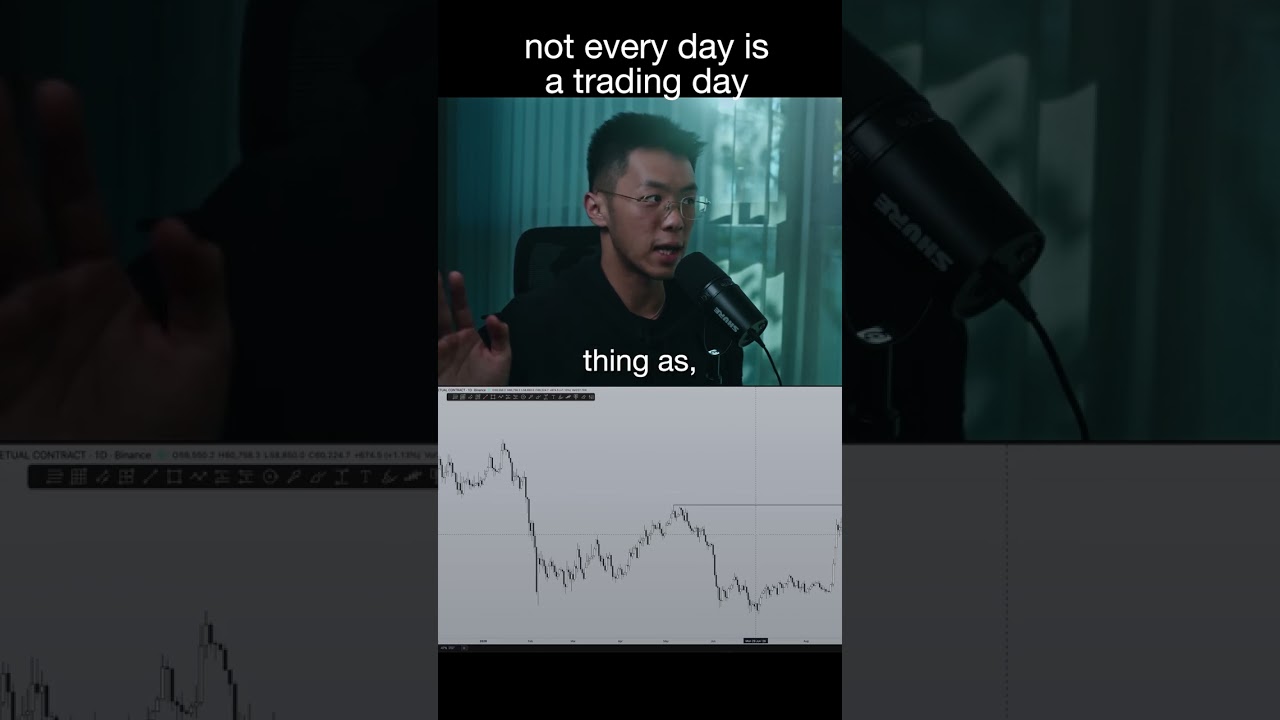
In this segment of the "How to Predict Price Like a Master Trader" tutorial, the presenter explains why traders should focus on "strong" or "protected" highs and lows rather than trading from relatively equal price levels. A strong high is defined as a swing high that forms after the market has swept out prior liquidity, meaning stop‑loss orders above that level have been triggered. Once this liquidity‑draining objective is completed, the market has little incentive to revisit the high, making it "protected" and less likely to be retested. Conversely, trading from equal highs/lows carries a high risk of being stopped out because the market may still be seeking to trigger those pending stop‑losses. By targeting strong/protected levels, traders align their entries with completed liquidity objectives, reducing the chance of premature stop‑loss sweeps and improving trade reliability.