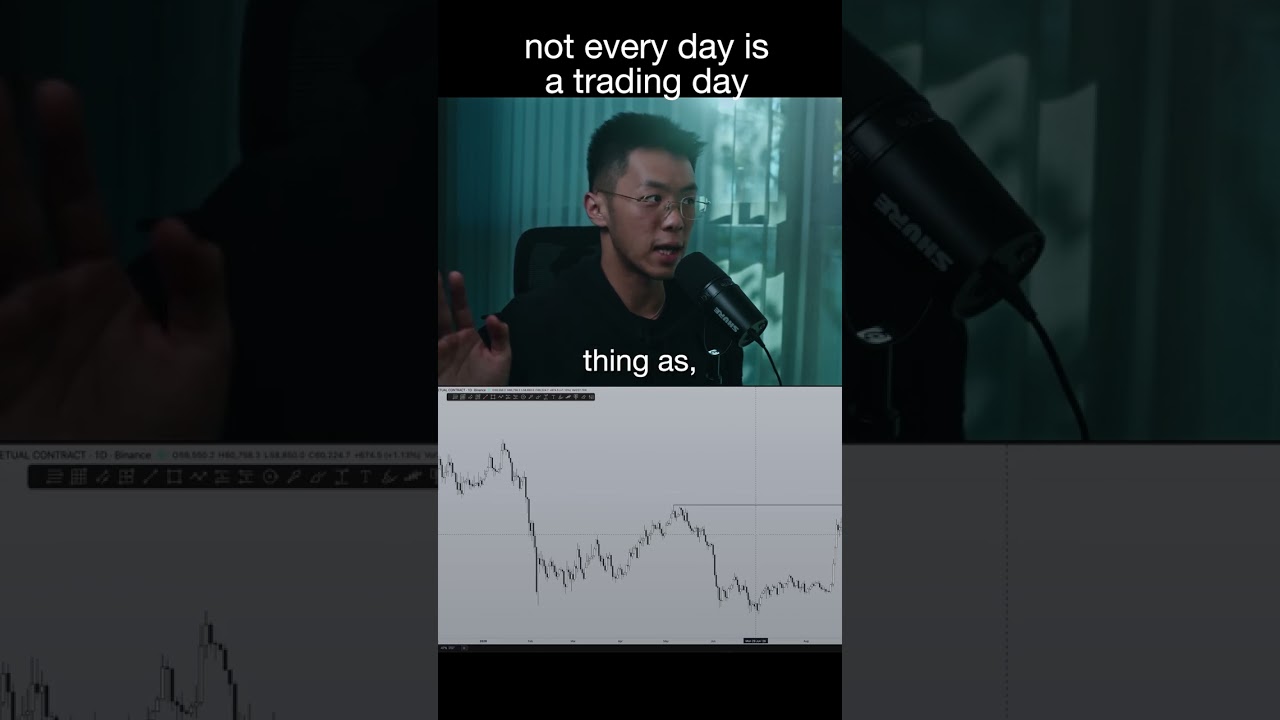
Institutions Will Be Buying Polkadot At THIS Price! Follow The Smart Money!

In this YouTube video, The Art of Crypto delivers a detailed technical analysis of Polkadot (DOT) using volume profile, order blocks, and the concepts of protected highs and lows. He explains how the point of control (POC) on the volume profile (around $15.3‑$15.68) acts as strong resistance and identifies a bearish order block there. The host describes how institutions create order blocks—last bullish candles before large down moves—and how protected highs (unbreached resistance levels) and protected lows (unbreached support levels) signal institutional intent. He evaluates Polkadot on both the 4‑hour and daily charts, outlining bullish and bearish scenarios. For the bullish case, he recommends a long entry near the recent pull‑back with a stop‑loss around $13, targeting $16‑$17.6 (risk‑reward 2.5‑4.5:1). He also suggests a safer breakout entry above $15.68 with a tight stop. For the bearish case, he highlights a break below $13.1 as a protected‑low violation, potentially forming a head‑and‑shoulders pattern with a measured move to around $10.1, and identifies lower‑price order‑block entry zones near $11.2‑$10.8 and deeper support around $8.5‑$8.7. Throughout, he emphasizes risk management, stop‑loss placement, and the importance of aligning trades with institutional order flow. The video also promotes a paid TradingView volume‑profile indicator, a private Discord community, and a trading course, urging viewers to join before spots run out.
Chapters
What's up everybody, welcome back to The Art Of Crypto, the birthplace of absolutely legendary gains. In this video, we are going to talk about Polkadot. A lot of people have been asking for an update on Polkadot, so let's take a look. But right before I jump into it, if you haven't already followed me on Twitter @TheArtOfCrypto, this is where I'm sharing the latest market updates and you do not want to miss out, so make sure you follow me on Twitter. But anyways, let's dive into Polkadot. So just zooming out onto the 4-hourly chart, There is something that I immediately want you to take a look at, which is this. Like on the volume profile, which again, this is a paid indicator on TradingView. The way you get this is go to indicators, look for visible range. That is how you get it. You can only access this if you have a paid TradingView account, and my recommendation would be to simply upgrade. As a trader, it's going to be the only tool you need. Might as well upgrade in the only tool you're ever going to need, right? If you go to the link in the description, there is a discount code for $30 off, so make sure you take advantage of that. But anyways, immediately on the volume profile, it basically shows you where the majority of the volume, or rather the trading, has been taking place. So basically, this yellow line that you see right now is called the point of control, which basically means that this area right here where you see a high volume node is where market participants generally believe that that is the fair price for Polkadot. So what that basically means to you guys is that this area right here between 15.3 till about 15.67 or 15.68 is going to act as pretty strong resistance. And there is another reason why the price has been rejected at this area. So if you just mark down this area right here, basically this is what you call a bearish order block. Now if you don't know what order blocks are, is basically this move right here is caused by institutions. All right, they are the ones with hundreds of millions, potentially billions of dollars to play with. And they are the only ones who can move the markets like this. So if you were a retail trader, like there is no way that we can move the markets. In fact, this is retail right here. That's not institutions, right? So as I always like to say, if you can't beat them, you join them, or at least you try to follow what they're doing. In this case, this analysis is going to try to identify what the institutions are trying to do. So order blocks are basically the last bullish candle before a massive move downwards. And what order blocks basically are. Are areas of untapped liquidity. Basically, these are areas that institutions are going to like to push the price to in order to fill their orders before letting the price go to where they want. So in this case, you can see that we've been rejected by this bearish order block. So in this case, are we bearish? Well, not exactly, and let me explain why. So if you just take a look at the 4-hourly, during this entire move down here, you can see that we have consistently formed lower highs and lower lows. So if I just draw a high, something like this. And if I just drag that, that's a, that's a low high, low high, low high. You get the point. But during this one move up here, we have broken through multiple highs. Now I know you've realized that I wrote here protected highs. Now the reason why these are called protected highs is because imagine if you were an institution and you were shorting Polkadot, let's say. Then if you were shorting Polkadot from any of these highs right here, would you In your right mind, allow the price to come back up to you know the previous high to stop you out. I'm pretty sure you wouldn't, and that's why they are protected. It means the institutions are protecting their positions, which means the sign that we look for when we go to a long is actually for these protected highs to no longer be protected. You look for these highs to get violated, and in this case we have gotten this you know sign. And just you know as a very humble brag, during the last Polkadot video I made, I believe I called for Polkadot to at least go to ten dollars and six. And well, it did go to $10.40, but you know, that's pretty close in my book. So congratulations for those of you who bought Polkadot at this exact level. Like, I called it days ahead. So congratulations if you took the trade. Right now we're gonna figure out what's going to happen next with Polkadot now that I have made that explanation to you guys. For now, no matter what might happen, Polkadot is still in an uptrend. If you realize, we have been forming simply higher lows and higher highs, which basically means— remember that concept I talked to you about protected highs? Now we flip the script and now it becomes protected lows. Basically, in order for Polkadot to continue to be bullish, we need to see these protected lows be respected, which means you do not want to see price violate any one of these protected lows. Keep in mind that we are on the 4-hourly chart right now, so let's stick to the 4-hourly chart. On the 4-hourly chart, we are bullish, right? Because we've broke through multiple highs. However, if we go on to the daily chart, which again, usually the higher time frames that matter the most— like, look at this on the daily chart. This is how powerful order blocks are. If you know how to take advantage of order blocks, right? Look at how much the price just, you know, come up to the order block and get immediately rejected. This just goes to prove that, you know, this is an area where institutions are watching. And for those of you who've tried this out for yourself, you know exactly what I'm talking about. So here, this is the reason why I brought you onto the daily chart. If we just go on to the daily chart, you can see that, you know, pretty much we have been making this move, and then it was something like this, right? Whereas on the 4-hourly, we were drawing something like, you know, this. So on the 4-hourly, you can see that, you know, we are already bullish. However, on the daily chart The most recent protected high is in fact over here. So the reason why I consider this a protected high is because this candle right here is taller than the next two candles, you know, right next to it. So this is considered a swing high. So this is going to be the next area that we want to keep in mind. Granted, you can consider this area as well as a protected high. So in this case, perhaps on the daily chart we are already bullish, but the ultimate signal for me that would signal Polkadot. going into full-on reversal mode is actually for Polkadot to break this level at $17.60. If you do break this level, I do see Polkadot go back all the way back up to attack this high at $26 and even beyond to fill in all of this inefficiency right here. Because again, if we just zoom out onto the daily chart, you can see that after you break above, you know, this level basically— or rather, after you break above this level basically— it's a straight road ahead to, I don't know, $20. So that's about 20% And I don't know about you guys, but I'm really happy with 20% on any day. So once you break above, you know, basically this previous high, it's a straight road up to about, you know, $33. But that is a long way away. Right now we have to discuss what is the exact trade that we should be taking. So here comes the million-dollar question: where should we buy Polkadot, and whether or not we should even be buying Polkadot? So as you can see, remember that concept I talked about Order blocks, right? During a bullish trend, we want to see bullish order blocks get respected. So if you notice, before this massive move upwards, this was the last bearish candle, and look where the price dipped into. So this is the signal that we have that you know the price is still bullish and that the price is still respecting this protected low, which means right now what we are having right now on Polkadot is what you call a pullback during an uptrend, which means if you do buy Polkadot here, it's actually going to be a pretty good entry. Granted, if I made this video a little bit earlier, you guys could have bought at the order blocks, but. You know, we've already missed that train. So for now, this is still a pretty good entry. Now if I were to enter here right now, I would set my stop loss right below, you know, at $13-ish, right below this protected low. Because we know that if the price does break this protected low, then this whole concept of us assuming that institutions are still long on Polkadot is invalidated. So if I were to go long here, I would do it, you know, I would set my stop loss there. And granted, this is about 10% away Right? If I'm not mistaken, it's about oh no, not even ten percent. Yeah, six percent. That's a very acceptable amount of risk considering the fact that the profit target for us. Let's assume. Let's just assume we are going long here. We will assume that whenever the order flow is bullish on an institutional scale, we always want to see previous protected highs get attacked. Basically, the reason why they will be attacked is because imagine this, right? If you were going to go short on Polkadot, right, as retail. You're going to be looking at perhaps, you know, this level, right? Let's give a— let's give a better example. So perhaps you might be looking at this level right here at 15.7, and you're going to be thinking, hey, you know, this is, uh, strong resistance, baby. Um, we short at resistance, the price is not going to break above 15.7. But that's what you're gonna think because you don't know how the institutional order flow is like. So people are going to short here, and if they do short within this order block, let's say Where's their stop loss going to be? Now, I don't need to be a genius, but I would assume it's, you know, perhaps just a little bit above this level, which means this is an area of liquidity. And look exactly what the volume profile tells us— right above this level, there is a lot of liquidity right here. So trust me when I say, if Polkadot is to remain bullish, if Polkadot is still bullish, right, then I do see Polkadot, you know, attacking the previous highs at about $17, $16 for sure. Like about, yeah, $16. So this is sort of the thought process that I'm having when I say that is the price target, right? Basically, the markets, or rather the institutions, they always like to go and hunt out the liquidity in the markets. They know where your stop losses are and they will hunt them down. And the reason they do that is because they have hundreds of millions of orders in order to fill. They are not going to fill all of their orders if, let's say, they buy here in the middle of nowhere, like there is no volume here. If they buy in the middle of nowhere, they are gonna get wrecked by slippage. So that's why they target areas of high liquidity. Because if let's say you were shorting, you know, above here and you set your stop loss here, if you were shorting, right, your stop loss would mean that you market buy once, you know, once the price reaches that level, you will market buy. And if you are market buying, guess who's selling? That's right, institutions. They will be shorting while you buy. And that is why they need an area of high liquidity. But anyways, As I was saying, the reason why I would suggest this entry, right, although it's not the most ideal, honestly, this is not the most ideal entry, but, you know, we missed the train already, so this is the only thing we can do right now. So the price target, right, for, you know, this move is at least back to $16, right, if we do go long there. And the reason I've already explained is because this is where the protected high is. We want to see, right, during a bullish trend, we will look to see for price to attack previous highs. So that could mean the price will go back up to $16, and that could mean that price goes back up to $17.6. Even if it were to go to $16, this is a 2.5 to 1 risk to reward ratio, right? If you can see, the risk is 6% and the profit is about 16%. So that's about, give or take, 2.5 risk to reward ratio, which I don't know about you, but that sounds pretty good to me. On the other hand, if we do go back up to $16, like $17.7, $17.6, Which is, you know, perhaps it could happen, right? I don't know. But if that does happen, then this is about a, you know, 4.5 to 1 risk to reward ratio, which sounds pretty good to me. And when it comes to trading, always use a stop loss, okay? For most people out there, a stop loss is going to really benefit you because trust me when I say that even the best traders in the world are wrong about, I don't know, 50% of the time, and yet they're still wildly profitable. And the reason they can be profitable is because they exercise proper risk management. So make sure you keep that in mind. So that is going to be the bullish scenario for Polkadot. Now I know this is not the usual like, oh, buy here and sell here. Right now we've very likely already missed the entry. So this is all that I can give you guys for now. An alternative entry which is safer actually, if you watch until this point, would be a breakout above this level right here at $15.7. So if you notice previously I marked this level as a bearish order block. When we are bullish, we want to see bearish order blocks get violated. Basically You want to see price bust through these bearish order blocks. So the safe entry, right, the absolute safest entry that you can get is actually to wait for price to break above 15.68 before you do decide to take an entry. Now doing so will mean 2 things. First, you are confirming that you are absolutely bullish and you are not buying here, and then, you know, perhaps you might get stopped out. But even if you get stopped out, this is a calculated risk, so that's fine. But the safest entry again As the price is breaking above that level, you're going to want to buy along with the breakout, or you want to wait for the breakout and then wait for the retest before you buy. So this is where you buy. So the reason why these 2 entries are so good is because you can literally just set your stop loss right below that level, and you understand that, you know, assuming that this is resistance, we have this saying that previous resistance becomes future support. So if it breaks above this level and it comes back below this level, right, that's not the clearest illustration, If it breaks above that level and it comes back below, then you should set your stop loss right there. Like, if it comes back below that level, then you know that your theory has been invalidated, and it's perfectly fine to be wrong. So that's my honest recommendation for Polkadot in the bullish entry, right? And you know, over here at this channel, we are grand strategists. We never just talk about one, you know, one scenario because we like to keep in mind all the possible scenarios. So let's discuss the bearish scenario. In this case, for Polkadot to be bearish, you are going to want to keep in mind this level right here at $13.1. So if Polkadot does break below this level, again, this is violating a protected low. It means that institutions have started to short this. And you know, if it does break below this protected low right now, what you will see is actually a heads and shoulders pattern. So I don't know if you are familiar with technical patterns, but this is what you call a heads and shoulders, and usually this is a bearish pattern. And usually the breakdown target of a heads and shoulders is the distance from the neck to, like, from the head. So that will be right about here, right at $10.11-ish. So this is the measured move of the breakdown if it does break below $13 or like $13.1. So basically what this means is that if price were to break below $13, I will give you one of the best entries that you could possibly get for Polkadot. Now if you thought this snipe at $10.6 was absolutely brilliant, then you're going to want to pay attention to this level as well. So I'm just going to draw this bullish order block right here from about $11.2 to $10.8. This is going to be your order block. So the reason why I am drawing this order block is because, like, the reason why I'm paying attention to this order block rather than this one or this one, right, because both of these are order blocks as well is that, you know, this order block right here— if I just move this box upwards, you can see that it has already been filled, right? Price moved out of the order block, came back in to fill it before taking off, right? Here we have another order block. At the moment we have filled it and we are taking off, which is hence why I recommended the long. But in the event that we go, you know, in the event that we go down, then this is the entry that you are going to want to keep in mind. So I'm just going to mark down this level as the order block entry. If you do get Polkadot from anywhere between this level and this level, so the 11.22 and 11.1, you are going to be in pretty good hands. These will be pretty close to the bottom. And I would assume that this is going to be quite a snipe. Now, again, this is not financial advice at all. All I'm giving you right now is if you were gonna trade Polkadot at all, right? If you were gonna trade it, I would much rather you buy around areas of value rather than in the middle of nowhere. This is not financial advice, purely my opinion. I could be wrong, so take it with a grain of salt. And in this case, I would actually set my stop loss just right beneath, you know, right beneath this protected low. In fact, in this case, if you were more risk, you know, hungry, I would even set my stop loss below the absolute low of this area. But honestly, I think I would just set it at about 10.6 in this case, because I know if this protected low gets violated, there is literally no support until Let me just zoom out, right? The next order block is actually going to be at about, let's draw it out here. So this is going to be support, right? So this is support, and the next order block is going to be at about, you know, $8.50, like $8.70. So because I know this area is support right now, I'm actually gonna move my stop loss lower, because I know for a fact that not only do we get order block support, but we are getting traditional support and resistance kind of support. By the way, if you wanna find out exactly how I'm able to snipe entries, like actually to the And, you know, I can call it multiple days in advance, then you're going to want to check out the private Discord group. Because over here, you are going to get access to a world-class trading education that will pretty much ensure that you are going to become a proficient trader. And even if you don't, at least you'll be able to filter out 90% of the things that don't really work and just learn the things that do work. And especially if you're, you're interested in finding out how I'm able to be so accurate. If you follow this channel for a while, you know how accurate I am. And if you just want to, you know, find out, I, I literally leave out everything that I know in the trading course. So if you're serious about taking your trading game to the next level, you're going to want to check out this private Discord group. And as a bonus, you're going to get access to profitable trading setups every single day where people are making money every single day. Look at, look at everyone, and these are just from today. There have been many people who have already made back their monthly membership in just a couple of trades. So This will pay itself off real quick. Right now, there's only about 20 spots remaining to the private Discord server, and after this fills up, I'm probably going to be closing this for quite a while. So if you're interested to get in, make sure you secure your spot pretty quickly. But anyways, the take profit targets, right? I do have to mention the take profit targets; otherwise, people are going to start asking me. Is again, just look for these. Just look for these previous highs to get violated, right? Or quote unquote, just look for quote unquote support and resistance. So these are going to be the levels that you're going to want to pay attention to. Remember, if Polkadot does break below like about, I don't know, $10.3, then it's very likely that we are going to go lower to test this previous order block that has never been tested, right, at about $8.8. And just to give you guys another DCA entry, it's going to be somewhere about there, right, at $7.98, like $7.8-ish. And as for my stop loss, in this case I'm actually just going to set it Right below the swing low. So this is going to be, you know, your entry for Polkadot if the price does break below this level, which I doubt, but who knows. I cannot predict the future. This is only an assumption. But if we do get it, you know, you just read— you just read and react to the market. So yeah, these are going to be all the levels for Polkadot that you're going to want to keep in mind. Now I want you to just pause the video and mark down all these levels for yourself because I'm already giving you the exact levels to keep in mind For Polkadot, I'm giving you the exact reasons why you want to keep in mind of these levels. So if you can't even take the time to go mark these out for yourself, then there's nothing more that I can do for you. I'm just going to add one more level about there. And so these levels are, you know, for those of you who have a pretty low screen resolution, I'm just going to zoom in for you guys. So this will give you guys at least some clarity as to what these levels are. So if you watch until this point, I want you to comment in the comment section Order block, so that I know who are the real ones. And for those of you who have stayed until this point, I love you to death. Like for those of you who watched my last video about Bitcoin and Ethereum, where you know I sort of just rambled on, like seriously, it means so much to me that you guys are willing to sit through that. I do get into a lot of detail, but that was sort of pretty off tangent, and I really went off the script there. So thank you, thank you for sticking around, my friends. But anyways, if you're interested to take your trading game to the next level, remember. The private Discord group, it's about to close pretty soon. I expect by the end of this month. In fact, I will close it by the end of this month, so just make sure you get in while you still can. Anyways, with that said, may the gains be with you, my friends, and peace. Peace.