Episode9
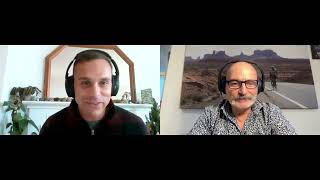
Jim Rees talks with Paul Minter, a former British Army soldier and CEO of Head Up charity, about his military career in Afghanistan and Iraq, the mental and physical demands of combat, and how soldiers transition to civilian life.
Welcome to the EI Guru podcast, a podcast completely focused on emotional intelligence. Typically, the first question I get is what is emotional intelligence? In very simple terms, it's how we manage our emotions in our interactions with ourselves and others. Or put another way, it's being in the right state and, and not being in a state when under pressure. Emotional intelligence is another label for mindset, and we all know that when navigating those important conversations, we need to tap into our best. I'll be interviewing leaders and experts in this ever expanding field and sharing the data on why emotional intelligence is the difference that makes the difference in all of our relationships. Remember to share and subscribe to the EI Guru podcast and if you have any questions, you can post them once you've subscribed. Say a really close friend of mine, Paul Minter. Paul Yisu. But I, I want to hear about your. So this is an emotional intelligence podcast, right? So I'm interested in the mindset side because I know you and I spoke about this before your run, but I'm really interested in what you went through during the run, what you're going through now as the CEO, co founder of the Head up charity and, and how you manage and navigate that trickiness as well. You know, there'll be good days and not so good days like all of us have. So I'm gonna, I'm gonna sort of get you to sort of, you do your little intro because I, you'll do a better job of it than, than I will. So I'm, you know, tell our listeners about your career in the army and, and maybe even perhaps before that as well. Maybe go back before you got into the army and what got you inspired to join the army and etc. So I'll stop talking and let you share with the listeners, if you don't mind. Paul.
Oh, thank you, Jim. Thank you for introduction and hello to everyone that's listening. I guess if we're going to start back to give a very brief because you want to hear too much very brief description of where I grew up and the sort of child I was before joining the army. I was born in a place called East Ham in East London, which is on the border of Essex and, and London right next to east. Be right next to the old West Ham football ground, if anyone knew where that was. The old bowling. Bowling ground. And the area that I grew up in was very much a football area. Everyone supported West Ham. It was a big community. Everyone, all the families knew each other. We all went on a holiday and we all went to football, went to the publisher. Very much a workingclass family where drinking and the pub was this almost a daily thing either down a workman's club every evening, listening to the old singers and whatnot. My dad was quite a tough guy, very tough in his nature, as in quite hard. And he worked at doors when he was younger and dipped in and out of a few naughty things. My mom was the most and still is the most kindest, loveliest person. They were bit chalk and cheese and I guess that's where I've kind of got my tough exterior but also a very empathetic soul at the same time. When I was about eight years old, I think I remember watching a product adores movies younger and dipped in and out of a few naughty things. My mum was the most and still is the most kindest, loveliest person. They were a bit chalk and cheese and I guess that's where I've kind of got my tough exterior but also a very empathetic soul at the same time. When I was about eight years old, I think I remember watching a program on itv. It was like a commando school, the Royal Marine Commandos. And I didn't know anybody in the armed forces. I've never met a single veteran or a soldier. And I just remember watching it thinking, that's amazing. I loved how hard they were working and how they were pushing themselves even from that young age. And I was just obsessed with it. And I remember somehow getting hold of a Royal Marine poster and putting it up in my room alongside all my football posters and. And that feeling never went away from me. And I think I just watched a lot of war movies and a lot of documentaries and Band the Brother and them, doing sorts of programs and just thought to myself, I just, I just used to visualize and fantasize about that, me being that person on the front line fighting. Which, you know, it sounds a bit sadistic really, doesn't it? But that's, you know, I think as a, A young boy, when you're trying to find yourself and, you know you're starting to get hormones and testosterone and trying to. You looking at people and heroically and wanting to be that hero yourself. And I think I always try to put myself into that position.
Yeah, I don't think it sounds too weird to hear you say that because I, I know you better than the listeners, of course. So, you know, given your background, your childhood and then, you know, you know, as a Hammers fan, you know, you're, you're, you know, you got really involved in all of that, you know, so there was not just the drinking, but there was the fighting and all the other things that. Did you know that. That you've. You shared with me before as well, you know, and that's. That doesn't surprise me, some of that, you know, growing up in a fairly harsh environment as a young boy. So it doesn't surprise me that you then snuck into the army, you know, that that was something that you aspired to.
Yeah, I mean, I guess as I grew up, I was. I was a bit of a naughty child. I was, because I used to get into lots of fights. But I. I honestly mean this when I know everyone says it, but I honestly mean it when pretty much every fight I think I've ever had in my life, which is quite a lot, I'm not proud to say, has always been because someone else has started it, or me trying to protect someone else and getting involved because of that. So I've never been afraid to put myself in the line of fire, if you like, even if it's a. Whenever I'm outnumbered or I'm going to come across as the aggressor at the same time. So I think that happened a lot in my. My teenage, teenage years and. And again, the football, it was. There was a lot of city fighting and stuff like that and I got involved a little bit with it and again, that was just trying to find myself. I think it was the people that I was surrounded with. But, you know, by the time I was like, 19, 20, it was all became very ridiculous to me and I was just. It, you know, it was no, no longer part of my life. But when I was 15, just left school, nearly 16 years old, I wanted. I said to my mum, said, that's it, I'm going to join the army. And this is 2003, so the Iraq war has just broken out and I'm. I'm watching it on the news and they're out there fighting, the tanks are shooting down other tanks and everything's happening and I'm just stuck to the stock, to the tv, thinking, I want to be out there. And my mum, she's. She's always been about me, me and my sisters having complete independence, being our own free spirits, doing what we want. That should never hold me back or stop me from doing anything. But she did just say, Paul, because she was just about. She was about to move to Newcastle. She. So she did say, please just give something else a go, just in case. And just out of pure respect for my mom, I did. I said, okay, I'll. And I signed up to a five star engineering course up in Newcastle. So I moved up there about two months in. I said, mom, that's it. I, I've given it a go. I don't want to do it. The war's still going on in Iraq. I don't know how long it's going to be there for. I don't want to be part of it. She said, at least you, at least she gave it a go. She said, okay, you can go and join them and you've got my blessing. So I was up in Newcastle at the time and I don't know how many of your listeners know about Jordies and how they, the men especially can quite despise Londoners. And I noticed that when I was up there they've got this thing against Cockneys or London Southerners, but the women seem to love us, so it's a bit of a but. So I went to the careers office and I just, I went in there and it was a. And I just said, hi, I'm here to speak to Royal Marine. So a Royal Marine sergeant came down and he said, how can I help you? And I said, I want to join the Royal Marines, please. I've been wanting to do it for a long time. And he said, where you from? And I said, london. And he said, f off back to London then. It is the first time I've ever spoken to any sort of armed forces person and you know, he's my hero. And looking at him thinking, you're my hero, you're who I want to be. And he wasn't joking. He shut the door behind me.
What a great introduction.
So I was kind of like 16 years old thinking, oh my goodness, what just happened? So I went back home and told my mum and she went ballistic. She wanted to go down there. Course I said no, but I. The next day I jumped on a train. My dad lived in East London, so I jumped on the train back down to East London and I went to the careers office down there and ended up joining the army in the end because there was no, no Royal Marines at that careers office. So I ended up joining the army, joined the Hassle Cavalry Regiment, the Blues and Royals for those who know about regiments. Same regiment I worked with. It's quite a prestige regiment, especially for officers. Officers have to come from a certain caliber and quite often have to be at certain schooling and have a certain income and that sort of thing. Well, you know, you know, my good. What, what just happened. So I went back home and told my mum and she went ballistic. She wanted to go down there, of course I said no, but I. The next day I jumped on the train my dad lived in. During my time I served with Prince Harry and Prince William. James Blunt was one of my first officers when I was there and when I left, one of my last officers, Arthur Sodium was his. Winston Churchill's grandson. So you see the sort of caliber and officers that, and that's, that's really helped me as I've moved forward with the charity and getting people involved and the sort of caliber and of people that I have connections with that have connections in other places. For example, so 18 years I did up to the rank of a color sergeant, which is one down from sergeant Major. I joined another unit. So Household Cavalry Regiment is my parent unit, which I, I did, I went to, I was my very first tour, I went to Afghanistan in 2006. We were the very first ones out there in Helmand Province, that is so we, we were right in the front of fighting Taliban which were, you know, in full force at that time. But then after that I done, I joined another unit called Brigade Reconnaissance Force. So in Iraq we were four man teams. Covert surveillance are going hiding out in bushes, rooftops underground for two weeks at a time with our surveillance equipment, cameras, videos. And we'll just be in these ditches or rooftops for a few weeks gathering as much information intelligence on insurgents. And sometimes they'll be, they'll be standing two meters away from you and it's just four of you in a ditch with very few people knowing that you're there. So you know, the level of fret was just crazy.
Yeah. So just, just let me pause you there for a second though, Paul. So I'm just gonna rewind a little bit because you joined at 16, is that right?
16 coming into 17. Yeah.
And then you, your first tour was at what age?
I was 20. So I went, yeah, still young though.
You're still a little, you're still a kid.
Yeah, I was. I remember going to my, my regiment at 17 and there was a squadron getting ready to go to Iraq and they'd already had. The squadron was full up. And I was absolutely gutted thinking I've missed my opportunity. But little, little did I know, you know, Afghanistan was gonna about to happen and you know, there's an abundance of opportunity to do a lot more.
So, so talk to me a little bit before you get into the Afghanistan stuff. Talk to me a little bit about. Because before we Came online. You spoke about the, the training that the army gives you before you go to war before.
And there was a squadron getting ready to go to Iraq and they'd already had, the squadron was full up. I was absolutely gutted thinking, oh, I've missed my opportunity. But little, little did I know, you know, Afghanistan was going to about to happen. And you know, there's an abundance of opportunity to do a lot more.
So, so you go to these places and, and you know, I know we've had conversations about what you said. They're very good at that, they're very good at getting you ready for that and preparing you for that and you know, following command and all the rest of it. So they're very good at that stuff. Creating followership, which is one of the models we use in the corporate world. Now talk to me a little bit before you get into the Afghanistan stuff, talk to me a little bit about. But what they'd not particularly or they, they're slowly starting to get about because before we came online, you spoke about the, the training that the army gives you before you go to war, before you go to these places. And, and you know, I know we've had conversations is, you know, post coming back from those tours where people's mental well being is not particularly in a great shape, you know, because of what they see and experience while they're on tour. So, so just talk me through a little bit of the training. So the training as a young lad, you're in this regimen and so how long is about what you said. They're very good at that. They're very good at getting, getting you ready for that and preparing you for that and you know, following command and all the rest of it. So they're very good at that stuff. Creating followership, which is one of the models we use in the corporate world now as well. But what they'd not particularly or they, they're slowly starting to get did you train and what, what sort of, what was that like? And how did they mentally prepare you for this stuff? Because of course seeing it in the movies is one thing and you're all excited and you want to get there, but actually you're talking life and death situations here as opposed to, you know, that doesn't happen in the corporate world. You're talking about a very different better at is, you know, post coming back from those tours where people's mental well being is not particularly in a great shape, you know, because of what they see and experience while they're on tour. So so just talk me through a little bit of the training. So the training as a young lad, you're in this regiment and so how long, you know, how committed are you? Well, that's how committed you are. You're putting your life on the line, you know, so it's very different to anything most people will ever know.
Yeah. And the, the training and let's say the conditioning starts on the, you know, the very date did you trained and.
What, what sort of, what was that like? And how did they mentally prepare you for this stuff? Because of course, seeing it in the movies is one thing and you're all excited and you want to get there, but actually you're talking life and death situations here as opposed to, you know, that doesn't happen in the corporate world. You're talking about a very different day.
One that you start your training, it said to you that you are what every decision you make is life and death. And that that saying goes on every single day, every part of your training, dozens of times each day. So it's completely drummed into you that whatever you're doing as a huge consequence to yourself and other people around you. So you are very aware of that. But the conditioning side of things, they get you, they, they, they kind of get rid of all your emotions and your feelings and your concerns, and they do this through multiple different ways of, of sort of. And I wouldn't. It's not as bad as most people are going to think when I say this, but almost by humiliating you, by, by making you so tired and worn out and cold and hungry that you actually don't care no more. You know, you could, you could be standing outside in the freezing rain in the cold for hours because you didn't make your bed properly. You know, that's what I mean by humiliating. But what, what's happening is you're getting to the point where you're like, I don't care if I get cold and wet no more. I'm so used to it. Or I don't care, I'm hungry, because, you know, I've been there, I've done that.
Yeah. It becomes your friend almost you, you know, sort of like some, something that you're familiar with.
Yeah. I mean, if, if you were going to be taken out your comfort zone or so deep out your comfort zone for the first time whilst you're at war, that's a dangerous place to be. Of course, they're trying to replicate you without bullets coming past you. Replicate that in a, in a different environment and that's what, that's what they do. And it happens all the time. And then prior to actually going to war, shall we say, or an operational tour, there is probably maybe between six to nine months of hardcore training with life ammunition and, and real life stories and simulated casualties. And you know, you're, you're, you're working with actors that have got limbs missing and they've got blood coming out of them and, you know, their legs missing, they've got half parts of their bodies blown up. So this is, this stuff is becoming more realistic to you.
Yeah.
So that when you do see it and you will see it when you do see it on the, in, in a battlefield, it's not nice. But you, you've dealt with this situation before psychologically, you know.
Yeah. Wow. That, I mean, you know, I've not heard it graphically in that and we've not gone into nitty gritty detail there, Paul, but you've given a reasonable account of, you know, the significant training and conditioning that they're getting you ready and prepared for what will happen. And so it doesn't surprise me that they need to get you into that space because you, you just have the heebie jeebies if you saw that for the first time ever and you didn't have any sort of acting out and, and how to respond to those situations. You know, put a tourniquet on that and you know, drag him over there and, you know, etc. Give him a shot of morphine or whatever it might be. You know, I've seen a few movies, you know, so. But I, you know, thank goodness for me, I've not experienced that. But again, I guess had I joined the army or any of the forces, I would have had the training and I would have been able to be prepared for that.
So, yeah, so many people said to me, especially whilst the operational tours are on, I couldn't do what you're doing. And I was like, you could, you couldn't do it right now because you're not mentally and physically prepared.
Yes.
But, you know, anyone can be to an extent and you can just, you know that because you see it all around the world in, in countries where they're forced to do it where they don't want to because for different reasons. So you can do. But it's all about condition in that mind.
So this. So would you say the training is pretty exceptional in that regard? So it does get you ready, in and in a prepared state to go and fight?
Yeah, they are, they are so good. The armed forces are Extremely good at getting you ready. And if I'm being completely honest, a lot of people, soldiers, armed forces personnel, they don't necessarily have that deep warrior sort of mindset that kind of like, get, go. I'm going to be hardcore, I'm gonna, I'm gonna go into it. But some people do and because they can mix the people around, there's enough of these more hardcore line soldiers to pull everyone along and give them the confidence until they're ready to step up a bit more as well.
So, and so. Okay, so, so talk me through some of your tours, but I'm also interested from a, an emotional intelligence perspect, the, the leadership and who you saw that you looked up to that were exceptional leaders, because you will have come across exceptional leaders in your, in your career in the Army. So, so maybe talk a little bit about the tours, but when you've seen examples of great leadership, you know, in, in action, because you, again, you're talking about life and death situations. So great leadership means that they, they're obviously taking care of their, their, their troop.
Yeah, there's multiple occasions when we talk about emotional intelligence. I know we're going to talk a bit about it a bit more later, but it's now that I know about emotional intelligence or I'm aware of it a lot more. I'm just surprised that they don't use it as much in the armed forces or I don't highlight that they're using it maybe subconsciously they're doing more, but you don't really see it. So. And we live by, we live by standards and rules that we have to say all the time of loyalty, discipline, selfish commitment, all these sorts of things. But we don't actually learn about our emotions and how to deal with them. And that's, that's a bit, that's what something that's caused a major issue now with a lot of people. But again, I'm sure we'll talk about that a bit later on.
I mean, you know, you know, I use emotional intelligence as the label, but really ultimately emotional intelligence is your mindset. So, you know, your mental toughness, your resilience, you know, your ability to act under pressure, which is really what the army do, as you say, really well in getting you prepared to go to, on these tours. So yeah, I'm just curious as to understand some of your experiences in terms of seeing great leadership in action.
Well, when I was 20 years old, there was a guy called Mick Flynn and he was one of our sergeants. He picked me as his gunner. And he's. He's nicknamed Mick. Mad Mick. He's got. He's. And he is mad. He really is. He was actually. He left the armed forces a few years ago. He was the most decorated soldier in the whole of the British Army. He's done for Falklands. He got multiple bravery awards. He's been through every conflict two, three times. He's an incredible, incredible soldier, but very much a Marmite person. Lots of people either love him because he is so good, or they really don't like him because they think that he's potentially caused a lot of people's lives and injuries. But I was picked at it. I was picked as his gunner and I was, I was super excited. Most people were like, oh, great, I'm glad that he's your. You're the gunner, not me. But at the time I was like, oh, he's great. I, I love MiG. I think he's a fantastic person. Welsh guy, very tough Welsh person. Much older than most because he left the army and came back in again. Very experienced, worldly person. And what he does is, he's just, he just knows about war. He knows what's going to happen. He reads a situation, he fore reads it. And he doesn't necessarily listen to his superiors as much if he believes that something, he. What he's going to do is right, which is, which can go very badly for him if, you know, if something does go wrong. But I've been in, I remember being in a vehicle with him and, you know, he'd be like, oh, we're going to turn left off here, away from all the other vehicles, and we're going through these dodgy houses thinking anything's going to happen. And all of a sudden we're watching, we're seeing someone overhead trying to fire something onto the road where the convoy are going, you know, and if he didn't have that experience to come off, yes, we would, we wouldn't have scared him off and someone else would have been hit. But, you know, he, he'd get, he'd get in trouble. He got in trouble for, for that, that day, for example, he got in trouble for leaving the road and he was like, I just stopped someone being blown up. But they were like, that's not the point. You didn't follow orders. So. And there's multiple, multiple different situations, similar situations to that where he was just, I, I felt fully safe in his company. And, you know, we got blown up really badly on that tour. Very. It's one of the place still today. One of the biggest ambushes in Afghanistan. And unfortunately, very, very few people came out of it. And we were stuck there. And everyone thought that we had died and we hadn't, and they left us. So now we were left to fight probably about 60, 70 Taliban on our own. It was just two of us, myself and Mickey, with all of our friends, unfortunately, around us that are no longer alive. And. And I thought I was gonna die. I thought, well, this is it. But thankfully, Mick, due to his experience, managed to get us out there after 10 minutes of fighting our way off. Just two of us, so. Or three of us in the end. There's one other person alive that we weren't sure about. So, yeah, he's an incredible person.
Yeah. Okay, so someone that can really sort of give you instill that confidence in you and, and the people around, around them.
Yeah, I think that confidence, but also that trust where he, he told me to go and jump off a cliff. I know it sounds silly. I probably would because I'd be like, well, he, he's telling me he wouldn't tell me to do this if it wasn't for the right reason. Yeah, that, that's, that's how deep of a trust. And when you're on the battlefield and when so many things can go wrong in any split second, you need to be able to trust the person that is your leader and telling, giving you commands, it's so important. And if someone, if he told me to do something, I would even, wouldn't even hesitate, would even for a split second think otherwise. I'd just go and do it.
And you, you hit on something that is significant. In the corporate world, we talk about trust as the, it's the foundation, you know, so you have to have trust. And it doesn't surprise me to hear you say that trust is, you know, was a big thing with Mick, or should say his real name, Mad Mick, but. Because again, I keep on going back to this, but it's a life death situation. So you, you're literally trusting him with your life. You'll do whatever he's suggested that you do because you trust his judgment, you know, and that is a great example of an exceptional leader. And, and yeah, I quite like the pinch of salt that you chuck in that he was a little bit naughty on occasion where he would just read the, you know, he knew the war situation and he knew, you know, how to read those situations, maybe call it luck, but actually he just knew that, you know, going sneaking off down a side road would maybe he might be able to see the enemy trying to bomb the, you know, the, the other trucks, etc.
Yeah, I mean everything he did, most people would cringe at like oh my God, what is going to happen here. But it pretty much always the aftermath there was the right, the right course of action but because it was so it just, it took a lot of people out of their comfort zone. Even more at the comfort zone from being than being on a war zone, it just made so many people uncomfortable in themselves that they found it hard to relate to him. But I got there from a very young age and I pretty much replicated myself. Not as mad, but I replicated a lot of what I did in my leadership as I started having subordinates and soldiers under my, my command and they had to trust me and I had to give them commands and I, I very much replicated what I learned from Mick. So yeah, I think when, when it comes to leaders, leader is who you want to be and who you will become maybe to some extent.
Okay, so you went to Afghanistan. So how long do these tours typically last? Because look, I'm, I don't have a great deal of knowledge around any of these things. I, I just, I sort of, for some reason in my head I put a six month timestamp on it as though that's a typical tour. But I, I don't know whether that's the case or not. Paul. So what is a typical tour length etc of the. When you go over to these places?
Yeah, you're up, you're absolutely right, six months. So six to seven months with a two week gap in the middle rnr, resting, recuperation, where you normally come back home. So. But when I done my first Afghanistan because we were the first ones in, it was just a five month stint straight off. So just to get us in there, didn't, there wasn't time to be, get coming back. So once we've done the five months, the Royal Marines came in with their brigade, they came and took over. But then the next three tours I've done were the seven months with the two weeks gap. So six, we call them six months. But they're like six and a half months out there really but with a kind of week of acclimatization. So six months actually on the battlefield really. And then my last one I've done for nine months because there was a bit of a specialist tour that one.
And, and so when you say R and R because you and I have spoken about what happens in the R and R when you come back. So it's not necessarily rest and recovery. You're out basically, you know, probably drowning down some of the experiences that you've experienced over there. Is that right?
Yeah, Yes. I mean, it's just when, when I was in a situation, all of you know, it was great coming home and I had some money in my pocket and I was going out. I've got like, what, 10 days to go as crazy as I can. And that's exactly what everyone does, or majority of people just go as crazy as it can for 10 days and, and then you need to go back to, to Afghanistan for the second half to get more money and to recover from that. Two weeks, honestly. And, but I mean now with a more wise and serious head on it be great if we went to some sort of, I don't know, some sort of retreat or something for a week where we could actually really calm down with professionals talking to us about maybe going through some sort of trauma experience, you know, but instead it was just like, yeah, off the plane it, you know, you've got your bank card, so you're back here in 10, 11, 12 days time and everyone's come back, you know, bloodied and beaten and boozed up and all sorts. And then we go back in and start again and become this whole new wholesome soldier again for the next few months.
Yeah, so it's a rest and recovery. It's sort of, you're, you're away from the battlefield, but actually you've still got that mental trauma that you're carrying with you when you come back, back home and try to reconnect with your friends and family and, and all the rest of it. So, I mean, look, I, I know about how to hurt yourself, you know, when you go and physically hurt. You know, my, my addiction was as, you know, physically, you know, doing Ironman triathlons, the Race Across America. All those things were for me, dampening my emotional turmoil down. And I know you were. Ran similar patterns as well. Coming back from some of those tours. You ran a similar mangling pattern, but not physically necessarily. You'd be, you know, doing a whole load of drinking and whatever else you got up to, you know, to dampen down those memories.
Yeah, it's very much a military thing as well. Speaking to, speaking to, you know, going to talk about charity later, but speaking to dozens of armed forces personnel, families as well, trying to get the, the husbands to get in, get in touch with our charity because they're worried and pretty much all of them are drinking heavily with children and whatnot. And you know, the Military, thankfully, has come away from it now to an extent, but the drinking culture was on another level. You know, you would. If you wasn't going out on every single night pretty much, and drinking at least 10 points, you weren't part of the group, you know, you were some. You were shunned out like a black sheep.
You're a lightweight. You're a lightweight.
Yeah, you're lightweight. You can't, you can't drink. You can't keep up with the boys. You know, you can't do the job. So everyone, everyone would just get drunk constantly. And it was. Yeah, yeah. And then you, then you start to put in the. This sort of trauma that's about to happen. Going to war without realizing it and coming back. And then people leaving the armed forces, and then now they lost. They've got a sense of loss of identity, lots of purpose.
Yeah.
They're no longer this almighty person that they were once looked up to. Because in the armed forces, you, you have a very strong, a very strict rank structure.
Yeah.
No matter what someone's personality, if someone's got a higher rank than you, you look up to them and you, you give them, you give them respect and command.
Yeah.
And you've lots of people, once they come out, that they lose it. And if they haven't got a person, a personality and character to, to, to follow, they pretty much lost a lot of stuff.
Yeah. No, they're right. I get the identity thing and the, and the lack of status that they no longer have, you know, so they're now on City street and they're a normal human being, you know, so how do they then act and behave based on. They've had years of conditioning in the army and then they're out of that environment. So that's a big shock in itself without all the stuff that you've seen in war in some of those tours, you know, and, and I know you've shared some of them with me personally and some of them, you know, geez. So, you know, you didn't necessarily have anything to go to when you decided to leave the army. So maybe talk to me, talk to our listeners a little bit about your exit from, you know, coming out of the army, what that was like. Share as much as you'd like to share, Paul.
So, yeah, I will do, Jim. And I mean, it's. So I've done five tours in total, and I just want to say. Because it doesn't necessarily. And I know, you know, and probably a lot of your listeners do, but I just want to, to say that although I, I actually experienced a lot as a soldier, I went through a lot. So a lot of people go, oh, well, that's probably why he has a, a few issues. But actually it doesn't, you don't necessarily need to have been on tour or being blown up or, you know, being involved in, you know, lots of death around you to have problems. A lot of just the fact, the simple fact that a lot of the people in the armed forces, just to go through training and go for that conditioning of your mindset, like we spoke about earlier bec, that sort of, that warrior be being prepared to go to battle, being prepared to die and kill people, to change someone's mind from a schoolboy to that. It's a deep, deep condition and deep trauma.
Yeah.
So it doesn't matter whether where they've been or what, or what you've seen. Anyone who joins the unfortunate has got some sort of trauma through conditioning of the, of the mind. But, but for me, I did actually do four. I've done five tours, spent three and a half years of my life in Afghanistan and seven years in, seven months in Iraq, all on the front line. I got blown up twice very badly where most people didn't come out of it and somehow I miraculously didn't even get. I was pretty much the only person on both, both times to come out without an injury.
So crazy. That's remarkable.
Yeah, it's absolutely mad. And being shot at, honestly, thousands of thousands of times with all sorts of bullets and rounds and not one of them's ever hit me. They skim past me, skimp past my jackets. I've got blast marks on jackets and trousers and helmets, but none of them have ever hit me. So I've been very fortunate in that sense. But when you are on the front line, there is a threat every single day. And I didn't really bother. It didn't, I was one of those who, it didn't overly bother. People used to think I was a bit weird, that, you know, I'd be running into compounds where they're firing us rather than trying to skirt around them or call something in. I was just, I was always super hyped up, but I, I, I was also very good and, you know, very articulate and, and tactical, tactical with how I went forward with stuff. So I always think, oh, you know, nothing's ever going to fake me. Nothing's ever going to bother me because I just, nothing, you know, I'm, I'm, I'm, I'm very good at what I do on the battlefield. And I don't care about it, you know, having seen multiple friends, being unfortunately passed away on the battlefield, having to do what I've had to do, it's not nice, but it wasn't bothering me at the time.
It's interesting. You, you, you, you spoke to me some time ago about, you're so desensitized. And I think you spoke about situations where you, you have run in almost a bit like a Rambo with, you know, blazing guns, you know, and you're the, you're almost like the spearhead to penetrate, you know, for others to follow you. But I remember you telling me that, you know, you get to a. So, you know, you got to a point where it was sort of like, well, you know, if I do die, I, you know, I die. You know, it's sort of, you know, that's, that's how it's going to end for me. You, you, you, you were desensitized about death, I suppose, because you were seeing it quite a bit.
I think. I was. Also a lot of my friends and people in the armed forces as, as bad as it sounds when they were being killed on the battlefield, they were getting a hero's funeral, a hero's, you know, everyone was talking about them. Their name would go. Name will go on a plaque forever. And I was thinking, I've done so much and so much time and my effort and sacrifice has gone into this battlefield and I'm never going to be remembered because nothing's ever happened to me. I haven't even got, I haven't even got a bullet wound to show someone down the pub, you know.
Yeah.
And my story is mean nothing. So I think that was, so I think that was always, always in my mind.
That's a very different way of seeing it. I think the fact that you, you came away unscathed and still alive is remarkable. And, and I think the other thing that I think is quite remarkable is what's beautiful about the story, Paul, the, you know, the final loop, if you like, is the fact that you've decided with your, with your buddies that you wanted to start this charity head up. And, and I think that's the reason that you were unscathed. You didn't, you didn't check out on the battlefield because you had bigger things to do and that's to help serve other people that are still serving and have also been discharged from the army now. So.
Yeah, and I agree with you, I agree with you, but I think, I think in that Moment in time. Obviously we don't know the future.
Of course, you wanted to name it on a plaque. You wanted to be on a plaque somewhere.
Yeah. Well, this is a bullet in my bum or something. You know, the least I can get. I've got many, so many friends that got a bullet wound in her bum and I'm just like, why can I, Why can't I get at least. That doesn't even hurt that much.
One in your bum. That's quite funny. I, I prefer one in through the shoulder or something, you know, as they say, you know, it's a. Just a flesh wound went through and through, you know.
So I've got. I've got a friend who's got, you know, that sort of typical scar that goes along the eye and down the cheek.
Yeah.
And he's quite a good looking guy. And it's just a perfect scar. That's the sky you need. That's good. He's a good story behind it too.
It's great. I love, I love the fact I'm. I could just imagine you guys getting together and you're sort of no scars whatsoever. And they've got some pretty good gnarly chunks of skin off them or scars or whatever. And they've got their stories to go with it. But you still, obviously you've got all those stories where you were involved in some significant action and mayhem.
Yeah.
So talk to me a little bit about the transition from coming out of the army and then into civilian life, because that a lot of the force people talk about the transition being quite a tricky transition.
Yeah. Jim. I just got a backtrack, just ever so slightly.
Yeah, sorry.
The listeners can, can know actually before the transition started, why, how I got there. So I came back from my fourth tour and I was on a very intense course. I was actually going for special forces training. I was getting ready for that and all of a sudden this overwhelming emotion of paranoia hit me. And then I couldn't sleep. I couldn't sleep in for about six or seven days. Not one rink. I was just laying in bed and. And then I was paranoid about everything. I thought that everyone was against me, that everyone was, was talking about me and laughing at me. And then obviously without sleep, as you'll know how important sleep is, my mind, I was starting to hallucinate. I was starting to feel sick and nauseous and I'm on this extremely important course. It didn't take long for an instructor to just like look at me and thinking, there's something wrong with this Guy. And thankfully, one of the instructors who I'd been on a previous course with called me off and he said, you know, you was one of the top students in the last time. What's going on? And then I just said, something bad's happening inside my head. I don't know what it is. I've never experienced this before. And he sent me, took me straight to the doctor. The doctor seemed quite concerned. I said, because I've not long got back from Afghanistan as well, and I've been involved in a lot of stuff. So he was a bit like, okay, this could be quite serious. He wrote a letter to my. My regimental doctor, and then they got a car to come pick me up, took me off the course, took me back to my doctor. And unfortunately, the one that I had at the doctor I had at the time was quite inexperienced. We had lots going on, and rather than dealing with the problem, he just printed me off some sheets of paper saying, this is how to sleep better. And he left me with that rather than getting me some actual psychological help. So I was then put into a position where I was. Rather than getting help for paranoia, which is getting worse and worse by the day, I've got put into a position where I was now in charge of 42 men and 16 vehicles getting ready for a big exercise. Even more pressure. Wow. And obviously, obviously, the pride and everything. I didn't want to say anything, so I was like, okay, look, I'm fine. This will, you know, go over. I was also quite embarrassed. I was taking off this course as well. Everyone's saying, why, what are you doing back here? So. But it's possible we've done the exercise, that was fine. And then that weekend, the paranoia was just on another level. I knew something bad was. I could feel something bad coming. And I was in the middle of London and I was on the train. I was struggling to look at anyone by this point because I thought everyone was against me. And I just saw this Asian man with a bag on his back, and I convinced myself that he had a bomb in it. And I said, he's got a bomb in his bag. So. And I was saying to myself, don't do it, don't do it. And before I knew it, I jumped on him as he got off the train, held his hands on the floor and shouted, everyone, he's got a bomb. Run.
Wow.
But by this point, I thought that I was right. I knew. I was like, he's got a bomb. There is a bomb in there. So everyone ran away. Police came Over. Called in bomb squad. I'm still on top of him, holding his hands down. They called in the area, came over, checked his bag, and then put me in handcuffs and took me away. And I was just, I was like, what? I thought, I thought I was the hero. I thought, you know, I was gonna be on news later. So unfortunately, you know, there was obviously a serious issue and a serious problem there, but unfortunately, the army, you know, I kind of dumb things. I was very embarrassed of that situation, so I really dumbed things down. I said, there's a one off. It's not going to happen again. And then I got sent back to Afghanistan for nine months.
Wow.
I came back and if things got so much worse, everything fell apart. My marriage fell apart because of my paranoia. I wasn't seeing friends. I was going out drinking all the time. And as you know me now, Jim, I'm a very fit person. I love sports. I wasn't doing any sports because, because of my paranoia so bad. My. And by the way, I'm still doing well in the army, so I'm still promoting during this time. You know, I'm growing up and I'm a young, I'm a young color sergeant. So people from the outside are going, oh, he's doing amazing. He's doing so well. But, yeah, inside I'm just absolutely falling apart. And my, my paranoia was so bad that anxiety was now a new emotion I never felt before. It was, it was, was off the roofing, so I didn't want to go outside. You know, seeing a young trooper walk down the, the parade square where I was like, he's sergeant major. He should be all paranoid and scared. I was like, turning around because I didn't want to face a single person. And then, and then that led to depression because I didn't want to leave my room, didn't want to meet people. And that's the cycle of, of how things go. And it was getting, it was completely untreated until a doctor, a different doctor I knew was very good. And he said, paul, I could see something wrong. I've seen it for a long time. My doors open. Just come and talk to me. And I was like, I can't talk to anyone. Like, that's not me. I'm not that sort of person. And then eventually it was during this time I was getting some help for counseling. I really didn't enjoy it. I also said to my doctor, so in the armed forces, all the help that you get is within the armed forces environment. So you're in uniform you're in another armed forces building. Sometimes there's an armed forces doctor or psychiatrist in uniform. But. And I said to my doctor, I said, this isn't going to work for me. I said, because whatever trauma I've got is in the. In is in the armed forces environment. It's happened here. I said, if I was a burns victim, you wouldn't treat me next to an open fire. If I was in a road traffic accident, you wouldn't treat me next to a motorway. I said, so why if my trauma coming from the armed forces, am I getting help in the armed forces environment? So that's. Surely it's counterproductive. I said, I can feel that it is. And they just said, this is the, this is the only place we got to help you. You know, this is all we got. So I went to the doctor and got some help. And during this time I lost. Quite up to this point, I never, I've heard of people taking their own lives, but I never known anyone. But within this period where I was suffering, I end up losing, I think it was eight friends by this point. They're taking their lives. And. And I was like, this is madness in such a small amount of small period of time. And where my head was like, I was completely off the rails. I was thinking, am I the next person? This is where I'm going. And I had dinner with a friend one night and then woke up the next day and then unfortunately taking his life in the corridor where I lived. So, and that, that was like, right, okay, either I do something about this or nothing's going to happen. So I spoke to my doctor, I said, can you sign me off sick for three months? I said, I need to go and work on myself before something bad happens. Thanks. Thankfully, such a good guy, he said, yes. I rented a house in St. Albans where I end up meeting you. And I just started. My mindset was so negative. I was just overwhelming negative person. I was like, how do I stop this? So I started reading books, listening to podcasts, YouTube, a lot of stuff, Google. And I started looking into affirmations and journaling and sleep, nutrition, stoicism, a whole bunch of different things that can improve your mindset. And I started taking action.
It's interesting, Paul, because I didn't realize at what point we met. So it was a chance meeting. I saw your Iron man tattoo on your back in the Westminster Lodge place and just started talking to you about, you know, coming out for a bike ride with some of the lads that I was riding with at the time and, and, and our relationship blossomed from there as mates. You know, I remember I did your EI questionnaire and we unpacked that together and you know, I, I, I didn't realize just at what, where you were at, you know, emotionally on your journey. You've just, you've just put it into perspective for me. I think I, I met you at a really sharp end.
You know what, Jimmy, you really did and what I'd done is I, I got really good. I honestly within about two weeks of this sort of personal development I was, I was doing. I honestly within two weeks I felt better than I've ever felt in my whole adult life. And I was just like, this is such a simple, simple thing, you know, small but basic and effective things I was doing throughout my day. So it really worked. But what had happened is I, I'd become, I started to sort my mindset out, but I was still quite an unsociable person. I remember someone saying to me, paul, you know, you are so unsociable. You're quite an angry person. Like for someone to come and approach you is quite scary because of, you know, my mannerisms and my personality. And I was like, oh, really? But I guess, I guess I really was, I'm a complete different person now. But when I met you, I was still like that. So I knew that I sorted my mindset set out to an extent, but I was still such an unsociable person. And I'd actually said, right now I need to become more sociable. And I remember a friend saying, just smile at people when you walk down the street. Just say to a stranger. And at that moment in time, for me to smile at a stranger was the most uncomfortable thing I could ever do. And I remember smiling at someone, it was a lady, the first person I think a stranger ever smiled at walking down the street. And I just smiled at her. And I must have been grinning in my face. It must have been so, like, weird the way, the way I was smiling because she just looked at me in complete shock and I was like, oh God, you know, this is why I don't do it. But so when I met you, I was trying to be more sociable and I said, like, I need to go and join the group or do something. I've never been part of a group outside of the armed forces. I never, you know, met you, just gone up to randomly to strangers and spoke to them, really, unless they've been in the armed forces. And then I met you. As we alluded to earlier in. In the changing room, the sauna, in the gym, which was great. And because I had my Iron man tattoo on my back, and it was a great icebreaker, wasn't it? And.
Go on. Sorry.
I was gonna say, I think you straight away just said, I'm part of a cycling group. Do you want to come. Come cycling with us? And that. I don't think you. You realized, but that was such an. A huge thing for me to do. It was massive. And. But if you hadn't done that, I don't know if I would have actually gone out and seeked it myself. So you had a huge part to play in my sort of recovery and changing my mindset and, you know, how I looked at life and other people.
Yeah. It's just interesting how where we meet people in their. Their lifeline, you know, along the way, and I don't believe anything is, you know, an accident. It's all sort of written, as they say, you know, sort of. There are no coincidences we met. It's interesting. I did notice that you were sort of. Yeah, there was a sort of aloofness, definitely. There's a coldness to you at the time, but actually that. That sort of melted away after we. You got to realize that, you know, I was just looking to be a mate, you know, and a friend, and, you know, if I could support and help you, you know, I was there as a mate, you know, probably. Maybe. I don't know, Paul. Maybe this was your first experience of someone treating you as your army colleagues treated you outside of the army. So I was sort of. I wasn't an army guy, but I was a. Someone that gave a. You know, that wanted to show you that I cared for you, you know, just as a human being, at a human level.
Yeah. And I think it was just at the right time. And maybe. I'm pretty sure lots of other people had tried in the past, but I just showed them off like, okay, mate, you know, not really interested. But you came just at the right time where I was actually, you know, physically and mentally prepared to try and put myself out there. So it was. And it was great.
And I'm an older father as well, so, you know, maybe you gave me a little bit of credit for maybe this old fella might be able to help. Help a little bit. I don't know.
But I just think you had great confidence. Great confidence. You very easy to talk to, you know, and, you know, you wasn't, because I don't think you even told me you. You told Me, you've done an Iron man or two. And I was, oh, great. And I think it wasn't for maybe two or three times after meeting you and I delved. I think maybe one of your friends, maybe Max or someone told me, oh, he's done, you know, Jim's done this and this and the Race Across America. So you were very humble, you were more, you know, interested about, you know, other people, who they are and invite them in rather than bragging, rather than all your bragging rights, which, you know, which you're entitled to.
What, what I find amazing about your journey as you share it is. And, and this time, this time and time again happens with people that have got mental illness. So you, you were ultimately, I don't know whether you mentioned earlier, but you were diagnosed with ptsd. Is that right? Is, am I right in thinking that?
Yeah, they, I actually, so when I went back after being, well, after my time away, I didn't actually go back, end up staying there because covert happened. But when I, they said, they throw me up and they said we made a decision to medically discharge you with ptsd. And I was just like, oh, I feel good, I'm in a better place now. But they said, no decisions being made. So I absolutely devastated, distraught. But yeah, so, so I suppose the.
Point I was going to make is that unlike someone having an arm or, you know, losing an arm or a leg or both legs or, you know, being blown up significantly and losing limbs, which is horrendous, you know, you know, you trying to get your head around that is, is one thing, but people see the physical aspects of a loss of a limb or whatever the injuries might be, but with mental illness, it's not seen at all. So like you did for many months, you put a mask on and you went on another bloody tour, for God's sake. You know, so you were able to just put this mask on and act and behave the way you were trained. But actually still this was going on internally. So it's not, it's an unseen mental health, mental well being. It's just unseen and it, and, and I think most, you know, I don't get it. I've not been to those depths. I spoke to you before we came on. Hit the report record button. I've not, I've been on the very far outskirts of mild depression, you know, so I don't know what all that's like, you know, mild, very mild anxiety. I don't think I've really experienced deep, deep, deep stuff to the point where I've not been in a space where I've thought about checking out, you know, taking my own life, you know, you talking about eight friends within a very short period of time. So this sort of I suppose segues into your desire to go and start this new charity head up. So why don't you explain that if, if that fits with the conversation that we're having now. So help me understand, you know, the thinking behind it. Your, your co founders as well, because I, I've met Simon, but I haven't met the other guys. So tell me a little bit about them because I, I think you all were in the same unit for memory but maybe, maybe you weren't, I'm not sure.
We're in a few different units, three of us served together. But when lockdown happened. So the first lockdown, as everyone will remember, I was very fortunate. I just met Chrissy, my girlfriend at the time and my best friend Simon, who the very good sniper in the army, he was out, he was at the army buying that by this point. And I set him up with Chrissy's best friend Danny and they were on their third date up in Scotland. Her dad's got lots of land around a lot in the Highlands and he has like these luxury, luxury cabins and no one could stay in them because the lockdown was happening. But they got locked down before we did in England. So she phoned us up and said, you two need to get up here. I'm not being locked down with this soldier, that six foot four soldier that I've never, never met before on our third date. Well how. Well, I don't know how long we're going to be here for. So Chris and I, we drove all the way up to Scotland and the four of us was up there for 10 weeks during the first lockdown, living on a. Pretty much on a lock on our own. And it was just amazing. And I started to find my fitness back and I was getting, I was, I knew I wanted to do something. I knew there was. I knew that I had to leave the army. I knew that I was getting discharged once the. Once Covid was over, but I didn't know what I wanted to do. And quite a few people were messaging me saying, Paul, we could use your expertise doing this job and that job. And I got offered a lot of money to go to Africa, do anti poaching. So I thought maybe I'll do that. But then there was a lock. It's called lock tape. Anyone knows it? It's all in Kenmore in The Highlands. And I was always just so curious of how far around it was. And then one day towards the end of the lockdown, I just said, I said to Simon, said, mate, I'm gonna go and run it. I said, I don't know how long I'm going to be, I don't know how far it is. Just, just have, just have your phone on standby in case I need you.
A bit of a forest gump around the, around the lake, around it.
And I remember getting to the other side and I think I was at like mile 17 or something. I was thinking, I'm on one side of mile 17, I haven't got a drop of water. I only got, I thought maybe like 10 miles. It ended up being like just over 34 miles. So I'm running, I'm running around. But as I like sort of. And you'll know, you'll know about this. Jim. When you get to, when you do endurance events, your mind goes almost into this like sort of spiritual meditative state where everything becomes so obvious and real. And that's what happened to me. I ran around and I was like, I need to help more people with the teachings that I've learned and the experience that I've been through. I said, I'm gonna, I need to start up charity. And then I was like, how am I going to get. And this is what I was running. How am I going to get this charity started? How am I gonna let people know who we are? So, well, I've got to run all around the UK talking about it. So what if I run around all the coastlines and then I get people involved and I get people running with me and talking to me and you know, we'll get on some media maybe. And then I came up and I, and then I came up with the idea of setting up a seven day retreat where anyone in the armed forces and veterans and go to, they stay there for seven days. And wellness experts take them through these different methods and how they can improve their day to day life. But all the subjects that we teach, they can use themselves each day. So it's not like you're just going to learn something and then you probably won't be able to do it again unless you go back to this place again. Everything they learn, they can, they can use every single day. And then I thought, what if it was non militarized? Like the experience I went through because when I, I was struggling to get help because it was in the military environment, it will make it non militarized. Setting. Anyway, obviously the people that are there are military people. And it was. And then all these ideas and how it was going to look all came to me on this run and I came back in, I said to fire. First thing I said was I need some water quickly. So thankfully, thankfully had that 2 liters of water and a protein shake wa for me which I gulped down and then I said mate, I know what I'm gonna do. I. I've come up with I know what my life's gonna be. And he said go and write it down quick. So I went and wrote it down. Spent eight couple of hours writing everything down but I almost didn't need to write down. It's almost like it stuck in my head. And that was, that was what, four years ago, three and a half years ago. And almost everything that I thought of on that run has started to happen or is happening.
Yeah, I remember, I remember you were sharing some of that when you were up there. We had, I'm sure we had a conversation around it because I remember you going up to Scotland to the cabin and so that, that you started all that. That kicked off with you Simon and tell me a little bit about all of them. So your other co founders.
So Simon is, he's. He's got a bravery award, the cgc which is a conspicuous Gallatry Cross, which is the second highest bravery award you can get in in the armed forces. He was a sniper. He actually ended up getting shot through the throat whilst I was with him in Afghanistan on a roof by multiple positions and whilst he got shot through the back of his throat. And the doctors afterwards said that even if they tried to the smallest needle pull it through his throat they wouldn't be able to do it without killing him. So it's absolute miracle he survived. He actually continued to fight even though he was bleeding out of his throat and he, and he saved quite a lot of people in, in doing so even though he thought he wasn't going to survive. So he's a great guy, very passionate about, about veterans and mental health. Then you've got Adam Carrier who.
And by the way, I mean of course the funny thing is I met Simon in my Budgie Smugglers in the sauna at the Westminster Lodge. And I didn't know he knew you and he was your best mate and we were talking about stuff and then I said, oh, you know, I just met another, you know, guy Paul, you know, and then we, we realized that, you know, we knew, we both. Well, he knew you of course really well, but you know, it was just a weird one of those weird situations where we connected.
Yeah. And he would not have expected that because he knows me and he would be like, there's no way, you know Paul because Paul doesn't talk to anyone if he doesn't know them. So yeah, pretty crazy. And he's the reason I moved to Saint Albans because when I said, I told him that I'm going to go away for three months and work on myself, he said, don't go anywhere off on your own, just come to St Albans. You don't have to see me, but at least you know I'm just up the road for you just in case. And his mom and dad were just up the road for me, so. And they were great. So it was nice to have at least someone that I knew in that area. Yeah.
So sorry I interrupted you. So you were then going to go from Simon to one of your other buddies?
Yeah, Adam Carrier. Yeah. And he is a very clever person, very grounded. But he was with us in, in Afghanistan. I was actually section commander. He was my 2IC. And when we talk about following people that you trust that we spoke about earlier, I was certainly when I was with him in that mindset of let's go, maybe a bit reckless in some of the commands and chasing down people when I didn't need to be in and being in areas I probably shouldn't have been. And he would be like, Paul, let's think about this. I'll be like, no, we're going. And he'd follow me. But he knew, man, he was very clever. He was a very clever person. Again, just a great person to have on board. And us three were all in the blues and world. The house of cafe regiment together, all served together. And then the other two, George Dagnore who was a sniper in the Rifles, very good friends with Simon. So that's how we kind of knew him through that. And then another guy who, who joined sort of a year into us becoming a charity and he's called Justin Davis and he is a double above knee amputee. He got blown up in Afghanistan when I think he was about maybe 19 years old, stepped on an ID, improvised explosive device, lost both legs above the knees, got some fingers, a bit of eyesight, bit of hearing and he was only 19 years old, you know, so he didn't have a girlfriend at the time. He just, he didn't know what life was going to throw out, shout out to him, but an absolutely incredible person where he got into property, started giving Talks on how to overcome adversity and grow a good business. And then he got, he's really into mountaineering and climbing and he goes all around the world climbing Kilimanjaro, what's it called also what's the biggest one in Europe? That's it. He goes climbing. He goes all up Everest. He actually makes his own prosthetic legs for climbing.
Wow.
It's a great person to have on board. And he comes, comes to us with a whole, whole different perspective of sort of how do we approach people who have got more physical needs as well as, as mental needs as well.
Yes, that's, that's a really good point because I, I mentioned that, you know, I, I'm not trying to dismiss and belittle those injuries because they're, I mean, you know, I don't even want to. I don't know whether I'd be able to handle that. They say that most people do get through it and can handle it. And apparently your mental well being when, and take apparently a year after the incident, you're typically a lot of people are back to normal from a, you know, being able to run their lives a bit more normally, if that makes sense. It takes a while for that to dig in. But I mean, I, I've had no experience in that at all. So it's great that you've got him on board as a, as an advocate that has experienced that and can share his, you know, guiding light for others and which you all, you all obviously are as well. You know, Simon's injury, I mean, he obviously, he's got, he's got a scar. He's. He's got a better scar than you because you haven't got.
Yeah, okay. He's got a great scar. You know, you got. He's 6 foot 4 and he's humongous, you know, big built guy, he looks like a fire king. He's blonde. And then he's got this big scar coming out through his neck as well. And it kind of suits him. A great story behind it as well. It's a good idea.
No, I know it's a, I mean, I remember you telling me the story and it's just what I've heard of it is pretty spectacular. So, okay, so you guys, band of brothers got together, started Head up. You, I think were the first one to go off and do something pretty spectacular and extreme. I did before we press the record button, ask. And I wanted to sort of save it for you to share with our listeners. Not sure whether it's Been ratified. So the total distance. So you got the idea of running around the whole of the UK coastline. So what was the end total distance and. And how long did it take? And tell us a little bit about that journey because that's a. That's a crazy amount of mileage to run, you know. So. Yeah, do share, please. Yeah, that much happened.
I wanted to run around the UK and initially I planned it out to run around England, Scotland, Wales, England, Scotland, Northern Ireland, the coastlines. And then when I plotted it out, it was going to be 5,800 miles and I was going to do it the day after I left the army. So that would have been 28th November 2020. And four days before I was about to go off on my run and I'll go be running about roughly 15 miles a day. It's going to take a year and a half. And I was four days before the second lockdown got called. So I. It'll, you know, didn't happen and another lockdown happened. So then I decided to scrap everything and restart it and plan and actually it worked out better because I managed to plan and run a lot better.
So I remember when, when, when you first shared all this with me. I did. I remember saying to you, this needs to be. You need a lot more support, a lot more planning and. And it's amazing how that gift became available to you.
Yeah, a lot. As what I was thinking with. I just wanted to get it going, so I wanted to get the charity running and I think also it was a great way for me to leave the armed forces and step straight into something extreme, you know, rather than sitting around, which I didn't want to do, which I ended up doing, unfortunately, but I say sitting around. We was reforming a charity, which took a lot of work, but the. So I changed the route slightly as people. If people can think about the. The map and Scotland, you've got what I call like the squiggly lines up in the north northwest and it's all little islands and it's not really a coastline, it's just broken up. So what I did is I, I went up to Scotland. I then didn't do the squiggly bits where, where it was very remote and I wasn't going to be meeting people. The point of the run was to meet people along the way, get people involved, stay with different people. I didn't want to camp out once and then I went up to four. So stop. We started in for so and then came all the way around. So Apart from that little break I ran around, because I had that break, I decided to put the Isle of White and Isle of Man in as well. So apart from that little breakup in the northwest I'd done, I ran around all the coastlines of England, Scotland, Wales, Northern Ireland, Island White and Island man, which was just, I think it actually became 16 miles short of 5, 000 miles. Almost back on 5, 000 miles.
Wow.
So they averaged. So each day I was running different distances. I think the shortest was 18 miles, the longest was 46 miles and I was running four days, sorry, six days a week. So averaged out 29.9 miles a day, every day with a bag on, a 10 kilogram bag on my back with food, water, change of clothing. I was being tracked, life tracking the whole way around so everyone could see me and follow me. I didn't, I didn't once, I remember you saying about having a support team. But there was just something when I went back, that run in Scotland, it was so prolific in my head that I didn't have a support team, that people were coming out and supporting me around the uk.
Yeah.
Which is, which is a really big risk to take actually because what if people didn't? I would be in a lot of trouble. But thankfully to it for a bit, a bit of media, national media, local media, friends on social media, we managed to get me to a place to stay at every single stop along the way.
Remarkable. That is remarkable. So, so the British nation came out to support you really. You know the local people, they got to hear about your run and they just came out and offered them, offered their house, a bed, you know, a bath, food, etc.
Yeah. 2, 200 different families I've never strangers I've never met before. Wow. Pick. Pick me up at the end of a run, took me home, closed me, bath me, fed me, shared dinner with me and I'm a plant based eater as well. So lots of families are making vegan food for me which had never, most of them never done before. But not one, not one family complained about doing it. They happily did it and we shared stories around the dinner table. Told me there was lots of them were telling me issues and problems they've been through in life or going through right now. And I've stayed with everyone from Lords, MPs, teachers, fishermen, veterans, firemen, all sorts of different people. It was, it was just a great experience. But also I think it was over 700 people came out to run with me along the way as well. And then thousands of People came out to cheer me through towns and villages and seaside retreats and come out to give me water and food and sweets. And it was just a really humbling experience with lots of, lots of shared experiences, shared stories amongst many people, lots of people coming out to say that they had some serious problems and issues and I was helping, guiding them in the right way to different charities and organizations. So yeah, it was, it was just. I know it was. It was almost like a pilgrimage. It's almost like a pilgrimage where I was almost helping people along the way and still helping some people that I met along there.
Now it's amazing because I can see your emotional maturity grow as well. As a friend, I've seen it at a distance. You know, this experience was transformational for you. You know, I can see that people that didn't know you before won't have seen that, but it's been a real privilege to see it from afar. And your ability to articulate and communicate now is. Geez. I mean, you know, compared to when you had the heebie jeebies about having to give a speech or whatever it was, you are fairly early doors with all of this. That would have been one of your biggest fears previously, but now, you know, you're very used to being in front of a camera, doing podcasts on tv, radio and, and beautifully articulating the story of Head up and your journey so far. And I, and I, hats off to you, Paul, because you've, you've grown through that experience massively so. Massively so.
Thanks, Jim. That's really kind of you to say. And as you're saying it, I completely agree with you. You know, I can. I'm just memories and, and stuff coming back to me of, of different things and, and I think at the beginning I had an idea, but there wasn't a story. There was just. It was just a whole bunch of different ingredients, but there was no pot to put it in. There was no real story to tell. So I was kind of telling a story with, with no story and it didn't feel right. But now that we've got substance behind it and we've got things happening and we've got visions and we're actually doing stuff. There's a story to tell, there's actual statistics, there's actual real life stories. Is that your hope and visions that we can give to people? So it, as, as, you know, anything that grows, it becomes a lot easier to talk about. And, and for me, it's very easy because I'm so absorbed. It's my life. So.
Yeah, so I, I'm not sure people really get it. Get it yet about why I think they might not get the link that actually the, the real main reason that you started Head up was your, your, your friends that decided to commit suicide and that you felt that maybe you might be next but also you didn't want to see any more friends pass away from, you know, lack of support around their mental well being and mental health. So that was the drive. That's what Head up is all about is to support people that are either serving or ex military people with their mental well being.
Yeah, I think I, I'm so. I know that I'm extreme, extremely fortunate and grateful to still be here physically considering that what I've been through on the battlefield, it's actually quite remarkable. But then I'm also extremely grateful to still be here mentally what I've been through because you know, I've been to that deep dark place I've not wanted to be around and I thought that, you know, I'm very. And, and I'm not. I've. I've also experienced losing some very good friends because of it. And to date it's 15 friends of mine now that I'll be. 15 people I've known in the armed forces that have taken their lives. And even on my run it was, I lost four friends whilst running in a seven month period. So for me it was like I'm very, I shouldn't even. I personally, I didn't feel like I should be here. I didn't know whether how long I was going to be left here for. So I thought, well, I'm, I'm just going to do something good. You know, I'm gonna go and do something to help other people. If I'm gonna go soon, let's at least go out with a bit of a, you know, on a positive note. And like what you, you say a lot, you teach me is leaving a positive thumbprint or fingerprint.
Yeah, I mean it's interesting Paul, because that was the thing that was jumping in my mind is that there's no doubt whatsoever that you and your, your band of brothers have really sort of continuing to leave a positive fingerprint in everything that you're doing. And I, you know, wow, it's, it's just beautiful. And I, and I, I remember when this was just a thought and, and speaking to you about this and just, you know, getting all excited for you on your behalf that, and, and as, as I've said always and will continue to Say I'm happy to help in any shape or form as I can, you know. So as a coach, I'm happy to be part of the program whenever the program is required, you know, and, and I've got other friends that are in. I've already spoken to you about Joe today, Joe Maddox, who's the psychologist that I've been doing the podcast series with. So we, we'd love to support wherever we can. So I'm definitely up for that. That I know I can give my time and energy. That's, that's, that's always a given. And I love the fact you've. You've left. Left a significant fingerprint and you will have helped so many people on your run. So let's just go sneak back to the run before you sort of almost brush over just, oh, just under 5,000 miles in. How long? It was about eight months. Was that right?
Seven months. Exactly. So first of first of October to the first, I think October 1st of February. I can't remember. First of October. No, first of March. Sorry. To the first of October, 2022. I didn't miss a day, thankfully. Don't know how to. So many things could have gone wrong. Should have gone wrong, almost did. Did.
But still, I mean, no injuries. That's what really was quite remarkable. And part of that is your clean living and the nutritional plan that you followed. But also, you know, the fact that you didn't have major significant blisters, you know, sprained ankles or any. I mean, I think he did maybe have a sprained animal. You certainly had a snake bite, which would, you know, it's like in, In England. What? Yeah, you know. So tell me about that. What was that? What was it an adder or something? What, what happened?
Yeah, it wasn't Adda. It was actually in Essex, so I can't remember what part of Essex, but you get like sort of the, the banks, the water banks. I forget what they call them now, where they kind of drain out the. The sea that. But that's. Anyways, I'd run around this, this sort of bank and you don't. I don't really like running around them anyway because the ground's always quite uneven and you know, it's always quite a small path to run down and you can't really see where your footings go in, so. And then the grass started getting bigger. So I was not been cutting this area and I said, why has no one cut this? And now I'm running through up to my knees in long grass. I'VE already. I've already done 13 miles of this bank. There's no going back. You can't go left or right because it's flooding. So I'm just running along this bank and I don't. Like, I can't see where my foot's going. I'm thinking I'm going to go over any anytime soon. So just brush it aside. Let's just carry on. Lift my knees up a little bit more. And then there's a fence. This fence just comes on the track. And I was just like, what's this fence doing here? This shouldn't be here. It's in the middle of nowhere. But instantly my. My alarm bells are ringing and the grass is massive and everything. I'm talking up to my chest. I'm like, this isn't right. I was like, well, I'm not turning back. I'm not. Not going into the flooded water because I don't even know where that goes. That could go on for miles as well. So I thought, there's only one way and that's forward. And as soon as I stepped. As soon as I stepped over the other side, I just felt like, the danger. I thought that something bad is going to happen. So I was. I was just like forest gump, running as fast as I could along this thing. If anyone could have seen me or recorded me, it would have been the most funniest thing. And I've had my knees up high and I could feel a couple of things squishy that I trotted on as I was running. I was like, yeah, they're snakes. I'll definitely just try on the snake. And it was a boiling hot day, so they would have been basking in the sun. And I was like, okay, I've just got to keep running. And then I just felt something in my leg. I felt this, like, this thing in my leg. Oh, yeah, I've been bit. I've been. Keep running. And then I got to another fence and I just jumped on the fence and I looked down and where I've been bitten, you can see the two fang marks in my leg. And the skin had gone all dry and gray all around. So I thought, well, I'm in the middle of nowhere. I've still got, like, I don't know, 16 miles to go wherever it is and just keep going. So I just ran as fast as I could again until. Until the grass became less. It was down to my ankles again. It was safe. And then I just took my time and just ran like normal. I felt Fine. I got to the family that I was staying with, it was actually a lovely family that owned a paddock, loads of horses. So I managed to go back and because I'm from the cavalry, they went. They went and showed me actually a horse, but so completely random. One of the horses that they've. They've taken on used to be one of my horses in my regiment that they adopted once it left.
Wow.
How crazy. So, and I just said, look, I've been bitten by a snake. I think it's probably an addo given, like, the. The effect that it's had on my leg. They said, yeah, it probably is. I said, I'm fine, but just something to be aware of in case I go into some sort of seizure later. I don't know how it works. I. I asked a friend who I knew, knew about snakes, and he said, you're a grown man. You know, no AD is going to hurt you. You know, you're a big, strong person. You take at least four or five to even make an effect if you was ill or you a young child or an elderly person, it may be, but honestly, Jim, it was the best night's sleep I've ever had. I just fell asleep. I fell asleep about 8 o' clock at night and I woke up next day and I just felt so fresh. And I was like, that is it. That's the answer.
Wow. Crazy.
That was one. And I think earlier, two, two or three weeks into the run, which is quite hard because this is where the body's going through the adaption and the change and everything's hurting. I was in Scotland with my friend Evo. I think you've met Michael before. Michael Evans, maybe. Yeah, yeah. And we was. We were together. And just as I was going into Scotland. So what is it, Gretna? I think it is, yeah. And I was just there and I say, this is my. This is my Scottish introduction. I was in the shower, slipped and hit, broke two of my back ribs on the bath where the handle is. It was so, so painful. And I couldn't sleep for a couple days after that. And even Michael, who was running with me for 10 days, said, Paul, your eyes are black. You. You look white. I said, mate, I'm not stopping. I can't stop. I've only just started this. You know, I've got pretty much the whole run set out where people are meeting me at certain areas. I have to. I have to make it. Thankfully, with my back. My back ribs, it still hurt. But bag was. The bag I had was Kind of holding them in when I was running and it, it faded away maybe at two, three, no, three or four weeks later. It was just, it wasn't that painful anymore.
I mean, by this stage though, before you started the run, you're used to sucking up pain, you know, whether it's uncomfortable in a ditch on a tour somewhere or uncomfortable during the end of an, an Iron man triathlon, you know, Etc, You've been sucking up some significant pain along the way. Still. I don't think anyone can really understand just the full nature of. I remember you and I talking about you be this whole run and before you were doing it, you know, the whole idea of running on sore legs. So you must have had, your legs must have been sore on occasion, you know, from, you know, doing that accumulative mileage day in, day out.
Just so, so painful, you know, so painful. Lots of lonely times, especially up in Scotland. I had a 2 meter flag that I was flying as well and you know, in the, in the winds in Scotland, it was dragging me and no, no one was around, no one could see me. And I was thinking, what am I doing this for? No one can even see what I'm doing. But there was a, there is a need to do it. I don't know and I've never gone into it psychologically but I'm sure a lot of people could analyze this run or whatever it may be and that I needed that pain, I needed that, that discomfort because that's, you know, I'd lost. I guess again, maybe I didn't want to lose my identity, my purpose and this was giving me it, this is, put me back into, putting me back into that status again.
Oh yeah, your purpose was, is compelling, you know, and it continues to be compelling, which is what drives you and your, your, your buddies that are part of the head up, you know, framework. And, and I find that, you know, it is a compelling purpose. You know, what, what a, what an amazing thing to do to support others that are in need and others that are in need that most people wouldn't know they're in need because it's, you can't see it. You know, you only, you only hear about it after the event typically because you didn't realize they were that bad, they were that deep and dark into there, trying to deal with stuff.
Yeah, so it's very true. Yeah, it's very true. So, but yeah, so I managed to get around and it was, it was very much the pull of the, of the general public as well, getting involved and you know, don't like to blame my own trumpet because it's not very humbling but just to give like a bit of perspective to people. I was. No one's ever ran around the UK before just simply because I included Northern Ireland. So people haven't included Northern Ireland, but that, that's, it's a first. No one's done that the, the longest or the quickest anyone's running around. England, Scotland and England, Scotland, Wales. So covering around the 5,000mile mark is I think 13 months. So I did it in seven months, I think in seven months including Isla, Isle of Man, Northern Ireland.
Yeah.
So you know, but I did try to get the world record, the Guinness World Records they wanted, I think it was 25,000pound to administrate it and then another 30 to authorize it as I went around or something like that.
Wow.
And I just couldn't get the sponsorship because I was an unknown person. So it is an unofficial world record but I honestly don't care about that because as you, as you know, it's what it's got nothing to do with world record, it's got nothing to do with me personally. It generally is all about the charity and it serves its purpose and you know, I got out of it what I was hoping to.
Yeah, it kick started the whole fundraising stuff for you, for your charity. So what, what is happening now? Because I, I vaguely think if it's not happened, it's happening soon. One of your colleagues is going to be rowing across the Atlantic. So I don't know whether it's happened, he's done it or they, they're starting it soon or not. I don't know what. Tell me a little bit about that.
Yeah, we all said that we're going to do something big. We all said what's our, you know, we, we're going to ask lots of people to fundraise, to donate, to be part of our charity, to support us. But we can't ask people to do that unless we've shown the commitment that we've got ourselves. So I did the run. George and Adam are rowing the Atlantic 3,000 miles across the Atlantic where they're starting the grand can area maybe over to Antigua. But it's, it's, it's previously the Tadiska Atlantic Row. I think there's normally at 12 boats completely solo though and off there you go. So I say solo, they're the four man team but solo then they haven't got support boat next to them so they start on the 12th of December. They want to break the world. They want to break the world record. They've got the potential to do it, but it really does depend on the weather and the storm and, and, and how to get in. Yeah. And how the weather goes. Then Simon Maloney, he wanted it this year, but he's having a baby, so he, he put it off till next year.
He's gonna be the first male to have a baby.
He is the first one, yeah. Oh, him personally?
No, no, no, sorry, I couldn't, I couldn't resist. His partner's having a baby.
Partner, sorry. Yeah, she's about to have a baby. So he, he put it off for this year, which is fair enough, but hopefully next year he's going to be climbing Mont Blanc. He gets down from there, cycles 800km to Calais, then kayaks the channel over to Dover and then runs from Dover to London and.
Very cool.
Yes. I love, I love that challenge. I absolutely love it.
And a quadrathon.
Quadraphon. Yeah, yeah. International quadrifon.
Yeah.
Brilliant. And then Justin is saying, a great climber. He wanted to be the first double above knee amputee to climb Everest. I know he did, but his friend who he climbs with, Harry Gurkha, he just has just pipped him to the post. So he's very happy for him. But he's. I think he's either gonna do something through climbing or he's a very, very good hand cyclist. So he might go around the UK or something doing some sort of hand cycling. But we will be. That's our thing. Now. Anyone that wants to come into the charity at a trustee or a founder or whatever. Founder, but as a trustee or whatever it may be, has to do a challenge of significant sorts that other people can. And it works. People buy into that. People will see the genuineness and, you know, and, you know, just get inspired by, by us doing it as well.
Yeah, I think, I think that's fantastic. It's what a. And you're, you're leading by example. So again, in the corporate world, we talk about why, as a coach, I talk to leaders about show an example of what good looks like. So what you're doing for your colleagues is you've shown them what an example of what good looks like, I. E. This is a challenge, a significant challenge, and it's created some momentum and some, you know, media, etc. And then they're going out and doing their thing as well, which is just fantastic. So, you know, they're learning from your experience. And you know, you're pooling that experience into the Head up charity. So I, I, it's fantastic. I'm really excited to do whatever I can. So I, as I said, I'm happy to give myself my time to the charity. I'll also, as I said, I, it's easy for me to repost stuff and try and continue to create some momentum for the charity. And if I can support you and your colleagues, your, your main framework of your structure, you know, the leadership structure of Head Up, I've said to you before, I'd be happy to sort of sit with you and facilitate some sessions at some point, because at some point you'll need some support around that, you know, in terms of, okay, so what is, what are some of the goals that we want to achieve or how are we going to go about doing some of that stuff, you know, so some brainstorming stuff, you know, so I can happily facilitate some of that.
Thanks, Jim. So, yeah, I mean, I know certainly as the retreat's about to be developed and built and we start going through lesson plans and structure, we'll definitely be seeking people from all different professional industries to come down and give and give their input and how the best to structure it.
So I will put a link on this podcast around the, the charity links so that people can donate and, and, and, and I will get them to share this as well. Obviously, you're, I know you'll effortlessly, effortlessly share this out to your network as well. Once this has been edited, this version. What else would you like to share that might, I might not have covered, I might not have asked you about. Is there anything else that would be useful for the listeners to hear about in terms of Head up, your journey so far?
Yeah, yeah, yeah. I think, I think I just need to talk, just a couple minutes, just briefly, about who we are as a charity, please. What our vision is and what we're actually doing right now. So when we sat around the table, the four, four of us at the time, we was like, how are people falling through the cracks? Why are people in the armed forces or veterans? Why are they not asking for help? Why when there's hope available, they're not getting it? Why, why are they not going to use it? We've done lots of research and also use our own experience, and we realized through a lot of the market research and talking to people that very similar to me, that a lot, especially veterans, didn't want to go back into the military environment for help. And a lot of the charities and organizations who are fantastic. And military charities, they still have some sort of army structure, whether that be roll call or paraphernalia around the rooms or you know, people still dressed in some sort of like combat sort of thing. People just don't, whatever trigger triggering reason that they don't want to go back into that. So they just avoid it completely. Also medical evaluations and doctor's notes. So quite often you need to go through a medical evaluation when you go to a charity. They take you through you normally a page of different questions and you have to say how bad are you? Between 1 to 10. And if you, if you don't come to a significant point, they, they say, look, unfortunately you're not, you're not that bad for us to help right now. Yeah. So for a lot of people, a lot of people maybe took them three, four or five years to even make that phone call and now being told you're not bad enough and they probably haven't even told them how bad they really are initially.
Yeah, that's the challenge, isn't it? Because subjectively you would have put on a brave face and said, yeah, no, I'm okay. I've just come back from my latest tour, you know, so, you know, I'm expecting to stay in, but actually you, they said no, you, you, you're being discharged, buddy.
So. Yeah, exactly. So, so what we've done as a charity, we've, we're non militarized. We don't require a doctor's note or medical evaluation. You know, we don't, it doesn't matter. We'll do a very, very brief background check if we feel necessary to make sure that you're not going to be a threat to yourself or anyone else at that moment in time. Another significant thing for us is we are taking away the stigma. So a lot of people just say, I, as a person, I'm too proud to ask Hope. I am not going to. There's a, I'd rather just not get hope then have to go and speak to someone to ask for it. So what we've done.
And so again I just sort of pause for a second. That is the most difficult thing to do. Not, not just in your environment, Paul, for any. I struggle, I struggle and look, I know this stuff really well and I struggle to ask for help on occasion. So I get, I get the fact that you guys, you know, there's a mindset that, you know, you're soft or whatever and you don't, you can't so show that side of you and you know you know, don't be such a wimp. And all that conditioning that has happened in the army is almost then acting against you when you come out of it, or you're not well. So I, I really do get this, this idea of, yeah, I don't want to ask for help. So you're obviously trying to make that a lot easier for people.
Yes. What we've done is we've, we've said, no matter what your mindset, so we're being very proactive as well, reactive. We're saying, if you're in a really good place, come to our retreat or come and use our services, which is absolutely fine. You know, why not teach someone when you're in a good place rather than in a bad place? So, you know, preventive measures. But also, on the flip side, if you have some serious issues, come and learn ways how to improve yourself. And that way we capture everybody at all different levels, capture those who are feeling good, capture those who are just starting to feel bad, those are getting to the edge and those are almost falling over the edge. And also it takes away the stigma because now people are saying, oh, I'm going to head up charity. It's not because I need help, you know, it's because they're open to everyone, anyone can go and use them. So we've included that. Another thing was people location, because we know we wanted to retreat. People were saying, you know, I barely leave my house, I'm not leaving Portsmouth to travel up to Scotland or I'm not even sure about. So for us, building retreat in the Midlands was a big thing. So that was another big thing, being in the Midlands. And then other people just said, look, financially I can't afford to be away for seven days. Financially, I can't afford to go to retreat. So everything we do is completely for free. So hopefully we've, we've captured, we've covered all the angles where. And also everything we do is a personal development, like we said earlier. So we're not just taking someone away and taking them skiing for a week and they go. So they make them feel good for a week and then they're back at home. What we're doing is we're getting deep into the core and teaching them different ways how they can improve themselves and then guiding them along that for seven days, and then we've got an aftercare package as well. And. And then hopefully within them seven days, they'll open up to us a bit more about what else is going on psychologically, financially, and we're connected to hundreds and hundreds of other charities and organizations, we can then put them into the right place as well. So hopefully for us we're like a starting hub and we call it a positive baseline. That's our slogan, forming a positive baseline. Yeah. So that's, that's the vision, that's the retreat and we're just looking for the right land at the moment. Up, up, up. In the Midlands, it is going to be a luxury retreat because we feel that when people need to come to us, they need to have that feeling of feeling self worth, feeling good. So it's going to be quite a remarkable place and, you know, pretty sure it can be a life changing, life enhancing time for anyone that comes. But in the meantime, we, we've done a lot, we do lots of one on one help with people. We partnered up with Gymshark, we're the first charity department, Gymshark the brand. So we're doing wellness days with them. We get lots of. And that's really good because they come down to the store in Regent street and Gymshark's very young and cool and hip and these young soldiers who don't want to hear about mental health briefs, they come down and they have a bit of fun and then we talk about it. So we get them into that nice environment, we ease them in and then, and then we plant the seeds and different ways how they can improve themselves. And we do presentations, wellness presentations around armed forces units and corporates got veterans in. And we're just about to do some mini retreats as well. So we're doing quite a bit, but the retreat system is our main focus.
Okay, so is there a specific area for our listeners? Because, you know, it's funny how things work. So is there a specific area in the Midlands that you're looking for land? I know you said you're looking for some land and how much land are you, are we talking, is it how many hectares or whatever it might be? How do we measure it?
So we've got, I told you earlier, Jim Offline, but we've got a company, I won't say a name. Yeah, they want us to, but they, they, they're going to put in a significant amount of money to pay for the whole construction of the lodges and everything that's going to be on, on the retreat. So we're looking for about four to five. Yeah, between three and four acres. So it doesn't mean too big, it needs to be manageable. But also big enough to fit everything in. Yeah, three to five acres. Where we can put our lodges on or redesign a building that's already on there and we want it to be in around Worcestershire, but. Okay. But we've got eight different counties, a lot sort of like Worcestershire, Herefordshire, Shropshire, Leicestershire, Nottinghamshire, those sorts of areas. So as long as it's in the Midlands and we're willing to pay for the land. So we're willing to pay up to £900,000 for some land. We are also willing to lease land with the potential to buy. And also if anyone wants to give us land, we'll take it, of course. But it has to be the right land. It has to be, it has to be a place where people can feel relaxed, escape, escape from normality. So no airplanes going over, no train lines, no motor race. You know, it has to be just right. So, yeah, so, yeah, that's about it really. So, yeah, we're looking.
Wow.
If, if someone does know anyone with land, we are about to have a big, very big push to look for land, I mean, come January. But if someone does know someone and potentially they might want to sell some land because we are a non profit, charitable, not for profit charity, there's potential. They don't have to pay stamp duty because.
Right.
If we go through it the right way. So it could be a really big money saver as well.
Yeah, fantastic. Well, I will put your email address in the, the link here. I'll put the web web address as well so that people can a. Donate towards Head up charity and also get in contact with you as well because I think that's important for people to, if they want to support you in some way, they know how to get there.
Yeah. Thank you, Jim.
I mean, seriously, I, I've been really excited about us having this conversation we almost had a few weeks ago, but you, you mangled your headphones at the gym. I'm guessing you probably.
I, I was, I was walking in the rain and I was too stubborn to take them off and they, they only go one way now and it's in my ear and I can't, I can't talk into them.
Well, look, Paul, I, I'm, I'm super inspired. I'm. You know, it's just remarkable what you've done. You and your, your buddies and, and also you. Your physical achievement of the 5,000. Well, just under 5,000 miles is a remarkable achievement. I mean, and as I said, I am, I'm blown away by your, your journey. Your journey is a just, your, just such a great example of someone that was in a, you know, Again, I go back to the point I didn't realize I'd met you at that significant juncture in your life. And I'm, I'm so delighted that we've met and we stay, stay friends and continue to be friends, of course, but it's just amazing to see your journey and how you've, you've developed. It's, it's, it's obvious. So massive credit to you for doing the hard yards, you know, because you've done that, you've, you've leaned into this, you know, doing the affirmations, reading books, you know, going on some courses, etc, being open to, you know, letting me fiddle in your head a little bit when we first met each other, you know, so, yeah, I'm inspired, buddy. I'm inspired by what you're doing.
Thank you, Jim. I appreciate it. I'm, I'm very, very grateful for you being in my life too, and something I always think about, so, and I always tell, whenever I speak about you, which I do quite often to people, I always refer to you as my mentor, actually, because I do see, I do see you in that way.
Well, it's a. Buddy, we're going to stay friends and I'm going to continue to support you the best I can. And, and with that comes, as I say, people like Joe and other friends of mine that are in my world that will be more than happy to support the retreat once it's up and running and, and any sort of mini workshops, I'd love to be involved in some of those things, you know, that would be pretty cool. So the offers there, you've just got to ask, you know, you've got to go and do that difficult thing, ask for help. But I know you're getting used to it now. You're, you're getting used to, as a charity, you're now getting used to having to ask for help.
Yeah, yeah, definitely. And you know, you can't, you got, can't just preach it one way and then not do it yourself, can you? So.
No, exactly, I agree. No, exactly. Well, look, it's been great. I'll, I'll push the, the finish button. So. Thanks ever so much for your time today. It's been, you've been massively abundant. I'm excited about what's coming, so I, I get all excited about what, you know, the possibility and you're, you're showing what's possible, you know, from nothing is, has become something quite special.
Yeah, I agree. So it's always got to shake my head and think? Oh, my goodness. No idea. It's just a thought. Just a thought running around and that. But that's how any great thing starts, isn't it?
And the charity will have already. You went. Here's the thing. It's. It's invisible. You won't see the amazing work that you're doing because you're saving people. You. You will have saved hundreds of people's lives already because of what you're doing and the awareness that you've been creating. And that's remarkable.
Thank you, Jim.
Yeah, that's remarkable. Okay, great to see you, Paul, and good luck with the next steps.
Thank you, Jim. Thank you for everyone that was listening as well. And yeah, please do get in touch if you want to be part of this great journey.
Well, that's a wrap for this week's episode. Thank you for listening. Remember to share and subscribe to the EI Guru podcast, and if you have any questions, you can post them. Once you've subscribed, you can follow me on Instagram at the eiguru and you can get more information from my website, theeiguru.com have a fantastic week. Bye for now.