ROUND TABLE—No Limitations To Growth In Land—It’s A Matter Of Preference
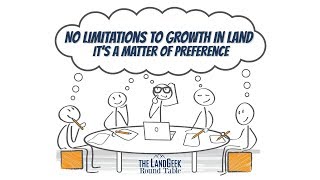
Mark J. Podolsky hosts land investors discussing scaling strategies. Scott Todd hit $250k in January including a 160-acre sale for $60,000. They debate whether to grow fast or keep operations simple, and share tactics for handling late payments and automating collections.
Chapters
Hey, hey, it's Mark Podolski, the Land Geek with their favorite niche real estate website, www.thelandgeek.com. and today's roundtable we have Tate. I love it when you call me Big Papa Litchfield. Tate, how are you?
I'm doing really well. Happy to be on the show again, I guess. It's a show, right?
Yeah. Does that ever get old for you? No, no, no, not at all. Do you just want to be like Biggie, Biggie, Biggie?
Yeah. All day long.
I'm really showing my age, by the way.
Yeah.
Then we've got Eric. No nickname Peterson. Eric, how are you?
I'm doing good. Happy to be back.
Yeah. Eric has been invaluable in helping with me with the book cover for Dirt Rich. So it's. I'm really grateful for that. You can pre order it now. Just email support. The Land Geek. Calm bear Land. Aaron.
Hey, Mark. Super glad to be here. Hey, I'm doing great.
Good, good. And then last but not least, Scott Todd from Scott todd.net landmodo.com and of course, if you're not automating your Craigslist and your Facebook postings, I don't know what to tell you can always make more money. You can't get more time. Go to posting domination.com thelandgeek Scott Todd, how are you? Mark?
I'm great. How are you?
Great, Great. I just wanna remind everybody, today's podcast is sponsored by GeekPay IO, the only set it and forget it system to get your down payment, collect your monthly payments on an automated basis. Your your borrowers have full transparency. They can log in, they can make a prepayment. It's amazing. Check out GeekPay IO the Land Geek or I'm sorry, thelandgeek.com GeekPay and get your first note for free. So let's just get into it, guys. Scott had a huge month in January and we're trying to dissect, what was it, Scott, that made that month so big for you?
I think it was all timing, Mark. I think it was the fact that I had taken some properties back in a area that was pretty pro, pretty popular, and I had kind of let those properties build up as opposed to kind of letting them. Like I kind of took them all back about one time and basically I had like excess inventory, if you will, of them and it just, it just all popped. One of the big things though, one of the big ones of like, I guess that kind of set the month was we had a property again. It's one that we took back and we actually. It was 160 acres. 160 acres. And we sold it for $60,000. Right. So, you know, when you look at that sale, it was probably, you know, it was the largest sale of the month. And $60,000 in enterprise value goes a long way. But then we did eclipse the quarter of a million dollar mark in January as well. So it was a nice month.
That's a good month. Even. Even Tate's impressed with that.
Yeah.
I gotta take my hat off to you.
That's. Yeah, that was.
It was good.
It was really good.
That's a great one. I'll give you credit where credit's deserved. That's impressive.
So the challenge then becomes, Scott, like, you know, in, you know, this month, how do you eat that? How do you grow that? How do you keep your staff, your team motivated when everybody's getting such big checks for January?
Well, the good thing is, is that. And I'm laughing because I just went and looked and like right now for February, we're like 10% of January. So February, not so good, right? You know, like, February, not so good. We kind of like went all out in January. But essentially what's cool about it, Mark, is that we did buy. I mean, we did sell a lot of these properties on terms. Okay. So the checks are going to be passive income for them as well. So it's really, really, really, really good. But I mean, it was. It literally was a record month. A nice way to start off 2018.
Wow. Eric Peterson, when you have a big month like that, do you really focus on the next month as, you know, repeating it? Do you get anxious about it, like, I got to keep growing? Or are you kind of just laid back about it and be like, well, you know, I'm going to control what I can control and I'm not going to focus so much on the numbers.
Yeah, I think for me it's just kind of, you know, I mean, I would view that kind of thing as an anomaly and, you know, obviously I'd be very grateful for it, but. But no, I'd move on and just, you know, kind of back to plan, if you will, and. And just continue on. Because the reality is, I mean, you can't have those anomalies every month. Right. I mean, it takes time to grow and, you know, you've got to do all the right things and, you know, have the right property and so on down the line. So I wouldn't expect it twice in a row. And I Would just, just kind of keep my head down and keep moving forward.
Yeah, absolutely. How about you, Bearland? Aaron?
Kind of the same as Eric. Just keep doing what we're doing. Because at least I know for us, when we have a pretty decent month, it's, I don't want to call it chance, but it's just, you know, the ebb and flow and sometimes it's, you know, it's a high. But I can't say that anything specific leads to, you know, a better month than another because we're kind of doing about the same thing each month to month. So if, if, if we can isolate it, we definitely continue to do more of what caused it. But right now, just kind of the same, you know, we just kind of keep doing the same thing and, and be thankful for the really good months.
Yeah.
How about you, Tate?
Yeah, same thing. But I guess I have a question for Scott. I mean, more than anything, it's awesome, right? If you can do those kind of numbers, even once, you kind of break that mental barrier that there's limitations to this business, right? So now you broke the quarter million dollar mark in one month. Why can't you break it even further? I mean, the question I have is, and I know you'll find this funny, is what is this repeatable?
Well, it is repeatable, right. It's all about your inventory. And you're right, it's all about a mindset thing there, right? So the minute that you're convinced that you can go do it, you can go, you can go do it again, it's really about the inventory. And I think that a lot of times what happens is we put the brakes on even buying stuff. Sometimes that makes no sense, right. I mean, just keep buying and the sales are there. I mean, it's not like sound like the properties aren't going to sell. They may not always sell. On my timeframe, I mean, in January, Tate, we had a property that sold, but it took us 18 months to sell it. That Tennessee property, that's the one property I regret kind of buying. But at the end of the day it still worked out and all is good. But that said, you know, it's all about having the inventory to go do it again and to do it again and to do it again. And you just have to kind of put them the cash out there to.
Buy the inventory for sure. Yeah. No, that's what I've noticed too. When we've had those massive months, it's not that we're doing anything different. It's just we're better prepared going into them. It's hard to sell land if you don't have it, right?
I mean, Tay, what would stop us from doing 200 deals a month?
You know, I guess it's just laziness, Scott. I guess it's just laziness.
Yeah.
I mean, I, you know, I was just on a podcast and somebody asked me that. It's like, well, if you're, why aren't you doing, you know, 10x that? It's like, what's the problem? And, you know, I was just like, well, my life is good, number one. Like, how much is enough? Number two was like, he didn't like that answer. He's like, well, if you're not the one doing all the work and just, you know, creating systems and building it bigger, like, what's the problem there? He's like, it sounds like you just have a mental barrier. And this is a guy that does eight figure businesses, right? He's like, seven figures is easy. Now you got a business. He's like, but to get to eight figures, you've got to do some stuff, and it's way harder. And I felt kind of bad about it for a second. Like, wait, wait a second. And then I thought, well, you know, comparison is the thief of happiness. And, you know, what's wrong with enjoying my business and growing it the way I want to grow it? Like, I don't know.
I mean, you know, Mark, it's a very valid question that I think that is kind of. Really, it's hard to answer because, you know, you can build a business to be as large as you want once you have it and you can duplicate it. Literally, the only thing that's stopping you from growing it further is your own desires. Right? And, you know, I was on a podcast, you know, with you that hasn't come out yet, and we were talking about desires, right? Like we were talking about, yeah, there's lots of opportunities I can go chase, but do I have the desire to go chase them? And I got to tell you, you know, I'm. I'm content. And maybe that's wrong. Maybe, maybe I shouldn't be content and maybe I should just go after every single thing. But at some point you bring it up. You're right. At some point you have to count to me. You got to kind of say, am I happy with where my business is and do I just want to tweak from here or do I just want to all out, like, just grab everything I can get? And I think it's Really a decision play.
Right.
I don't think there's an answer one way or the other, but I can tell you that I truly, truly, truly enjoy the lifestyle that I've created. And I'm not so sure I want to, you know, kind of up in that. I don't, you know, it's more of a capital play and other things. I just don't know if I want to push that any further.
Yeah, I mean, you know, really, when we break it down, the only limits to growth are capital and just due diligence. Velocity. Correct. How quickly can you get these through due diligence and close them and, and then get them into your marketing pipeline? Other than that, there's really, I guess intellectually there's no barrier to growth. But you know, then again, we always, you know, there's always the law of diminishing returns. Correct. And in this case, it could just be the law of diminishing returns of your happiness. Right. To have to take on, you know, either debt or managing all these people, things falling through the cracks, whatever it is. Right. And building that machine. But I don't know. I think you're right, Scott. It's just a matter of preference. I mean, Eric, what do you think?
Well, yeah, I mean, I think in a sense, I mean, if you have the capital and you have the resources, I mean, yeah, you could do lots and lots of properties, Right. I mean, buy 200, however many you want per month and sell them. But yeah, I mean, do you want to manage that big of an organization? I think that's what it comes down to. Because if you're selling consistently, you know, a couple hundred properties a month.
I.
Mean, that, that's going to be a pretty big sales staff and marketing staff to get that stuff out there on a consistent basis.
So.
You know, that's beyond the capital part of it. I think that's a big piece of it.
Yeah. What about you, Bearland? Aaron?
Well, I guess the way I think about it is you created a passive income model, the best passive income model. Right, right. You didn't, you didn't set out, set forth to create the best, you know, fortune level real estate investment company, how to be the CEO of that kind of thing, you know, so it's not really what the goal was, you know, the goal is passive income, you know, and you can have a lot, but you know, going past that, then, then you're starting to create yourself a job again. And that was the whole point of what you were trying to not do. So, you know, it it's what the goal is. You know, it's what you have in mind and what. What truly can bring you joy. Because if you're just going to create work for yourself, then you went so far past what you intended to do that you did the opposite.
Right. Right. How about you, Tate? Do you think we're just not being ambitious enough?
I think we're being plenty ambitious, but I think we're being ambitiously lazy. Right. I mean, I think we're at a point, and I think a lot of people get there, where they're just saying, hey, my life is good.
Right.
And I don't want to have to work 40 hours a week. You know, we could probably go around the room and most of the people on this call are not working 40 hours a week on the land business, and they're making plenty of money. So at some point, you got to say, enough is enough, and I'm happy and I'm content. And, you know, we're not trying to keep up with the Joneses here. You know, we're not going to boot camp driving Ferraris or anything like that. We're just a bunch of random guys who figured out a way to make some money on the Internet, and we're happy doing it.
Yeah. Yeah, I think. Yeah. What about you, Scott?
I just want to fly. I just want to fly myself to boot camp. I don't know about what you're talking about.
You should. You should be flying yourself to boot.
Camp if that's what you enjoy. Right?
Yeah, I mean, that's. That's what I'm getting at is like, everything that you do in your day is enjoyable, right?
Yeah.
You have a good day every day. Saturday for you. Hard to complain.
There's a mark, there's a line. You know the brand Tommy Bahama, right? They actually have a line of their clothes that says, and I love this. I mean, it should be my motto, right? Which is make every day a weekend. That's what I've done, and that's what you've done. And I think the other land investors who are doing this are doing the same thing. They're making every day their weekend.
Yeah, it's true. And, you know, and I know enough people that work, you know, 60 hours a week, they're not in good shape. They're not close to their family, and, you know, their net worth might be 50 million, 100 million. And at the end of the day, right, it's not really making them any happier. If anything, it's making them unhappier. So it's again, like, how much is enough? And it's an interesting sort of existential crisis that I hope everyone who's listening to this can get to, because once your passive income exceeds your fixed expenses, right? Plus, let's say an extra 20% just in case, you know, people default. You got a choice, right? And, you know, Scott Bossman just got there. He's at, what, 13,000amonth in passive. He makes way more in land than he does as a physical therapist. Does he want to still do physical therapy? He's sort of like an existential crisis now, what he wants to do with his life because he put in the time and executed on the business. It's a good new problem to have. I think it's just a personal decision. Well, let's shift topics to sky. You want to tell the story about your borrower?
Oh, man, I got this guy. He is something else. I mean, literally, he bought the property from us back in. Back in November, and he has been. He's been paying every single month.
Okay.
But you know, like, he bought November, and in December.
He.
Hold on.
You're telling me you've got a borrower who's paying you every month in this.
Yeah, yeah, yeah. Follow me here. Follow. Follow me here. In December, he was late on his payment. Okay, first month, he was late on his payment. So what did he do? He complained about the $25 late fee.
Okay?
So we're like, no, you gotta pay the $25. That's just the way that it rolls. So he pays his $25. Then his account got declined on the January payment got declined. And so then it was like, don't take it out today. It's like, well, dude, today's the day it's due. What are you talking about? Don't take it out today. Well, I don't get my check until Thursday. Take it out on Thursday. So we go to take it out on Thursday, it's declined. And then he gets another $25 fee, and he's complaining about it. Okay, so we finally get his January. We got his December payment. Got his January payment. Well, his payment's due on, like, the first day of the month. Oh, yeah, I'm sorry. In January. He also complained about the price of it. And I'm like, what do you mean, the price of it? He's like, well, you know, I thought it was $200 a month. Yeah, it's $2 a month plus taxes and note service fee. So here's the fee. Well, I can't Afford that. But this is what you agreed to, buddy. So now let's move forward to February. In February, he's complaining about he can't pay the payment on the, on the first when it's due. So then he wanted it taken out on the 12th, which was yesterday. Then he emails over the weekend, says, don't take it out on the 12th, take it out on Friday. And then he emails yesterday in the middle of the day saying, take it out today, take it out today before I spend it. I'm tired, Tate. Two months. How do I get rid of this guy who wants him?
I mean, listen, I can tell what the, our listeners are thinking right now. They're thinking, poor Scott, let me get out a violin and let me play for you. Because part of me is thinking the same thing, right? Am I willing to deal with a headache to get paid every month? And I guess it goes back to the previous discussion that we just had, right? Like, at what point do you say, forget it, I don't want to do this. So I mean, I don't know if he can get rid of him. I mean, if he's making his payments every month, no matter how difficult he is. You got a good borrower to a certain extent, right?
Hey, do you want to buy the land and the note from me? Do you want to buy the land and note for me?
Yeah, just tell me how much you.
Want the land and the note. I'll sell it for full retail. It's a performing. No, Tate, no.
Come on, Scott, we're friends. We're friends here. I'll beat you up after the call, but I would buy it from you. I'd take that headache off your hands.
I wouldn't touch that, borrow with a ten foot pool, man. But let's hear what Eric Peterson has.
To say, man, I have that same guy, I think he came to me in December and bought some property from me. So, you know, I knew this guy from the beginning was going to be a headache just the way it was interacting with him. But he wanted to buy some property that I wanted to sell. And as a matter of fact, he wanted two of those properties that I wanted to sell. So I was willing to work with him and I came up with a special deal for him to get him in the door and lo and behold, you know, he, he was going to be a pain from the very beginning, you know, I mean, first payment, he, he missed it. He called me complaining that he got charged bank fees from his bank and I was going to charge him a late Fee and, you know, all this stuff. And I ended up waiving his late fee. And then the next payment, he was late again, or he thought he was going to be late, but it actually did process and go through.
But.
But he was already calling me to complain that, you know, he didn't want to pay this late fee. And not to mention all the different texts and things he sent me after signing the agreements about everything you could imagine, basically. I mean, due diligence he should have done before buying the property and wanting to. Yeah, I mean, nothing but a headache. But so far he continues to make his payments, and maybe he'll default, maybe he won't. But I just view it as, you know, I'm happy to have that buyer on those properties because no one else was buying them. So it's all good.
There's a theme song for people like this. It's got. It's one less problem without you.
Right, Right. Bear. Lan. Aaron, what would you do with.
Well, I've got also a similar. Similar guy. It might be the same guy. Maybe. Maybe he's bought too many properties and that's why he can't be on time with anybody from the beginning. I shouldn't have done it, but it was earlier on, and it was kind of the same thing. Eric said, I just wanted to sell this piece of property in the area. And I worked the special deal, went a little longer, waiting for him to make his full down payment than I should have. And, you know, Melissa and I talked about it and we thought, well, let's just still go ahead and do it, because the guy was, you know, I think he was a pretty slick talker. And it's been nothing but trouble, you know, every other month, missed payments, he's caused problems in the area he moved to and just all kinds of issues. So I wonder too, what, you know, what to do. But we can't just get rid of him because he makes his payment before he goes into default, even though he's like late every month or every other month, that sort of thing. So, yeah, it's a headache. And I've got this guy. I'm gonna have relationship with him for 10 years if he doesn't actually default. So I don't know. I'd like to hear. I'd like to hear what Scott doing about him.
I think I have the answer for Scott, and no one's gonna like to hear this, but this is what I've done in the past. I said, look, you know, we're a small company, and as much as we'd like to work with you. This is not working for us. What I'd really like to do is refund you all your money and cancel the note and take that money, go to another, you know, land seller that has similar land, and, you know, they will probably have the bandwidth and the customer service to be able to work with you. I just don't. Would that work? You know, nine out of ten times, they're like, okay, all right, we're gonna send you a check tomorrow. Just sign this document, we'll get you your money back. And thank you so much. I'm so sorry it didn't work out.
I'm ready to do it. Mark. Actually, what's funny is we're reaching out to him today and telling them, like, hey, this isn't going to work. So either make your payment on the due date or we're just going to refund your money after you sign this document. But this relationship is not going to work if you can't make your payment on time every single month. So that's really the strategy that we're taking to. Because it's just, I'd rather refund them and be gone as opposed to be married to this guy for a while. Yeah.
And GeekPay IO really automates a lot of this. You know, it does the notifications, your payment failed. You have this much time to make payment, and they can just do it online. They don't have to pick up the phone and call you. As soon as they start picking up the phone or emailing you, hey, I need to change. Just go on. You got, you know, like, don't. Don't deal with me. Just go on login and you can create a payment yourself. There's no reason that we need to talk about this. You know, I can't waive, you know, it's all automated. Can't waive the late fee. I'm so sorry. That's it. So Geek Pay is really. I say 99% is really taking care of 90%. 99% of this rust tay. Would you agree?
Yeah, absolutely.
I mean, Eric, I mean, has it helped you?
Yeah, yeah, it definitely does. And, you know, the whole part of, you know, just. It makes everything look official.
Right.
And everything's just, you know, happening on a schedule. It's all planned and automated. You know, it's a lot easier to explain to somebody. Like, yeah, you know, I really can't change your payment date because, you know, it's in the contracts. The. The note is set up based on that. And you Know, this is, this is the way it is. Like there's a grace period. You can utilize that. But beyond that, you know that it is what it is.
Yeah, yeah. And you know, so funny is we're working the developers now to make the system more flexible so that people can change those payment dates. And then now I'm thinking like, well, maybe we shouldn't maybe just be a built in limit, like, sorry, borrower, this agreed to.
I think there is instances where it does make sense, you know, where we're helping someone out that has medical issues or this or that. You know, they lost their job. You know, you want to skip a month and what have you. I know I've definitely done that on occasion where, you know, you kind of do your due diligence and kind of check out the situation and make sure they're telling you the truth. But assuming they are, I like to try and help them out if I can.
Yeah, I get it. I get it. Oh, the humanity of it all.
It's compassion.
It's compassion. I know Mike Zana wouldn't do that. I'm like the power company. Power company doesn't change your payment date. I like that, that sort of attitude about it. So, Bear Lanier, are we good on this topic?
Yeah.
Yeah.
All right, well, let's now wanna.
Actually I would just like to say that the geek pay does help with these situations considerably because you don't always have to be on the phone to somebody who's gonna give you excuses. They get all those notifications and it really does make a huge difference. It really does.
Thank you. Thank you. All right, Bearland. Aaron, even though you gave a nice plug for GeekPay IO. It is.
That was my, that was my tip.
No, no, no.
Oh, no, no, no, no. Okay. My tip this week is posting domination. Okay, well, I haven't used this. It looked interesting. So everybody can check it out and see what they think. It's paymentrails.com and it is a way to send business payments worldwide. So, you know, a lot of, a lot of the time we use upwork and that takes care of the payments to the freelancers. But we've heard, I've heard on various podcasts, guests and Scott talking about using the foreign Craigslist to have freelancers and stuff do some possible work. Well, how do you pay them? How do you pay them in their currency, that sort of thing. And this company claims to handle that sort of thing.
Why wouldn't I just use Bitcoin?
Why would you use Bitcoin?
I Mean, it's an international recognized currency.
Let's skip the bitcoin discussion.
I think I have a question though. Why not just use. I mean, I guess if they're international, it's not best. But what Mimi is doing is she's paying all of her US based VAs via Facebook. It's instant. They love it. But I guess if you're working with international.
Yeah. What if you're on like the Philippines, Craigslist, getting some people or somebody in India that, you know, you found that you can have do some work and you're not dealing with the upwork fees and all that stuff might be an easy way to pay them.
I'm not worried about it because you know, the Langeek VA's just handle that for me.
So.
So.
Okay, well, I don't know exactly. For me, we don't have that problem anymore. But if you're not using the Land Geek vas, this, you know, this is interesting, Baron Aaron, because you can make a mass payment. So let's just, let's take Mimi as an example. Let's say she's got, you know, five VAs. Well, that's five different transactions she has to like go through on Facebook at any one time. She could just do a mass payment to all five and get it done. That's pretty cool. That can say, I mean, look, anything that'll save me time, I've got like 11,000 days left on this planet. I really want to just maximize it. So I like.
Was short notice.
No, I think it's cool actually. I think there's definitely, there's a market for it and it could be helpful in what we do for sure.
Awesome. I want to thank all the listeners and I hope everybody's getting a lot of value out of these roundtable podcasts. You can't tell we're having a ball, by the way. And just remind everybody, you know, you got to subscribe, you got to rate, you got to review the podcast. Send us a screenshot of that review. To support the landgeek.com we're going to send you for free our passive income launch kit. And oh, by the way, little, little thing that I'm, I guess. Should I talk about it, Scott? Maybe I'll talk about it. I have reconfigured all the deal flow modules for the investors toolkit and they are being worked on right now. They're gonna be really cool and you know, way better than what's in there right now. It's gonna be pretty awesome. So for those of you that have the toolkit. We are constantly updating it. And that update will be emailed to you probably within the next. I'd say 30 days as we get that going. So be on the lookout for the whole new deal Flow module being updated. All right, guys, are we good? Yeah.
Yeah, we're good, Mark.
All right. Should we do it? Wait, Scotty, you're on. You're on mute, Scott.
Oh, sorry.
Let's do it.
Ready? One, one, two, three.
Let freedom ring.
Why are you dragging it out so long, Aaron?
Me? I was following Scott's lips.
No, dude, you got. No, no, no. Forget my lips. Your Internet connection is like dirt. And you can't. It's drag so bad. You can't do that. You gotta do 1, 2, 3, and listen. Oh, it's. That's the problem. It's the Internet. It's the latency. Next time, he's gonna have to leave. I don't know.
When you live the rural lifestyle, Scotty, you can't expect the fastest bandwidth, you know? I don't know.
I guess.
No. But by the time a horse gets here with the signal runs back to you, I guess there is some latency there.
Yeah.
Yeah. I don't know.
It's ridiculous.
Yeah. So let me ask you guys a question about etiquette. Party etiquette. Okay. You're at a party and it's time to go, right? Let's say it's post dessert. Do you go to the hosts of the party and say goodbye and then leave? Or do you just leave and eat because you don't want the host to know you're leaving early and you don't want to kind of have like, that long goodbye kind of thing? What do you do?
Well, if you don't say goodbye, you just come off as ungrateful. Is that what you do?
I mean, I'm asking you.
You better say thank you. They just cooked you dinner, so you say goodbye.
But it's a big party. Let's say it's like 150 people. No one's going to really. They don't. You know, the hosts are busy. You know, they're. They're doing a thing like. Let's just take like a wedding, for example. Like, do you just leave or do you say goodbye to the hosts?
I think you still say goodbye. I mean, you can do it very briefly and just. Hey, wonderful event. Thank you so much. We appreciate it. We have to get going, but, you know, thanks a lot.
Blame it on the kids, man. Like, we gotta get home to the.
Kids gotta get home to the kids.
Yeah, you gotta say goodbye to the host. I mean, like, and then sneak out so that nobody else sees you. Because typically when one person goes, everybody goes. Right. You don't tear down their party.
Right, Right. Eric, what about you?
Yeah, I think you got to say goodbye to the host.
Okay. All right. Just curious. You know, the. The intricacies of the social, you know, fabric of society really get lost on me. I just don't know in these particular situations, what is etiquette? What's not etiquette, but just curious.
So.
I personally don't slink out, but I've had people slink out on me on parties.
Oh, you had a party and we weren't invited?
What that. Now, where's the etiquette in that?
I was just gonna say.
I mean, see what just happened, guys? We didn't invite to the.
It's good to know where I stand.
The Internet connection on my end is really bad right now, Verit. I don't know, man. My Internet connection is like dirt. Thank you guys for doing the roundtable. I really appreciate it.
Are you sneaking out now?
Hey, Tate. Eric. Tate and Eric, you guys are invited to. Down to Florida for a little party. I mean, bear land, too. But by the time he got here, party to be over with.
Right, Right.
That would be awkward, right? Showing up after the party.
Yeah, yeah.
I don't.
You don't do that. Even though, I mean, we should just plan our own party at Mark's house.
And just show up.
What do you think?
That's the other thing. Like, can you leave before dessert at a party? Or that's just like a.
No, no, it depends what they're serving.
Why couldn't you? Yeah, like, why couldn't you?
Depends on the type of party. Like, you know, if you're sitting at a dinner table with everybody, I think. Yeah, you. You wouldn't want to leave before dessert.
Yeah, just any party that, you know there's going to be dessert, like some kind of celebration, you know? I mean, look, if you're at a dinner party and there's eight of you, of course you're gonna just, you know, bide your time. I don't know.
You know, I think it has to do. Like, if, you know, you have to leave early, you can preface it when you arrive, you know, let them know. Let your host know ahead of time that that's. That's what's going to be expected and give them a, you know, a valid reason or whatever, and I think everything be okay. And let them know that, you know, even though you had. You have to leave early, that you just wanted to. You were honored that you were invited to come, that you thought it was, you know, there was very valuable to you to be able to spend time with them and attend this. You're very sorry that you had your having to leave early, but you didn't want to miss the opportunity to, you know, get to spend this. This time with them and that sort of thing. And, I mean, I think you can get away with a lot of almost anything in life. Saying things, doing things, if you handle them a certain way, you know, and if you are upfront and honest, which we talked about a lot. But, you know, I had a. When I sold cars back in the day, I had a sales manager that said, you can literally say anything to people. It's just how you say it that makes all the difference in the world and that it really is kind of true, you know, so there's always a way to handle these things, you know?
All right, well, next time I have a. An event or a social situation, I'm gonna. I'm gonna vox you barely. And Aaron, just like, you know, what do we do here? You know, you guys have all been to Bootcamp. You know, I really like it when people come after. Even, like, even though I'm busy and I'm breaking stuff down, I do like it when people come up and just say goodbye and say, right, Right.
Yeah, Mark. I will tell you, though, here's a solution to the problem. Next time you have an adventure house, just invite the four of us. We don't have to be guests. We will be the etiquette keepers. Like, you know, like, Bear land could be at the door and say, hey, where are you going? Dessert hasn't been served yet. Tate's got the back door covered, right? Eric and I'll take one of the sides. And no one's escaping the compound there.
The compound.
I could see Eric being like, who's gluten free? Who's gluten free here? Don't even come near me. I'm from Tennessee. I don't want to talk to you gluten free people. All right, you stay within 10ft from me.
I'll bring my own chicken.
Oh, gosh, I'm getting hungry. I got to go.
Talk to you later.
All right, See you.
More from Mark





How to find funding partners: How to Scale Land Without Using Your Own Capital


