This content was created by Robert Ta. This content was uploaded by Robert Ta. This is a YouTube conversation titled "Why OpenAI Is Becoming the Power Company for AI Apps" (posted 2026-10-18). The excerpt is a diarized discussion between ROBERT TA and another participant (labeled SPEAKER B) about OpenAI's "Sign in with ChatGPT" / bring-your-own-token capability (examples: Devin, Cognition, Notion, Vercel). They discuss how allowing apps to consume usage from a user's ChatGPT plan could reshape developer pricing models, reduce token-markup friction, enable apps to act as "appliances" on top of OpenAI as an "electricity" provider, and potentially let OpenAI encroach on application-layer services.
Chapters
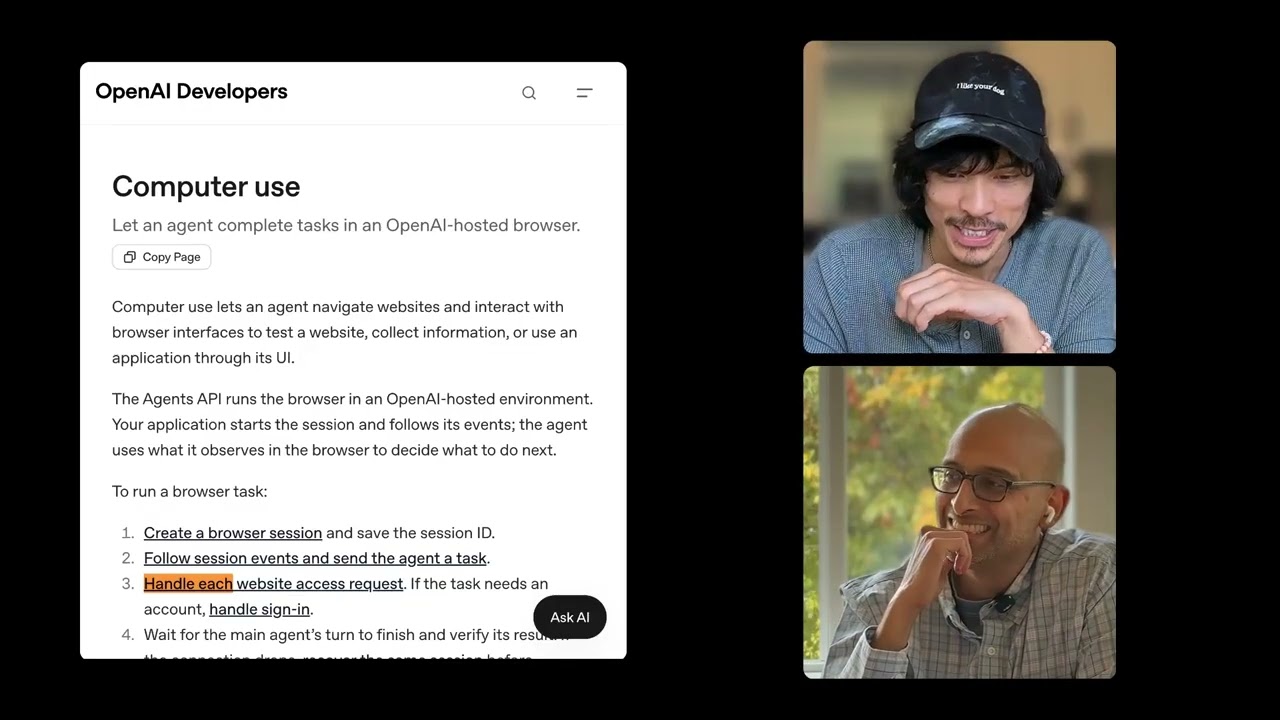
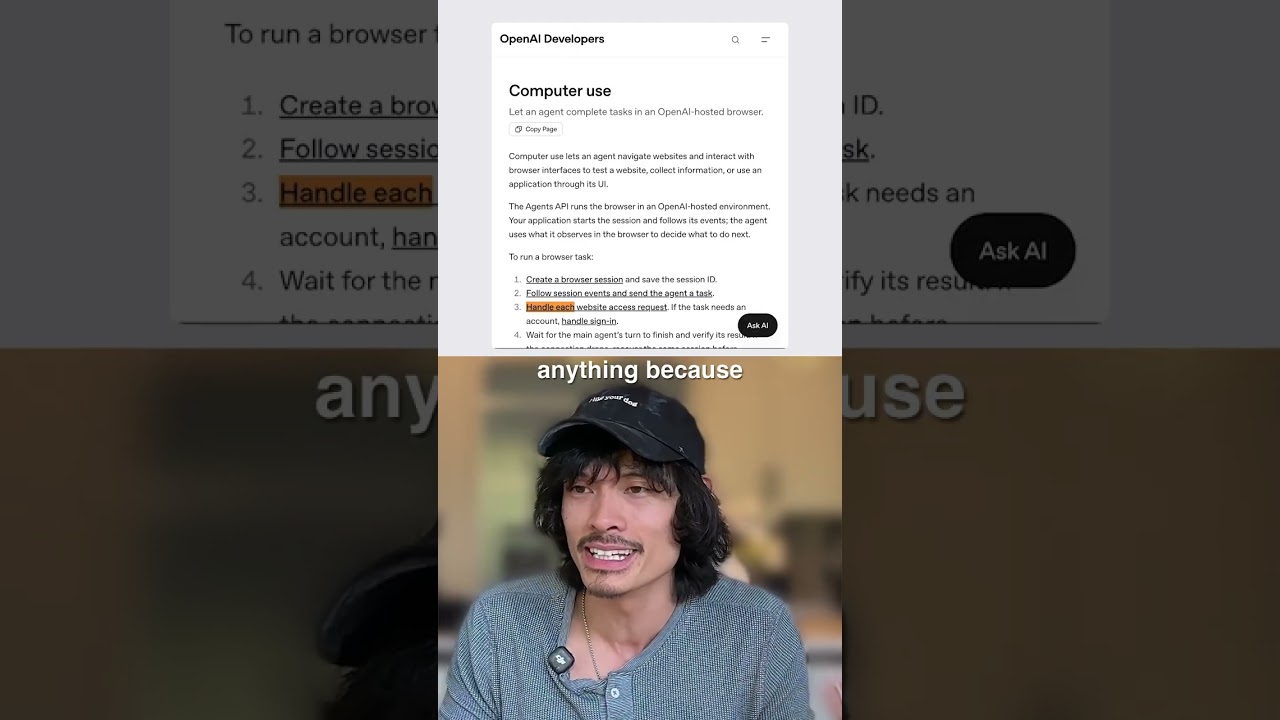
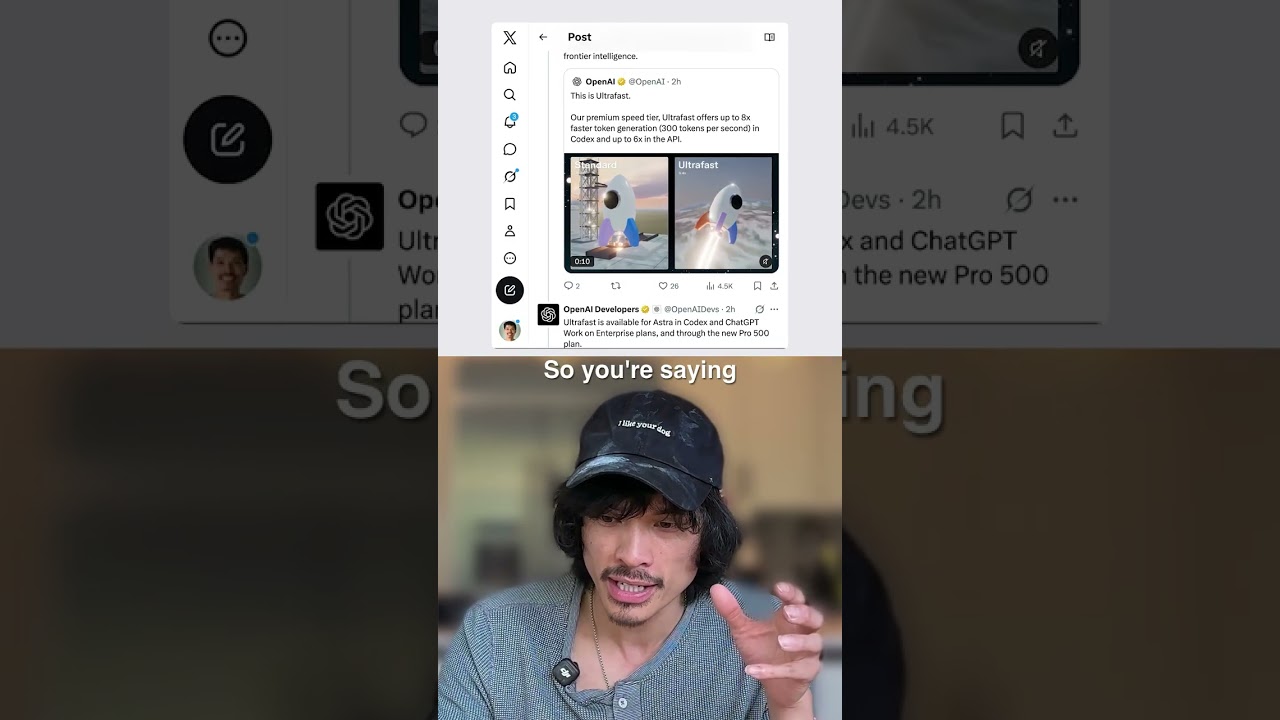
Sign in with ChatGPT. We talked about this earlier, but here's an example. Connect ChatGPT and Devin, and that allows you to use your ChatGPT plan, allowing Devin or the consuming application to consume usage directly from your ChatGPT plan. I think that's such a boon for the developer experience of building apps to connect to AI models, uh, in a particular—
There's quite a few things here. There's like, okay, there's Devin, Notion, Vercel, T3, OpenClaw. Dactyl. I don't know what Dactyl is.
What is that?
So that's like a lot of things like that makes me think that they might make it more widely available. It's really interesting, right? Like, okay, you can use it with Cognition's Devin. So what does that mean? Does that mean you should go from the $200 Cognition plan down to $20 and then ramp up your ChatGPT subscription just like you did? And then just, does it eat these other things?
Yeah. Does it eat these other things? I don't know that it immediately eats these other things, but it creates a pathway for OpenAI to eat these other things.
Okay. So like in the Devin case, why wouldn't it eat it? Like, cause you don't need the, you can just maybe use a cheaper Devin tier if you can all of a sudden now use your tokens.
Yeah. I think it's going to cause consumers of this ChatGPT sign-in to rethink the way that their pricing is. And I just suspect that this allows somebody that's building harnesses for like coding agents, like that's what Devin is. It's just like a harness on top of these models. They don't build their own model to what I'm aware of. So they have to, by definition, compete at the user experience layer because they're not competing at the efficacy.
I think it might actually force people to not charge by token.
Yeah. Rethink pricing, right? Because you can't. You just—
because you're gonna buy your electricity somewhere else.
Yeah, exactly.
And you're gonna come, you have to, you're gonna, okay, pay for the appliance, whatever.
Yeah.
But no, not— so that's interesting.
I think OpenAI is positioning to be an electrical bill provider. I think that's what they're doing here. I think this is one little step, and I bet 6 months from now we redo this podcast, and I suspect that we're gonna see more and more apps using continue with ChatGPT or sign in with ChatGPT, and that creates an open space for them to encroach on these application kind of territories. Before we end the pod, let's kind of speculate on this because it's an interesting thread. What happens now that OpenAI and Claude, Anthropic will probably position as the electricity? What do you think is going to happen?
I think it's really good because this like idea of like paying for tokens from someone else is kind of sucks. Like, I don't want someone to do like to have a token markup. It's kind of like a whole mess that developers have to deal with. Like if you're creating software and you want to offer intelligence as part of your product, it's just, it's just a pain in the butt to say like, okay, I'm gonna do token pricing plus plus or something like that. Or do like a flat, flat fee subscription and just give me enough headroom so I don't have to worry about like the long tail of like some guy like going crazy with the intelligence or whatever.
Mm-hmm.
You just have to worry about that, right? 'Cause that's like a variable cost. And, you know, the variable costs, like, they may not, they may not make big people paranoid,
but
they definitely make indie hackers and small people and entrepreneurs, like, super paranoid when they're creating software. They're like, oh, okay, they have to, it just adds like tremendous complexity to meter all of these things and to keep track of all of these things, prevent abuse, blah, blah, blah, whatever.
It does.
And so like the fact that you can bring your own tokens, I think that really simplifies things. That's a big accelerant to people building tools. 'Cause now you can just build a tool and you don't have to worry about that.
Yeah.
You know, like that's, that was preventing a lot of people from building tools, honestly. 'Cause you had to like build all this infrastructure to handle the, to dole out the intelligence in a way that wouldn't, that couldn't be abused and that wouldn't like impact you financially. So I think it's like amazing.
Good for the— so in this world, the analogy is OpenAI is your electrical provider. You buy electricity and you could use that in different appliances like dishwashers or your microwave or whatever. And Devin becomes an appliance in sort of your developer environment household, so to speak, in this analogy. So you're saying it's better for OpenAI, it's better for the consumer like me, and it's better for Devins, like appliance makers. Is that right?