Episode 1: Tilly Lockey - The Bionic Girl
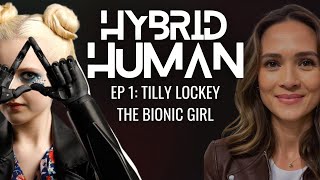
In this interview for Dr. Christina Maher’s Hybrid Human Show, Tilly Lockey recounts her life after surviving severe meningitis that led to the loss of both hands. She describes her earliest memory of having hands, the social challenges of growing up different, and how her family’s quick recognition of meningitis symptoms saved her life. Tilly explains how she developed a resilient mindset through self‑pep talks from age four, and how that mindset guided her through years of prosthetic experimentation—from a rudimentary NHS claw to high‑tech, 3‑D‑printed bionic arms made by Open Bionics. She details the collaborative, user‑centred design process that produced features such as magnetic attachment, customizable aesthetic skins, ventilation, a manual wrist, grip‑mode menus, freeze mode, and battery‑alert vibrations. Tilly highlights her advocacy work, including walking the London Fashion Week runway, public speaking on meningitis awareness, and using her platform to normalize visible prosthetics. She also shares her parallel creative path as a singer, winning the Got What It Takes competition, performing at BBC Radio 1’s Big Weekend, and releasing her debut single “Porcelain,” which conveys a message of perseverance. Finally, she discusses future plans—forming a band, radio training, continued tech advocacy, and excitement about emerging assistive technologies such as neural interfaces—while offering advice to young people to embrace their differences and pursue their goals.
Chapters
Welcome to the Hybrid Human Show, where we take you to the forefront of biomedical science and engineering. I'm Dr. Christina Maher, and I'm a biomedical engineer and neuroscientist at the University of Sydney. Now, this show is separate to my roles at the University of Sydney, but it is part of my lifelong mission to share accessible science and technology knowledge with everyone. Tilly Lockey is a multi-talented, hardworking rising star who has proved herself time and time again. She's developed state-of-the-art bionic arms with Open Bionics, which she wears every day, and has received humanitarian awards in New York. More recently, she won the talent competition Got What It Takes and performed to an audience of 20,000 at BBC Radio 1's big weekend. All of this alongside a thriving online presence across all social platforms. Making a name for herself since she was 2 years old, Tilly overcame her battle with meningitis, which saw her lose her hands. Yet she has come through with an admirable mindset. Her past does not define her at all. Passionately raising awareness and public speaking her whole life, she is now turning over that leaf focused on the future and all the sparkles it will bring. Singer, actress, TV host, presenter, model, social influencer, advocate, and speaker— you name it, this girl will achieve it. Hello, Tilly, and welcome. I'm so delighted you could join us today.
Hello, I'm so happy to be here.
It's such a pleasure finally getting to sit down and have a chat. Reading out that very brief version of your bio, it's clear that you've come a long, long way. And I'm really curious, what is your earliest memory of your childhood, or the period in your life where you realized you may be slightly different to others?
Yeah, totally. So I think my, my My first memory ever, it's gotta be my earliest memory because it's my only memory I actually have of myself with hands. Like, there's only one memory I remember of myself that way, which is why I'm like, I'm kind of how I am now is how I've always known myself, you know, having only one memory. And it's really like a stupid, insignificant memory. It was literally me eating a tomato for the first time, like trying a tomato. And I vividly remember my older sister handing me this tomato from the fridge when I was like, one, and she must have been three. And I remember picking it up in, like, my hand, taking a bite in it, and then, like, launching it across the room because I hate tomatoes. And that's still this day. But that's literally the only memory I ever have of having hands. So I'm sure I can say that's, like, my earliest memory. In regards to, like, memories growing up, I think the time that I sort of realized I was different It never really came from my family because my family were always really, really great and really helped me and pushed me to be independent while also always being there for me should I need it. But they always encouraged me to speak up and ask for help. And I've got 3 sisters, I'm one of 4, and I wasn't treated any differently than my sisters by my parents and by the rest of my family. So with my family, it was nothing. It was just like how somebody would have brown hair and somebody would have blonde hair. You know, that's kind of how it was to me growing up. But obviously when you get to school and things, that's when it was a little bit different. And I think the, the one occasion which was definitely— I'm different to other kids— was sometimes when you go to the park as a kid, and I used to look around and see all these other, like, little girls and boys just be able to, like, make friends then and there and, like, run on sets together and, like, playing in the swings and the slides. And I always found because kids are curious and it's probably the first time they've ever seen somebody with such a drastic difference, like missing a limb they thought everybody had, you know. You get a lot of stares and stuff. And I found that I couldn't just, like my sisters, make friends in the park and be chill like that. I could make friends, but there was like the step— the vital step before that point was like I sort of had to explain myself and explain to these kids why I was missing hands and stuff, that some people don't have hands, some people don't have legs, you know, that sort of thing. And that's sort of when I realized I was different, because people, little kids, like, go to the park and that, and it's, it's nothing. Whereas for me, like, I wasn't, I wasn't a big, the biggest fan of the park. Like, I didn't often like to go just because it was such a different experience for me, um, compared to other people. And I think that was sort of the point where I realized, you know, I can't just go out and make friends the same way these guys can. I've got to sort of like cross that barrier first.
It sounds like you had a lot of responsibility from a very young age.
I never blamed the kids or anything because it's like I knew from a young age why people would ask questions, and I sort of had to know that, which is why I feel like I matured really, really quick. Because I was never— while some kids, especially when you're a young kid, would get frustrated with that, like, I never really blamed anybody, like, because I was like, 'Oh, they're kids,' you know what I mean? And I sort of had that knowledge in myself, which was, 'I am different. This is probably the first time they're seeing it.' And while it was, like, tedious having to, like, repeat your story and everything like that, it was It was just something that I became accustomed to and I couldn't really blame anybody for because also the knowledge now, like, I feel like me myself looking back on that situation, if I wasn't the girl without the hands and somebody else was, a little girl in the park, like, I'd be curious too. So I always feel like I never really— I never held a grudge or anything. I never made people, like, feel bad about it. I was just like, this is sort of how it is. But it is like that extra thought process and like, like I said, like barrier you've got to sort of get past.
What do you think was your, your biggest challenges, or what was something that you felt was a big hurdle for you?
Um, I feel like, I mean, still to this day everyone's got their own stuff about like their body and things like that. And for me, my hands wasn't that big of a deal, and I think that's because Number 1, it's how I've always known myself. But number 2, your hands are on show all the time because they have to be because you do stuff with your hands, you know what I mean? That's how you go about your day-to-day. But because of the meningitis as well, I lost my hands, but I also got quite a bit of scarring. And when I was a kid, that didn't bother me because you don't realize the stuff that you should be insecure about until you're taught by society almost when you grow a bit older. So like, I actually look— I made a YouTube video about it, but I actually look back on like my younger self and how I would wear like socks and summer dresses to school, and I actually envy that mindset. And it's strange because it's like you, you get older and you're supposed to learn more and you're supposed to grow, but it's like I get to the point where I'm like 13 to 16 to 17 and I'm like, you, you're envying the mindset you had when you were 3. And I find that entire concept like really, really interesting, but definitely something like growing was like the scarring. I feel like it's sort of— like I said, it doesn't bother you when you're a kid, but I think it was like sort of there and I was aware of it from like the junior years. So that was like, yeah, 3 upwards. Um, I'm not sure quite how old you are then. Um, but yeah, like scarring and like everyone's got issues with the body and things like that, but I feel like when it's something like really quite niche and unique, like A lot of people don't like the nose, for example, um, funny shape, right? But yeah, be insecure about like a trail of scars going all the way down the legs because it's like a lot more rare and I just didn't see it. So yeah, definitely stuff like that. And even to this day, like, I only recently, like last summer, was like, I'm not going to let that get to me. Because sometimes, like, I look back on previous summers now where I've opted to wear like trousers or longer bottoms rather than shorts, even though it's like burning hot outside. Like, that's been a conscious choice I've made, which has probably made me quite uncomfortable, but comfortable in the sense that, like, they're not going to be on show. And that's something that's been a personal journey for, like, a while, and I don't think will ever stop being a journey. But, you know, it's like just something that you accept over time. And the one thing for me is, like, I don't want to get to the point where I fully accepted it, right, and then look back on the previous summers and be like, what a waste. So, like, yeah, probably, probably like the differences in that respect. But my hands, it's never really been an issue for me because it's like I can't really imagine with hands, to be honest. Like, I just think it would be me.
It's, it's so, so true what you say about as you get older, society conditions you to think a certain way or see yourself a certain way, whereas when you were younger, you just had no idea at all. About any of this sort of stuff. The way you speak about your childhood and growing up, it, it almost is so positive, and you just sound so accepting of something that perhaps you really had no control over. And do you think you've always felt that way, or has it taken some time to get to this point?
It's an interesting question. Like, to be honest. And I definitely do have my family massively to thank. And I don't know whether it's just like I matured because I spent so much time in hospital and around doctors and stuff and labs with prosthetics and stuff more than I spent time with people my own age or what. But I literally remember from the age of like 4, whenever there was any sort of issue, I would like literally give myself a pep talk. Like, I feel like I've been therapising myself since I was 4 years old.
Yes.
I was such a shy kid, like my first years in primary school, I was so, so shy and like I used to just sit on the bench because I was too scared to ask somebody if I could play. And now I'm older and back on that, it feels like a subconscious sort of fear of rejection because what I was worried about was people saying, no, you can't play with us, or like not wanting me to play. And that's a really interesting thing to look back on now I'm older. And be like, trying to pinpoint where that could have come from. But yeah, ever since I was like 4 years old, I've been giving myself these pep talks. And it was like a day where I was at school and I was on the bench by myself, and I was like, for weeks now I was like, Tilly, you really need to get yourself together and like just go and make friends. And there was this one specific day where I remember I was just walking around the yard and I was thinking to myself, and I was giving myself a pep talk, and I was like literally like Tilly, come on, you need to get over this now. Like, what are you gonna do, sit on the bench and like have no friends for the rest of your life? Like, and I literally remember being like, no, pick up the courage and just go ask, you know what I mean? And like, I said that to myself like age 4, and it's like, you shouldn't— that's like not really normal. Like, kids don't talk to themselves like that. But I was like, I know I'm shy, I know this isn't a great way to be right now, and I know I should be making some friends. So I just need to like bite the bullet and like do it. And it was after that pep talk that I went over and I like asked somebody to play, and they did actually say no. So yeah, the fear was very valid, but they were making like a dance or whatever, and I had to sit on the curb and watch them make the dance. But as time went on, they let me join in, and they were actually my friends going into secondary school at the end of it. So yeah, it's just really funny, but Yeah, I've got my family massively to thank for my mindset and stuff like that. Um, and there's a, there's a lot of like, I guess, wisdom I had when I was 4, which I don't really know where it came from. I just, I've always seen life as like you've got two options, you know, and if you know where you want to end up, you know you want to have friends, then sometimes you need to step out that comfort zone and just bite the bullet and do it regardless of the outcome. Like, you've got to try. And I just feel like that's, that's the main sort of mindset, like, I even carry today.
Yeah, it's, it's really remarkable that at the age of 4 you were sitting there giving yourself pep talks. Like, that is something most of us don't even start doing or thinking about till we're teens, late teens, 20s, and, and so on. Um, You talk about your family a lot and your parents a lot. And I think it would be nice to maybe take a step back and hear more about what happened when they found out that you had meningitis. Because I know we were talking before we started recording, but something that I really love about your work is the awareness that you're raising, raising around meningitis. And I think it's because a lot of parents don't know about this condition or they don't know a lot about it. Yeah. I have a son and when he was really young, when he was around 2 or 3, he actually contracted something similar and he ended up in hospital with septicemia. And it's one of those conditions that once it starts spreading through the body, it happens quite rapidly and, you know, time is not on your side.
At all.
So I'm just curious, you mentioned the role your parents have played in your life so far. Can you share more about what happened that day when they discovered that you had meningitis, and did they know what it was or what to do?
Yeah, totally. So originally it was just— if anybody knows anything about meningitis, or if not, like, basically the symptoms of it are really scary because it's just cold and flu-like symptoms, which can easily fly under the radar and be, like, passed off as a cold, literally a flu, like, that's it, you know. So originally it was those sort of symptoms and I was just a bit ill and Mum didn't think it was much at the time, but she took me to the doctors anyway because I was, like, whimpering quite a bit in my sleep and she didn't really like that. That was, like, the main sort of thing. And she took me to the doctors where I was actually diagnosed with an ear infection first and foremost. And again, like, that's the scariness of those symptoms. Like, now we know that, but it can so easily be diagnosed as an ear infection. Like, that's scary, especially knowing what it can do to somebody's body. So anyway, my mom, like, she in the back of her head sort of felt like an ear infection, like, are we sure? Because she knew I was really, really out of it. Um, but obviously you trust the doctor, they're the expert. So I was prescribed some sort of medication or whatever and sent home. And then it was— I was still carrying on with the same sort of symptoms. I was whimpering in my sleep. She picked me up at one point and I like projectile vomited everywhere. But still, it's like, an ear infection, okay. And then there was the following day where I was at my nana's house, and they actually thought like my family thought I was, like, sort of getting better and, like, looking up a little bit because I was really, really engulfed in, like, TV, in the show that I was watching. But we later found out that a transfixed stare is actually one of the major symptoms of meningitis. My granddad just saw me watching TV and he was like, "Yeah, she's been fine watching telly." Like, actually, no, I was really watching the telly, like, not in a healthy way. And then it was the same day where my nana actually went to change my nappy at the time, and she noticed these bruise-like marks underneath my skin, which you'll know is the septicemia rash. So immediately she called in my mum and she was like, "Take a look at this." And my mum actually at that point instantly knew what it was, and she called the ambulance and she was just like, "Listen, I'll answer any questions you want, but just tell me you're on the way," because she knew, like you said, how much it is a race against time. At that point. And you said about, like, raising awareness and how I do that, and that's literally because the only reason my mom recognized those rashes and knew exactly what it was and knew exactly that it was a race against time, and probably the reason I survived here today, is because just 3 weeks prior, coincidentally, my mom had seen another girl's story in a magazine Uh-huh. It's like crazy, crazy. And she even says like she remembers seeing that in the magazine and being like, you don't really want to read it. Like, you don't want to read it. It's a sad story. You want to have to know about that. You don't want to know scary things like that exist. But she remembers literally thinking, oh, come on, I've got two daughters now, like, I need to be aware. And so she sat and she read the article about this little girl who had the same disease and actually ended up losing all four limbs. and there was also an image in that magazine of the rash, which little did she know she'd be seeing in person on her own child 3 weeks later. So that's why as soon as she seen it, she was like, "Ambulance, get here immediately," and she even, like, picked me up and was, like, running even just to meet them at the end of the street because she knew how much it was stressing me at the time and how he's, like, literally taken away. So when I got to the hospital, I was rushed there in the ambulance and there were already, like, 12 paramedics ready and waiting. Um, I was transferred to Newcastle Hospital as well because originally I went to Durham and they didn't have the facilities to, like, save me. So I went straight to Newcastle and it was this mad rush. And when I got there, they sort of broke it to my family that they thought I was gonna die. Um, I was actually given, like, 0% chance of survival. Like, they were like, listen, we'll 'This is the worst case we've ever seen, and we've just got to be honest with you.' And I was in intensive care for a week. I was in recovery for 3, and then I had a secondary infection. And it was after 10 transfusions that somehow I managed to pull through. I survived, and I'm here today, which, like, honestly, a miracle. Like, my mom will tell you, everybody was just— even all the nurses, they're not supposed to get attached, but they were all bawling their eyes out. They were like, 'How on earth?' because it was like I was in devastating condition. But they did say, obviously, like, the septicemia specifically has well and truly destroyed her hands, so we're gonna have to amputate them. And at that point, like, you'd think that's a bombshell to drop on your family, but all they really cared about was, like, me being alive because that was so rarely, like, could have happened. So it was like the hands was like, that's fine, take them away. As long as we've got her, we'll cross every bridge when we come to it type thing. They were just happy to have the baby like anybody would be.
That's such an incredible story because as a parent myself, it's so hard to know when to act. You don't want to overact, you don't want to do anything too soon, but you also don't want to be too late. And in most cases, an early diagnosis can make all the difference. And it sounds like your parents got there in time.
Yeah, it was amazing. Like, because I mean, I'm not even a parent yet, but like, even I can like think about how my family were in that situation, just be like, how? Like, literally, could you imagine that? It feels like a nightmare. And like about the diagnosis and acting and everything. Even my dad said, like, my dad's my best friend, bless him, but he's really, really laid back about hospital stuff like that. And he would probably just be like— and he said it like, oh, it'll be fine, it'll go away, like, you don't need to get checked out. Mum was like, no, we need to get checked out. And like, it's thanks to that that I'm literally alive here today. Although my dad was like very much the rock for my mom. And my dad was always like really, really optimistic about it, like obviously not inside himself, but he just knew to like be able to support and like keep my mom okay and the family all right. Like he would just say stuff like, yeah, but she won't die, like it's Tilly, she eats all her vegetables and stuff like that. They were a really good like team and like partnership through it all. But yeah, I can just You can't even imagine it. Like, it must have been awful.
I truly cannot imagine what those moments, those seconds felt like. They must have just dragged on for hours. And this is why your work is so important, your advocacy work and raising awareness, because I really do believe that there isn't enough information out there about these types of medical conditions. These conditions that can go from 0 to 100 really quickly. I'm curious, what, what has been sort of a highlight of your work or your favorite part of your advocacy work to date?
I think probably most recently I got to walk in London Fashion Week, which was great. Yes, that was, that was amazing. But it was also amazing because it was like, it was, it's been a dream for so long, ever since I started working with Open Bionics and wearing prosthetics and stuff. Before I got to wear these super cool and artistic ones that I wear today, I used to wear, or rather be given, really realistic, high-definition looking prosthetics, which I felt like sort of enforced the belief of, like, you want to hide it type thing.
Yeah.
For me, and that's actually something I wonder where my fear of rejection might have come from, because before I was even offered a prosthetic I was offered a glove and my mom was actually like, okay, so what does it do? And he was like, oh, nothing, you just stick it on the end. And that to us was like, that's so pointless, like, what do you mean? But like, that was the given. And that's honestly why I think I had this weird fear of rejection for such like a big portion of my life. Well, I say big, I'm only 18. Um, yeah, I like— it's, it's so, so strange. But so that's why like when I got to do Fashion Week and it was like seeing prosthetics in such a positive and beautiful light rather than this difference that needed to be hidden away. Like, that was such a massive deal and it filled me up so much because also, like, other little kids and adults can see that. And same with, like, the scarring and stuff like that. You don't see it often, and that's one of the biggest things which makes it so difficult to accept growing up. Like, if you've never seen it and you think you're the only person in the world, like, it's really difficult not to want to hide away and not want to, like, blend in, you know, because people want to blend in even when, like, they're the only girl with blonde hair and not brown hair, you know, like simple things like that. Whereas when, like, you haven't got any hands, it's like, whoa, that's, that's like a big elephant in the room, do you know what I mean? So Fashion Week and the opportunity to do that was just absolutely incredible. And yeah, I'll never forget it, and hopefully we'll get to do more.
I, I can just imagine all the people around the world who would have seen you walk that runway. It was just the coolest thing ever. I know you've had several versions of your bionic arms, and by the way, I think they're really cool. Um, how long did it take you to find the right arms that worked for you. I think you mentioned you had a glove and you had different versions, but what did that process sort of look like? It sounds like it took some time to get to where you are now.
Yeah, it did. And I honestly think the only reason for that is because, like, just people had it in their head that people want realistic prosthetics. Like, that idea wasn't even challenged until I met Open Bionics. They were the first company that weren't making like these realistic looking hands that I came across. But more than anything, what drew me to them is because they were working with like Disney and Marvel and stuff at the time. So not only are they accepting that, you know, they don't look like human normal hands, quote unquote, but like also they're designed to look different, like intentionally. Like they're designed to mimic Iron Man, like superhero arms. And like they were doing Elsa from Frozen, a bit from Star Wars. And that to me as a 9-year-old girl who has only seen so far that I have to wear these high-definition silicone arms, which by the way it was so expensive as well and very limited in what they could do, um, it was like all the money was going towards the silicone and making them look real, which I didn't even really want. Um, when I saw as a 9-year-old little girl these Iron Man arms being made, I was like, oh my gosh, that's so cool. And it was like a celebration of the difference more than like a tool. And that's why I use them as like a medical device here today, like in the day-to-day, but like I also use them as a tool for expression. And these cases, they literally just pop on and off. They're only magnetic, so you can literally dress to match your outfit and stuff, which sounds so silly and I never would have thought I'd ever say that, like, with the previous prosthetics I was wearing, because it wasn't a thing to really draw attention to, whereas now it totally is, and it feels like sort of like claiming back at it, but also having a lot of fun. Like, it's so fun. It really is a celebration of the individuality, and I love that so much because it's also helping, like, kids and adults, like, up and down, and also, like, internationally. Realize that it's not something that needs to be hidden away. And also, like, you can design it and have whatever color you want and have it like a fun addition to you rather than something that's hiding a part of you away, you know. So it took a while, and I grew up on the realistic prosthetics. I worked with a couple companies, so I got my first prosthetic from the NHS, which was literally a claw. It wasn't technological at all. And I was only 2, and it was operated by like a harness. So the way you'd move your upper body would pull on strings and make— oh wow, yeah, literally make them go like left and right in a sort of pinch motion. There were only like 3 fingers on it. Honestly, I was like scared of it at the time. It's like way more like a weapon than a hand. Yeah, I used to chase around my sisters with it, like pretend to be Captain Hook or whatever, but like it was it wasn't for me. And I actually was like so small at the time, I actually couldn't operate it at all just because I didn't have the strength to pull the strings and make it close. So yeah, that wasn't like— that wasn't really a thing at all. Um, but when I first received that, there was a woman who was also in the waiting room and she came running after me, my mom, and she was just like, can I just ask, like, what did they give you? And so we opened it up. It was actually in a brown paper bag as well, reinforcing the belief of like something to be discreet about. And hide away. It was weird. And we opened it up and she was like, oh my gosh, like, that's exactly what they gave me 25 years ago. So it's like 25 years minimum and nothing had changed from the design, the functionality, even the material. Like, it was ridiculous. So that's sort of— that was our introduction into it. And then it was like the expensive private binaurals, which are myoelectric and required a lot of fundraising, but they couldn't really open wide enough to hold a cup, and they moved really, really slowly. And they were like $36,000 at one point. A hand that can't open wide enough to hold a cup. It's craziness. And I'm so grateful to the local community and all the celebrities and things who got involved as well to help us fundraise that money. And my local community raised that money, like, I think $24,000 for like my first pair. Like in 24 hours. And I've been so incredibly lucky in that sense. But yeah, it's like all that money for a hand that can't open wide enough to hold a cup is like not feasible, especially as a kid when you're growing as well, because you need replacements as you get older. So yeah, that, that was, that was a whole era of my life. And I used them when I got them, but they're nowhere near how functional these ones are where today are. And obviously how realistic they were didn't really resonate with me so much either. It felt like something that I had to hide away. And then we sort of worked with two companies who were doing that sort of similar thing. And then when I was about 7, we decided just to call it quits and just wait for technology to catch up because all these crazy dreams, and there were all these really cool prosthetics being made, but only for adults. Like, and the response every time was like, the technology couldn't shrink down small enough to fit into a child-sized hand. So we just sort of had to wait on technology at that point to be able to get to that point so it can be for a child, you know. So we sort of left it, and then I found Open Bionics when I was 9, and my mom literally just Googled 3D printing prosthetics because technology had developed. There was 3D printing, which was massive thing in so many different fields regarding technology. So she literally searched that up and coincidentally, again, they were looking for a child below-the-elbow amputee to help them develop that at the time. And so I submitted myself in. They picked me out of all their applicants and then we went to meet them in Bristol. And again, there was so much excitement because it was— these were cool looking arms. They were Iron Man, they were Elsa. And it was the first company who ever, when I met them, who ever said to me, what do you want in the hand? And that was the first time they'd ever asked their target audience what they wanted. And you think that should be a given, but that was such a privilege. I was like, oh my gosh, what do I want? And it was, it was amazing. And so I started right away with getting fit with them, um, I did some work in San Diego Comic-Con because we did a collaboration with a video game. And so I had these video game-esque combiner arms, part of the development. Because when I had these video game arms, one floor, massive floor, was like— there was no ventilation in the arm whatsoever. And we were in San Diego, so it was hot, it was like 40 degrees Celsius, and there's no ventilation in the arm. I actually got stuck in it a couple times and I was like, guys, 'What is the problem here?' And they realized, 'Oh my God, we need ventilation.' And I was like, 'Damn right.' So they went and put ventilation in it, and that was the first upgrade, which— I mean, they're the most incredible engineers ever, but this is the thing, is they can't test it. They need people like me to be able to try it on and be honest and be like, 'This sucks. This is amazing. Here's what I think can make it better.' And so So that's what I sort of do now, and I've been working with them for about 6, 7 years now.
I've really seen that progression watching your social media, and I think it's so, so important. I'm a biomedical engineer myself, and I know there are students in my lab who are creating these sorts of devices, and I think that something that has to be absolutely front of mind is working with the people who are going to be using them and wearing them, right?
Yeah, it's so important, and I really do feel like that's what set Open Burnics apart from everyone else and why they were only a tiny startup company. There were like 4 of them in a cupboard when I started with them. They've expanded. They've been to 3 different labs, and it's been crazy to watch their growth and be at the forefront of it and all the new upgrades and stuff like that. Like, even now I get to test all the cool new stuff, which is like all being made thanks to the input from users. Like, that is always the most important thing because that's how the product gets better, you know.
It's abs— it's the person you're making the product for in the first place, and I just find it so interesting that you had found this prosthetic that looked realistic and you didn't even want it to look that way. And they would have known that if someone had just asked you, right? It's something that I really do hope that engineers become better at as, as, um, time goes on and innovations improve. Because I guess for people without limb differences, the movements and functions in our hands and arms are sort of automatic and we really take them for granted. And then when you don't have that, you really start to realize the tiny nuances, the extra steps to complete an action, or as you say, just getting sweaty inside. It is something.
Well, actually, one thing that— so there is a wrist in it, but it's manual. So you got to twist it like this. You actually have to push this button in and twist it, but I actually took the screw out because I just find it easier when wearing two. But you have to twist it like that, and before that I was wearing prosthetics like that that didn't have a wrist, and I was like, you try without a wrist, it's so difficult. And we actually did that once, I think we challenged like a university or something, no, just to do things with like two arms together like that. And they found it so difficult. But even if you were just to go about your day and try not to move your wrist, because I've actually still got a wrist in my arm as well, so I really feel the lack of it when I don't have it. And it's a nightmare. Like, you need a wrist. And the wrists are difficult because they're quite difficult to develop to be automatic, which is why this manual one and all that movement is so good for now. But that's why I say a lot to the team, an automatic wrist would open so many doors, you know. And I know that's what a lot of people want as well, but you don't think about it until you don't have a wrist, and then you're like, damn, I need a wrist.
So when you say it's manual, you turn it yourself with your other hand, with your other arm.
And so when you—
to activate the device, is it Are you thinking about what you want to do and then that controls it? Is that how it works?
Not quite, but I suppose ultimately everything does come from your brain. The main thing that I'm doing to control it is it's all muscle operated, so basically if I squeeze my muscles it'll close, and if I flex—
ah, wow—
see what I'm doing? Like on the inside.
Yes.
Yeah, but like, yeah, and then it sort of works like a menu system. So if you open it all the way and then open some more, the button will flash green, the little vibration on the inside, and that's basically changing the grip mode. So the thumb will come around and it allows you to do all these different things like a peace sign or a thumbs up or a little pinch, and that's you just aware of like where you're at in the menu system, but it's all controlled by only 2 muscles which control the open and close, which makes it like obviously nice and easy for like kids to get their head around as well. That's good.
And can you feel the fingertips?
No, you can't. And that, that's, that's sometimes— which isn't that much of a problem for people who are only missing the one hand. But for me, this is why sometimes people will see me and I'm only wearing one. It literally depends on the day. Sometimes I'll wear two, sometimes I'll wear just one. And the main reason for that is the sense of touch, because when I'm wearing them— and I'm one of Urban Bionics' very, very few double amputees, that's why my feedback as well is so important, because it's like when I'm wearing the hands, I'm fully reliant on them. I've got no other hand to just opt to use instead. I'm using the technology. And so, yeah, you can't feel through them at the minute, which would be literally incredible as well. Change the game. Something that we've spoken to them about. I'm not sure how that would happen. Probably something to do with the brain, which would be a whole commitment for people. But I'd be down.
You'd be down for it. Is it tiring? Are you thinking constantly when you're using them?
I feel like I probably am. I feel like I probably use a lot more brain power than the average person, but like, even that is wearing them as often as I do and for so long now, even that you get used to, you know. Yes, you've got to think about where you're at in the menu system sort of thing, but even that I've memorized so well. And now they've introduced the app so you can actually rearrange the grip mode, so you only use like 2 main grip modes you can actually put them in the first slot and cancel out the rest of them, really. So like, you're in control of what grip mods you actually can use as well, which is really handy— mind the pun. Um, and yes, it's— it is— I, I'm thinking more when I'm wearing them than when I'm not. But even that, like, with time becomes a lot easier. And it's nice because what I do with my arm and my muscles inside is sort of what you'd expect to see if I was picturing fingers there. Like, for example, on my previous prosthetics, the way I controlled it was it was squeeze to open and relax to close, which felt like the opposite of what you'd be doing. Like, I was going to relax my hand, I wouldn't expect it to close, you know? And if I was going to squeeze, I'd expect it to close, but instead it's opening. It was, it was sort of reversed, whereas these ones are squeeze to close as you'd expect it and then flex to open. And like, even on my hand, like, you can sort of see, like, it mirrors it a bit. So you don't need to think about it as much, you know, because it's doing what you'd expect to see.
Just hearing that sound sounds like you're a superhero. It sounds like I'm talking to a— that's so cool. Is that a feature that you helped to design, the grip feature?
I think they were already like squeezed to close and flexed open just because they themselves like that's what would feel more natural. They were already like that, but I was like, thank God, you know what I mean?
Did I see somewhere that you helped design a number of features in the hand? Yeah. What were some of those?
So ventilation. First one, absolutely massive. Um, wrist movement and the option to take out the spring as well, so you can just move it around like that. And the main feature, like, internally that I put in the hand is something called freeze mode. So that basically happens if you squeeze your hand all the way closed and then squeeze some more. You'll see it might have heard a little beep there and it flashed like blue. So it's like an ice pillar, and that basically means that my hand's frozen now, which means that no matter what I do with my muscles now, it won't open and the hand won't move. And it'll only open again when I squeeze for an additional 2 or 3 seconds. It like unlocks like that, and then you can move it. Especially for people who are first using them, um, and aren't too clued up about the muscles and stuff like that, it just gives you that extra bit of like reliability if you were going to hold a cup and whatever, you don't want to be thinking about what your hand's doing. Like a glass, for example, just close in on the glass, freeze it, and then doesn't matter what you're doing with your muscles, you've got that and it's not going to move, which is really, really useful, especially for me. And actually, before it was all internal, it was a button press, so you'd have to press the button while it was closing and that would freeze it. But then the issue was to unfreeze it. Say I'm holding like a glass or something here and I need to press— I'll freeze it and I've got to like press the button to unfreeze it and I'm holding a glass, literally like in order to press the button I've like tipped the glass over.
Yeah, yeah, yeah.
I've like poured it all over the floor. Yeah. So I was like, I can't— you can't actually get to the button then, so they put it internally so now you can like operate it without having to press the button, which actually works. So it's good.
Do— are there any sort of favorite features that you have that you love?
Or, um, I think my favorite feature— I like that they get angry when you don't plug them in. Like, basically you can check the battery if you hold the button down, and that's amber there. And as you can imagine, it's green, amber, red. But when they're like dying, they'll start vibrating and flashing amber, and it's literally like, charge me. I find actually very helpful because I'm like, I'm— I've been wearing these for like 6 years and I'm still the type of person to just like always forget to charge them. So yeah, it's, it's, it's good fun and it's funny because it's like my hands getting angry at me. But not internally speaking, I just really love the fact that the cases can pop on and off and you can dress them up and express yourself with them. And how easy it is though, like it's literally just magnets. So like I said, with the whole history of prosthetics having to be so realistic and the internal fear of rejection and stuff that sort of adopted over time, that to me is amazing and really speaks for what the company stands for, which is like, um, not only accepting differences but embracing them and accentuating them and putting them in a really beautiful light. And I feel like such a good way to go. And yeah, I love like dressing them up every day. It's like my favorite thing.
Yeah, you've got so many cool different ones. Do you have a favorite pair?
Or, um, I think my favorite pair are definitely the Alita Battle Angel ones. So I got some— oh yes, yeah, I got some gifted to me by 20th Century Fox in honor of the the movie Alita: Battle Angel. And that was not a surprise to me. I didn't know I was getting them. I was literally blindfolded when I was testing my sockets. I didn't really know, like, design arms like that. I thought it was just the socket. But now looking back, really, come on, you could have put two and two together, like. But, um, Sammy the CEO literally had me blindfolded and I knew nothing about it. And those arms are truly one of a kind. I love them so much. They're silver and like metallic purple, but also having watched the film and how much of an inspiration and empowering woman that character is. Yeah, it was just so cool. And I feel like when you put them on, it's sort of all that energy, so like, I don't know how to say, like flows into me almost. I feel like I'm like stepping into that power, you know. So yeah, they're probably my favorite. Even like aesthetically, they're just so pretty.
I've seen those. I love those. It must feel so empowering to be able to see that in a film as well. And I think, yeah, of all those other kids out there.
Yeah, 100%. It's so funny because I was attending public school at the time and it was actually advertised on my school buses and stuff. And even before I knew I was going to have any involvement in the premiere, just because it was like a character with Barnacle Arms, and that's so, so rare. Like, I would literally point at it at school and be like, oh my God, look, there's me! Like, I, I would say there's me, like, before I knew I had any involvement in the film at all. So like, that's why the whole surprise was like crazy, because I was going to go and see the film and like love it anyway. Um, but yeah, I was watching the entire film, and then the credits roll down, and then I sort of like put the real-life replica on me, and it was like, oh my God, this is so cool.
You just bring so much energy. She's so positive and energetic. I think I can just imagine all kids around the world. I mean, they're just so inspiring to all of them. Something I really wanted to chat about, and I'm really excited about this, and I imagine you are, is Your new single.
Yes! Oh my gosh.
Um, singing has been a huge part of your life. Have you always wanted to be a singer, and what inspired you to write and record your song and give it that title?
Yeah, so I've literally always loved singing, like ever since I was a kid. Me and my sisters used to do stage school, and I did it personally like 7 to 13. I only quit because of an operation I had to have on my leg, which put me out for quite a bit. Otherwise I'd probably still be there. Um, but yeah, I, I loved it. Like, we did singing, dancing, and drama then. Singing was always my favorite, and the one thing I carried on after I quit drama was— and the stage school in general— was the singing. So I'd actually only had like a couple singing lessons um, in 2020 lockdown, I learned how to play piano, and I have this different prosthetic actually to play the piano, which a man actually made for me. It's literally made out of a toilet roll tube and a garden rake. I'm not even kidding. Yeah, I know, like, play chords and stuff and play the piano. And so I filmed a little piece of me, like, playing piano with it and put it out and that got quite a lot of media attention, and I found myself on a TV show in Britain called This Morning, and they actually had me play live, and it's quite a popular show here, so you never know who's watching that sort of thing. There was a producer who reached out to me and asked if I'd want to go on this singing competition, and at the time I wasn't really a singer. Like, I wouldn't have classed myself as a singer at all, um, and I'd only had about 2 singing lessons. But I had a look and it was all about the dynamic between the— yeah, industry challenges, and it looked fun. I was like, yeah, you know what, why not? And I wanted to meet some, like, like-minded people, so I was like, yeah, yeah, fine. I thought nothing of it, like, and I actually ended up going on to win the show, which was crazy. The prize for that was getting to sing at Radio 1's Big Weekend, like a massive festival to like 20,000 people. This was my first gig I've ever done, so I was like, what, what is going on? Type thing. But as soon as I did that, I've always had that love for singing, but that was like definitely caught the bug there. And like getting to speak to all the artists backstage, it was like so, so inspiring. And ever since I won that show, obviously I wanted— I think I actually had the confidence in myself as well. I was like, I'm down, like, I've won this show, like, I can actually do something here. So it had been a while because I've only released my song Porcelain, like, literally just last week. Um, like, last week, like, a couple of days ago.
That was the 29th?
Yes, the 29th of September.
Yeah, yeah.
So, like, I won that singing competition, performed at Big Weekend in 2021, and so it's been 2 years and stuff, but I just really wanted to— it— to have it be a passionate thing, not just this pop song I'm dropping for the hell of it. Like, coming from a motivational speaking background as well, I wanted to get some sort of message through the music, and Porcelain came about, and it's all about perseverance and determination, but I wanted to take a different sort of approach to it because I feel like there's so many incredible songs out there like Kelly Clarkson's Stronger and stuff, which is like picking yourself back up again type thing. But I wanted to talk about as well like the, the realness and how delicate humans actually are and like what you have to go through. And then porcelain came about because it's like obviously really, really delicate material, it's like glass. And the whole concept of the song is like you can be made of glass and like stuff hurts, you know, but you've always got to pick yourself back up, and there's like strength in that vulnerability. And that's really what I wanted to get across. And I feel like Porcelain, like, being my debut single, it had to have some sort of meaning behind it. And it definitely resonates with me, like, going through my life, you know, it's not easy, and nobody's life is ever like completely plain sailing. So it's like relatable in that respect as well. But it's just like a positive song about, you know, life happens, but you've always got yourself and you've got to back yourself and you've got to pick yourself back up again. And yeah, I just love it so much. Like, it really resonates with me, and the response I've got from people on it already has just been absolutely insane, and I'm so unbelievably grateful. Like, it's just— it's been crazy, and I'm so grateful.
It's such an incredible song.
Well, I think genre-wise, I actually quite like a heavier, rocky edge, and that's definitely going to be the nature of the songs that are going to come out later on. Oh, spoilers. But Porcelain is like a pop song, but it's got that edge, like that sort of rocky edge, and the meaning behind it. So musically and like the sound of it, like I love the likes of Paramore and stuff like that. I love as an artist Yungblud because he has a proper message behind his music and his fan base. Like he's really formed a community and I really respect that from music. Um, and I think his writing is like incredible. Uh, so there's a mixture of people. Um, it's sort of a blend at the minute and But I just— all I know is that I always want— I want people to be able to resonate with it and relate to it and talk about, like, the deeper things in life and always have, like, this specific message through the song, you know, because I feel like that's so important. It definitely speaks to, like, who I am as a person.
It's the thing about music, isn't it? When you— when someone connects with a song or with an artist and their song, you really sort of build that connection and you can really get that message across and touch so many people's lives, which I think is something that you do really beautifully.
Thank you. Because that's the thing, like what I said on Got What It Takes, the singing competition that I was on, my roots, like I'm a motivational speaker and that's something that I'll always do in the future because it fulfills me so, so much. Um, but it's like, even then you realize, like, so many more people are gonna stick on a catchy tune than a TED Talk, you know what I mean? If you can get that message in a catchy tune that people relate to, um, whilst, like, telling them something, I think, like, that's what I want to do and ties in everything I've ever known really, really nicely. So yeah.
Yeah. And are there any innovations in technology that you've seen or that you've heard of that you're excited about for the future? And how do you think that they'll impact the lives of people?
So many, like, so many. That's the most exciting thing. I think beyond— well, underneath everything, I'm still just like a little nerd when it comes to technology, and I love getting all these events because I get to share my story and talk about Bionics and the bionic arms that I wear, but I also get to hear about all the coolness which is happening. And there's been a couple of times— I did a debate once which was all about technology and the ethicalness of it, and I feel the one thing that isn't spoken enough about is the technology, the amount of technology that's been developed right now that is totally for the good. Like, that is utterly gonna change lives and is currently changing lives. Because sometimes you speak to people about technology now and they're like, oh my God, that's terrifying. Like, AI and all the rest of it, people are like, oh my God, it's gonna take over the world. Like, and that is so, so common. It's more common than the people who are doing incredible things. And what I literally vouch for when I'm going to all these events, I'm like, yes, but have you seen how it's changed people's lives? Like, people are gonna— people are being able to walk again. Like, exoskeletons and stuff like that is like— you, you can't say that's a bad thing. Like, there's just so much media attention on the scary robots taking over the world that people don't hear about all the, like, the positive stories of life-changing technology. And that's what I'm really grateful I get to go to tech conferences, even the ones that are like less positive. We all love tech and AI, do you know what I mean? Even the ones that are a debate, it's just nice because I can talk about the stuff which is changing lives and also modalities which have literally changed mine. Like, I'm so passionate about that because I've like experienced it for amputees all around the world, but also people struggling with other things, like for example people who are deaf. People who are blind, like all the advancements in those sort of areas to bring that back, like people being able to walk again, stuff like that. It's just so, so cool. And I feel like so long as technology is being used for the good and it's prioritizing the people who it can make life so much better for, it's just gonna allow those people to live such a joyous life, you know, and a full life, which is exactly what they wanted to do. So yeah, there's so much, but I think primarily in like Accessibility. I'm hearing about— I'm keeping up to date with all like the Neuralink developments regarding the brain chip because like that's gonna have such an impact specifically on people with certain disabilities and disorders and stuff like that, which will be absolutely like life-changing. I guess seriously will be. So yeah, I've got eyes on that.
I completely agree with you. We need more attention on the positive side of things and how technology is helping people improve their lives and dramatically change their lives for the better. And we need more people like you bringing their sort of authentic self to the picture and showing people that technology can be a force for good and it really can be used for good. Right?
100%. That's exactly the point. And that's why I'm always down to do news or interviews or podcasts like this, because it's sharing that light. On the positive parts of technology, and I'm like so passionate about that, you know. So the more people that hear about that, the less people who are scared by it but actually welcome it, like, the better.
We're going to play your song in a moment, which is super exciting. Tell us, what is next for Tilly? You are having a birthday soon. You are have your single out. Is there an album on the way, or what's next for you? You've finished school, right?
Yeah, so there's loads I'm doing at the minute. There is a big focus on the music, which is so fun. Literally just yesterday, I had callbacks for my band that I'm forming, so I got to meet potentially my band going forward, which is so cool. Got to play porcelain with a live band and it was like, wow, because I've only ever done it on like backing track and stuff. So I was like, oh my gosh, that is the next step. Oh my gosh, it's getting so, so real. So yeah, that was amazing. And so off the back of that, it's going to be a lot more music and a lot more songwriting. And definitely you can't just stop at like one debut single, can you? You gotta keep them coming. I do want to like, I want to drop something So fun. The other thing I'm doing at the minute, and what I did after school, is I'm being like trained up in radio. So I do my own radio show every Tuesday, and I've been trained up by— been getting trained up by Capital, which is like a really awesome, well-known station here, and they've been training me. So hopefully I could get on that and play porcelain on the radio because that's fun. Why not? And still, obviously, never ever going to give up the developing tech. That's always going to be something going on behind the scenes. And more motivational speaking as well. It just fills my heart too much to drop. So there's a lot going on, but music is fresh, music is new, and I'm so excited about that at the minute.
Tilly, is there any advice that you would give to young people out there, or people who may feel like they are different to others? What would you say to them?
Um, I think the advice I'd give to people— I mean, there's so much pieces of advice, and I think, I think ultimately, like, the message is everybody is on their own personal journey. So, like, with or without my advice, anybody's advice, I think I think life's all about accepting who you are and you figure it out, you know, as you go along. But I think my advice to anybody, especially with like a disability or a difference, is don't think that's something that you need to hide away. But also, especially don't let yourself think that it's something that's going to set you back. Because like, I mean, I was told I was never going to live. I'm here today. And then after that, I was told I was never going to walk, I'd never run. And now I'm walking like runways at London Fashion Week. So, you know, like, don't ever, ever look at your difference as something to be ashamed of, and don't ever look at it as something that is a flaw of you that is going to, like, set you back or mean you can't accomplish exactly what you want to do. Like, you absolutely can.
We are going to play your song now, but I just want to say, Tilly, you have had an extraordinary journey, and I have no doubt that you have made a world of difference to so, so, so many people. And I'm sure there's so much more to come. Thank you for joining us and sharing your story. I know your single is going to be a huge hit. I hope it goes viral, and I can't wait to see what you do next. Thank you.
Thank you so much. As it seems. You might think I'm a beauty queen, look at myself in the mirror wiping lipstick off my sleeve. These days it don't matter what I do, 'cause I know that I'll be judged by you. I just say believe what you believe, yeah, I'll be over here wiping lipstick off my sleeve. I am made of porcelain, you can't break me down. Pick myself back up again from the pieces on the ground. Like to call yourself my friend until asking the truth, 'cause I am I've made a poor selection, but I can't be broken by you.
More from Tilly
We had to hit the Alysa Liu dance!! 💃🕺 #dance #alysaliu #dadanddaughter #bestfriends
spiritual connection🥹💗🐐 I love this little baby #goat #wholesome #limbdifferent #girlhood
THAT WAS SO GOOD OMG IM never recovering🥹👽. #projecthailmary #scifi #ootd #cinema @Sony
trying to convince myself not to get bangs🙈 #hair #newhair #oliviadean #girls #relatable
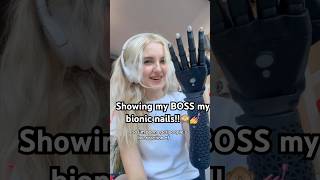
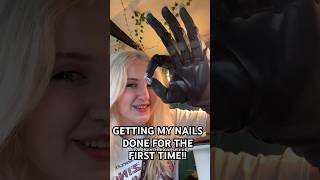
Getting my nails done on my new bionic arms for the first time!!💗#girlhood #nails #bionicnails
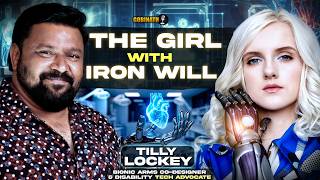
Tilly Lockey: Lost Both Hands at 15 Months, Leading the Bionic Generation |With Tamil Subs| Gobinath
The Incredible Foundation Making Sport Accessible to Every Athlete | Bob Babbitt on Tilly Talks Tech
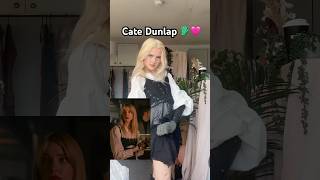
Cate Dunlap🖤 I get compared to a lot of characters so here’s my series inspired by them!🦾 #fashion