Tilly Colombia interview BarranquillaEs !
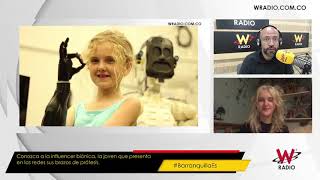
This content was created by Tilly Lockey. This content was uploaded by Tilly Lockey. This is a YouTube video/radio interview segment (W Radio Colombia) titled 'Tilly Colombia interview BarranquillaEs !' recorded September 13, 2021. The bilingual (primarily Spanish, with English replies from the guest) excerpt is an interview featuring hosts/announcers (Juan Pablo, Carlos Contreras and other station speakers) and 15-year-old Tilly Lockey. They discuss Tilly's life story (loss of hands from bacterial meningitis as a toddler), her use and advocacy of Open Bionics prostheses, her work as an influencer and model (the “bionic girl”), motivational speaking, her inspiration (her parents), and recognition such as the 2019 Concord award. The clip is a live radio/YouTube interview promoting prosthetic technology and social inclusion.
Chapters
Libros, juegos, la facilidad de comprar en línea y la comodidad de recibir en casa. Con tu compra recibirás algo más. Visita nuestra tienda www.elitenretenimiento.com. Este sábado 11 y domingo 12 de septiembre, el noticiero W Fin de Semana con Rosario Gómez, Catalina Maya, estará en vivo y en directo desde el Hotel Secrets Royal Beach en la espectacular playa de Bávaro. Conéctate al programa y aprovecha las ofertas que tendremos en las oficinas de Aviatur del país o en aviatur.com. A&M Collection, todo incluido, llevado a un lujo ilimitado.
Carlos Contreras, sigue La W. Sigue La W a la 1 de la tarde, 46 minutos, y la invitación es a que usted se conecte en este instante. Hágalo a través de nuestro YouTube Live, búsquenos como W Radio Colombia, y de paso, si nos está viendo, empiece a seguir el canal de La W. Porque así usted podrá estar pendiente de toda la actualización informativa que tenemos constantemente a través de nuestras redes. En YouTube, ya sabe, W Radio Colombia. En Facebook también, W Radio Colombia. Carlos nos trae a una modelo, actriz, presentadora, influencer, pero por encima de todo, una mujer de admirar. Tiene 15 años, se llama Tilly Lockey. ¿Qué la hace tan pero tan especial, Carlos?
Pues Juan Pablo, muchas cosas, pero como usted dijo, hay algo que definitivamente la hace especial, y es que ella con apenas un año y 3 meses sufrió de una enfermedad. Aquí se la tengo exactamente, sufrió de meningitis bacteriana, lo que le causó que perdiera las manos, los antebrazos y los dedos de los pies. Sin embargo, esto y ella nos los va a contar ahorita, hizo que saliera adelante y que fuese embajadora de Open Bionics, que es una empresa, Paola, Juan Pablo, Mauricio e Ivanessa, que se dedica a crear prótesis muy, muy asequibles al público. Entonces ella se las prueba y en las redes sociales se las muestra al público para primero dar su retroalimentación. Me gusta esto, puedo hacer esto, puedo hacer más cosas, etcétera. Y segundo, inspirar a aquellas personas que necesiten este mismo equipo a que salgan adelante y que usen todos estos prototipos. Entonces, Juan Pablo, para mí y para nosotros es un gran honor saludar a Tilly Lockey, influencer llamada la chica biónica y del Reino Unido.
Es un placer tenerte con nosotros hoy, Tilly. Bienvenida a W Radio.
Gracias, estoy muy feliz de estar aquí y hablar.
Bueno, es impresionante. De verdad, hay que ver a Tilly para emocionarse. Hay que ver a Tilly porque es un ejemplo. Y lo que vamos a ver a continuación de verdad es emocionante. Carlos, comencemos, por favor.
Bueno, Juan Pablo, la primera pregunta es que yo estoy muy impactado con esa historia. Yo quisiera saber cuál fue ese momento importante de su vida que marcó definitivamente un antes y un después, y en el que ella dijo: ok, mi dedicación va a ser ayudar a gente y hacer un modelo a seguir.
Tilly, my colleague wants to know when, when was that moment in your life in which you decided to, to become a model for, for a lot of people, someone to follow, someone to, to see, someone to watch and, to admire?
Well, I think it's been a pretty, um, like consistent and quite a slow process. I mean, at the very, very beginning, that wasn't what I was setting out to do. I mean, I was very, very little when I started to get into prosthetics. I lost my hands when I was 15 months old and I got my first ever prosthetic hand when I was only 2. And then ever since that point, I've been wearing different types of prosthetics, just trying to find out which one works best for me. And it was around the age of, I think, maybe 7 years old where I kind of had the realization. I was in the back of the car one day with my mom and I asked her, Mom, you know, other kids with no hands, are they given the same hands as me? You know, are they offered the same kind of things? And my mom told me then, yes, you're offered what's available now. Like, this is as far as technology's kind of gotten. And back then I used to worry an awful lot about not so much myself, but more about the people who had had hands their whole life and then all of a sudden them just be gone. I mean, you or anyone who's listening right now, Well, I mean, you might not have hands, but I'm going to assume that the majority do, right? Your hands could just be gone tomorrow and you'd probably think that you were doomed. You probably think, you know, I do so much with my hands every single day. How am I going to cope? And so it was at that point where I realized I really wanted to dedicate a lot of my time to developing prosthetics, not only for myself, but for the people who would maybe need them more because I've managed to adapt really well and become independent having lost my hands so young. But it was the idea of having hands and then them just being gone like that. That really kind of struck a nerve with me and I wanted to carry on doing that. And I was always kind of giving interviews and being in the spotlight then. It was always very much about just sharing my views and sharing, like, what I want to see in the world, helping develop prosthetics and also helping tell people, like, that this is available now because there's so much more technology now than there was back when I was little. And a lot of people, I think, don't realize how far we've actually come on. So I feel like that's where it all kind of came into me being on social media and just sharing everything that's going on. And now I do a lot of modeling with my Bernoullis, which is something I really enjoy. I love to express myself with them, and that's something that I never thought I'd be able to do back in the day, because if anything, they were kind of uncanny, the prosthetics at the time. They kind of scared me in a way because they were really realistic, but they moved so robotically, whereas now I have hands that literally light up. They're all sorts of different colors, and so you can just have so much fun with them now. And that's what I think about social media. I'm not so much doing it like because I have to. It's not calculated, it's not strategic. It's literally just me sharing my life and what's going on and the prosthetics I'm helping develop.
Okay, let me translate. Se siente, pues tiene un bajón, digámoslo así. Ella pierde sus brazos cuando tenía apenas 15 meses de edad, y entonces ya es más o menos cuando ya tiene 7 años que empieza a darse cuenta que otros niños, otras personas que tienen prótesis, pues tienen todos como prótesis idénticas. Y le pregunta a la mamá por qué, y dice, pues es que eso es lo que hay, eso es lo que existe, eso es lo que, lo que se puede conseguir. Entonces de repente ya como que empieza a tomar conciencia de, bueno, esta es una realidad a la cual hay que sobreponerse, una realidad que además le puede pasar a cualquier tipo de persona. Usted hoy día puede tener sus manos, puede tener sus brazos, y de repente mañana ya no tenerlos. Y eso es algo que ella tuvo que aprender a sobrellevar. Cuando ya lo supo sobrellevar, ella empezó a entender que podía empezar a llevar un mensaje distinto, y un mensaje que es el que luego empieza a replicar más por gusto antes que por promoción. Otra cosa en sus redes sociales que es la de probar distintas prótesis, mostrar distintas prótesis, contarle a la gente cómo se siente con sus distintas prótesis. Y lo que ella nos dice es que cuando toma conciencia de esto a los 7 años, a hoy la tecnología ha cambiado, los precios han cambiado, todo ha cambiado. Y ella ahora lo que le gusta es mostrar y probar los distintos tipos de tecnología que hay, al punto que ha llegado a convertirse hasta en modelo, modelo con sus prótesis, algo que jamás se habría imaginado ella en su vida, sobre todo cuando era más joven. Y lo que ella hace, pues siendo modelo y hablándole a los demás, es mostrar las opciones que hay para llevar una vida que además puede ser distinta, pero no necesariamente más compleja. Yo quiero quedarme con el tema del modelaje. ¿Hay a quien le dijo: oiga, conviértase en modelo? Tilly, me gustaría quedarme con la parte de la historia que está relacionada con el modelaje. ¿Quién te dijo que puedes ser modelo, que puedes hacer modelaje?
Sí, por supuesto. Todo a lo largo de mi vida me dijeron todas estas cosas de que nunca podría hacerlo. Well, number one was live. I was told that I was going to die. I wasn't going to be able to walk, so they said. They said I wouldn't be able to run. They said I wouldn't be able to play the piano, which I learned how to play a song on piano. So that's pretty cool, even though I've not got hands. And then modeling is, of course, one of those things where it's a very kind of stereotypical look, isn't it, of what you need to be to be a model. Now, what I like to see happening, and it's happening all around us now, we're definitely seeing the media become more inclusive. And I'm just trying to push that initiative forward as much as possible because I feel like the best future in a couple of years or so, or hopefully sooner, it's going to be where people can go out and be completely judgment-free and they can just be who they are and have no shame for that because no one deserves to feel like that. So that's with my modeling, that's what I try to do. I do a lot on social media with the binary comms which I like to match with my outfit and I like to put them out with motivational quotes as well just to Hopefully that makes someone's day brighter should they stumble across my page.
Bueno, pues nos dice que con el modelaje le pasó como con todo lo que ha tenido que vivir. A ella de chiquita le dijeron: usted no va a poder caminar. Caminó. Le dijeron: usted no va a poder correr. Corre. Usted nunca va a poder tocar el piano. Toca el piano. Y pues le pasó exactamente lo mismo con el modelaje. Le decía que jamás esto iba a ser posible para ella, más aún en un mundo cargado de estereotipos Y lo que se ha dado cuenta ella es que los estereotipos hoy por hoy ya no marcan tanto. Estamos en un mundo mucho más inclusivo. Entonces ella, ¿qué fue lo que decidió? Pues empezar a través de las redes sociales a moverse, a mostrarse, a hacer modelaje. Y así es como ella pues termina metida en un mundo que es precisamente este, el del modelaje.
Juan Pablo, ella inspira definitivamente a muchísimas personas. Tiene una cantidad de seguidores en redes sociales impresionante con tan solo 15 años, pero ¿Quién la inspira a ella? Es decir, ¿quién hace que se levante de la cama y diga vamos a modelar, vamos a ser influencer, vamos a ser blogger, vamos a inspirar a todo esto, al resto de personas? ¿Quién inspira a ella?
Tilly, there's no doubt you're a real inspiration for a lot of people, a lot of people that follows you, that sees you, that watches you. But who inspires you?
Yeah, I mean, as a motivational speaker, it's something I do a lot. A lot of people ask, okay, but where do you get where I get that inspiration from. And it's honestly quite a hard question for me, and I always feel like it's quite corny when I answer it because there's not really one person I'd say in the spotlight so much that I've looked up to and went, yeah, I want to be like them. They've really motivated me and given me a reason and a purpose to wake up and do something every single morning. I feel like honestly the biggest inspiration in my life has been my mom, as corny as it sounds, but she really has raised me to be the person I am today. Literally, like, she's made me the independent person I am. She's made me be able to ask for help when I need it, but also try my hardest in everything and have that dedication and be able to prove people wrong when it comes to playing the piano. She was definitely, um, a big person in my life when all these doctors were saying, yeah, she'll never be able to walk, she'll never be able to run, she'll never be able to do this and that. She was like, don't tell me what my daughter can and can't do, you know what? Because if 'If she wants to do it, then she'll do it.' And so they got a kind of secondhand piano, and my parents were the ones who agreed on that, to get it there just in case I want to play the piano. They weren't going to limit me in any way, even if people thought I couldn't. They would at least let me try. And I feel like because of that, that's made me how I am today. And even now, I'm always looking up to my mom and my dad and everything they've done for me, I feel incredibly grateful for.
Pues nos dice que ella, como una persona que da conferencias de temas motivacionales, es una pregunta que le hacen muchas veces, que la inspira. Y la respuesta puede sonar un poco cursi, sin embargo así es. Y es que a ella quien la inspira es su mamá. Su mamá que fue la persona que le enseñó a ser independiente, su mamá que fue la persona que le ha acompañado a lo largo de todo este proceso incluso escuchando sus frustraciones, sus dolores de corazón. En fin, hasta el punto que la mamá dice: no le digan cosas que no puede hacer porque ella los va a terminar haciendo, como pasó con el piano. Cuenta ella que los papás compraron un piano de segunda mano porque ella se antojó, quería tocar piano, y miren, hoy lo puede tocar. Así que si ella tiene que encontrar inspiración, lo hace de la mano de su mamá y su papá. Que se han convertido además en un motor para su vida. Bueno, nos quedamos sin tiempo, infortunadamente, porque qué interesante poder hablar contigo, Tilly. We have no more time to speak with you, you know, we have to cut, but thank you very much for your time. It's really, really amazing what you're living and the example you are for everyone. Say hello to your mom because we know that if you are her child, She must be a really, really fantastic woman. Thank you.
Thank you. Thank you. Bye.
Bye-bye. Impresionante. Y además es que parece de la salida de la ciencia ficción, Carlos. Las imágenes son increíbles.
Es impresionante. Sí, en los videos, eso quería explicarles, Juan Pablo. En los videos estamos viendo a ella probándose justamente estas prótesis de Open Bionics. Y quiero darle un último dato. Ella en 2019 se ganó el premio Concord, que es un premio que se le da a las personas con más impacto social. Mire los nombres que le voy a decir para personas que se han ganado este mismo premio. A ver, Ndaba Mandela, nieto de Nelson Mandela, y Ilyasa Shabazz, hija de Malcolm X, y Bernice King, hija de Martin Luther King. Nada más y nada menos. Una lista impresionante, y ella hace parte de eso.
Admirable. Aquí sigue La W, pero sigue con fútbol y algo más.
Aquí comienza Peláez y De Francisco en La W.
Una hora de fútbol y algo más.
Lunes a viernes de 2 a 3 de la tarde, solo en W Radio y wradio.com.co.
More from Tilly
We had to hit the Alysa Liu dance!! 💃🕺 #dance #alysaliu #dadanddaughter #bestfriends
spiritual connection🥹💗🐐 I love this little baby #goat #wholesome #limbdifferent #girlhood
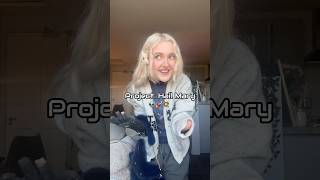
THAT WAS SO GOOD OMG IM never recovering🥹👽. #projecthailmary #scifi #ootd #cinema @Sony
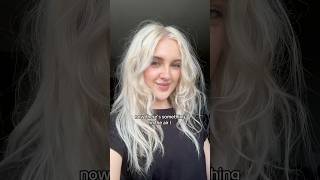
trying to convince myself not to get bangs🙈 #hair #newhair #oliviadean #girls #relatable
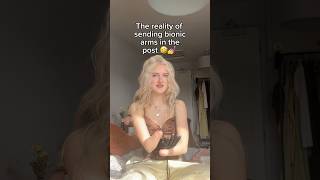
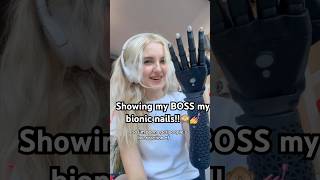
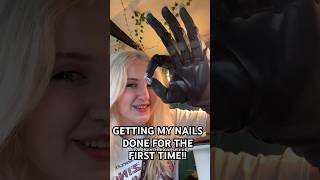
Getting my nails done on my new bionic arms for the first time!!💗#girlhood #nails #bionicnails
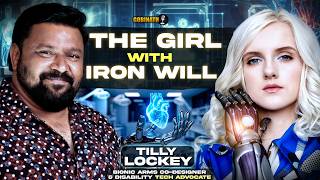
Tilly Lockey: Lost Both Hands at 15 Months, Leading the Bionic Generation |With Tamil Subs| Gobinath
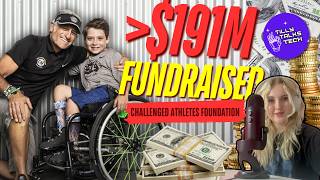
The Incredible Foundation Making Sport Accessible to Every Athlete | Bob Babbitt on Tilly Talks Tech
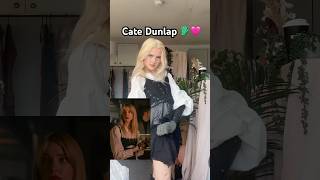
Cate Dunlap🖤 I get compared to a lot of characters so here’s my series inspired by them!🦾 #fashion