WICKED + BIONIC BARBIE ASHLEY YOUNG! growing up limb different and representation in the media📺
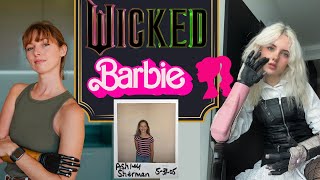
In this conversational YouTube interview, host Tilly Lockey talks with actress, dancer, and model Ashley Young—who has a visible limb difference—about her upbringing, the isolation she felt before the internet, and how social media later provided community and role models. Ashley discusses the challenges of bullying, both offline and online, and emphasizes the importance of representation for disabled youth. She explains her motivation to be a visible figure for the next generation, describing how seeing herself on screen can inspire children with disabilities. The interview delves into her casting experiences for the recent blockbuster films Barbie and Wicked, detailing how she was discovered, the inclusive atmosphere on set, and the emotional impact of specific scenes (e.g., the Wicked ballroom). Ashley shares audience reactions, such as a young fan crying after seeing her in Barbie, and reflects on the broader significance of inclusive casting. She offers advice to her younger self—persist, turn "no" into "yes," and rely on internal validation—and hints at upcoming, undisclosed projects. The conversation closes with her social‑media handles (@orlandocyborgashley) and a light‑hearted sign‑off.
Chapters
Is that good? Yeah, yeah, works for me. Blue. Is it just like normal acrylic blue? No idea what she done. But they're not budget.
Hello everybody, it's Tilly. Welcome back to my YouTube channel, and today I have a very, very, very special guest. We've got Ashley Young. You're like all the buzz right now. I feel like you've been all the buzz for a while. Oh, actually, what you've been up to recently?
I am an actor, dancer, model. I'm in the entertainment industry basically, so I like to say I do whatever my agents throw at me because I don't like to be bored. I feel like this is the perfect industry for me, and it also gives me a chance to kind of be that person to represent people in the limb difference community, and I love it.
We've spoken about it before, growing up with a limb difference and things like that. The representation recently has gotten so much better. Like, back in the day, I feel like there wasn't really anything at all. And how did you find that, like, growing up? Did you feel like a real lack?
Definitely, because I was born in 1995, so like, I grew up before internet. Yeah, exactly. Social media is an amazing tool, but growing up, for me, I felt like I was very isolated. Like, I didn't see anyone as a cashier who looked like me. I didn't see anyone at a gas station, you know? Like, it just— I felt like I was like the only one in the world. Yeah. And like, before bed, I remember when I was a kid, I was like, why me? Like, that was a question, and it really hurt me. I was like, why me out of literally everyone in the entire world. And it was a really, like, painful thing to go through. Before the internet, there was, there was literally nothing. It was a very isolating experience. As I got older and the internet started to kind of come into play, I would say that it definitely got better.
You think it did more, like, good than bad?
I would say I'm, like, very mentally tough because I grew up with the good and the bad. Like, I, I remember getting a lot of, like, weird DMs. Very— I'm sure you get them. As a I don't know, like 13, 14-year-old girl, like trying to go and navigate that and also be someone who's different.
Yeah, it's one thing being 13 anyway. Yeah, and then you add that on top.
But I think there is very— it is very good because I think I was like maybe 17 is when I kind of first started to see people like Angel Jafria, Rebecca Marine. They were like my idols. Just to like have that sort of community and representation and then you know, we all get together and we all know each other. Yeah, yeah. I think the internet is an amazing thing for that, and without it, I wouldn't have met them. I wouldn't have met you, honestly. Like, you know, so, so true. Did you find that you experienced bullying more online than you did in person?
I don't— like, especially my younger years when I first started social media, I didn't really get much.
I think—
well, I didn't really get anything at all, really. So like, really, I was like— I was so optimistic. I was like, wow, this is the best thing ever! Let's go, social media! Everyone's lovely. I feel like I get more now, but I feel like there's more freedom of speech now.
Yeah, I feel like—
I mean, it's like an Instagram Reels is the place to go to get—
yeah, absolutely.
Like, yeah, I don't know, violated.
Absolutely. Because for me, like, I had more bullying, I think, in middle school, which I think is like your secondary school, right? Yeah, yeah. That's when I got— I didn't get bullied necessarily like online too much, but I definitely got bullied in like school. And like, I think it's because everyone was focused on who was popular and who wasn't. Yeah. And it's also— I don't know if it's like American, but like, like, people are really interested.
Middle school, it's the strangest thing to like be different and be okay with that.
It's tough, isn't it? And like, I don't know, people don't mean— like, the kids don't mean it, but everyone's kind of searching for a place to be. And like, when, when someone is mean to you, they're kind of projecting what they're most afraid of, right? They're, I don't know, picking on you for being different because they don't want to be different. But that's not my fault. And like, why are you taking it out on me? It's hard. And you have to be very strong-headed as a person with a visible difference because it's like you need to be able to have that understanding.
When it comes to like finding your place and stuff, that's why representation is so important. I've seen you in a tube station.
Oh, did you?
Yeah, I was like, oh my god, it's Ashley! What do you feel like sort of like fuels you to want to be in front of the media and things like that, especially when sometimes there is like backlash?
I would say it's being a kid and not seeing myself in anything. Like, I feel like I remember that feeling being so horrific. That I don't want any other kid to feel that way ever. And I think anyone who has like a visible disability in general, just to see someone that maybe doesn't look exactly like them, but as someone who is different from the normal, that like fuels me. Like, I love to do it because it's fun and I love my life, but like, I feel like my like motivation is never to do anything for myself. It's for the next generation. And like, I like to push and fight and see what kind of rooms that I can get into, and that way hopefully that door is now open for them to come in and now be able to do the same exact thing. Even like stuff like being in film, if I'm in film for like literally one second and someone spots me and they're like, wow, she's in there, she's doing that, yeah, I can do that too. Like if they thought that was never an option their entire childhood and all of a sudden they see me and now they think that this is a new path for them to take, I feel like For me, that's like the most important thing.
You are one of like the leading forces, I feel like, when it comes to like representation and things. You've been in some of literally the biggest movies recently, the past 2 years.
Yeah.
So I'm gonna, I'm gonna stop this because then it's gonna get a bit long. Okay, then we'll talk about all that.
Yeah, sounds good.
Okay, so one of the biggest things you've done recently, which is super exciting, you were in Barbie. Yes, not too long ago, which is amazing, like insane. And you were in Wicked. As well, which is really fresh. It's like, how was that? How did that come about?
Should we start with Barbie or Wicked?
Let's do, let's do Wicked.
Okay, so Wicked, they had been filming, uh, in Ivinghoe, like Buckinghamshire. Sure, if I'm saying that right. I had known that it was like filming for quite some time because I had a lot of friends that were on it as like, uh, background extras. And yeah, just dance and horse people. And I hadn't known that it was happening and going on, and I was like, oh, if I get it, I get it. If I don't, you know, the universe is gonna give me what I deserve, or, you know, like, or what I, what I need in life. And it was like the end of the summer, probably about a year ago, and I got an email and it was like, are you still available for Wicked? I was like, still? Wait a second, didn't we talk about this before? I was like, wait. Um, but yeah, I was like, absolutely, whatever you want, you know, I don't mind. Um, and we were filming one short day, uh, in the Emerald City. One short day. And obviously I had to take it. Like, Wicked is like the biggest thing. I mean, I watched it as a kid I very much resonate with Elphaba. I feel like Elphaba is like a character for me that I connect with quite a lot. Yeah, yeah, it's just been something that's been in my life since I was a kid, and like I said yes and went to the rehearsals. I was very sick. I was very ill. I had like the flu or something. I don't know, but I like had to be there. I was like, no, nothing will be standing in my way. Like, I'm— doesn't matter, I'm gonna do it. Yeah, regardless. So yeah, it wasn't through an agent or anything. They just reached out to me because Hannah who was the stand-in for Nessa, she told the choreographer about me when he was kind of asking. Christopher Scott, he was like wanting to make sure that Emerald City felt welcome for everyone. Yeah, you know, there's a little bit of everyone and everyone's on kind of like an equal playing field, and, um, there's room for literally every person in Emerald City. And that was like a really amazing concept for me. And like to have such a variety of people of all shapes, colors, sizes, ethnicities, like genders, it It was amazing. Like, everyone truly felt welcome. Yeah, just to be on set as like a dancer was just incredible. It was cool.
You can really feel it as well. Yeah, like when it's all happening. Like, I was— I literally went to see it like last night for research.
Yeah, exactly.
I really just wanted to see it. Yeah, you can really tell.
There's like—
there's a sort of shift all of a sudden. I mean, the whole plot is like the animals getting like, yeah, sort of rejected and outcast, you know? Then you go to Emerald City and like there was just so much going on. There were so many people. I saw you.
Yes, I did see you.
And yeah, like I love that energy. It is like in the future, can we just be a big Emerald City? Yes, that is the goal.
Yes, at the end of the day.
Literally the goal.
Yeah. Everyone was different, not just me, everyone. Yeah. And when everyone is different, we no longer label ourselves as different, right? We're like all kind of just ourselves.
Yeah.
You know, and I feel like it's really important. To create that environment on set.
How was it like actually filming? Were you like super buzzing?
Yes.
Yeah, I mean, we was talking earlier, like, all the set was real.
Yes.
Like, did you make any friends?
Yeah, so the whole set was— it was a practical set. Emerald City, the salon scene was a salon, you know, like they have built everything from the ground up and it's all practical and like just to be there really transported you into a new place.
It was like being in Emerald City.
Yeah, you're in Emerald City, and like, it was, it was just incredible. It was a very surreal moment, and it was, um, I feel like when you're in it, you're kind of like, okay, I'm here, I'm working, and then all of a sudden it just comes over you, and you're looking around and you're seeing everything. Everyone's in green, all the actors are there. You're like, wait a second, this is history. Like, we are making history right now. And it's really showed, obviously, in the box office and like the response that it's gotten from literally everyone.
How has that been for you?
It's been cool, you know, like people who have seen me in Barbie as well, like they have followed me from Barbie and now they're seeing this and they're like able to like point me out and like send me messages and stuff. And there was a message that really got to me that was like, my 7-year-old cried when she saw you in Barbie because she has one arm.
Those ones.
Yeah, they're my absolute favorite. And like, she's like, I'm gonna take her to see Wicked now. And like even though I'm in the movie for probably like 2, a total of 2 seconds, like I can see myself because I know where I am in the crowd, but like you can only really truly see me for a very short amount of time. But still like that having such an impact, you know, is incredible to me and important. That's what I want.
Yeah, sometimes it feels like you just like press post, you know, yeah, and then, and then, but it's the messages that come back that are actually like damn, like, people are seeing this. And you should be like really, really proud of yourself that you keep getting into those rooms and keep doing it. Yeah, because I always say like, if it's just like one little person at home, yeah, who like takes something away, then that's a win.
Exactly.
Because that could have been me and you. Yeah, we were younger and been like, oh my gosh, I can be an actress, I could be a Wicked— I'm welcome in Emerald City. Yeah, you know, and it's just, it's the sweetest little thing. And you are like such a beacon of just you can, you can do it.
No, it's true.
So Bobby as well.
Yes, that was my first big film that I've ever done. Take 3 Agency, who I'm still with now, they messaged me on Instagram and they were like, this feature film is looking for an amputee dancer. And I was like, because it's on Instagram, I was like, hmm, I don't know. But they sent me the details for the audition and I was like, yeah, I will go. It seems like a credible studio. And it was, you know, and I showed up and it was an audition only for disabled people, which was kind of cool. You could discuss being in a room, included in a room full of people who are able-bodied, but I feel like the environment of all of us together was so lovely. Yeah, and we kind of had our own space and our own— yeah, like our own ability to be expressive basically without able-bodied eyes, you know, looking at you, and I feel like that was quite nice. And yeah, we all got to know each other, we did the audition, and then some of us got a callback to be at Warner Brothers Studios and do our second audition there, which was crazy cool. And I hadn't been at that studio before, so it was really exciting. Two of us were picked, and there was in the end 35 of us, and two disabled dancers were picked to be part of the world. First thing that we shot was the dance scene, which was the opening sequence of the movie. Which was great. Yeah, very fun, very cool. And then Greta, she wanted us to basically be part of the Barbie world as like the background characters, because it probably doesn't seem like it now, but as dancers, like, we stand up very straight, you know, like there's a specific way that we kind of walk compared to— I don't want to say normal people, but like non-dancers. Yeah, yeah, for sure. And so she wanted us to kind of have that like Barbie and Ken like stance. And she wanted us to be recognizable characters in the, in the entire world of Barbie. We were involved in all of the like background scenes in Barbie World.
Barbie World was real as well, wasn't it?
Yeah, it was all practical sets too.
Like no green screens. Oh my gosh.
There was a few effects, like I've done the blue screens and the like digital, which is really cool in itself to like see how all that technology works. Yeah. But the Dreamhouse was a real set, the beach was a real set, the Oval Office was a real set. It was crazy. It was like being a kid and like putting yourself into your Barbie playsets and like being Barbie. That's such a flex. It was so cool. And like the hair, I don't know, the amount of wigs that I've had in my hair for Barbie and, um, and for Wicked too. My wig was massive. Yeah, it was really cool. It was like just like playing dress-up in being in there. But for me, like, Barbie's so, so important to me because that, like, it introduces a younger generation to different people, you know. Like, you're buying Barbies at the store, Barbies and Kens, and like, yeah, it was just amazing that they now have Wheelchair Barbie, Prosthetic Barbie, Vitiligo Barbie, like all of these amazing different Barbies and body types and shapes. And I think it's amazing.
Like, I feel like a lot of people didn't really know what to expect when we were getting a Barbie movie. Yeah, you know.
Yeah, like, because I watched a animated Barbie films.
Yeah, there's like a fun little narrative. Barbie's like perfect, you know?
Yeah.
Um, but yeah, I think it surprised a lot of people. Yeah, I love that film. That was probably film of the year for me.
Oh, okay.
Well, for a lot of people.
Yeah, yeah. I was like, yeah, I know it was.
Yeah, it was okay. Yeah, it was fine.
There was a very powerful message in it that Barbie can be anything and anyone, you know? It was cool.
It was beautiful. Which one was your favorite though? Wicked or Barbie?
Oh, that's a good question. I was on Barbie for a long time, so we kind of like felt like family. But in the short amount of time that I was on Wicked, we felt like family as well, you know, because I did make friends. Like, I made a little group of friends. I think both of them— it's really hard. I feel like Wicked was really impactful for me because of my childhood and the story and the message. And I think just the— I don't know, Wicked in general, I like have a long history. But Barbie was kind of the one that introduced me to the film industry and like introduced me to a whole new group of people. So it's hard. It's hard. I can't, I can't pick, to be honest.
You've been in the best two films in the last like two years.
Yeah, but I think I'll say Barbie because Barbie was like the first one. Really? Yeah. Okay, fair enough.
We're talking a little bit about how like how much you associate with Elphaba, and I feel like Elphaba is like a really good representation for somebody who like is able-bodied and like watching this right now. Like you were talking about the ballroom scene.
Oh my God.
And things and like you can like see it, but I feel like for people like you and me, like, we like feel it.
Yes.
You know, because she just feels so like sticking out like a sore thumb, right?
Yeah.
I mean, she lived her whole life green, and for somebody who's able-bodied, I don't think you can really capture what that feels like.
Yeah.
To be like the only person in the room who is like physically, visibly different.
Exactly.
I mean, disabilities come in all forms and they're all perfectly valid and come with different struggles. But when it's like a physical visible disability, which I find really hard to say, but sometimes that is the first thing people notice about you.
Absolutely.
You know?
Yeah.
And like immediately it's like, oh yeah, she's green. But I think what's really beautiful about Elphaba is like she owns it.
Yeah, for sure.
And I think that's the best sort of representative person, character, for like anybody, able-bodied or not, because everyone's got their own little insecurities, haven't they? Yeah, we were just talking about how that, like, that dance scene. Yeah, like, brought it to life.
Spoiler alert. Oh yeah, but, um, the ballroom scene— I don't know, from the beginning, like, she is visibly different and she does own it, but it doesn't mean that it's not painful. Yeah, for her. And like, the way that Cynthia just brought that emotion to the scene, it resonated with me so much. And like, I went to go see it, um, for the first time with the crew, casting crew, um, and I felt— oh my God, like, I was such a mess. I'm like there, like, like, stop. I was sobbing. Um, you know, my friends, they just gave me a little rub, they're like, it's okay. But like, yeah, it's the thing, like, you're different and you're trying so hard to be strong, and you like walk into a room, everyone's looking at you, you know, out on the outside you're like, I'm fine, everything's fine, I'm different, who cares. But in the inside, it's like, yeah, you're only human, and it's your inner child too that is hurting, is screaming inside of you, you know, and it's very much like, I don't want to be different. I don't want to be looked at. I don't want— I just want to feel like I fit in. And it's like a very tough thing to endure, you know. And I feel like a lot of people who are physically different, visibly different, like that— I feel like that scene was so powerful. Yeah, like so powerful.
It really was.
Someone was telling me who was able-bodied. They were like, oh yeah, it was really long. And like I didn't know if it needed to be that long. And like for me, I know, and like for me, like watching that scene, I'm like, I didn't think about that at all. No, I was just crying. Yeah, you know, like, and it like, yeah, and it made sense. But it was crazy, like in the theater too, during that scene, everyone's like sniffing and you like look around. Yeah, a lot of people do resonate. Like, yeah, even if you are, uh, able-bodied, like just feeling different in any sort of way, you know, like if you're part of the LGBTQ community, or if you're really tall, or like, you know, there's a lot of like people who maybe do feel that way sometimes as well. Yeah, physically different. But I feel like a lot of people really kind of took what they could personally from that scene. Yeah, and I feel like they did such an amazing job.
Yeah, they really did. Yeah, they did such a good job. If you could give like one piece of advice to your younger self or anybody who's watching, yeah, right now, what would you want to say?
Um, I would say just keep going, you know. Um, if you get a no, it's for the best. Make it into a yes, you know. Like, things are always going to come your way, and I feel like being yourself is like the best thing that you can do for you and for the others around. Um, and yeah, it's not gonna come from external validation, it will come from yourself. And, um, yeah, you got this. That's all I gotta say.
You got this.
You're gonna be fine. You're gonna be just fine. I feel like if I could tell myself something, it would be that like the feelings that you have now don't last forever. True. And stick, stick with it and things will work out.
And just quickly, you might not be able to say, but is there anything else in the works?
There you go.
Tell us more, unless you want to.
I can't say.
Okay, we'll keep an eye out.
Yeah, there's some pretty crazy stuff that's going down, so we'll see what happens.
Next few years, you'll have to come back for a debrief. Yeah, every time I'll be like, listen, I need to know all the ins and outs. Everybody, please do like give Ashley a follow. Do you want to say where they can find you?
Yes, I am @orlandocyborgashley, all one word, on Instagram, TikTok. Um, that's kind of all of it. All I got. I've got a Twitter, but no one follows me on there.
Well, follow her on Twitter. No, thank you so much. It's been so nice talking to you, and we're going to go out Explore Bristol now.
Yeah, that sounds great. I've never been here.
My first guest!
Thank you so much. Thanks for having me. That's okay.
More from Tilly
We had to hit the Alysa Liu dance!! 💃🕺 #dance #alysaliu #dadanddaughter #bestfriends
spiritual connection🥹💗🐐 I love this little baby #goat #wholesome #limbdifferent #girlhood
THAT WAS SO GOOD OMG IM never recovering🥹👽. #projecthailmary #scifi #ootd #cinema @Sony
trying to convince myself not to get bangs🙈 #hair #newhair #oliviadean #girls #relatable
Getting my nails done on my new bionic arms for the first time!!💗#girlhood #nails #bionicnails
Tilly Lockey: Lost Both Hands at 15 Months, Leading the Bionic Generation |With Tamil Subs| Gobinath
The Incredible Foundation Making Sport Accessible to Every Athlete | Bob Babbitt on Tilly Talks Tech
Cate Dunlap🖤 I get compared to a lot of characters so here’s my series inspired by them!🦾 #fashion