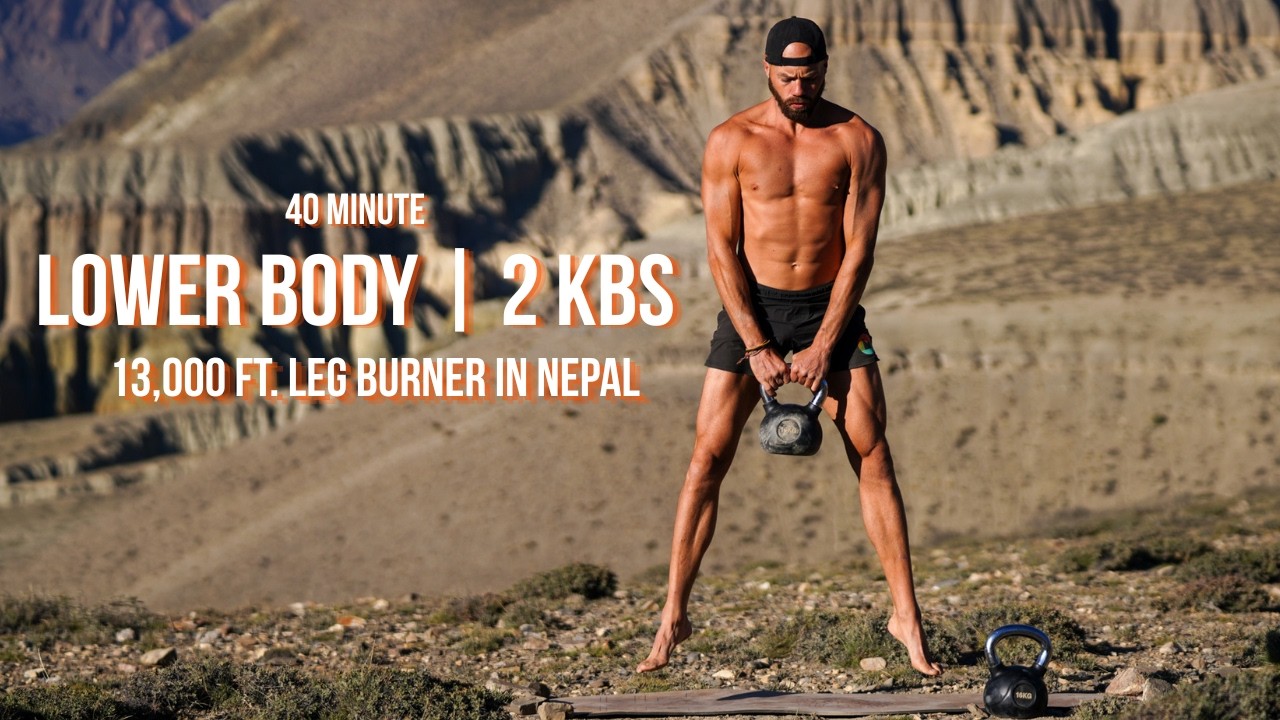
In this video, Speaker A and Tommy Cassano explain how just 15 minutes in a natural environment can trigger measurable physiological and neurological benefits. They cite research showing that a brief exposure lowers cortisol, strengthens the immune system, and that these effects can last for weeks. The discussion introduces shinrin‑yoku (forest bathing) and Attention Restoration Theory, arguing that the pre‑frontal cortex—overloaded by constant digital demands—recovers when the brain processes natural stimuli like wind, water, and terrain, something a typical indoor gym cannot provide. They further claim that even viewing nature on a screen elicits a calming nervous‑system response, because the nervous system does not distinguish between real and virtual nature. The video highlights additional advantages of outdoor training: natural sunlight boosting serotonin, natural soundscapes facilitating a down‑shift from fight‑or‑flight, and the psychological impact of feeling part of something larger. Cassano shares personal anecdotes from two decades of outdoor endurance training, emphasizing that the post‑workout feeling of deep reconnection is unique to nature. The purpose of the video is to position the Outdoor Body program as a way to deliver these natural benefits to anyone, regardless of location, and to tease a follow‑up video that will explore nature’s specific effects on anxiety.
Chapters
15 minutes. That's all it takes. 15 minutes in a natural environment and your cortisol, your stress hormone, starts to drop. That's not me talking, that's blood tests, brain scans, actual research. But here's the part that blew my mind when I first learned it. You don't even need to be in nature to get that effect.
You just have to see it.
In the moment I understood that, I knew exactly what Outdoor Body needed to be. I've been training outside for over 20 years. 100-mile races through the mountains, summits where you could barely breathe, deserts that bake everything out of you. And the thing I kept finding every time had nothing to do with fitness. Stay with me.
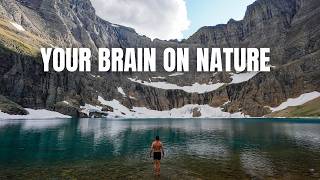
The Japanese call it shinrin-yoku, forest bathing. Researchers measured what happens to your body in a natural environment, and what they found wasn't subtle. Cortisol drops, not slightly, measurably, and your immune system actually strengthens. One single exposure, those effects lasted over 30 days. Now imagine you're not just standing in nature, you're training in it. There's a concept in neuroscience called Attention Restoration Theory. Your prefrontal cortex, the part of your brain responsible for focus, decision-making, and impulse control, it gets exhausted. Every email, every notification, every decision you make throughout the day drains it. And here's what most people miss: the gym doesn't fix it because a gym is still an indoor environment packed with stimulation—screens, mirrors, music, people. Nature does something different. Your brain processes wind, water, terrain, temperature, things it was designed to process. And while it's doing that, the overloaded part finally gets to recover. That's why you feel different after training outside. It's not just the endorphins, it's your brain coming back online. Think about where most people train: a box, four walls, fluorescent lights, recycled air. A screen 2 feet from your face while playing the news while you run on a treadmill, earbuds in so you don't have to listen to the guy next to you. I'm not here to trash gyms. I trained people in gyms for years. You can build a great body in one. But here's what I noticed across 20 years of coaching: people would finish a hard workout, check every box, hit their numbers, and still walk out anxious. Still carrying tension in their chest, still reaching for their phone before they even made it to their car. The workout hit the body, but nothing hit the mind. You sweat it for an hour in a sealed room, and the only thing that changed was your heart rate. Now here's what's wild. Studies show that even viewing nature on a screen produces a measurable calming effect on the nervous system, which means every time you press play on one of these sessions from your living room, the location is already working on you, doing something your gym walls could never do. Your nervous system doesn't know the difference between being there and seeing it. It responds either way. If this is changing how you think about training, hit save on this video. Come back to it. When you remove the walls, your body gets things no gym can manufacture. Sunlight. Real sunlight. Not a ceiling light. Not a ring light. Natural light triggers serotonin. It regulates your mood. Your sleep, your energy. It's the most basic thing your body needs and the one thing every indoor workout strips away. Sound. Not a playlist, not a podcast. Wind through trees, water over rocks, your own breathing layered over the earth. When the only thing your ears are processing is nature and your own body working, something in your nervous system downshifts. Fight or flight releases and your body moves into rest, restore, and rebuild. That shift doesn't just happen on location. It happens through your speakers in your living room. And then there's something harder to measure but impossible to miss. The feeling of being surrounded by something bigger than yourself. The scale of a mountain range. The stillness of a forest, the rawness of the desert. When you train with that as your backdrop, even through a screen, it pulls you out of your head and into your body. You stop thinking about your inbox. You stop carrying the day. For 30 minutes, you're grounded, connected, present. That's what nature does, and that's what every Outdoor Body session is designed to deliver wherever you are. And here's the part that nobody talks about, and this is the part that changed everything for me. It's not the workout, it's what happens after when you're drained when you've given everything, when the sweat is still on your skin and you're standing on the earth with nothing left to prove to anyone, there's a moment. And in that moment, every ounce of stress, every bit of anxiety, every piece of tension that's been locked into your cells, it dissipates. And what's left is this feeling of being completely reconnected to your body, to the earth, to yourself. Like you just came home to something you forgot existed. It feels like your birthright. Like this is what your body was always supposed to do. Move on the earth, under the sky, in your natural state. Not in a box. Not under artificial light. Not staring at a screen. Here, with nothing between you and the ground. I felt this feeling hundreds of times. On the cliffs in Yosemite. In the rain at Olympic National Park. On the edge of the Grand Canyon. At the top of the Himalayas. And I can tell you, after 20 years of training in every in every environment you can imagine, no gym will ever give it to you. Outdoor Body exists because that experience shouldn't require a plane ticket. Every session I film, whether it's a kettlebell circuit in Zion, a bodyweight flow in Nepal, a meditation at 14,000 feet, It's designed to bring that environment to you, to give your brain what it actually needs while your body does the work. 30 minutes. Real locations. Real science. Real change.
So that's what's actually happening in your brain when you train in nature. And honestly, once you understand it, you can't unsee it. The next video goes deeper because cortisol is only half the story. The real question is, what does nature do to anxiety specifically? Not stress, anxiety. They're different. And the answer changes everything how you think about where you train. That video drops next week. And if this one resonated, share it with someone who's been grinding in the gym and still wondering why nothing feels different. They need to hear this.